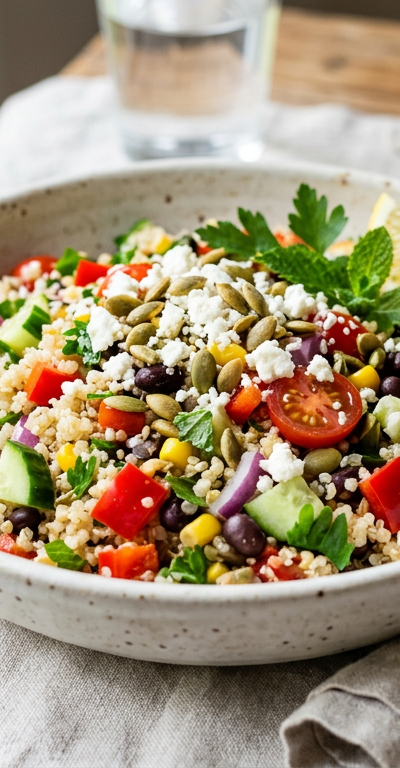
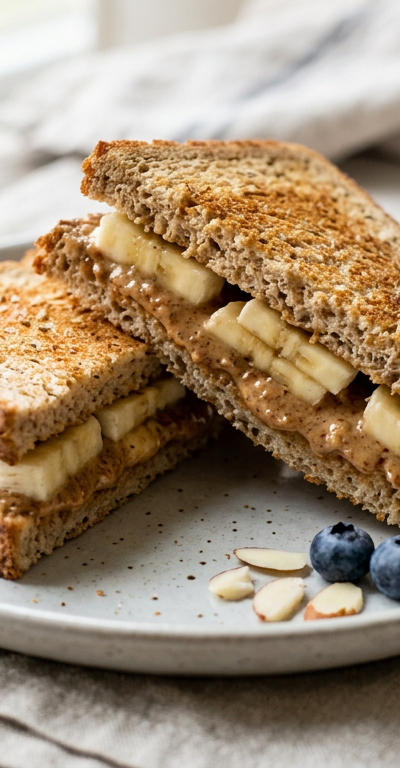
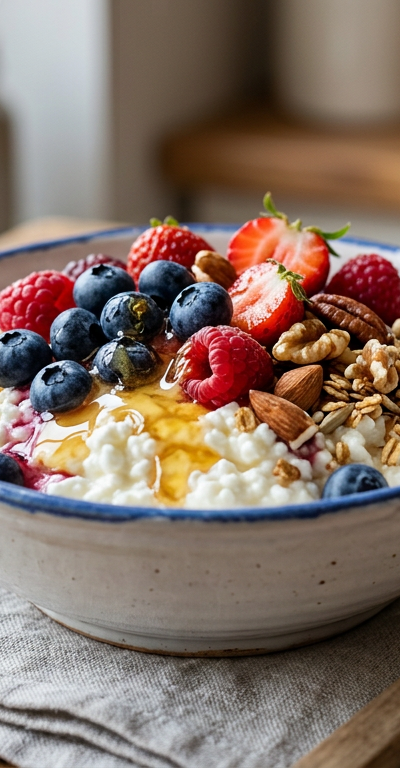
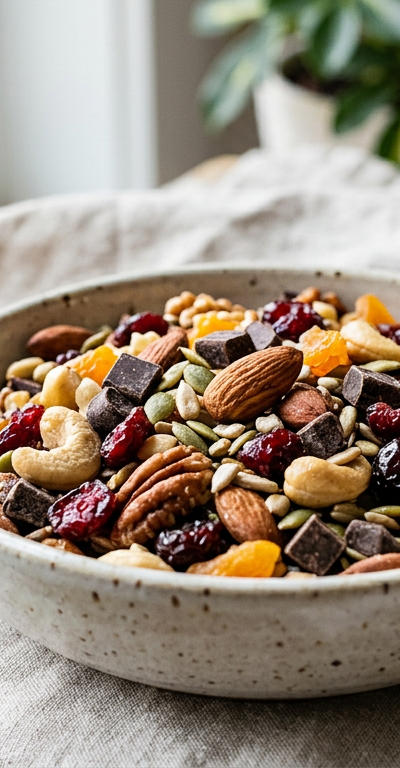
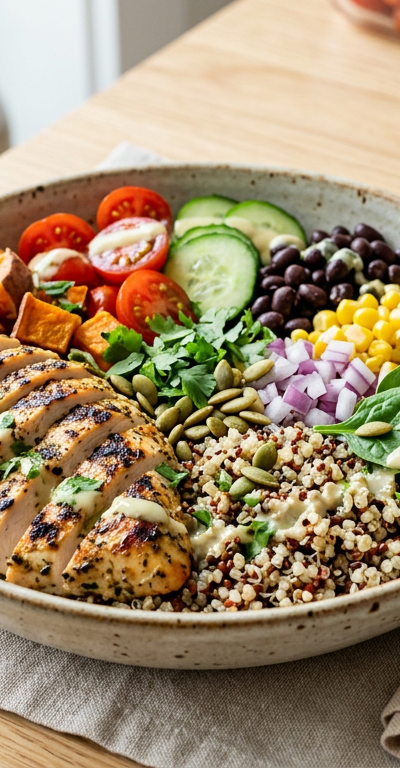
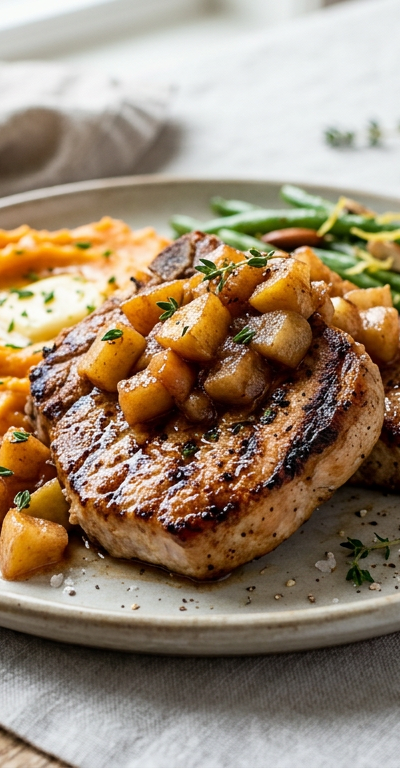
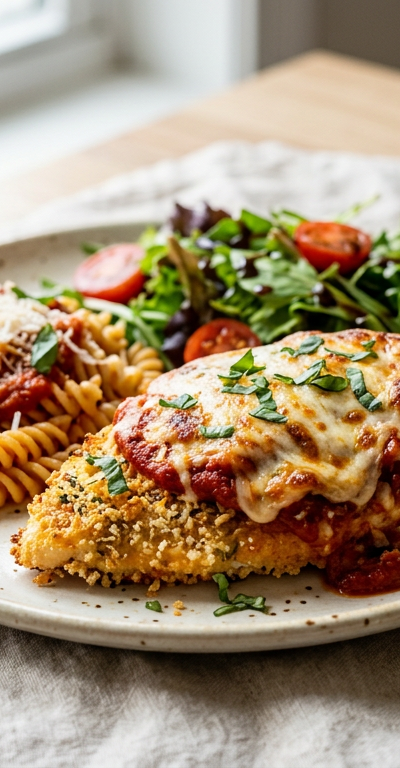
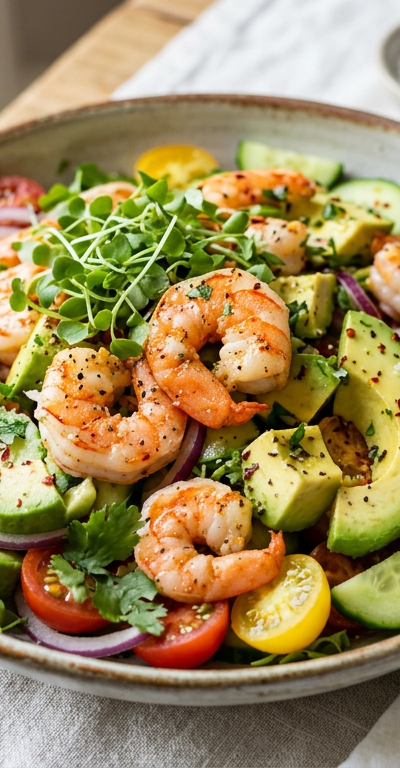
A gluten-free diet may benefit certain autoimmune conditions beyond celiac disease, particularly autoimmune thyroiditis (Hashimoto's), type 1 diabetes, and rheumatoid arthritis, where gluten may contribute to intestinal permeability and systemic inflammation. By removing gluten, the diet may reduce gut inflammation and decrease the autoimmune burden in susceptible individuals. Some studies suggest improvements in antibody levels and symptom severity, though responses vary significantly between individuals and conditions.
How Gluten may increase intestinal permeability ("leaky gut") through zonulin upregulation, allowing bacterial endotoxins and food antigens to enter systemic circulation and potentially trigger or exacerbate autoimmune responses in genetically predisposed individuals. Removing gluten may help restore gut barrier integrity, reduce systemic inflammation, and decrease the antigenic load that contributes to autoimmune activation, though this mechanism is more established in celiac disease than other autoimmune conditions.
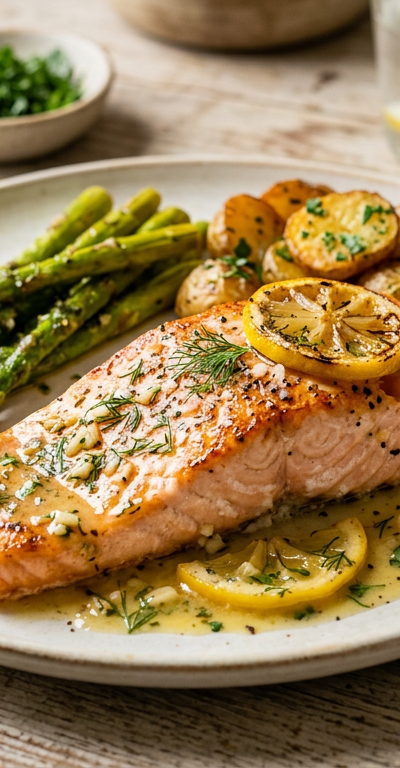
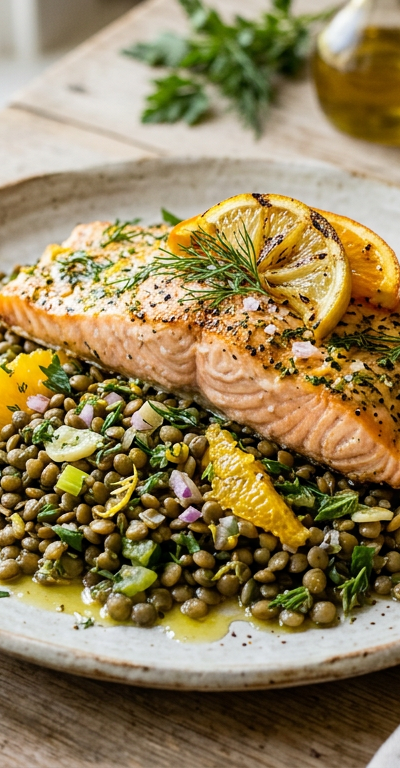
Key foods Anti-inflammatory foods like wild salmon, leafy greens, blueberries and strawberries, walnuts, olive oil, turmeric, ginger, quinoa
A gluten-free diet can alleviate symptoms in various digestive disorders including irritable bowel syndrome (IBS), particularly in individuals who are gluten-sensitive or have overlapping conditions. Many people with IBS report reduced bloating, gas, abdominal pain, and improved bowel regularity when eliminating gluten. The diet's emphasis on whole, unprocessed foods and naturally gluten-free grains also supports overall digestive health by providing fiber and reducing intake of heavily processed foods.
How In gluten-sensitive individuals, gluten proteins or associated wheat components (FODMAPs, amylase-trypsin inhibitors) can trigger digestive symptoms through various pathways including altered gut motility, increased intestinal permeability, low-grade inflammation, and changes in gut microbiota composition. Removing these triggers allows the gut to function more normally, reduces inflammation and fermentation, and may help restore a healthier microbial balance.
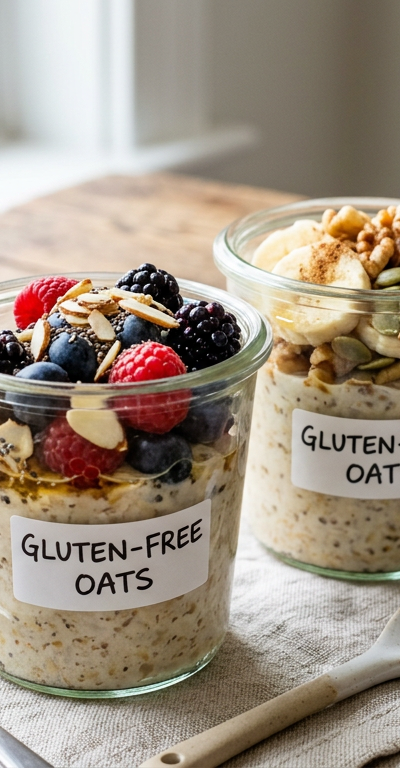
Key foods Certified gluten-free oats for fiber, brown rice, quinoa, sweet potatoes, bananas, papaya, bone broth, fermented foods like yogurt (if tolerated)
A strict gluten-free diet is the primary treatment for gluten ataxia, a neurological manifestation of gluten sensitivity where antibodies attack the cerebellum causing balance and coordination problems. Early diagnosis and dietary intervention can halt progression and sometimes lead to improvement in ataxia symptoms, though established neurological damage may be irreversible. The diet must be maintained lifelong to prevent further cerebellar damage and worsening of neurological symptoms.
How Gluten ingestion triggers production of antibodies (particularly anti-gliadin antibodies) that cross-react with Purkinje cells in the cerebellum, causing inflammatory damage and neuronal loss. These antibodies may also affect cerebellar blood vessels and cause direct neurotoxicity. Eliminating gluten stops the autoimmune attack, prevents further cerebellar damage, and may allow some functional recovery if implemented before extensive neuronal loss has occurred.
Key foods Nutrient-dense gluten-free grains like quinoa and buckwheat, B-vitamin rich foods like eggs and leafy greens, omega-3 rich fish like salmon, nuts and seeds, legumes, fresh fruits and vegetables
A gluten-free diet can halt progression and sometimes reverse symptoms of peripheral neuropathy in individuals with gluten-related neurological disease. This condition, often occurring with or without celiac disease, causes numbness, tingling, and pain in the hands and feet due to gluten-triggered nerve damage. Early dietary intervention provides the best outcomes, as established nerve damage may be permanent, though symptom stabilization and some improvement can occur even in advanced cases.
How Gluten triggers an autoimmune or inflammatory response that damages peripheral nerves either through direct antibody-mediated attack on nerve tissue, vasculitis affecting nerve blood supply, or inflammatory cytokines causing nerve damage. Additionally, malabsorption in celiac disease can cause deficiencies in B vitamins critical for nerve health. Eliminating gluten stops the immune attack, reduces inflammation, restores nutrient absorption, and allows nerve tissue to potentially regenerate or at minimum prevents further deterioration.
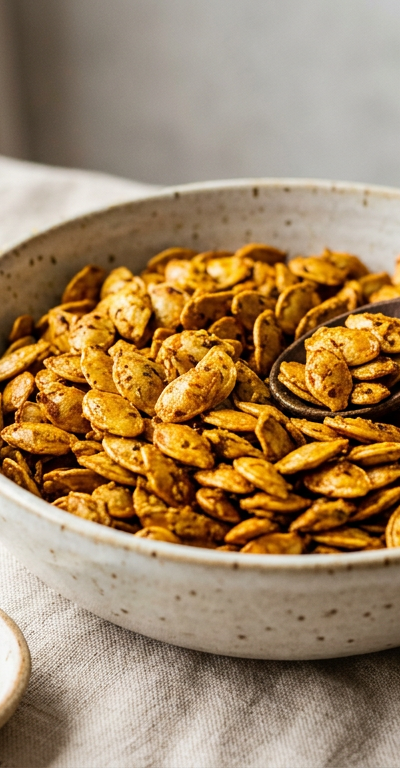
Key foods B12-rich foods like wild salmon and eggs, B-vitamin rich quinoa and legumes, antioxidant-rich berries, walnuts rich in omega-3s, leafy greens, seeds like pumpkin and sunflower seeds
A gluten-free diet eliminates the trigger for symptoms in individuals with non-celiac gluten sensitivity, resolving gastrointestinal distress, brain fog, fatigue, and headaches. While the exact mechanism differs from celiac disease, removing gluten provides symptom relief without the need for medication. Many individuals report significant improvement in quality of life and digestive comfort within weeks of adopting this diet.
How Though the exact pathophysiology is still being researched, gluten or associated wheat proteins (such as amylase-trypsin inhibitors or FODMAPs) appear to trigger innate immune responses and increase intestinal permeability in sensitive individuals. Removing these triggers reduces gut inflammation, decreases production of pro-inflammatory cytokines, and restores normal digestive function without the autoimmune component seen in celiac disease.
Key foods Millet, amaranth, sweet potatoes, leafy greens like kale and spinach, almonds and almond flour, coconut flour, fresh berries, pasture-raised poultry
For individuals with gluten sensitivity or celiac disease, a gluten-free diet significantly reduces systemic inflammation by eliminating the trigger for gut-mediated inflammatory responses. When properly implemented with emphasis on anti-inflammatory whole foods rather than processed gluten-free alternatives, the diet can lower inflammatory markers like C-reactive protein and reduce overall inflammatory burden. However, benefits for chronic inflammation are most pronounced in those with documented gluten-related disorders rather than the general population.
How In gluten-sensitive individuals, gluten triggers intestinal inflammation and increased permeability, allowing inflammatory molecules and bacterial endotoxins to enter circulation and activate systemic immune responses. Removing gluten reduces gut inflammation, restores barrier integrity, and decreases the translocation of pro-inflammatory compounds into the bloodstream, thereby lowering systemic inflammatory markers and reducing chronic inflammatory processes throughout the body.
Key foods Anti-inflammatory foods like wild-caught salmon, sardines, leafy greens, berries, walnuts, olive oil, turmeric, ginger, green tea
Individuals with celiac disease or gluten sensitivity may experience improvements in depression and anxiety symptoms when following a strict gluten-free diet, as gluten-related inflammation and malabsorption can affect neurotransmitter production and brain function. Some studies show reduced anxiety and depression scores in celiac patients after adopting the diet, likely due to improved nutrient absorption and reduced systemic inflammation. However, evidence for mental health benefits in the general population without gluten-related disorders is limited.
How In gluten-sensitive individuals, gluten-induced intestinal inflammation and malabsorption can lead to deficiencies in nutrients critical for neurotransmitter synthesis (B vitamins, zinc, magnesium, tryptophan), while systemic inflammation may affect brain function through the gut-brain axis. Removing gluten restores nutrient absorption, reduces neuroinflammation, and normalizes production of serotonin and other mood-regulating neurotransmitters, potentially improving mood and anxiety symptoms in affected individuals.
Key foods Omega-3 rich foods like salmon and walnuts, tryptophan-containing foods like turkey and eggs, B-vitamin rich quinoa and leafy greens, magnesium-rich pumpkin seeds and almonds, probiotic-rich yogurt
While not a primary treatment, some individuals with inflammatory bowel disease (IBD) report symptom improvement on a gluten-free diet, particularly those with concurrent gluten sensitivity or celiac disease, which occurs at higher rates in IBD patients. The diet may help reduce intestinal inflammation and improve gut barrier function in select patients. However, evidence is limited and individualized, and the diet should not replace standard IBD treatments but may serve as a complementary approach for those who respond positively.
How In IBD patients with concurrent gluten sensitivity, gluten may exacerbate intestinal inflammation through increased intestinal permeability and immune activation. Removing gluten may reduce this additional inflammatory burden, though the primary inflammatory mechanisms of Crohn's disease and ulcerative colitis involve complex immune dysregulation that extends beyond gluten sensitivity. The benefit appears most significant in the subset of IBD patients with documented gluten-related disorders.
Key foods Easily digestible gluten-free grains like white rice, well-cooked quinoa, bananas, cooked carrots, salmon rich in omega-3s, bone broth, eggs, smooth nut butters
Some migraine sufferers, particularly those with celiac disease or gluten sensitivity, experience reduced migraine frequency and severity on a gluten-free diet. Gluten may trigger migraines through inflammatory mechanisms, changes in gut permeability, or neurological effects in susceptible individuals. While not effective for all migraine patients, those with concurrent gluten-related disorders often report significant improvement in headache patterns after eliminating gluten.
How In gluten-sensitive individuals, gluten may trigger migraines through multiple pathways including increased intestinal permeability leading to systemic inflammation, production of inflammatory cytokines that affect cerebral blood vessels, and potential effects on neurotransmitter metabolism. Additionally, gluten-related neuroinflammation may lower the migraine threshold, making individuals more susceptible to other triggers. Removing gluten reduces these inflammatory processes in responsive individuals.
Key foods Quinoa, brown rice, fresh vegetables, fresh fruits (avoiding known triggers), wild-caught fish, eggs, nuts and seeds, magnesium-rich foods like pumpkin seeds
A gluten-free diet is the only medically recognized treatment for celiac disease, completely eliminating the trigger that causes intestinal damage and autoimmune response. Strict adherence allows the intestinal villi to heal, restores nutrient absorption, and resolves symptoms including diarrhea, bloating, fatigue, and malnutrition. This diet must be maintained lifelong to prevent complications such as osteoporosis, infertility, and increased cancer risk.
How By completely eliminating gluten proteins (gliadin and glutenin) that trigger the autoimmune cascade in genetically susceptible individuals, the diet prevents the production of anti-tissue transglutaminase antibodies and stops the inflammatory destruction of intestinal villi. This allows the small intestine to heal, restoring the absorptive surface area and enabling proper nutrient uptake, which reverses deficiencies and systemic symptoms.
Key foods Quinoa, buckwheat, certified gluten-free oats, brown rice, fresh fruits and vegetables, wild-caught salmon, grass-fed meats, eggs, legumes like lentils and chickpeas
A strict gluten-free diet is the definitive treatment for dermatitis herpetiformis, addressing the underlying gluten sensitivity that causes this skin manifestation of celiac disease. The diet eliminates the trigger for IgA antibody deposition in the skin, gradually resolving the intensely itchy rash and blisters over several months to years. Most patients can eventually discontinue medication (dapsone) once the diet has been maintained long enough for antibody levels to decline.
How Gluten ingestion triggers production of IgA antibodies against tissue transglutaminase in the gut, which cross-react with epidermal transglutaminase (eTG) in the skin. These antibodies deposit in the dermal papillae, activating complement and causing the characteristic blistering rash. Eliminating gluten stops this autoimmune process, allowing antibody levels to decline and skin lesions to heal, though improvement may take 6-24 months.
Key foods Certified gluten-free oats, brown rice, quinoa, fresh vegetables, fresh fruits, wild-caught fish rich in omega-3s, nuts like walnuts and almonds, seeds like flaxseed and chia
A gluten-free diet directly addresses gluten-related food sensitivities and wheat allergies, eliminating a major category of food triggers that cause adverse reactions. This diet is essential for managing these specific sensitivities and often serves as a foundation for identifying other food intolerances through elimination protocols. By removing gluten-containing grains and focusing on whole, unprocessed foods, the diet reduces exposure to common allergens and additives found in processed wheat products.
How The diet eliminates gluten proteins and wheat components that trigger immune-mediated (allergic) or non-immune-mediated (sensitivity) adverse reactions, preventing the release of inflammatory mediators and reducing gut inflammation. By emphasizing whole, naturally gluten-free foods, the diet also minimizes exposure to additives, preservatives, and cross-reactive proteins found in processed foods, allowing the immune system and gut to stabilize.
Key foods Single-ingredient whole foods like fresh meats, fish, eggs, fruits, vegetables, rice, quinoa, legumes, nuts (if tolerated), seeds
A gluten-free diet that avoids all wheat products is essential for managing wheat allergy and preventing allergic reactions. By eliminating wheat proteins including albumin, globulin, gliadin, and gluten, the diet prevents IgE-mediated responses that can range from skin reactions and respiratory symptoms to life-threatening anaphylaxis. This dietary approach is the primary management strategy alongside emergency medication for accidental exposure.
How The diet prevents exposure to wheat proteins that bind to IgE antibodies on mast cells and basophils, which would otherwise trigger degranulation and release of histamine and other inflammatory mediators. By avoiding all wheat-containing products, the allergic cascade is prevented, eliminating symptoms such as urticaria, angioedema, bronchospasm, and potentially fatal anaphylactic reactions.
Key foods Rice and rice flour, corn and cornmeal, quinoa, buckwheat, fresh fruits, fresh vegetables, beans and lentils, nuts and seeds (if not allergic)
General information about how people eat, not medical advice. Talk to a clinician
before changing your diet to treat a condition.