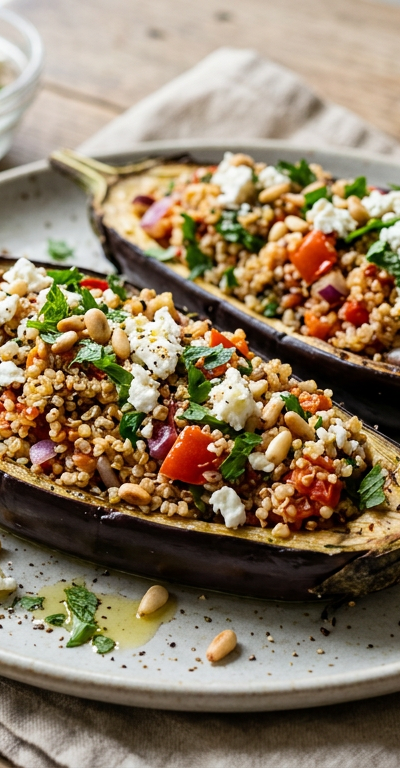
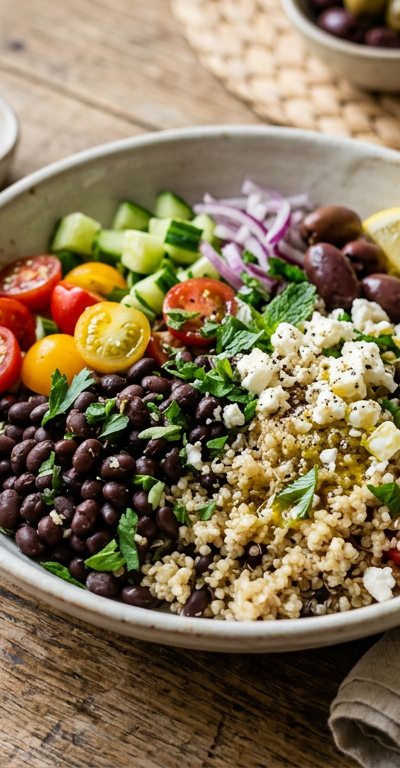
High-Fiber Diet
A High-Fiber Diet is an eating plan that emphasizes consuming foods rich in dietary fiber, aiming for at least 25-35 grams per day (or more) compared to the average intake of only 10-15 grams in typical Western diets. The core principle is to increase both soluble fiber (which dissolves in water and helps lower cholesterol and glucose levels) and insoluble fiber (which aids digestive health and promotes regularity). This diet focuses on whole, minimally processed plant-based foods while reducing refined and processed items that have been stripped of their natural fiber content. Foods typically included in a High-Fiber Diet are whole grains (oats, quinoa, brown rice, whole wheat, barley), legumes (beans, lentils, chickpeas, peas), vegetables (especially broccoli, Brussels sprouts, carrots, artichokes, sweet potatoes), fruits (berries, apples, pears, oranges, prunes), nuts and seeds (almonds, chia seeds, flaxseeds, psyllium), and bran products. Foods to minimize or exclude include white bread, white rice, refined pasta, pastries, processed snacks, sugary cereals, and other products made with refined grains that contain minimal fiber. The diet encourages eating whole fruits rather than juices and choosing whole grains over their refined counterparts. The High-Fiber Diet has substantial scientific backing for addressing multiple health conditions. It significantly benefits digestive health by preventing and relieving constipation, reducing the risk of diverticular disease and hemorrhoids, and may help manage irritable bowel syndrome (IBS) symptoms in some individuals. For cardiovascular health, soluble fiber helps lower LDL cholesterol levels and reduces heart disease risk. The diet is particularly beneficial for managing type 2 diabetes, as fiber slows sugar absorption and improves blood sugar control. High-fiber intake is associated with healthy weight management due to increased satiety, reduced overall calorie intake, and improved metabolic health. Research also suggests it may lower the risk of colorectal cancer and reduce chronic inflammation throughout the body. This diet is ideal for individuals seeking to improve digestive regularity, those managing diabetes or prediabetes, people with high cholesterol or heart disease risk, anyone trying to achieve or maintain a healthy weight, and those looking to reduce their risk of chronic diseases. However, people with certain digestive conditions like active Crohn's disease flares, ulcerative colitis, or bowel obstructions should consult healthcare providers before significantly increasing fiber intake, as they may need to temporarily follow a low-fiber diet during acute phases. It's important to increase fiber gradually and drink plenty of water to avoid digestive discomfort, bloating, or gas that can occur with sudden dietary changes.