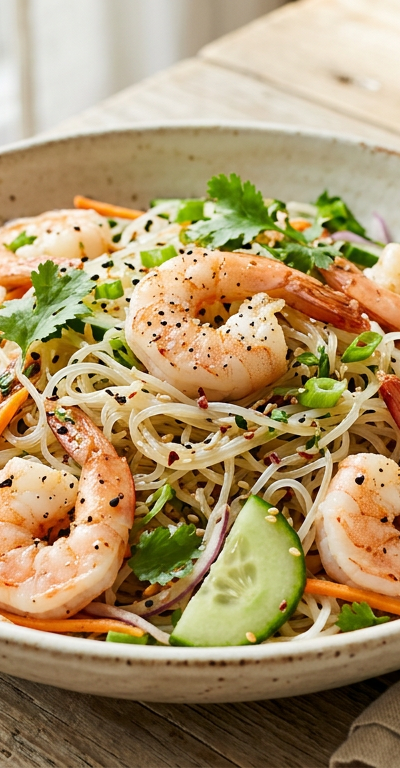
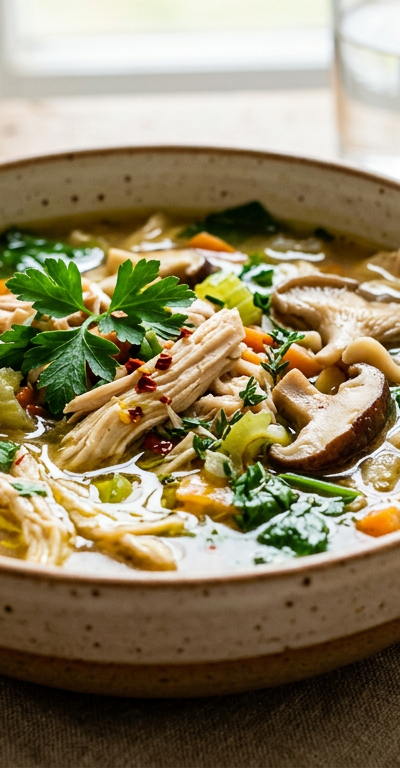
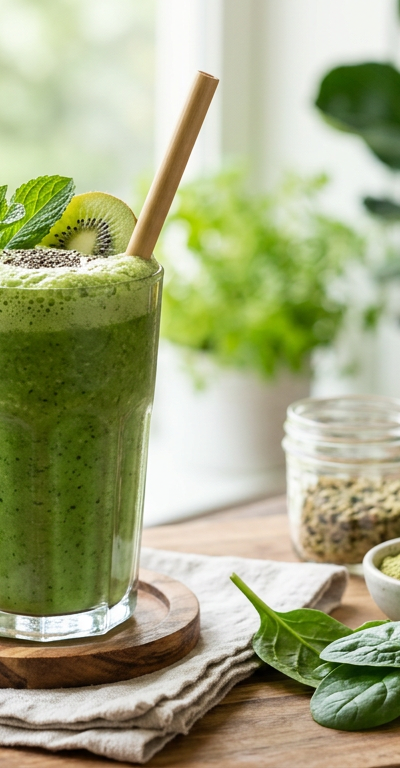
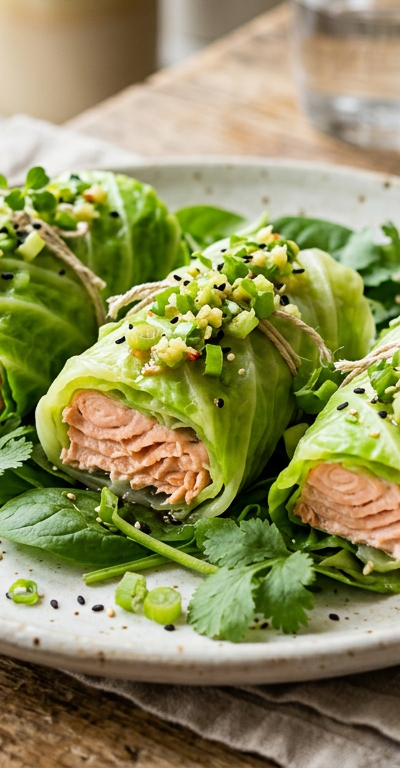
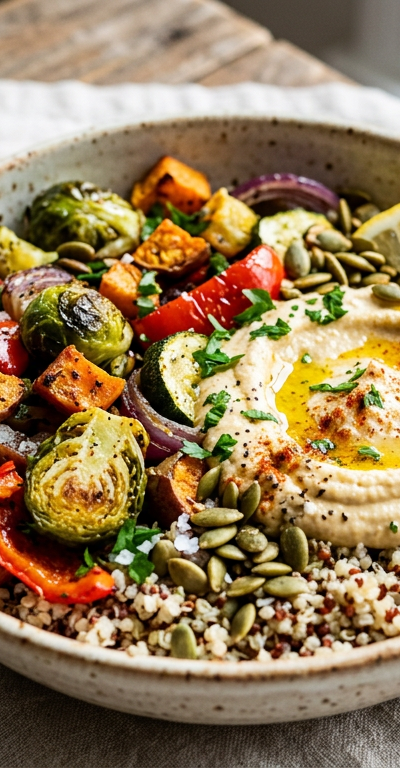
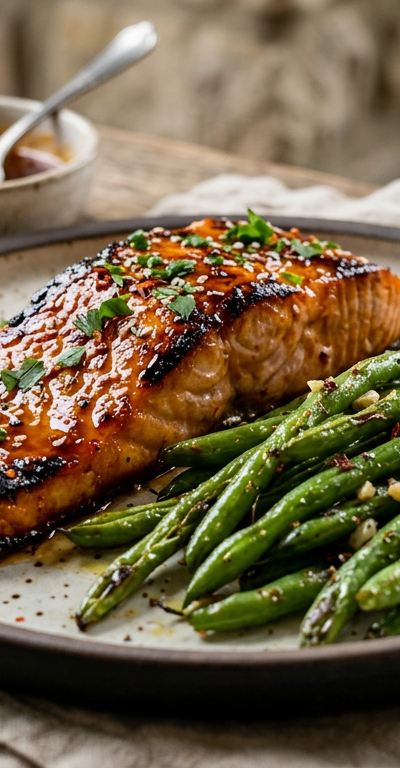
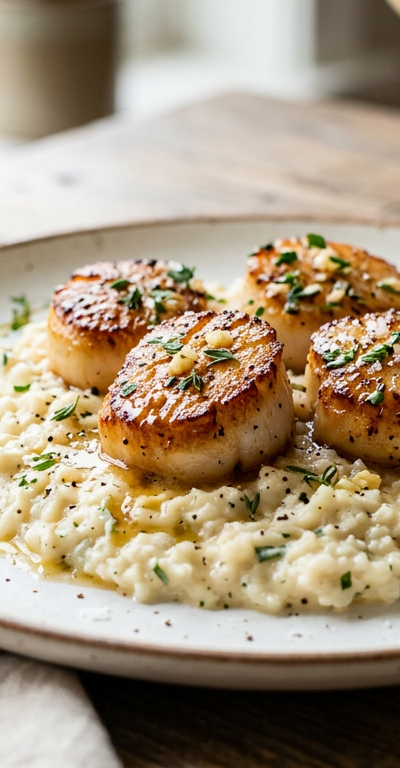
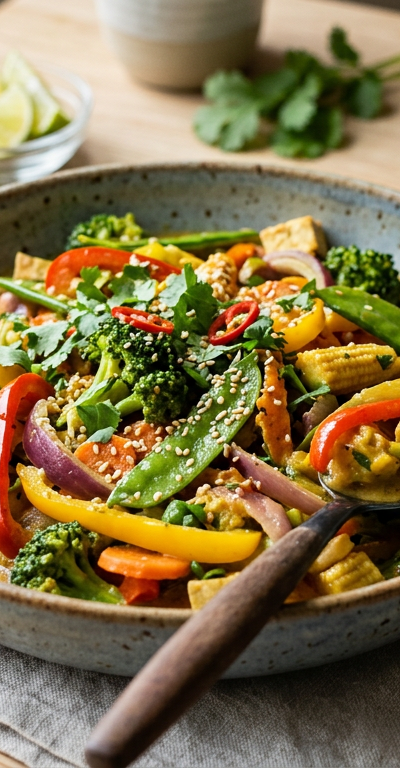
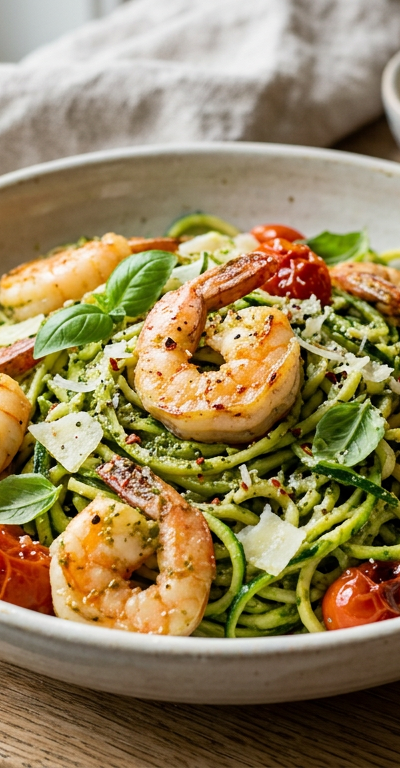
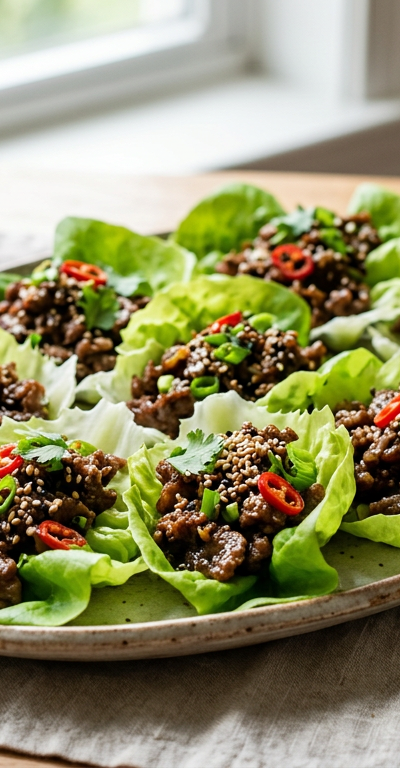
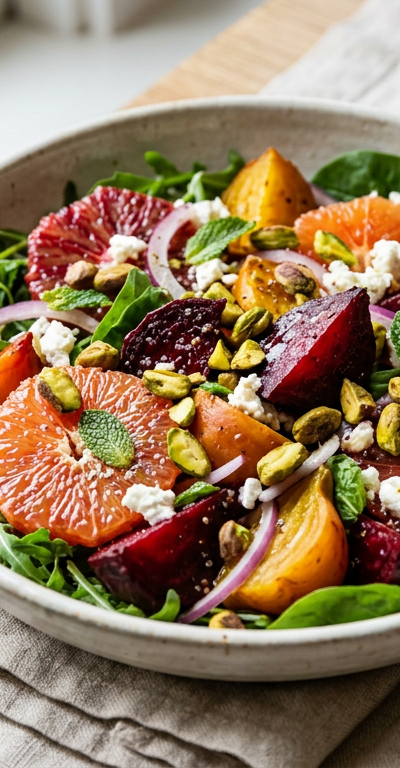
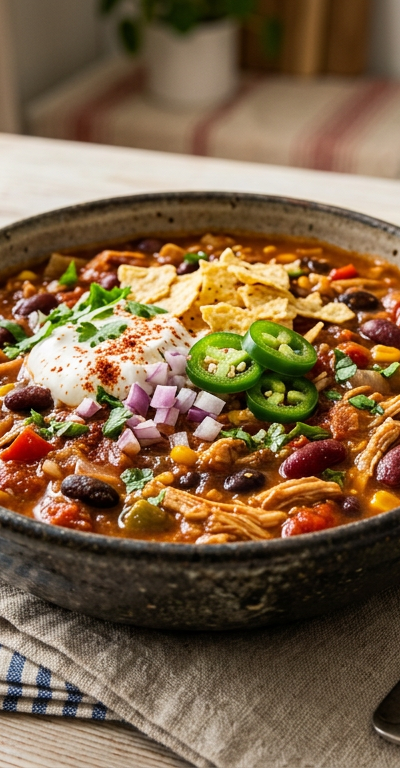
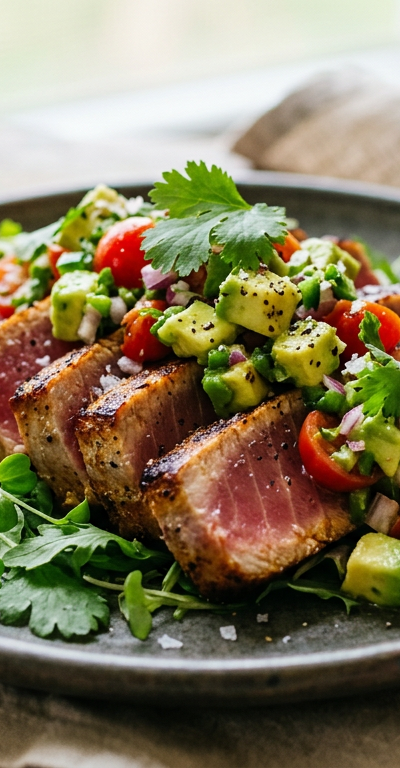
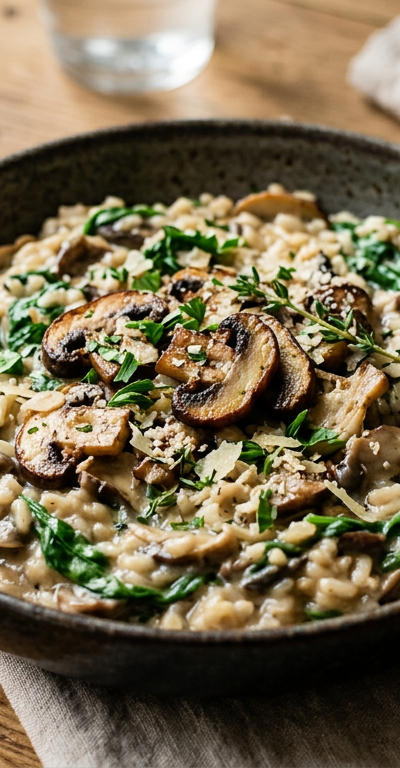
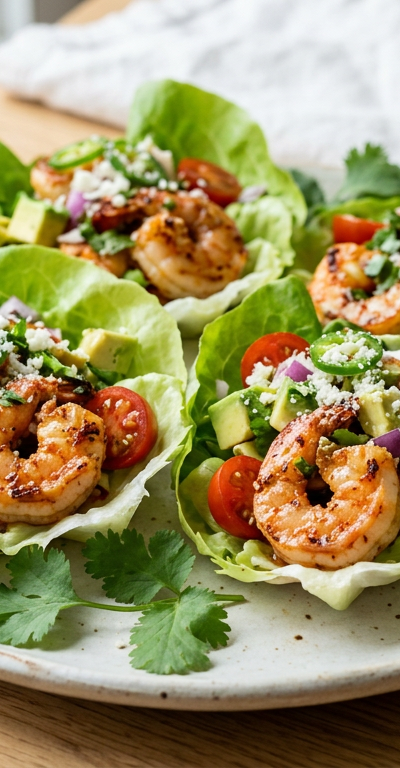
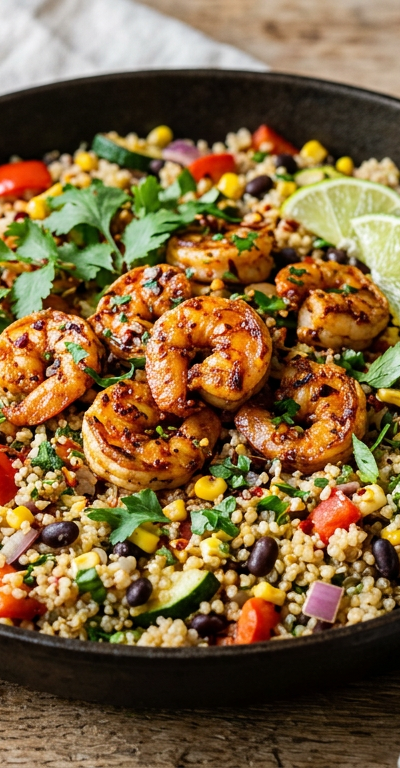
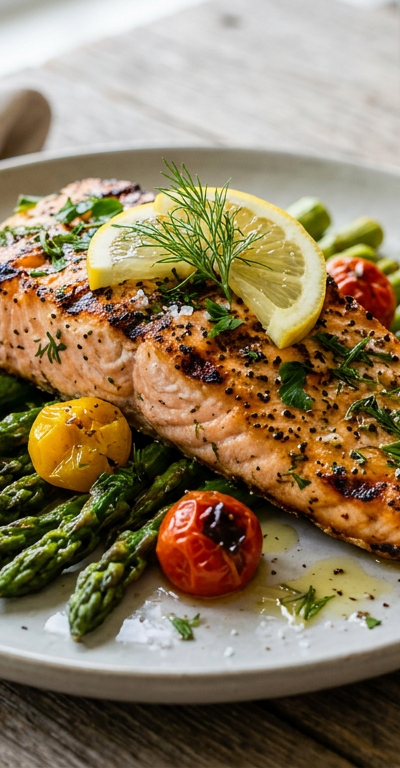
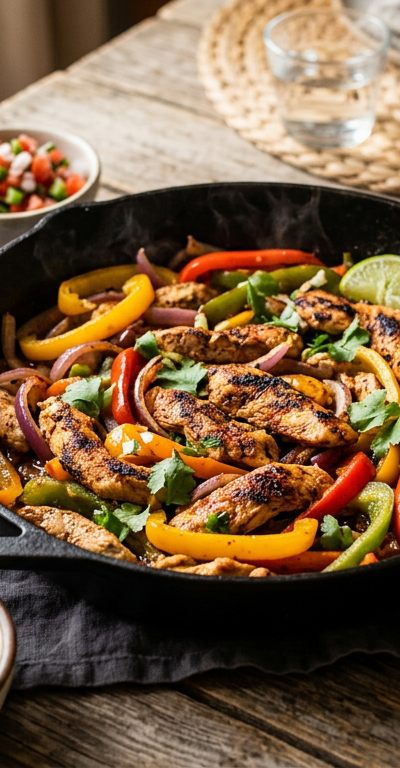
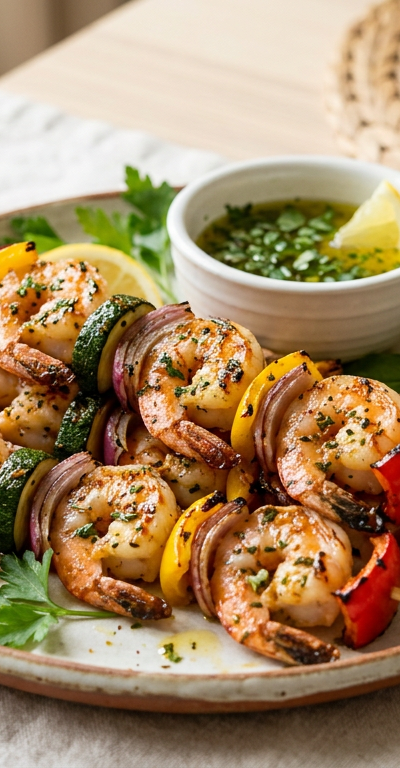
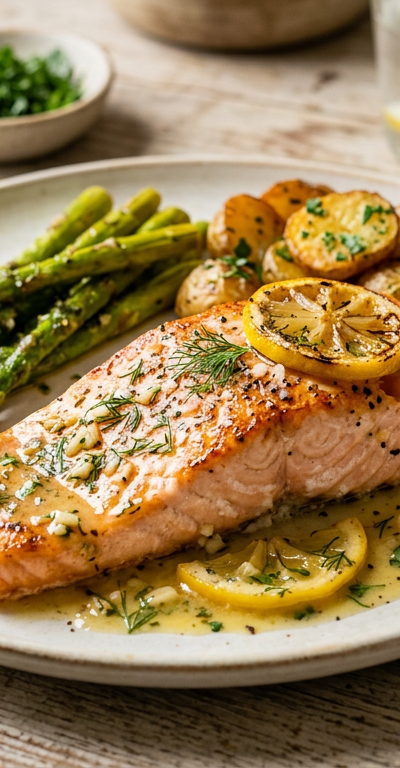
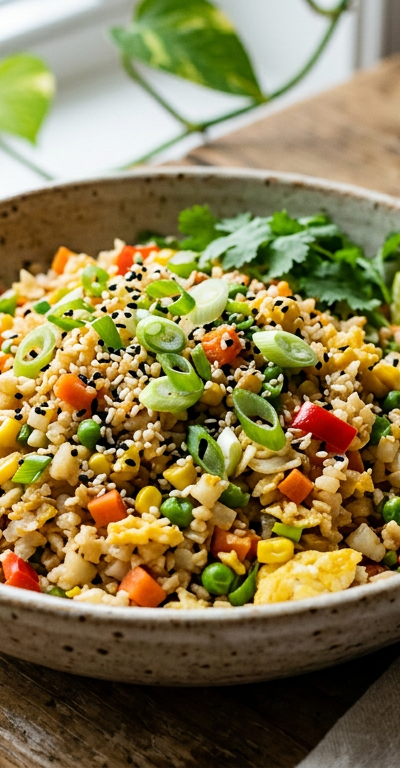
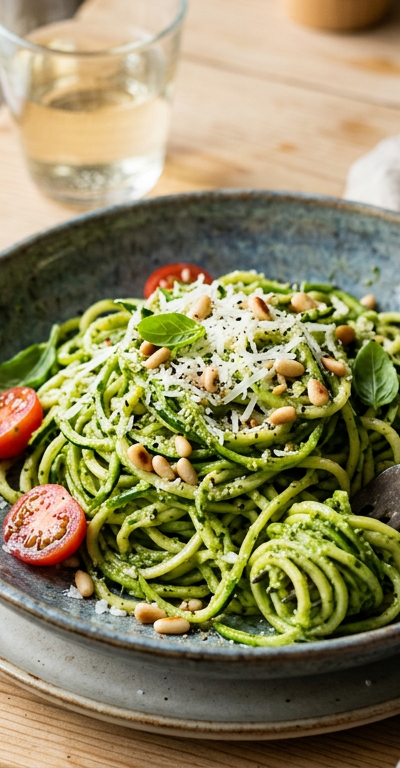
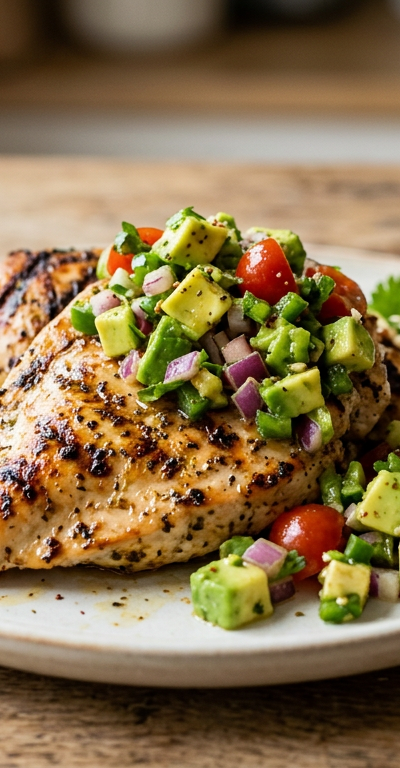
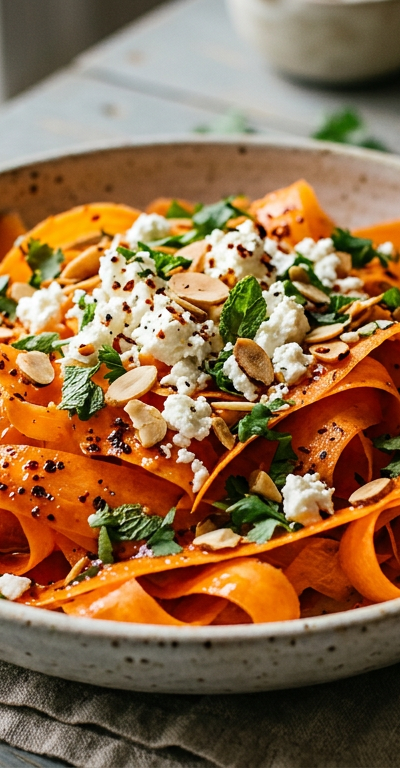
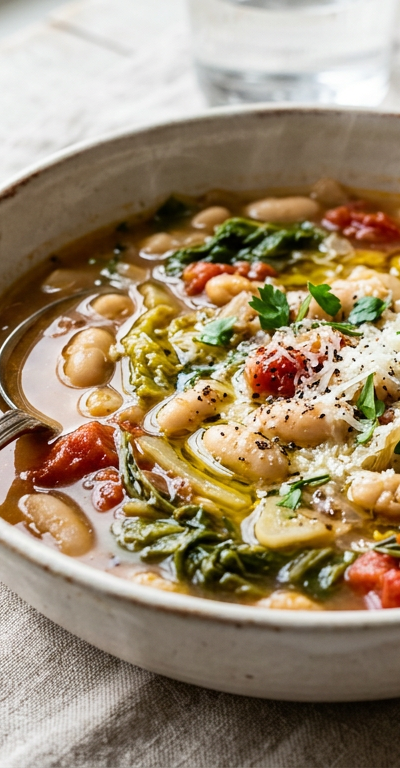
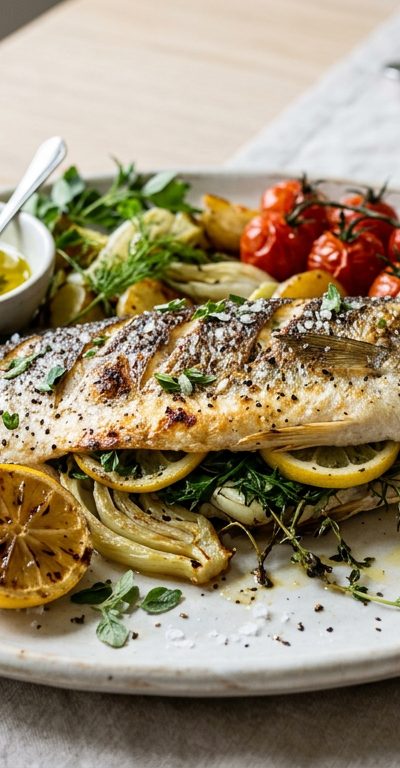
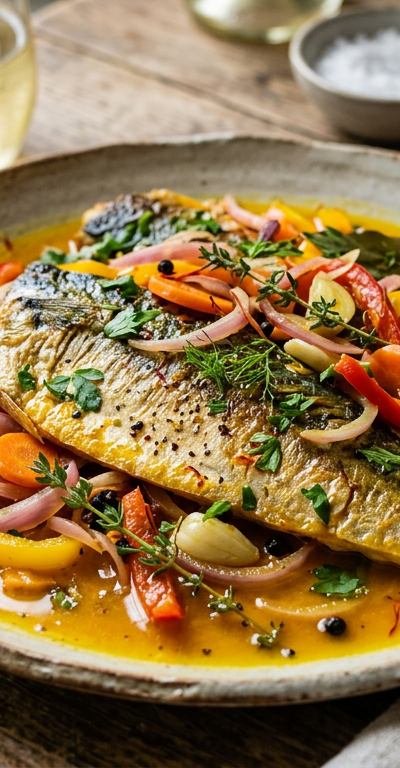
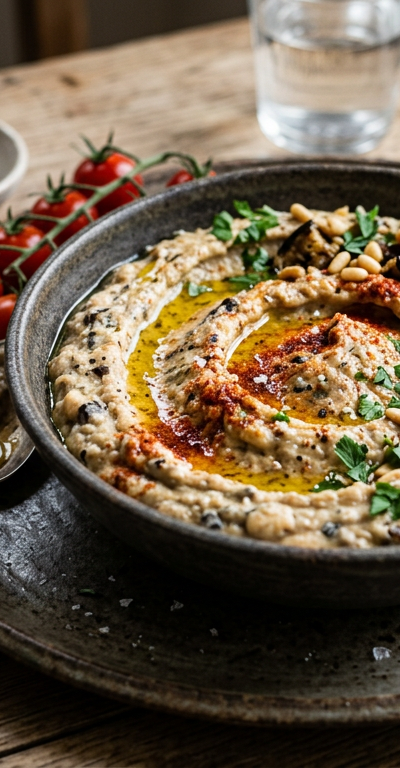
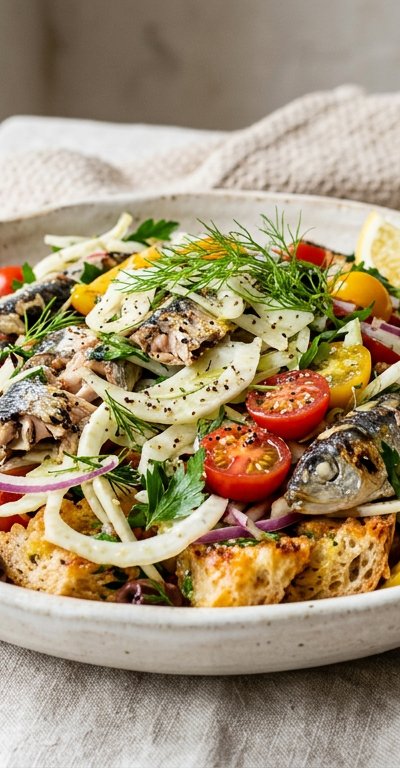
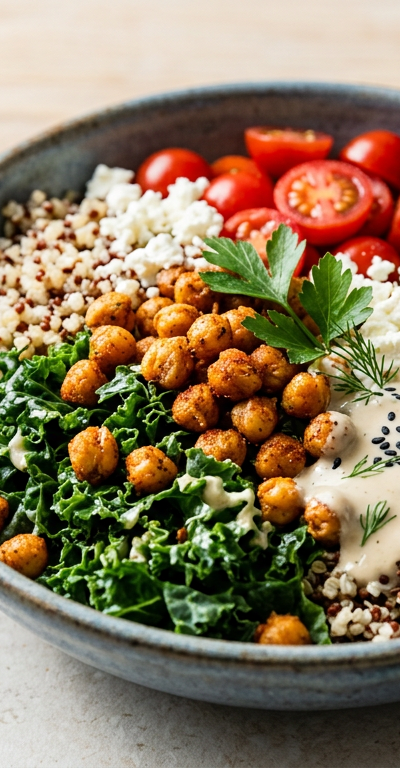
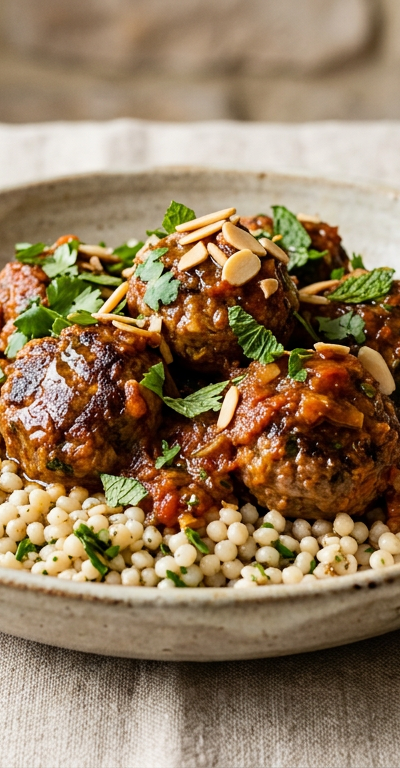
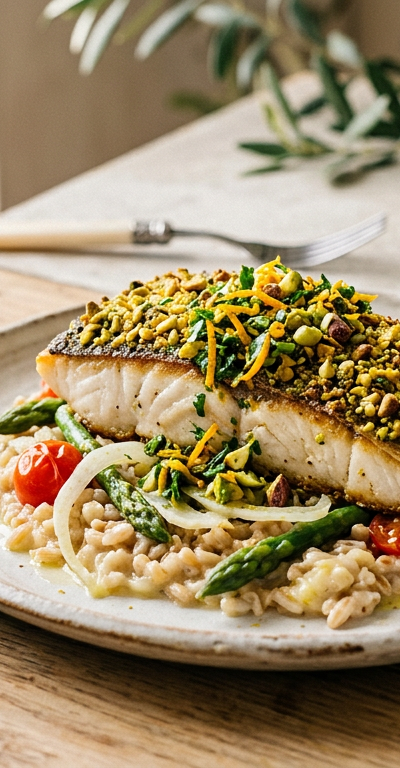
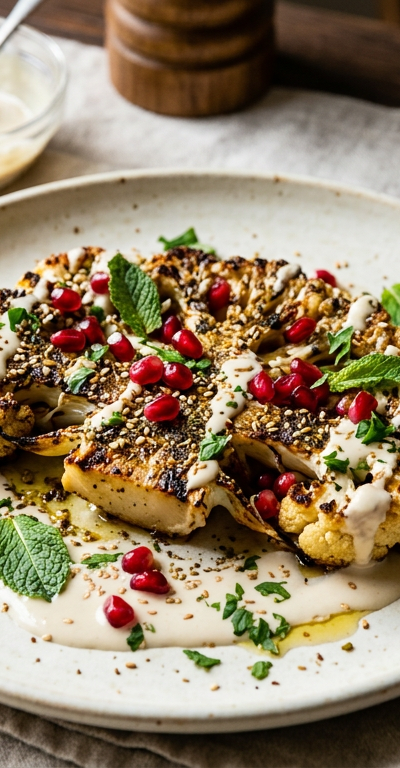
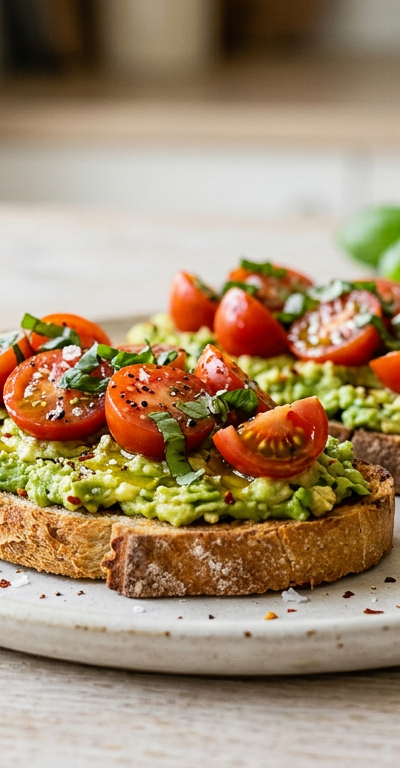
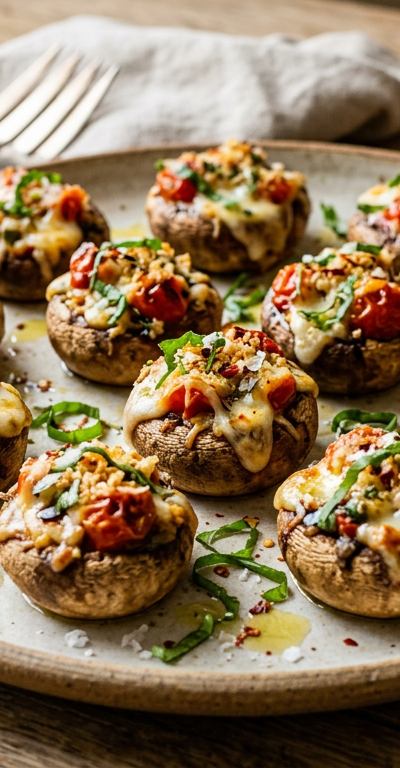
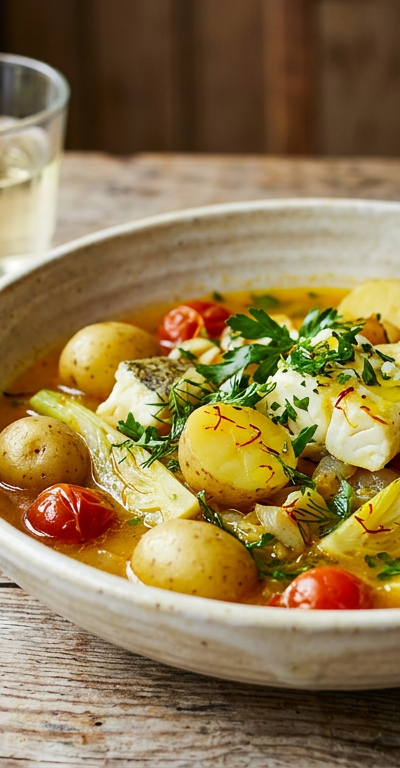
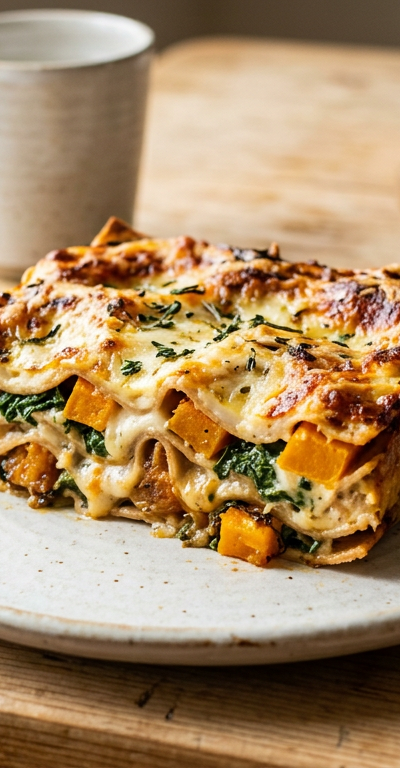
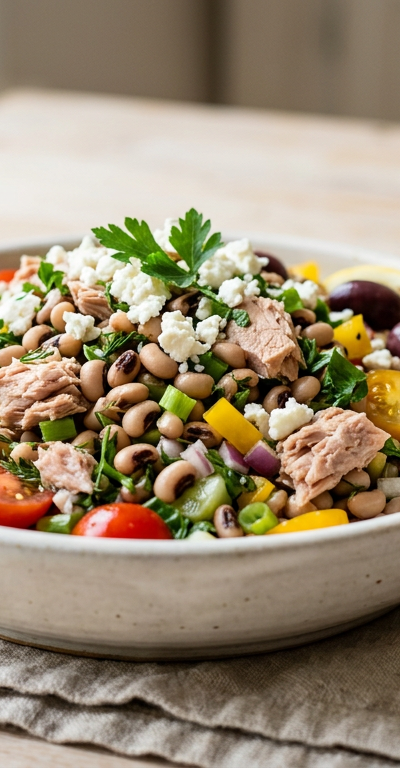
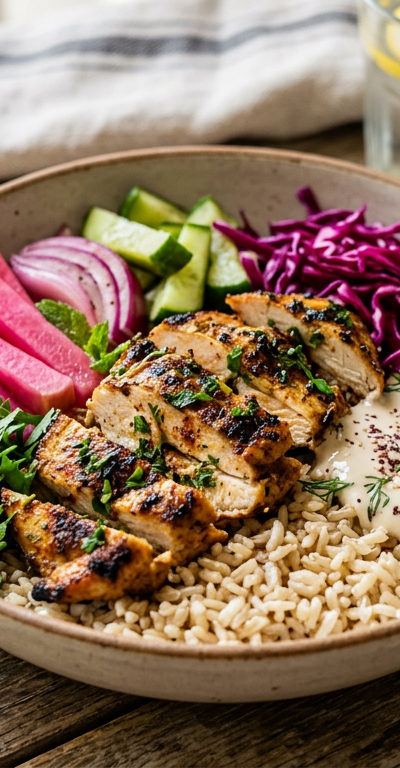
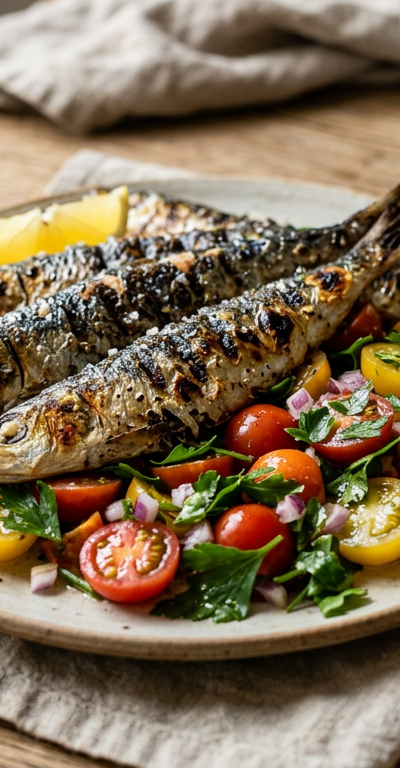
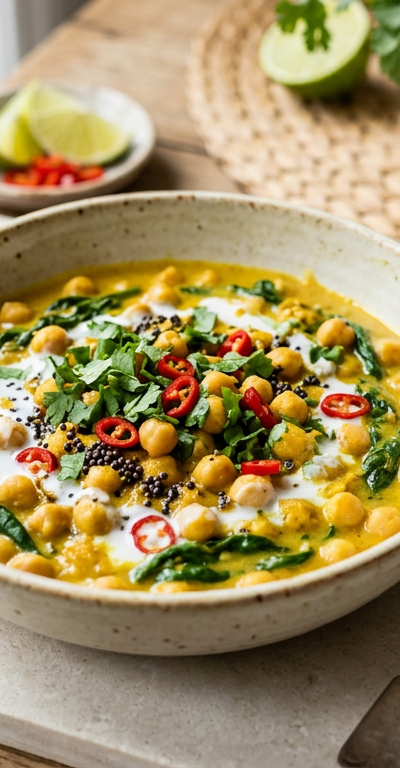
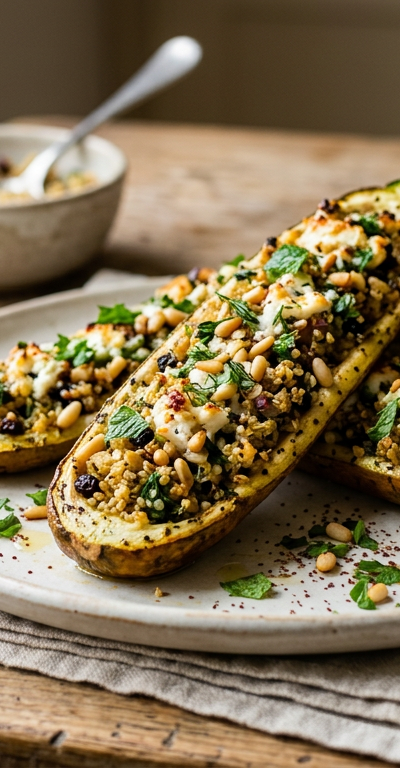
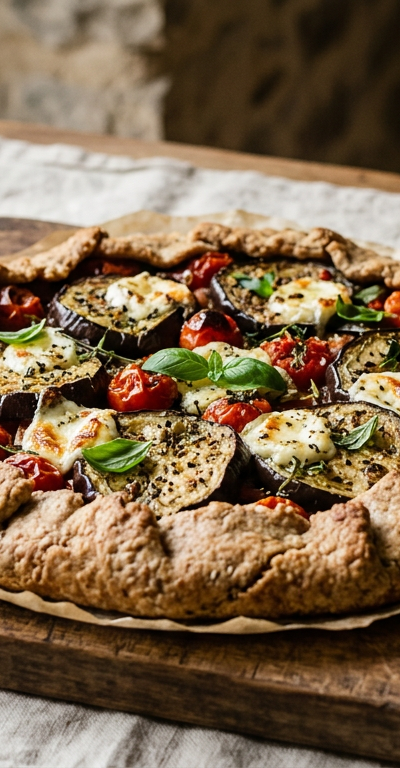
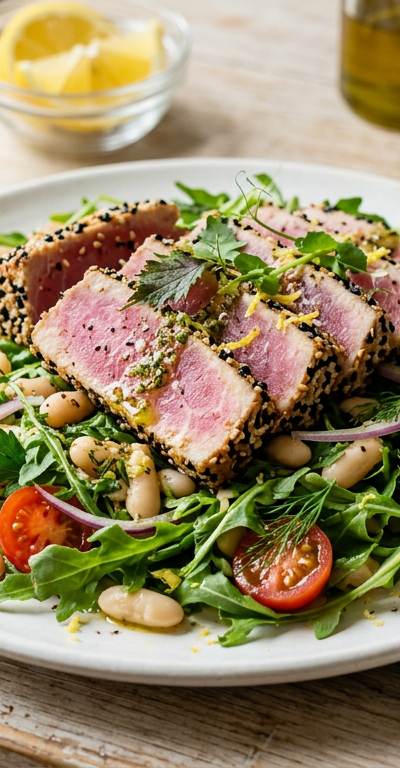
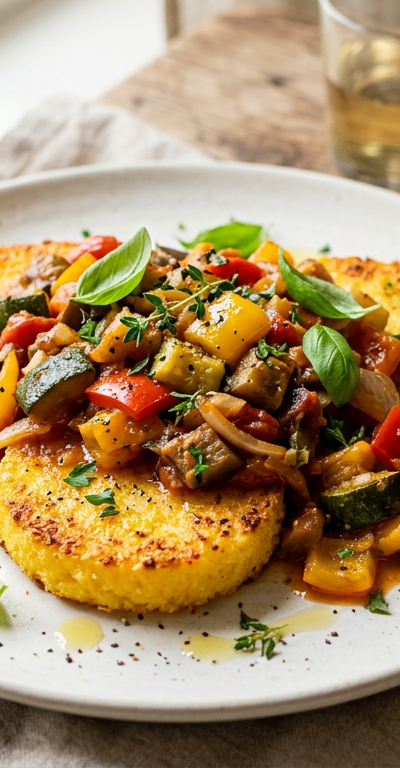
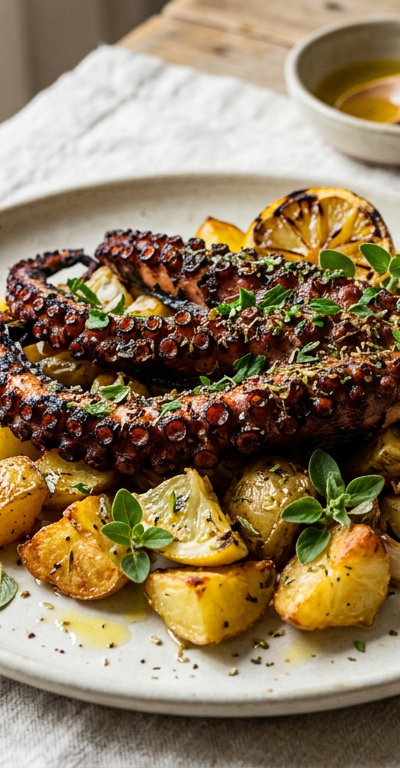
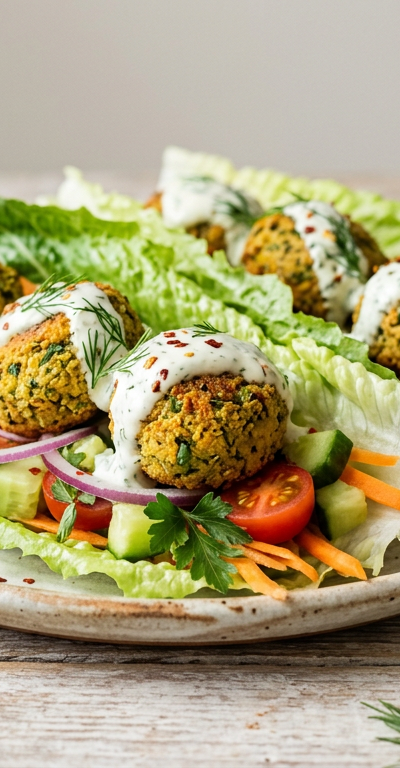
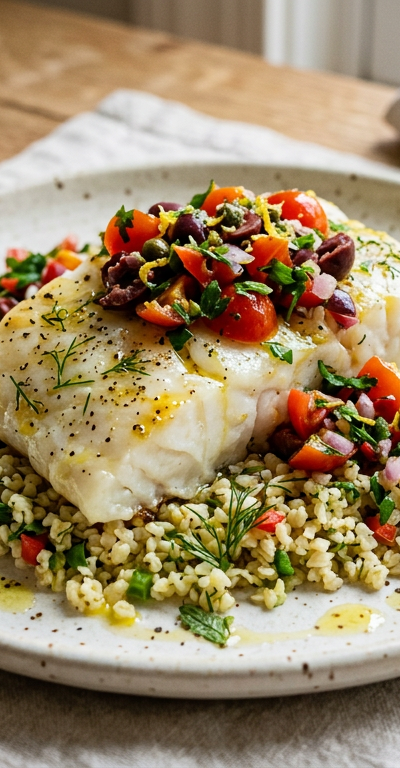
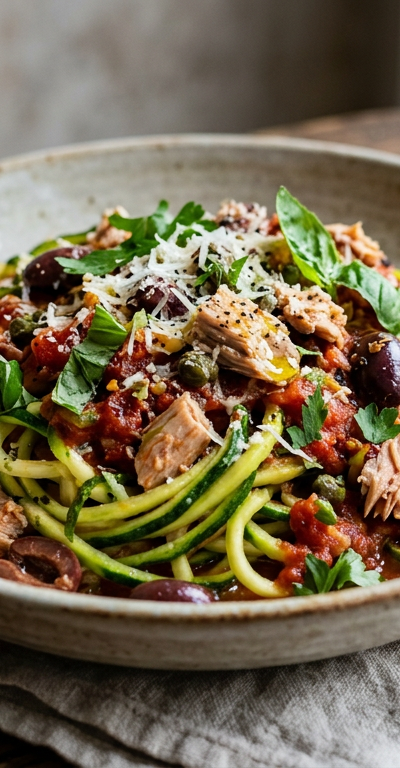
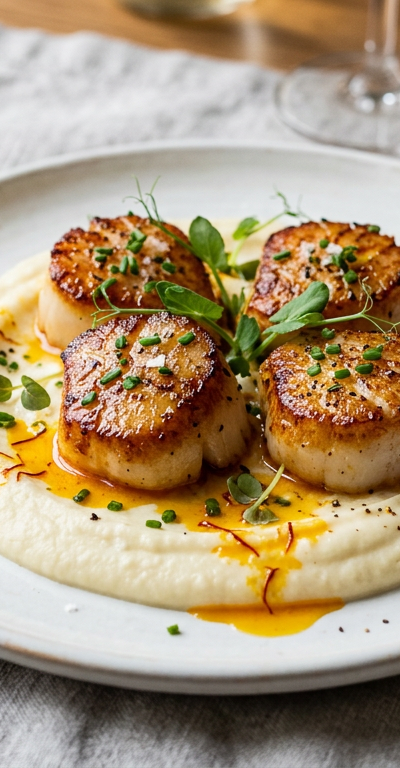
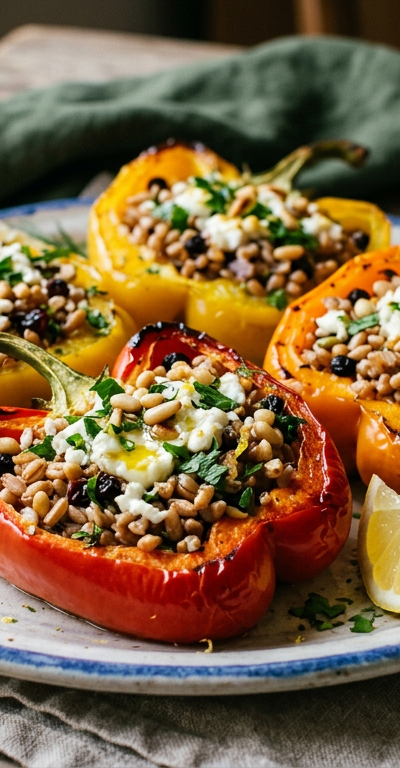
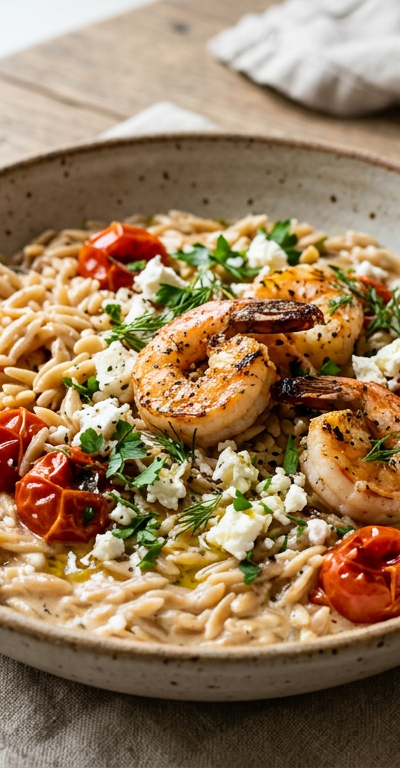
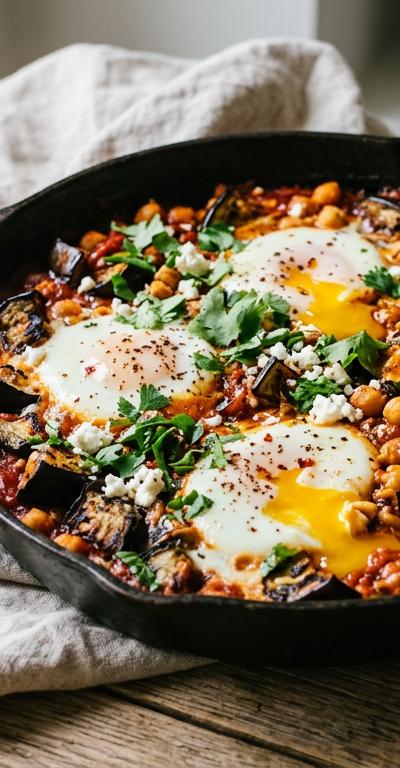
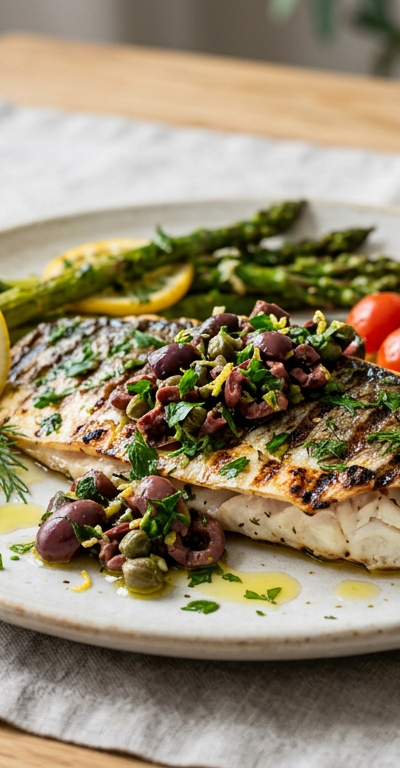
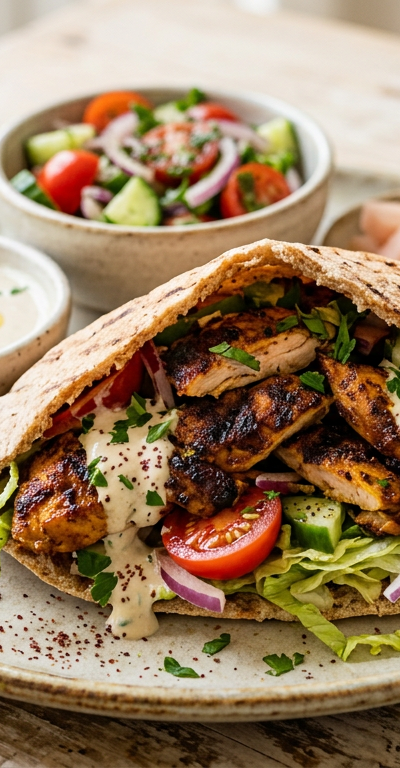
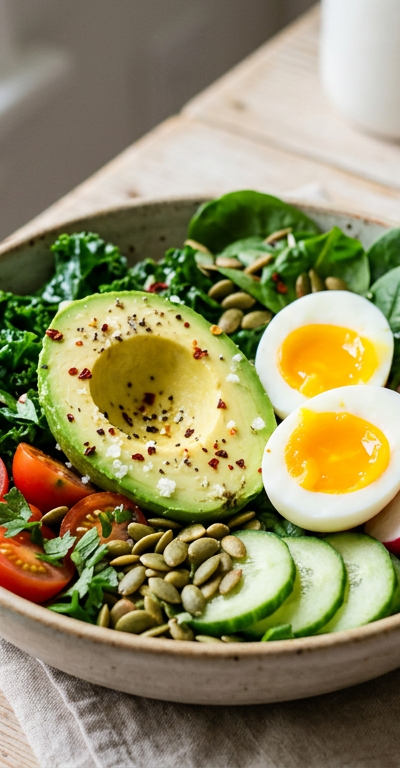
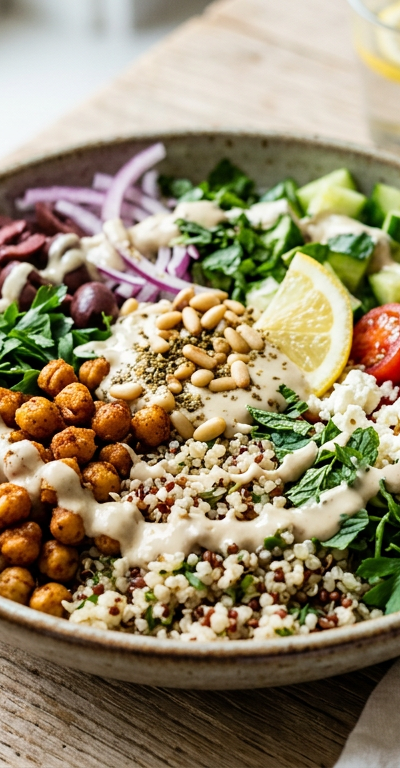
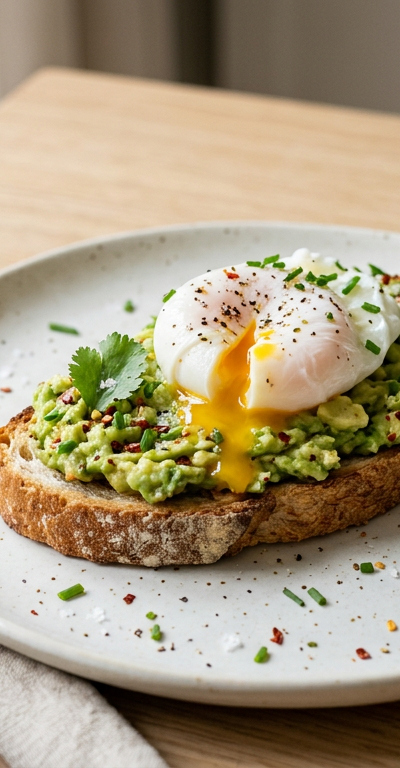
The Anti-Inflammatory Diet is a science-backed eating approach designed to reduce chronic inflammation in the body, which is increasingly recognized as a root cause of numerous health conditions. This dietary pattern emphasizes whole, nutrient-dense foods rich in antioxidants, omega-3 fatty acids, and phytonutrients that actively combat inflammatory processes at the cellular level. The diet draws heavily from Mediterranean and traditional Asian eating patterns, which have been associated with lower rates of chronic disease and increased longevity in population studies. Foods emphasized in the Anti-Inflammatory Diet include colorful fruits and vegetables (especially leafy greens, berries, and cruciferous vegetables), fatty fish rich in omega-3s (salmon, sardines, mackerel), nuts and seeds (particularly walnuts and flaxseeds), whole grains, legumes, olive oil, herbs and spices (especially turmeric, ginger, and garlic), and green tea. Foods to avoid or minimize include refined carbohydrates and sugars, processed meats, trans fats and excessive omega-6 fatty acids, fried foods, excessive alcohol, and foods high in advanced glycation end products (AGEs). The diet also recommends limiting red meat and dairy products, though some fermented dairy like yogurt may be included in moderation. This dietary approach has demonstrated benefits for a wide range of inflammatory conditions, including rheumatoid arthritis, inflammatory bowel diseases (Crohn's disease and ulcerative colitis), cardiovascular disease, type 2 diabetes, metabolic syndrome, psoriasis, asthma, and even depression and cognitive decline. Research published in journals such as the Journal of the American College of Cardiology and Nutrients has shown that adherence to anti-inflammatory eating patterns is associated with reduced levels of inflammatory markers like C-reactive protein (CRP), interleukin-6 (IL-6), and tumor necrosis factor-alpha (TNF-α). Studies have also demonstrated improvements in insulin sensitivity, lipid profiles, and overall disease activity scores in various autoimmune conditions. This diet is particularly beneficial for individuals with autoimmune diseases, those at risk for or managing cardiovascular disease, people with metabolic syndrome or type 2 diabetes, individuals experiencing chronic pain conditions, and anyone looking to support healthy aging and disease prevention. Athletes and active individuals may also benefit from reduced exercise-induced inflammation and improved recovery. The diet is generally safe for most people and can be adapted to various cultural preferences and dietary restrictions, making it a sustainable long-term eating approach rather than a restrictive temporary diet.
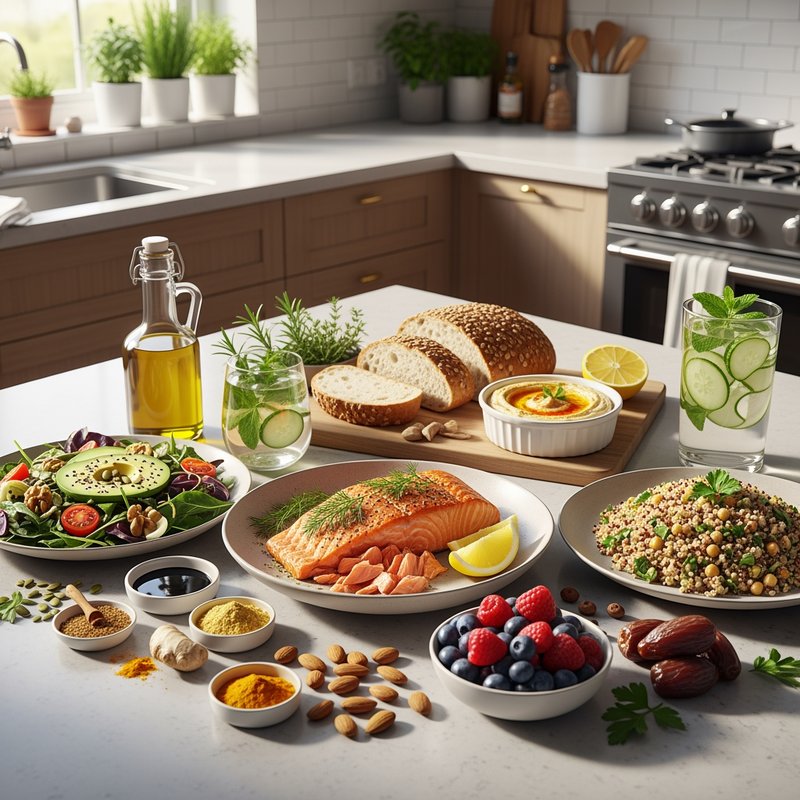
What the evidence says about Anti-Inflammatory Diet and each condition, and the foods doing the work.
The anti-inflammatory diet helps manage autoimmune conditions by reducing systemic inflammation, supporting immune system regulation, and providing nutrients that support cellular health and immune function.
How Bioactive compounds in the diet modulate immune response by reducing pro-inflammatory cytokines and supporting regulatory T-cell function. The diet helps restore immune system balance and reduce inappropriate inflammatory responses.
Key foods Turmeric, ginger, fatty fish, leafy greens, berries, olive oil, garlic, nuts and seeds
The diet's focus on antioxidant-rich foods and elimination of processed ingredients may help reduce cancer risk by minimizing chronic inflammation and oxidative stress, which are known contributors to cancer development.
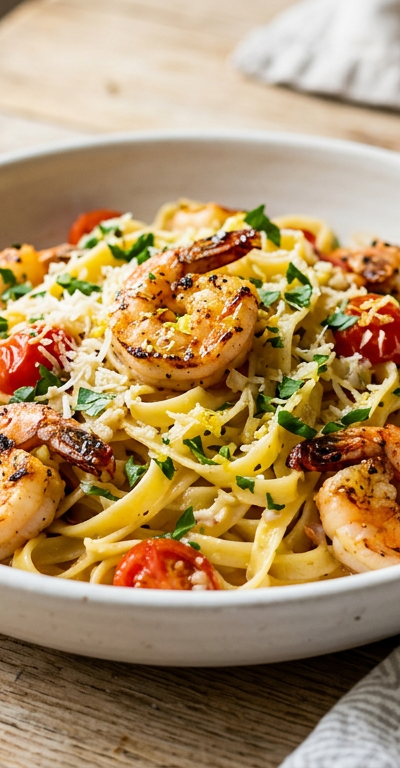
How Phytonutrients and antioxidants in the diet help neutralize free radicals, support DNA repair mechanisms, and inhibit the proliferation of potentially cancerous cells. The anti-inflammatory approach reduces chronic inflammation that can promote tumor growth.
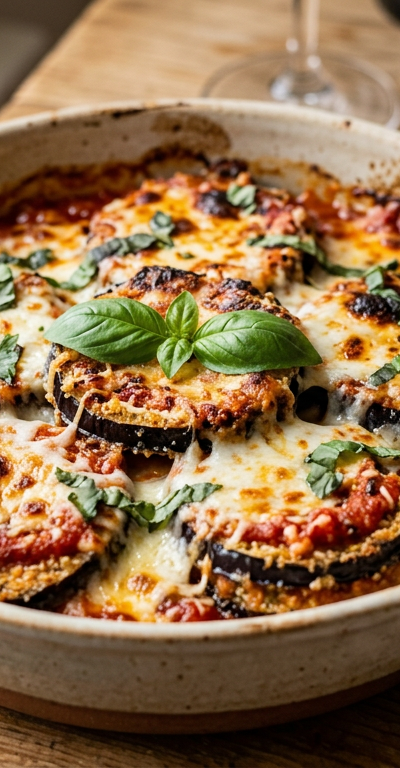
Key foods Berries, leafy greens, turmeric, garlic, fatty fish, nuts, seeds, cruciferous vegetables
The anti-inflammatory diet supports brain health by reducing oxidative stress, supporting neuroplasticity, and providing nutrients crucial for cognitive function and neuroprotection.
How Omega-3 fatty acids and antioxidants help reduce neuroinflammation, support neural membrane health, and potentially slow down age-related cognitive decline. The diet provides nutrients that support neurogenesis and protect against oxidative damage.
Key foods Fatty fish, berries, olive oil, nuts (especially walnuts), leafy greens, turmeric, ginger
By prioritizing heart-healthy foods and eliminating processed ingredients, this diet significantly reduces cardiovascular disease risk. The emphasis on omega-3 fatty acids, antioxidants, and anti-inflammatory compounds helps protect blood vessels and improve overall heart health.
How The diet improves endothelial function by reducing inflammation, lowering oxidative stress, and providing nutrients that support blood vessel elasticity and reduce plaque formation. Omega-3 fatty acids help lower triglycerides and reduce the risk of arrhythmias.
Key foods Fatty fish like mackerel, olive oil, berries, leafy greens, nuts (especially walnuts), seeds, legumes
This diet directly targets and reduces systemic inflammation by eliminating pro-inflammatory foods and emphasizing nutrient-dense, antioxidant-rich ingredients. The carefully selected foods work synergistically to modulate inflammatory pathways and reduce oxidative stress throughout the body.
How The diet reduces inflammatory markers by providing high levels of omega-3 fatty acids, polyphenols, and antioxidants that inhibit pro-inflammatory cytokines and nuclear factor-κB (NF-κB) pathways. These compounds neutralize free radicals and suppress inflammatory gene expression.
Key foods Fatty fish like salmon, turmeric, ginger, garlic, berries, leafy greens, extra virgin olive oil, walnuts and almonds
This anti-inflammatory approach helps manage blood sugar levels by improving insulin sensitivity and reducing chronic inflammation associated with metabolic dysfunction. The diet focuses on low-glycemic foods that stabilize blood sugar and support metabolic health.
How By eliminating refined carbohydrates and processed foods, the diet reduces insulin resistance and inflammatory markers. The high fiber content and nutrient-dense foods help regulate glucose metabolism and improve pancreatic function.
Key foods Leafy greens, berries, fatty fish, nuts, seeds, legumes, whole grains, olive oil
General information about how people eat, not medical advice. Talk to a clinician before changing your diet to treat a condition.
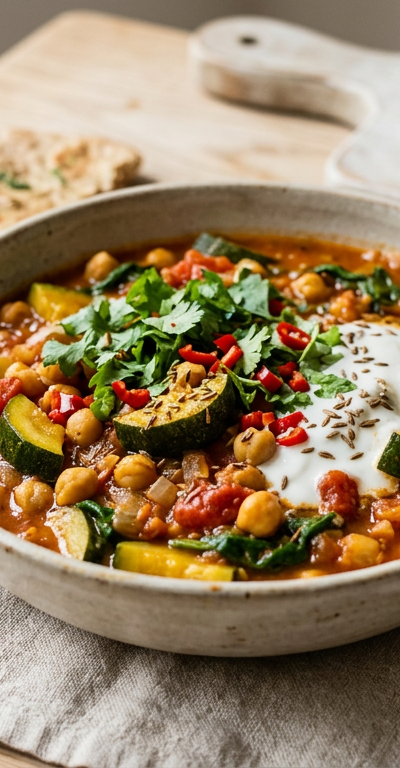
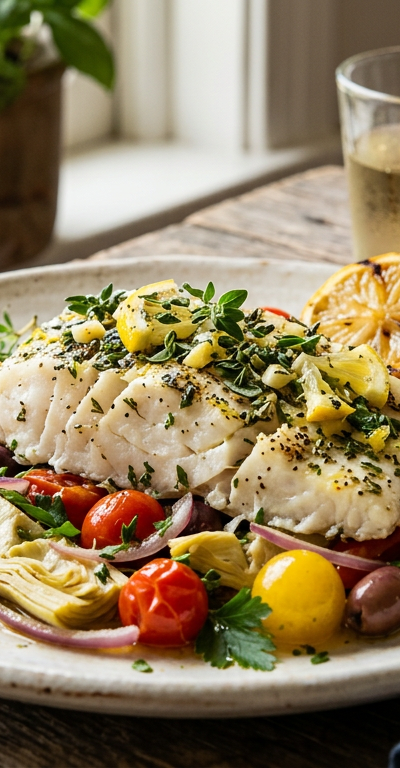
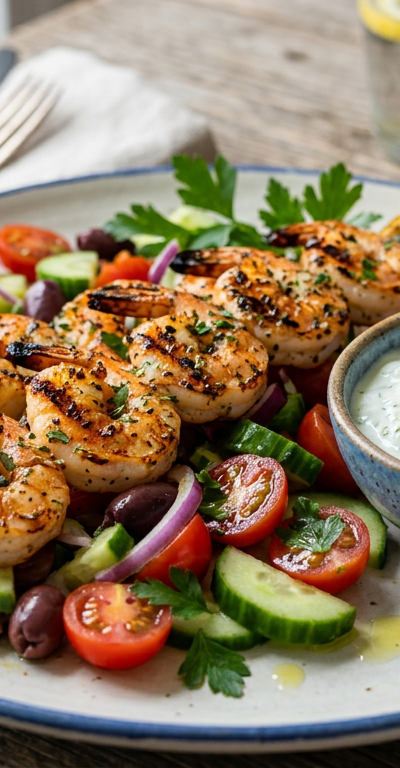
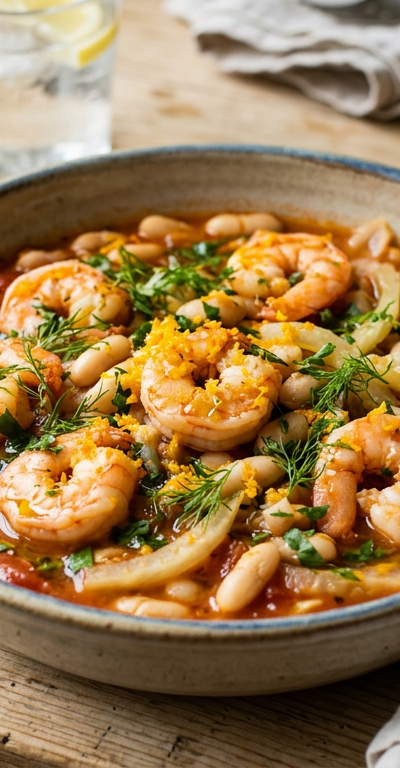
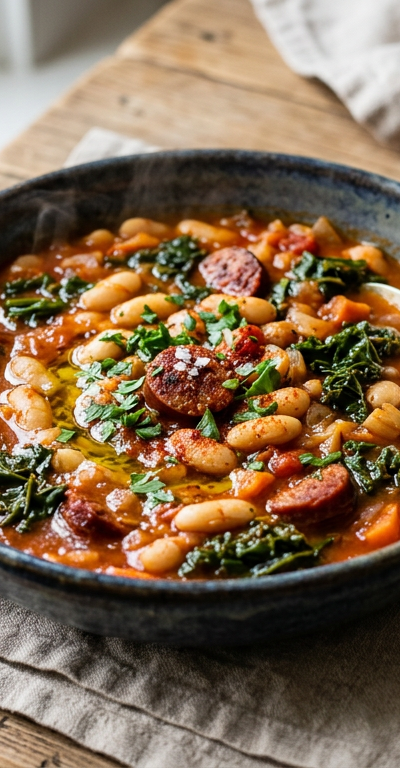
Most of what tastes good in Mediterranean cooking comes from vegetables and beans. Meat is almost an afterthought.
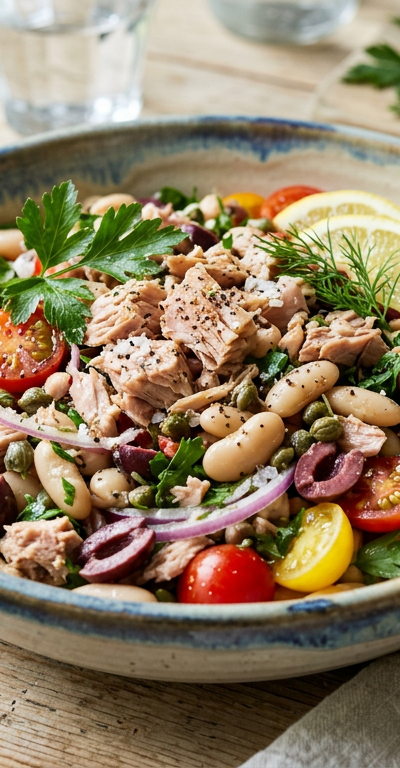
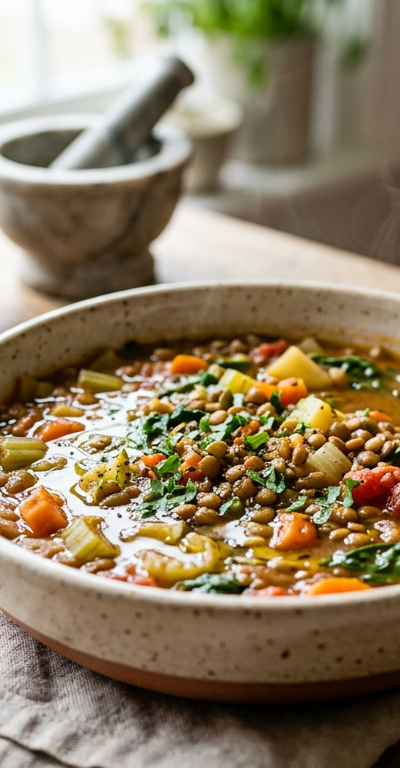
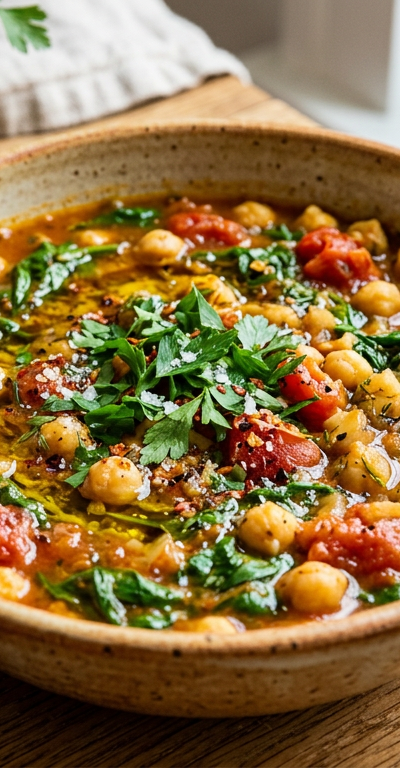
One-pot soups turn canned beans into a filling dinner that costs less than chicken and tastes like you spent an hour cooking when the slow cooker did the work.
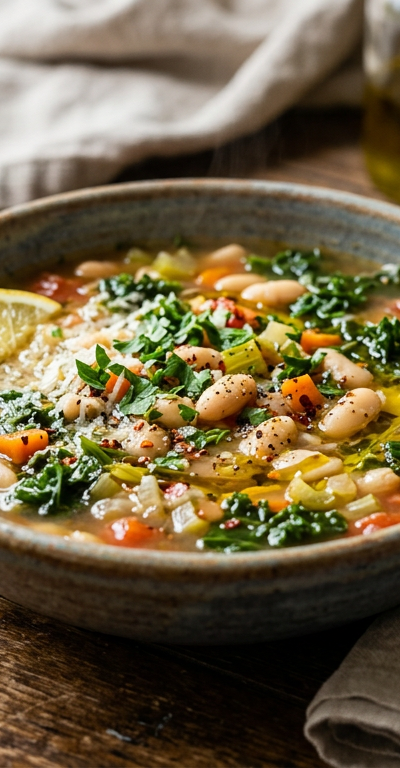
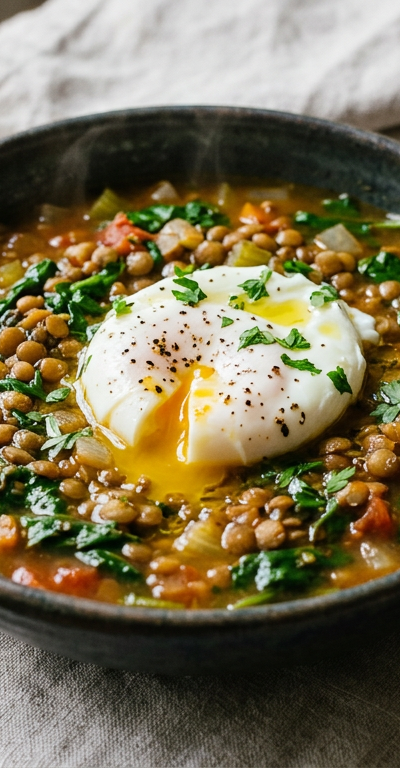
The soups people are cooking right now are thick and protein-forward. A bowl is dinner on its own, not something you'd pair with bread.
That moment at 5 PM when you're tired and have no idea what to eat is when every meal plan fails. Deciding earlier gives you one less problem.
Open a recipe in Platewise and a voice sous chef reads the steps, runs the timers, and swaps what you don't have.