Warrior Diet
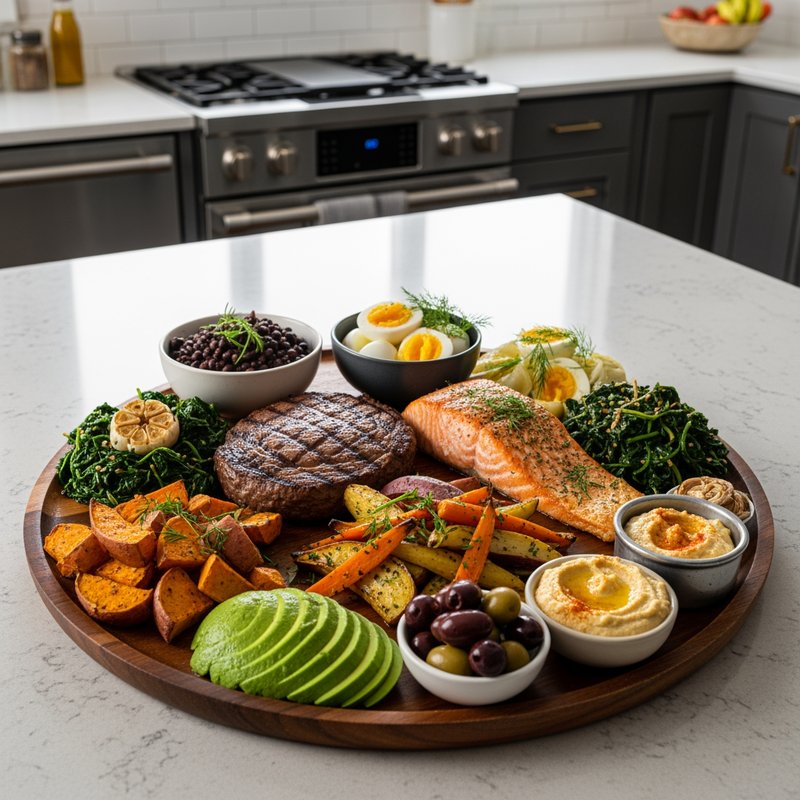
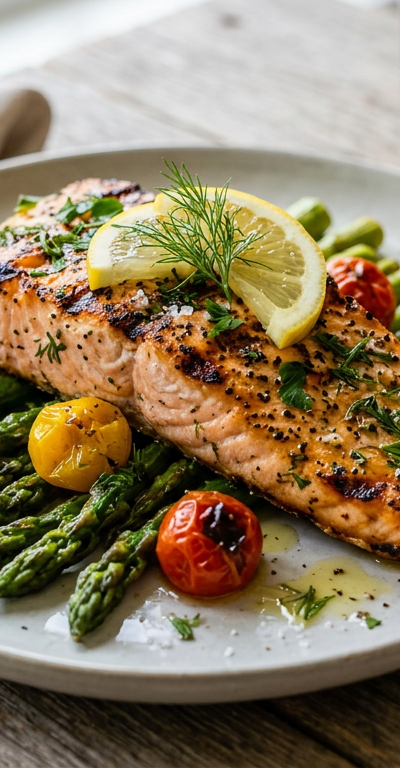
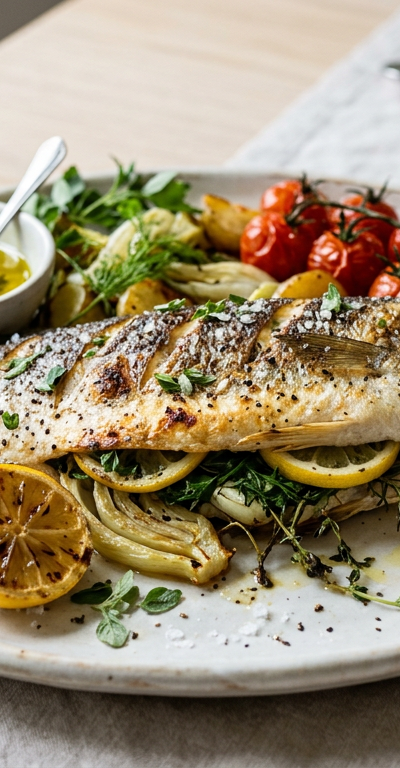
The Warrior Diet is a form of intermittent fasting created by Ori Hofmekler in 2001, based on the eating patterns of ancient warriors. The diet follows a 20:4 fasting protocol, consisting of a 20-hour "undereating phase" followed by a 4-hour "overeating phase" in the evening. During the undereating phase, followers consume small amounts of raw fruits, vegetables, clear broths, and small portions of protein, while the evening window allows for one large meal where you eat until satisfied. This approach mimics the feast-or-famine eating patterns of ancient warriors and hunter-gatherers, emphasizing whole, unprocessed foods while avoiding refined sugars, artificial ingredients, and heavily processed foods. The diet emphasizes nutrient-dense whole foods including grass-fed meats, wild-caught fish, eggs, dairy (preferably raw or fermented), vegetables, fruits, nuts, seeds, and legumes. Foods to avoid include refined carbohydrates, white bread, pasta, processed foods, artificial sweeteners, trans fats, and foods with preservatives or artificial additives. The evening meal should follow a specific order: starting with vegetables and protein, followed by carbohydrates. The diet encourages organic, natural foods and discourages eating out or consuming restaurant food due to unknown ingredients and preparation methods. The Warrior Diet may help address several health conditions including obesity, insulin resistance, type 2 diabetes, inflammation, and metabolic syndrome. Proponents claim benefits such as improved fat burning, enhanced mental clarity, increased growth hormone production, better insulin sensitivity, and cellular repair through autophagy. Some research supports intermittent fasting's benefits for weight loss, metabolic health, and longevity, though specific studies on the 20:4 protocol are limited. The extended fasting period may help reduce inflammation, improve cardiovascular markers, and support healthy blood sugar regulation. This diet may benefit individuals looking to lose weight, improve metabolic health, simplify their eating schedule, or those who naturally prefer eating larger meals in the evening. It may be particularly suitable for people who don't feel hungry in the morning, athletes who train in the evening, and those seeking improved body composition. However, the Warrior Diet may not be appropriate for pregnant or breastfeeding women, individuals with a history of eating disorders, people with certain medical conditions requiring regular meals, or those taking medications that must be taken with food. Anyone considering this diet should consult with a healthcare provider, especially those with diabetes, hormonal imbalances, or chronic health conditions.