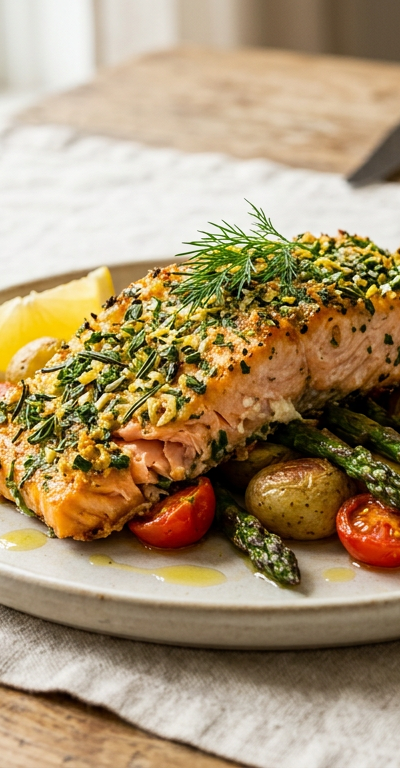
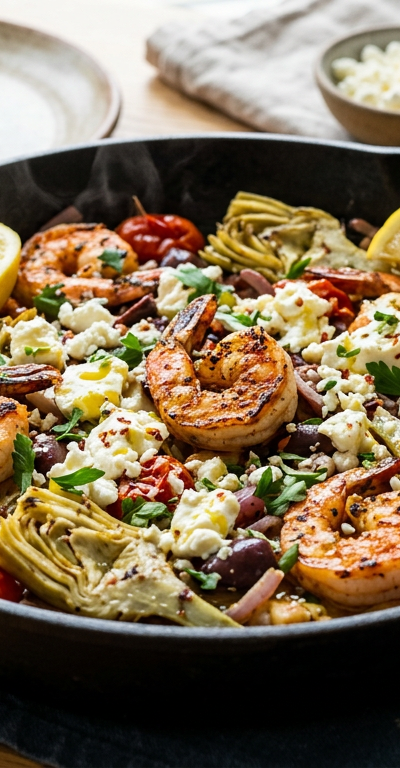
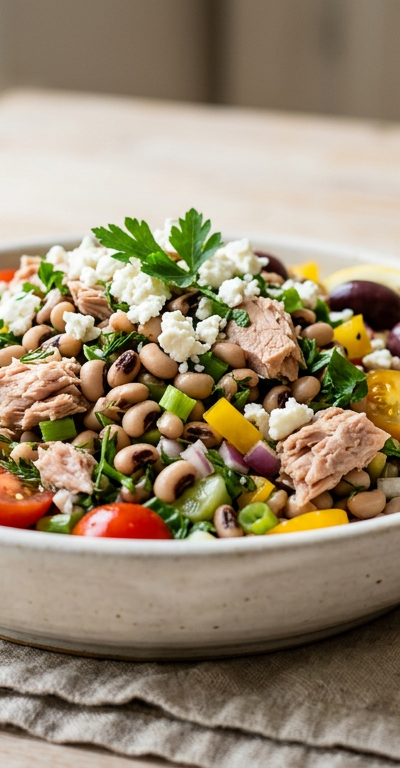
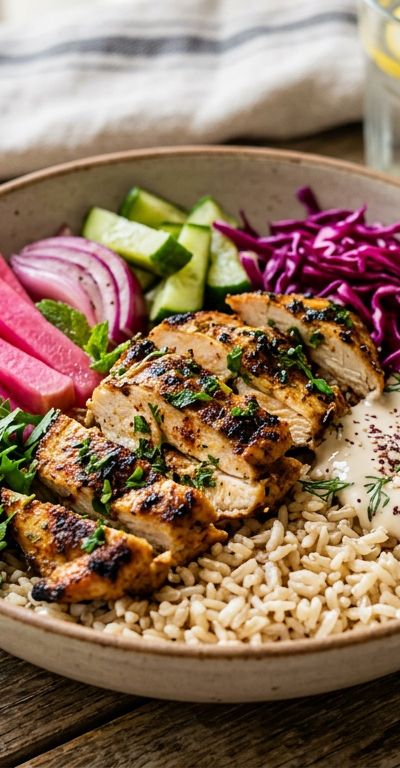
Intermittent fasting can enhance athletic performance by improving metabolic flexibility, increasing fat oxidation capacity, and optimizing body composition. When properly timed around training, IF promotes favorable hormonal changes including increased growth hormone and improved testosterone-to-cortisol ratios. The nutrient-dense eating windows ensure adequate fuel for performance and recovery while the fasting periods enhance mitochondrial efficiency and cellular adaptation to training stress.
How Fasting enhances metabolic flexibility by training the body to efficiently switch between carbohydrate and fat metabolism, which improves endurance and delays fatigue during prolonged exercise. The elevation in growth hormone during fasting periods supports muscle preservation and recovery while promoting fat loss. Additionally, the cellular stress of fasting activates similar adaptive pathways as exercise, including mitochondrial biogenesis and enhanced antioxidant defenses, which can amplify training adaptations.
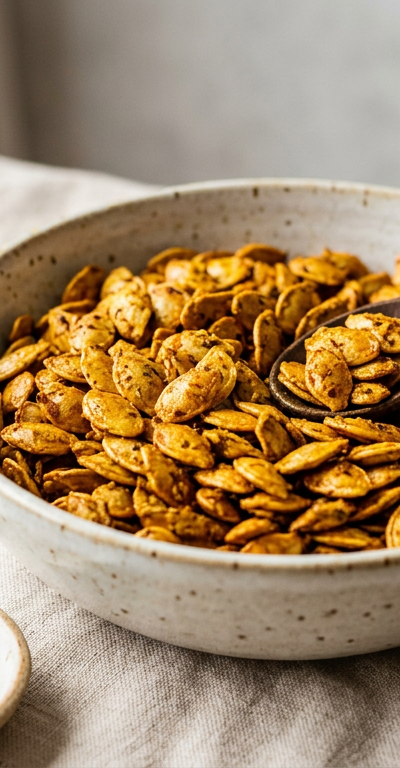
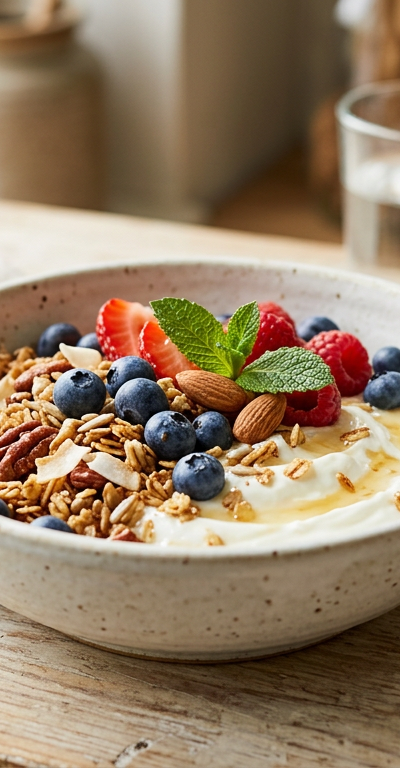
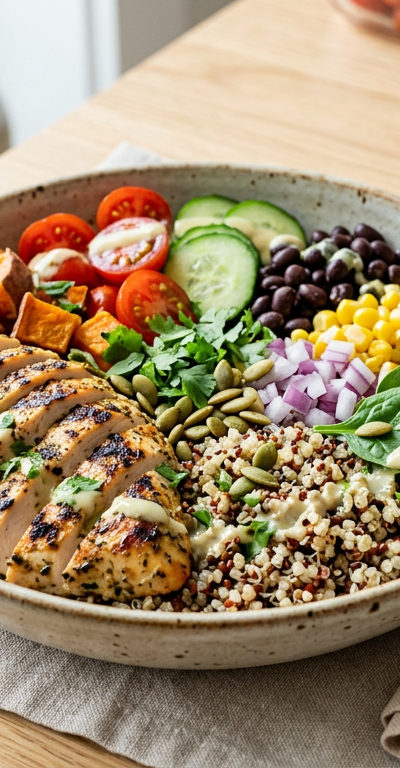
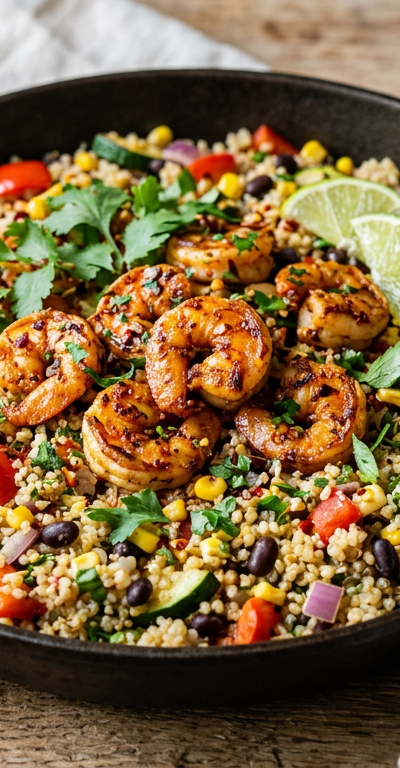
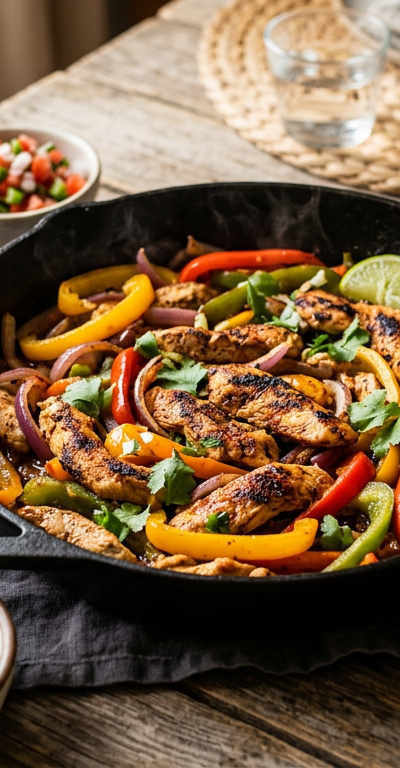
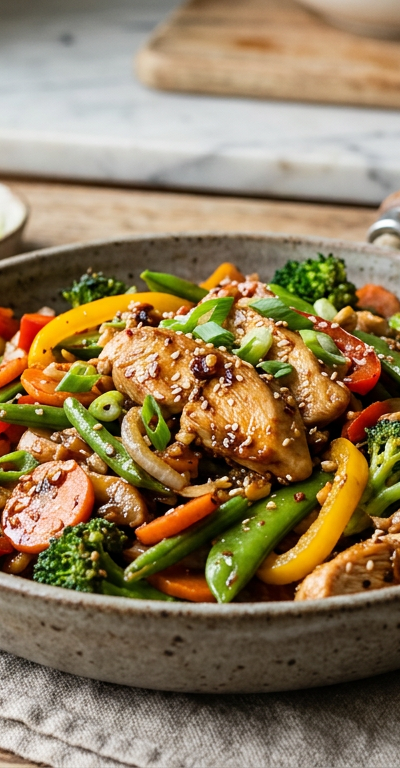
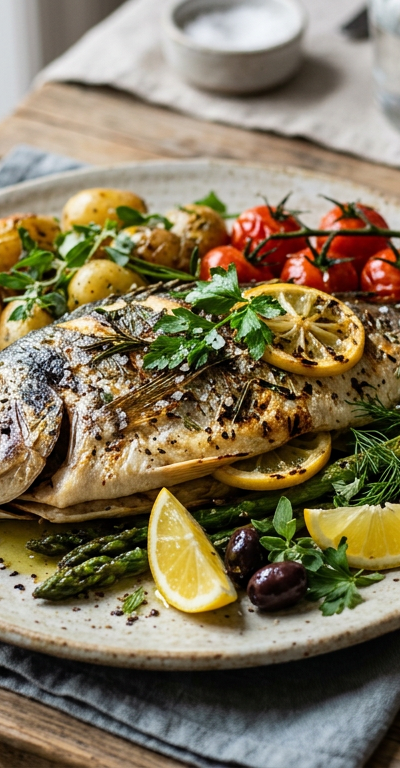
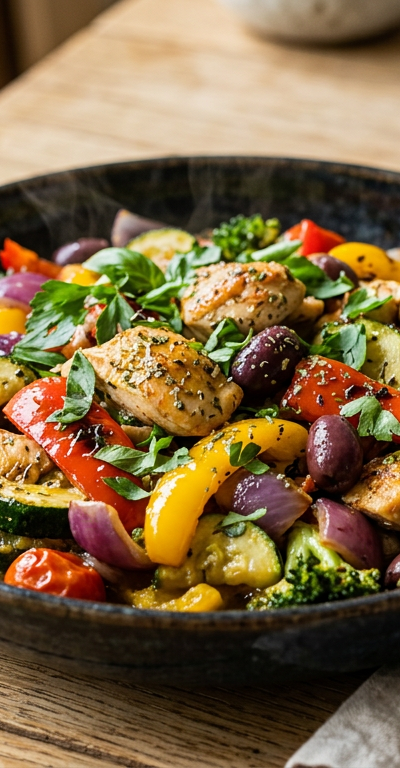
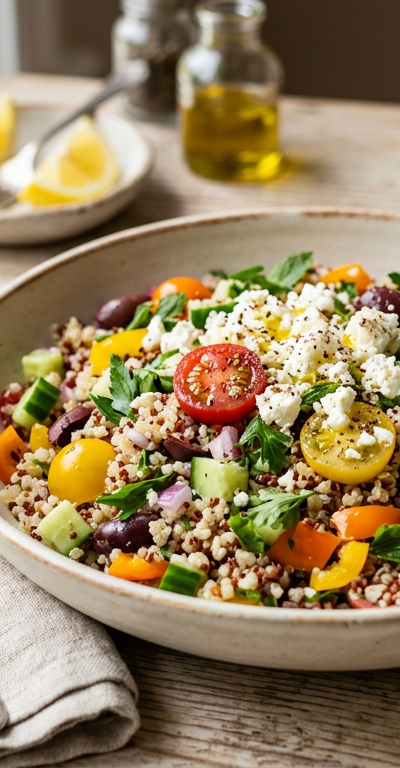
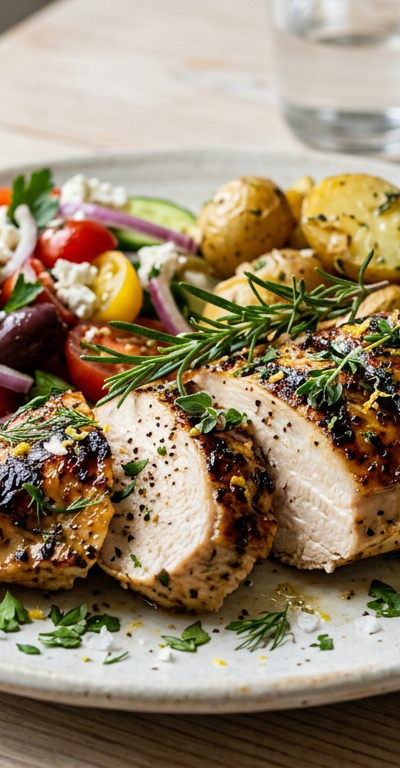
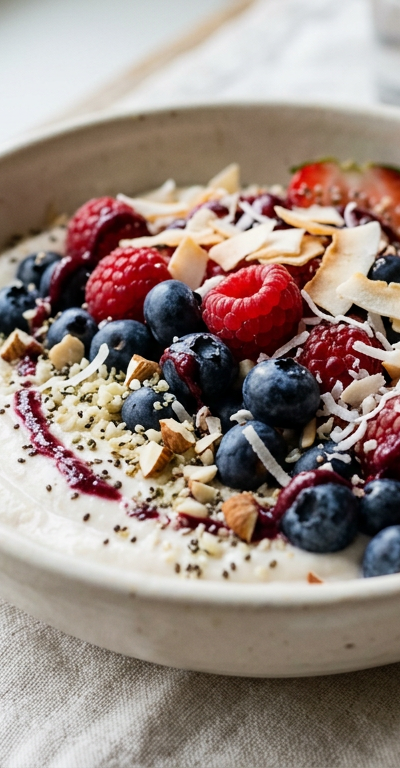
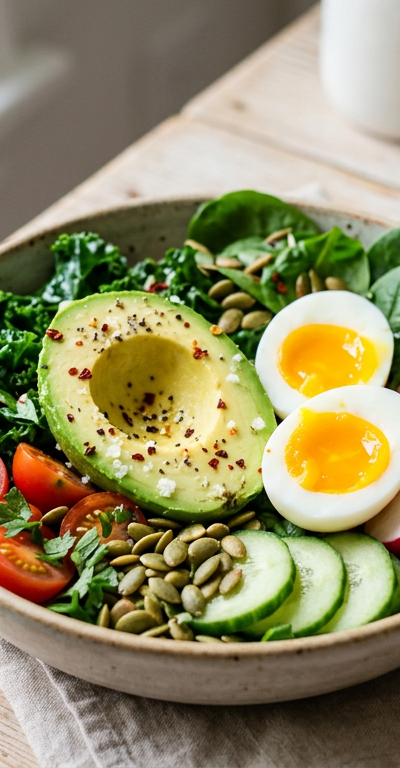
Key foods Lean proteins like chicken, turkey, and fish, complex carbohydrates like sweet potatoes and quinoa, Greek yogurt, eggs, nuts like almonds and cashews, seeds like pumpkin and sunflower seeds, leafy greens, berries like blueberries and cherries
Intermittent fasting may help modulate immune system function and reduce autoimmune activity by decreasing systemic inflammation, promoting regulatory T-cell function, and reducing autoreactive immune cells. The fasting periods trigger autophagy, which helps remove damaged cells and proteins that could trigger autoimmune responses. Some research suggests IF can reduce disease activity and symptoms in various autoimmune conditions by rebalancing immune function.
How Fasting reduces the number of circulating monocytes and pro-inflammatory immune cells while promoting the generation of regulatory T-cells that suppress excessive immune responses. The activation of autophagy during fasting helps clear autoantigens and damaged cellular material that might otherwise trigger autoimmune reactions. Additionally, the metabolic shift to ketone production provides anti-inflammatory signals that can dampen overactive immune responses characteristic of autoimmune diseases.
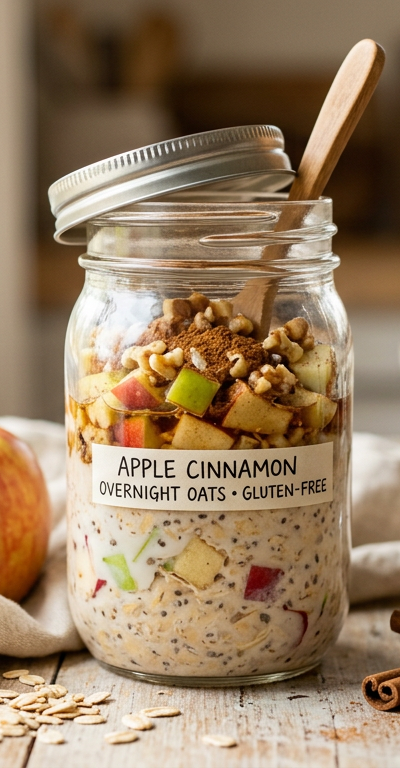
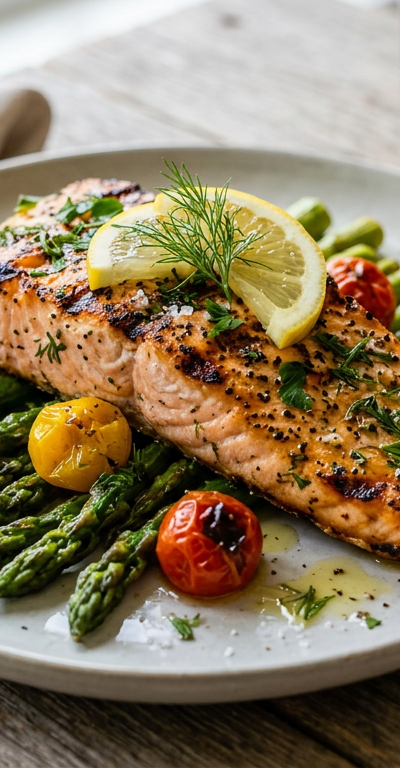
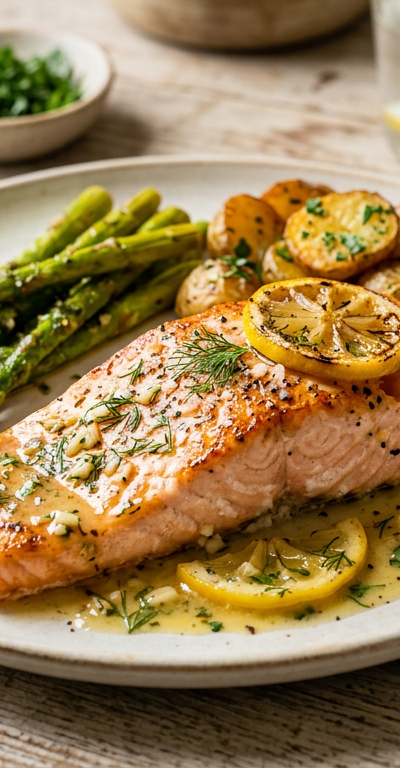
Key foods Fatty fish like salmon and sardines, leafy greens like kale and Swiss chard, berries like blueberries and strawberries, nuts like walnuts, seeds like flaxseeds and chia seeds, olive oil, cruciferous vegetables like broccoli, legumes like lentils
Intermittent fasting may reduce cancer risk through multiple mechanisms including reduced insulin and IGF-1 levels, enhanced autophagy, decreased inflammation, and improved immune surveillance. The fasting periods create a metabolic environment that is less favorable for cancer cell growth while potentially making cancer cells more vulnerable to treatment. Animal studies show significant reductions in tumor incidence and growth, though human research is still emerging.
How Fasting reduces circulating levels of insulin and IGF-1, both of which promote cell proliferation and can support cancer cell growth when chronically elevated. The activation of autophagy during fasting helps remove damaged cellular components and dysfunctional mitochondria that could lead to malignant transformation. Additionally, IF enhances immune system function, particularly natural killer cell activity, which helps identify and eliminate precancerous and cancerous cells before they can establish tumors.
Key foods Cruciferous vegetables like broccoli and cauliflower, berries like blueberries and raspberries, leafy greens like kale and spinach, fatty fish like salmon, nuts like walnuts and almonds, legumes like lentils and black beans, olive oil, garlic and onions
Intermittent fasting supports brain health by promoting neuroplasticity, reducing neuroinflammation, and enhancing the production of brain-derived neurotrophic factor (BDNF). The metabolic switch to ketone production during fasting provides an efficient alternative fuel source for the brain that may protect against age-related cognitive decline. Studies show improvements in memory, learning, and executive function, along with potential protective effects against neurodegenerative diseases.
How Fasting increases BDNF production, which promotes the growth and survival of neurons and enhances synaptic plasticity crucial for learning and memory. The production of ketone bodies during fasting provides neuroprotective effects by improving mitochondrial function in brain cells and reducing oxidative stress. Additionally, IF reduces neuroinflammation and may help clear amyloid-beta plaques associated with Alzheimer's disease through enhanced autophagy in brain tissue.
Key foods Fatty fish like salmon and mackerel, blueberries and strawberries, walnuts and almonds, leafy greens like spinach and kale, avocados, eggs, olive oil, dark chocolate with minimal sugar
Intermittent fasting may improve mood and reduce symptoms of depression and anxiety through multiple neurobiological mechanisms including increased BDNF production, reduced inflammation, and improved gut-brain axis function. The metabolic benefits of IF, including stable blood sugar and enhanced mitochondrial function, support optimal neurotransmitter production and brain energy metabolism. Some studies show improvements in mood scores, stress resilience, and overall mental well-being with IF protocols.
How Fasting increases BDNF levels, which supports neuronal health and has antidepressant effects by promoting neuroplasticity and neurogenesis in the hippocampus. The reduction in systemic inflammation through IF decreases inflammatory cytokines that can cross the blood-brain barrier and contribute to depression. Additionally, stable blood sugar levels during eating windows prevent the mood fluctuations associated with glucose dysregulation, while improved gut health supports optimal production of serotonin and other mood-regulating neurotransmitters.
Key foods Fatty fish like salmon and sardines, leafy greens like spinach and kale, nuts like walnuts and almonds, seeds like pumpkin and flaxseeds, legumes like lentils and chickpeas, berries like blueberries, fermented foods like Greek yogurt, eggs
Intermittent fasting improves cholesterol profiles by reducing LDL cholesterol and triglycerides while increasing beneficial HDL cholesterol. The extended fasting periods enhance fat metabolism and reduce hepatic production of VLDL particles. Combined with heart-healthy whole foods rich in fiber and omega-3 fatty acids, IF promotes optimal lipid profiles and reduces cardiovascular risk.
How Fasting enhances the activity of lipoprotein lipase, which breaks down triglyceride-rich lipoproteins and facilitates their clearance from the bloodstream. The metabolic shift during fasting increases fat oxidation and reduces hepatic synthesis of triglycerides and VLDL cholesterol. Additionally, the soluble fiber from whole foods binds bile acids in the intestine, forcing the liver to use cholesterol to produce new bile acids, thereby reducing circulating cholesterol levels.
Key foods Fatty fish like salmon, mackerel, and sardines, nuts like walnuts and almonds, seeds like flaxseeds and chia seeds, olive oil, avocados, legumes like lentils and chickpeas, oats and barley, leafy greens
Intermittent fasting reduces blood pressure through multiple mechanisms including weight loss, improved insulin sensitivity, reduced sympathetic nervous system activity, and enhanced endothelial function. Studies show significant reductions in both systolic and diastolic blood pressure with IF protocols. The emphasis on whole, unprocessed foods naturally reduces sodium intake while increasing potassium and other minerals that support healthy blood pressure regulation.
How Fasting periods reduce circulating insulin levels and improve insulin sensitivity, which decreases sodium retention by the kidneys and reduces blood volume. IF also improves endothelial function by increasing nitric oxide production, which promotes vasodilation and reduces vascular resistance. The weight loss and reduced inflammation associated with IF further contribute to blood pressure reduction by decreasing cardiac workload and improving arterial compliance.
Key foods Leafy greens like spinach and Swiss chard, fatty fish like salmon and sardines, legumes like lentils and kidney beans, nuts like almonds and pistachios, seeds like pumpkin and sunflower seeds, avocados, berries like blueberries, olive oil
Intermittent fasting addresses the underlying insulin resistance that drives PCOS by improving insulin sensitivity and reducing hyperinsulinemia. This leads to decreased androgen production, improved menstrual regularity, and better ovulation rates. Studies show IF can reduce testosterone levels, improve hormonal balance, and promote weight loss, all of which are crucial for managing PCOS symptoms.
How By reducing meal frequency and improving insulin sensitivity, IF lowers circulating insulin levels, which directly decreases ovarian androgen production since insulin stimulates theca cells to produce testosterone. The weight loss associated with IF reduces aromatase activity in adipose tissue, further improving the estrogen-to-androgen ratio. Additionally, reduced insulin levels lower sex hormone-binding globulin (SHBG) suppression, allowing more androgens to be bound and less to circulate freely.
Key foods Lean proteins like chicken and turkey, fatty fish like salmon, leafy greens like spinach and kale, legumes like lentils and chickpeas, nuts like almonds and walnuts, seeds like flaxseeds and pumpkin seeds, berries like blueberries, non-starchy vegetables like broccoli
Intermittent fasting may improve acne by reducing insulin and IGF-1 levels, which are known to stimulate sebum production and promote inflammation in skin follicles. The reduction in meal frequency and emphasis on whole foods minimizes blood sugar spikes and reduces the glycemic load that can exacerbate acne. Some individuals report clearer skin with IF, though research is limited and results vary.
How Lower insulin levels from fasting reduce IGF-1 production, which decreases sebaceous gland activity and sebum production that can clog pores and promote acne. The anti-inflammatory effects of IF reduce systemic inflammation that contributes to inflammatory acne lesions. Additionally, improved insulin sensitivity and stable blood sugar levels during eating windows prevent the hormonal fluctuations that can trigger acne breakouts.
Key foods Fatty fish like salmon and sardines, leafy greens like spinach and kale, nuts like walnuts and almonds, seeds like flaxseeds and pumpkin seeds, berries like blueberries, legumes like lentils, olive oil, non-starchy vegetables like broccoli
Intermittent fasting may benefit certain digestive disorders by giving the digestive system extended periods of rest, reducing inflammation in the gut, and promoting beneficial changes in gut microbiota composition. The fasting periods allow for more complete digestion and may reduce symptoms like bloating, gas, and discomfort in some individuals. The emphasis on whole, unprocessed foods during eating windows supports gut health and reduces exposure to irritating additives and processed ingredients.
How Extended fasting periods allow the migrating motor complex (MMC) to function properly, sweeping bacteria and debris through the digestive tract and preventing small intestinal bacterial overgrowth (SIBO). The reduction in meal frequency decreases the overall inflammatory load on the gut while allowing intestinal cells time to repair and regenerate. Fasting also promotes beneficial shifts in gut microbiota composition toward species that produce anti-inflammatory short-chain fatty acids.
Key foods Fermented foods like Greek yogurt and kefir, leafy greens like spinach, cooked vegetables like carrots and squash, lean proteins like chicken and fish, legumes like lentils, nuts like almonds, seeds like pumpkin seeds, bone broth
Intermittent fasting improves multiple cardiovascular risk factors including blood pressure, cholesterol profiles, inflammatory markers, and oxidative stress. The combination of fasting periods with heart-healthy whole foods reduces arterial plaque formation, improves endothelial function, and decreases overall cardiovascular disease risk. Studies show reductions in LDL cholesterol, triglycerides, and blood pressure, along with increases in beneficial HDL cholesterol.
How Fasting periods reduce oxidative stress and inflammation throughout the cardiovascular system by activating cellular repair mechanisms and reducing circulating inflammatory cytokines. The diet improves lipid metabolism by enhancing fat oxidation and reducing triglyceride synthesis in the liver. Additionally, IF promotes beneficial changes in blood pressure through improved endothelial function, reduced sympathetic nervous system activity, and better sodium regulation.
Key foods Fatty fish like salmon, sardines, and mackerel, nuts like walnuts and almonds, olive oil, avocados, leafy greens like spinach and arugula, berries like strawberries and blueberries, legumes like lentils and black beans, whole grains like oats and quinoa
Intermittent fasting powerfully reduces systemic inflammation by decreasing pro-inflammatory cytokines, oxidative stress, and inflammatory markers like CRP, IL-6, and TNF-alpha. The fasting periods activate cellular stress resistance pathways and autophagy, which clear damaged proteins and cellular debris that contribute to inflammation. Combined with anti-inflammatory whole foods during eating windows, IF provides comprehensive inflammation reduction.
How Extended fasting periods reduce the production of monocytes in the blood, which are key drivers of inflammation. Fasting also activates autophagy, a cellular recycling process that removes damaged mitochondria and proteins that would otherwise trigger inflammatory responses. The metabolic switch to ketone production during fasting provides anti-inflammatory signaling molecules that directly suppress inflammatory pathways including the NLRP3 inflammasome.
Key foods Fatty fish like salmon and sardines, leafy greens like kale and collard greens, berries like blueberries and blackberries, nuts like walnuts and pecans, seeds like flaxseeds and chia seeds, olive oil, turmeric-spiced legumes, cruciferous vegetables like broccoli and cauliflower
Intermittent fasting is one of the most effective dietary interventions for reversing insulin resistance by reducing the frequency of insulin secretion and allowing insulin receptors to resensitize. The extended fasting periods lower baseline insulin levels and reduce the total insulin burden on cells throughout the day. Combined with nutrient-dense foods that don't spike blood sugar during eating windows, IF can dramatically improve insulin sensitivity within weeks.
How Extended fasting periods deplete cellular glucose stores and reduce circulating insulin to baseline levels, allowing insulin receptors on cell membranes to upregulate and become more sensitive. The reduction in constant insulin signaling prevents receptor downregulation and desensitization that occurs with frequent eating. Additionally, fasting promotes the clearance of ectopic fat from muscle and liver cells, which directly improves insulin signaling pathways within these tissues.
Key foods Lean proteins like chicken and turkey, fatty fish like salmon and mackerel, leafy greens like spinach and kale, legumes like lentils and chickpeas, nuts like almonds and walnuts, seeds like chia and flaxseeds, non-starchy vegetables like broccoli and peppers, berries like blueberries
Intermittent fasting activates multiple longevity pathways including autophagy, enhanced mitochondrial function, reduced oxidative stress, and improved cellular stress resistance. The fasting periods trigger beneficial hormetic stress responses that strengthen cells against aging-related damage. IF has been shown to extend lifespan in multiple animal models and improve biomarkers of aging in humans, including reduced inflammation, better metabolic health, and enhanced cellular repair mechanisms.
How Fasting activates sirtuins and AMPK pathways while inhibiting mTOR, creating a cellular environment that prioritizes maintenance and repair over growth. This triggers autophagy, which removes damaged cellular components and dysfunctional mitochondria, reducing cellular aging. IF also reduces oxidative damage to DNA, proteins, and lipids while enhancing antioxidant defenses, collectively slowing the aging process at the cellular level.
Key foods Fatty fish like salmon and sardines, leafy greens like kale and spinach, berries like blueberries and strawberries, nuts like walnuts and almonds, seeds like flaxseeds and pumpkin seeds, legumes like lentils and black beans, olive oil, cruciferous vegetables like broccoli
Intermittent fasting addresses all five components of metabolic syndrome: abdominal obesity, high blood pressure, elevated blood sugar, high triglycerides, and low HDL cholesterol. The combination of time-restricted eating with nutrient-dense whole foods improves insulin sensitivity, reduces visceral fat, lowers blood pressure, and optimizes lipid profiles. Research demonstrates significant improvements in waist circumference, fasting glucose, and cardiovascular risk markers.
How IF reduces chronic insulin elevation and improves cellular insulin sensitivity, which directly addresses the underlying insulin resistance driving metabolic syndrome. The fasting periods activate cellular stress resistance pathways and autophagy, reducing oxidative stress and inflammation. Additionally, the diet promotes favorable changes in adipokine secretion from fat tissue, reducing inflammatory markers and improving metabolic health across multiple organ systems.
Key foods Fatty fish like salmon and mackerel, leafy greens like kale and Swiss chard, nuts like walnuts and almonds, seeds like flaxseeds and chia seeds, legumes like chickpeas and kidney beans, berries like blueberries and raspberries, olive oil, avocados
Intermittent fasting effectively reduces hepatic fat accumulation by promoting fat oxidation and reducing de novo lipogenesis in the liver. The extended fasting periods deplete liver glycogen stores and trigger the breakdown of stored liver fat for energy. Studies demonstrate significant reductions in liver enzymes, liver fat content, and improvements in liver function markers with IF protocols.
How Fasting periods reduce insulin levels and activate hormone-sensitive lipase, which breaks down triglycerides stored in liver cells. The metabolic shift during fasting enhances hepatic fat oxidation through increased mitochondrial activity and beta-oxidation pathways. Additionally, IF reduces the influx of free fatty acids from adipose tissue to the liver and decreases hepatic de novo lipogenesis by downregulating lipogenic enzymes like fatty acid synthase.
Key foods Lean proteins like chicken and turkey, fatty fish like salmon and mackerel, leafy greens like spinach and kale, cruciferous vegetables like broccoli and Brussels sprouts, nuts like almonds and walnuts, legumes like lentils and chickpeas, olive oil, berries like blueberries
Intermittent fasting promotes weight loss through multiple mechanisms including reduced caloric intake, enhanced fat oxidation during fasting periods, and improved metabolic flexibility. The time-restricted eating pattern naturally limits opportunities for excessive calorie consumption while the focus on nutrient-dense, satiating foods helps control hunger and prevent overeating. IF has been shown to preserve lean muscle mass better than continuous calorie restriction while promoting fat loss.
How Fasting periods trigger metabolic switching from glucose-based to fat-based energy metabolism, increasing lipolysis and fat oxidation. Extended fasting elevates human growth hormone levels which helps preserve muscle mass while promoting fat breakdown. The eating pattern also reduces overall caloric intake without requiring constant calorie counting, while improving hormones like leptin and ghrelin that regulate appetite and satiety.
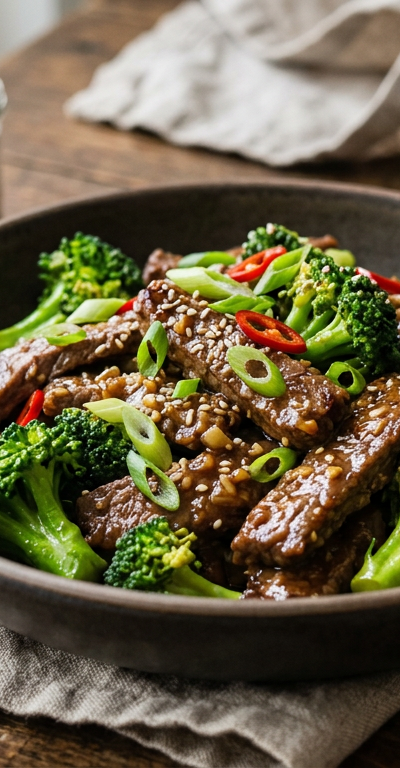
Key foods Lean proteins like chicken, fish, and turkey, high-fiber vegetables like broccoli and Brussels sprouts, legumes like black beans and lentils, healthy fats like avocados and olive oil, nuts like almonds and cashews, seeds like pumpkin and sunflower seeds, whole grains like quinoa and oats, Greek yogurt
Intermittent fasting significantly improves insulin sensitivity and glucose regulation by reducing the frequency of insulin spikes throughout the day. Extended fasting periods allow blood sugar and insulin levels to normalize, while nutrient-dense eating windows provide stable energy without causing dramatic glucose fluctuations. Studies show IF can reduce HbA1c levels, decrease fasting glucose, and in some cases reduce or eliminate the need for diabetes medications.
How Extended fasting periods deplete glycogen stores and reduce circulating insulin levels, which improves insulin receptor sensitivity over time. The reduction in meal frequency decreases the total insulin demand per day, allowing pancreatic beta cells to recover and function more efficiently. Additionally, the emphasis on complex carbohydrates and fiber during eating windows prevents rapid glucose spikes and promotes gradual, sustained energy release.
Key foods Lean proteins like chicken breast and turkey, fatty fish like salmon and sardines, leafy greens like spinach and kale, legumes like lentils and chickpeas, nuts like almonds and walnuts, seeds like chia and flaxseeds, non-starchy vegetables like broccoli and cauliflower, berries like blueberries and strawberries
Intermittent fasting shows promise for reducing migraine frequency and severity, possibly through improved metabolic stability, reduced inflammation, and enhanced mitochondrial function in brain cells. Some research suggests that the metabolic switch to ketone production during fasting may provide neuroprotective effects and stabilize neuronal excitability. However, it's important to note that fasting can initially trigger migraines in some individuals before potential benefits emerge.
How Ketone bodies produced during fasting may stabilize neuronal membranes and reduce cortical spreading depression, the neurological phenomenon underlying migraine aura. The anti-inflammatory effects of IF reduce inflammatory mediators that can trigger migraine attacks. Additionally, stable blood sugar levels during eating windows prevent hypoglycemia-induced migraines, while improved mitochondrial function in brain cells may reduce the energy deficits thought to contribute to migraine pathophysiology.
Key foods Fatty fish like salmon and mackerel, leafy greens like spinach and kale, nuts like almonds and walnuts, seeds like pumpkin and flaxseeds, berries like blueberries, avocados, olive oil, ginger
General information about how people eat, not medical advice. Talk to a clinician
before changing your diet to treat a condition.