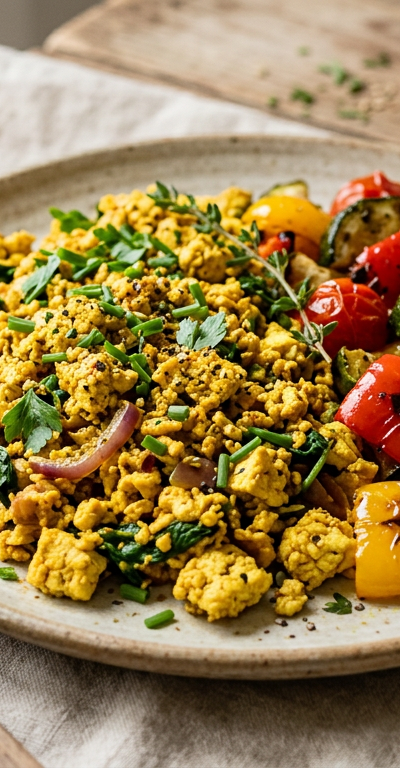
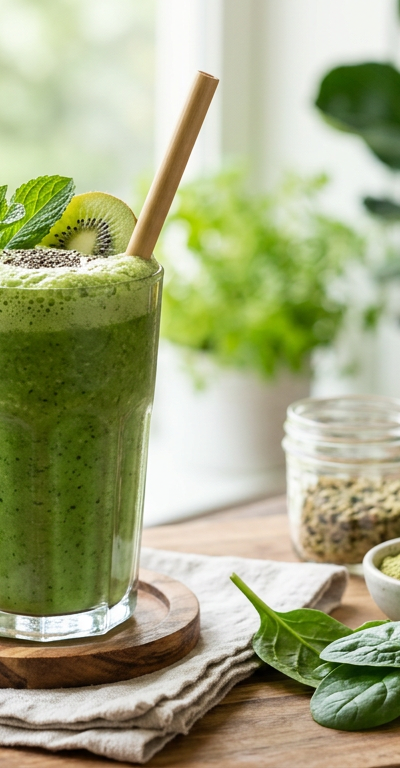
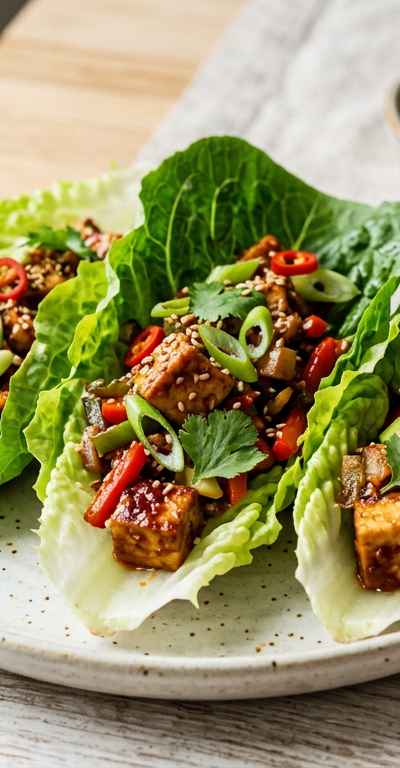
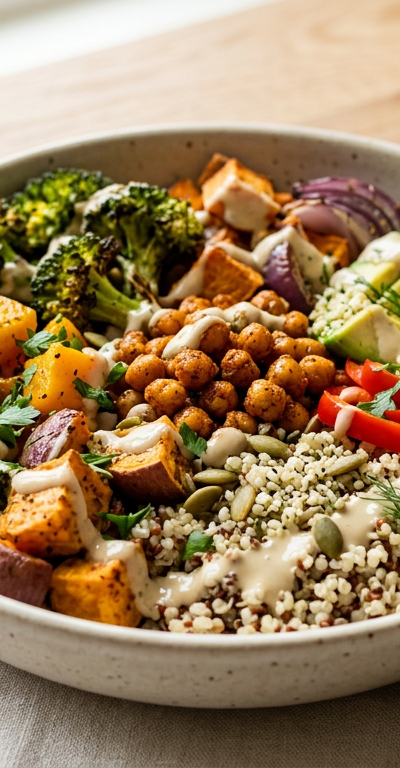
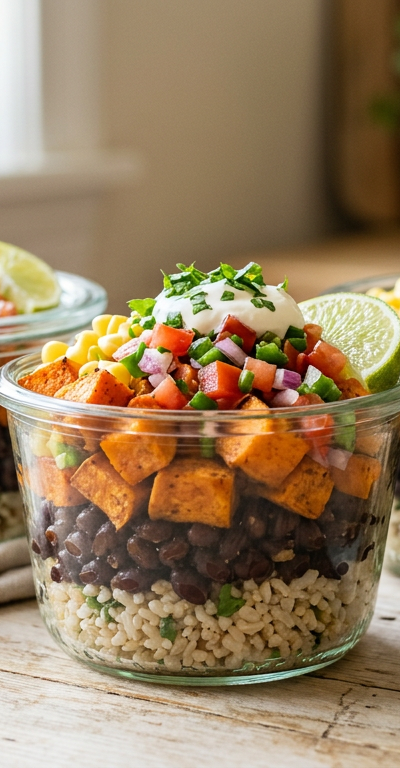
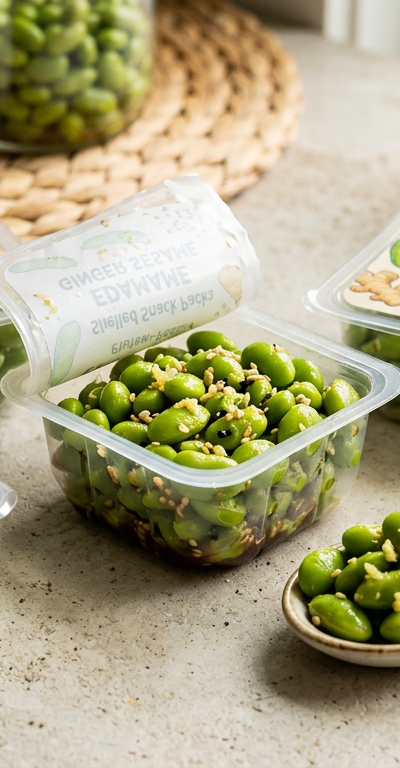
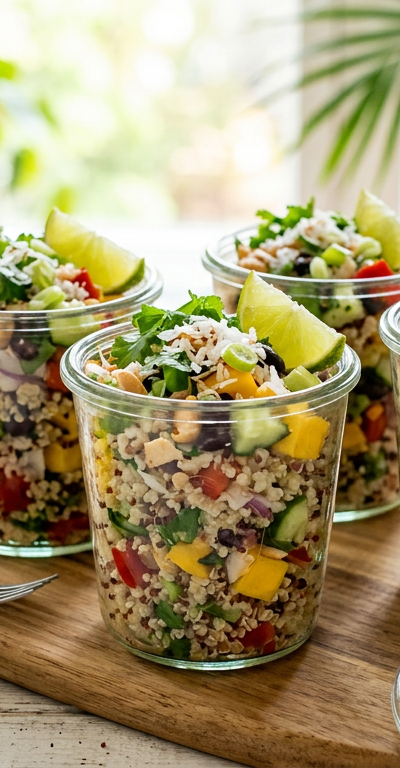
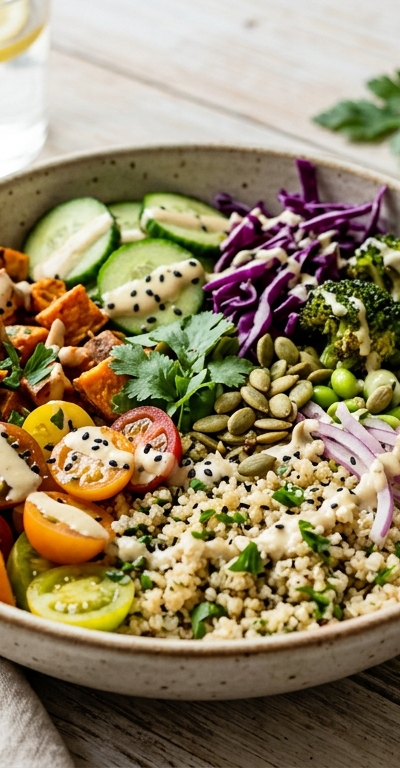
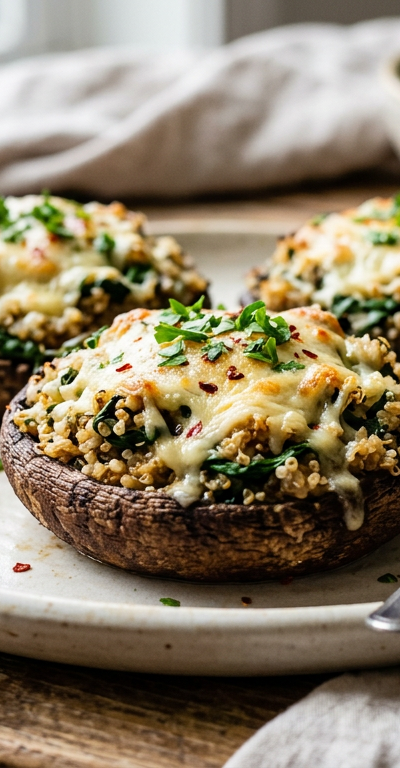
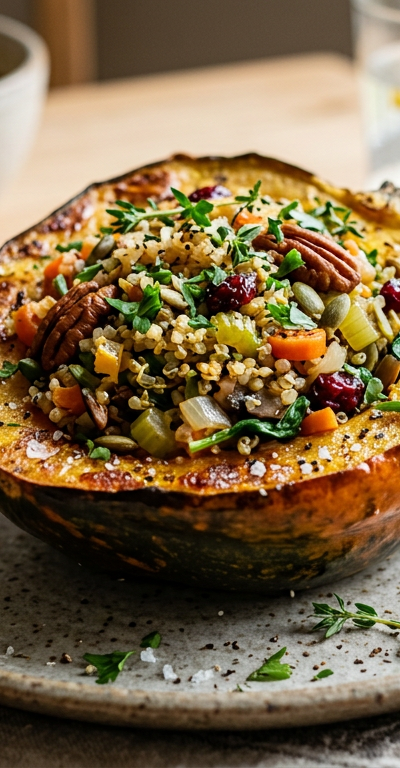
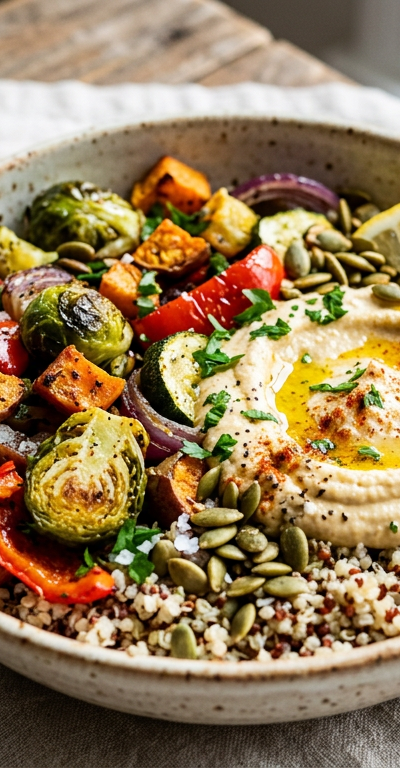
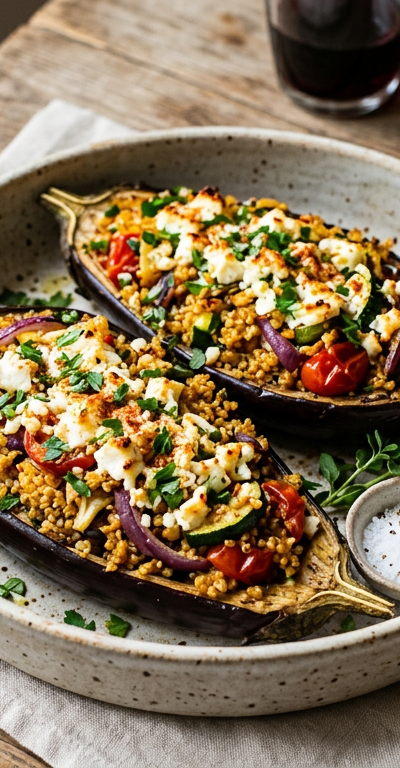
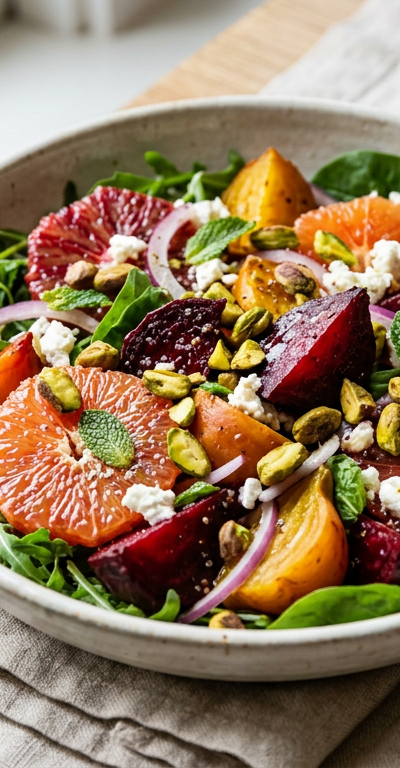
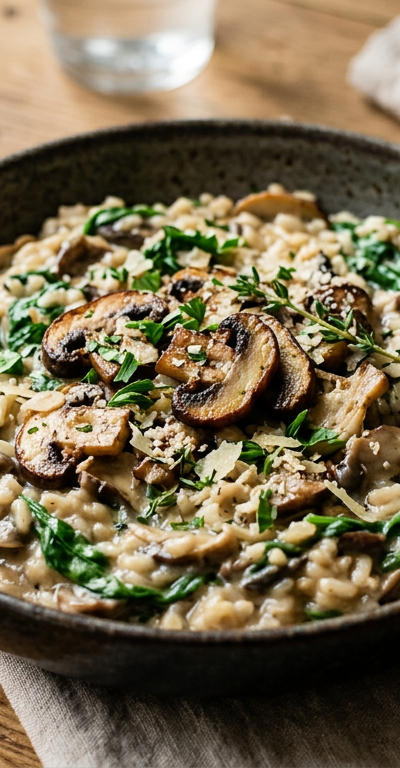
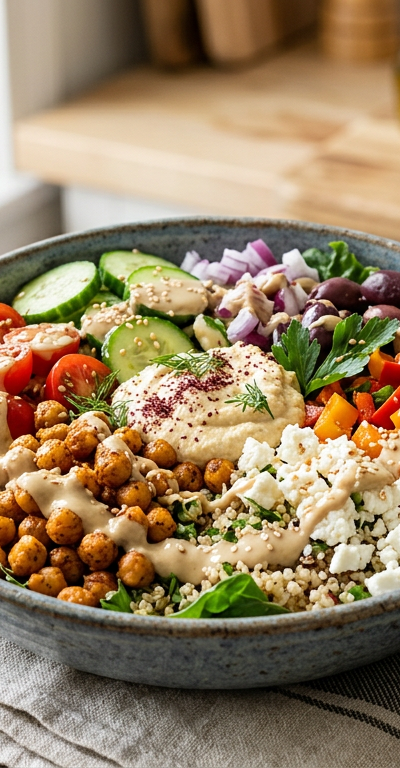
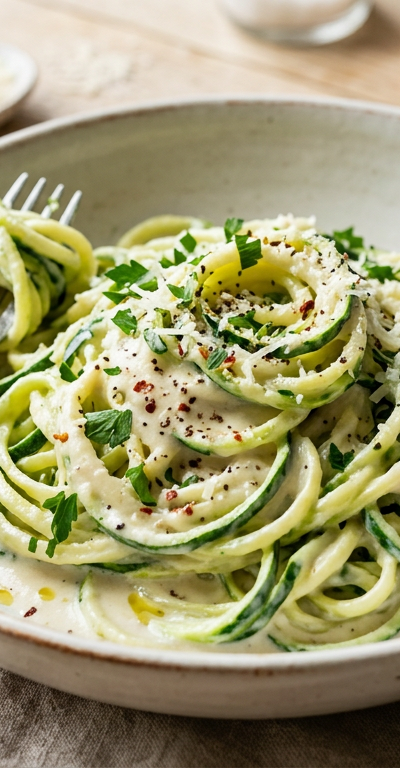
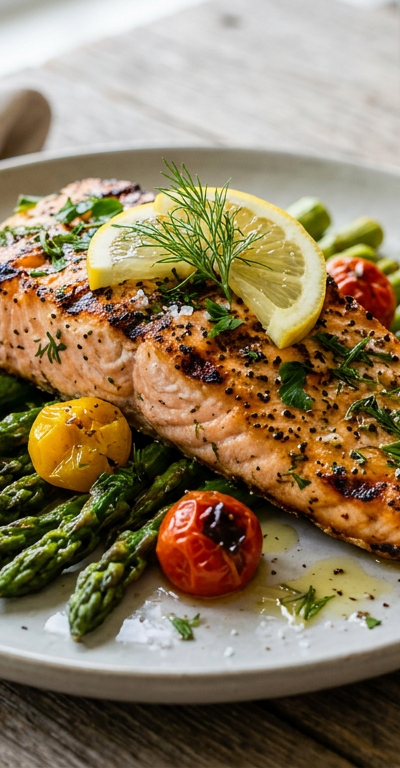
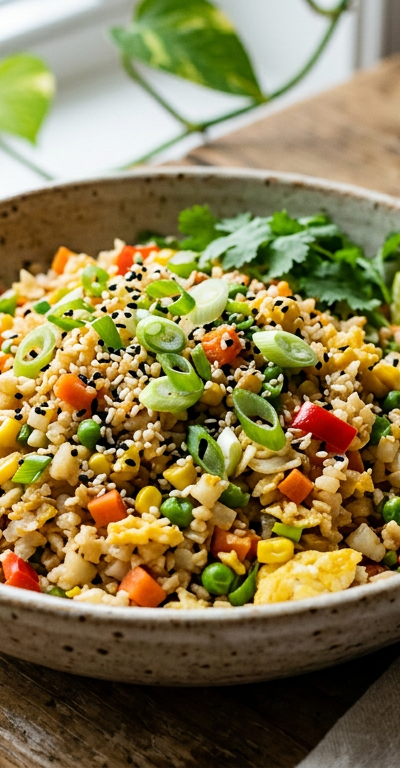
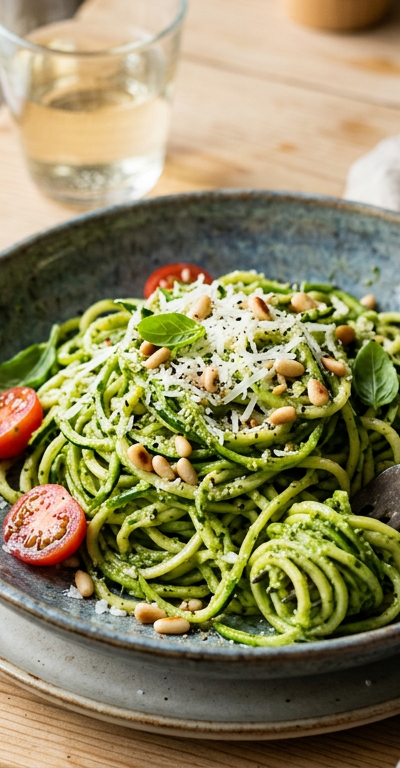
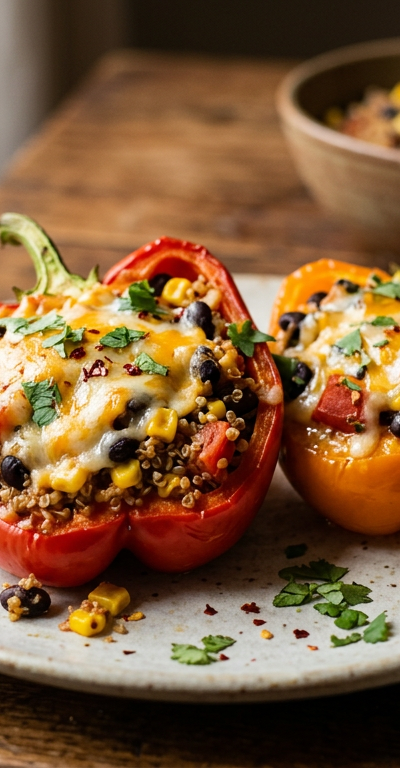
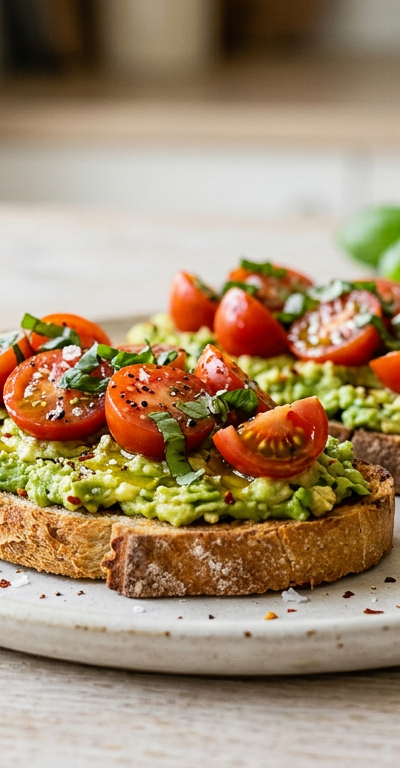
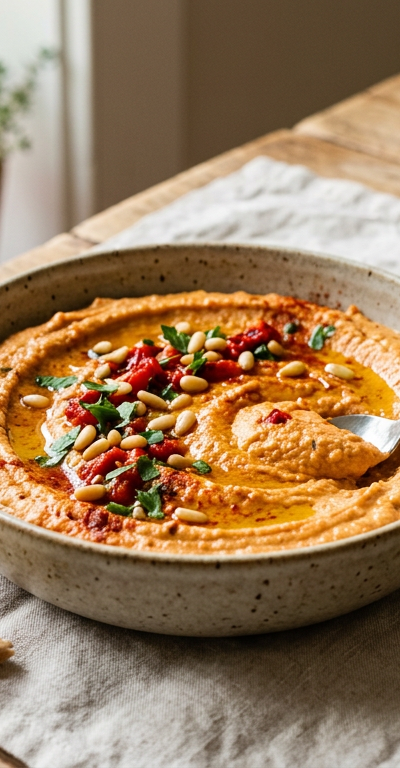
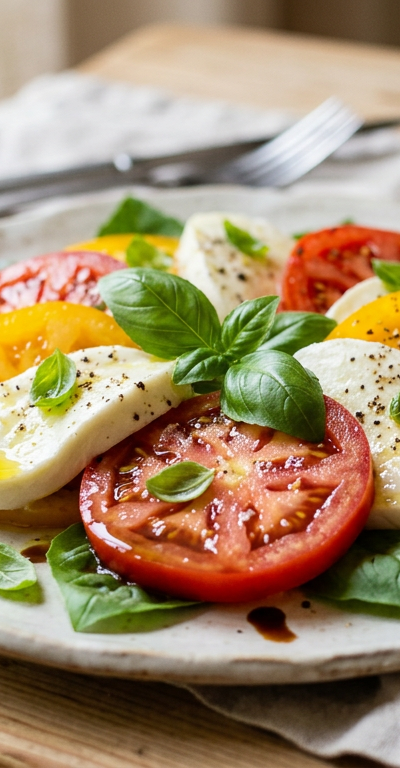
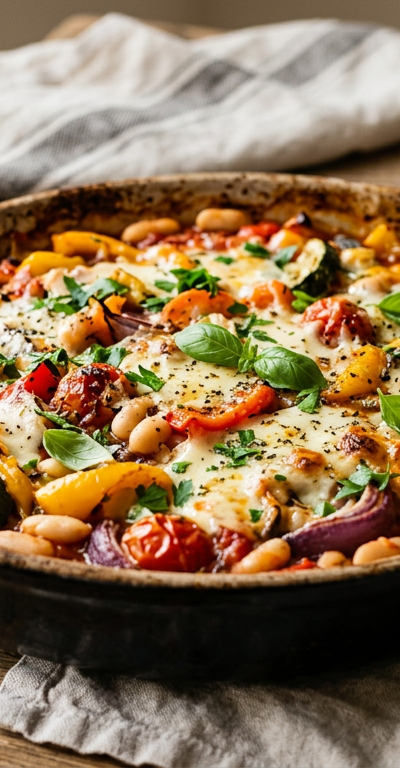
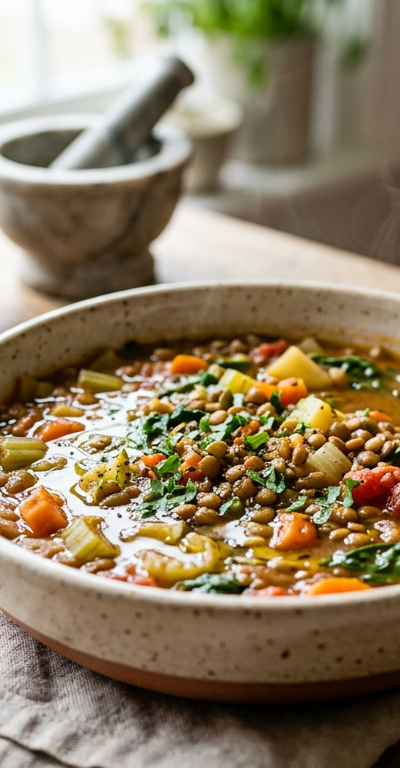
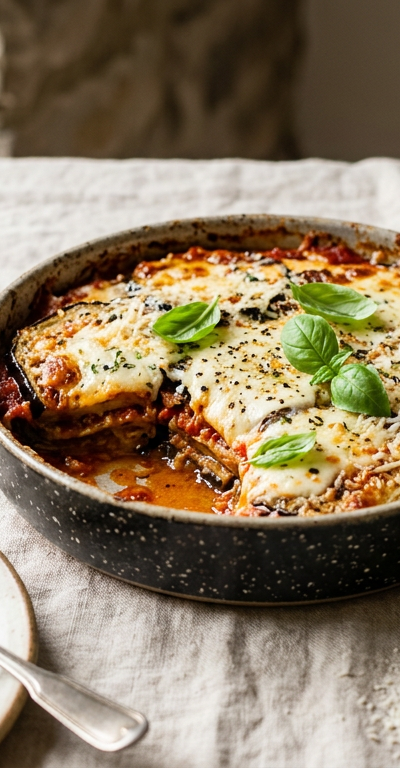
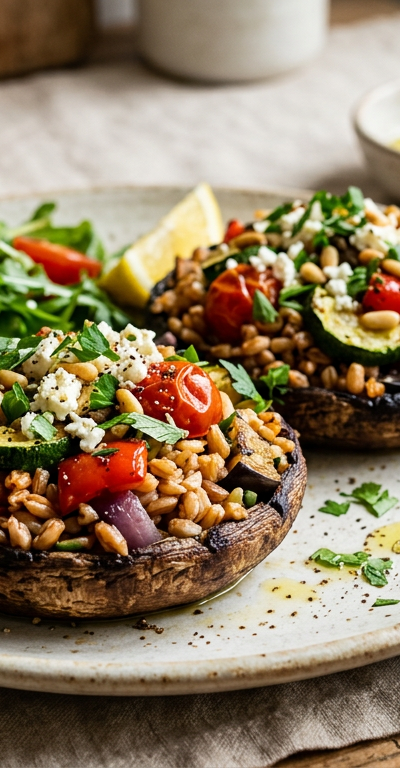
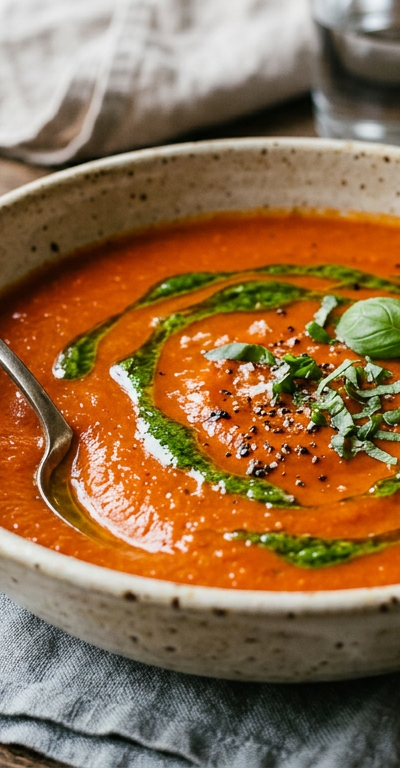
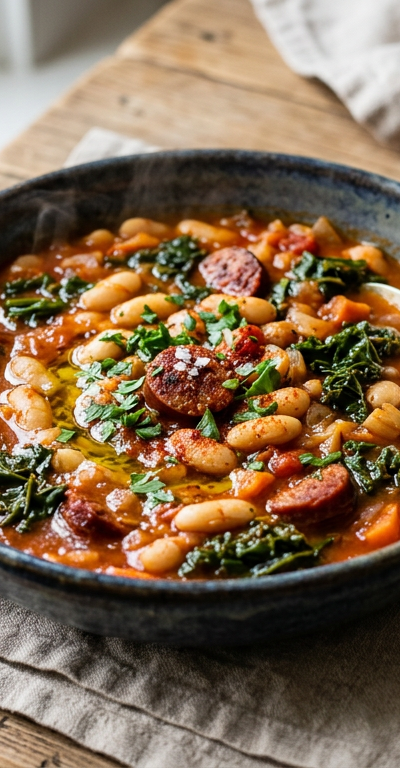
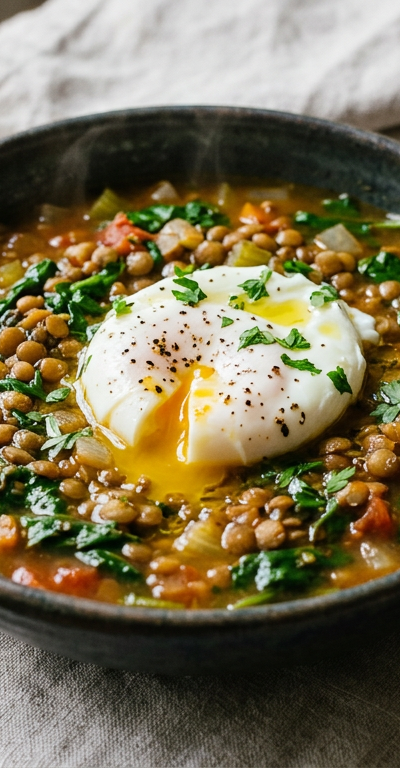
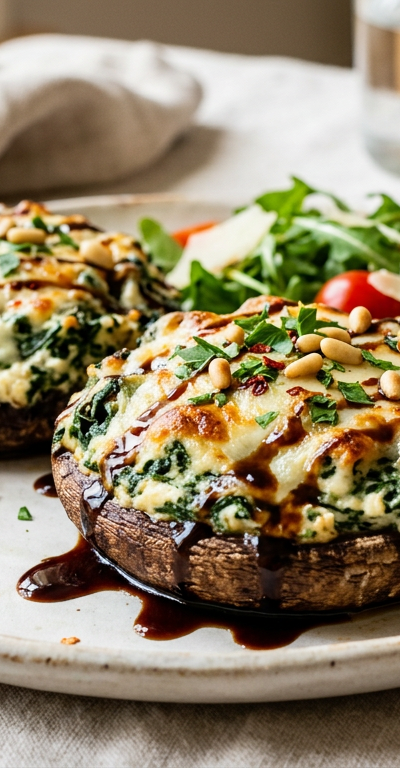
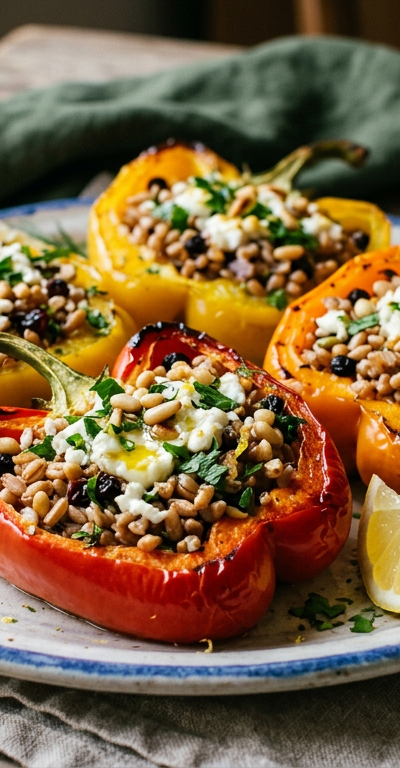
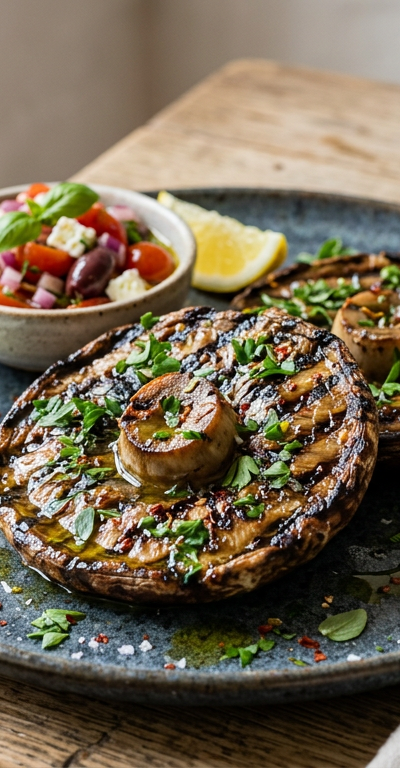
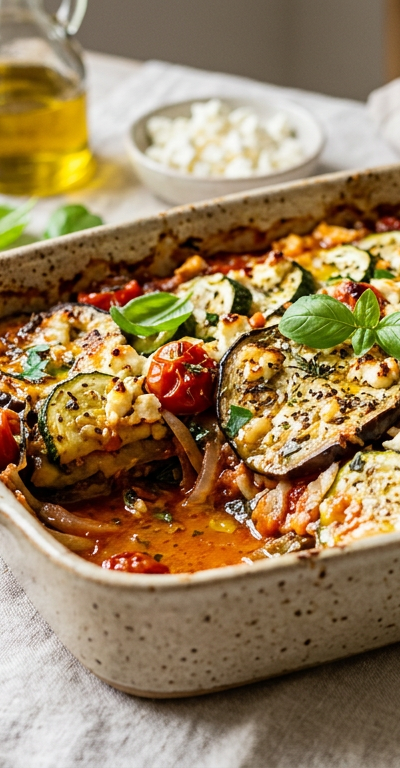
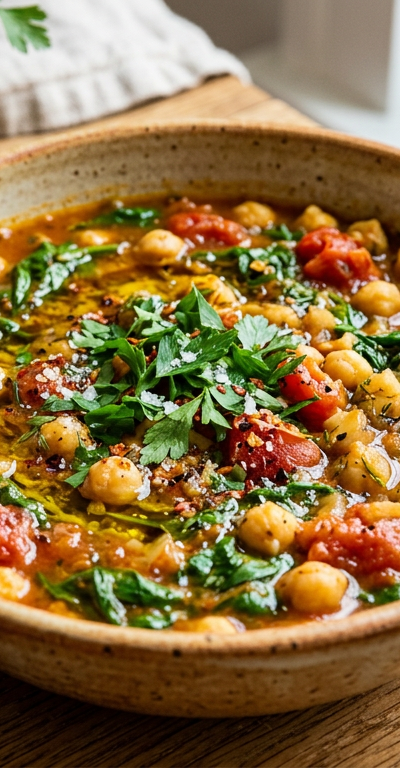
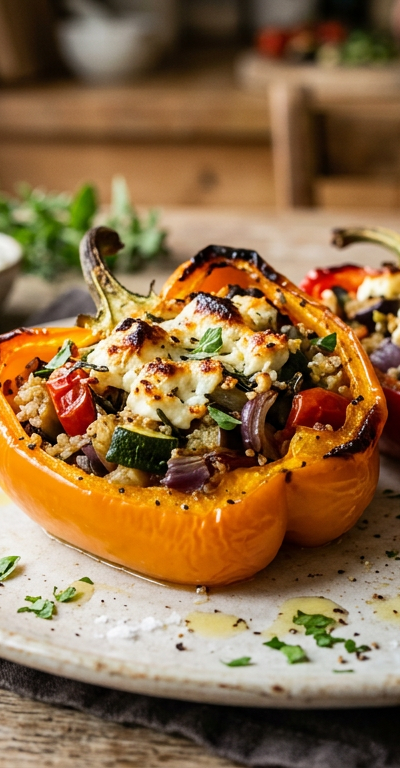
A vegetarian diet is a plant-based eating pattern that excludes meat, poultry, fish, and seafood, while typically including eggs, dairy products, legumes, nuts, seeds, whole grains, fruits, and vegetables. The core principle centers on obtaining nutrition from plant sources and, for lacto-ovo vegetarians (the most common type), animal-derived products like milk, cheese, yogurt, and eggs. Variations include lacto-vegetarian (dairy but no eggs), ovo-vegetarian (eggs but no dairy), and vegan (no animal products whatsoever). This dietary approach emphasizes whole foods, fiber-rich carbohydrates, plant proteins, and healthy fats while eliminating all animal flesh. The vegetarian diet has been extensively studied and shows significant benefits for multiple health conditions. Research demonstrates it can help prevent and manage heart disease by lowering cholesterol levels, blood pressure, and reducing arterial plaque formation. Studies published in journals like the Journal of the American Heart Association and JAMA Internal Medicine show vegetarians have up to a 32% lower risk of heart disease. The diet is also beneficial for type 2 diabetes management and prevention, as plant-based eating improves insulin sensitivity and glycemic control. Additionally, the high fiber content and anti-inflammatory properties of plant foods can help reduce chronic inflammation, support digestive health, aid in weight management, and may lower the risk of certain cancers, particularly colorectal cancer. This diet is particularly beneficial for individuals with cardiovascular disease risk factors, those managing diabetes or prediabetes, people seeking to reduce inflammation, individuals with high cholesterol or hypertension, and those looking to achieve or maintain a healthy weight. It's also suitable for people concerned about environmental sustainability and animal welfare. The American Dietetic Association affirms that well-planned vegetarian diets are nutritionally adequate for all life stages, including pregnancy, lactation, infancy, childhood, and adolescence. However, vegetarians should pay attention to obtaining adequate vitamin B12, iron, zinc, omega-3 fatty acids, and protein through careful food selection or supplementation. Those with specific nutrient deficiencies or certain medical conditions should consult healthcare providers before making significant dietary changes.

What the evidence says about Vegetarian Diet and each condition, and the foods doing the work.
Vegetarian diets are rich in antioxidants, phytochemicals, and fiber that may help prevent various types of cancer. The diet reduces exposure to processed meats and provides protective plant compounds that support cellular health.
How Phytochemicals and antioxidants in plant-based foods neutralize free radicals, reduce oxidative stress, and support DNA repair mechanisms. The diet's high fiber content also helps remove potential carcinogens from the digestive system.
Key foods Cruciferous vegetables, berries, nuts, seeds, legumes, whole grains, turmeric, green tea
Vegetarian diets are typically lower in calories and higher in nutrient density, promoting weight loss and healthy weight management. The diet's emphasis on whole foods and plant-based proteins helps control appetite and reduce overall caloric intake.
How Plant-based diets are typically lower in calories and higher in fiber, which increases satiety and reduces overall caloric intake. The nutrient-dense foods provide essential nutrients while supporting metabolic health and weight regulation.
Key foods Tofu, lentils, quinoa, leafy greens, berries, nuts, eggs, Greek yogurt
Vegetarian diets significantly reduce cardiovascular disease risk by lowering LDL cholesterol, reducing inflammation, and providing high levels of antioxidants and fiber. The diet eliminates saturated animal fats and emphasizes heart-protective plant-based nutrients.
How Plant-based proteins and fiber help reduce cholesterol absorption and improve lipid profiles. The high antioxidant content reduces oxidative stress and inflammation in blood vessels, while potassium-rich foods help regulate blood pressure.

Key foods Lentils, chickpeas, tofu, spinach, avocados, walnuts, olive oil, whole grains
Vegetarian diets are naturally anti-inflammatory, providing abundant antioxidants and eliminating pro-inflammatory animal proteins. The diet's focus on whole plant foods helps reduce systemic inflammation and support immune function.

How Plant-based foods contain powerful anti-inflammatory compounds that inhibit inflammatory pathways. The diet reduces inflammatory markers by providing omega-3 fatty acids, antioxidants, and eliminating pro-inflammatory animal proteins.
Key foods Turmeric, ginger, leafy greens, berries, chia seeds, walnuts, olive oil, green tea
Vegetarian diets help lower blood pressure through high potassium intake, reduced sodium, and improved arterial function. The diet provides nutrients that support cardiovascular health and blood pressure regulation.
How High potassium and magnesium intake helps relax blood vessel walls and improve arterial function. The diet's low saturated fat content and high fiber reduce arterial inflammation and improve overall cardiovascular health.
Key foods Spinach, bananas, sweet potatoes, beans, lentils, avocados, nuts, seeds
Vegetarian diets improve insulin sensitivity, reduce blood sugar fluctuations, and provide nutrient-dense, low-glycemic foods that help manage and prevent type 2 diabetes. The diet's high fiber content slows glucose absorption and improves metabolic health.
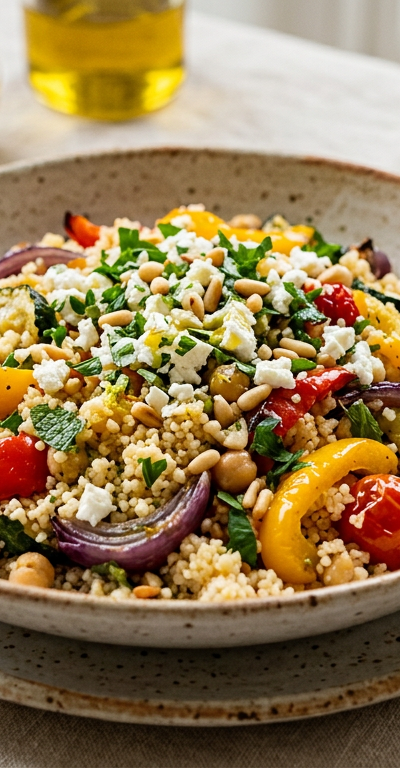
How Plant-based diets increase insulin sensitivity by reducing intracellular lipid accumulation and inflammation. The high fiber and complex carbohydrate content helps regulate blood sugar levels and reduces the risk of insulin resistance.
Key foods Legumes, quinoa, chia seeds, leafy greens, tempeh, Greek yogurt, eggs, almonds
General information about how people eat, not medical advice. Talk to a clinician before changing your diet to treat a condition.
Open a recipe in Platewise and a voice sous chef reads the steps, runs the timers, and swaps what you don't have.