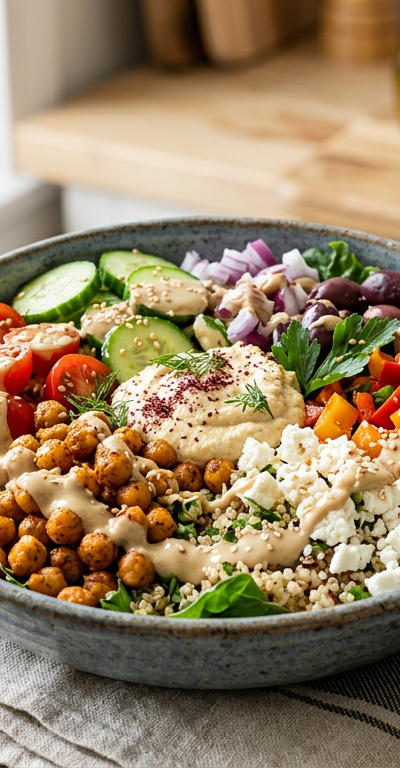
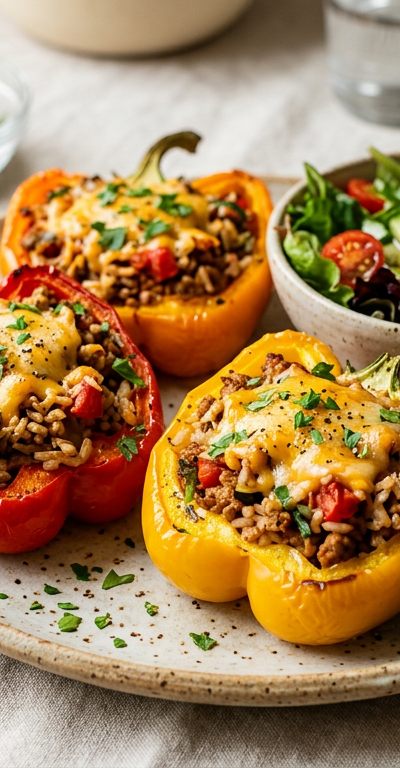
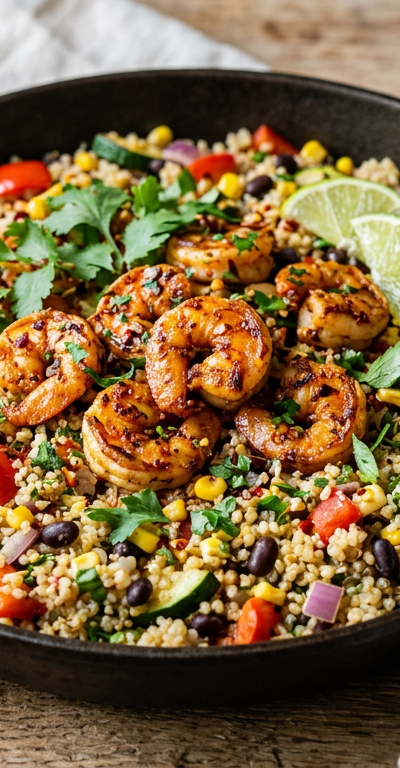
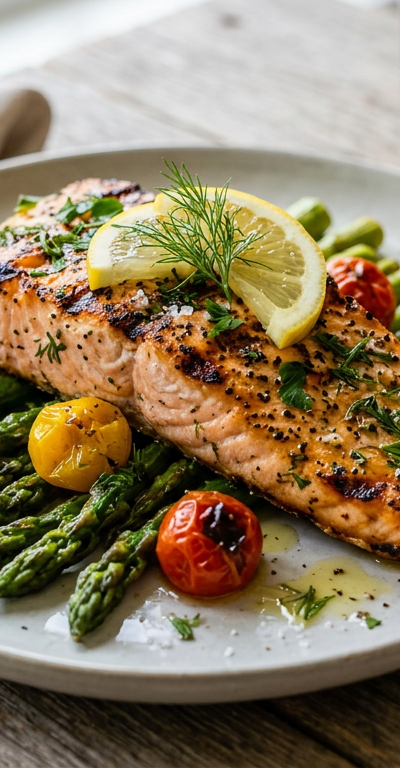
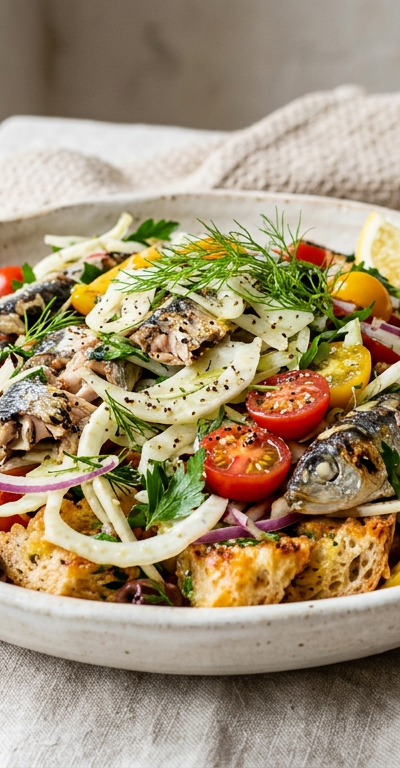
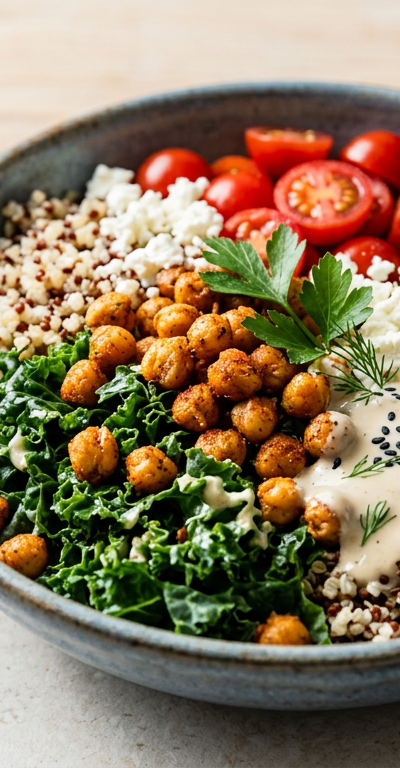
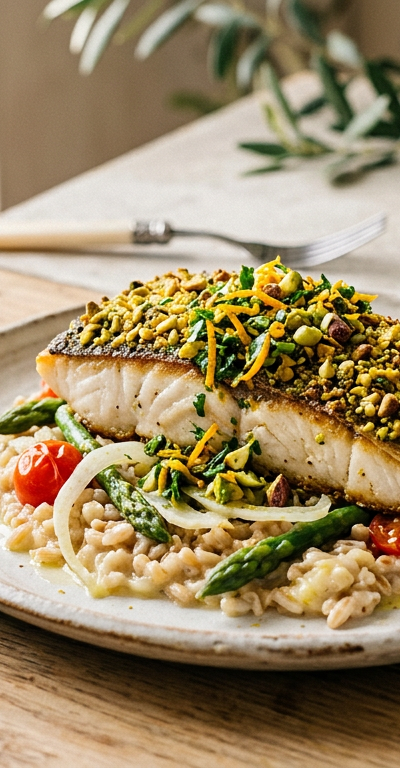
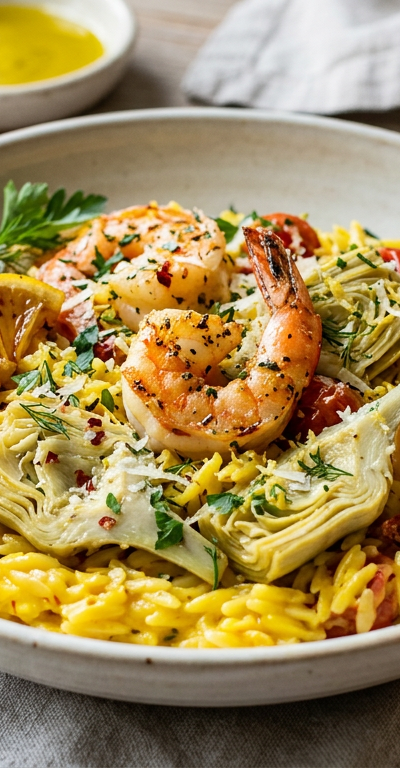
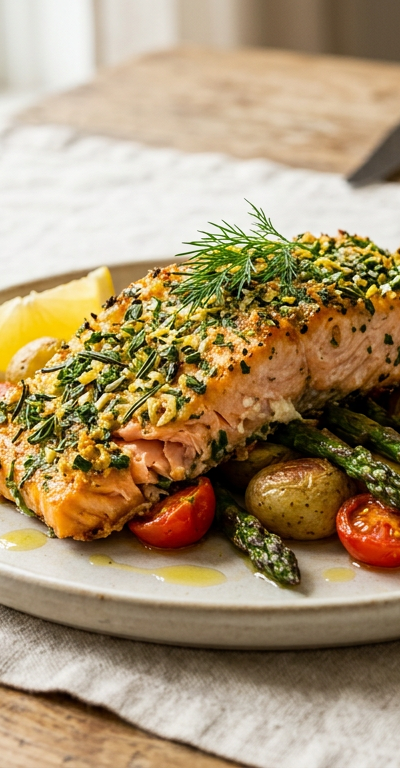
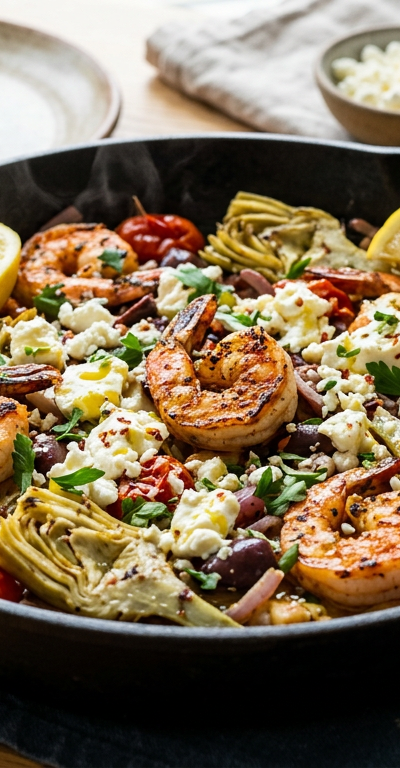
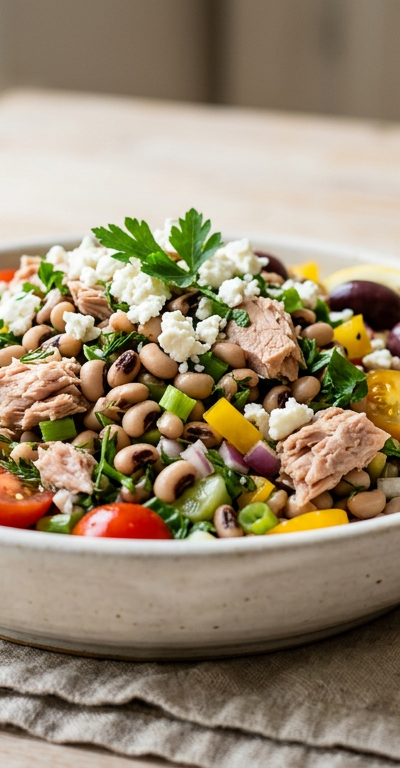
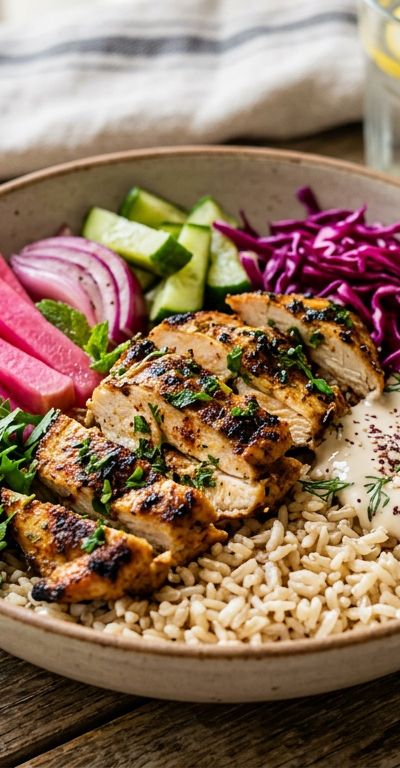
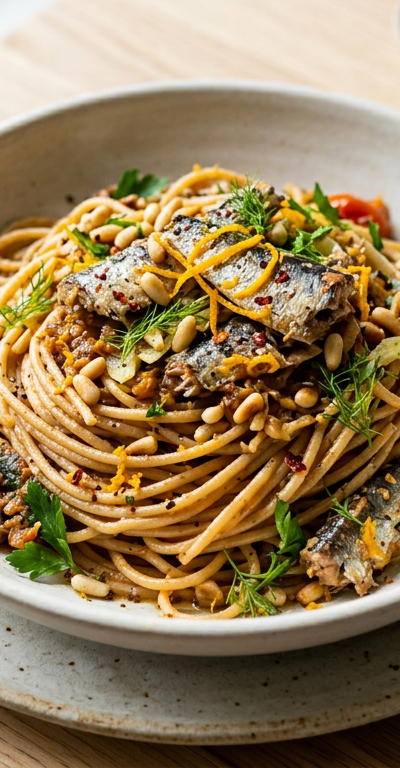
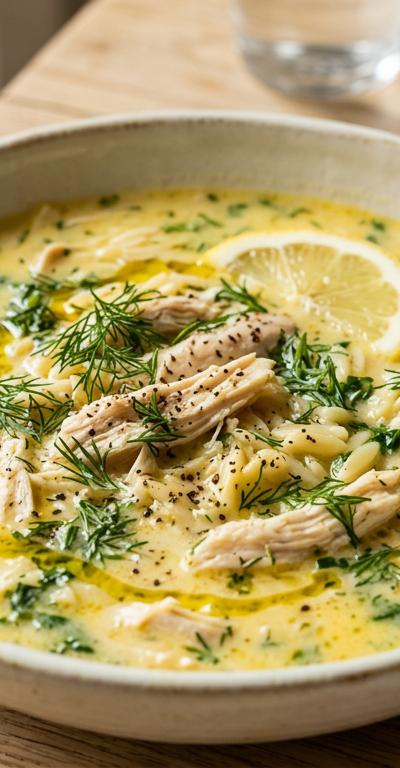
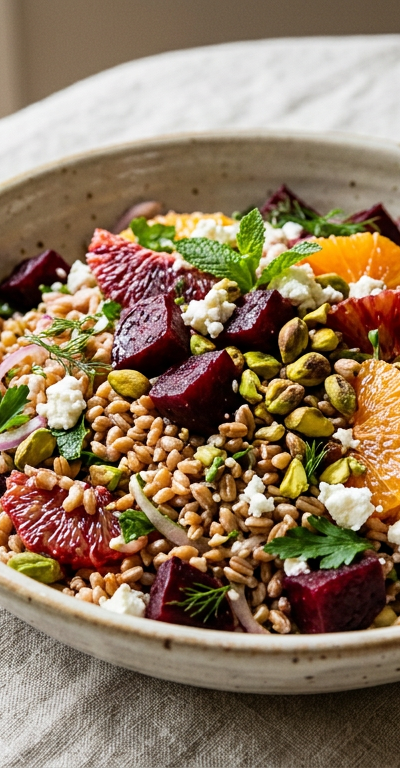
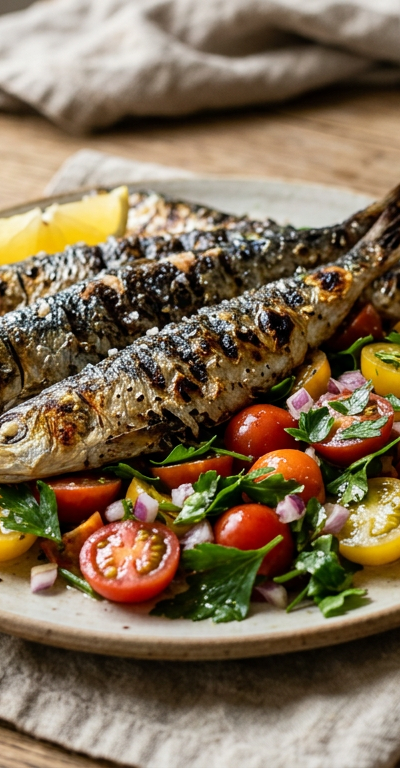
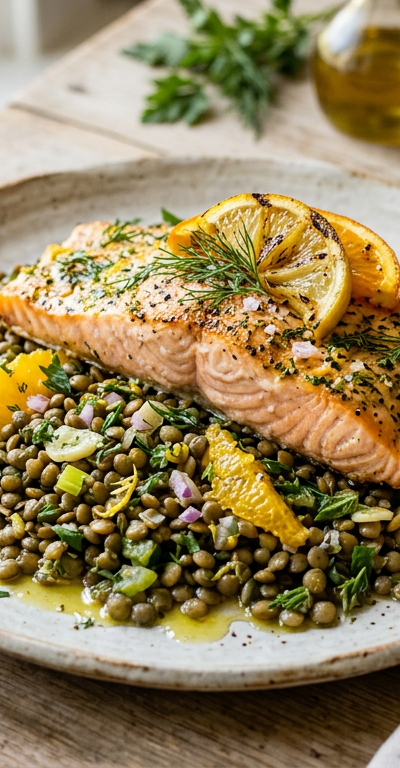
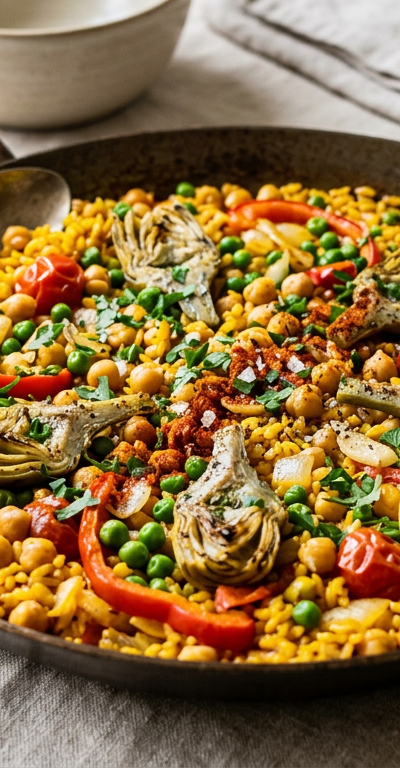
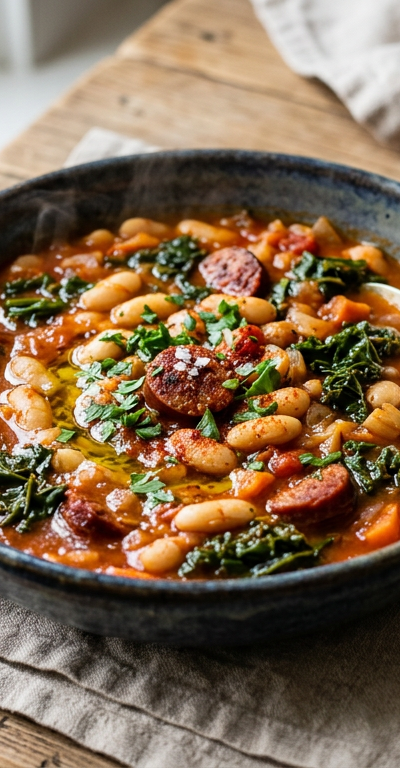
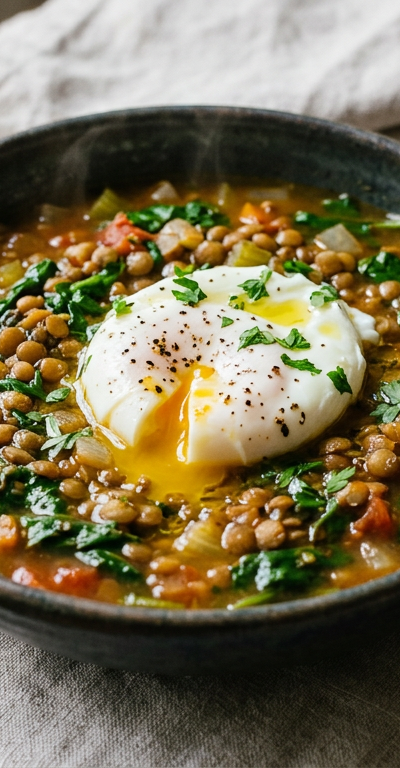
Weight Watchers may reduce cancer risk through weight management and dietary patterns rich in protective plant foods while limiting processed meats and refined foods. Maintaining healthy weight reduces risk for multiple cancers including breast, colorectal, and endometrial cancers. The diet's emphasis on vegetables, fruits, whole grains, and legumes provides fiber, antioxidants, and phytochemicals with anti-cancer properties.
How Excess adiposity increases cancer risk through multiple pathways including chronic inflammation, elevated insulin and IGF-1 levels, and altered sex hormone metabolism. Weight loss normalizes these factors while the diet's high fiber content supports beneficial gut microbiota and reduces transit time of potential carcinogens. Phytochemicals from vegetables and fruits provide antioxidants and compounds that support detoxification and inhibit tumor cell proliferation.
Key foods Cruciferous vegetables like broccoli and Brussels sprouts, berries, tomatoes, leafy greens, legumes like lentils, fatty fish, whole grains, garlic and onions
Weight Watchers reduces chronic inflammation through weight loss and emphasis on anti-inflammatory whole foods while limiting pro-inflammatory processed foods and refined carbohydrates. The diet's abundance of vegetables, fruits, omega-3 rich fish, and nuts provides antioxidants and anti-inflammatory compounds. Weight loss itself significantly reduces inflammatory markers like C-reactive protein and IL-6 by decreasing adipose tissue-derived inflammatory cytokines.
How Adipose tissue, particularly visceral fat, secretes pro-inflammatory cytokines including TNF-α and IL-6; weight loss reduces this inflammatory burden. The diet's emphasis on omega-3 fatty acids, polyphenols from fruits and vegetables, and monounsaturated fats provides substrates for anti-inflammatory eicosanoids and resolvins while reducing oxidative stress and NF-κB activation.
Key foods Fatty fish like salmon and mackerel, leafy greens like kale and spinach, berries including blueberries and strawberries, walnuts, olive oil, tomatoes, turmeric-spiced dishes, green tea
Weight Watchers may help prevent cognitive decline through weight management and dietary patterns that support brain health. The diet's emphasis on omega-3 rich fish, antioxidant-rich fruits and vegetables, and whole grains provides nutrients that protect against neurodegeneration. Maintaining healthy weight in midlife is associated with reduced dementia risk, while the diet's cardiovascular benefits support cerebral blood flow.
How Omega-3 fatty acids support neuronal membrane integrity and reduce amyloid plaque formation, while antioxidants from fruits and vegetables combat oxidative stress that damages neurons. The diet's cardiovascular benefits improve cerebral perfusion and reduce vascular dementia risk, while maintaining healthy weight reduces inflammation and insulin resistance, both linked to accelerated cognitive decline and Alzheimer's disease.
Key foods Fatty fish like salmon and mackerel, blueberries and strawberries, leafy greens like kale and spinach, walnuts, olive oil, whole grains, eggs, legumes
Weight Watchers may improve mental health through multiple pathways including weight loss-associated improvements in self-esteem and body image, as well as dietary patterns that support brain health. The diet's emphasis on omega-3 rich fish, whole grains, and vegetables provides nutrients important for neurotransmitter synthesis and reduces inflammation linked to depression. The social support component of WW programs also contributes to mental health benefits.
How Omega-3 fatty acids, particularly EPA and DHA from fish, are incorporated into neuronal membranes and support neurotransmitter function while reducing neuroinflammation. B vitamins from whole grains and leafy greens serve as cofactors for serotonin and dopamine synthesis, while the diet's anti-inflammatory effects may reduce cytokine-mediated depression. Weight loss itself improves mood through enhanced self-efficacy and reduced systemic inflammation.
Key foods Fatty fish like salmon and sardines, eggs, leafy greens like spinach, legumes, berries, walnuts, whole grains like oats, turkey breast
Weight Watchers helps manage gout through gradual weight loss and dietary modifications that reduce uric acid levels. The diet's emphasis on low-fat dairy, vegetables, and moderate protein intake while limiting red meat and alcohol aligns with gout management guidelines. Weight loss improves uric acid excretion, though the gradual approach is important as rapid weight loss can temporarily trigger gout attacks.
How Weight loss improves renal uric acid excretion and reduces insulin resistance, which impairs uric acid clearance. The diet's emphasis on low-fat dairy provides proteins that increase uric acid excretion, while limiting purine-rich red meats and organ meats reduces uric acid production. Cherry consumption and vitamin C from fruits may further lower serum uric acid through antioxidant and uricosuric effects.
Key foods Low-fat Greek yogurt, eggs, skinless chicken, cherries and berries, leafy greens, tomatoes, whole grains like oats, coffee
Weight Watchers supports healthy aging by addressing multiple age-related disease risk factors simultaneously through sustainable weight management and nutrient-dense food choices. The diet's emphasis on whole foods, lean proteins, and abundant vegetables provides essential nutrients while limiting caloric excess associated with accelerated aging. By reducing risks for cardiovascular disease, diabetes, and cancer, WW may contribute to increased healthspan and lifespan.
How Maintaining healthy weight throughout life reduces cellular senescence and chronic inflammation that drive aging processes. The diet's nutrient density ensures adequate intake of vitamins, minerals, and phytonutrients that support DNA repair, mitochondrial function, and antioxidant defenses, while the emphasis on whole foods limits advanced glycation end products and oxidative stress that accelerate biological aging.
Key foods Fatty fish like salmon, colorful vegetables including peppers and tomatoes, berries, leafy greens, legumes, nuts like almonds and walnuts, olive oil, whole grains
Weight Watchers helps reverse non-alcoholic fatty liver disease through weight loss and reduction of refined carbohydrates and added sugars that drive hepatic fat accumulation. Even modest weight loss of 5-7% can significantly reduce liver fat content and inflammation. The diet's emphasis on whole foods, lean proteins, and fiber-rich vegetables supports liver health and metabolic function.
How Weight loss reduces insulin resistance, which decreases hepatic de novo lipogenesis and allows the liver to oxidize stored triglycerides for energy. Limiting added sugars and refined carbohydrates reduces fructose intake, which is particularly lipogenic in the liver, while omega-3 fatty acids from fish have anti-inflammatory effects and may reduce hepatic fat accumulation through improved lipid metabolism.
Key foods Fatty fish like salmon and sardines, skinless chicken and turkey, legumes, leafy greens like spinach, broccoli, berries, walnuts, green tea
Weight Watchers benefits women with PCOS primarily through weight loss, which improves insulin sensitivity and hormonal balance. Even 5-10% weight reduction can restore ovulation, improve menstrual regularity, and reduce androgen levels. The diet's emphasis on whole grains over refined carbohydrates and inclusion of lean proteins helps stabilize blood sugar and reduce the insulin resistance central to PCOS pathophysiology.
How Weight loss reduces insulin resistance in peripheral tissues, which lowers compensatory hyperinsulinemia that drives ovarian androgen production. Improved insulin sensitivity also reduces inflammatory markers and helps normalize the hypothalamic-pituitary-ovarian axis, while the diet's balanced macronutrient approach prevents the blood sugar fluctuations that exacerbate hormonal imbalances in PCOS.
Key foods Fatty fish like salmon, skinless chicken breast, eggs, lentils and chickpeas, quinoa and steel-cut oats, leafy greens, berries, almonds
Weight Watchers may benefit general digestive health through emphasis on fiber-rich whole foods including vegetables, fruits, legumes, and whole grains that support regular bowel movements and healthy gut microbiota. The limitation of processed foods reduces intake of additives and excessive fats that can trigger digestive symptoms in sensitive individuals. However, the diet is not specifically designed for digestive disorders and individual tolerance varies.
How Dietary fiber from whole plant foods increases stool bulk, promotes regular bowel movements, and serves as prebiotic substrate for beneficial gut bacteria that produce short-chain fatty acids. These fatty acids support intestinal barrier integrity and reduce inflammation, while adequate hydration and fiber help prevent constipation. The emphasis on whole foods over processed options reduces exposure to emulsifiers and additives that may disrupt gut barrier function.
Key foods Oats and whole grains, legumes like lentils and chickpeas, leafy greens, berries, plain Greek yogurt, sweet potatoes, ground flaxseed, plenty of water
Weight Watchers may support bone health through inclusion of calcium-rich low-fat dairy, protein for bone matrix formation, and weight-bearing that accompanies weight loss efforts. The diet encourages Greek yogurt, leafy greens, and other calcium sources while providing adequate protein from lean sources. However, very low-calorie approaches or excessive weight loss could potentially compromise bone density, so moderate, gradual weight loss is important.
How Adequate protein intake supports bone matrix formation and calcium absorption, while calcium and vitamin D from dairy and fortified foods provide essential minerals for bone mineralization. Weight-bearing physical activity often accompanying weight loss programs stimulates osteoblast activity and bone formation. However, maintaining adequate caloric intake is important as severe caloric restriction can suppress bone formation and increase resorption.
Key foods Low-fat Greek yogurt, leafy greens like kale and collards, canned salmon with bones, tofu, almonds, fortified plant milks, eggs, broccoli
Weight Watchers reduces cardiovascular disease risk through weight loss and emphasis on heart-healthy food patterns. The diet prioritizes foods low in saturated fat while including omega-3 rich fish, limiting processed foods high in sodium, and encouraging vegetables and fruits rich in potassium and antioxidants. Clinical trials demonstrate improvements in blood pressure, lipid profiles, and inflammatory markers among WW participants.
How Weight reduction decreases cardiac workload and improves endothelial function, while the diet's emphasis on unsaturated fats over saturated fats improves lipid profiles by raising HDL and lowering LDL cholesterol. The high intake of fiber, potassium, and antioxidants from vegetables and fruits helps reduce blood pressure and oxidative stress, key factors in atherosclerosis development.
Key foods Fatty fish like salmon and mackerel, skinless poultry, olive oil, avocados, walnuts and almonds, leafy greens, tomatoes, legumes like kidney beans
Weight Watchers improves cholesterol profiles by limiting saturated fats from fatty meats and full-fat dairy while emphasizing foods that actively lower LDL cholesterol. The diet's focus on soluble fiber from legumes, oats, and vegetables, combined with healthy fats from fish, nuts, and olive oil, creates a lipid-lowering dietary pattern. Studies show WW participants achieve significant reductions in total and LDL cholesterol levels.
How Soluble fiber binds bile acids in the intestine, forcing the liver to use circulating cholesterol to produce new bile acids, thereby lowering blood cholesterol. Omega-3 fatty acids from fish reduce triglyceride synthesis, while plant sterols and monounsaturated fats from nuts and olive oil compete with cholesterol absorption in the intestine and improve the LDL-to-HDL ratio.
Key foods Oats and barley, legumes like black beans and lentils, fatty fish like salmon and mackerel, almonds and walnuts, olive oil, apples, Brussels sprouts, ground flaxseed
Weight Watchers effectively lowers blood pressure through weight loss and dietary patterns that naturally reduce sodium while increasing potassium intake. The emphasis on whole, unprocessed foods minimizes sodium consumption from packaged products, while abundant vegetables and fruits provide potassium, magnesium, and other minerals that support healthy blood pressure. Even modest weight loss of 5-10 pounds can produce clinically significant blood pressure reductions.
How Weight loss reduces blood volume and decreases sympathetic nervous system activity, directly lowering blood pressure. The high potassium-to-sodium ratio from emphasizing whole foods helps regulate fluid balance and promotes vasodilation, while increased intake of calcium and magnesium from vegetables and lean proteins supports vascular smooth muscle relaxation.
Key foods Leafy greens like spinach and Swiss chard, sweet potatoes, tomatoes, bananas, fatty fish like salmon, white beans, plain Greek yogurt, beets
Weight Watchers addresses all five components of metabolic syndrome simultaneously through weight loss and improved diet quality. The program's emphasis on lean proteins, whole grains, and abundant vegetables helps normalize blood pressure, blood sugar, triglycerides, and HDL cholesterol while reducing abdominal obesity. Research shows comprehensive lifestyle programs like WW can reverse metabolic syndrome in 30-50% of participants.
How Weight loss, particularly reduction in visceral adipose tissue, improves insulin sensitivity and reduces the secretion of inflammatory adipokines that drive metabolic dysfunction. The diet's balanced macronutrient composition with emphasis on fiber and healthy fats helps normalize lipid metabolism, reduce hepatic fat accumulation, and improve glucose homeostasis through multiple complementary pathways.
Key foods Salmon and tuna, skinless chicken breast, lentils and chickpeas, oats and quinoa, leafy greens, berries, almonds, olive oil
Weight Watchers is specifically designed for weight management and has extensive clinical evidence demonstrating sustained weight loss. The program's point system encourages portion control and nutrient-dense food choices while maintaining flexibility, which improves long-term adherence. Multiple randomized controlled trials show WW participants lose significantly more weight than those attempting self-directed diets, with average losses of 5-10% of body weight over 6-12 months.
How The diet creates a sustainable caloric deficit through a point-based system that assigns lower values to nutrient-dense, low-calorie foods and higher values to calorie-dense processed foods. This behavioral approach, combined with emphasis on lean proteins that increase satiety and non-starchy vegetables that provide volume with minimal calories, helps participants naturally reduce overall energy intake while maintaining satisfaction and nutritional adequacy.
Key foods Skinless chicken breast, white fish and salmon, eggs, lentils and black beans, leafy greens like spinach and kale, broccoli and cauliflower, berries and apples, plain Greek yogurt
Weight Watchers helps manage Type 2 diabetes through weight loss, which directly improves insulin sensitivity and glycemic control. The emphasis on lean proteins, non-starchy vegetables, and whole grains in moderate portions helps stabilize blood sugar levels while avoiding refined carbohydrates that cause glucose spikes. Studies show WW participants with diabetes achieve significant reductions in HbA1c levels and often reduce medication requirements.
How Weight loss of 5-10% body weight significantly improves insulin sensitivity in peripheral tissues and reduces hepatic glucose production. The diet's emphasis on fiber-rich whole foods and lean proteins slows glucose absorption and reduces postprandial blood sugar spikes, while limiting refined carbohydrates and added sugars prevents the rapid glucose elevations that stress pancreatic beta cells.
Key foods Skinless turkey and chicken, fatty fish like salmon and sardines, legumes including chickpeas and lentils, non-starchy vegetables like Brussels sprouts and peppers, steel-cut oats, quinoa, berries, tofu
General information about how people eat, not medical advice. Talk to a clinician
before changing your diet to treat a condition.