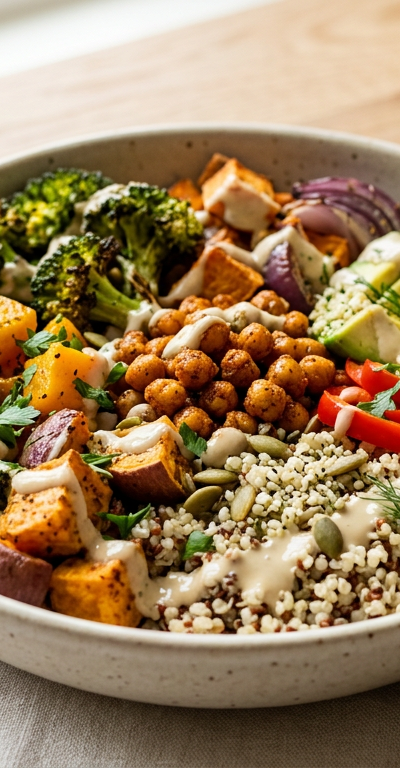
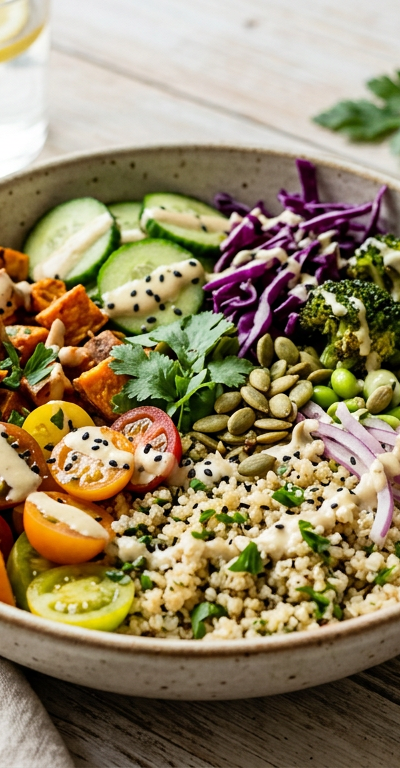
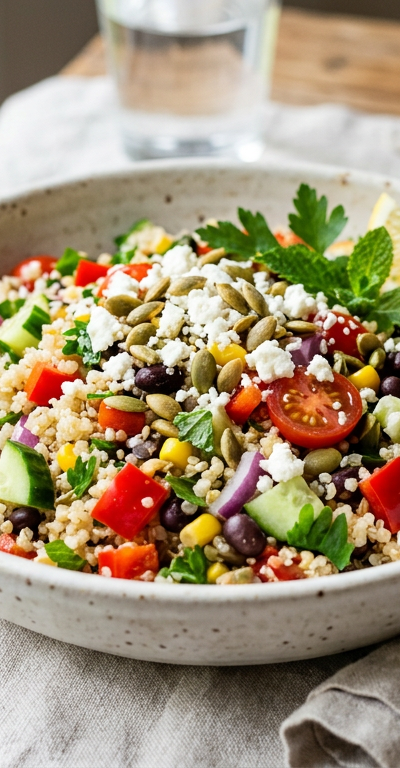
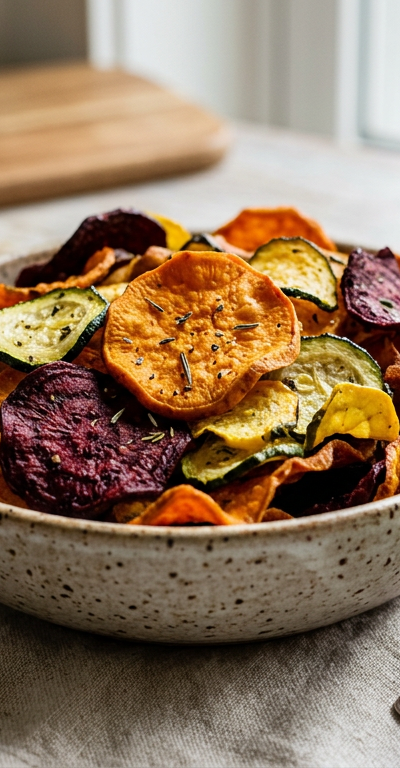
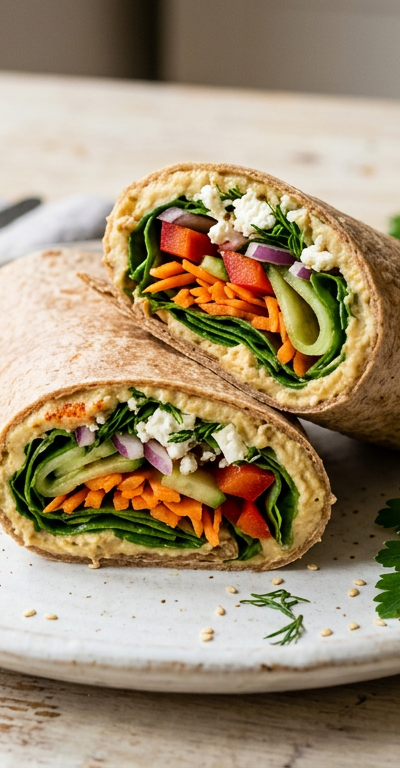
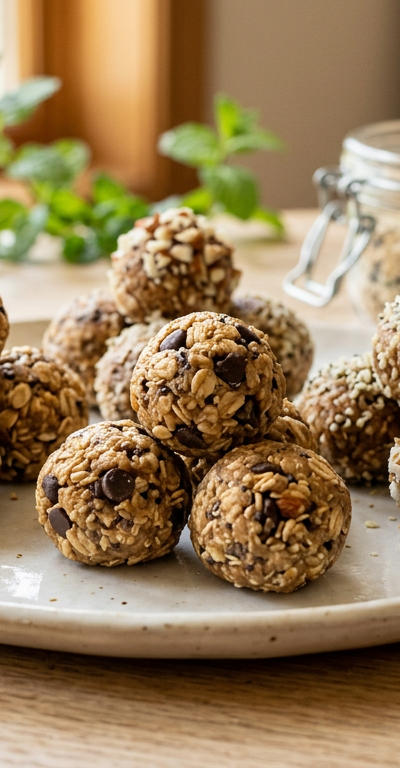
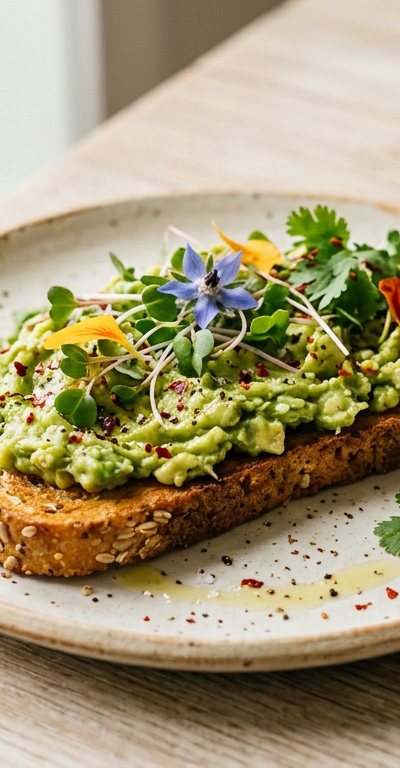
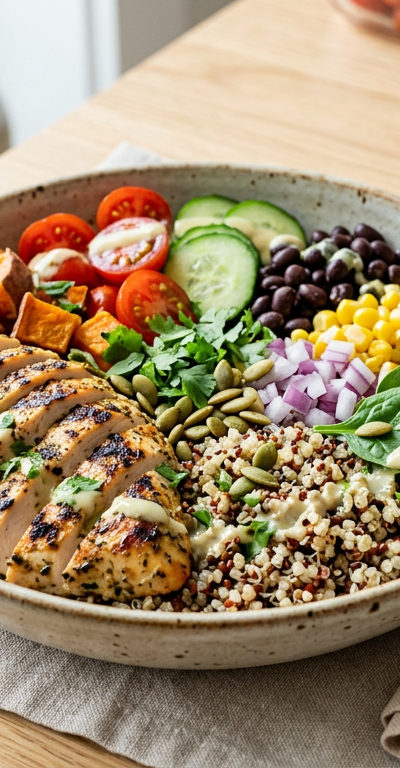
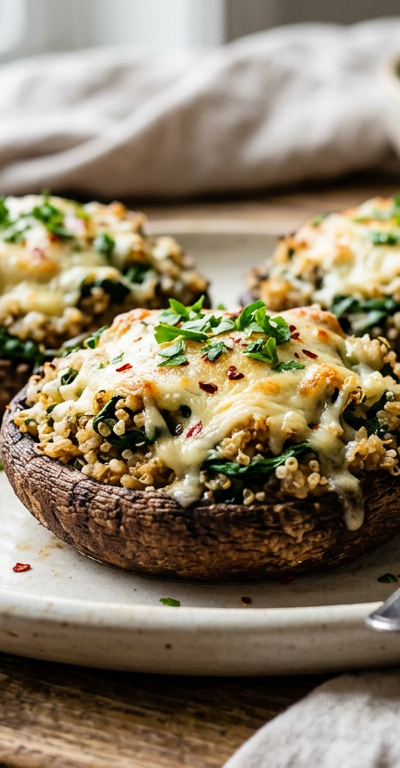
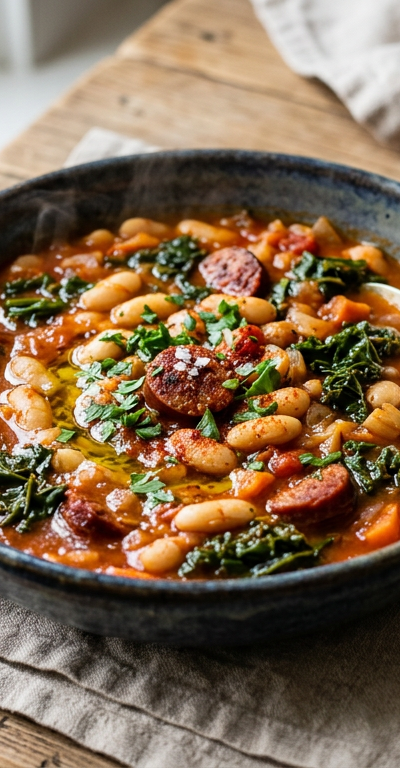
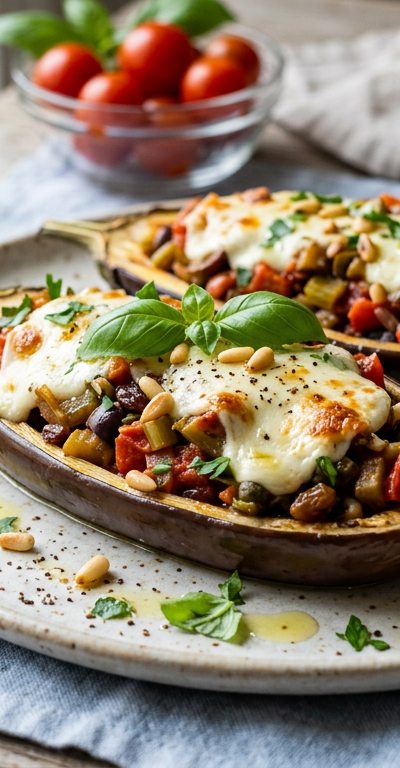
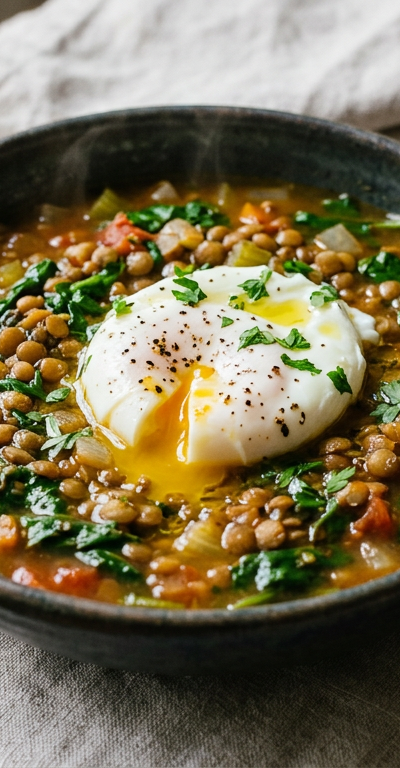
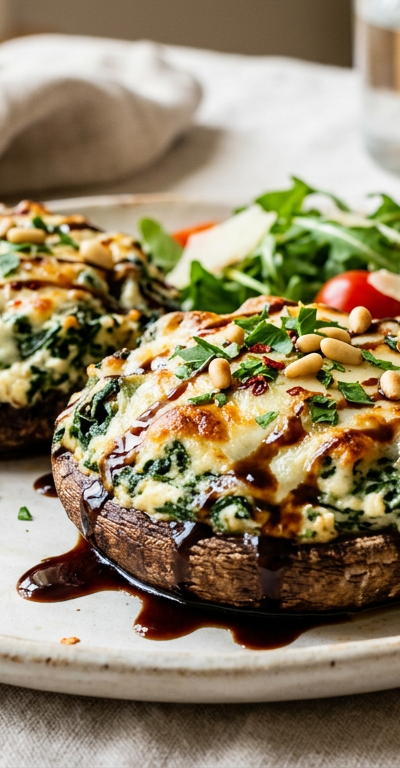
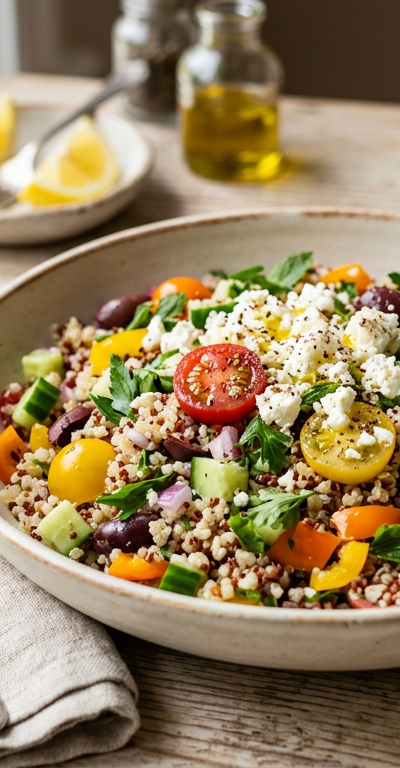
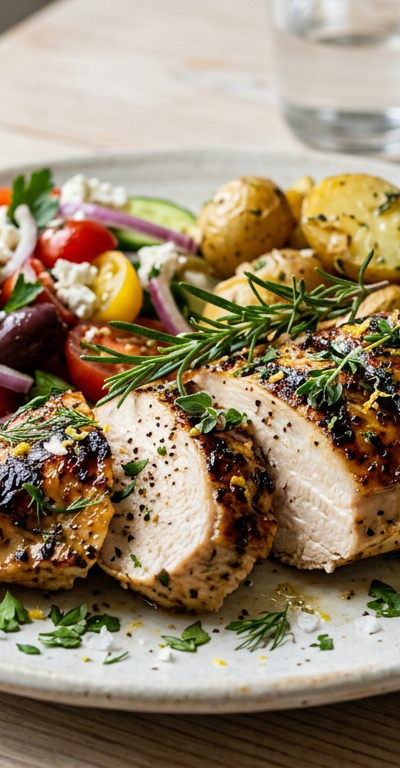
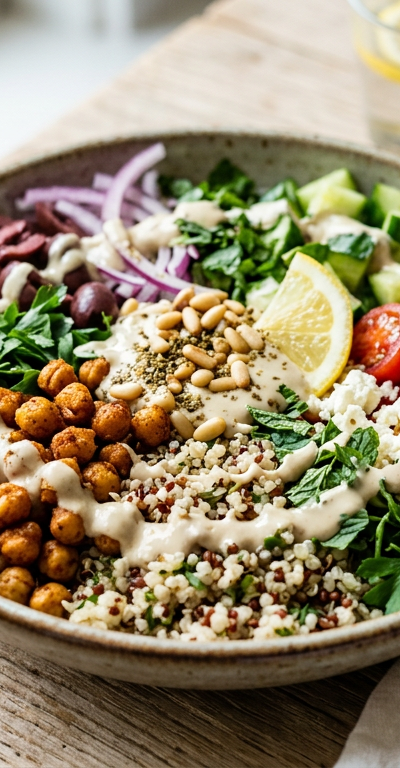
The Flexitarian Diet supports athletic performance by providing abundant complex carbohydrates for energy, plant-based proteins for muscle recovery, and high levels of antioxidants to reduce exercise-induced oxidative stress and inflammation. The diet's flexibility allows athletes to include animal proteins when needed for higher protein requirements while benefiting from the anti-inflammatory and recovery-enhancing properties of plant foods. Studies show plant-predominant diets can improve endurance, reduce recovery time, and enhance cardiovascular efficiency.
How Complex carbohydrates from whole grains and starchy vegetables provide sustained glycogen stores for endurance and high-intensity exercise, while plant proteins combined with occasional animal proteins provide all essential amino acids for muscle protein synthesis. The high antioxidant content from colorful plant foods reduces exercise-induced oxidative damage and inflammation, accelerating recovery, while nitrates from vegetables like beets improve oxygen efficiency and endurance by enhancing mitochondrial function and vasodilation.
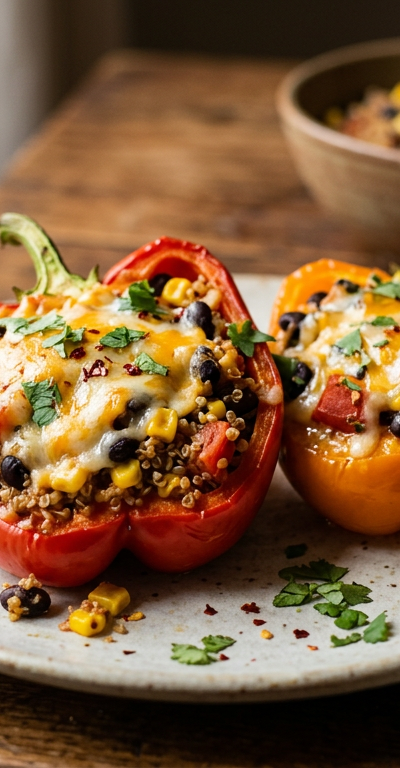
Key foods Quinoa and whole grains, legumes like lentils and black beans, sweet potatoes, bananas, berries, nuts and nut butters, leafy greens, occasional lean poultry or fish
The Flexitarian Diet may help manage autoimmune conditions through its powerful anti-inflammatory effects, support for healthy gut barrier function, and modulation of immune system activity. The diet's emphasis on antioxidant-rich plant foods reduces oxidative stress that can trigger autoimmune flares, while diverse fiber supports a balanced microbiome crucial for immune regulation. The flexible inclusion of omega-3-rich fish provides additional anti-inflammatory benefits for autoimmune management.
How Polyphenols and antioxidants from plant foods modulate T-cell and B-cell activity, reducing autoantibody production and inflammatory cytokine release. The diverse prebiotic fibers support gut barrier integrity and promote regulatory T-cell development in gut-associated lymphoid tissue, preventing the intestinal permeability that can trigger systemic autoimmune responses, while omega-3 fatty acids shift the balance from pro-inflammatory to anti-inflammatory eicosanoid production.
Key foods Leafy greens, berries, turmeric and ginger, fatty fish like salmon (occasional), walnuts and flaxseeds, legumes, colorful vegetables, olive oil
The Flexitarian Diet may benefit those with early-stage chronic kidney disease by reducing the kidney's workload through lower animal protein intake while still providing adequate nutrition. The diet's emphasis on plant proteins produces fewer nitrogenous waste products and less acid load than animal proteins, reducing stress on compromised kidneys. The diet's benefits for blood pressure, diabetes, and cardiovascular health also address the primary causes and complications of kidney disease.
How Plant proteins generate less urea and other nitrogenous waste products during metabolism compared to animal proteins, reducing the filtration burden on damaged nephrons. The diet's lower phosphorus bioavailability from plant sources compared to animal sources helps prevent hyperphosphatemia that accelerates kidney disease progression, while improved blood pressure and glycemic control from the diet protect remaining kidney function from further damage.
Key foods Legumes like lentils and chickpeas, whole grains, vegetables, fruits like apples and berries, olive oil, small amounts of fish, nuts in moderation, plant-based proteins like tofu
The Flexitarian Diet protects against cognitive decline and dementia through its high content of neuroprotective antioxidants, anti-inflammatory compounds, and omega-3 fatty acids while reducing cardiovascular risk factors that contribute to vascular dementia. The diet's emphasis on berries, leafy greens, nuts, and whole grains provides nutrients specifically associated with preserved cognitive function and slower brain aging. Research suggests plant-predominant diets may reduce dementia risk by 15-25%.
How Flavonoids from berries and other plant foods cross the blood-brain barrier to directly protect neurons from oxidative stress, reduce beta-amyloid plaque formation, and enhance synaptic plasticity and neuronal signaling. The diet's anti-inflammatory properties reduce neuroinflammation and microglial activation that contribute to neurodegeneration, while omega-3 fatty acids from plant sources and occasional fish maintain neuronal membrane integrity and support neurotransmitter function essential for memory and cognition.
Key foods Blueberries and strawberries, leafy greens like spinach and kale, walnuts, flaxseeds, whole grains, legumes, olive oil, green tea
The Flexitarian Diet supports mental health through its positive effects on gut-brain axis function, inflammation reduction, and provision of nutrients essential for neurotransmitter synthesis. The diet's emphasis on whole plant foods rich in folate, magnesium, and tryptophan supports serotonin production, while the diverse fiber feeds gut bacteria that produce mood-regulating compounds. Studies show that plant-rich dietary patterns are associated with 20-30% lower rates of depression.
How The high fiber content promotes growth of beneficial gut bacteria that produce short-chain fatty acids and neurotransmitter precursors that influence mood through the gut-brain axis via the vagus nerve. B vitamins, particularly folate from leafy greens and legumes, serve as cofactors in neurotransmitter synthesis pathways for serotonin and dopamine, while the diet's anti-inflammatory properties reduce cytokine-induced alterations in neurotransmitter metabolism that contribute to depression and anxiety.
Key foods Leafy greens, legumes like chickpeas and lentils, nuts and seeds, whole grains, berries, bananas, fermented foods like tempeh, dark chocolate (minimal processing)
The Flexitarian Diet supports digestive health through its high fiber content from diverse plant sources that promotes regular bowel movements, feeds beneficial gut bacteria, and maintains intestinal barrier integrity. The emphasis on whole, minimally processed foods reduces exposure to additives and preservatives that can disrupt gut function. The diet's variety of prebiotic fibers from vegetables, fruits, and legumes cultivates a diverse, healthy microbiome associated with improved digestive function.
How Diverse dietary fibers serve as prebiotics that selectively feed beneficial bacteria like Bifidobacteria and Lactobacilli, which produce short-chain fatty acids that nourish colonocytes and maintain gut barrier function. The high fiber content adds bulk to stool and promotes peristalsis for regular bowel movements, while polyphenols from plant foods have antimicrobial effects against pathogenic bacteria and support a balanced microbiome composition that prevents dysbiosis-related digestive issues.
Key foods Oats and whole grains, beans and lentils, bananas, leafy greens, fermented foods like tempeh, sweet potatoes, berries, nuts and seeds
The Flexitarian Diet helps prevent and manage gout by limiting purine-rich animal products while emphasizing plant foods that, despite containing purines, do not increase gout risk and may actually be protective. The diet's effect on weight loss and improved insulin sensitivity helps reduce uric acid levels, while the alkalizing effect of plant foods may enhance uric acid excretion. Studies show that plant-based diets are associated with significantly lower gout risk compared to meat-heavy diets.
How Plant purines are metabolized differently than animal purines and do not significantly raise serum uric acid levels, while the high vitamin C content from fruits and vegetables enhances renal uric acid excretion. The diet's anti-inflammatory properties reduce the inflammatory response to uric acid crystal deposition in joints, and weight loss achieved through the diet reduces insulin resistance, which impairs renal uric acid clearance and contributes to hyperuricemia.
Key foods Cherries and berries, low-fat dairy (in moderation), whole grains, legumes, vegetables, nuts, olive oil, coffee
The Flexitarian Diet helps prevent and reverse non-alcoholic fatty liver disease through weight loss, improved insulin sensitivity, and reduced intake of refined carbohydrates and saturated fats that contribute to hepatic fat accumulation. The diet's emphasis on whole plant foods provides antioxidants and anti-inflammatory compounds that protect liver cells from oxidative stress and fibrosis. Studies show plant-based dietary patterns can reduce liver fat by 20-30% and improve liver enzyme levels.
How The diet's high fiber content improves insulin sensitivity and reduces hepatic glucose production, decreasing the substrate available for de novo lipogenesis in the liver. Weight loss achieved through the diet reduces visceral adiposity and inflammatory adipokines that promote hepatic fat accumulation, while antioxidants like vitamin E from nuts and polyphenols from plant foods reduce oxidative stress and inflammation that drive progression from simple steatosis to steatohepatitis.
Key foods Leafy greens, legumes like lentils and chickpeas, whole grains, berries, walnuts, olive oil, green tea, cruciferous vegetables like broccoli
The Flexitarian Diet supports bone health through its provision of plant-based calcium, vitamin K, magnesium, and potassium while maintaining a more alkaline environment that reduces calcium loss from bones. The diet includes calcium-rich plant foods and allows for dairy in moderation, providing adequate calcium without the high animal protein load that can increase calcium excretion. The emphasis on fruits and vegetables provides vitamin K and other nutrients essential for bone formation.
How Vitamin K from leafy greens activates osteocalcin, a protein essential for binding calcium to bone matrix, while magnesium and potassium from plant foods support bone mineral density and reduce urinary calcium loss. The diet's lower acid load compared to high-protein animal-based diets reduces the need for the body to buffer acids using calcium from bones, and phytoestrogens from soy products may provide mild bone-protective effects similar to estrogen, particularly in postmenopausal women.
Key foods Leafy greens like kale and collards, fortified plant milks, tofu (calcium-set), almonds, sesame seeds, beans, figs, low-fat dairy (in moderation)
The Flexitarian Diet helps manage PCOS by improving insulin sensitivity, promoting weight loss, and reducing inflammation—all key factors in PCOS pathophysiology. The diet's emphasis on low-glycemic plant foods and fiber helps regulate blood sugar and insulin levels, which in turn can improve hormonal balance and reduce androgen excess. Studies show that plant-based dietary patterns can improve menstrual regularity and reduce PCOS symptoms.
How The high fiber content slows glucose absorption and improves insulin sensitivity, reducing hyperinsulinemia that drives ovarian androgen production in PCOS. Plant-based proteins and complex carbohydrates help stabilize blood sugar without triggering insulin spikes, while phytoestrogens from soy and flaxseeds may help modulate hormone balance, and anti-inflammatory compounds reduce the chronic inflammation that exacerbates insulin resistance and hormonal dysfunction in PCOS.
Key foods Legumes like lentils and chickpeas, whole grains like quinoa and oats, leafy greens, berries, nuts like almonds, flaxseeds, cinnamon, spearmint tea
The Flexitarian Diet may help some individuals with inflammatory bowel disease in remission by providing anti-inflammatory compounds and supporting a healthy microbiome, though individual tolerance to high-fiber foods varies significantly. The diet's emphasis on whole foods and avoidance of processed foods may reduce exposure to additives that can trigger inflammation. However, during active flares, the high fiber content may need to be modified, making this approach most suitable for maintenance of remission.
How Anti-inflammatory polyphenols from plant foods may help reduce intestinal inflammation and oxidative stress in the gut lining, while omega-3 fatty acids from fish and plant sources produce anti-inflammatory mediators that can help maintain remission. Certain fibers that are well-tolerated can feed beneficial bacteria producing butyrate, which serves as the primary fuel for colonocytes and has anti-inflammatory properties, though fiber type and amount must be individualized based on disease activity and tolerance.
Key foods Well-cooked vegetables, peeled fruits, white rice and refined grains during flares, smooth nut butters, tofu, omega-3 rich fish, cooked legumes (if tolerated), ginger
The Flexitarian Diet provides significant cancer-protective benefits through its high intake of fiber, antioxidants, and phytochemicals from diverse plant foods while limiting red and processed meats associated with increased cancer risk. The diet's emphasis on cruciferous vegetables, berries, legumes, and whole grains provides compounds that protect DNA, enhance detoxification, and inhibit tumor growth. Research shows that plant-predominant diets reduce overall cancer risk by 10-15% and specific cancers like colorectal cancer by up to 20-30%.
How Phytochemicals like sulforaphane from cruciferous vegetables activate phase II detoxification enzymes that neutralize carcinogens, while polyphenols and carotenoids protect DNA from oxidative damage and inhibit cancer cell proliferation. High fiber intake promotes healthy gut bacteria that produce protective short-chain fatty acids, speeds transit time to reduce carcinogen exposure in the colon, and helps maintain healthy hormone metabolism to reduce hormone-related cancers.
Key foods Cruciferous vegetables like broccoli and Brussels sprouts, berries, tomatoes, legumes, whole grains, leafy greens, garlic and onions, green tea
The Flexitarian Diet significantly reduces cardiovascular disease risk through its emphasis on plant-based foods rich in fiber, antioxidants, and healthy fats while limiting saturated fat from animal products. The diet's focus on whole grains, legumes, and nuts helps lower LDL cholesterol, reduce blood pressure, and decrease arterial inflammation. Studies show that semi-vegetarian dietary patterns are associated with 20-30% lower risk of heart disease compared to regular meat-heavy diets.
How Plant-based foods provide high levels of soluble fiber that binds to cholesterol in the digestive tract, reducing absorption and lowering blood cholesterol levels. The abundance of polyphenols, flavonoids, and antioxidants from fruits, vegetables, and whole grains reduces oxidative stress and inflammation in arterial walls, while the favorable omega-3 to omega-6 ratio improves endothelial function and reduces platelet aggregation.
Key foods Beans and lentils, walnuts and almonds, oats and whole grains, leafy greens like spinach and kale, berries, flaxseeds and chia seeds, olive oil, fatty fish like salmon (occasional)
The Flexitarian Diet powerfully reduces chronic systemic inflammation through its abundance of anti-inflammatory phytochemicals, antioxidants, and omega-3 fatty acids from plant sources while limiting pro-inflammatory saturated fats and advanced glycation end products from animal products. The diet provides high levels of polyphenols, flavonoids, and carotenoids that directly suppress inflammatory pathways. Studies show plant-based diets can reduce inflammatory markers like CRP and IL-6 by 20-40%.
How Phytochemicals from colorful fruits and vegetables inhibit NF-κB and COX-2 inflammatory pathways at the cellular level, reducing production of pro-inflammatory cytokines. The high antioxidant content neutralizes reactive oxygen species that trigger inflammatory cascades, while the favorable omega-3 to omega-6 ratio from plant sources and occasional fish promotes production of anti-inflammatory eicosanoids and specialized pro-resolving mediators that actively resolve inflammation.
Key foods Berries like blueberries and strawberries, leafy greens like kale and spinach, turmeric and ginger, walnuts and flaxseeds, olive oil, tomatoes, green tea, fatty fish like salmon (occasional)
The Flexitarian Diet significantly improves cholesterol profiles by emphasizing plant foods rich in soluble fiber, plant sterols, and healthy fats while minimizing saturated fat from animal products. The diet can reduce LDL cholesterol by 10-15% while maintaining or improving HDL cholesterol levels. The inclusion of nuts, legumes, and whole grains provides compounds that actively block cholesterol absorption and increase its excretion.
How Soluble fiber from oats, legumes, and vegetables binds to bile acids in the intestine, forcing the liver to use circulating cholesterol to produce new bile acids, thereby lowering blood cholesterol. Plant sterols and stanols structurally similar to cholesterol compete for absorption in the intestinal tract, blocking cholesterol uptake, while polyphenols from plant foods reduce LDL oxidation and enhance cholesterol efflux from arterial plaques.
Key foods Oats and barley, beans and lentils, almonds and walnuts, flaxseeds and chia seeds, soy products like tofu and tempeh, avocados, olive oil, apples
The Flexitarian Diet effectively lowers blood pressure through its high potassium, magnesium, and fiber content from plant foods, combined with reduced sodium intake from limiting processed meats and foods. The diet's emphasis on vegetables, fruits, whole grains, and legumes provides the same blood pressure benefits as the DASH diet while being more flexible. Research shows plant-based dietary patterns can reduce systolic blood pressure by 5-10 mmHg.
How High potassium intake from plant foods promotes sodium excretion through the kidneys and helps relax blood vessel walls, directly lowering blood pressure. The abundant nitrates in vegetables like beets and leafy greens convert to nitric oxide, which dilates blood vessels and improves endothelial function, while the anti-inflammatory compounds reduce arterial stiffness and improve vascular compliance.
Key foods Leafy greens like spinach and Swiss chard, bananas and sweet potatoes, beans and lentils, beets, whole grains, nuts like almonds and pistachios, berries, flaxseeds
The Flexitarian Diet promotes longevity and healthy aging through its comprehensive benefits on cardiovascular health, metabolic function, inflammation reduction, and cellular protection from oxidative stress. The diet's emphasis on plant foods provides high levels of antioxidants, polyphenols, and other compounds that protect against age-related diseases and cellular damage. Large-scale studies show that semi-vegetarian dietary patterns are associated with 15-20% lower all-cause mortality and increased healthspan.
How Plant-based antioxidants and phytochemicals reduce oxidative damage to DNA, proteins, and lipids that accumulate with aging and drive cellular senescence. The diet's anti-inflammatory properties reduce chronic low-grade inflammation (inflammaging) that accelerates aging processes, while compounds like resveratrol and other polyphenols activate longevity-associated pathways including SIRT1 and AMPK, which enhance cellular stress resistance, improve mitochondrial function, and promote autophagy for cellular renewal.
Key foods Berries, leafy greens, nuts like walnuts and almonds, legumes, whole grains, olive oil, green tea, colorful vegetables like tomatoes and peppers
The Flexitarian Diet addresses all five components of metabolic syndrome—abdominal obesity, high blood pressure, elevated blood sugar, high triglycerides, and low HDL cholesterol—through its comprehensive plant-based approach. The diet's emphasis on whole foods, fiber, and plant proteins improves insulin sensitivity, reduces inflammation, and promotes healthy weight loss. Studies show that plant-predominant diets can reduce metabolic syndrome prevalence by 30-40%.
How The high fiber content improves glucose metabolism and insulin sensitivity while promoting beneficial gut bacteria that produce short-chain fatty acids, which reduce systemic inflammation and improve metabolic function. The abundance of antioxidants and anti-inflammatory compounds reduces oxidative stress and chronic low-grade inflammation that underlies metabolic dysfunction, while the diet's effect on weight loss directly improves all metabolic parameters through reduced adipose tissue and improved hormone signaling.
Key foods Legumes like chickpeas and black beans, whole grains like quinoa and oats, leafy greens, berries, nuts like almonds and walnuts, seeds like flax and pumpkin, olive oil, fatty fish (occasional)
The Flexitarian Diet promotes sustainable weight loss through its emphasis on nutrient-dense, high-fiber plant foods that increase satiety while being naturally lower in calories than animal-based diets. The flexible approach makes it more sustainable long-term than restrictive diets, leading to better adherence and maintained weight loss. Studies show flexitarians typically consume 15-20% fewer calories and have lower BMIs compared to regular meat-eaters without feeling deprived.
How High-fiber plant foods increase gastric distension and trigger satiety hormones like GLP-1 and PYY while slowing gastric emptying, leading to prolonged feelings of fullness with fewer calories consumed. The diet's lower caloric density (calories per gram of food) allows for larger portion sizes that satisfy hunger while creating a caloric deficit, and the emphasis on whole foods reduces consumption of hyperpalatable processed foods that override natural satiety signals.
Key foods Beans and lentils, vegetables like broccoli and cauliflower, whole grains like quinoa and barley, fruits like apples and berries, nuts and seeds in moderation, leafy greens, tofu and tempeh, mushrooms
The Flexitarian Diet improves glycemic control and insulin sensitivity through its emphasis on high-fiber whole foods and plant-based proteins that have lower glycemic loads than refined carbohydrates and animal-based meals. The diet's focus on legumes, whole grains, and vegetables provides sustained energy release without blood sugar spikes. Research indicates that flexitarian eating patterns can reduce type 2 diabetes risk by up to 28% and improve HbA1c levels in those already diagnosed.
How The high fiber content from plant foods slows carbohydrate digestion and glucose absorption, preventing rapid blood sugar spikes and reducing insulin demand. Plant-based proteins and complex carbohydrates improve insulin receptor sensitivity at the cellular level, while phytochemicals like polyphenols enhance glucose metabolism and reduce insulin resistance through improved mitochondrial function.
Key foods Lentils and chickpeas, quinoa and brown rice, leafy greens, sweet potatoes, oats, nuts like almonds and walnuts, tempeh and tofu, cinnamon
General information about how people eat, not medical advice. Talk to a clinician
before changing your diet to treat a condition.