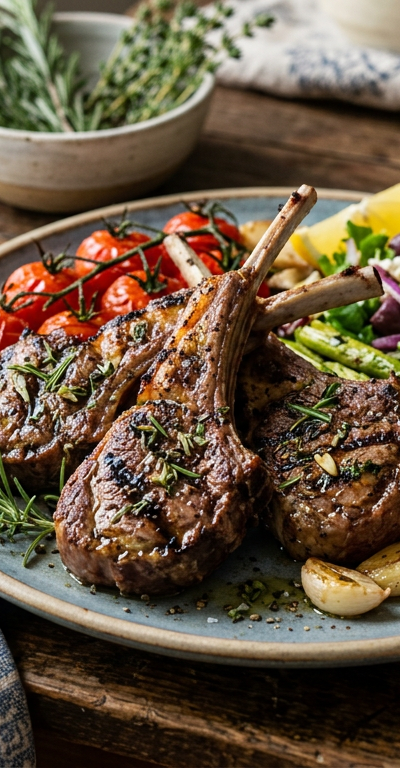
Evolutionary Diet
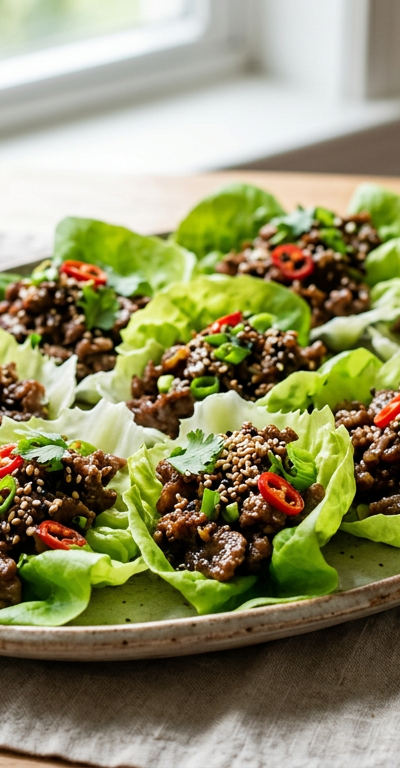
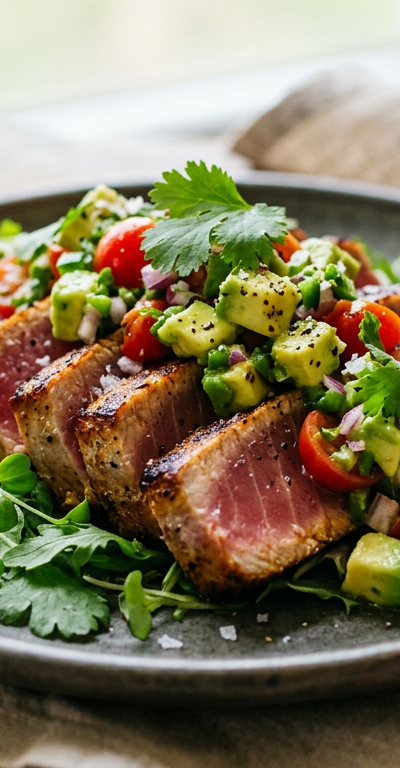
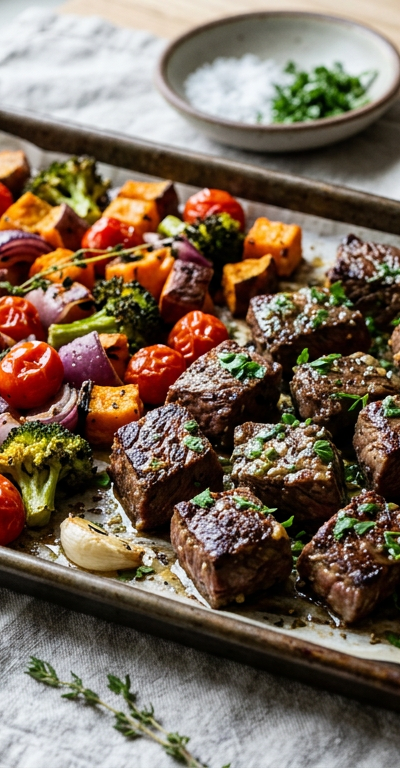
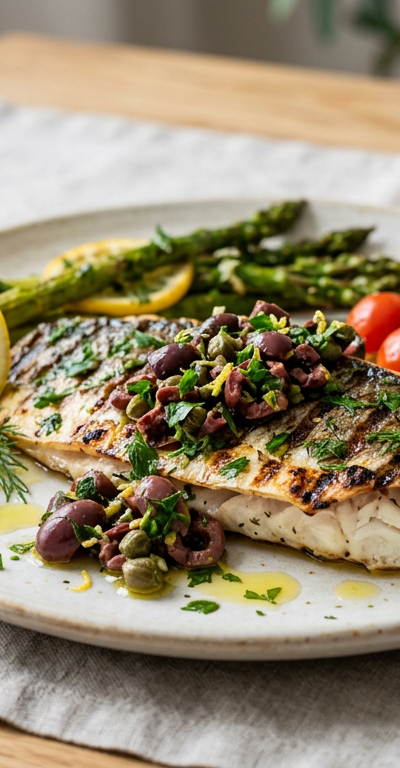
The Evolutionary Diet, also known as the Paleo or Paleolithic Diet, is based on the premise that human genetics have changed very little since the agricultural revolution 10,000 years ago, and that our bodies are optimally designed to thrive on the foods our hunter-gatherer ancestors consumed. The core principle is to eat whole, unprocessed foods that would have been available during the Paleolithic era, thereby reducing the consumption of modern processed foods that may contribute to chronic disease. This approach emphasizes eating in harmony with our evolutionary biology rather than adapting to relatively recent dietary changes introduced by agriculture and industrialization. The diet primarily includes grass-fed meats, wild-caught fish and seafood, eggs, vegetables, fruits, nuts, seeds, and healthy fats such as olive oil, coconut oil, and avocado. It strictly excludes grains (wheat, rice, corn, oats), legumes (beans, lentils, peanuts, soy), dairy products, refined sugars, processed foods, artificial sweeteners, and refined vegetable oils. The emphasis is on nutrient-dense, anti-inflammatory foods with high bioavailability of vitamins and minerals. Moderate consumption of natural sweeteners like honey and maple syrup may be permitted in some variations. The Evolutionary Diet has shown promise in addressing multiple health conditions including type 2 diabetes, cardiovascular disease, metabolic syndrome, autoimmune conditions, inflammatory disorders, obesity, and digestive issues like irritable bowel syndrome. Research suggests that this dietary pattern may improve insulin sensitivity, reduce systemic inflammation, promote healthy weight loss, improve lipid profiles, and support gut health by eliminating common inflammatory triggers. Studies have demonstrated improvements in blood pressure, triglycerides, and HbA1c levels among followers of this diet. This diet may be particularly beneficial for individuals with autoimmune conditions, those struggling with metabolic disorders, people with food sensitivities to grains or dairy, athletes seeking optimal performance and recovery, and anyone looking to reduce inflammation or achieve sustainable weight loss. However, individuals with kidney disease should consult healthcare providers due to the higher protein content, and those with a history of disordered eating should approach any restrictive diet cautiously. The diet requires careful planning to ensure adequate calcium and vitamin D intake in the absence of dairy products.