Primal Diet
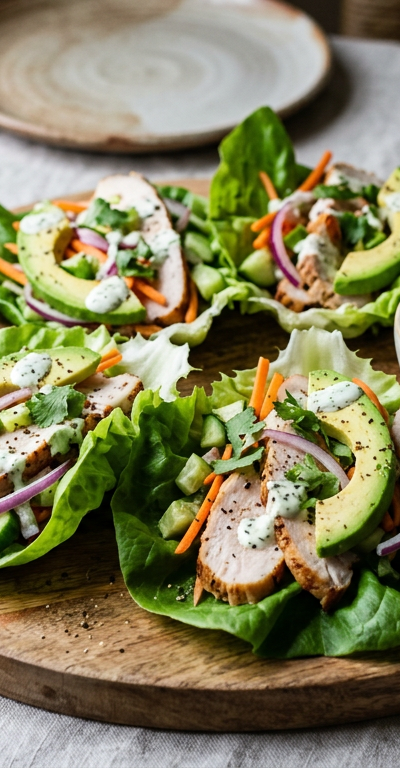
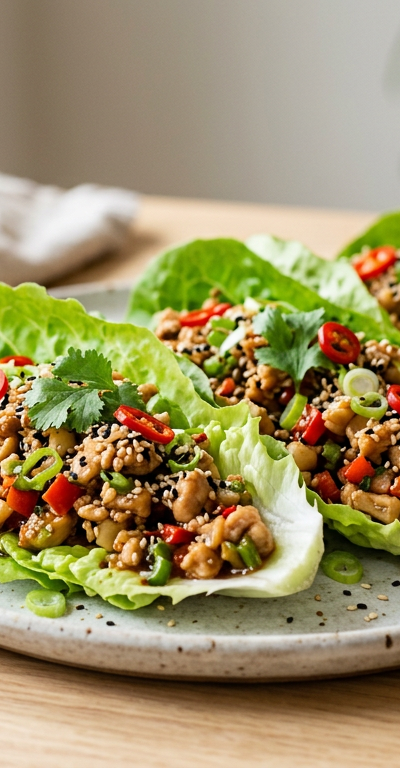
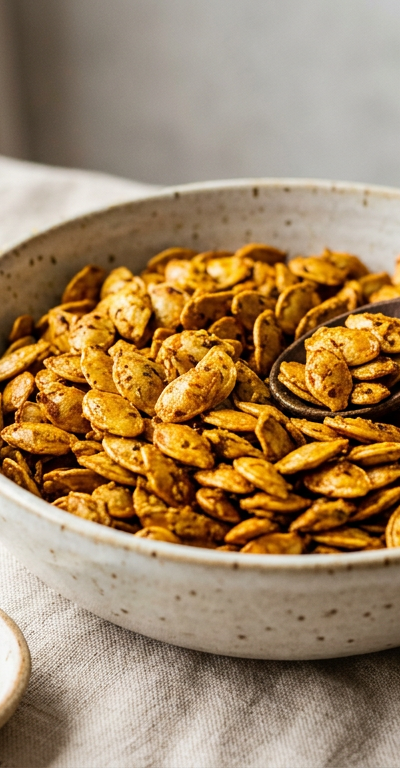
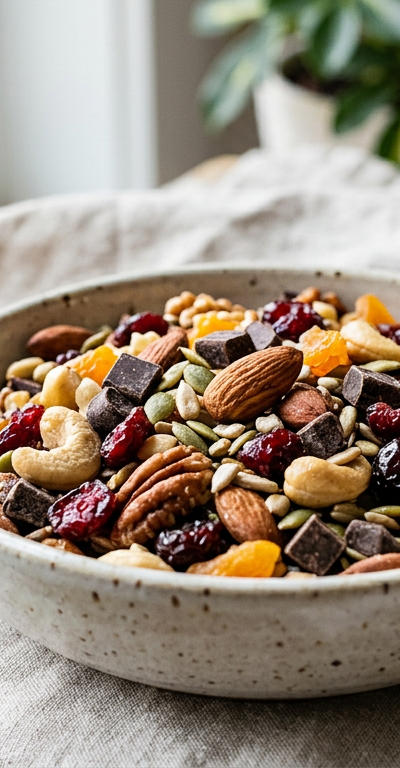
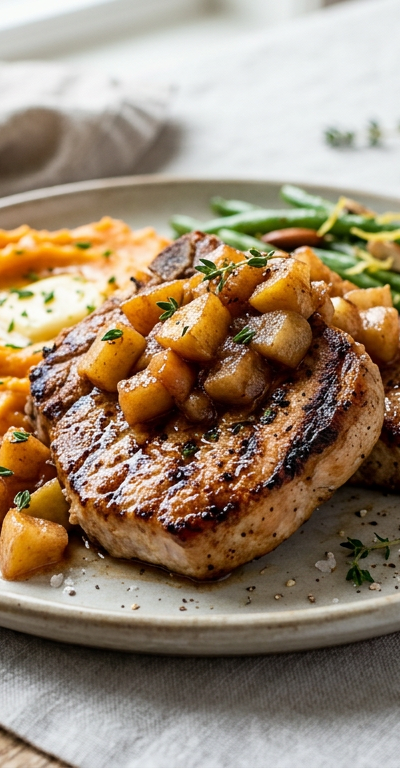
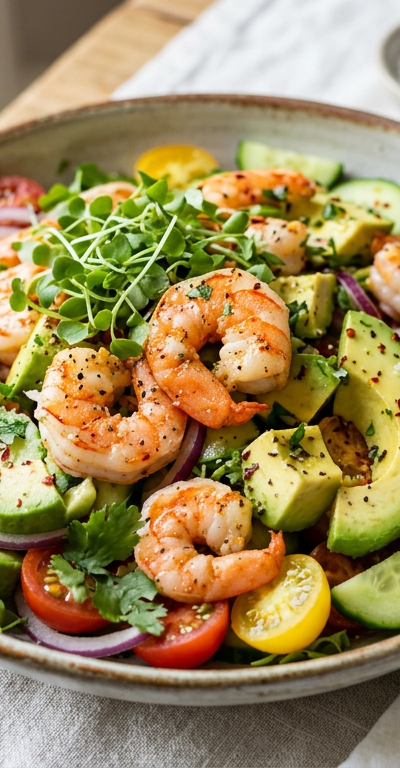
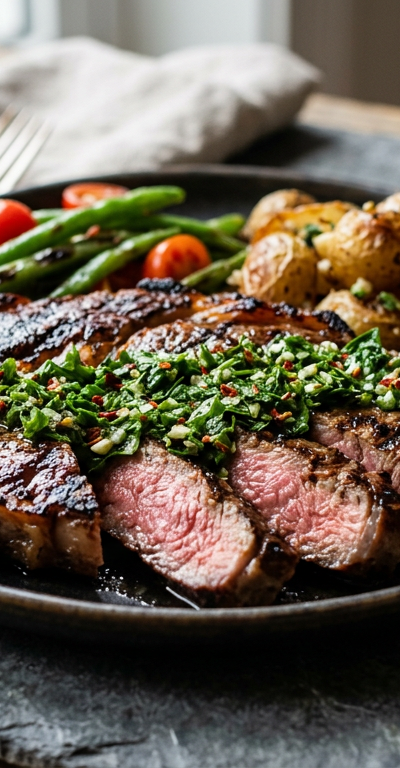
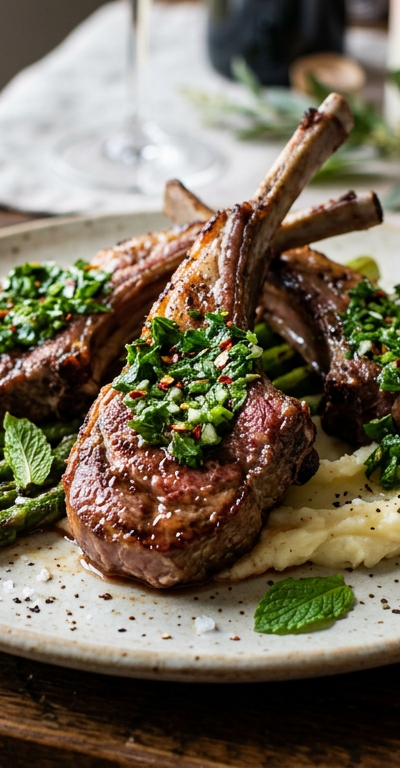
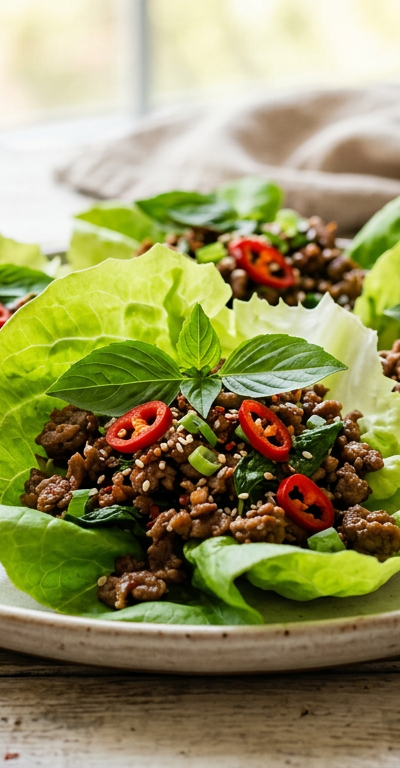
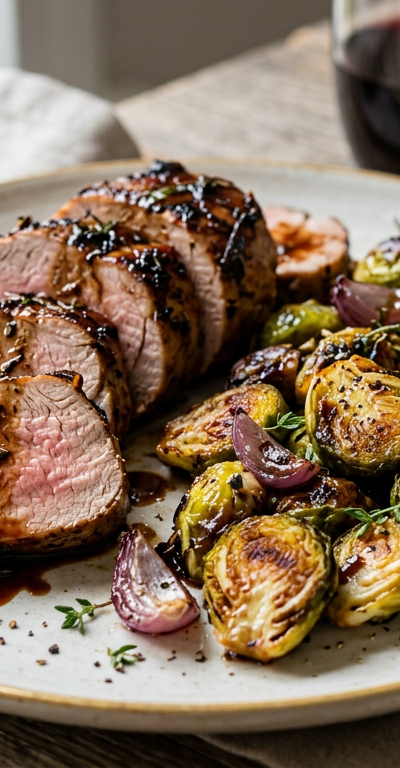
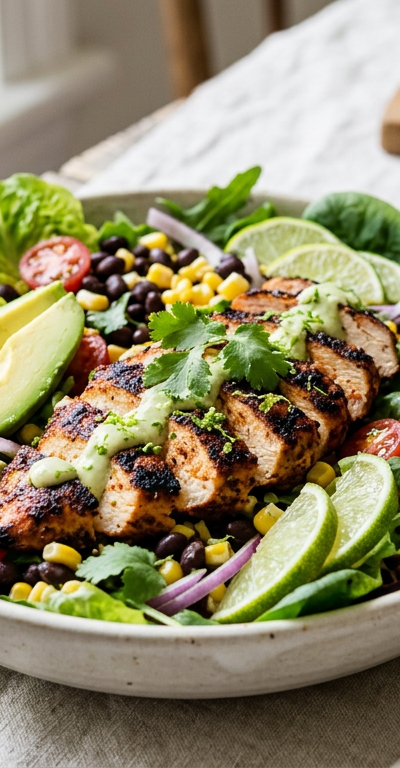
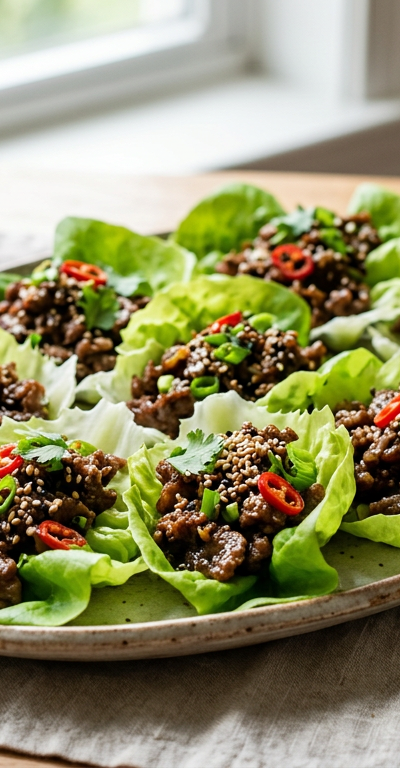
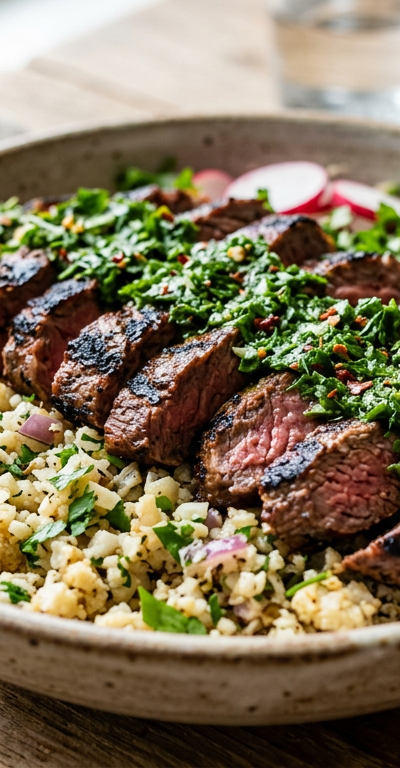
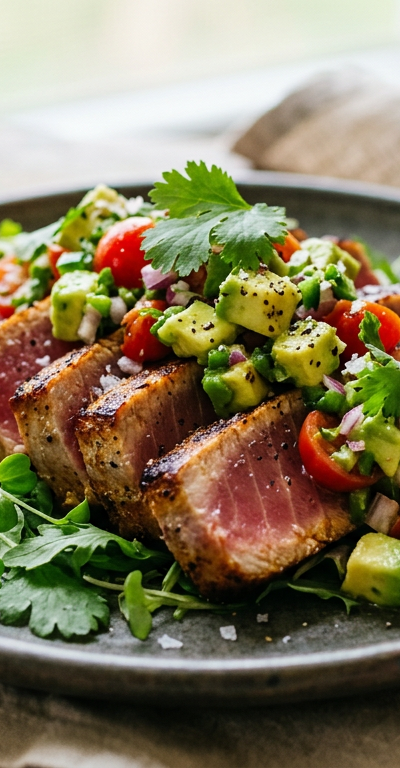
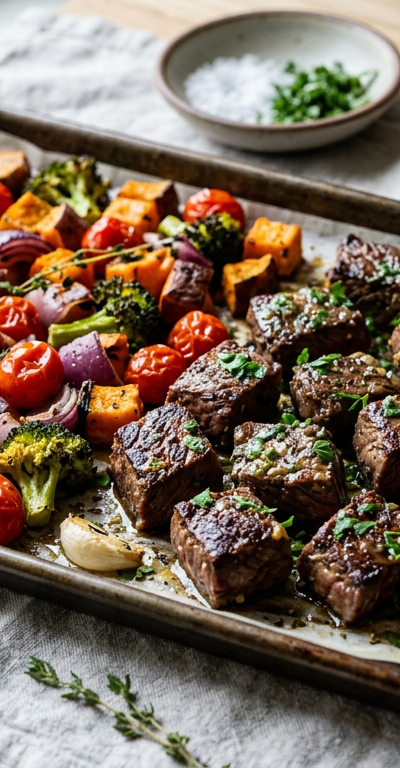
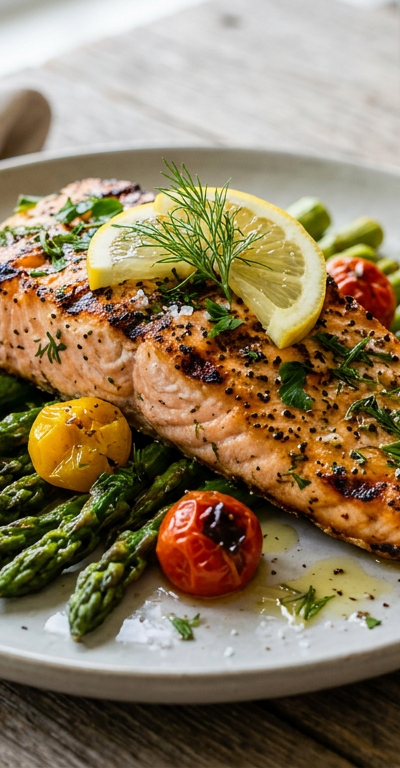
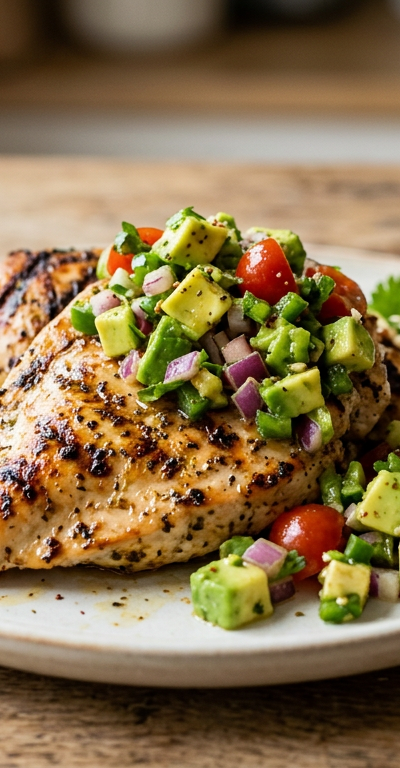
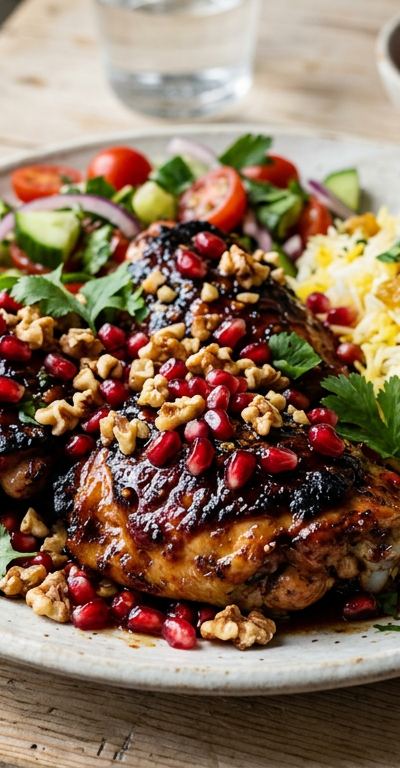
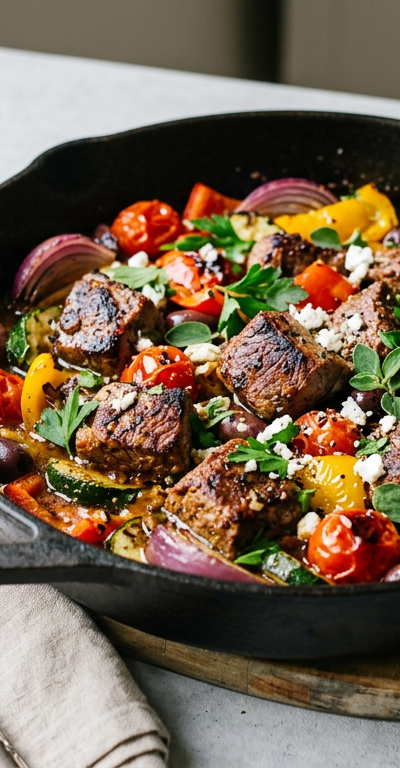
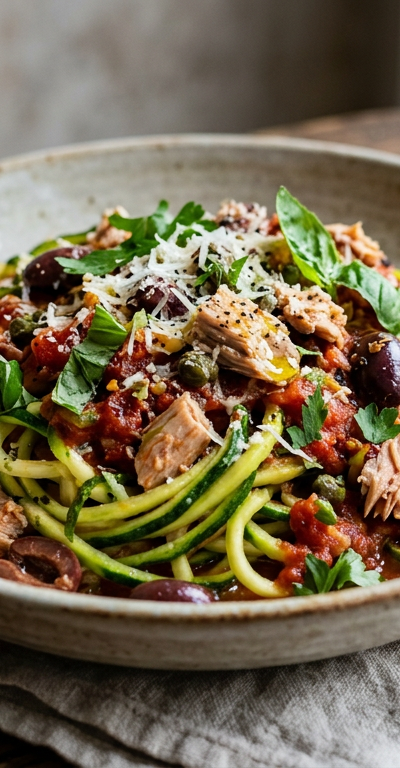
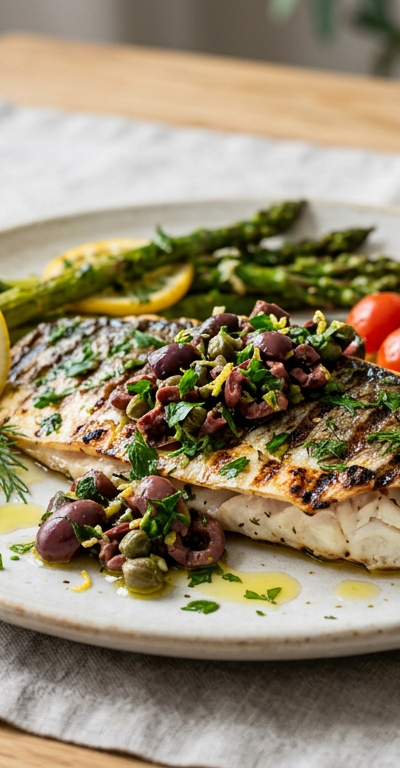
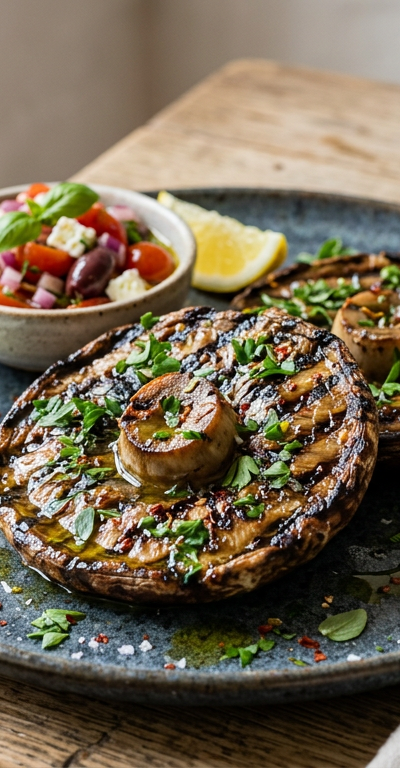
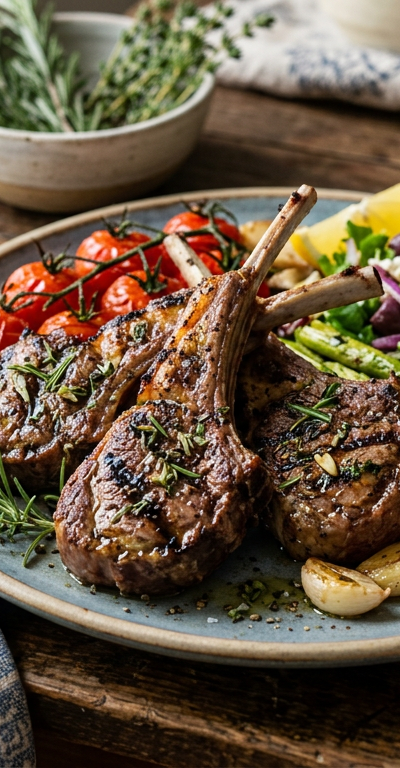
The Primal Diet, popularized by Mark Sisson in his book 'The Primal Blueprint,' is a evolutionary-based eating approach that mimics the dietary patterns of our pre-agricultural ancestors. The core principle centers on consuming whole, unprocessed foods that humans ate before the advent of modern agriculture and food processing. Unlike its close cousin the Paleo diet, the Primal Diet is slightly more flexible, allowing some fermented dairy products and emphasizing a more relaxed 80/20 approach to adherence. The diet focuses on eating nutrient-dense foods while avoiding those that may trigger inflammation, digestive issues, or metabolic dysfunction. The Primal Diet emphasizes grass-fed and pasture-raised meats, wild-caught fish and seafood, eggs, vegetables (especially non-starchy varieties), fruits (particularly berries), nuts and seeds, healthy fats (avocado, coconut oil, olive oil, butter, and ghee), and full-fat dairy products in moderation (especially fermented versions like yogurt and kefir). The diet strictly excludes grains (wheat, rice, corn, oats), legumes (beans, lentils, peanuts, soy), refined sugars and artificial sweeteners, processed foods, refined vegetable and seed oils (canola, soybean, corn oil), and most conventional dairy products. Alcohol is discouraged but occasional red wine is considered acceptable. The Primal Diet is particularly beneficial for individuals dealing with chronic inflammation, autoimmune conditions, metabolic syndrome, type 2 diabetes, obesity, digestive disorders like IBS and leaky gut syndrome, and cardiovascular disease risk factors. By eliminating grains and processed foods, many followers report improvements in blood sugar control, reduced inflammation markers, weight loss, increased energy levels, and better digestive health. The diet's emphasis on whole foods and healthy fats supports hormone regulation and can help address issues related to insulin resistance and metabolic dysfunction. Scientific support for the Primal Diet comes from research on low-carbohydrate, high-fat diets and studies examining the inflammatory effects of processed foods and refined grains. Studies have shown that diets rich in whole foods and healthy fats while limiting refined carbohydrates can improve markers of metabolic health, reduce systemic inflammation, support weight management, and improve cardiovascular risk factors. The diet may be most beneficial for individuals with insulin resistance, those seeking sustainable weight loss, people with inflammatory or autoimmune conditions, athletes looking for steady energy without blood sugar crashes, and anyone wanting to reduce their reliance on processed foods. The flexible 80/20 approach makes it more sustainable for long-term adherence compared to stricter elimination diets.