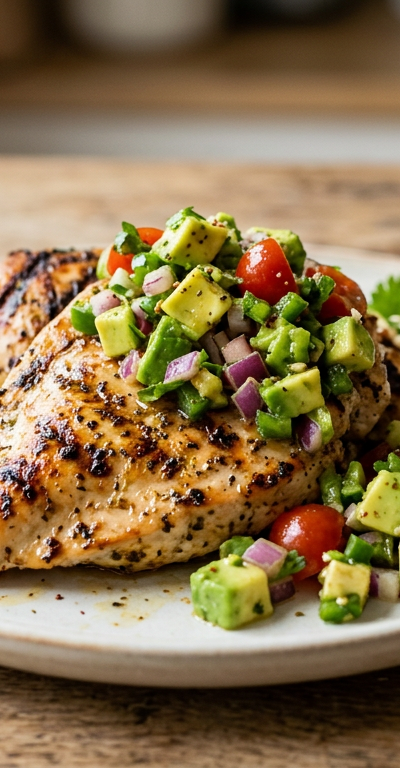
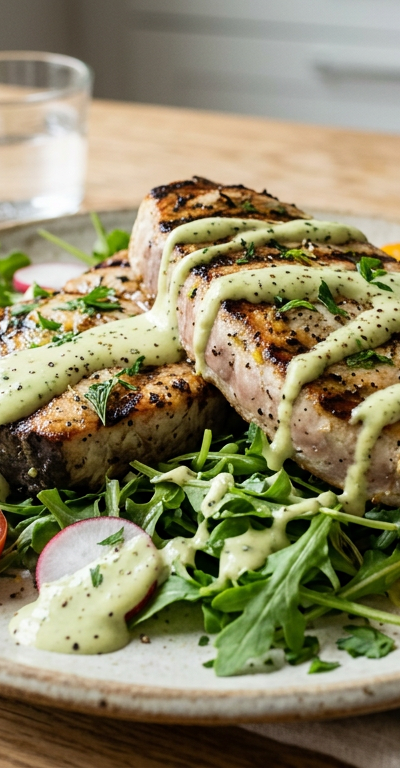
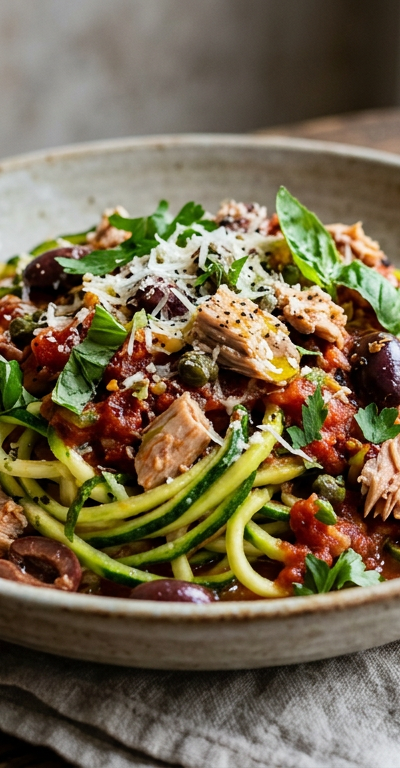
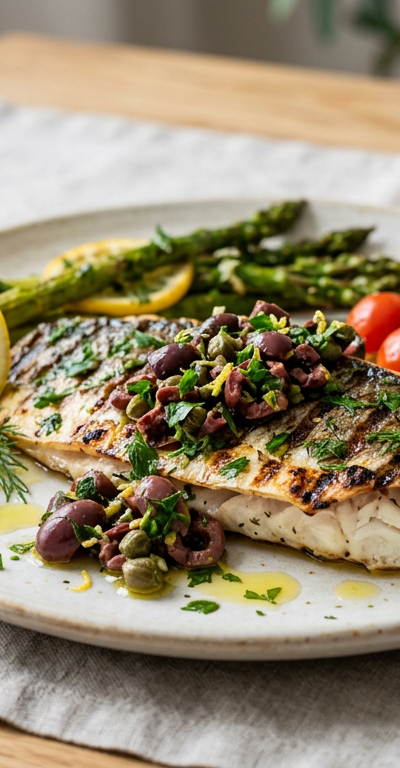
The ketogenic diet can significantly improve acne by eliminating high-glycemic carbohydrates and sugars that spike insulin and IGF-1, both of which stimulate sebum production and inflammation in skin. The diet's anti-inflammatory effects and hormonal balancing properties address the root causes of acne rather than just symptoms. Many individuals report clearer skin within weeks of starting the diet.
How High-glycemic carbohydrates trigger insulin and IGF-1 spikes, which stimulate androgen production, increase sebum production, and promote inflammation and hyperkeratinization of hair follicles—all key factors in acne development. By eliminating these carbohydrates, the ketogenic diet reduces insulin and IGF-1 levels, decreases sebum production, and reduces inflammation. The high intake of omega-3 fatty acids further reduces inflammatory mediators that contribute to acne lesions.
Key foods Fatty fish like salmon and sardines, avocados, olive oil, leafy greens, cruciferous vegetables, eggs, nuts like almonds and walnuts, full-fat Greek yogurt
The ketogenic diet improves multiple cardiovascular risk factors including triglycerides (often reduced by 50% or more), HDL cholesterol (increased), blood pressure, and inflammatory markers. While LDL cholesterol may increase in some individuals, the particle size typically shifts to larger, less atherogenic particles. The diet's effects on weight loss, insulin sensitivity, and inflammation contribute to overall cardiovascular health improvement.
How The diet dramatically reduces triglycerides by limiting carbohydrate-induced VLDL production in the liver and improves the cholesterol profile by increasing HDL and shifting LDL particles to larger, less dense (Pattern A) particles that are less likely to contribute to atherosclerosis. Reduced insulin levels decrease inflammation and oxidative stress in blood vessels, while improved endothelial function and reduced blood pressure lower overall cardiovascular risk.
Key foods Fatty fish like salmon and mackerel, olive oil, avocados, nuts like almonds and walnuts, leafy greens, cruciferous vegetables, grass-fed meats, eggs
The ketogenic diet significantly reduces systemic inflammation by eliminating pro-inflammatory processed carbohydrates and sugars while emphasizing anti-inflammatory fats and whole foods. Ketone bodies themselves have anti-inflammatory properties, particularly beta-hydroxybutyrate which inhibits inflammatory pathways. Studies show marked reductions in inflammatory markers like CRP, IL-6, and TNF-alpha.
How Beta-hydroxybutyrate (BHB), the primary ketone body, directly inhibits the NLRP3 inflammasome, a key component of the inflammatory response. The diet eliminates high-glycemic carbohydrates that trigger inflammatory insulin spikes and reduces oxidative stress. The high intake of omega-3 fatty acids from fish and the absence of inflammatory seed oils further contribute to reduced production of pro-inflammatory cytokines and eicosanoids.
Key foods Fatty fish like salmon and sardines, olive oil, avocados, leafy greens like spinach and kale, cruciferous vegetables like broccoli, nuts like walnuts, turmeric (used in cooking), eggs
The ketogenic diet shows promise in slowing cognitive decline and improving brain function, particularly in early Alzheimer's disease and mild cognitive impairment. Ketone bodies provide an alternative fuel source for brain cells that may be impaired in glucose metabolism, which is characteristic of neurodegenerative conditions. Studies demonstrate improvements in memory, processing speed, and overall cognitive function in patients following a ketogenic diet.
How In Alzheimer's disease and cognitive decline, brain cells develop insulin resistance and cannot efficiently use glucose for energy, leading to neuronal dysfunction. Ketone bodies bypass this impaired glucose metabolism and provide direct fuel to neurons, improving mitochondrial function and energy production. Additionally, ketones have neuroprotective properties, reduce oxidative stress and inflammation in the brain, and may help clear amyloid plaques associated with Alzheimer's disease.
Key foods MCT oil and coconut oil, fatty fish like salmon and sardines, avocados, eggs, olive oil, nuts like walnuts and pecans, leafy greens, blueberries (in moderation)
The ketogenic diet shows promising effects on mood disorders, with studies indicating improvements in depression and anxiety symptoms. The diet stabilizes blood sugar fluctuations that can trigger mood swings and anxiety, while ketone bodies may have direct mood-stabilizing effects similar to medications. The anti-inflammatory effects and improved mitochondrial function in brain cells contribute to better mental health outcomes.
How Ketone bodies modulate neurotransmitter systems, increasing GABA (calming neurotransmitter) production and improving the balance between excitatory and inhibitory signaling in the brain. The diet reduces neuroinflammation and oxidative stress, which are implicated in depression and anxiety. Stable blood glucose levels prevent the mood fluctuations associated with glucose crashes, while improved mitochondrial function enhances overall brain energy metabolism and neurotransmitter production.
Key foods Fatty fish like salmon and sardines, eggs, avocados, leafy greens, nuts like walnuts, olive oil, full-fat Greek yogurt, dark chocolate (85%+ cacao in moderation)
The ketogenic diet effectively reduces blood pressure in many individuals, with studies showing average reductions of 5-10 mmHg in systolic and diastolic pressure. The diet's diuretic effect from reduced insulin levels, combined with weight loss and improved insulin sensitivity, contributes to blood pressure normalization. Many patients are able to reduce or eliminate blood pressure medications under medical supervision.
How Lower insulin levels from carbohydrate restriction reduce sodium and water retention by the kidneys, leading to decreased blood volume and pressure. The diet improves endothelial function and reduces arterial stiffness through decreased inflammation and oxidative stress. Weight loss and improved autonomic nervous system balance further contribute to blood pressure reduction, while adequate potassium intake from vegetables helps maintain healthy sodium-potassium balance.
Key foods Avocados (high in potassium), leafy greens like spinach, fatty fish like salmon, nuts like almonds, olive oil, cruciferous vegetables, eggs, full-fat dairy
The ketogenic diet has shown significant effectiveness in reducing migraine frequency, severity, and duration in multiple studies. Many patients experience 50% or greater reduction in migraine attacks, with some achieving complete remission. The diet's ability to stabilize blood sugar, reduce inflammation, and provide alternative brain fuel through ketones addresses multiple migraine triggers simultaneously.
How Migraines are associated with mitochondrial dysfunction and energy deficits in brain cells. Ketone bodies provide a more efficient and stable energy source for neurons, improving mitochondrial function and cellular energy production. The diet also stabilizes blood glucose levels (preventing hypoglycemia-triggered migraines), reduces neuroinflammation, and may modulate cortical spreading depression—the neurological phenomenon underlying migraine aura and pain.
Key foods MCT oil and coconut oil, fatty fish like salmon, avocados, eggs, leafy greens, olive oil, nuts like almonds, cruciferous vegetables
The ketogenic diet can enhance endurance athletic performance by training the body to efficiently use fat as fuel, providing access to virtually unlimited energy stores compared to limited glycogen. Fat-adapted athletes often experience improved endurance, reduced need for frequent fueling during long events, and faster recovery. However, the diet may impair high-intensity performance that relies on glycogen, making it more suitable for endurance rather than explosive sports.
How After a 2-4 week adaptation period, the body upregulates fat oxidation enzymes and becomes efficient at using fat and ketones for fuel during exercise. This metabolic flexibility allows athletes to preserve limited glycogen stores and tap into abundant fat stores (even lean athletes have 40,000+ calories stored as fat). Fat metabolism produces more ATP per oxygen molecule consumed, potentially improving aerobic efficiency, while ketones may have protein-sparing effects that preserve muscle during prolonged exercise.
Key foods MCT oil, fatty fish like salmon, avocados, eggs, nuts like macadamias and almonds, olive oil, coconut oil, grass-fed meats
The ketogenic diet shows preliminary promise for various autoimmune conditions by reducing systemic inflammation, modulating immune function, and eliminating potential dietary triggers. The diet's anti-inflammatory effects through ketone body production and reduced inflammatory cytokines may help calm overactive immune responses. Some patients with conditions like rheumatoid arthritis, multiple sclerosis, and Hashimoto's thyroiditis report symptom improvements.
How Beta-hydroxybutyrate inhibits the NLRP3 inflammasome and reduces production of pro-inflammatory cytokines that drive autoimmune responses. The diet may help restore gut barrier integrity, reducing intestinal permeability that can trigger autoimmune reactions. By stabilizing blood sugar and reducing oxidative stress, the diet creates a less inflammatory internal environment that may reduce autoimmune flare-ups and disease progression.
Key foods Fatty fish like salmon and sardines, olive oil, avocados, leafy greens, cruciferous vegetables, bone broth, eggs, nuts like walnuts
The ketogenic diet may have cancer-preventive properties based on the metabolic theory of cancer, which suggests cancer cells rely heavily on glucose for fuel and cannot efficiently use ketones. By drastically reducing blood glucose and insulin levels (which promote cell growth), the diet may create a metabolic environment less favorable to cancer development. The diet's anti-inflammatory effects and promotion of autophagy (cellular cleanup) may also contribute to cancer prevention.
How Cancer cells typically exhibit the Warburg effect—preferential use of glucose for energy even in the presence of oxygen. By reducing blood glucose and insulin levels, the ketogenic diet may selectively starve cancer cells while providing ketones as fuel for healthy cells. Lower insulin and IGF-1 levels reduce growth signaling pathways (PI3K/AKT/mTOR) that promote cancer cell proliferation. Additionally, ketone bodies may have direct anti-cancer effects through epigenetic modifications and enhanced immune surveillance.
Key foods Fatty fish like salmon, cruciferous vegetables like broccoli and cauliflower, leafy greens, olive oil, avocados, nuts like walnuts, eggs, berries (in moderation)
The ketogenic diet is a clinically proven treatment for epilepsy, particularly drug-resistant epilepsy in children, with over 100 years of medical use. By forcing the body into ketosis, the diet produces ketone bodies that have direct anticonvulsant properties and stabilize neuronal excitability. Studies show 50-90% of patients experience significant seizure reduction, with some achieving complete seizure freedom.
How Ketone bodies (beta-hydroxybutyrate and acetoacetate) alter brain metabolism by providing an alternative fuel source to glucose, which stabilizes neuronal membranes and reduces excitatory neurotransmission. The diet increases GABA (inhibitory neurotransmitter) production, reduces glutamate (excitatory neurotransmitter) activity, and improves mitochondrial function in brain cells, all of which contribute to reduced seizure frequency and severity.
Key foods MCT oil and coconut oil (rapidly converted to ketones), fatty fish like salmon and sardines, grass-fed butter, avocados, eggs, macadamia nuts, full-fat cheese, olive oil
The ketogenic diet addresses all five components of metabolic syndrome simultaneously: abdominal obesity, high triglycerides, low HDL cholesterol, hypertension, and elevated fasting glucose. Research demonstrates dramatic improvements in triglyceride levels (often 50% reduction), increased HDL cholesterol, reduced waist circumference, and normalized blood pressure. The diet's ability to improve insulin sensitivity makes it particularly effective for this cluster of metabolic disorders.
How The severe carbohydrate restriction reduces insulin levels and improves insulin sensitivity, which is the underlying driver of metabolic syndrome. Lower insulin levels allow the body to mobilize stored fat, reduce inflammation, improve lipid profiles by decreasing VLDL production in the liver, and reduce blood pressure through decreased fluid retention and improved endothelial function.
Key foods Fatty fish like salmon and sardines, avocados, olive oil, nuts like almonds and walnuts, leafy greens, cruciferous vegetables, grass-fed beef, eggs
The ketogenic diet is remarkably effective at reducing liver fat, with studies showing 30-50% reduction in hepatic fat content within weeks. By eliminating carbohydrates and reducing insulin levels, the diet stops the primary pathway of fat accumulation in the liver (de novo lipogenesis). The diet also promotes the mobilization and oxidation of existing liver fat stores for energy.
How Carbohydrate restriction dramatically reduces insulin levels, which directly inhibits de novo lipogenesis (the conversion of excess carbohydrates to fat in the liver). Simultaneously, ketosis promotes beta-oxidation of fatty acids, mobilizing stored liver fat for energy. The diet also reduces oxidative stress and inflammation in the liver, improving overall hepatic function and potentially reversing fibrosis.
Key foods Olive oil, avocados, fatty fish like salmon and mackerel, leafy greens like spinach, cruciferous vegetables like broccoli, eggs, nuts like walnuts, MCT oil
The ketogenic diet promotes significant weight loss and fat reduction through multiple mechanisms including appetite suppression, increased satiety from high fat intake, and metabolic advantages of ketosis. Studies consistently show greater weight loss compared to low-fat diets, with particular effectiveness in reducing visceral (abdominal) fat. The diet helps preserve lean muscle mass during weight loss while preferentially burning fat stores.
How Ketosis naturally suppresses appetite by stabilizing blood sugar, reducing hunger hormones like ghrelin, and increasing satiety hormones like CCK and peptide YY. The absence of insulin spikes allows the body to access stored fat for energy more efficiently. Additionally, the thermic effect of protein and the metabolic cost of converting protein and fat to glucose (gluconeogenesis) increase overall energy expenditure.
Key foods Avocados, coconut oil, olive oil, fatty fish like salmon, grass-fed meats, eggs, nuts like macadamias and pecans, full-fat dairy, leafy greens
The ketogenic diet effectively addresses the root cause of PCOS—insulin resistance and hyperinsulinemia—which drive excess androgen production and hormonal imbalances. Studies show significant improvements in menstrual regularity, reduced testosterone levels, improved fertility, and weight loss in women with PCOS. Many women experience restoration of ovulation and improved pregnancy outcomes.
How By drastically reducing carbohydrate intake, the diet lowers insulin levels and improves insulin sensitivity, which is critical because high insulin stimulates the ovaries to produce excess androgens (testosterone). Lower insulin levels reduce androgen production, improve the LH/FSH ratio, decrease inflammation, and can restore normal ovarian function and menstrual cycles. The diet also promotes weight loss, which further improves hormonal balance.
Key foods Fatty fish like salmon, avocados, olive oil, eggs, leafy greens like spinach and kale, cruciferous vegetables, nuts like almonds, full-fat Greek yogurt
The ketogenic diet is highly effective for managing and potentially reversing Type 2 diabetes by drastically reducing carbohydrate intake to 5-10g net carbs per serving, which directly minimizes blood glucose spikes and insulin demand. Multiple studies demonstrate significant reductions in HbA1c levels, fasting glucose, and medication requirements. Many patients achieve diabetes remission while following this dietary pattern consistently.
How By restricting carbohydrates to minimal levels, the diet eliminates the primary driver of blood sugar elevation and reduces the body's insulin requirements. Over time, this allows insulin receptors to regain sensitivity, improves beta cell function in the pancreas, and reduces chronic hyperinsulinemia. The shift to fat metabolism stabilizes blood glucose levels throughout the day without the peaks and crashes associated with carbohydrate consumption.
Key foods Fatty fish like salmon and mackerel, avocados, olive oil, leafy greens like spinach and kale, cruciferous vegetables like broccoli and cauliflower, eggs, nuts like almonds and pecans, full-fat Greek yogurt
The ketogenic diet may promote longevity through multiple mechanisms including enhanced autophagy (cellular cleanup and renewal), improved mitochondrial function, reduced oxidative stress, and metabolic effects similar to caloric restriction. The diet activates longevity pathways like AMPK and sirtuins while reducing mTOR signaling, which is associated with aging. Animal studies show lifespan extension, though human longevity data is still limited.
How The ketogenic diet mimics aspects of caloric restriction by lowering insulin and IGF-1 levels, which activates cellular stress resistance pathways and autophagy—the process by which cells break down and recycle damaged components. Ketone bodies improve mitochondrial efficiency and reduce reactive oxygen species production, decreasing cellular damage. The diet also reduces chronic inflammation and glycation (sugar-protein binding that damages tissues), both key drivers of aging processes.
Key foods Fatty fish like salmon and sardines, olive oil, avocados, leafy greens, cruciferous vegetables, nuts like walnuts, eggs, berries (in moderation)
The ketogenic diet shows emerging potential for Parkinson's disease management by improving mitochondrial function and providing neuroprotection to dopaminergic neurons. Small clinical trials have shown improvements in motor and non-motor symptoms, including tremor reduction and improved quality of life. The diet's ability to reduce oxidative stress and neuroinflammation may slow disease progression.
How Parkinson's disease involves severe mitochondrial dysfunction in dopaminergic neurons, particularly Complex I deficiency. Ketone bodies bypass this deficiency and improve mitochondrial energy production, potentially protecting neurons from degeneration. The diet reduces oxidative stress and neuroinflammation, both implicated in Parkinson's pathology. Additionally, ketones may enhance dopamine production and reduce alpha-synuclein aggregation, the pathological protein accumulation characteristic of Parkinson's disease.
Key foods MCT oil and coconut oil, fatty fish like salmon and sardines, avocados, olive oil, eggs, leafy greens like spinach, nuts like walnuts, cruciferous vegetables
The ketogenic diet shows promise as a therapeutic intervention for traumatic brain injury by providing ketones as an alternative fuel source when glucose metabolism is impaired post-injury. Early research suggests the diet may reduce secondary brain damage, improve cognitive recovery, and protect against neuronal death. The diet's anti-inflammatory and neuroprotective properties may accelerate healing and improve outcomes.
How After TBI, brain cells often develop impaired glucose metabolism and energy deficits. Ketone bodies provide an alternative, more efficient fuel source that can bypass damaged metabolic pathways and restore cellular energy production. The diet reduces neuroinflammation, oxidative stress, and excitotoxicity while improving mitochondrial function and promoting neuroplasticity. Ketones may also reduce cerebral edema and improve cerebral blood flow, supporting recovery.
Key foods MCT oil and coconut oil, fatty fish like salmon, eggs, avocados, olive oil, leafy greens, nuts like walnuts, grass-fed meats
General information about how people eat, not medical advice. Talk to a clinician
before changing your diet to treat a condition.