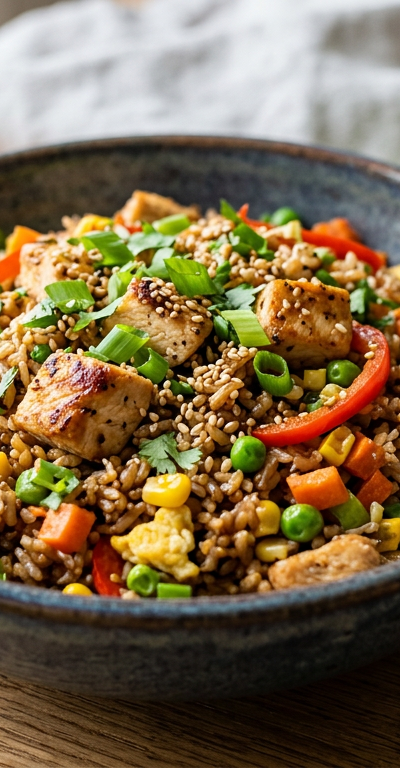
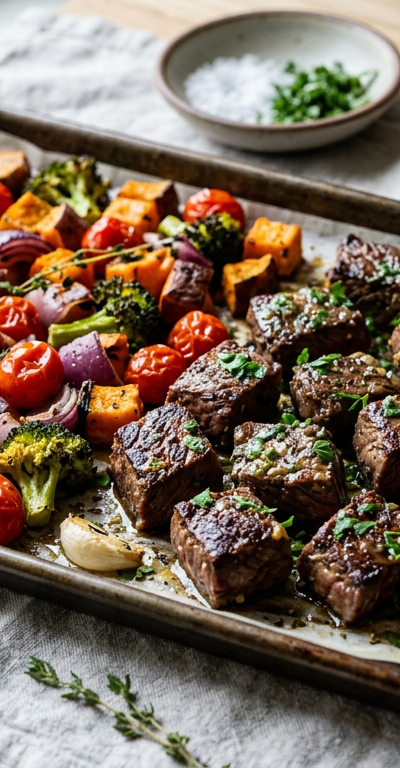
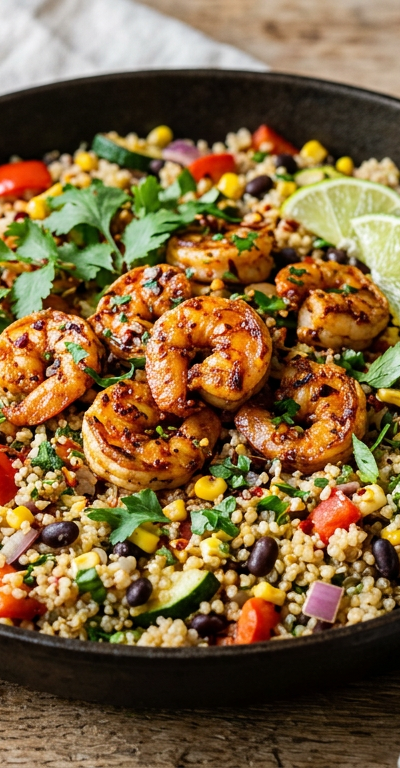
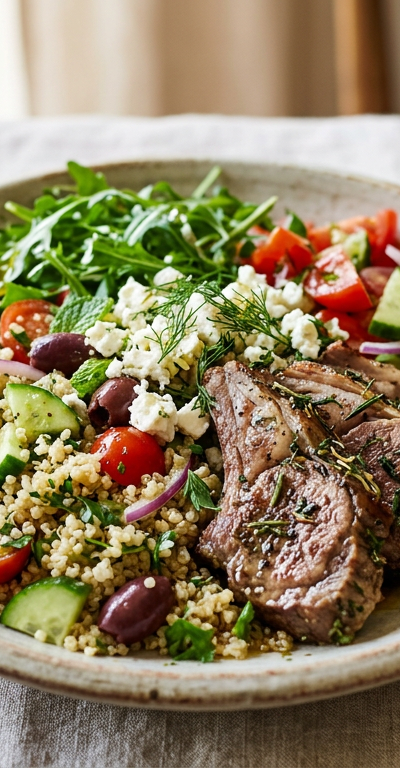
IIFYM (If It Fits Your Macros), also known as flexible dieting, is a nutritional approach that focuses on meeting daily macronutrient targets—protein, carbohydrates, and fats—rather than restricting specific foods or food groups. The core principle is that no foods are inherently 'good' or 'bad'; instead, any food can be incorporated into your diet as long as it fits within your personalized macronutrient goals and total caloric needs. These macro targets are typically calculated based on individual factors including body weight, composition, activity level, and specific goals such as fat loss, muscle gain, or maintenance. Unlike traditional restrictive diets, IIFYM emphasizes nutritional flexibility and sustainability, allowing for occasional treats and diverse food choices while still achieving body composition and health objectives. The IIFYM diet doesn't explicitly exclude any foods, though practitioners are encouraged to prioritize nutrient-dense whole foods like lean proteins (chicken, fish, eggs, legumes), complex carbohydrates (whole grains, fruits, vegetables, potatoes), healthy fats (avocados, nuts, olive oil, fatty fish), and fiber-rich options to support overall health, satiety, and micronutrient needs. The remaining macros can be filled with more flexible choices including processed foods, desserts, or restaurant meals, typically following an 80/20 approach where 80% of intake comes from whole foods and 20% from discretionary choices. There are no mandatory food exclusions unless dictated by allergies, intolerances, or personal preferences. While IIFYM isn't specifically designed as a therapeutic diet for medical conditions, it can be adapted to support various health goals and conditions when properly implemented. For individuals with diabetes, tracking macros—particularly carbohydrates—can improve blood sugar management and insulin sensitivity. Those with cardiovascular concerns can adjust their fat intake to emphasize unsaturated fats while monitoring saturated fat and cholesterol within their macro targets. The flexibility of IIFYM makes it particularly sustainable for long-term weight management, which can benefit conditions exacerbated by obesity including hypertension, metabolic syndrome, and inflammation. However, IIFYM is not appropriate for conditions requiring strict dietary restrictions like celiac disease (which requires complete gluten elimination) or Crohn's disease during flares (which may need low-residue approaches), though the macro-tracking framework can be applied alongside necessary restrictions. Research supports the effectiveness of calorie and macronutrient tracking for weight management and body composition changes, with studies showing that adherence to caloric targets is the primary driver of weight loss regardless of macronutrient distribution. The flexible approach of IIFYM has been associated with better dietary adherence, reduced feelings of deprivation, and lower rates of disordered eating behaviors compared to highly restrictive diets. This diet is ideal for individuals seeking sustainable weight loss or muscle gain, athletes and fitness enthusiasts who need precise nutritional control, those who have struggled with restrictive dieting, and anyone wanting to improve their understanding of nutrition and portion control while maintaining dietary flexibility and social freedom.

What the evidence says about IIFYM (If It Fits Your Macros) and each condition, and the foods doing the work.

IIFYM supports hormonal health by providing balanced macronutrient intake and emphasizing whole, nutrient-dense foods. The diet helps regulate hormones through consistent nutrition and prevents extreme dietary restrictions.
How By providing balanced macronutrients and supporting stable blood sugar, the diet helps regulate insulin, cortisol, and other key hormones. The emphasis on whole foods supports endocrine system function and metabolic health.
Key foods Fatty fish, avocados, nuts, seeds, lean proteins, whole grains, cruciferous vegetables, olive oil
IIFYM can help manage insulin resistance by providing a structured approach to carbohydrate intake and emphasizing complex, nutrient-dense carbohydrate sources. The diet supports blood sugar regulation through precise macro tracking and whole food selection.
How The diet helps improve insulin sensitivity by controlling carbohydrate intake, choosing low-glycemic index foods, and maintaining a balanced macronutrient profile. Consistent portion control and nutrient-dense food choices support metabolic health.
Key foods Greek yogurt, eggs, quinoa, sweet potatoes, lean chicken, tofu, legumes, nuts
IIFYM helps manage metabolic syndrome by promoting balanced macronutrient intake, reducing processed foods, and supporting weight management. The diet's emphasis on whole foods and portion control can improve insulin sensitivity and reduce cardiovascular risk factors.
How By controlling macronutrient intake and prioritizing nutrient-dense foods, the diet helps regulate blood sugar, reduce inflammation, and improve lipid profiles. The balanced approach supports metabolic health by preventing extreme nutrient imbalances.
Key foods Fatty fish like salmon, olive oil, avocados, nuts, lean proteins, whole grains, leafy green vegetables
IIFYM supports diabetes management by providing precise control over carbohydrate intake and emphasizing nutrient-dense, low-glycemic foods. The diet allows flexible food choices while maintaining strict macro tracking to support blood sugar control.
How By enabling precise carbohydrate control and prioritizing low-glycemic foods, the diet helps stabilize blood sugar levels. The flexible approach supports long-term dietary adherence while providing metabolic control.
Key foods Fatty fish, avocados, nuts, seeds, lean proteins, non-starchy vegetables, quinoa, Greek yogurt
IIFYM provides athletes with a customizable nutrition approach that supports muscle growth, recovery, and performance. The diet allows precise macro manipulation to meet specific training and body composition goals.
How By allowing flexible food choices within macro limits, the diet supports optimal nutrient intake for muscle protein synthesis, energy production, and recovery. Precise macro tracking enables athletes to fine-tune nutrition for specific performance goals.
Key foods Lean chicken, salmon, eggs, Greek yogurt, quinoa, sweet potatoes, nuts, olive oil
IIFYM provides a structured approach to nutrition that allows precise calorie and macronutrient control, enabling effective weight management. By emphasizing portion control and nutrient-dense whole foods, the diet supports sustainable weight loss and body composition improvements.
How The diet creates a caloric deficit through precise macro tracking while maintaining nutritional balance. By allowing flexible food choices within macro limits, it reduces diet fatigue and supports long-term adherence to weight loss goals.
Key foods Lean chicken breast, Greek yogurt, eggs, quinoa, sweet potatoes, broccoli, salmon, almonds
General information about how people eat, not medical advice. Talk to a clinician before changing your diet to treat a condition.
Open a recipe in Platewise and a voice sous chef reads the steps, runs the timers, and swaps what you don't have.