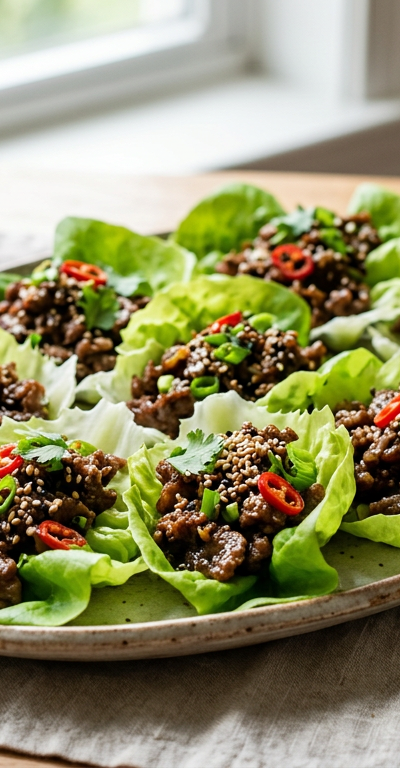
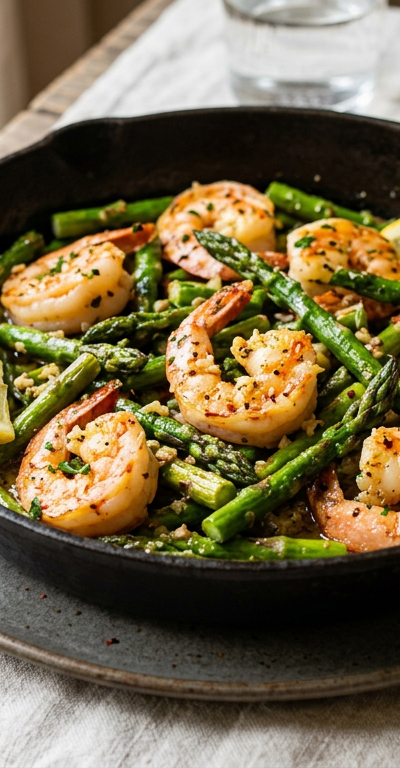
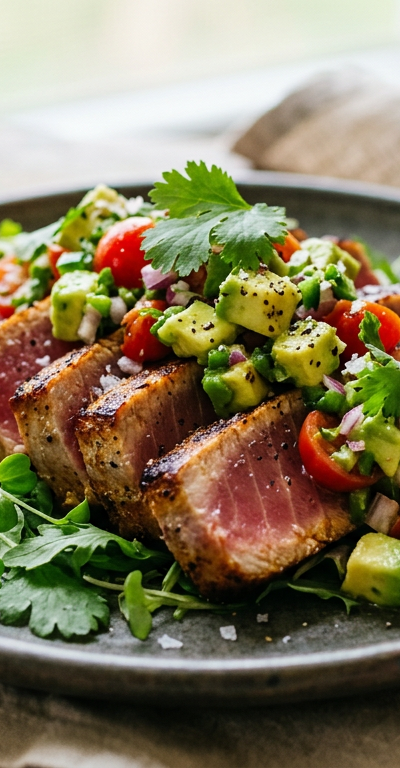
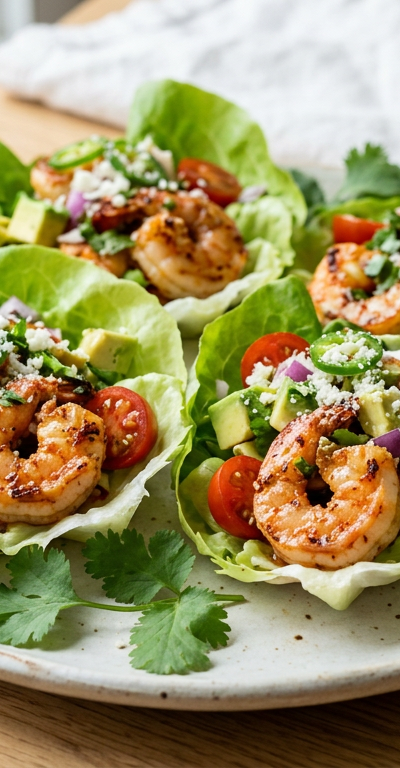
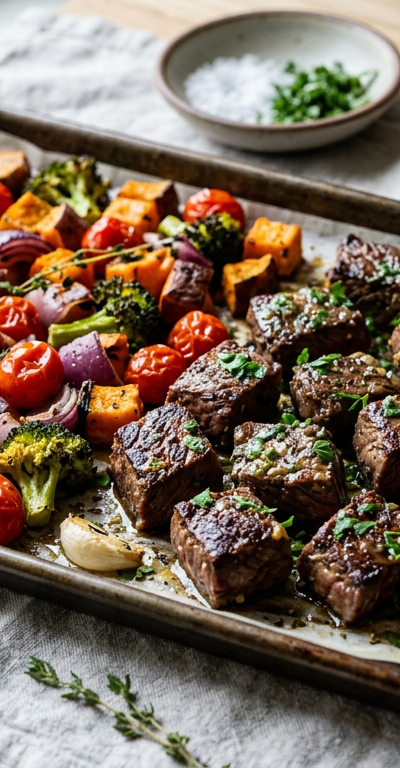
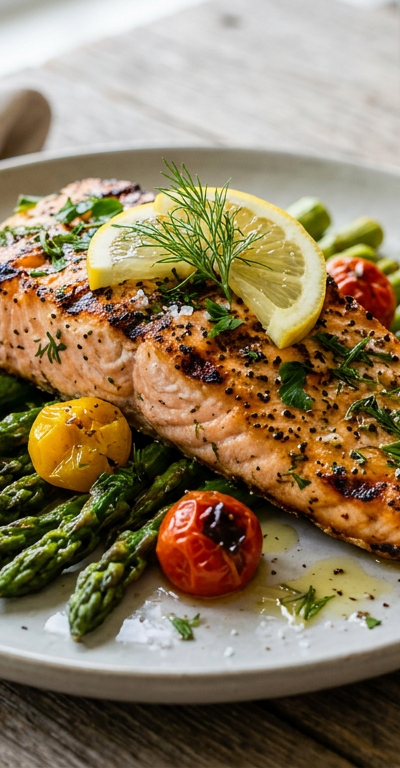
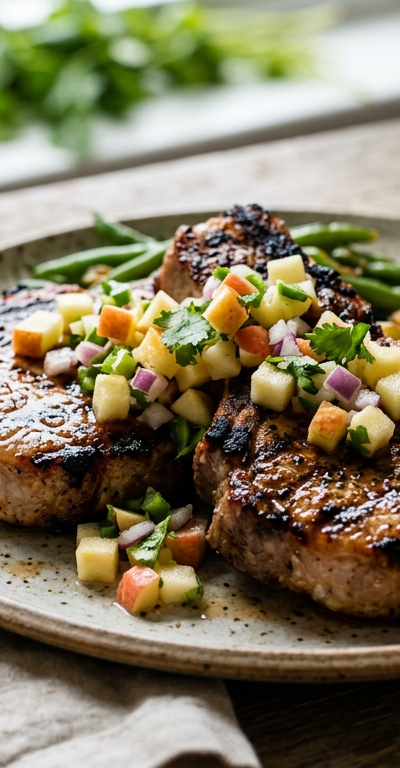
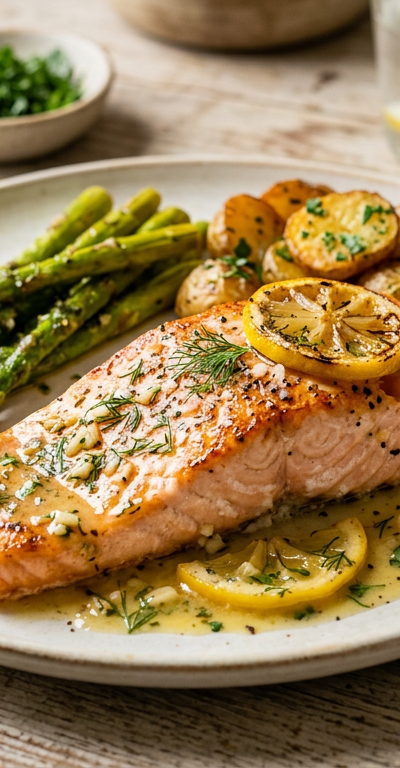
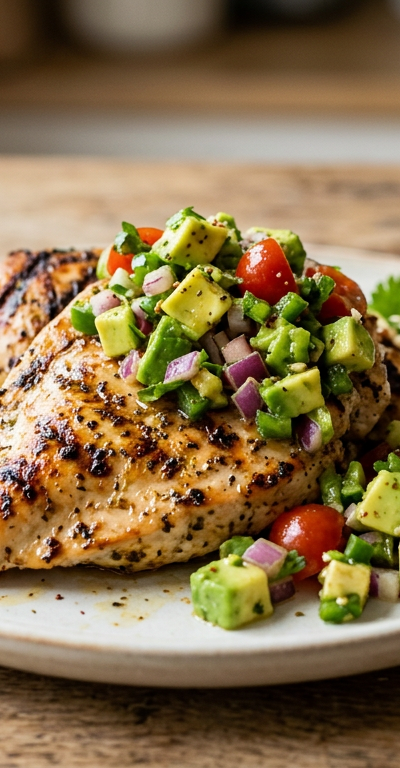
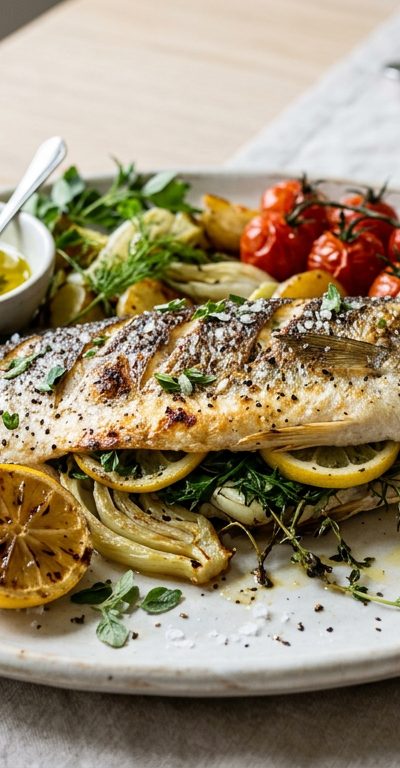
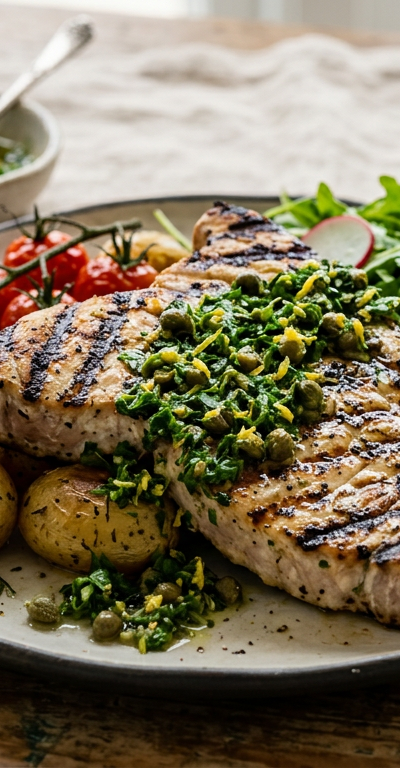
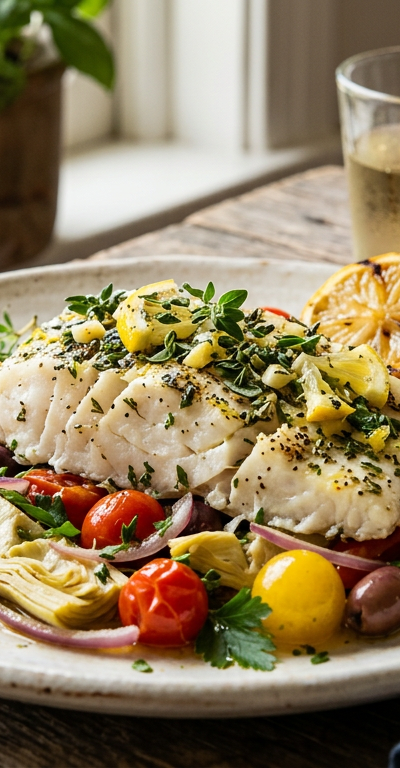
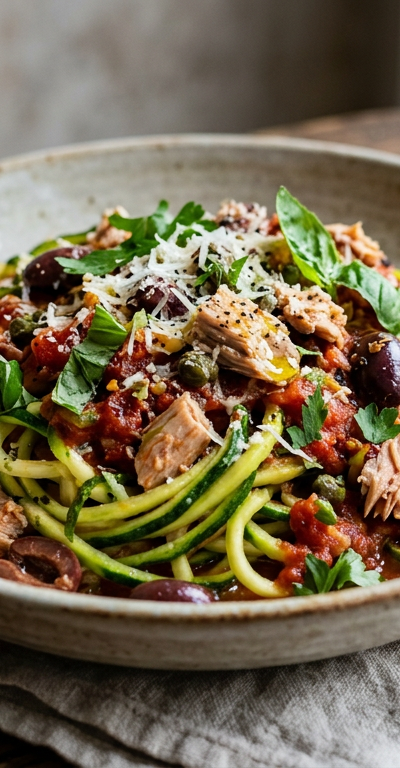
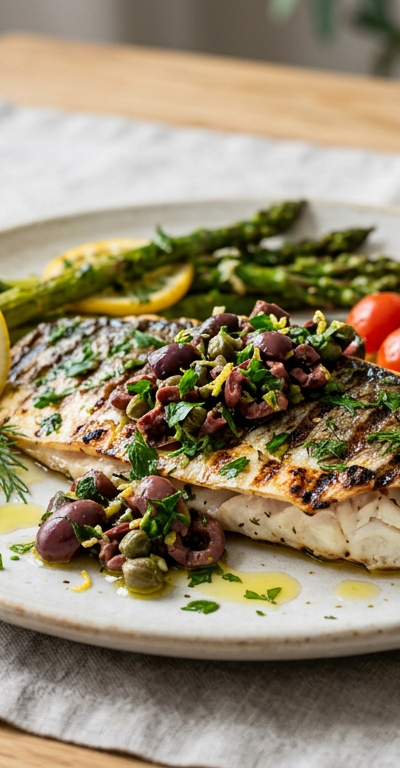
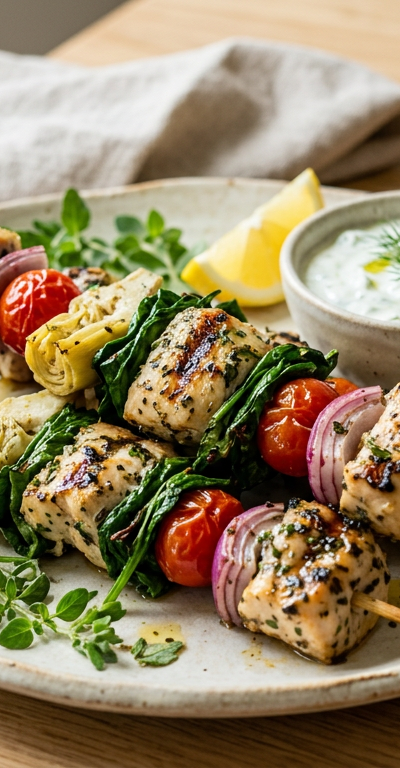
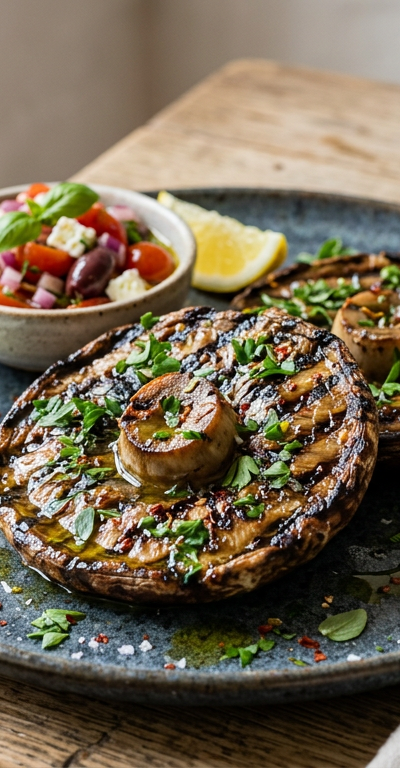
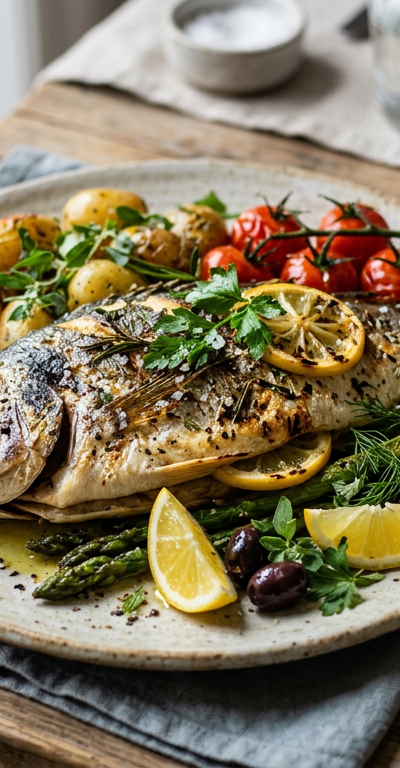
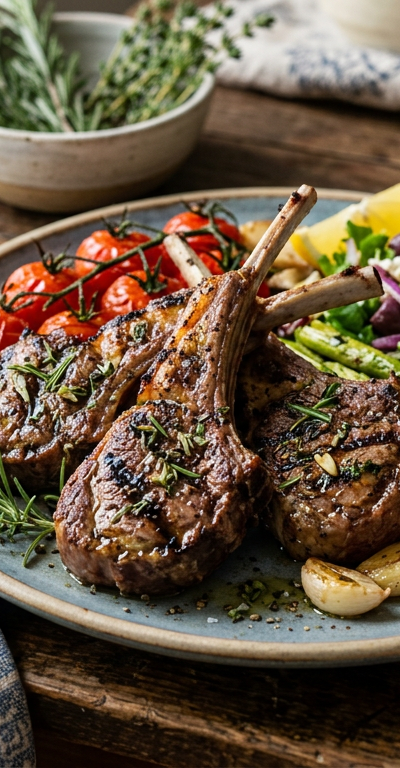
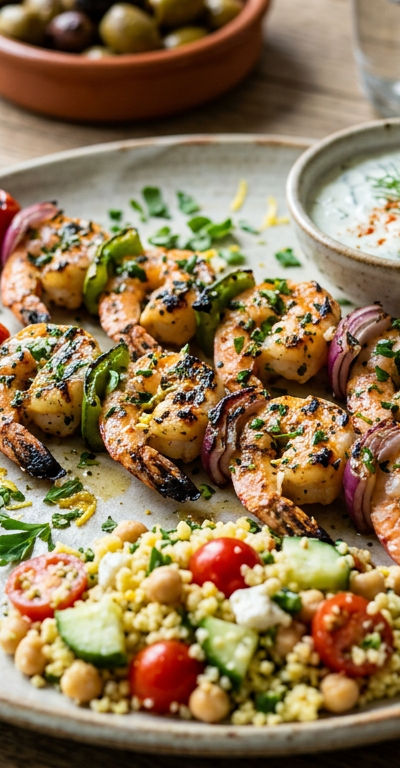
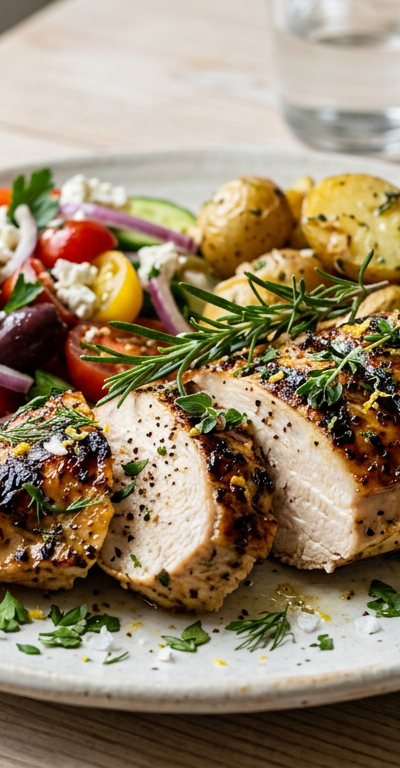
The Primal Blueprint is a lifestyle and dietary approach created by Mark Sisson that emphasizes eating whole, unprocessed foods similar to what our Paleolithic ancestors consumed, while allowing for some modern conveniences and flexibility. The diet is based on the principle that our genes are optimally adapted to the foods available before the agricultural revolution, approximately 10,000 years ago. Unlike strict paleo diets, the Primal Blueprint allows for some full-fat dairy products (if tolerated), red wine in moderation, and dark chocolate, making it slightly more flexible while still focusing on nutrient-dense, anti-inflammatory foods. The diet emphasizes high-quality proteins (grass-fed meats, wild-caught fish, pastured eggs, and poultry), abundant vegetables, healthy fats (avocados, nuts, seeds, olive oil, coconut oil, butter, and ghee), and moderate amounts of fruits and full-fat dairy. Foods to be excluded include all grains (wheat, rice, corn, oats), legumes (beans, lentils, peanuts, soy), refined sugars, processed foods, industrial seed oils (canola, soybean, corn oil), and artificial sweeteners. The diet promotes eating when hungry, focusing on food quality over calorie counting, and incorporating intermittent fasting when appropriate. The Primal Blueprint has been reported to help address numerous health conditions including type 2 diabetes, metabolic syndrome, obesity, cardiovascular disease, autoimmune conditions, chronic inflammation, irritable bowel syndrome, and non-celiac gluten sensitivity. By eliminating grains and processed foods, many followers experience improved blood sugar control, reduced inflammation markers, weight loss, increased energy levels, and better digestive health. The diet's emphasis on omega-3 fatty acids, antioxidants, and anti-inflammatory foods may benefit those with inflammatory conditions, while the elimination of gluten-containing grains can provide relief for those with celiac disease or gluten sensitivity. Scientific support for the Primal Blueprint comes from research on low-carbohydrate, high-fat diets, studies on inflammatory markers related to grain consumption, and evidence supporting the benefits of whole-food, nutrient-dense eating patterns. Research has shown that reducing refined carbohydrates and increasing healthy fats can improve insulin sensitivity, support weight management, and reduce cardiovascular risk factors. This diet is particularly beneficial for individuals seeking to lose weight, athletes looking for sustained energy, people with insulin resistance or diabetes, those with autoimmune or inflammatory conditions, and anyone wanting to reduce their dependence on processed foods while improving overall metabolic health. The flexible nature of the Primal Blueprint makes it sustainable for long-term adherence compared to more restrictive dietary approaches.
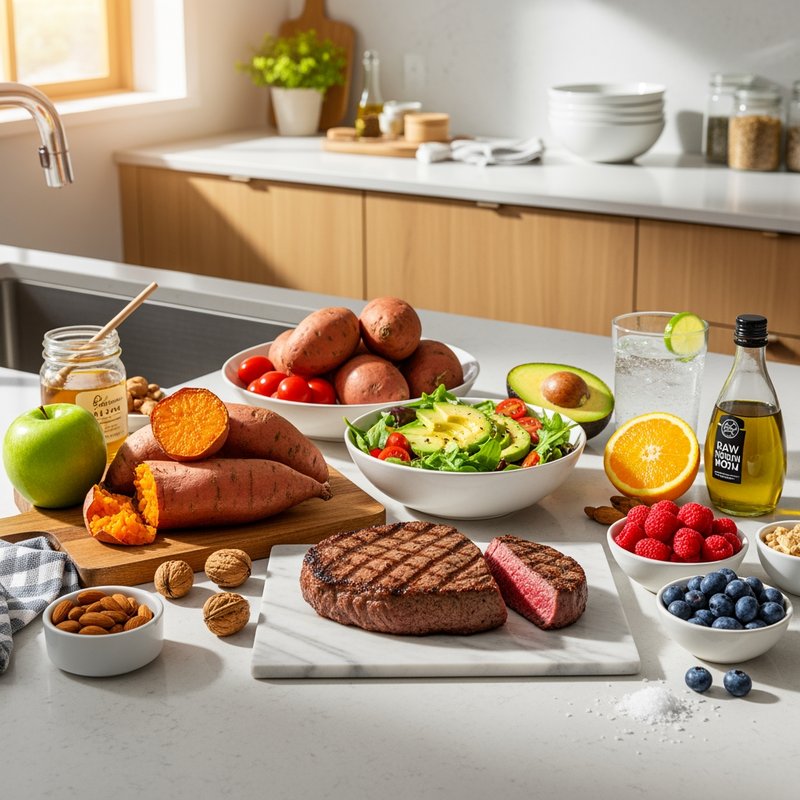
What the evidence says about Primal Blueprint and each condition, and the foods doing the work.
The Primal Blueprint diet may help manage autoimmune conditions by reducing inflammatory triggers, supporting gut health, and providing nutrient-dense foods that support immune system regulation.
How By eliminating potential inflammatory food triggers like grains and legumes, the diet reduces immune system activation. The focus on nutrient-dense whole foods provides essential micronutrients that support immune system balance and reduce systemic inflammation.
Key foods Wild-caught fish, grass-fed meats, bone broth, fermented foods, turmeric, ginger, dark leafy greens, coconut oil
The Primal Blueprint diet is specifically designed to reduce inflammatory responses by eliminating pro-inflammatory foods and emphasizing nutrient-rich, anti-inflammatory whole foods.
How By removing inflammatory triggers like processed grains and industrial seed oils, the diet reduces systemic inflammation. The high intake of omega-3 fatty acids, antioxidants, and phytonutrients actively suppresses inflammatory pathways and supports immune system regulation.
Key foods Wild-caught salmon, grass-fed beef, extra virgin olive oil, turmeric, ginger, dark leafy greens, berries, nuts and seeds
The Primal Blueprint diet eliminates refined carbohydrates and processed foods, which are primary drivers of insulin resistance. By focusing on whole foods, healthy fats, and low-glycemic vegetables, the diet helps stabilize blood sugar and improve insulin sensitivity.
How By reducing carbohydrate intake and eliminating processed sugars, the diet minimizes insulin spikes. The high intake of healthy fats and proteins helps regulate glucose metabolism and promotes more stable blood sugar levels, allowing cells to become more responsive to insulin.
Key foods Grass-fed beef, pastured eggs, wild-caught salmon, avocados, olive oil, nuts and seeds, leafy green vegetables
The Primal Blueprint diet addresses multiple metabolic syndrome markers by reducing inflammation, improving lipid profiles, and supporting weight management through nutrient-dense, whole food nutrition.
How By eliminating processed foods and focusing on anti-inflammatory nutrients, the diet helps reduce systemic inflammation. The high intake of omega-3 fatty acids and antioxidants improves cardiovascular markers, reduces oxidative stress, and supports metabolic health.
Key foods Wild-caught fish, grass-fed meats, coconut oil, olive oil, cruciferous vegetables, berries, nuts and seeds
The Primal Blueprint diet supports weight loss by promoting satiety, reducing processed food intake, and supporting metabolic flexibility through nutrient-dense whole foods.
How By eliminating refined carbohydrates and focusing on protein and healthy fats, the diet helps reduce overall calorie intake while maintaining nutritional density. The high protein and fat content increases satiety, reduces hunger hormones, and supports metabolic rate.
Key foods Grass-fed meats, wild-caught fish, pastured eggs, avocados, olive oil, leafy green vegetables, nuts and seeds
The Primal Blueprint diet helps manage and potentially reverse Type 2 diabetes by dramatically reducing carbohydrate intake and improving insulin sensitivity through whole food nutrition.
How By limiting carbohydrate intake and focusing on low-glycemic foods, the diet helps control blood sugar levels. The high fat and moderate protein content promotes stable insulin response and can improve cellular insulin sensitivity over time.
Key foods Pastured eggs, grass-fed beef, wild-caught fish, avocados, olive oil, low-carb vegetables, nuts and seeds
General information about how people eat, not medical advice. Talk to a clinician before changing your diet to treat a condition.
Open a recipe in Platewise and a voice sous chef reads the steps, runs the timers, and swaps what you don't have.