Heart-Healthy Diet
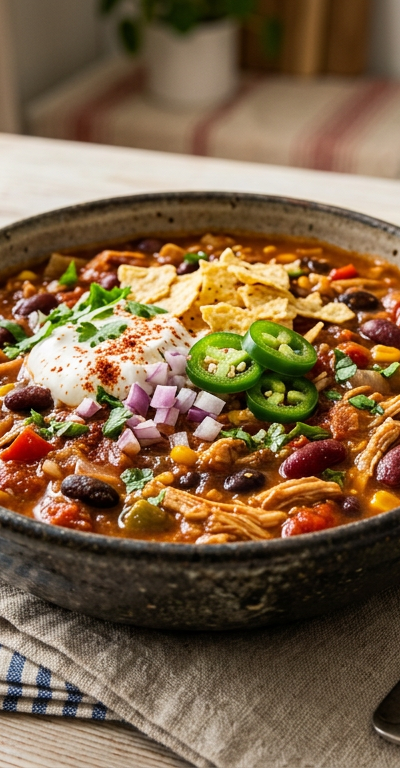
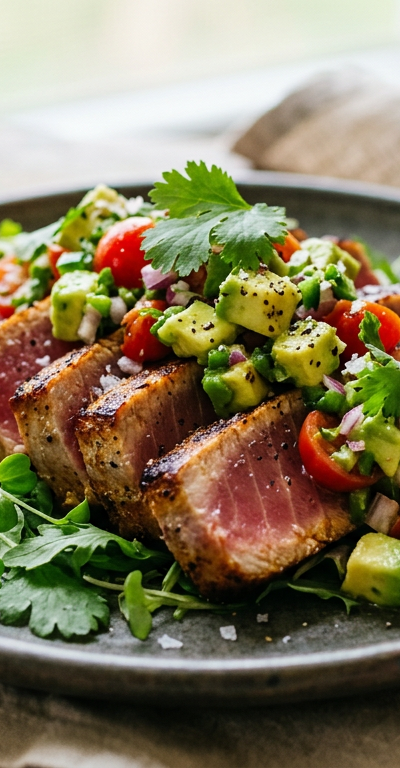
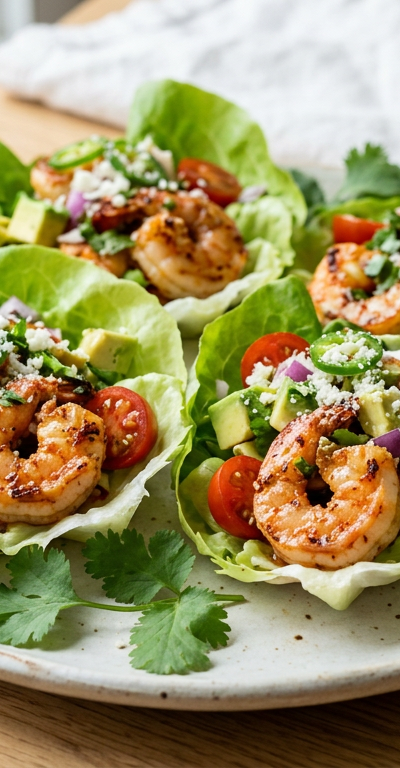
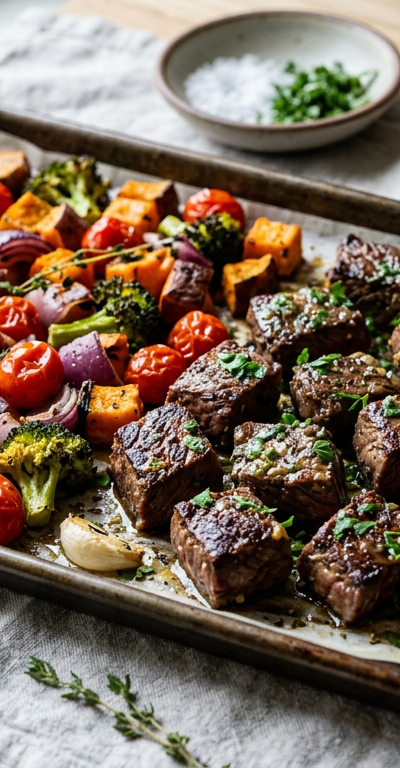
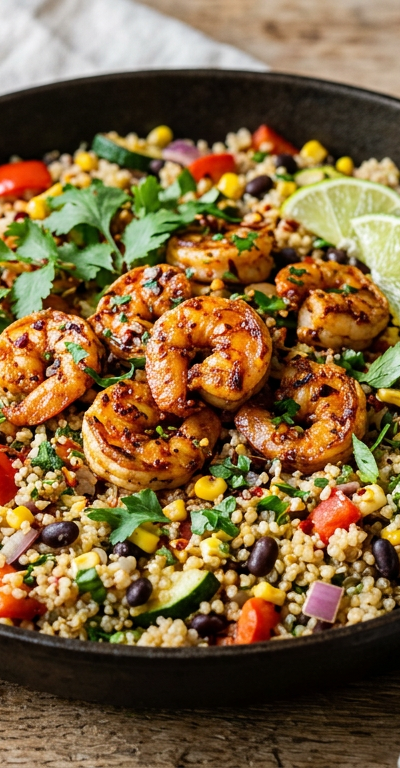
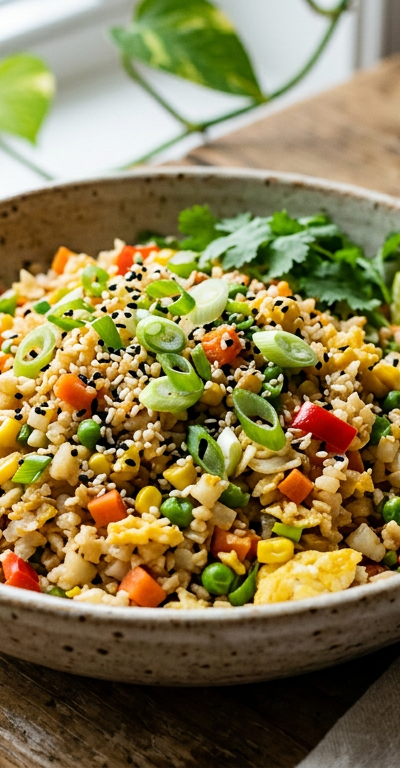
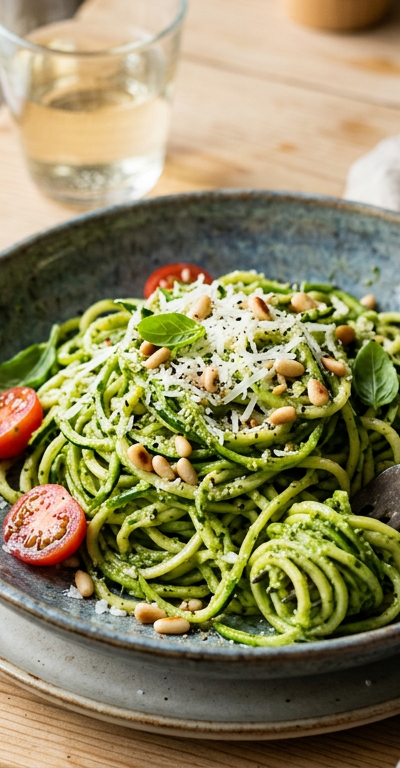
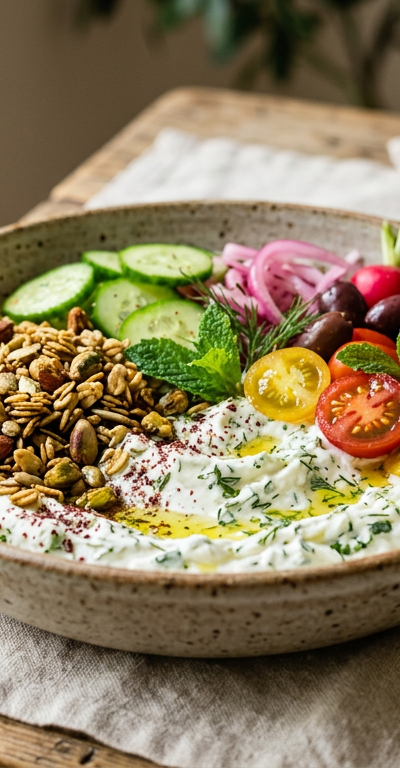
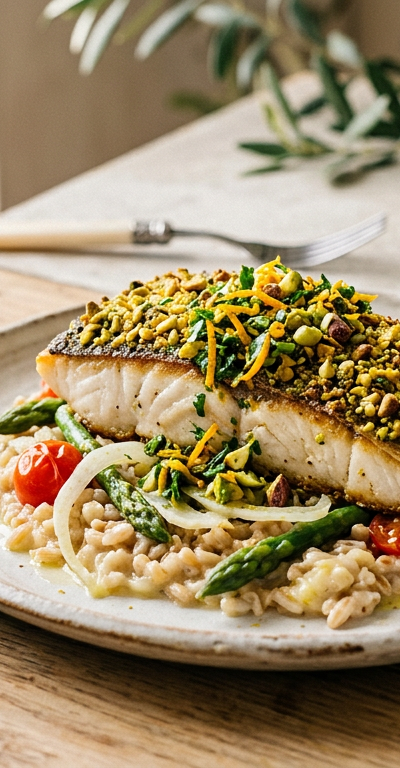
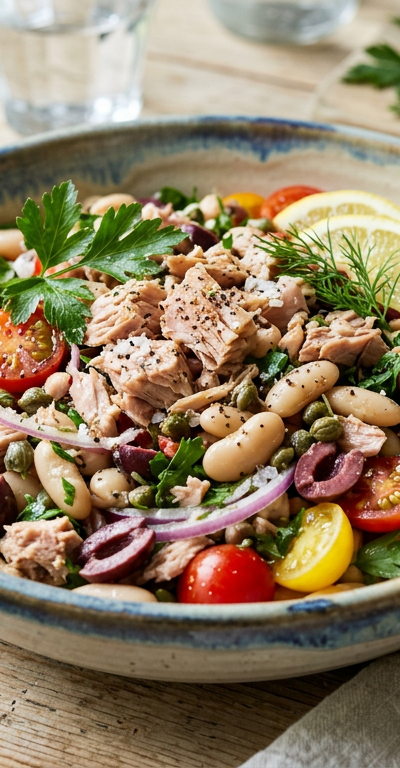
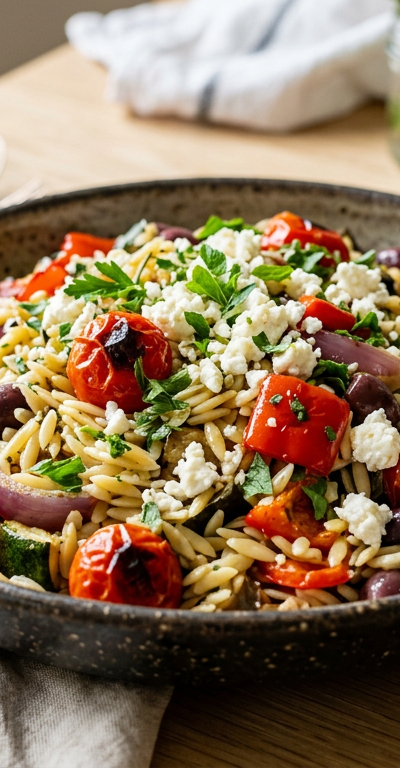
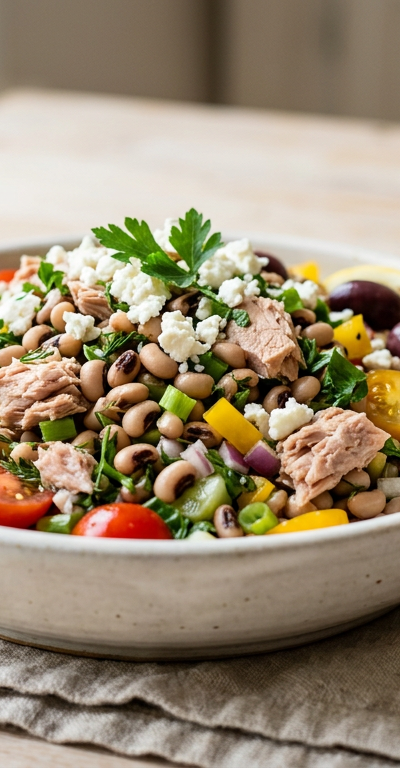
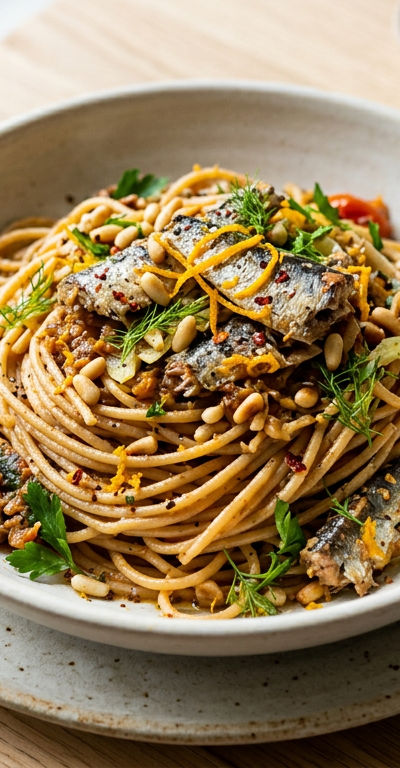
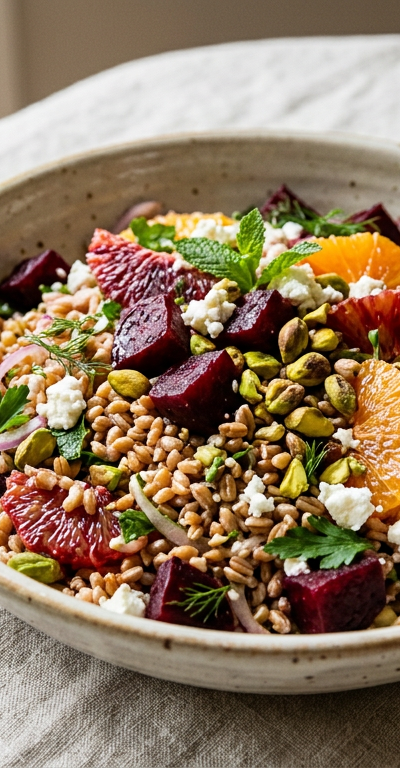
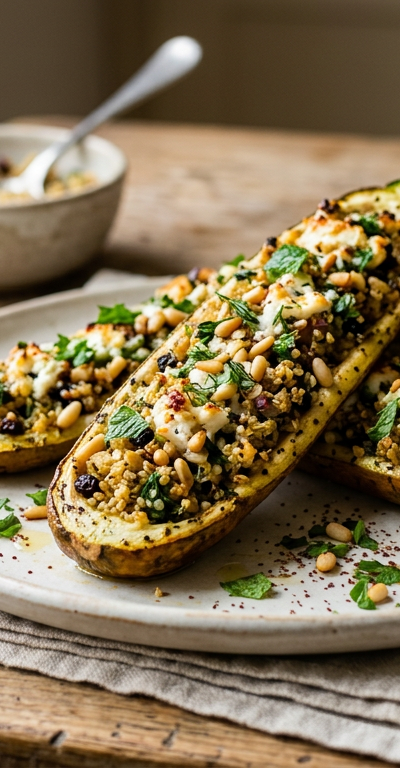
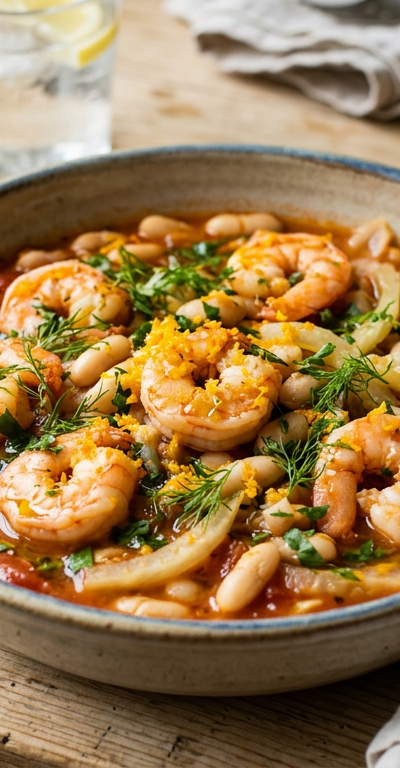
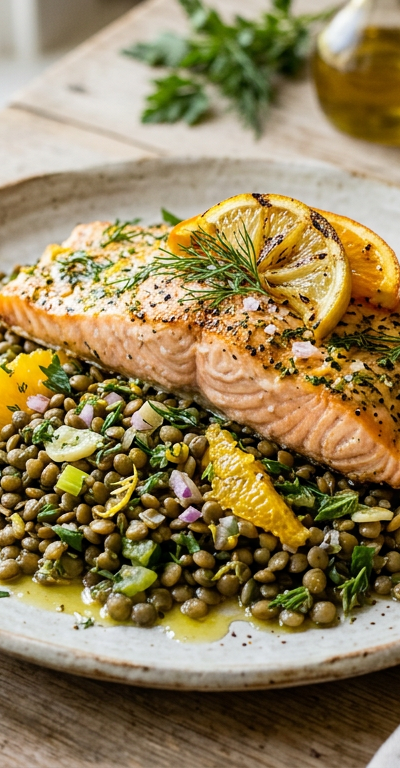
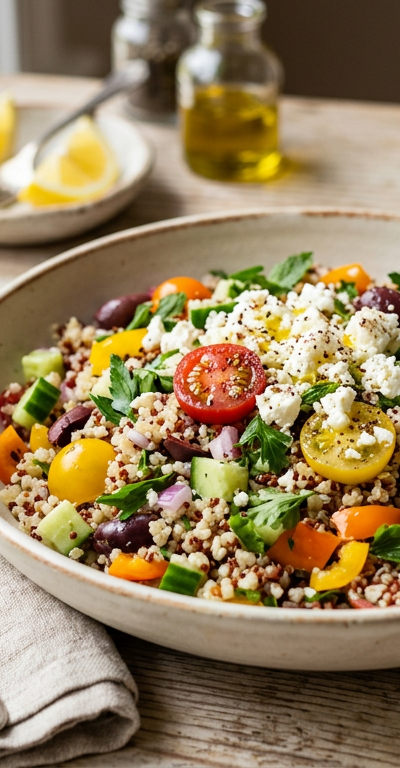
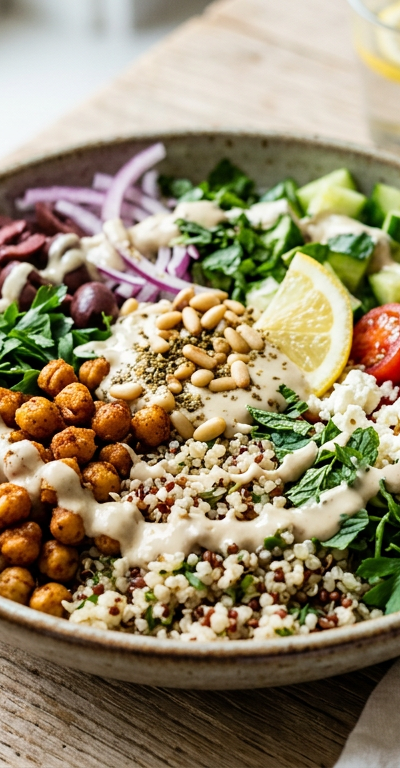
A Heart-Healthy Diet is an eating pattern specifically designed to reduce the risk of cardiovascular disease, lower blood pressure, and improve overall heart function. The core principles focus on reducing saturated fats, trans fats, sodium, and added sugars while emphasizing whole, nutrient-dense foods rich in fiber, healthy fats, and antioxidants. This dietary approach is strongly supported by organizations like the American Heart Association and has been validated through decades of cardiovascular research, including landmark studies like the Framingham Heart Study and the DASH (Dietary Approaches to Stop Hypertension) trials. The diet emphasizes consumption of fruits, vegetables, whole grains, legumes, nuts, seeds, fatty fish (particularly those rich in omega-3 fatty acids like salmon, mackerel, and sardines), lean poultry, and low-fat or fat-free dairy products. Healthy fats from sources like olive oil, avocados, and nuts are encouraged in moderation. Foods to limit or exclude include red meat, processed meats (bacon, sausage, deli meats), full-fat dairy products, fried foods, commercially baked goods, foods high in sodium (canned soups, frozen dinners, processed snacks), sugary beverages, and foods containing trans fats or partially hydrogenated oils. This diet is particularly beneficial for individuals with or at risk for heart disease, high blood pressure (hypertension), high cholesterol, atherosclerosis, type 2 diabetes, metabolic syndrome, and stroke. It also helps reduce chronic inflammation, a key contributor to cardiovascular problems. Scientific evidence demonstrates that following a heart-healthy eating pattern can lower LDL ("bad") cholesterol by 8-10%, reduce blood pressure by several points, decrease triglycerides, and lower the risk of heart attack and stroke by up to 30%. Anyone concerned about cardiovascular health, individuals with a family history of heart disease, those with existing cardiovascular conditions, people with diabetes, and adults over 40 would benefit significantly from adopting this dietary approach.