Clean Eating

Clean Eating

Clean Eating is a dietary approach that emphasizes consuming whole, minimally processed foods in their most natural state while avoiding refined and heavily processed products. The core principles focus on eating foods that are as close to their natural form as possible, reading ingredient labels carefully, and choosing items with short, recognizable ingredient lists. This means prioritizing fresh fruits and vegetables, whole grains, lean proteins, nuts, seeds, and healthy fats while cooking meals at home using simple preparation methods that preserve nutritional integrity. Foods typically included in Clean Eating are fresh or frozen fruits and vegetables (without added sauces or sugars), whole grains like quinoa, brown rice, and oats, lean proteins such as chicken, fish, eggs, and legumes, raw nuts and seeds, and healthy fats from sources like avocados, olive oil, and coconut oil. The diet excludes or strictly limits refined sugars and artificial sweeteners, white flour and refined grains, processed meats containing nitrates and preservatives, artificial colors and flavors, trans fats and hydrogenated oils, high-fructose corn syrup, and heavily processed convenience foods with long ingredient lists containing chemical additives. Clean Eating can help address multiple health conditions and concerns including inflammation, heart disease, type 2 diabetes, obesity, digestive issues, and metabolic syndrome. By reducing processed foods high in sodium, added sugars, and unhealthy fats, this approach naturally supports cardiovascular health and helps stabilize blood sugar levels. The emphasis on fiber-rich whole foods aids digestive health and can reduce systemic inflammation. Research published in journals like BMJ and the American Journal of Clinical Nutrition has shown that diets high in ultra-processed foods are associated with increased risks of cardiovascular disease, cancer, and all-cause mortality, while whole-food-based diets demonstrate protective effects. This diet is particularly beneficial for individuals looking to improve overall health and energy levels, those managing chronic conditions like diabetes or heart disease, people seeking sustainable weight management, individuals with sensitivities to artificial additives or preservatives, and anyone wanting to reduce their intake of added sugars and sodium. Clean Eating is also appropriate for families wanting to establish healthier eating habits and those concerned about food quality and transparency. Because it focuses on whole foods rather than extreme restrictions, it can be adapted to various dietary preferences including vegetarian, vegan, and gluten-free lifestyles, making it accessible and sustainable for long-term adherence.

305 recipes

Beneficial for:

Depression & Anxiety

Clean eating supports mental health by providing nutrient-dense foods that support neurotransmitter production and reduce systemic inflammation associated with mood disorders. The diet eliminates processed foods that can negatively impact brain chemistry.

Key foods: Wild-caught salmon, raw walnuts, organic blueberries, chia seeds, avocados, organic spinach, organic eggs

Digestive Disorders

Clean eating supports digestive health by eliminating processed foods, artificial additives, and potential irritants. The diet provides whole, nutrient-dense foods that support gut microbiome diversity and reduce digestive inflammation.

Key foods: Organic bone broth, fermented vegetables, raw sauerkraut, chia seeds, organic ginger, wild-caught salmon, organic spinach

Cardiovascular Disease

Clean eating supports heart health by emphasizing nutrient-dense, unprocessed foods that improve cholesterol profiles and reduce cardiovascular risk factors. The diet naturally limits sodium, trans fats, and refined sugars while providing heart-protective nutrients.

Key foods: Wild-caught salmon, extra virgin olive oil, raw almonds, organic spinach, quinoa, avocados, organic berries

Chronic Inflammation

Clean eating eliminates processed foods and inflammatory ingredients, directly reducing systemic inflammation. The diet focuses on whole foods rich in antioxidants and anti-inflammatory compounds that help modulate the body's inflammatory response.

Key foods: Wild-caught salmon, organic spinach, raw walnuts, turmeric, extra virgin olive oil, chia seeds, organic blueberries

Insulin Resistance

Clean eating helps manage insulin resistance by eliminating refined sugars and processed carbohydrates, stabilizing blood glucose levels. The diet emphasizes low-glycemic whole foods that support metabolic health and improve insulin sensitivity.

Key foods: Organic eggs, quinoa, chia seeds, organic berries, raw almonds, leafy greens, wild-caught salmon

Obesity

Clean eating supports weight management by providing nutrient-dense, low-processed foods that naturally regulate appetite and metabolism. The diet eliminates empty calories and focuses on whole foods that promote satiety and metabolic efficiency.

Key foods: Organic chicken breast, quinoa, organic eggs, raw almonds, avocados, leafy greens, chia seeds

Gluten-Free Diet

Gluten-Free Diet

A gluten-free diet is an eating plan that completely eliminates gluten, a protein composite found primarily in wheat, barley, rye, and their derivatives. This dietary approach requires careful attention to food labels and ingredient lists, as gluten can hide in unexpected products like sauces, processed meats, and even medications. The core principle is simple: avoid all sources of gluten while maintaining a nutritionally balanced diet through naturally gluten-free whole foods and certified gluten-free alternatives. Foods typically included in a gluten-free diet are naturally gluten-free items such as fruits, vegetables, legumes, nuts, seeds, eggs, dairy products, fresh meats, fish, poultry, and gluten-free grains like rice, quinoa, millet, buckwheat, amaranth, and certified gluten-free oats. Excluded foods include all products containing wheat (including spelt, kamut, and farro), barley, rye, triticale, malt, brewer's yeast, and wheat starch. Many processed foods must also be avoided unless specifically labeled gluten-free, including most breads, pastas, cereals, baked goods, beer, and many sauces and seasonings that use gluten-containing thickeners or flavorings. This diet is medically essential for individuals with celiac disease, an autoimmune disorder affecting approximately 1% of the population, where gluten consumption triggers an immune response that damages the small intestine and impairs nutrient absorption. It is also crucial for those with non-celiac gluten sensitivity (NCGS), wheat allergy, dermatitis herpetiformis, and gluten ataxia. Some individuals with irritable bowel syndrome (IBS), inflammatory bowel disease, or autoimmune conditions may also experience symptom relief on a gluten-free diet. Scientific evidence strongly supports the gluten-free diet as the only effective treatment for celiac disease, with research published in journals like Gastroenterology and The Lancet demonstrating that strict adherence allows intestinal healing, reduces inflammation, and prevents serious complications including malnutrition, osteoporosis, infertility, and certain cancers. While the gluten-free diet is essential for those with diagnosed gluten-related disorders, it may also benefit individuals experiencing unexplained digestive issues, chronic fatigue, brain fog, joint pain, or skin problems that improve with gluten elimination. However, it's important to note that this diet is not inherently healthier for the general population and may lead to nutritional deficiencies in fiber, B vitamins, and iron if not properly planned. Anyone considering a gluten-free diet should first consult with a healthcare provider and get tested for celiac disease before eliminating gluten, as gluten consumption is necessary for accurate diagnostic testing. Those who must follow this diet long-term benefit from working with a registered dietitian to ensure nutritional adequacy and learn to navigate food choices, cross-contamination risks, and social situations effectively.

280 recipes

Beneficial for:

Autoimmune Conditions

A gluten-free diet may benefit certain autoimmune conditions beyond celiac disease, particularly autoimmune thyroiditis (Hashimoto's), type 1 diabetes, and rheumatoid arthritis, where gluten may contribute to intestinal permeability and systemic inflammation. By removing gluten, the diet may reduce gut inflammation and decrease the autoimmune burden in susceptible individuals. Some studies suggest improvements in antibody levels and symptom severity, though responses vary significantly between individuals and conditions.

Key foods: Anti-inflammatory foods like wild salmon, leafy greens, blueberries and strawberries, walnuts, olive oil, turmeric, ginger, quinoa

Digestive Disorders

A gluten-free diet can alleviate symptoms in various digestive disorders including irritable bowel syndrome (IBS), particularly in individuals who are gluten-sensitive or have overlapping conditions. Many people with IBS report reduced bloating, gas, abdominal pain, and improved bowel regularity when eliminating gluten. The diet's emphasis on whole, unprocessed foods and naturally gluten-free grains also supports overall digestive health by providing fiber and reducing intake of heavily processed foods.

Key foods: Certified gluten-free oats for fiber, brown rice, quinoa, sweet potatoes, bananas, papaya, bone broth, fermented foods like yogurt (if tolerated)

Gluten Ataxia

A strict gluten-free diet is the primary treatment for gluten ataxia, a neurological manifestation of gluten sensitivity where antibodies attack the cerebellum causing balance and coordination problems. Early diagnosis and dietary intervention can halt progression and sometimes lead to improvement in ataxia symptoms, though established neurological damage may be irreversible. The diet must be maintained lifelong to prevent further cerebellar damage and worsening of neurological symptoms.

Key foods: Nutrient-dense gluten-free grains like quinoa and buckwheat, B-vitamin rich foods like eggs and leafy greens, omega-3 rich fish like salmon, nuts and seeds, legumes, fresh fruits and vegetables

Gluten-Related Peripheral Neuropathy

A gluten-free diet can halt progression and sometimes reverse symptoms of peripheral neuropathy in individuals with gluten-related neurological disease. This condition, often occurring with or without celiac disease, causes numbness, tingling, and pain in the hands and feet due to gluten-triggered nerve damage. Early dietary intervention provides the best outcomes, as established nerve damage may be permanent, though symptom stabilization and some improvement can occur even in advanced cases.

Key foods: B12-rich foods like wild salmon and eggs, B-vitamin rich quinoa and legumes, antioxidant-rich berries, walnuts rich in omega-3s, leafy greens, seeds like pumpkin and sunflower seeds

Non-Celiac Gluten Sensitivity

A gluten-free diet eliminates the trigger for symptoms in individuals with non-celiac gluten sensitivity, resolving gastrointestinal distress, brain fog, fatigue, and headaches. While the exact mechanism differs from celiac disease, removing gluten provides symptom relief without the need for medication. Many individuals report significant improvement in quality of life and digestive comfort within weeks of adopting this diet.

Key foods: Millet, amaranth, sweet potatoes, leafy greens like kale and spinach, almonds and almond flour, coconut flour, fresh berries, pasture-raised poultry

Chronic Inflammation

For individuals with gluten sensitivity or celiac disease, a gluten-free diet significantly reduces systemic inflammation by eliminating the trigger for gut-mediated inflammatory responses. When properly implemented with emphasis on anti-inflammatory whole foods rather than processed gluten-free alternatives, the diet can lower inflammatory markers like C-reactive protein and reduce overall inflammatory burden. However, benefits for chronic inflammation are most pronounced in those with documented gluten-related disorders rather than the general population.

Key foods: Anti-inflammatory foods like wild-caught salmon, sardines, leafy greens, berries, walnuts, olive oil, turmeric, ginger, green tea

Depression & Anxiety

Individuals with celiac disease or gluten sensitivity may experience improvements in depression and anxiety symptoms when following a strict gluten-free diet, as gluten-related inflammation and malabsorption can affect neurotransmitter production and brain function. Some studies show reduced anxiety and depression scores in celiac patients after adopting the diet, likely due to improved nutrient absorption and reduced systemic inflammation. However, evidence for mental health benefits in the general population without gluten-related disorders is limited.

Key foods: Omega-3 rich foods like salmon and walnuts, tryptophan-containing foods like turkey and eggs, B-vitamin rich quinoa and leafy greens, magnesium-rich pumpkin seeds and almonds, probiotic-rich yogurt

Inflammatory Bowel Disease

While not a primary treatment, some individuals with inflammatory bowel disease (IBD) report symptom improvement on a gluten-free diet, particularly those with concurrent gluten sensitivity or celiac disease, which occurs at higher rates in IBD patients. The diet may help reduce intestinal inflammation and improve gut barrier function in select patients. However, evidence is limited and individualized, and the diet should not replace standard IBD treatments but may serve as a complementary approach for those who respond positively.

Key foods: Easily digestible gluten-free grains like white rice, well-cooked quinoa, bananas, cooked carrots, salmon rich in omega-3s, bone broth, eggs, smooth nut butters

Migraines

Some migraine sufferers, particularly those with celiac disease or gluten sensitivity, experience reduced migraine frequency and severity on a gluten-free diet. Gluten may trigger migraines through inflammatory mechanisms, changes in gut permeability, or neurological effects in susceptible individuals. While not effective for all migraine patients, those with concurrent gluten-related disorders often report significant improvement in headache patterns after eliminating gluten.

Key foods: Quinoa, brown rice, fresh vegetables, fresh fruits (avoiding known triggers), wild-caught fish, eggs, nuts and seeds, magnesium-rich foods like pumpkin seeds

Celiac Disease

A gluten-free diet is the only medically recognized treatment for celiac disease, completely eliminating the trigger that causes intestinal damage and autoimmune response. Strict adherence allows the intestinal villi to heal, restores nutrient absorption, and resolves symptoms including diarrhea, bloating, fatigue, and malnutrition. This diet must be maintained lifelong to prevent complications such as osteoporosis, infertility, and increased cancer risk.

Key foods: Quinoa, buckwheat, certified gluten-free oats, brown rice, fresh fruits and vegetables, wild-caught salmon, grass-fed meats, eggs, legumes like lentils and chickpeas

Dermatitis Herpetiformis

A strict gluten-free diet is the definitive treatment for dermatitis herpetiformis, addressing the underlying gluten sensitivity that causes this skin manifestation of celiac disease. The diet eliminates the trigger for IgA antibody deposition in the skin, gradually resolving the intensely itchy rash and blisters over several months to years. Most patients can eventually discontinue medication (dapsone) once the diet has been maintained long enough for antibody levels to decline.

Key foods: Certified gluten-free oats, brown rice, quinoa, fresh vegetables, fresh fruits, wild-caught fish rich in omega-3s, nuts like walnuts and almonds, seeds like flaxseed and chia

Food Allergies & Sensitivities

A gluten-free diet directly addresses gluten-related food sensitivities and wheat allergies, eliminating a major category of food triggers that cause adverse reactions. This diet is essential for managing these specific sensitivities and often serves as a foundation for identifying other food intolerances through elimination protocols. By removing gluten-containing grains and focusing on whole, unprocessed foods, the diet reduces exposure to common allergens and additives found in processed wheat products.

Key foods: Single-ingredient whole foods like fresh meats, fish, eggs, fruits, vegetables, rice, quinoa, legumes, nuts (if tolerated), seeds

Wheat Allergy

A gluten-free diet that avoids all wheat products is essential for managing wheat allergy and preventing allergic reactions. By eliminating wheat proteins including albumin, globulin, gliadin, and gluten, the diet prevents IgE-mediated responses that can range from skin reactions and respiratory symptoms to life-threatening anaphylaxis. This dietary approach is the primary management strategy alongside emergency medication for accidental exposure.

Key foods: Rice and rice flour, corn and cornmeal, quinoa, buckwheat, fresh fruits, fresh vegetables, beans and lentils, nuts and seeds (if not allergic)

Mindful Eating

Mindful Eating

Mindful Eating is not a traditional diet with strict food rules, but rather a philosophy and practice rooted in mindfulness meditation that transforms one's relationship with food. The core principles include eating slowly and without distraction, listening to physical hunger and satiety cues, engaging all senses to appreciate food's colors, smells, textures, and flavors, learning to distinguish between true hunger and emotional triggers, and eating to maintain overall health and well-being rather than for emotional comfort. This approach emphasizes awareness of the eating experience itself, recognizing how food makes you feel physically and emotionally, and making conscious food choices that honor both health and satisfaction. Mindful Eating doesn't explicitly exclude any foods, as it's non-restrictive by nature and rejects diet mentality. However, it naturally encourages whole, minimally processed foods that provide genuine nourishment and satisfaction—such as fresh fruits and vegetables, whole grains, lean proteins, nuts, seeds, and legumes. The practice tends to reduce consumption of highly processed foods, excessive sugars, and foods eaten mindlessly, not because they're forbidden, but because mindful awareness often reveals they don't provide true satisfaction or make the body feel good. The emphasis is on quality over quantity and choosing foods that are both nutritionally beneficial and genuinely enjoyable. Mindful Eating has demonstrated benefits for numerous health conditions, particularly those with behavioral or stress-related components. Research shows significant effectiveness for binge eating disorder, emotional eating, obesity, and weight management by breaking the cycle of mindless consumption and emotional food relationships. It helps address diabetes by promoting better portion control and more stable eating patterns. The stress-reduction aspect of mindfulness can help reduce inflammation and improve digestive issues including irritable bowel syndrome (IBS), though it's not a treatment for structural conditions like Crohn's disease or celiac disease. Studies published in journals such as Appetite, Eating Behaviors, and the Journal of the Academy of Nutrition and Dietetics support mindful eating's role in reducing binge eating episodes, improving glycemic control, and promoting sustainable weight loss. This approach is particularly beneficial for individuals struggling with emotional eating, chronic dieting, disordered eating patterns, stress-related digestive issues, or anyone seeking a healthier relationship with food. It's ideal for people tired of restrictive diets who want a sustainable, long-term approach to eating. Those with diabetes, prediabetes, or metabolic syndrome can benefit from the improved eating awareness and portion control. Additionally, individuals dealing with anxiety, stress, or using food as a coping mechanism often find mindful eating transformative. It's suitable for nearly everyone, though those with active eating disorders should work with healthcare professionals, and those with medical conditions requiring specific dietary restrictions (like celiac disease) should combine mindful eating principles with their necessary dietary modifications.

212 recipes

Beneficial for:

Depression & Anxiety

Mindful Eating's approach of slow, conscious consumption and sensory appreciation helps reduce stress and improve mental well-being. The diet's focus on nutrient-rich whole foods supports brain chemistry and provides essential nutrients for mental health.

Key foods: Fatty fish like salmon, walnuts, dark leafy greens, berries, dark chocolate, fermented foods like yogurt, pumpkin seeds

Digestive Disorders

Mindful Eating supports digestive health through whole, minimally processed foods and a conscious approach to eating that reduces digestive stress. The diet emphasizes nutrient-dense foods that support gut health and reduce inflammation.

Key foods: Fermented foods like yogurt, leafy green vegetables, legumes, whole grains, ginger, turmeric, nuts and seeds

Insulin Resistance

Mindful Eating helps manage insulin resistance by focusing on whole foods with low glycemic impact and encouraging conscious eating patterns that support metabolic health. The diet emphasizes nutrient-dense foods that improve insulin sensitivity.

Key foods: Leafy green vegetables, legumes, nuts and seeds, whole grains like quinoa, berries, lean proteins, extra virgin olive oil

Metabolic Syndrome

Mindful Eating addresses metabolic syndrome by promoting whole foods that regulate blood sugar, improve insulin sensitivity, and support healthy weight management. The approach encourages conscious eating and nutrient-dense food choices.

Key foods: Whole grains like quinoa, legumes, leafy green vegetables, berries, nuts and seeds, lean proteins, extra virgin olive oil

Cardiovascular Disease

Mindful Eating supports cardiovascular health through a diet rich in heart-protective nutrients, whole grains, and anti-inflammatory foods. The approach reduces processed food intake and emphasizes nutrient-dense options that support heart function.

Key foods: Fatty fish like salmon, olive oil, nuts and seeds, berries, leafy green vegetables, whole grains, legumes

Chronic Inflammation

Mindful Eating's emphasis on whole, minimally processed foods rich in antioxidants and anti-inflammatory compounds directly combats chronic inflammation. By focusing on fresh fruits, vegetables, and whole grains, the diet provides powerful nutrients that reduce inflammatory markers and support cellular health.

Key foods: Leafy green vegetables, berries, fatty fish like salmon, turmeric, ginger, extra virgin olive oil, chia seeds, walnuts

Intermittent Fasting

Intermittent Fasting

Intermittent Fasting (IF) is an eating pattern that cycles between periods of eating and voluntary fasting on a regular schedule, focusing on *when* you eat rather than *what* you eat. The most popular approaches include the 16/8 method (fasting for 16 hours and eating within an 8-hour window), the 5:2 diet (eating normally five days a week and restricting calories to 500-600 on two non-consecutive days), alternate-day fasting, and the eat-stop-eat method (24-hour fasts once or twice per week). During fasting periods, only zero-calorie beverages like water, black coffee, and unsweetened tea are permitted, while eating windows allow normal food consumption, though nutrient-dense whole foods are recommended for optimal results. Intermittent fasting doesn't inherently exclude specific foods during eating windows, but practitioners are encouraged to emphasize whole, unprocessed foods including lean proteins, vegetables, fruits, whole grains, legumes, nuts, seeds, and healthy fats. Foods to minimize include ultra-processed items, excessive added sugars, refined carbohydrates, and trans fats. The flexibility of IF allows it to be combined with other dietary approaches like Mediterranean, low-carb, or plant-based eating patterns. Proper hydration during fasting periods is crucial, and breaking fasts with balanced, nutrient-rich meals helps maintain stable blood sugar and energy levels. Research suggests intermittent fasting may benefit multiple health conditions including type 2 diabetes (by improving insulin sensitivity and blood sugar control), cardiovascular disease (by reducing blood pressure, cholesterol, and triglycerides), obesity and metabolic syndrome, chronic inflammation, and potentially neurodegenerative conditions like Alzheimer's disease. Studies indicate IF may promote cellular autophagy (the body's cellular cleanup process), support weight loss while preserving muscle mass, and improve markers of oxidative stress. The eating pattern has shown promise for reducing inflammatory markers, which may benefit conditions like arthritis and inflammatory bowel diseases, though those with Crohn's disease or ulcerative colitis should consult healthcare providers before starting. Intermittent fasting may be particularly beneficial for individuals seeking weight loss, those with prediabetes or type 2 diabetes (under medical supervision), people with metabolic syndrome, and those looking to simplify their eating patterns while improving metabolic health. However, IF is not appropriate for everyone—pregnant or breastfeeding women, children and adolescents, individuals with a history of eating disorders, those with certain medical conditions, people taking specific medications, and anyone with type 1 diabetes should avoid IF or only attempt it under close medical supervision. Athletes with high training demands and individuals with high physical stress may also need modified approaches to ensure adequate nutrition and recovery.

184 recipes

Beneficial for:

Athletic Performance

Intermittent fasting can enhance athletic performance by improving metabolic flexibility, increasing fat oxidation capacity, and optimizing body composition. When properly timed around training, IF promotes favorable hormonal changes including increased growth hormone and improved testosterone-to-cortisol ratios. The nutrient-dense eating windows ensure adequate fuel for performance and recovery while the fasting periods enhance mitochondrial efficiency and cellular adaptation to training stress.

Key foods: Lean proteins like chicken, turkey, and fish, complex carbohydrates like sweet potatoes and quinoa, Greek yogurt, eggs, nuts like almonds and cashews, seeds like pumpkin and sunflower seeds, leafy greens, berries like blueberries and cherries

Autoimmune Conditions

Intermittent fasting may help modulate immune system function and reduce autoimmune activity by decreasing systemic inflammation, promoting regulatory T-cell function, and reducing autoreactive immune cells. The fasting periods trigger autophagy, which helps remove damaged cells and proteins that could trigger autoimmune responses. Some research suggests IF can reduce disease activity and symptoms in various autoimmune conditions by rebalancing immune function.

Key foods: Fatty fish like salmon and sardines, leafy greens like kale and Swiss chard, berries like blueberries and strawberries, nuts like walnuts, seeds like flaxseeds and chia seeds, olive oil, cruciferous vegetables like broccoli, legumes like lentils

Cancer Prevention

Intermittent fasting may reduce cancer risk through multiple mechanisms including reduced insulin and IGF-1 levels, enhanced autophagy, decreased inflammation, and improved immune surveillance. The fasting periods create a metabolic environment that is less favorable for cancer cell growth while potentially making cancer cells more vulnerable to treatment. Animal studies show significant reductions in tumor incidence and growth, though human research is still emerging.

Key foods: Cruciferous vegetables like broccoli and cauliflower, berries like blueberries and raspberries, leafy greens like kale and spinach, fatty fish like salmon, nuts like walnuts and almonds, legumes like lentils and black beans, olive oil, garlic and onions

Cognitive Decline

Intermittent fasting supports brain health by promoting neuroplasticity, reducing neuroinflammation, and enhancing the production of brain-derived neurotrophic factor (BDNF). The metabolic switch to ketone production during fasting provides an efficient alternative fuel source for the brain that may protect against age-related cognitive decline. Studies show improvements in memory, learning, and executive function, along with potential protective effects against neurodegenerative diseases.

Key foods: Fatty fish like salmon and mackerel, blueberries and strawberries, walnuts and almonds, leafy greens like spinach and kale, avocados, eggs, olive oil, dark chocolate with minimal sugar

Depression & Anxiety

Intermittent fasting may improve mood and reduce symptoms of depression and anxiety through multiple neurobiological mechanisms including increased BDNF production, reduced inflammation, and improved gut-brain axis function. The metabolic benefits of IF, including stable blood sugar and enhanced mitochondrial function, support optimal neurotransmitter production and brain energy metabolism. Some studies show improvements in mood scores, stress resilience, and overall mental well-being with IF protocols.

Key foods: Fatty fish like salmon and sardines, leafy greens like spinach and kale, nuts like walnuts and almonds, seeds like pumpkin and flaxseeds, legumes like lentils and chickpeas, berries like blueberries, fermented foods like Greek yogurt, eggs

High Cholesterol

Intermittent fasting improves cholesterol profiles by reducing LDL cholesterol and triglycerides while increasing beneficial HDL cholesterol. The extended fasting periods enhance fat metabolism and reduce hepatic production of VLDL particles. Combined with heart-healthy whole foods rich in fiber and omega-3 fatty acids, IF promotes optimal lipid profiles and reduces cardiovascular risk.

Key foods: Fatty fish like salmon, mackerel, and sardines, nuts like walnuts and almonds, seeds like flaxseeds and chia seeds, olive oil, avocados, legumes like lentils and chickpeas, oats and barley, leafy greens

Hypertension

Intermittent fasting reduces blood pressure through multiple mechanisms including weight loss, improved insulin sensitivity, reduced sympathetic nervous system activity, and enhanced endothelial function. Studies show significant reductions in both systolic and diastolic blood pressure with IF protocols. The emphasis on whole, unprocessed foods naturally reduces sodium intake while increasing potassium and other minerals that support healthy blood pressure regulation.

Key foods: Leafy greens like spinach and Swiss chard, fatty fish like salmon and sardines, legumes like lentils and kidney beans, nuts like almonds and pistachios, seeds like pumpkin and sunflower seeds, avocados, berries like blueberries, olive oil

Polycystic Ovary Syndrome

Intermittent fasting addresses the underlying insulin resistance that drives PCOS by improving insulin sensitivity and reducing hyperinsulinemia. This leads to decreased androgen production, improved menstrual regularity, and better ovulation rates. Studies show IF can reduce testosterone levels, improve hormonal balance, and promote weight loss, all of which are crucial for managing PCOS symptoms.

Key foods: Lean proteins like chicken and turkey, fatty fish like salmon, leafy greens like spinach and kale, legumes like lentils and chickpeas, nuts like almonds and walnuts, seeds like flaxseeds and pumpkin seeds, berries like blueberries, non-starchy vegetables like broccoli

Acne

Intermittent fasting may improve acne by reducing insulin and IGF-1 levels, which are known to stimulate sebum production and promote inflammation in skin follicles. The reduction in meal frequency and emphasis on whole foods minimizes blood sugar spikes and reduces the glycemic load that can exacerbate acne. Some individuals report clearer skin with IF, though research is limited and results vary.

Key foods: Fatty fish like salmon and sardines, leafy greens like spinach and kale, nuts like walnuts and almonds, seeds like flaxseeds and pumpkin seeds, berries like blueberries, legumes like lentils, olive oil, non-starchy vegetables like broccoli

Digestive Disorders

Intermittent fasting may benefit certain digestive disorders by giving the digestive system extended periods of rest, reducing inflammation in the gut, and promoting beneficial changes in gut microbiota composition. The fasting periods allow for more complete digestion and may reduce symptoms like bloating, gas, and discomfort in some individuals. The emphasis on whole, unprocessed foods during eating windows supports gut health and reduces exposure to irritating additives and processed ingredients.

Key foods: Fermented foods like Greek yogurt and kefir, leafy greens like spinach, cooked vegetables like carrots and squash, lean proteins like chicken and fish, legumes like lentils, nuts like almonds, seeds like pumpkin seeds, bone broth

Cardiovascular Disease

Intermittent fasting improves multiple cardiovascular risk factors including blood pressure, cholesterol profiles, inflammatory markers, and oxidative stress. The combination of fasting periods with heart-healthy whole foods reduces arterial plaque formation, improves endothelial function, and decreases overall cardiovascular disease risk. Studies show reductions in LDL cholesterol, triglycerides, and blood pressure, along with increases in beneficial HDL cholesterol.

Key foods: Fatty fish like salmon, sardines, and mackerel, nuts like walnuts and almonds, olive oil, avocados, leafy greens like spinach and arugula, berries like strawberries and blueberries, legumes like lentils and black beans, whole grains like oats and quinoa

Chronic Inflammation

Intermittent fasting powerfully reduces systemic inflammation by decreasing pro-inflammatory cytokines, oxidative stress, and inflammatory markers like CRP, IL-6, and TNF-alpha. The fasting periods activate cellular stress resistance pathways and autophagy, which clear damaged proteins and cellular debris that contribute to inflammation. Combined with anti-inflammatory whole foods during eating windows, IF provides comprehensive inflammation reduction.

Key foods: Fatty fish like salmon and sardines, leafy greens like kale and collard greens, berries like blueberries and blackberries, nuts like walnuts and pecans, seeds like flaxseeds and chia seeds, olive oil, turmeric-spiced legumes, cruciferous vegetables like broccoli and cauliflower

Insulin Resistance

Intermittent fasting is one of the most effective dietary interventions for reversing insulin resistance by reducing the frequency of insulin secretion and allowing insulin receptors to resensitize. The extended fasting periods lower baseline insulin levels and reduce the total insulin burden on cells throughout the day. Combined with nutrient-dense foods that don't spike blood sugar during eating windows, IF can dramatically improve insulin sensitivity within weeks.

Key foods: Lean proteins like chicken and turkey, fatty fish like salmon and mackerel, leafy greens like spinach and kale, legumes like lentils and chickpeas, nuts like almonds and walnuts, seeds like chia and flaxseeds, non-starchy vegetables like broccoli and peppers, berries like blueberries

Longevity & Healthy Aging

Intermittent fasting activates multiple longevity pathways including autophagy, enhanced mitochondrial function, reduced oxidative stress, and improved cellular stress resistance. The fasting periods trigger beneficial hormetic stress responses that strengthen cells against aging-related damage. IF has been shown to extend lifespan in multiple animal models and improve biomarkers of aging in humans, including reduced inflammation, better metabolic health, and enhanced cellular repair mechanisms.

Key foods: Fatty fish like salmon and sardines, leafy greens like kale and spinach, berries like blueberries and strawberries, nuts like walnuts and almonds, seeds like flaxseeds and pumpkin seeds, legumes like lentils and black beans, olive oil, cruciferous vegetables like broccoli

Metabolic Syndrome

Intermittent fasting addresses all five components of metabolic syndrome: abdominal obesity, high blood pressure, elevated blood sugar, high triglycerides, and low HDL cholesterol. The combination of time-restricted eating with nutrient-dense whole foods improves insulin sensitivity, reduces visceral fat, lowers blood pressure, and optimizes lipid profiles. Research demonstrates significant improvements in waist circumference, fasting glucose, and cardiovascular risk markers.

Key foods: Fatty fish like salmon and mackerel, leafy greens like kale and Swiss chard, nuts like walnuts and almonds, seeds like flaxseeds and chia seeds, legumes like chickpeas and kidney beans, berries like blueberries and raspberries, olive oil, avocados

Non-Alcoholic Fatty Liver Disease

Intermittent fasting effectively reduces hepatic fat accumulation by promoting fat oxidation and reducing de novo lipogenesis in the liver. The extended fasting periods deplete liver glycogen stores and trigger the breakdown of stored liver fat for energy. Studies demonstrate significant reductions in liver enzymes, liver fat content, and improvements in liver function markers with IF protocols.

Key foods: Lean proteins like chicken and turkey, fatty fish like salmon and mackerel, leafy greens like spinach and kale, cruciferous vegetables like broccoli and Brussels sprouts, nuts like almonds and walnuts, legumes like lentils and chickpeas, olive oil, berries like blueberries

Obesity

Intermittent fasting promotes weight loss through multiple mechanisms including reduced caloric intake, enhanced fat oxidation during fasting periods, and improved metabolic flexibility. The time-restricted eating pattern naturally limits opportunities for excessive calorie consumption while the focus on nutrient-dense, satiating foods helps control hunger and prevent overeating. IF has been shown to preserve lean muscle mass better than continuous calorie restriction while promoting fat loss.

Key foods: Lean proteins like chicken, fish, and turkey, high-fiber vegetables like broccoli and Brussels sprouts, legumes like black beans and lentils, healthy fats like avocados and olive oil, nuts like almonds and cashews, seeds like pumpkin and sunflower seeds, whole grains like quinoa and oats, Greek yogurt

Type 2 Diabetes

Intermittent fasting significantly improves insulin sensitivity and glucose regulation by reducing the frequency of insulin spikes throughout the day. Extended fasting periods allow blood sugar and insulin levels to normalize, while nutrient-dense eating windows provide stable energy without causing dramatic glucose fluctuations. Studies show IF can reduce HbA1c levels, decrease fasting glucose, and in some cases reduce or eliminate the need for diabetes medications.

Key foods: Lean proteins like chicken breast and turkey, fatty fish like salmon and sardines, leafy greens like spinach and kale, legumes like lentils and chickpeas, nuts like almonds and walnuts, seeds like chia and flaxseeds, non-starchy vegetables like broccoli and cauliflower, berries like blueberries and strawberries

Migraines

Intermittent fasting shows promise for reducing migraine frequency and severity, possibly through improved metabolic stability, reduced inflammation, and enhanced mitochondrial function in brain cells. Some research suggests that the metabolic switch to ketone production during fasting may provide neuroprotective effects and stabilize neuronal excitability. However, it's important to note that fasting can initially trigger migraines in some individuals before potential benefits emerge.

Key foods: Fatty fish like salmon and mackerel, leafy greens like spinach and kale, nuts like almonds and walnuts, seeds like pumpkin and flaxseeds, berries like blueberries, avocados, olive oil, ginger

Mediterranean Diet

Mediterranean Diet

The Mediterranean Diet is a heart-healthy eating pattern inspired by the traditional dietary habits of people living in countries bordering the Mediterranean Sea, including Greece, Italy, Spain, and southern France. This lifestyle-oriented approach emphasizes whole, minimally processed foods and has been extensively studied for its numerous health benefits. The core principles focus on plant-based eating, healthy fats, moderate portions of fish and poultry, and minimal consumption of red meat and sweets. It's not a restrictive diet but rather a sustainable way of eating that encourages social meals, physical activity, and enjoyment of food. The diet prominently features extra virgin olive oil as the primary fat source, abundant vegetables and fruits, whole grains, legumes (beans, lentils, chickpeas), nuts, seeds, and herbs and spices for flavoring. Fish and seafood are consumed at least twice weekly, while poultry, eggs, cheese, and yogurt are eaten in moderate amounts. Red meat is limited to a few times per month, and processed meats, refined grains, added sugars, and highly processed foods are minimized or avoided. Red wine may be consumed in moderation with meals, though this is optional. The diet naturally excludes or limits trans fats, heavily processed foods, sugary beverages, and foods high in added sodium. Extensive scientific research supports the Mediterranean Diet's effectiveness in addressing multiple health conditions. It has been shown to significantly reduce the risk of cardiovascular disease, stroke, and heart attacks by improving cholesterol levels, reducing inflammation, and supporting healthy blood pressure. The diet helps manage and prevent type 2 diabetes through better blood sugar control and insulin sensitivity. Studies indicate it may reduce the risk of certain cancers, support cognitive function and reduce Alzheimer's disease risk, aid in healthy weight management, and decrease chronic inflammation associated with numerous diseases. The PREDIMED study, one of the largest nutritional intervention trials, demonstrated a 30% reduction in cardiovascular events among high-risk individuals following this diet. This dietary pattern is particularly beneficial for individuals with or at risk for heart disease, high cholesterol, hypertension, type 2 diabetes, metabolic syndrome, and inflammatory conditions. It's also excellent for those seeking sustainable weight management, improved cognitive health, or simply a balanced, enjoyable approach to eating. The diet is suitable for most people, including older adults, and can be adapted for various cultural preferences. Its emphasis on whole foods and flexibility makes it one of the most sustainable and widely recommended eating patterns by healthcare professionals worldwide.

176 recipes

Beneficial for:

Autoimmune Conditions

The Mediterranean Diet's potent anti-inflammatory properties make it beneficial for managing various autoimmune conditions including rheumatoid arthritis, lupus, and multiple sclerosis. The diet helps modulate immune system function, reducing autoimmune flares and inflammatory symptoms. Research shows improvements in disease activity scores, reduced joint pain and swelling, and decreased need for anti-inflammatory medications in patients following this dietary pattern.

Key foods: Fatty fish like salmon and sardines, extra virgin olive oil, leafy greens like spinach and kale, berries, walnuts, turmeric and ginger, garlic, legumes

Cancer Prevention

The Mediterranean Diet has been associated with reduced risk of several cancers, particularly colorectal, breast, and prostate cancers, in large epidemiological studies. The diet's abundance of antioxidants, fiber, and anti-inflammatory compounds helps protect against DNA damage, supports healthy cell division, and promotes the elimination of potential carcinogens. The emphasis on plant-based foods provides phytochemicals that have demonstrated anti-cancer properties in research studies.

Key foods: Extra virgin olive oil, tomatoes rich in lycopene, cruciferous vegetables like broccoli, leafy greens, legumes like beans, whole grains, fatty fish, berries, garlic, herbs like oregano and thyme

Depression & Anxiety

Emerging research, including the landmark SMILES trial, demonstrates that the Mediterranean Diet can significantly reduce symptoms of depression and anxiety. The diet supports mental health through multiple pathways including improved gut microbiome diversity, reduced inflammation, and provision of nutrients essential for neurotransmitter production. The emphasis on omega-3 fatty acids and B vitamins particularly supports brain chemistry balance and mood regulation.

Key foods: Fatty fish like salmon and mackerel, extra virgin olive oil, leafy greens like spinach, legumes like lentils, nuts like walnuts and almonds, whole grains, fermented foods like yogurt, berries

Digestive Disorders

The Mediterranean Diet supports overall digestive health through its high fiber content, anti-inflammatory properties, and promotion of beneficial gut bacteria. The diet can help manage various digestive issues including constipation, bloating, and general gastrointestinal discomfort. The emphasis on whole, minimally processed foods and the inclusion of fermented dairy products support a healthy gut microbiome and optimal digestive function.

Key foods: Extra virgin olive oil, vegetables like zucchini and fennel, whole grains like farro, legumes, leafy greens, yogurt with live cultures, herbs like mint and basil, figs and prunes

Gout

The Mediterranean Diet helps manage gout by reducing uric acid levels and inflammatory responses that trigger painful gout attacks. The diet's emphasis on plant-based foods, low-fat dairy, and limited red meat naturally reduces purine intake, the precursor to uric acid. The anti-inflammatory properties of the diet help reduce the severity and frequency of gout flares when they do occur.

Key foods: Low-fat yogurt, cherries and berries, leafy greens like spinach, whole grains, legumes in moderation, extra virgin olive oil, vegetables like peppers and tomatoes, coffee

Non-Alcoholic Fatty Liver Disease

The Mediterranean Diet has shown significant benefits in reducing liver fat accumulation, improving liver enzyme levels, and reversing non-alcoholic fatty liver disease (NAFLD). The diet's emphasis on healthy fats, particularly from olive oil and fish, along with its anti-inflammatory properties, helps reduce hepatic steatosis and inflammation. Studies demonstrate improvements in liver histology and reductions in fibrosis progression with adherence to this dietary pattern.

Key foods: Extra virgin olive oil, fatty fish like salmon and mackerel, walnuts, leafy greens like spinach, whole grains, legumes like lentils, vegetables like artichokes and asparagus, coffee

Osteoporosis

The Mediterranean Diet supports bone health through its provision of calcium, vitamin K, magnesium, and anti-inflammatory compounds that protect against bone loss. The diet's alkaline-promoting nature from abundant fruits and vegetables may help preserve bone mineral density by reducing calcium loss. Studies show that adherence to the Mediterranean Diet is associated with higher bone mineral density and reduced fracture risk, particularly in older adults.

Key foods: Leafy greens like kale and collard greens, fatty fish like sardines with bones and salmon, dairy products like yogurt and cheese in moderation, almonds, sesame seeds, figs, legumes like white beans, herbs like parsley

Polycystic Ovary Syndrome

The Mediterranean Diet helps manage PCOS by improving insulin sensitivity, reducing inflammation, and supporting hormonal balance, addressing the root metabolic dysfunction of the condition. Women with PCOS following this diet show improvements in menstrual regularity, reduced androgen levels, improved ovulation rates, and better fertility outcomes. The diet's anti-inflammatory properties and emphasis on low-glycemic foods help manage the insulin resistance that underlies many PCOS symptoms.

Key foods: Extra virgin olive oil, fatty fish like salmon, whole grains like bulgur and quinoa, legumes like lentils and chickpeas, leafy greens, nuts like almonds and walnuts, berries, cinnamon

Rheumatoid Arthritis

The Mediterranean Diet has demonstrated significant benefits for rheumatoid arthritis patients, including reduced joint pain, decreased morning stiffness, and improved physical function. The diet's powerful anti-inflammatory effects directly target the inflammatory processes driving RA symptoms. Clinical studies show that RA patients following this diet experience reduced disease activity scores and may require lower doses of anti-inflammatory medications.

Key foods: Fatty fish like salmon and sardines, extra virgin olive oil, walnuts, leafy greens like kale and spinach, berries, turmeric, ginger, garlic

Chronic Kidney Disease

The Mediterranean Diet shows promise for slowing the progression of chronic kidney disease and reducing cardiovascular complications, which are the leading cause of death in CKD patients. The diet's anti-inflammatory properties and cardiovascular benefits are particularly relevant for kidney disease management. However, modifications may be needed for advanced CKD to manage potassium, phosphorus, and protein intake appropriately.

Key foods: Extra virgin olive oil, low-potassium vegetables like peppers and onions, whole grains in moderation, egg whites, small portions of fish, berries, herbs for flavoring instead of salt, apples

Inflammatory Bowel Disease

The Mediterranean Diet's anti-inflammatory properties and support for gut microbiome health make it a promising dietary approach for managing inflammatory bowel disease, though research is still emerging. The diet may help reduce inflammation, support intestinal healing, and extend periods of remission in IBD patients. Individual tolerance varies, and some modifications may be needed during active flares, particularly regarding fiber and raw vegetables.

Key foods: Extra virgin olive oil, cooked vegetables like zucchini and carrots, fatty fish like salmon, white rice and refined grains during flares, yogurt with probiotics, herbs like turmeric, well-cooked legumes, bananas

Cardiovascular Disease

The Mediterranean Diet is one of the most extensively studied dietary patterns for cardiovascular health, with landmark trials like PREDIMED showing significant reductions in heart attack, stroke, and cardiovascular death. The diet's emphasis on monounsaturated fats, omega-3 fatty acids, antioxidants, and fiber works synergistically to improve multiple cardiovascular risk factors including blood pressure, lipid profiles, and endothelial function. Regular consumption of anti-inflammatory foods reduces arterial plaque formation and improves overall heart health.

Key foods: Extra virgin olive oil, fatty fish like salmon and sardines, walnuts and almonds, whole grains like farro and barley, leafy greens like spinach and arugula, tomatoes, legumes like chickpeas and lentils, red wine in moderation

Chronic Inflammation

The Mediterranean Diet is renowned for its powerful anti-inflammatory effects, consistently reducing markers like C-reactive protein (CRP), interleukin-6 (IL-6), and tumor necrosis factor-alpha (TNF-α). The abundance of antioxidants, polyphenols, and omega-3 fatty acids work together to suppress inflammatory pathways and oxidative stress. This anti-inflammatory effect is fundamental to the diet's benefits across numerous chronic diseases.

Key foods: Extra virgin olive oil, fatty fish like salmon and sardines, walnuts, leafy greens like spinach and Swiss chard, tomatoes, berries like blueberries and strawberries, herbs like rosemary and oregano, garlic

Cognitive Decline

The Mediterranean Diet has been extensively studied for its neuroprotective effects, showing significant reductions in cognitive decline, dementia risk, and Alzheimer's disease incidence. The diet's combination of omega-3 fatty acids, antioxidants, and anti-inflammatory compounds protects brain cells from oxidative damage and supports healthy brain aging. Studies show improved memory, executive function, and processing speed in adherents to this dietary pattern.

Key foods: Fatty fish like salmon and sardines, extra virgin olive oil, walnuts, leafy greens like kale and spinach, berries like blueberries, whole grains, legumes, dark chocolate in moderation

High Cholesterol

The Mediterranean Diet effectively lowers total cholesterol and LDL cholesterol while maintaining or increasing HDL cholesterol, creating a favorable lipid profile. The replacement of saturated fats with monounsaturated fats from olive oil and the inclusion of omega-3 fatty acids from fish are key mechanisms for cholesterol improvement. Plant sterols from nuts, seeds, and legumes further block cholesterol absorption in the intestines.

Key foods: Extra virgin olive oil, fatty fish like salmon and sardines, walnuts and almonds, legumes like beans and lentils, whole grains like oats and barley, avocados, flaxseeds, leafy greens

Hypertension

The Mediterranean Diet has been proven to significantly reduce both systolic and diastolic blood pressure, with effects comparable to some antihypertensive medications. The diet's high potassium content from fruits and vegetables, combined with moderate sodium intake through herb-based flavoring rather than salt, helps regulate blood pressure. The anti-inflammatory compounds and healthy fats improve vascular function and arterial flexibility, reducing peripheral resistance.

Key foods: Extra virgin olive oil, leafy greens like spinach and kale, tomatoes, fatty fish like salmon, legumes like white beans, nuts like pistachios and almonds, garlic, potassium-rich fruits like oranges and figs

Longevity & Healthy Aging

The Mediterranean Diet is associated with increased lifespan and reduced all-cause mortality in numerous large-scale population studies. The diet's comprehensive benefits across cardiovascular health, cancer prevention, cognitive function, and metabolic health contribute to its longevity effects. Populations with traditional Mediterranean dietary patterns, such as those in Blue Zones, demonstrate exceptional longevity and healthspan, maintaining physical and cognitive function well into advanced age.

Key foods: Extra virgin olive oil, fatty fish like sardines and salmon, nuts like walnuts and almonds, legumes, whole grains, colorful vegetables like tomatoes and peppers, leafy greens, berries, herbs like rosemary

Metabolic Syndrome

The Mediterranean Diet addresses all five components of metabolic syndrome simultaneously: abdominal obesity, high triglycerides, low HDL cholesterol, high blood pressure, and elevated fasting glucose. Studies show the diet can reverse metabolic syndrome in a significant percentage of patients by improving insulin sensitivity, reducing inflammation, and promoting healthy weight loss. The synergistic effects of the diet's components make it particularly effective for this multi-faceted condition.

Key foods: Extra virgin olive oil, fatty fish like salmon and mackerel, whole grains like farro and bulgur, legumes like chickpeas and lentils, nuts like walnuts and almonds, colorful vegetables like peppers and eggplant, berries, leafy greens

Obesity

The Mediterranean Diet promotes sustainable weight loss and weight maintenance without requiring strict calorie counting, making it effective for long-term obesity management. Despite being relatively high in fat from olive oil and nuts, the diet's emphasis on whole, minimally processed foods naturally reduces calorie intake while increasing satiety. The diet's palatability and cultural richness improve adherence compared to more restrictive diets, leading to better long-term outcomes.

Key foods: Extra virgin olive oil, vegetables like zucchini and eggplant, legumes like chickpeas and lentils, whole grains like farro, fatty fish like salmon, nuts like almonds in moderation, fruits like apples and pears, leafy greens

Type 2 Diabetes

The Mediterranean Diet has been shown to improve glycemic control, reduce HbA1c levels, and decrease the need for diabetes medications in people with Type 2 diabetes. The diet's emphasis on low-glycemic whole grains, legumes, and fiber-rich foods helps stabilize blood sugar levels throughout the day. The healthy fats from olive oil and nuts improve insulin sensitivity, while the overall anti-inflammatory nature of the diet addresses the chronic inflammation associated with insulin resistance.

Key foods: Extra virgin olive oil, legumes like lentils and chickpeas, whole grains like bulgur and quinoa, fatty fish like mackerel and salmon, nuts like almonds and walnuts, non-starchy vegetables like broccoli and peppers, leafy greens, berries

Anti-Inflammatory Diet

Anti-Inflammatory Diet

The Anti-Inflammatory Diet is a science-backed eating approach designed to reduce chronic inflammation in the body, which is increasingly recognized as a root cause of numerous health conditions. This dietary pattern emphasizes whole, nutrient-dense foods rich in antioxidants, omega-3 fatty acids, and phytonutrients that actively combat inflammatory processes at the cellular level. The diet draws heavily from Mediterranean and traditional Asian eating patterns, which have been associated with lower rates of chronic disease and increased longevity in population studies. Foods emphasized in the Anti-Inflammatory Diet include colorful fruits and vegetables (especially leafy greens, berries, and cruciferous vegetables), fatty fish rich in omega-3s (salmon, sardines, mackerel), nuts and seeds (particularly walnuts and flaxseeds), whole grains, legumes, olive oil, herbs and spices (especially turmeric, ginger, and garlic), and green tea. Foods to avoid or minimize include refined carbohydrates and sugars, processed meats, trans fats and excessive omega-6 fatty acids, fried foods, excessive alcohol, and foods high in advanced glycation end products (AGEs). The diet also recommends limiting red meat and dairy products, though some fermented dairy like yogurt may be included in moderation. This dietary approach has demonstrated benefits for a wide range of inflammatory conditions, including rheumatoid arthritis, inflammatory bowel diseases (Crohn's disease and ulcerative colitis), cardiovascular disease, type 2 diabetes, metabolic syndrome, psoriasis, asthma, and even depression and cognitive decline. Research published in journals such as the Journal of the American College of Cardiology and Nutrients has shown that adherence to anti-inflammatory eating patterns is associated with reduced levels of inflammatory markers like C-reactive protein (CRP), interleukin-6 (IL-6), and tumor necrosis factor-alpha (TNF-α). Studies have also demonstrated improvements in insulin sensitivity, lipid profiles, and overall disease activity scores in various autoimmune conditions. This diet is particularly beneficial for individuals with autoimmune diseases, those at risk for or managing cardiovascular disease, people with metabolic syndrome or type 2 diabetes, individuals experiencing chronic pain conditions, and anyone looking to support healthy aging and disease prevention. Athletes and active individuals may also benefit from reduced exercise-induced inflammation and improved recovery. The diet is generally safe for most people and can be adapted to various cultural preferences and dietary restrictions, making it a sustainable long-term eating approach rather than a restrictive temporary diet.

163 recipes

Beneficial for:

Autoimmune Conditions

The anti-inflammatory diet helps manage autoimmune conditions by reducing systemic inflammation, supporting immune system regulation, and providing nutrients that support cellular health and immune function.

Key foods: Turmeric, ginger, fatty fish, leafy greens, berries, olive oil, garlic, nuts and seeds

Cancer Prevention

The diet's focus on antioxidant-rich foods and elimination of processed ingredients may help reduce cancer risk by minimizing chronic inflammation and oxidative stress, which are known contributors to cancer development.

Key foods: Berries, leafy greens, turmeric, garlic, fatty fish, nuts, seeds, cruciferous vegetables

Cognitive Decline

The anti-inflammatory diet supports brain health by reducing oxidative stress, supporting neuroplasticity, and providing nutrients crucial for cognitive function and neuroprotection.

Key foods: Fatty fish, berries, olive oil, nuts (especially walnuts), leafy greens, turmeric, ginger

Cardiovascular Disease

By prioritizing heart-healthy foods and eliminating processed ingredients, this diet significantly reduces cardiovascular disease risk. The emphasis on omega-3 fatty acids, antioxidants, and anti-inflammatory compounds helps protect blood vessels and improve overall heart health.

Key foods: Fatty fish like mackerel, olive oil, berries, leafy greens, nuts (especially walnuts), seeds, legumes

Chronic Inflammation

This diet directly targets and reduces systemic inflammation by eliminating pro-inflammatory foods and emphasizing nutrient-dense, antioxidant-rich ingredients. The carefully selected foods work synergistically to modulate inflammatory pathways and reduce oxidative stress throughout the body.

Key foods: Fatty fish like salmon, turmeric, ginger, garlic, berries, leafy greens, extra virgin olive oil, walnuts and almonds

Type 2 Diabetes

This anti-inflammatory approach helps manage blood sugar levels by improving insulin sensitivity and reducing chronic inflammation associated with metabolic dysfunction. The diet focuses on low-glycemic foods that stabilize blood sugar and support metabolic health.

Key foods: Leafy greens, berries, fatty fish, nuts, seeds, legumes, whole grains, olive oil

80/20 Diet

80/20 Diet

The 80/20 Diet is a flexible, sustainable eating approach based on the principle that 80% of your food choices should come from nutrient-dense, whole foods, while the remaining 20% allows for less nutritious foods or occasional indulgences. This balanced framework emphasizes consistency over perfection, making it a lifestyle approach rather than a restrictive diet. The core philosophy recognizes that strict dietary rules often lead to burnout and failure, while moderate flexibility promotes long-term adherence and a healthy relationship with food. The 80% portion focuses on whole, minimally processed foods including vegetables, fruits, lean proteins (fish, poultry, legumes), whole grains, nuts, seeds, and healthy fats like olive oil and avocados. These foods provide essential vitamins, minerals, fiber, and antioxidants that support overall health. The 20% flexibility allows for treats, processed foods, restaurant meals, or foods that don't fit strict nutritional guidelines—without guilt or the feeling of "falling off the wagon." This isn't about excluding specific food groups but rather about proportion and balance. The 80/20 Diet can benefit various health conditions through its emphasis on nutrient-rich foods. The high proportion of whole foods helps manage inflammation, supports cardiovascular health by reducing saturated fat and increasing fiber intake, aids in blood sugar regulation for diabetes management, and promotes healthy weight maintenance. The anti-inflammatory properties of the whole-food base may help those with inflammatory conditions, while the fiber-rich emphasis supports digestive health. Research supports that diets high in whole foods and low in processed items reduce risks of chronic diseases including heart disease, type 2 diabetes, and certain cancers. This diet is ideal for individuals seeking a realistic, maintainable approach to healthy eating without the psychological stress of restrictive dieting. It's particularly beneficial for those who have struggled with yo-yo dieting, people with busy lifestyles who need flexibility, anyone looking to improve overall health without medical restrictions requiring specific diets, and those wanting to model balanced eating habits for their families. The 80/20 approach works well for weight management, disease prevention, and general wellness, though individuals with specific medical conditions like celiac disease or severe food allergies should ensure their 100% of food choices meet their medical requirements, with the 80/20 principle applying to nutritional quality rather than food safety.

158 recipes

Beneficial for:

Depression & Anxiety

The nutrient-dense approach provides essential brain-supporting nutrients that can help regulate mood and reduce inflammation associated with mental health challenges. The diet's balanced approach supports neurotransmitter production and overall brain health.

Key foods: Fatty fish like salmon, nuts and seeds, leafy green vegetables, berries, avocados, whole grains, extra virgin olive oil

Digestive Disorders

The diet's focus on whole foods and minimal processed ingredients supports digestive health by providing diverse nutrients and reducing inflammatory triggers. The approach promotes a balanced microbiome and reduces digestive stress.

Key foods: Fermented vegetables, leafy greens, bone broth, lean proteins, nuts and seeds, whole grains, extra virgin olive oil

Obesity

The 80/20 diet supports weight management by prioritizing nutrient-dense, low-calorie foods while allowing flexibility that promotes long-term adherence. The approach naturally reduces calorie intake while providing satisfying, nutritionally complete meals.

Key foods: Lean proteins, leafy green vegetables, berries, nuts and seeds, whole grains, avocados, extra virgin olive oil

Cardiovascular Disease

This diet supports heart health by prioritizing nutrient-dense foods that improve cholesterol profiles, reduce blood pressure, and minimize inflammatory markers associated with cardiovascular risk. The approach naturally limits processed foods and emphasizes heart-protective nutrients.

Key foods: Fatty fish like salmon, olive oil, nuts and seeds, leafy green vegetables, berries, whole grains, lean proteins

Chronic Inflammation

The 80/20 diet emphasizes nutrient-dense whole foods that are naturally anti-inflammatory, reducing systemic inflammation through carefully selected ingredients. By prioritizing whole foods and minimizing processed ingredients, the diet helps regulate inflammatory markers and supports the body's natural healing processes.

Key foods: Leafy green vegetables, fatty fish like salmon, turmeric, extra virgin olive oil, berries, nuts and seeds, avocados

Insulin Resistance

By focusing on whole foods with low glycemic impact and high nutrient density, the 80/20 diet helps regulate blood sugar and improve insulin sensitivity. The approach naturally reduces refined carbohydrates and emphasizes foods that support metabolic health.

Key foods: Leafy green vegetables, nuts and seeds, lean proteins, avocados, berries, whole grains, extra virgin olive oil

Intuitive Eating

Intuitive Eating

Intuitive Eating is a non-diet approach to nutrition that emphasizes listening to your body's internal hunger and satiety cues rather than following external diet rules or restrictions. Developed by registered dietitians Evelyn Tribole and Elyse Resch in 1995, this framework consists of 10 core principles including rejecting diet mentality, honoring hunger, making peace with food, challenging the food police, respecting fullness, discovering satisfaction, honoring feelings without using food, respecting your body, incorporating joyful movement, and honoring health with gentle nutrition. Unlike traditional diets, Intuitive Eating has no forbidden foods or required foods—all foods fit within this approach, and choices are guided by physical hunger, satisfaction, and how foods make you feel. Intuitive Eating does not technically include or exclude any specific foods, as the philosophy centers on removing food rules and restrictions. Practitioners are encouraged to give themselves unconditional permission to eat all foods, including those typically labeled as 'good' or 'bad.' The focus shifts from weight loss to health behaviors, body attunement, and psychological well-being. While gentle nutrition is one of the principles, it comes last intentionally—only after individuals have made peace with food and can make choices without guilt or restriction. This means that while nutrient-dense whole foods like vegetables, fruits, whole grains, lean proteins, and healthy fats are recognized for their health benefits, processed foods, sweets, and traditionally 'forbidden' diet foods are equally acceptable when desired. Research supports Intuitive Eating for addressing disordered eating patterns, chronic dieting behaviors, eating disorders, body image issues, and the psychological harm caused by weight cycling. Studies have shown that Intuitive Eating is associated with improved psychological health, including lower rates of depression and anxiety, higher self-esteem, better body image, and greater life satisfaction. It has also been linked to improved physiological health markers including lower triglyceride levels, improved cardiovascular health, and better blood pressure regulation, independent of weight changes. While not specifically designed to treat medical conditions like diabetes, heart disease, or Crohn's disease, the stress reduction and improved relationship with food can indirectly benefit overall health management. The approach may be particularly helpful for those with binge eating disorder or emotional eating patterns. Intuitive Eating is most beneficial for individuals recovering from chronic dieting, those with disordered eating behaviors, people struggling with food obsession or guilt, and anyone seeking to improve their relationship with food and body image. It's particularly valuable for those who have experienced weight cycling, diet failure, or eating disorder behaviors. While the approach can be adapted for those with medical conditions requiring dietary modifications (such as celiac disease or food allergies), these individuals should work with healthcare providers to distinguish between necessary medical restrictions and unnecessary diet rules. The scientific backing includes over 125 studies demonstrating positive outcomes related to both physical and psychological health, making it an evidence-based alternative to restrictive dieting approaches.

149 recipes

Beneficial for:

Metabolic Syndrome

Intuitive Eating can help manage metabolic syndrome by promoting a balanced approach to nutrition that reduces stress-related eating and supports overall metabolic health. The approach emphasizes listening to body signals and consuming a varied, nutrient-dense diet.

Key foods: Whole grains, lean proteins, fatty fish, nuts, seeds, colorful vegetables, fruits

Obesity

Intuitive Eating helps manage weight by focusing on internal hunger cues, satisfaction, and body awareness rather than restrictive dieting. This approach naturally leads to more balanced eating patterns and can help break cycles of yo-yo dieting and weight fluctuations.

Key foods: Balanced meals with proteins, complex carbohydrates, healthy fats, fruits, vegetables, whole grains

Chronic Inflammation

Intuitive Eating may help reduce chronic inflammation by removing dietary stress and promoting a balanced, varied approach to nutrition. By eliminating food rules and restrictions, the approach can help reduce stress-related inflammatory responses.

Key foods: Fatty fish, olive oil, berries, leafy greens, nuts, seeds, turmeric, ginger

Insulin Resistance

Intuitive Eating can potentially help manage insulin resistance by promoting balanced eating patterns and reducing stress-related hormonal disruptions. The approach encourages mindful eating and listening to body signals.

Key foods: Whole grains, lean proteins, complex carbohydrates, vegetables, fruits, nuts, seeds

Depression & Anxiety

Intuitive Eating addresses psychological aspects of eating by removing food guilt and restrictive behaviors that often contribute to mental health challenges. By promoting a non-judgmental relationship with food, this approach reduces stress, emotional eating, and negative self-talk associated with diet culture.

Key foods: All foods in moderation, whole grains, fruits, vegetables, lean proteins, dark chocolate, nuts and seeds

Heart-Healthy Diet

Heart-Healthy Diet

A Heart-Healthy Diet is an eating pattern specifically designed to reduce the risk of cardiovascular disease, lower blood pressure, and improve overall heart function. The core principles focus on reducing saturated fats, trans fats, sodium, and added sugars while emphasizing whole, nutrient-dense foods rich in fiber, healthy fats, and antioxidants. This dietary approach is strongly supported by organizations like the American Heart Association and has been validated through decades of cardiovascular research, including landmark studies like the Framingham Heart Study and the DASH (Dietary Approaches to Stop Hypertension) trials. The diet emphasizes consumption of fruits, vegetables, whole grains, legumes, nuts, seeds, fatty fish (particularly those rich in omega-3 fatty acids like salmon, mackerel, and sardines), lean poultry, and low-fat or fat-free dairy products. Healthy fats from sources like olive oil, avocados, and nuts are encouraged in moderation. Foods to limit or exclude include red meat, processed meats (bacon, sausage, deli meats), full-fat dairy products, fried foods, commercially baked goods, foods high in sodium (canned soups, frozen dinners, processed snacks), sugary beverages, and foods containing trans fats or partially hydrogenated oils. This diet is particularly beneficial for individuals with or at risk for heart disease, high blood pressure (hypertension), high cholesterol, atherosclerosis, type 2 diabetes, metabolic syndrome, and stroke. It also helps reduce chronic inflammation, a key contributor to cardiovascular problems. Scientific evidence demonstrates that following a heart-healthy eating pattern can lower LDL ("bad") cholesterol by 8-10%, reduce blood pressure by several points, decrease triglycerides, and lower the risk of heart attack and stroke by up to 30%. Anyone concerned about cardiovascular health, individuals with a family history of heart disease, those with existing cardiovascular conditions, people with diabetes, and adults over 40 would benefit significantly from adopting this dietary approach.

137 recipes
Flexitarian Diet

Flexitarian Diet

The Flexitarian Diet is a flexible, plant-based eating approach that primarily emphasizes vegetarian foods while allowing occasional consumption of meat, poultry, fish, and other animal products. Coined by registered dietitian Dawn Jackson Blatner, the term combines 'flexible' and 'vegetarian' to describe a semi-vegetarian lifestyle that doesn't require complete elimination of animal products. The core principles focus on eating more fruits, vegetables, whole grains, legumes, nuts, and seeds while treating meat as a side dish or occasional indulgence rather than the centerpiece of meals. This approach categorizes proteins into 'new meat' (plant-based proteins like beans, lentils, tofu, and tempeh), followed by eggs and dairy, with meat and fish being the least frequent options. The diet includes abundant plant foods such as vegetables, fruits, whole grains (quinoa, brown rice, oats), legumes (beans, lentils, chickpeas), nuts, seeds, plant-based proteins, eggs, dairy products, and small amounts of poultry, fish, and red meat. There are no strictly excluded foods, making it highly sustainable and adaptable to various lifestyles and preferences. The diet naturally limits processed foods, refined sugars, and excessive animal fats, though these aren't completely forbidden. The flexibility allows individuals to adjust their meat consumption based on personal, ethical, environmental, or health considerations. The Flexitarian Diet has been associated with numerous health benefits backed by scientific research. Studies show it can help with weight management and obesity, reduce risk of heart disease by lowering cholesterol and blood pressure, improve blood sugar control and reduce type 2 diabetes risk, decrease inflammation throughout the body, and lower the risk of certain cancers. The high fiber content from plant foods supports digestive health and may benefit those with inflammatory bowel conditions when properly managed. Research published in the Journal of the American Heart Association found that plant-based diets, including flexitarian approaches, are associated with a 32% lower risk of cardiovascular disease. The diet's emphasis on whole foods and reduced processed meat consumption aligns with recommendations from major health organizations including the American Heart Association and the American Diabetes Association. This diet is ideal for individuals seeking a sustainable, realistic approach to healthier eating without the strict limitations of full vegetarianism or veganism. It's particularly beneficial for those with heart disease risk factors, prediabetes or type 2 diabetes, individuals trying to lose weight, people concerned about environmental sustainability, those with chronic inflammation, and anyone looking to transition toward more plant-based eating. The flexibility makes it suitable for families with varying dietary preferences and people who find all-or-nothing dietary approaches difficult to maintain long-term. It's also appropriate for most people without specific medical restrictions, though those with particular health conditions should consult healthcare providers for personalized guidance.

127 recipes

Beneficial for:

Athletic Performance

The Flexitarian Diet supports athletic performance by providing abundant complex carbohydrates for energy, plant-based proteins for muscle recovery, and high levels of antioxidants to reduce exercise-induced oxidative stress and inflammation. The diet's flexibility allows athletes to include animal proteins when needed for higher protein requirements while benefiting from the anti-inflammatory and recovery-enhancing properties of plant foods. Studies show plant-predominant diets can improve endurance, reduce recovery time, and enhance cardiovascular efficiency.

Key foods: Quinoa and whole grains, legumes like lentils and black beans, sweet potatoes, bananas, berries, nuts and nut butters, leafy greens, occasional lean poultry or fish

Autoimmune Conditions

The Flexitarian Diet may help manage autoimmune conditions through its powerful anti-inflammatory effects, support for healthy gut barrier function, and modulation of immune system activity. The diet's emphasis on antioxidant-rich plant foods reduces oxidative stress that can trigger autoimmune flares, while diverse fiber supports a balanced microbiome crucial for immune regulation. The flexible inclusion of omega-3-rich fish provides additional anti-inflammatory benefits for autoimmune management.

Key foods: Leafy greens, berries, turmeric and ginger, fatty fish like salmon (occasional), walnuts and flaxseeds, legumes, colorful vegetables, olive oil

Chronic Kidney Disease

The Flexitarian Diet may benefit those with early-stage chronic kidney disease by reducing the kidney's workload through lower animal protein intake while still providing adequate nutrition. The diet's emphasis on plant proteins produces fewer nitrogenous waste products and less acid load than animal proteins, reducing stress on compromised kidneys. The diet's benefits for blood pressure, diabetes, and cardiovascular health also address the primary causes and complications of kidney disease.

Key foods: Legumes like lentils and chickpeas, whole grains, vegetables, fruits like apples and berries, olive oil, small amounts of fish, nuts in moderation, plant-based proteins like tofu

Cognitive Decline

The Flexitarian Diet protects against cognitive decline and dementia through its high content of neuroprotective antioxidants, anti-inflammatory compounds, and omega-3 fatty acids while reducing cardiovascular risk factors that contribute to vascular dementia. The diet's emphasis on berries, leafy greens, nuts, and whole grains provides nutrients specifically associated with preserved cognitive function and slower brain aging. Research suggests plant-predominant diets may reduce dementia risk by 15-25%.

Key foods: Blueberries and strawberries, leafy greens like spinach and kale, walnuts, flaxseeds, whole grains, legumes, olive oil, green tea

Depression & Anxiety

The Flexitarian Diet supports mental health through its positive effects on gut-brain axis function, inflammation reduction, and provision of nutrients essential for neurotransmitter synthesis. The diet's emphasis on whole plant foods rich in folate, magnesium, and tryptophan supports serotonin production, while the diverse fiber feeds gut bacteria that produce mood-regulating compounds. Studies show that plant-rich dietary patterns are associated with 20-30% lower rates of depression.

Key foods: Leafy greens, legumes like chickpeas and lentils, nuts and seeds, whole grains, berries, bananas, fermented foods like tempeh, dark chocolate (minimal processing)

Digestive Disorders

The Flexitarian Diet supports digestive health through its high fiber content from diverse plant sources that promotes regular bowel movements, feeds beneficial gut bacteria, and maintains intestinal barrier integrity. The emphasis on whole, minimally processed foods reduces exposure to additives and preservatives that can disrupt gut function. The diet's variety of prebiotic fibers from vegetables, fruits, and legumes cultivates a diverse, healthy microbiome associated with improved digestive function.

Key foods: Oats and whole grains, beans and lentils, bananas, leafy greens, fermented foods like tempeh, sweet potatoes, berries, nuts and seeds

Gout

The Flexitarian Diet helps prevent and manage gout by limiting purine-rich animal products while emphasizing plant foods that, despite containing purines, do not increase gout risk and may actually be protective. The diet's effect on weight loss and improved insulin sensitivity helps reduce uric acid levels, while the alkalizing effect of plant foods may enhance uric acid excretion. Studies show that plant-based diets are associated with significantly lower gout risk compared to meat-heavy diets.

Key foods: Cherries and berries, low-fat dairy (in moderation), whole grains, legumes, vegetables, nuts, olive oil, coffee

Non-Alcoholic Fatty Liver Disease

The Flexitarian Diet helps prevent and reverse non-alcoholic fatty liver disease through weight loss, improved insulin sensitivity, and reduced intake of refined carbohydrates and saturated fats that contribute to hepatic fat accumulation. The diet's emphasis on whole plant foods provides antioxidants and anti-inflammatory compounds that protect liver cells from oxidative stress and fibrosis. Studies show plant-based dietary patterns can reduce liver fat by 20-30% and improve liver enzyme levels.

Key foods: Leafy greens, legumes like lentils and chickpeas, whole grains, berries, walnuts, olive oil, green tea, cruciferous vegetables like broccoli

Osteoporosis

The Flexitarian Diet supports bone health through its provision of plant-based calcium, vitamin K, magnesium, and potassium while maintaining a more alkaline environment that reduces calcium loss from bones. The diet includes calcium-rich plant foods and allows for dairy in moderation, providing adequate calcium without the high animal protein load that can increase calcium excretion. The emphasis on fruits and vegetables provides vitamin K and other nutrients essential for bone formation.

Key foods: Leafy greens like kale and collards, fortified plant milks, tofu (calcium-set), almonds, sesame seeds, beans, figs, low-fat dairy (in moderation)

Polycystic Ovary Syndrome

The Flexitarian Diet helps manage PCOS by improving insulin sensitivity, promoting weight loss, and reducing inflammation—all key factors in PCOS pathophysiology. The diet's emphasis on low-glycemic plant foods and fiber helps regulate blood sugar and insulin levels, which in turn can improve hormonal balance and reduce androgen excess. Studies show that plant-based dietary patterns can improve menstrual regularity and reduce PCOS symptoms.

Key foods: Legumes like lentils and chickpeas, whole grains like quinoa and oats, leafy greens, berries, nuts like almonds, flaxseeds, cinnamon, spearmint tea

Inflammatory Bowel Disease

The Flexitarian Diet may help some individuals with inflammatory bowel disease in remission by providing anti-inflammatory compounds and supporting a healthy microbiome, though individual tolerance to high-fiber foods varies significantly. The diet's emphasis on whole foods and avoidance of processed foods may reduce exposure to additives that can trigger inflammation. However, during active flares, the high fiber content may need to be modified, making this approach most suitable for maintenance of remission.

Key foods: Well-cooked vegetables, peeled fruits, white rice and refined grains during flares, smooth nut butters, tofu, omega-3 rich fish, cooked legumes (if tolerated), ginger

Cancer Prevention

The Flexitarian Diet provides significant cancer-protective benefits through its high intake of fiber, antioxidants, and phytochemicals from diverse plant foods while limiting red and processed meats associated with increased cancer risk. The diet's emphasis on cruciferous vegetables, berries, legumes, and whole grains provides compounds that protect DNA, enhance detoxification, and inhibit tumor growth. Research shows that plant-predominant diets reduce overall cancer risk by 10-15% and specific cancers like colorectal cancer by up to 20-30%.

Key foods: Cruciferous vegetables like broccoli and Brussels sprouts, berries, tomatoes, legumes, whole grains, leafy greens, garlic and onions, green tea

Cardiovascular Disease

The Flexitarian Diet significantly reduces cardiovascular disease risk through its emphasis on plant-based foods rich in fiber, antioxidants, and healthy fats while limiting saturated fat from animal products. The diet's focus on whole grains, legumes, and nuts helps lower LDL cholesterol, reduce blood pressure, and decrease arterial inflammation. Studies show that semi-vegetarian dietary patterns are associated with 20-30% lower risk of heart disease compared to regular meat-heavy diets.

Key foods: Beans and lentils, walnuts and almonds, oats and whole grains, leafy greens like spinach and kale, berries, flaxseeds and chia seeds, olive oil, fatty fish like salmon (occasional)

Chronic Inflammation

The Flexitarian Diet powerfully reduces chronic systemic inflammation through its abundance of anti-inflammatory phytochemicals, antioxidants, and omega-3 fatty acids from plant sources while limiting pro-inflammatory saturated fats and advanced glycation end products from animal products. The diet provides high levels of polyphenols, flavonoids, and carotenoids that directly suppress inflammatory pathways. Studies show plant-based diets can reduce inflammatory markers like CRP and IL-6 by 20-40%.

Key foods: Berries like blueberries and strawberries, leafy greens like kale and spinach, turmeric and ginger, walnuts and flaxseeds, olive oil, tomatoes, green tea, fatty fish like salmon (occasional)

High Cholesterol

The Flexitarian Diet significantly improves cholesterol profiles by emphasizing plant foods rich in soluble fiber, plant sterols, and healthy fats while minimizing saturated fat from animal products. The diet can reduce LDL cholesterol by 10-15% while maintaining or improving HDL cholesterol levels. The inclusion of nuts, legumes, and whole grains provides compounds that actively block cholesterol absorption and increase its excretion.

Key foods: Oats and barley, beans and lentils, almonds and walnuts, flaxseeds and chia seeds, soy products like tofu and tempeh, avocados, olive oil, apples

Hypertension

The Flexitarian Diet effectively lowers blood pressure through its high potassium, magnesium, and fiber content from plant foods, combined with reduced sodium intake from limiting processed meats and foods. The diet's emphasis on vegetables, fruits, whole grains, and legumes provides the same blood pressure benefits as the DASH diet while being more flexible. Research shows plant-based dietary patterns can reduce systolic blood pressure by 5-10 mmHg.

Key foods: Leafy greens like spinach and Swiss chard, bananas and sweet potatoes, beans and lentils, beets, whole grains, nuts like almonds and pistachios, berries, flaxseeds

Longevity & Healthy Aging

The Flexitarian Diet promotes longevity and healthy aging through its comprehensive benefits on cardiovascular health, metabolic function, inflammation reduction, and cellular protection from oxidative stress. The diet's emphasis on plant foods provides high levels of antioxidants, polyphenols, and other compounds that protect against age-related diseases and cellular damage. Large-scale studies show that semi-vegetarian dietary patterns are associated with 15-20% lower all-cause mortality and increased healthspan.

Key foods: Berries, leafy greens, nuts like walnuts and almonds, legumes, whole grains, olive oil, green tea, colorful vegetables like tomatoes and peppers

Metabolic Syndrome

The Flexitarian Diet addresses all five components of metabolic syndrome—abdominal obesity, high blood pressure, elevated blood sugar, high triglycerides, and low HDL cholesterol—through its comprehensive plant-based approach. The diet's emphasis on whole foods, fiber, and plant proteins improves insulin sensitivity, reduces inflammation, and promotes healthy weight loss. Studies show that plant-predominant diets can reduce metabolic syndrome prevalence by 30-40%.

Key foods: Legumes like chickpeas and black beans, whole grains like quinoa and oats, leafy greens, berries, nuts like almonds and walnuts, seeds like flax and pumpkin, olive oil, fatty fish (occasional)

Obesity

The Flexitarian Diet promotes sustainable weight loss through its emphasis on nutrient-dense, high-fiber plant foods that increase satiety while being naturally lower in calories than animal-based diets. The flexible approach makes it more sustainable long-term than restrictive diets, leading to better adherence and maintained weight loss. Studies show flexitarians typically consume 15-20% fewer calories and have lower BMIs compared to regular meat-eaters without feeling deprived.

Key foods: Beans and lentils, vegetables like broccoli and cauliflower, whole grains like quinoa and barley, fruits like apples and berries, nuts and seeds in moderation, leafy greens, tofu and tempeh, mushrooms

Type 2 Diabetes

The Flexitarian Diet improves glycemic control and insulin sensitivity through its emphasis on high-fiber whole foods and plant-based proteins that have lower glycemic loads than refined carbohydrates and animal-based meals. The diet's focus on legumes, whole grains, and vegetables provides sustained energy release without blood sugar spikes. Research indicates that flexitarian eating patterns can reduce type 2 diabetes risk by up to 28% and improve HbA1c levels in those already diagnosed.

Key foods: Lentils and chickpeas, quinoa and brown rice, leafy greens, sweet potatoes, oats, nuts like almonds and walnuts, tempeh and tofu, cinnamon

Low-Carb Diet

Low-Carb Diet

The Low-Carb Diet is a nutritional approach that restricts carbohydrate intake while emphasizing proteins, healthy fats, and non-starchy vegetables. The core principle involves limiting foods high in sugars and starches—such as bread, pasta, rice, potatoes, and sugary snacks—to reduce blood glucose and insulin levels. By doing so, the body shifts from primarily burning glucose for energy to utilizing fat stores, which can lead to weight loss and improved metabolic markers. Typical daily carbohydrate intake ranges from 20 to 150 grams, depending on the specific variation of the diet, with stricter versions like ketogenic diets at the lower end of this spectrum. Foods typically included in a low-carb diet are meat, poultry, fish, eggs, non-starchy vegetables (leafy greens, broccoli, cauliflower, zucchini, peppers), nuts, seeds, healthy oils (olive oil, coconut oil, avocado oil), full-fat dairy products, and low-sugar fruits like berries in moderation. Excluded or severely limited foods include grains (wheat, rice, oats), starchy vegetables (potatoes, corn), legumes, most fruits, sugar and sweetened beverages, processed foods with hidden sugars, and low-fat diet products that often contain added sugars. The focus is on whole, unprocessed foods that provide sustained energy without causing rapid blood sugar spikes. Low-carb diets have demonstrated significant benefits for several health conditions, particularly type 2 diabetes and prediabetes, where reducing carbohydrate intake directly improves blood sugar control and can reduce medication requirements. Research published in journals such as Diabetes Therapy and Nutrition & Metabolism shows that low-carb diets can lead to substantial improvements in HbA1c levels, weight loss, and cardiovascular risk markers including triglycerides and HDL cholesterol. The diet has also shown promise for metabolic syndrome, polycystic ovary syndrome (PCOS), epilepsy (particularly ketogenic versions), and may help reduce inflammation markers associated with chronic diseases. Some individuals with irritable bowel syndrome (IBS) report symptom improvement, though this varies by person. This dietary approach is particularly beneficial for individuals struggling with insulin resistance, obesity, type 2 diabetes, or those seeking sustainable weight loss. It may also benefit people with PCOS, non-alcoholic fatty liver disease, or those experiencing constant hunger and energy crashes on higher-carb diets. Athletes and active individuals can adapt low-carb eating, though they may need a more moderate approach (50-100g carbs daily) to support performance. However, individuals with certain medical conditions, those taking specific medications (especially for diabetes), pregnant or breastfeeding women, and people with a history of eating disorders should consult healthcare providers before starting a low-carb diet, as it requires careful monitoring and may not be appropriate for everyone.

119 recipes

Beneficial for:

Acne

Low-carb diets can significantly improve acne by reducing insulin and insulin-like growth factor 1 (IGF-1) levels, which are key drivers of sebum production and inflammation in acne. By eliminating high-glycemic foods and sugars, the diet reduces hormonal fluctuations that trigger breakouts. The anti-inflammatory nature of the diet further helps reduce acne severity and frequency.

Key foods: Fatty fish like salmon, eggs, leafy greens like spinach, cruciferous vegetables, olive oil, avocados, nuts like almonds, grass-fed beef

Athletic Performance

Low-carb diets can enhance athletic performance in endurance activities by improving fat oxidation and metabolic flexibility, allowing athletes to utilize fat stores for sustained energy. While high-intensity performance may initially decrease during adaptation, many athletes report improved endurance, reduced bonking, stable energy levels, and better body composition. The diet is particularly beneficial for ultra-endurance athletes and those seeking to optimize body composition.

Key foods: Fatty fish like salmon, eggs, grass-fed beef, chicken thighs, avocados, olive oil, nuts like almonds and macadamias, leafy greens

Cardiovascular Disease

Low-carb diets improve multiple cardiovascular risk factors including triglycerides, HDL cholesterol, blood pressure, and inflammatory markers. While LDL cholesterol may increase in some individuals, the diet typically shifts LDL particles from small, dense (atherogenic) to large, buoyant (less harmful) subtypes. The emphasis on healthy fats, omega-3s, and anti-inflammatory foods provides cardiovascular protection.

Key foods: Fatty fish like salmon and sardines, olive oil, avocados, walnuts, leafy greens like spinach, cruciferous vegetables, eggs, grass-fed beef

Chronic Inflammation

Low-carb diets reduce systemic inflammation by eliminating refined carbohydrates and sugars that trigger inflammatory pathways. The diet's emphasis on omega-3 fatty acids, antioxidant-rich vegetables, and anti-inflammatory fats helps lower inflammatory markers like C-reactive protein (CRP), IL-6, and TNF-alpha. Improved insulin sensitivity and reduced oxidative stress further contribute to anti-inflammatory effects.

Key foods: Fatty fish like salmon and mackerel, olive oil, leafy greens like kale, cruciferous vegetables like broccoli, avocados, walnuts, turmeric-seasoned proteins, berries in moderation

Cognitive Decline

Low-carb diets show promise for preventing and slowing cognitive decline by providing ketones as an alternative brain fuel, which is particularly important as the aging brain becomes less efficient at using glucose. The diet improves cerebral blood flow, reduces neuroinflammation, and may help prevent or slow Alzheimer's disease progression. Enhanced mitochondrial function and reduced oxidative stress protect neurons from age-related damage.

Key foods: Fatty fish like salmon and sardines, eggs, olive oil, avocados, leafy greens like spinach, blueberries in moderation, walnuts, coconut oil

Depression & Anxiety

Low-carb diets show emerging benefits for mood disorders by stabilizing blood sugar fluctuations that can trigger anxiety and mood swings. The diet's anti-inflammatory effects and provision of ketones as brain fuel may improve neurotransmitter function and neuroplasticity. Many individuals report improved mood stability, reduced anxiety, and better mental clarity on low-carb diets, though more research is needed.

Key foods: Fatty fish like salmon and sardines, eggs, leafy greens like spinach, avocados, walnuts, olive oil, grass-fed beef, dark chocolate in moderation

High Cholesterol

Low-carb diets typically improve overall cholesterol profiles by significantly raising HDL (good) cholesterol and lowering triglycerides, though total and LDL cholesterol responses vary individually. The diet shifts LDL particles from small, dense (atherogenic) to large, buoyant (less harmful) types, which may be more important than total LDL numbers. The emphasis on healthy fats from fish, nuts, and olive oil provides cardiovascular benefits.

Key foods: Fatty fish like salmon and mackerel, olive oil, avocados, walnuts, almonds, eggs, leafy greens, grass-fed beef

Hypertension

Low-carb diets often lead to significant blood pressure reductions, particularly in individuals with metabolic syndrome or insulin resistance. The diet's diuretic effect from lower insulin levels reduces fluid retention, while weight loss and improved endothelial function contribute to lower blood pressure. Many patients can reduce or eliminate antihypertensive medications under medical supervision.

Key foods: Fatty fish like salmon, leafy greens like spinach and Swiss chard, avocados, olive oil, nuts like almonds, celery, mushrooms, zucchini

Longevity & Healthy Aging

Low-carb diets may promote longevity through multiple mechanisms including improved metabolic health, reduced inflammation, enhanced autophagy, and better mitochondrial function. The diet mimics some benefits of caloric restriction without severe calorie reduction. By preventing or reversing metabolic diseases, reducing oxidative stress, and supporting cellular health, low-carb eating may extend healthspan and potentially lifespan.

Key foods: Fatty fish like salmon and sardines, olive oil, leafy greens, cruciferous vegetables, avocados, nuts like walnuts, eggs, berries in moderation

Migraines

Low-carb and ketogenic diets show promise for reducing migraine frequency, duration, and severity in many sufferers. The metabolic shift to ketone utilization stabilizes brain energy metabolism and reduces neuronal hyperexcitability associated with migraines. Many patients report significant reductions in migraine attacks, with some achieving complete remission on strict low-carb protocols.

Key foods: Fatty fish like salmon, eggs, olive oil, avocados, leafy greens like spinach, nuts like almonds, grass-fed butter, coconut oil

Autoimmune Conditions

Low-carb diets may benefit some autoimmune conditions by reducing systemic inflammation and eliminating potential trigger foods like grains that contain gluten and other inflammatory compounds. The diet's anti-inflammatory effects and improvement in gut barrier function may help reduce autoimmune activity. Some individuals with conditions like rheumatoid arthritis, Hashimoto's thyroiditis, and psoriasis report symptom improvements, though responses vary.

Key foods: Fatty fish like salmon and sardines, olive oil, leafy greens, cruciferous vegetables like broccoli, avocados, bone broth, turmeric-seasoned proteins, fermented vegetables

Cancer Prevention

Low-carb diets may offer cancer prevention benefits by reducing insulin and IGF-1 levels, which can promote tumor growth when chronically elevated. The diet's anti-inflammatory effects, high antioxidant content from vegetables, and metabolic effects that may starve glucose-dependent cancer cells show promise. While not a cancer treatment, the metabolic environment created by low-carb eating may reduce cancer risk, particularly for cancers linked to metabolic syndrome.

Key foods: Cruciferous vegetables like broccoli and cauliflower, leafy greens like kale, fatty fish like salmon, olive oil, berries in moderation, garlic, turmeric-seasoned proteins, green tea

Digestive Disorders

Low-carb diets may benefit certain digestive disorders, particularly those involving bacterial overgrowth or carbohydrate malabsorption. By reducing fermentable carbohydrates, the diet can decrease bloating, gas, and digestive discomfort in some individuals. The elimination of grains and potential irritants may improve symptoms in those with sensitivities, though the diet's effects vary significantly depending on the specific digestive condition.

Key foods: Eggs, fatty fish like salmon, chicken, olive oil, well-cooked non-starchy vegetables like zucchini and carrots, avocados, bone broth, fermented foods like sauerkraut

Gout

Low-carb diets may help manage gout by promoting weight loss and improving insulin sensitivity, both of which enhance uric acid excretion by the kidneys. While the diet includes purine-rich proteins that were traditionally restricted for gout, emerging evidence suggests that reducing carbohydrates and fructose (which increases uric acid production) may be more important. Many individuals report reduced gout attacks on low-carb diets, though careful monitoring is advised during initial adaptation.

Key foods: Eggs, chicken, fatty fish like salmon, leafy greens, cruciferous vegetables, olive oil, avocados, low-purine vegetables like peppers and zucchini

Epilepsy

Low-carb and ketogenic diets have been used therapeutically for epilepsy since the 1920s, with particularly strong evidence for drug-resistant epilepsy in children and adults. The diet can reduce seizure frequency by 50% or more in many patients, with some achieving complete seizure freedom. The metabolic shift to ketone utilization provides neuroprotective effects and stabilizes neuronal excitability.

Key foods: Fatty fish like salmon and mackerel, eggs, grass-fed butter, coconut oil, olive oil, avocados, leafy greens, nuts like macadamias

Metabolic Syndrome

Low-carb diets address all five components of metabolic syndrome: abdominal obesity, high triglycerides, low HDL cholesterol, hypertension, and elevated fasting glucose. By restricting carbohydrates and emphasizing whole foods, this diet improves insulin sensitivity, reduces visceral fat, and normalizes metabolic markers. The high-fat, moderate-protein approach helps regulate appetite and promotes sustainable weight loss.

Key foods: Grass-fed beef, wild-caught salmon, eggs, avocados, olive oil, leafy greens like arugula and spinach, cruciferous vegetables like Brussels sprouts, full-fat cheese

Non-Alcoholic Fatty Liver Disease

Low-carb diets effectively reduce hepatic fat accumulation by limiting carbohydrates, particularly fructose and simple sugars that drive de novo lipogenesis in the liver. Studies show significant reductions in liver fat content within weeks of adopting a low-carb approach. The diet also improves insulin sensitivity and reduces systemic inflammation, both key factors in NAFLD progression.

Key foods: Wild-caught salmon, sardines, eggs, leafy greens like kale and collards, broccoli, olive oil, avocados, walnuts

Obesity

Low-carb diets are highly effective for weight loss and obesity management due to their appetite-suppressing effects and metabolic advantages. The high protein and fat content increases satiety hormones while reducing hunger hormones, making caloric restriction easier to maintain. Additionally, the diet promotes fat oxidation and may increase metabolic rate compared to higher-carb approaches.

Key foods: Eggs, chicken thighs, fatty fish like mackerel, grass-fed beef, avocados, olive oil, nuts like pecans and macadamias, non-starchy vegetables like zucchini and peppers

Polycystic Ovary Syndrome

Low-carb diets significantly improve PCOS symptoms by addressing the underlying insulin resistance that drives the condition. Women with PCOS often experience improved menstrual regularity, reduced androgens, better ovulation rates, and enhanced fertility on low-carb diets. The diet also helps with weight management, which further improves hormonal balance and metabolic health in PCOS patients.

Key foods: Eggs, fatty fish like salmon, chicken breast, leafy greens like spinach, broccoli and cauliflower, avocados, olive oil, nuts like almonds

Type 2 Diabetes

Low-carb diets are highly effective for managing Type 2 diabetes by dramatically reducing carbohydrate intake to 15g or less per serving, which directly minimizes blood glucose spikes and reduces insulin demand. This approach improves insulin sensitivity, lowers HbA1c levels, and can reduce or eliminate the need for diabetes medications. The emphasis on protein and healthy fats provides stable energy without triggering glycemic responses.

Key foods: Fatty fish like salmon and sardines, eggs, chicken breast, leafy greens like spinach and kale, broccoli and cauliflower, avocados, olive oil, nuts like almonds and walnuts

Weight Watchers

Weight Watchers

Weight Watchers, now known as WW, is a comprehensive weight management program founded in 1963 that uses a points-based system to help individuals make healthier food choices and achieve sustainable weight loss. The program assigns point values to foods and beverages based on their nutritional content—specifically calories, saturated fat, sugar, and protein—with each member receiving a personalized daily points budget. The current system, called PersonalPoints, emphasizes whole foods like fruits, vegetables, and lean proteins, many of which have zero points, while processed foods higher in sugar and saturated fat carry higher point values. The program also incorporates physical activity, behavioral support, and community engagement to promote long-term lifestyle changes rather than restrictive dieting. The Weight Watchers approach includes unlimited consumption of most non-starchy vegetables and fruits, lean proteins such as chicken breast, fish, eggs, and legumes, and whole grains in moderation. The diet encourages healthy fats from sources like avocados, nuts, and olive oil while limiting processed foods, refined sugars, sugary beverages, high-fat meats, and excessive amounts of alcohol. No foods are completely off-limits, which distinguishes WW from more restrictive diets, but portion control and mindful eating are central principles. The flexibility of the program allows it to accommodate various dietary preferences including vegetarian, vegan, and gluten-free lifestyles. Weight Watchers is particularly effective for addressing obesity, type 2 diabetes, heart disease, and metabolic syndrome. Multiple peer-reviewed studies, including research published in The Lancet and the American Journal of Medicine, have demonstrated that WW participants achieve significantly greater weight loss compared to those attempting self-directed diets. The program has been shown to improve cardiovascular risk factors including blood pressure, cholesterol levels, and blood sugar control in diabetic patients. The emphasis on whole foods and reduced processed food intake can also help reduce inflammation throughout the body. Clinical trials have found that WW participants maintain weight loss more successfully over time compared to other commercial diet programs. This diet is ideal for individuals seeking sustainable, long-term weight loss without extreme restrictions, those with type 2 diabetes or prediabetes who need to manage blood sugar levels, people with heart disease risk factors, and anyone looking for a structured yet flexible approach to healthy eating. The program is particularly beneficial for those who thrive with community support and accountability, as WW offers both in-person and virtual meetings, coaching, and a robust mobile app. It's also suitable for busy individuals who need a straightforward system for making quick food decisions without complicated meal planning or food elimination.

111 recipes

Beneficial for:

Cancer Prevention

Weight Watchers may reduce cancer risk through weight management and dietary patterns rich in protective plant foods while limiting processed meats and refined foods. Maintaining healthy weight reduces risk for multiple cancers including breast, colorectal, and endometrial cancers. The diet's emphasis on vegetables, fruits, whole grains, and legumes provides fiber, antioxidants, and phytochemicals with anti-cancer properties.

Key foods: Cruciferous vegetables like broccoli and Brussels sprouts, berries, tomatoes, leafy greens, legumes like lentils, fatty fish, whole grains, garlic and onions

Chronic Inflammation

Weight Watchers reduces chronic inflammation through weight loss and emphasis on anti-inflammatory whole foods while limiting pro-inflammatory processed foods and refined carbohydrates. The diet's abundance of vegetables, fruits, omega-3 rich fish, and nuts provides antioxidants and anti-inflammatory compounds. Weight loss itself significantly reduces inflammatory markers like C-reactive protein and IL-6 by decreasing adipose tissue-derived inflammatory cytokines.

Key foods: Fatty fish like salmon and mackerel, leafy greens like kale and spinach, berries including blueberries and strawberries, walnuts, olive oil, tomatoes, turmeric-spiced dishes, green tea

Cognitive Decline

Weight Watchers may help prevent cognitive decline through weight management and dietary patterns that support brain health. The diet's emphasis on omega-3 rich fish, antioxidant-rich fruits and vegetables, and whole grains provides nutrients that protect against neurodegeneration. Maintaining healthy weight in midlife is associated with reduced dementia risk, while the diet's cardiovascular benefits support cerebral blood flow.

Key foods: Fatty fish like salmon and mackerel, blueberries and strawberries, leafy greens like kale and spinach, walnuts, olive oil, whole grains, eggs, legumes

Depression & Anxiety

Weight Watchers may improve mental health through multiple pathways including weight loss-associated improvements in self-esteem and body image, as well as dietary patterns that support brain health. The diet's emphasis on omega-3 rich fish, whole grains, and vegetables provides nutrients important for neurotransmitter synthesis and reduces inflammation linked to depression. The social support component of WW programs also contributes to mental health benefits.

Key foods: Fatty fish like salmon and sardines, eggs, leafy greens like spinach, legumes, berries, walnuts, whole grains like oats, turkey breast

Gout

Weight Watchers helps manage gout through gradual weight loss and dietary modifications that reduce uric acid levels. The diet's emphasis on low-fat dairy, vegetables, and moderate protein intake while limiting red meat and alcohol aligns with gout management guidelines. Weight loss improves uric acid excretion, though the gradual approach is important as rapid weight loss can temporarily trigger gout attacks.

Key foods: Low-fat Greek yogurt, eggs, skinless chicken, cherries and berries, leafy greens, tomatoes, whole grains like oats, coffee

Longevity & Healthy Aging

Weight Watchers supports healthy aging by addressing multiple age-related disease risk factors simultaneously through sustainable weight management and nutrient-dense food choices. The diet's emphasis on whole foods, lean proteins, and abundant vegetables provides essential nutrients while limiting caloric excess associated with accelerated aging. By reducing risks for cardiovascular disease, diabetes, and cancer, WW may contribute to increased healthspan and lifespan.

Key foods: Fatty fish like salmon, colorful vegetables including peppers and tomatoes, berries, leafy greens, legumes, nuts like almonds and walnuts, olive oil, whole grains

Non-Alcoholic Fatty Liver Disease

Weight Watchers helps reverse non-alcoholic fatty liver disease through weight loss and reduction of refined carbohydrates and added sugars that drive hepatic fat accumulation. Even modest weight loss of 5-7% can significantly reduce liver fat content and inflammation. The diet's emphasis on whole foods, lean proteins, and fiber-rich vegetables supports liver health and metabolic function.

Key foods: Fatty fish like salmon and sardines, skinless chicken and turkey, legumes, leafy greens like spinach, broccoli, berries, walnuts, green tea

Polycystic Ovary Syndrome

Weight Watchers benefits women with PCOS primarily through weight loss, which improves insulin sensitivity and hormonal balance. Even 5-10% weight reduction can restore ovulation, improve menstrual regularity, and reduce androgen levels. The diet's emphasis on whole grains over refined carbohydrates and inclusion of lean proteins helps stabilize blood sugar and reduce the insulin resistance central to PCOS pathophysiology.

Key foods: Fatty fish like salmon, skinless chicken breast, eggs, lentils and chickpeas, quinoa and steel-cut oats, leafy greens, berries, almonds

Digestive Disorders

Weight Watchers may benefit general digestive health through emphasis on fiber-rich whole foods including vegetables, fruits, legumes, and whole grains that support regular bowel movements and healthy gut microbiota. The limitation of processed foods reduces intake of additives and excessive fats that can trigger digestive symptoms in sensitive individuals. However, the diet is not specifically designed for digestive disorders and individual tolerance varies.

Key foods: Oats and whole grains, legumes like lentils and chickpeas, leafy greens, berries, plain Greek yogurt, sweet potatoes, ground flaxseed, plenty of water

Osteoporosis

Weight Watchers may support bone health through inclusion of calcium-rich low-fat dairy, protein for bone matrix formation, and weight-bearing that accompanies weight loss efforts. The diet encourages Greek yogurt, leafy greens, and other calcium sources while providing adequate protein from lean sources. However, very low-calorie approaches or excessive weight loss could potentially compromise bone density, so moderate, gradual weight loss is important.

Key foods: Low-fat Greek yogurt, leafy greens like kale and collards, canned salmon with bones, tofu, almonds, fortified plant milks, eggs, broccoli

Cardiovascular Disease

Weight Watchers reduces cardiovascular disease risk through weight loss and emphasis on heart-healthy food patterns. The diet prioritizes foods low in saturated fat while including omega-3 rich fish, limiting processed foods high in sodium, and encouraging vegetables and fruits rich in potassium and antioxidants. Clinical trials demonstrate improvements in blood pressure, lipid profiles, and inflammatory markers among WW participants.

Key foods: Fatty fish like salmon and mackerel, skinless poultry, olive oil, avocados, walnuts and almonds, leafy greens, tomatoes, legumes like kidney beans

High Cholesterol

Weight Watchers improves cholesterol profiles by limiting saturated fats from fatty meats and full-fat dairy while emphasizing foods that actively lower LDL cholesterol. The diet's focus on soluble fiber from legumes, oats, and vegetables, combined with healthy fats from fish, nuts, and olive oil, creates a lipid-lowering dietary pattern. Studies show WW participants achieve significant reductions in total and LDL cholesterol levels.

Key foods: Oats and barley, legumes like black beans and lentils, fatty fish like salmon and mackerel, almonds and walnuts, olive oil, apples, Brussels sprouts, ground flaxseed

Hypertension

Weight Watchers effectively lowers blood pressure through weight loss and dietary patterns that naturally reduce sodium while increasing potassium intake. The emphasis on whole, unprocessed foods minimizes sodium consumption from packaged products, while abundant vegetables and fruits provide potassium, magnesium, and other minerals that support healthy blood pressure. Even modest weight loss of 5-10 pounds can produce clinically significant blood pressure reductions.

Key foods: Leafy greens like spinach and Swiss chard, sweet potatoes, tomatoes, bananas, fatty fish like salmon, white beans, plain Greek yogurt, beets

Metabolic Syndrome

Weight Watchers addresses all five components of metabolic syndrome simultaneously through weight loss and improved diet quality. The program's emphasis on lean proteins, whole grains, and abundant vegetables helps normalize blood pressure, blood sugar, triglycerides, and HDL cholesterol while reducing abdominal obesity. Research shows comprehensive lifestyle programs like WW can reverse metabolic syndrome in 30-50% of participants.

Key foods: Salmon and tuna, skinless chicken breast, lentils and chickpeas, oats and quinoa, leafy greens, berries, almonds, olive oil

Obesity

Weight Watchers is specifically designed for weight management and has extensive clinical evidence demonstrating sustained weight loss. The program's point system encourages portion control and nutrient-dense food choices while maintaining flexibility, which improves long-term adherence. Multiple randomized controlled trials show WW participants lose significantly more weight than those attempting self-directed diets, with average losses of 5-10% of body weight over 6-12 months.

Key foods: Skinless chicken breast, white fish and salmon, eggs, lentils and black beans, leafy greens like spinach and kale, broccoli and cauliflower, berries and apples, plain Greek yogurt

Type 2 Diabetes

Weight Watchers helps manage Type 2 diabetes through weight loss, which directly improves insulin sensitivity and glycemic control. The emphasis on lean proteins, non-starchy vegetables, and whole grains in moderate portions helps stabilize blood sugar levels while avoiding refined carbohydrates that cause glucose spikes. Studies show WW participants with diabetes achieve significant reductions in HbA1c levels and often reduce medication requirements.

Key foods: Skinless turkey and chicken, fatty fish like salmon and sardines, legumes including chickpeas and lentils, non-starchy vegetables like Brussels sprouts and peppers, steel-cut oats, quinoa, berries, tofu

Vegetarian Diet

Vegetarian Diet

A vegetarian diet is a plant-based eating pattern that excludes meat, poultry, fish, and seafood, while typically including eggs, dairy products, legumes, nuts, seeds, whole grains, fruits, and vegetables. The core principle centers on obtaining nutrition from plant sources and, for lacto-ovo vegetarians (the most common type), animal-derived products like milk, cheese, yogurt, and eggs. Variations include lacto-vegetarian (dairy but no eggs), ovo-vegetarian (eggs but no dairy), and vegan (no animal products whatsoever). This dietary approach emphasizes whole foods, fiber-rich carbohydrates, plant proteins, and healthy fats while eliminating all animal flesh. The vegetarian diet has been extensively studied and shows significant benefits for multiple health conditions. Research demonstrates it can help prevent and manage heart disease by lowering cholesterol levels, blood pressure, and reducing arterial plaque formation. Studies published in journals like the Journal of the American Heart Association and JAMA Internal Medicine show vegetarians have up to a 32% lower risk of heart disease. The diet is also beneficial for type 2 diabetes management and prevention, as plant-based eating improves insulin sensitivity and glycemic control. Additionally, the high fiber content and anti-inflammatory properties of plant foods can help reduce chronic inflammation, support digestive health, aid in weight management, and may lower the risk of certain cancers, particularly colorectal cancer. This diet is particularly beneficial for individuals with cardiovascular disease risk factors, those managing diabetes or prediabetes, people seeking to reduce inflammation, individuals with high cholesterol or hypertension, and those looking to achieve or maintain a healthy weight. It's also suitable for people concerned about environmental sustainability and animal welfare. The American Dietetic Association affirms that well-planned vegetarian diets are nutritionally adequate for all life stages, including pregnancy, lactation, infancy, childhood, and adolescence. However, vegetarians should pay attention to obtaining adequate vitamin B12, iron, zinc, omega-3 fatty acids, and protein through careful food selection or supplementation. Those with specific nutrient deficiencies or certain medical conditions should consult healthcare providers before making significant dietary changes.

104 recipes

Beneficial for:

Cancer Prevention

Vegetarian diets are rich in antioxidants, phytochemicals, and fiber that may help prevent various types of cancer. The diet reduces exposure to processed meats and provides protective plant compounds that support cellular health.

Key foods: Cruciferous vegetables, berries, nuts, seeds, legumes, whole grains, turmeric, green tea

Obesity

Vegetarian diets are typically lower in calories and higher in nutrient density, promoting weight loss and healthy weight management. The diet's emphasis on whole foods and plant-based proteins helps control appetite and reduce overall caloric intake.

Key foods: Tofu, lentils, quinoa, leafy greens, berries, nuts, eggs, Greek yogurt

Cardiovascular Disease

Vegetarian diets significantly reduce cardiovascular disease risk by lowering LDL cholesterol, reducing inflammation, and providing high levels of antioxidants and fiber. The diet eliminates saturated animal fats and emphasizes heart-protective plant-based nutrients.

Key foods: Lentils, chickpeas, tofu, spinach, avocados, walnuts, olive oil, whole grains

Chronic Inflammation

Vegetarian diets are naturally anti-inflammatory, providing abundant antioxidants and eliminating pro-inflammatory animal proteins. The diet's focus on whole plant foods helps reduce systemic inflammation and support immune function.

Key foods: Turmeric, ginger, leafy greens, berries, chia seeds, walnuts, olive oil, green tea

Hypertension

Vegetarian diets help lower blood pressure through high potassium intake, reduced sodium, and improved arterial function. The diet provides nutrients that support cardiovascular health and blood pressure regulation.

Key foods: Spinach, bananas, sweet potatoes, beans, lentils, avocados, nuts, seeds

Type 2 Diabetes

Vegetarian diets improve insulin sensitivity, reduce blood sugar fluctuations, and provide nutrient-dense, low-glycemic foods that help manage and prevent type 2 diabetes. The diet's high fiber content slows glucose absorption and improves metabolic health.

Key foods: Legumes, quinoa, chia seeds, leafy greens, tempeh, Greek yogurt, eggs, almonds

16:8 Diet

16:8 Diet

The 16:8 Diet is a form of time-restricted eating (intermittent fasting) where individuals fast for 16 consecutive hours each day and consume all their meals within an 8-hour eating window. This approach doesn't necessarily restrict what you eat, but rather when you eat. Most practitioners choose an eating window that fits their lifestyle, such as 12pm-8pm or 10am-6pm, allowing them to skip breakfast or dinner. During the 16-hour fasting period, only water, black coffee, unsweetened tea, and other zero-calorie beverages are permitted. The core principle is to allow the body extended periods without food intake, which triggers various metabolic changes including improved insulin sensitivity, enhanced cellular repair processes (autophagy), and a shift toward fat-burning metabolism. While the 16:8 Diet doesn't explicitly exclude specific foods during the eating window, optimal results are achieved when focusing on whole, nutrient-dense foods including lean proteins, vegetables, fruits, whole grains, healthy fats (avocados, nuts, olive oil), and legumes. Practitioners are encouraged to minimize processed foods, refined sugars, and excessive carbohydrates to maximize benefits. Adequate hydration during fasting periods is essential, and breaking the fast with balanced meals helps maintain stable blood sugar levels. Research suggests the 16:8 Diet may help address multiple health conditions including type 2 diabetes (through improved insulin sensitivity and blood sugar control), obesity and metabolic syndrome, cardiovascular disease (by reducing inflammation, blood pressure, and cholesterol levels), and chronic inflammation. Studies have shown benefits for cognitive function and may reduce risk factors associated with neurodegenerative diseases. Some evidence suggests it may help manage symptoms of inflammatory conditions and support healthy aging through cellular repair mechanisms. The diet has demonstrated effectiveness in promoting weight loss, reducing visceral fat, and improving markers of metabolic health. This eating pattern is particularly beneficial for individuals seeking weight management, those with prediabetes or type 2 diabetes (under medical supervision), people with metabolic syndrome, and those looking to reduce inflammation and improve overall metabolic health. It may also appeal to busy professionals who appreciate the simplicity of a structured eating schedule. However, it's not recommended for pregnant or breastfeeding women, individuals with a history of eating disorders, children and adolescents, or those with certain medical conditions without physician approval. Athletes with high caloric needs and individuals on specific medications should consult healthcare providers before beginning this regimen.

99 recipes
Diabetic Diet

Diabetic Diet

The Diabetic Diet is a medically-guided eating plan designed to help individuals with diabetes (both Type 1 and Type 2) manage blood glucose levels, maintain healthy body weight, and reduce the risk of diabetes-related complications. The core principles focus on controlling carbohydrate intake, emphasizing foods with a low glycemic index (GI), balancing macronutrients at each meal, and maintaining consistent eating schedules. Rather than being a restrictive diet, it's a sustainable approach that prioritizes nutrient-dense whole foods while limiting those that cause rapid blood sugar spikes. The diet emphasizes non-starchy vegetables (leafy greens, broccoli, peppers, cauliflower), lean proteins (chicken, fish, turkey, tofu), healthy fats (avocados, nuts, olive oil), whole grains in controlled portions (quinoa, brown rice, oats), legumes, and low-glycemic fruits (berries, apples, citrus). Foods to limit or avoid include refined carbohydrates (white bread, pastries, sugary cereals), sugary beverages, processed snacks, foods high in saturated and trans fats, and items with added sugars. Portion control is crucial, particularly with carbohydrate-containing foods, as even healthy carbs can impact blood sugar when consumed in large quantities. This diet primarily addresses diabetes management and prevention, but also helps with related conditions including cardiovascular disease, hypertension, obesity, metabolic syndrome, and kidney disease. By stabilizing blood sugar levels and promoting weight management, it reduces inflammation and oxidative stress throughout the body. The American Diabetes Association (ADA) strongly supports medical nutrition therapy as a fundamental component of diabetes care, with extensive research demonstrating that proper dietary management can significantly improve HbA1c levels, reduce medication needs, and prevent or delay complications such as neuropathy, retinopathy, and cardiovascular events. This diet is essential for anyone diagnosed with Type 1 or Type 2 diabetes, prediabetes, or metabolic syndrome. It's also beneficial for individuals with a family history of diabetes, those struggling with insulin resistance, people with polycystic ovary syndrome (PCOS), and anyone seeking to maintain stable energy levels throughout the day. Working with a registered dietitian or certified diabetes educator is highly recommended to personalize carbohydrate goals, meal timing, and portion sizes based on individual needs, medications, and activity levels.
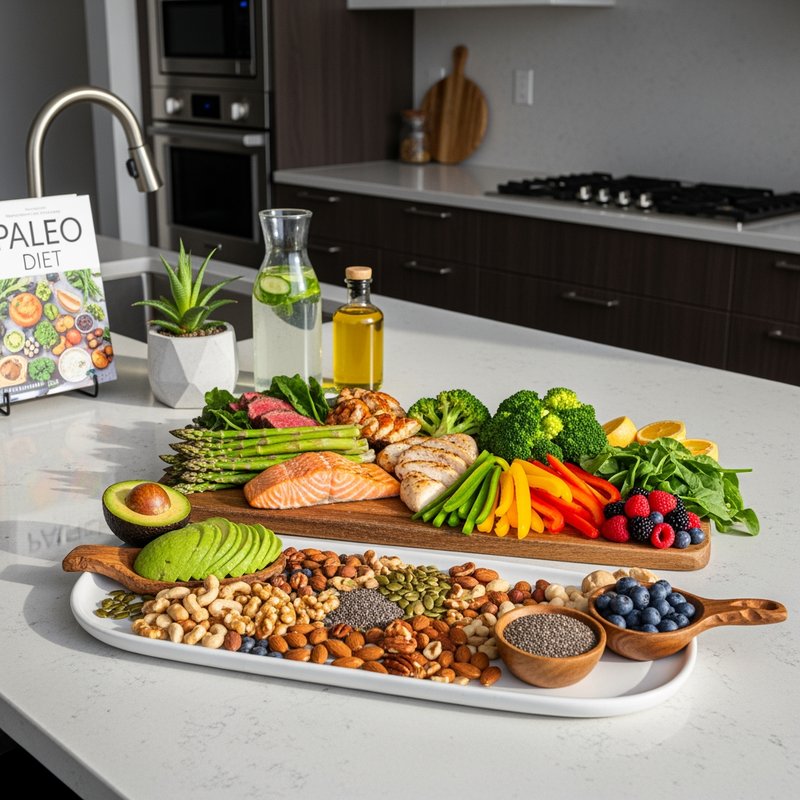
89 recipes
Paleo Diet

Paleo Diet

The Paleo Diet, also known as the Paleolithic or Caveman Diet, is based on the premise of eating foods that our hunter-gatherer ancestors would have consumed during the Paleolithic era, roughly 2.5 million to 10,000 years ago. The core principle is that the human body is genetically adapted to the diet of our ancient ancestors and that modern agricultural and processed foods contribute to many chronic diseases. This approach emphasizes whole, unprocessed foods and eliminates foods that became common only after the advent of farming and industrialization. The Paleo Diet includes grass-fed meats, wild-caught fish and seafood, eggs, vegetables, fruits, nuts, seeds, and healthy oils such as olive, coconut, and avocado oil. It strictly excludes grains (wheat, oats, rice, barley), legumes (beans, lentils, peanuts, soy), dairy products, refined sugar, processed foods, artificial sweeteners, vegetable oils (corn, soybean, canola), and trans fats. The diet emphasizes high-quality protein, healthy fats, and nutrient-dense plant foods while keeping carbohydrate intake moderate and derived primarily from vegetables and fruits. The Paleo Diet has shown promise in addressing several health conditions, including type 2 diabetes, metabolic syndrome, cardiovascular disease, autoimmune conditions, and chronic inflammation. Research suggests that following a Paleo-style eating pattern may improve blood sugar control, reduce inflammation markers, promote weight loss, lower blood pressure, and improve cholesterol profiles. Some individuals with autoimmune conditions like Hashimoto's thyroiditis or inflammatory bowel disease have reported symptom improvements, particularly when following stricter variations like the Autoimmune Paleo (AIP) protocol. The diet's elimination of gluten-containing grains makes it naturally suitable for those with celiac disease or gluten sensitivity. Scientific studies have provided moderate support for the Paleo Diet's benefits. Research published in journals such as the European Journal of Clinical Nutrition and Diabetologia has shown improvements in metabolic markers and weight management compared to conventional dietary approaches. However, critics note that the diet can be restrictive, potentially leading to nutrient deficiencies (particularly calcium and vitamin D from dairy exclusion) if not carefully planned. The Paleo Diet may benefit individuals seeking weight loss, those with insulin resistance or type 2 diabetes, people with autoimmune or inflammatory conditions, athletes seeking improved performance through whole foods, and anyone looking to reduce their intake of processed foods and added sugars. However, it may be challenging for vegetarians, vegans, or those with limited food budgets, as the emphasis on high-quality animal proteins and organic produce can be expensive.

86 recipes

Beneficial for:

Acne

The Paleo Diet may improve acne by eliminating high-glycemic foods and dairy, both strongly linked to acne development through insulin and IGF-1 pathways. The diet's low glycemic load reduces insulin spikes that stimulate sebum production and androgen activity. The anti-inflammatory nature of the diet and abundance of skin-supporting nutrients like zinc, vitamin A, and omega-3s further support clear skin.

Key foods: Wild-caught fish rich in omega-3s, grass-fed liver high in vitamin A, pastured eggs, pumpkin seeds and oysters for zinc, leafy greens, berries, sweet potatoes, avocados

Athletic Performance

The Paleo Diet can support athletic performance by providing high-quality proteins for muscle recovery, anti-inflammatory fats for joint health, and nutrient-dense carbohydrates from vegetables and fruits for sustained energy. The diet's emphasis on whole foods ensures adequate micronutrient intake critical for energy metabolism and recovery. While endurance athletes may need to modify the diet to include more carbohydrates, many athletes report improved body composition, reduced inflammation, and better recovery.

Key foods: Grass-fed beef and bison for protein and creatine, wild-caught salmon for omega-3s, pastured eggs, sweet potatoes for glycogen replenishment, leafy greens, berries, nuts, avocados

Autoimmune Conditions

The Paleo Diet, particularly in its autoimmune protocol (AIP) variation, helps manage autoimmune conditions by eliminating common food triggers that increase intestinal permeability and immune activation. By removing grains, legumes, dairy, and processed foods, the diet reduces exposure to lectins, gluten, and other compounds that may trigger autoimmune responses in susceptible individuals. Many patients report reduced symptoms, decreased inflammatory markers, and improved quality of life.

Key foods: Wild-caught fish rich in omega-3s, grass-fed organ meats like liver, bone broth, leafy greens, cruciferous vegetables, sweet potatoes, berries, olive oil

Cardiovascular Disease

The Paleo Diet supports cardiovascular health by emphasizing anti-inflammatory omega-3 rich foods, eliminating trans fats and processed foods, and providing abundant antioxidants from vegetables and fruits. The diet improves multiple cardiovascular risk factors including blood pressure, triglycerides, HDL cholesterol, and inflammatory markers like C-reactive protein. The focus on whole foods and healthy fats supports endothelial function and reduces arterial plaque formation.

Key foods: Wild-caught salmon, sardines, and mackerel, grass-fed beef high in omega-3s, avocados, extra virgin olive oil, leafy greens, berries rich in anthocyanins, walnuts, colorful vegetables like carrots and beets

Cognitive Decline

The Paleo Diet supports cognitive health through its emphasis on omega-3 rich fish, antioxidant-dense vegetables and fruits, and elimination of inflammatory processed foods. The diet provides nutrients critical for brain health including DHA, B vitamins, and polyphenols while reducing oxidative stress and inflammation linked to neurodegenerative diseases. The improved metabolic health and reduced insulin resistance may also protect against cognitive decline.

Key foods: Wild-caught fatty fish like salmon and sardines, grass-fed organ meats especially liver, pastured eggs, blueberries and other berries, leafy greens, walnuts, avocados, olive oil

Digestive Disorders

The Paleo Diet supports digestive health by eliminating common irritants including gluten, dairy, legumes, and processed foods that can trigger symptoms in sensitive individuals. The emphasis on easily digestible proteins, healthy fats, and cooked vegetables reduces digestive burden while providing nutrients that support gut healing. Many people with IBS, bloating, and other functional digestive issues experience symptom relief on this diet.

Key foods: Bone broth from grass-fed animals, wild-caught fish, well-cooked vegetables like squash and carrots, fermented vegetables like sauerkraut, sweet potatoes, avocados, coconut oil, ginger

High Cholesterol

The Paleo Diet's effects on cholesterol are nuanced, often improving lipid particle profiles even when total cholesterol remains elevated. The diet typically increases HDL cholesterol and converts small dense LDL particles to larger, less atherogenic particles while reducing triglycerides. The elimination of trans fats and refined carbohydrates removes the primary dietary drivers of harmful lipid patterns, though individual responses vary based on genetics and the amount of saturated fat consumed.

Key foods: Wild-caught fatty fish, avocados, olive oil, nuts especially walnuts and almonds, leafy greens, berries, grass-fed meats in moderation, flaxseeds

Hypertension

The Paleo Diet supports healthy blood pressure through its naturally high potassium-to-sodium ratio from abundant vegetables and fruits, elimination of processed foods high in sodium, and emphasis on foods that support endothelial function. The diet's anti-inflammatory effects and weight loss benefits contribute to blood pressure reduction. Studies show modest but consistent decreases in both systolic and diastolic blood pressure among Paleo dieters.

Key foods: Leafy greens high in potassium, wild-caught fish, avocados, sweet potatoes, bananas, beets, berries, olive oil

Longevity & Healthy Aging

The Paleo Diet supports healthy aging through its anti-inflammatory properties, high antioxidant content, and emphasis on nutrient-dense whole foods that protect against age-related diseases. The diet's effects on metabolic health, including improved insulin sensitivity and lipid profiles, address major risk factors for age-related morbidity and mortality. The elimination of processed foods reduces exposure to advanced glycation end products (AGEs) and other compounds that accelerate aging.

Key foods: Wild-caught fish rich in omega-3s, grass-fed organ meats, colorful vegetables high in antioxidants, berries especially blueberries, leafy greens, nuts, olive oil, avocados

Non-Alcoholic Fatty Liver Disease

The Paleo Diet addresses NAFLD by eliminating refined sugars and fructose-rich processed foods, the primary dietary drivers of hepatic fat accumulation. The diet promotes weight loss and improved insulin sensitivity, both critical for reversing fatty liver. The emphasis on whole foods and elimination of processed items reduces overall fructose intake, which is particularly hepatotoxic and lipogenic.

Key foods: Wild-caught fish high in omega-3s, grass-fed beef, leafy greens, cruciferous vegetables, berries in moderation, avocados, olive oil, nuts like walnuts

Polycystic Ovary Syndrome

The Paleo Diet helps manage PCOS by addressing insulin resistance, a primary driver of the condition, through elimination of refined carbohydrates and emphasis on protein and healthy fats. The diet's anti-inflammatory properties and nutrient density support hormonal balance and may improve ovulation, menstrual regularity, and fertility. Studies show improvements in insulin sensitivity, testosterone levels, and metabolic markers in women with PCOS following Paleo-style eating patterns.

Key foods: Wild-caught fatty fish, grass-fed beef and lamb, pastured eggs, leafy greens, cruciferous vegetables like broccoli, berries, nuts especially almonds, avocados

Type 2 Diabetes

The Paleo Diet helps manage Type 2 diabetes by eliminating refined sugars and grains, which significantly reduces glycemic load and prevents blood sugar spikes. The emphasis on protein, healthy fats, and fiber-rich vegetables promotes better insulin sensitivity and glucose regulation. Studies show improvements in HbA1c levels, fasting glucose, and reduced need for diabetes medications in many adherents.

Key foods: Wild-caught salmon and sardines, grass-fed beef and lamb, pastured eggs, leafy greens like spinach and kale, cruciferous vegetables like broccoli and cauliflower, avocados, walnuts and almonds, olive oil

Cancer Prevention

The Paleo Diet may contribute to cancer prevention through its emphasis on antioxidant-rich vegetables and fruits, anti-inflammatory omega-3 fatty acids, and elimination of processed meats and refined carbohydrates linked to increased cancer risk. The diet's effects on reducing obesity, inflammation, and insulin resistance address modifiable cancer risk factors. The high intake of cruciferous vegetables provides compounds with documented anti-cancer properties.

Key foods: Cruciferous vegetables like broccoli and Brussels sprouts, berries high in anthocyanins, leafy greens, wild-caught fish, grass-fed meats (not processed), garlic and onions, colorful vegetables, green tea

Depression & Anxiety

The Paleo Diet may support mental health through its anti-inflammatory effects, stable blood sugar levels, and provision of nutrients critical for neurotransmitter production. The elimination of processed foods and refined sugars reduces blood sugar fluctuations that can affect mood, while omega-3 fatty acids from fish have documented effects on depression. The nutrient density provides B vitamins, magnesium, and zinc needed for optimal brain function.

Key foods: Wild-caught fatty fish high in omega-3s, grass-fed organ meats for B vitamins, pastured eggs, leafy greens, berries, pumpkin seeds for magnesium, walnuts, avocados

Inflammatory Bowel Disease

The Paleo Diet may help some individuals with IBD by removing potential dietary triggers and providing anti-inflammatory nutrients, though evidence is limited and individual responses vary. The elimination of grains, legumes, and dairy removes compounds that may exacerbate intestinal inflammation in susceptible individuals. Some patients report reduced symptoms and improved quality of life, though the diet should be implemented under medical supervision.

Key foods: Bone broth, wild-caught fish high in omega-3s, well-cooked non-cruciferous vegetables, grass-fed meat, avocados, olive oil, cooked carrots and squash, bananas

Chronic Inflammation

The Paleo Diet is inherently anti-inflammatory, eliminating major dietary triggers of inflammation including gluten, refined sugars, processed seed oils, and dairy while emphasizing foods rich in omega-3 fatty acids and antioxidants. Studies consistently show reductions in inflammatory markers such as C-reactive protein, IL-6, and TNF-alpha among Paleo dieters. The abundance of phytonutrients from colorful vegetables and fruits provides additional anti-inflammatory compounds that modulate immune responses.

Key foods: Wild-caught fatty fish like salmon and sardines, grass-fed beef and lamb, turmeric and ginger, leafy greens like spinach and kale, berries especially blueberries, walnuts, extra virgin olive oil, cruciferous vegetables

Food Allergies & Sensitivities

The Paleo Diet eliminates the most common food allergens and sensitivities including gluten, dairy, soy, and peanuts, making it highly effective for those with multiple food intolerances. By focusing on whole, unprocessed foods and eliminating grains and legumes, the diet removes many compounds that trigger adverse reactions in sensitive individuals. Many people experience resolution of chronic symptoms like headaches, skin issues, and digestive problems when these triggers are removed.

Key foods: Wild-caught fish, grass-fed meats, pastured eggs, sweet potatoes, leafy greens, cruciferous vegetables, berries, tree nuts like almonds and cashews (if tolerated)

Metabolic Syndrome

The Paleo Diet addresses all five components of metabolic syndrome: abdominal obesity, elevated triglycerides, low HDL cholesterol, hypertension, and elevated fasting glucose. By eliminating processed foods, refined carbohydrates, and inflammatory seed oils while emphasizing nutrient-dense whole foods, the diet improves multiple metabolic markers simultaneously. Clinical trials show significant improvements in waist circumference, blood pressure, lipid profiles, and insulin sensitivity.

Key foods: Wild-caught fatty fish like salmon and mackerel, grass-fed meats, avocados, olive oil, colorful vegetables like bell peppers and tomatoes, leafy greens, berries, nuts like walnuts and almonds

Obesity

The Paleo Diet promotes weight loss through elimination of calorie-dense processed foods, refined sugars, and grains while emphasizing satiating whole foods high in protein and fiber. The diet naturally reduces overall caloric intake without requiring calorie counting, as protein and healthy fats increase satiety hormones and reduce hunger. Multiple studies demonstrate significant weight loss and reduction in waist circumference compared to standard Western diets.

Key foods: Grass-fed beef and bison, wild-caught fish like salmon and mackerel, pastured eggs, sweet potatoes, leafy greens and cruciferous vegetables, berries, almonds and macadamia nuts, coconut oil

MIND Diet

MIND Diet

The MIND Diet (Mediterranean-DASH Intervention for Neurodegenerative Delay) is a hybrid eating pattern that combines elements of the Mediterranean and DASH (Dietary Approaches to Stop Hypertension) diets, specifically designed to promote brain health and reduce the risk of cognitive decline, Alzheimer's disease, and dementia. Developed by nutritional epidemiologist Martha Clare Morris and her colleagues at Rush University Medical Center, this diet emphasizes foods that have been scientifically linked to neuroprotection and cognitive function preservation. The core principle is to prioritize nutrient-dense, anti-inflammatory foods rich in antioxidants, omega-3 fatty acids, vitamins, and polyphenols that support brain health while limiting foods associated with cognitive decline. The MIND Diet emphasizes ten brain-healthy food groups that should be consumed regularly: green leafy vegetables (at least 6 servings per week), other vegetables (at least 1 per day), nuts (5 servings per week), berries especially blueberries and strawberries (2+ servings per week), beans and legumes (3+ servings per week), whole grains (3+ servings daily), fish particularly fatty fish high in omega-3s (at least 1 serving per week), poultry (2+ servings per week), olive oil (as the primary cooking oil), and moderate wine consumption (1 glass per day, optional). The diet specifically limits five unhealthy food groups: red meat (less than 4 servings per week), butter and margarine (less than 1 tablespoon daily), cheese (less than 1 serving per week), pastries and sweets (less than 5 servings per week), and fried or fast food (less than 1 serving per week). The MIND Diet is primarily designed to address cognitive decline, Alzheimer's disease, and age-related neurodegenerative conditions, though its benefits extend to cardiovascular health, hypertension, diabetes management, and reducing systemic inflammation. Research published in Alzheimer's & Dementia journal found that strict adherence to the MIND Diet reduced Alzheimer's risk by up to 53%, while even moderate adherence lowered risk by approximately 35%. The diet's emphasis on anti-inflammatory foods and antioxidants also supports overall metabolic health, making it beneficial for individuals with or at risk for type 2 diabetes, heart disease, and stroke. Additional studies have shown improvements in cognitive function, memory, and processing speed among older adults following this eating pattern. The MIND Diet is particularly beneficial for middle-aged and older adults concerned about cognitive health, individuals with a family history of Alzheimer's or dementia, those with cardiovascular risk factors, and people seeking a sustainable, evidence-based approach to healthy aging. Unlike restrictive diets, the MIND Diet is flexible and focuses on overall dietary patterns rather than strict rules, making it accessible for long-term adherence. It's also suitable for individuals managing hypertension, high cholesterol, diabetes, or chronic inflammation. Healthcare professionals often recommend this diet as a preventive measure for brain health, as the neuroprotective benefits appear most significant when adopted in midlife, though benefits can occur at any age.

77 recipes

Beneficial for:

Cancer Prevention

The MIND diet's emphasis on antioxidant-rich berries, cruciferous vegetables, and anti-inflammatory foods provides compounds that may reduce cancer risk through multiple mechanisms. The diet's high content of phytochemicals, fiber, and omega-3 fatty acids, combined with limited red meat and processed foods, aligns with cancer prevention guidelines. While not specifically studied for cancer prevention, the diet's components have strong individual evidence for reducing various cancer risks.

Key foods: Berries (blueberries and strawberries), cruciferous vegetables like broccoli and Brussels sprouts, leafy greens like kale and spinach, beans and lentils, whole grains, fatty fish like salmon, extra virgin olive oil, walnuts

Depression & Anxiety

The MIND diet supports mental health through its rich content of omega-3 fatty acids, B vitamins, and antioxidants that influence neurotransmitter production and reduce neuroinflammation. The diet's emphasis on whole foods and healthy fats supports stable blood sugar, which helps regulate mood. Studies show that dietary patterns similar to the MIND diet are associated with 25-30% lower rates of depression.

Key foods: Fatty fish like salmon and mackerel, leafy greens like spinach and kale, walnuts, blueberries, whole grains like oats and brown rice, beans and lentils, extra virgin olive oil, dark chocolate (in moderation)

Non-Alcoholic Fatty Liver Disease

The MIND diet supports liver health through its emphasis on anti-inflammatory foods, healthy fats, and fiber-rich whole grains while limiting saturated fats and refined carbohydrates that contribute to hepatic fat accumulation. The diet's components—particularly omega-3 fatty acids, antioxidants, and fiber—have been shown to reduce liver fat and inflammation. The restriction of red meat, butter, and processed foods further protects against fatty liver progression.

Key foods: Fatty fish like salmon and sardines, extra virgin olive oil, leafy greens like spinach and kale, berries (blueberries and strawberries), walnuts, whole grains like oats and quinoa, beans and lentils, green tea

Obesity

The MIND diet supports healthy weight management through its emphasis on nutrient-dense, fiber-rich whole foods that promote satiety while limiting calorie-dense processed foods, sweets, and fried items. The diet's focus on vegetables, whole grains, and legumes provides volume and fiber that naturally reduce calorie intake without hunger. While not specifically designed for weight loss, the MIND diet's principles support sustainable weight management and prevention of weight gain.

Key foods: Leafy greens and non-starchy vegetables, beans and lentils, whole grains like quinoa and brown rice, berries, nuts in moderate portions, fatty fish, extra virgin olive oil, poultry (skinless)

Autoimmune Conditions

The MIND diet's anti-inflammatory properties may benefit certain autoimmune conditions by reducing systemic inflammation and oxidative stress that can trigger or worsen autoimmune responses. While not specifically studied for autoimmune diseases, the diet's emphasis on omega-3 fatty acids, antioxidants, and whole foods while eliminating pro-inflammatory processed foods aligns with dietary recommendations for managing autoimmune inflammation.

Key foods: Fatty fish like salmon and sardines, extra virgin olive oil, leafy greens like spinach and kale, berries (blueberries and strawberries), walnuts, beans and lentils, turmeric-spiced vegetables, green tea

Cardiovascular Disease

The MIND diet significantly reduces cardiovascular disease risk through its emphasis on heart-healthy fats, fiber-rich whole foods, and anti-inflammatory ingredients. The diet's restriction of saturated fats from red meat, butter, and cheese, combined with increased omega-3 intake and abundant antioxidants, improves multiple cardiovascular risk factors. Research shows adherence to MIND diet principles reduces heart disease risk by approximately 35-40%.

Key foods: Fatty fish like salmon and mackerel, extra virgin olive oil, walnuts and almonds, leafy greens like spinach and collard greens, berries (blueberries and strawberries), beans and lentils, whole grains like oats and barley, vegetables like tomatoes and bell peppers

Chronic Inflammation

The MIND diet is inherently anti-inflammatory, featuring foods rich in omega-3 fatty acids, polyphenols, and antioxidants while eliminating pro-inflammatory processed foods, saturated fats, and refined sugars. The diet's emphasis on colorful berries, leafy greens, and olive oil provides powerful anti-inflammatory compounds that reduce systemic inflammation markers. This anti-inflammatory effect underlies many of the diet's protective benefits against chronic diseases.

Key foods: Blueberries and strawberries, fatty fish like salmon and sardines, extra virgin olive oil, leafy greens like kale and arugula, walnuts, turmeric-spiced dishes with vegetables, beans and lentils, green tea

Cognitive Decline

The MIND diet was specifically designed to prevent cognitive decline and reduce Alzheimer's disease risk. Studies show it can slow cognitive aging by 7.5 years and reduce Alzheimer's risk by up to 53% with strict adherence. The combination of antioxidant-rich foods, omega-3 fatty acids, and anti-inflammatory compounds provides comprehensive neuroprotection and supports brain health throughout aging.

Key foods: Blueberries and strawberries, leafy greens like spinach and kale, fatty fish like salmon and sardines, walnuts and almonds, extra virgin olive oil, whole grains like quinoa and brown rice, beans and lentils, broccoli and other cruciferous vegetables

High Cholesterol

The MIND diet effectively improves cholesterol profiles by emphasizing unsaturated fats from olive oil, nuts, and fish while strictly limiting saturated fats from red meat, butter, and cheese. The diet's high fiber content from whole grains, beans, and vegetables directly reduces cholesterol absorption and increases cholesterol excretion. Studies show that adherence to this dietary pattern can reduce LDL cholesterol by 10-15% and improve HDL cholesterol levels.

Key foods: Extra virgin olive oil, walnuts and almonds, fatty fish like salmon and mackerel, oats and barley, beans and lentils, leafy greens, berries, avocados

Hypertension

The MIND diet effectively lowers blood pressure through its emphasis on potassium-rich vegetables, omega-3 fatty acids, and minimal sodium from processed foods. The diet's plant-forward approach provides abundant nitrates, polyphenols, and fiber that support vascular health and blood pressure regulation. Studies show that diets rich in these components can reduce systolic blood pressure by 5-10 mmHg.

Key foods: Leafy greens like spinach and Swiss chard, berries (especially blueberries), beans and lentils, fatty fish like salmon, extra virgin olive oil, whole grains like quinoa, nuts like almonds and walnuts, beets and other vegetables

Longevity & Healthy Aging

The MIND diet promotes longevity and healthy aging by combining elements of the Mediterranean and DASH diets, both associated with increased lifespan and reduced age-related disease. The diet's emphasis on antioxidant-rich foods, anti-inflammatory fats, and nutrient-dense whole foods protects against cellular aging and chronic disease development. Research shows adherence to MIND diet principles is associated with slower biological aging and reduced all-cause mortality.

Key foods: Berries (blueberries and strawberries), leafy greens like spinach and kale, fatty fish like salmon, extra virgin olive oil, nuts (especially walnuts and almonds), whole grains, beans and lentils, colorful vegetables like tomatoes and peppers

Metabolic Syndrome

The MIND diet addresses all components of metabolic syndrome—abdominal obesity, insulin resistance, dyslipidemia, and hypertension—through its comprehensive approach to whole-food nutrition. The diet's emphasis on fiber, healthy fats, and anti-inflammatory foods improves multiple metabolic markers simultaneously. Research shows that adherence to MIND diet patterns reduces metabolic syndrome prevalence by approximately 30-40%.

Key foods: Beans and lentils, whole grains like quinoa and oats, leafy greens, berries (blueberries and strawberries), fatty fish like salmon, extra virgin olive oil, nuts like walnuts and almonds, non-starchy vegetables

Stroke Prevention

The MIND diet significantly reduces stroke risk through its comprehensive cardiovascular benefits, including improved blood pressure, reduced inflammation, and better endothelial function. Studies show that adherence to MIND diet principles reduces stroke risk by approximately 30-40%. The diet's emphasis on leafy greens, berries, and fish provides nutrients specifically protective against cerebrovascular disease.

Key foods: Leafy greens like spinach and kale, berries (especially blueberries), fatty fish like salmon and mackerel, extra virgin olive oil, whole grains, beans and lentils, nuts like walnuts, vegetables like tomatoes

Type 2 Diabetes

The MIND diet helps prevent and manage Type 2 diabetes through its emphasis on low-glycemic whole grains, fiber-rich legumes, and healthy fats that stabilize blood sugar. The diet's restriction of refined carbohydrates, sweets, and processed foods prevents glucose spikes while supporting insulin sensitivity. Research indicates that adherence to MIND diet patterns reduces diabetes risk by approximately 30-35%.

Key foods: Beans and lentils, whole grains like steel-cut oats and quinoa, leafy greens like kale and spinach, berries (blueberries and strawberries), nuts like almonds and walnuts, fatty fish like salmon, extra virgin olive oil, non-starchy vegetables like broccoli

Parkinson's Disease

Emerging research suggests the MIND diet may help slow Parkinson's disease progression and reduce risk through its neuroprotective antioxidants and anti-inflammatory compounds. The diet's emphasis on berries, leafy greens, and omega-3 fatty acids provides nutrients that protect dopaminergic neurons from oxidative damage. While research is still developing, the diet's proven benefits for brain health suggest potential therapeutic value for Parkinson's disease.

Key foods: Berries (especially blueberries), leafy greens like kale and spinach, fatty fish like salmon, walnuts, extra virgin olive oil, green tea, beans and lentils, colorful vegetables like bell peppers

Plant-Based Diet

Plant-Based Diet

A plant-based diet centers on foods derived from plants, including vegetables, fruits, whole grains, legumes, nuts, and seeds, while minimizing or eliminating animal products such as meat, dairy, eggs, and honey. The core principle is to obtain nutrition primarily from whole, minimally processed plant foods rather than animal sources. This dietary approach exists on a spectrum, from fully vegan (excluding all animal products) to more flexible variations that occasionally include small amounts of animal foods. The emphasis is on consuming nutrient-dense, fiber-rich foods in their most natural state, avoiding highly processed items regardless of whether they're plant-based or not. Plant-based diets have been scientifically linked to numerous health benefits and can help address several chronic conditions. Research consistently shows that this dietary pattern can significantly reduce the risk of heart disease by lowering cholesterol levels, blood pressure, and inflammation. It's particularly effective for managing and preventing type 2 diabetes due to improved insulin sensitivity and blood sugar control. Studies have also demonstrated benefits for inflammatory conditions like rheumatoid arthritis and inflammatory bowel diseases including Crohn's disease and ulcerative colitis. Additionally, plant-based diets are associated with healthy weight management, reduced cancer risk (particularly colorectal cancer), improved kidney function, and better gut health due to high fiber content. The scientific backing for plant-based diets is substantial, with major health organizations including the American Heart Association, American Diabetes Association, and Academy of Nutrition and Dietetics recognizing their health benefits. Landmark studies like the EPIC-Oxford study, Adventist Health Studies, and research published in journals such as JAMA and The Lancet have documented lower rates of chronic disease and increased longevity among those following plant-based dietary patterns. The diet's benefits stem from its high content of fiber, antioxidants, phytonutrients, and healthy fats, combined with the absence of saturated fats and cholesterol found predominantly in animal products. This diet is particularly beneficial for individuals with or at risk for cardiovascular disease, type 2 diabetes, high blood pressure, high cholesterol, obesity, certain autoimmune conditions, digestive disorders, and those seeking to reduce inflammation. It's also ideal for people concerned about environmental sustainability and animal welfare. Athletes and active individuals can thrive on plant-based diets with proper planning. However, attention should be paid to obtaining adequate vitamin B12, vitamin D, omega-3 fatty acids, iron, calcium, and zinc—nutrients that may require supplementation or careful food selection, particularly for those following strict vegan variations.

73 recipes

Beneficial for:

Digestive Disorders

Plant-based diets improve various digestive disorders through high fiber intake that promotes regular bowel movements, feeds beneficial gut bacteria, and improves gut barrier function. The diet's anti-inflammatory properties help reduce intestinal inflammation, while the absence of common irritants like dairy can alleviate symptoms in sensitive individuals. The diverse prebiotic fibers support a healthy, diverse microbiome essential for digestive health.

Key foods: Legumes like lentils and beans, whole grains like oats and quinoa, leafy greens, fermented foods like sauerkraut and kimchi, bananas and papayas, ginger and turmeric, flaxseeds and chia seeds, sweet potatoes

Non-Alcoholic Fatty Liver Disease

Plant-based diets help reverse non-alcoholic fatty liver disease by promoting weight loss, reducing insulin resistance, and providing antioxidants that protect liver cells from oxidative damage. The diet's high fiber content improves gut health and reduces endotoxin production that contributes to liver inflammation. Studies show significant reductions in liver fat content and improved liver enzyme levels within 8-12 weeks.

Key foods: Leafy greens like spinach and kale, legumes like lentils and chickpeas, whole grains like oats and brown rice, walnuts and flaxseeds, berries, cruciferous vegetables, green tea, beets

Cancer Prevention

Plant-based diets reduce cancer risk through multiple protective mechanisms including high antioxidant and phytochemical intake, increased fiber consumption, and elimination of carcinogenic compounds found in processed and red meats. Studies show 10-20% reduction in overall cancer risk, with particularly strong evidence for colorectal, breast, and prostate cancers. The diet provides protective compounds that inhibit cancer cell growth, promote apoptosis, and reduce DNA damage.

Key foods: Cruciferous vegetables like broccoli and Brussels sprouts, berries, legumes like soybeans and lentils, tomatoes (lycopene), leafy greens, whole grains, flaxseeds, mushrooms like shiitake

Cardiovascular Disease

Plant-based diets significantly reduce cardiovascular disease risk by lowering LDL cholesterol, reducing blood pressure, and decreasing arterial inflammation. The absence of dietary cholesterol and saturated fat from animal products, combined with high fiber and phytonutrient intake, improves endothelial function and reduces atherosclerotic plaque formation. Studies show plant-based diets can reduce cardiovascular disease risk by up to 40% and may even reverse existing coronary artery disease.

Key foods: Oats and barley (soluble fiber), walnuts and flaxseeds (omega-3 ALA), leafy greens like spinach and kale, legumes like lentils and black beans, berries (especially blueberries and strawberries), whole grains like quinoa and brown rice, almonds, avocados

Chronic Inflammation

Plant-based diets reduce systemic inflammation by eliminating pro-inflammatory animal products while providing abundant anti-inflammatory compounds including polyphenols, antioxidants, and omega-3 fatty acids. The diet can lower inflammatory markers like C-reactive protein (CRP) by 30-40% within weeks. High fiber intake also reduces inflammation by promoting beneficial gut bacteria that produce anti-inflammatory metabolites.

Key foods: Berries (especially blueberries and strawberries), leafy greens like kale and spinach, walnuts and flaxseeds, turmeric and ginger, cruciferous vegetables like broccoli, legumes, green tea, cherries and pomegranates

High Cholesterol

Plant-based diets effectively lower total and LDL cholesterol levels by eliminating dietary cholesterol and reducing saturated fat intake while increasing soluble fiber and plant sterol consumption. Studies show LDL cholesterol reductions of 15-30% are achievable, comparable to statin medications in some cases. The diet naturally provides compounds that actively block cholesterol absorption and enhance its elimination.

Key foods: Oats and barley (beta-glucan), almonds and walnuts, soy products like tofu and tempeh, flaxseeds and chia seeds, beans and lentils, avocados, whole grains, Brussels sprouts and broccoli

Hypertension

Plant-based diets lower blood pressure through multiple mechanisms including high potassium intake, increased nitric oxide production, reduced sodium sensitivity, and improved vascular function. The diet can reduce systolic blood pressure by 5-10 mmHg and diastolic by 3-7 mmHg, effects comparable to some blood pressure medications. The combination of increased fiber, antioxidants, and reduced saturated fat creates a powerful anti-hypertensive effect.

Key foods: Leafy greens like spinach and beet greens, beets (nitrate-rich), bananas and sweet potatoes (potassium), legumes like white beans and lentils, berries, whole grains, nuts like pistachios, celery and garlic

Metabolic Syndrome

Plant-based diets address all five components of metabolic syndrome: abdominal obesity, high triglycerides, low HDL cholesterol, hypertension, and elevated fasting glucose. The diet improves insulin sensitivity, reduces visceral fat, normalizes lipid profiles, and lowers blood pressure through its high fiber, low saturated fat composition. Research shows 30-40% reduction in metabolic syndrome prevalence among plant-based diet followers.

Key foods: Legumes like chickpeas and kidney beans, whole grains like oats and quinoa, nuts like almonds and walnuts, leafy greens, berries, avocados, seeds like chia and flax, tempeh and tofu

Obesity

Plant-based diets promote weight loss and maintenance through high fiber content that increases satiety, lower caloric density of foods, and improved metabolic function. Studies show individuals following plant-based diets have lower BMIs and lose 3-5 kg more than those on conventional diets over 6-12 months. The diet naturally reduces calorie intake without requiring strict portion control due to the high volume and low energy density of plant foods.

Key foods: Legumes like lentils and black beans, leafy greens and cruciferous vegetables, whole grains like quinoa and brown rice, berries and apples, nuts in moderation, tofu and tempeh, oats, vegetables like broccoli and cauliflower

Type 2 Diabetes

Plant-based diets improve insulin sensitivity and glycemic control through high fiber intake, low glycemic load, and reduced saturated fat consumption. The diet helps reduce visceral fat, which is strongly linked to insulin resistance, and provides sustained energy release without blood sugar spikes. Research demonstrates that plant-based diets can lower HbA1c levels by 0.4-0.7% and reduce diabetes medication requirements.

Key foods: Legumes like chickpeas and kidney beans, whole grains like steel-cut oats and quinoa, leafy greens like collards and Swiss chard, nuts like almonds and pistachios, seeds like chia and pumpkin seeds, berries, sweet potatoes, tempeh and tofu

Ketogenic Diet

Ketogenic Diet

The Ketogenic Diet, commonly known as keto, is a high-fat, moderate-protein, and very low-carbohydrate eating plan designed to shift the body's metabolism into a state called ketosis. In ketosis, the body burns fat for fuel instead of glucose, producing ketones as an alternative energy source. The standard ketogenic diet typically consists of approximately 70-75% of calories from fat, 20-25% from protein, and only 5-10% from carbohydrates, usually limiting net carbs to 20-50 grams per day. This metabolic shift fundamentally changes how the body processes energy and has been associated with numerous health benefits beyond weight loss. Foods emphasized on the ketogenic diet include healthy fats such as avocados, olive oil, coconut oil, butter, and ghee; fatty fish like salmon and mackerel; grass-fed meats and poultry; eggs; full-fat dairy products; nuts and seeds (particularly macadamias, pecans, and almonds); and low-carbohydrate vegetables such as leafy greens, cruciferous vegetables, zucchini, and peppers. Foods that must be strictly excluded include all grains and grain products (wheat, rice, oats, corn), sugar and sweetened foods, most fruits (except small portions of berries), starchy vegetables (potatoes, sweet potatoes, corn, peas), legumes and beans, and most processed foods containing hidden carbohydrates. The ketogenic diet was originally developed in the 1920s as a therapeutic treatment for epilepsy and remains a medically supervised intervention for drug-resistant seizures, particularly in children. Modern research has demonstrated its effectiveness for several health conditions, including Type 2 diabetes and prediabetes (by improving insulin sensitivity and blood sugar control), obesity and metabolic syndrome, polycystic ovary syndrome (PCOS), certain neurological conditions including Alzheimer's disease and Parkinson's disease, and reducing inflammation throughout the body. Studies have shown that the diet can lead to significant improvements in triglyceride levels, HDL cholesterol, blood pressure, and markers of inflammation. Some research also suggests potential benefits for certain types of cancer, as cancer cells often rely heavily on glucose for energy. The ketogenic diet may be most beneficial for individuals with insulin resistance, Type 2 diabetes, metabolic syndrome, or those seeking significant weight loss, particularly when other dietary approaches have failed. It's also valuable for people with neurological conditions like epilepsy or those seeking cognitive benefits and mental clarity. However, the diet requires careful planning and may not be suitable for everyone, including pregnant or breastfeeding women, individuals with certain liver or pancreatic conditions, those with a history of eating disorders, or people taking specific medications. Anyone considering the ketogenic diet, especially those with existing health conditions, should consult with a healthcare provider before beginning, as the dramatic metabolic shift requires proper monitoring and may necessitate medication adjustments.

71 recipes

Beneficial for:

Acne

The ketogenic diet can significantly improve acne by eliminating high-glycemic carbohydrates and sugars that spike insulin and IGF-1, both of which stimulate sebum production and inflammation in skin. The diet's anti-inflammatory effects and hormonal balancing properties address the root causes of acne rather than just symptoms. Many individuals report clearer skin within weeks of starting the diet.

Key foods: Fatty fish like salmon and sardines, avocados, olive oil, leafy greens, cruciferous vegetables, eggs, nuts like almonds and walnuts, full-fat Greek yogurt

Cardiovascular Disease

The ketogenic diet improves multiple cardiovascular risk factors including triglycerides (often reduced by 50% or more), HDL cholesterol (increased), blood pressure, and inflammatory markers. While LDL cholesterol may increase in some individuals, the particle size typically shifts to larger, less atherogenic particles. The diet's effects on weight loss, insulin sensitivity, and inflammation contribute to overall cardiovascular health improvement.

Key foods: Fatty fish like salmon and mackerel, olive oil, avocados, nuts like almonds and walnuts, leafy greens, cruciferous vegetables, grass-fed meats, eggs

Chronic Inflammation

The ketogenic diet significantly reduces systemic inflammation by eliminating pro-inflammatory processed carbohydrates and sugars while emphasizing anti-inflammatory fats and whole foods. Ketone bodies themselves have anti-inflammatory properties, particularly beta-hydroxybutyrate which inhibits inflammatory pathways. Studies show marked reductions in inflammatory markers like CRP, IL-6, and TNF-alpha.

Key foods: Fatty fish like salmon and sardines, olive oil, avocados, leafy greens like spinach and kale, cruciferous vegetables like broccoli, nuts like walnuts, turmeric (used in cooking), eggs

Cognitive Decline

The ketogenic diet shows promise in slowing cognitive decline and improving brain function, particularly in early Alzheimer's disease and mild cognitive impairment. Ketone bodies provide an alternative fuel source for brain cells that may be impaired in glucose metabolism, which is characteristic of neurodegenerative conditions. Studies demonstrate improvements in memory, processing speed, and overall cognitive function in patients following a ketogenic diet.

Key foods: MCT oil and coconut oil, fatty fish like salmon and sardines, avocados, eggs, olive oil, nuts like walnuts and pecans, leafy greens, blueberries (in moderation)

Depression & Anxiety

The ketogenic diet shows promising effects on mood disorders, with studies indicating improvements in depression and anxiety symptoms. The diet stabilizes blood sugar fluctuations that can trigger mood swings and anxiety, while ketone bodies may have direct mood-stabilizing effects similar to medications. The anti-inflammatory effects and improved mitochondrial function in brain cells contribute to better mental health outcomes.

Key foods: Fatty fish like salmon and sardines, eggs, avocados, leafy greens, nuts like walnuts, olive oil, full-fat Greek yogurt, dark chocolate (85%+ cacao in moderation)

Hypertension

The ketogenic diet effectively reduces blood pressure in many individuals, with studies showing average reductions of 5-10 mmHg in systolic and diastolic pressure. The diet's diuretic effect from reduced insulin levels, combined with weight loss and improved insulin sensitivity, contributes to blood pressure normalization. Many patients are able to reduce or eliminate blood pressure medications under medical supervision.

Key foods: Avocados (high in potassium), leafy greens like spinach, fatty fish like salmon, nuts like almonds, olive oil, cruciferous vegetables, eggs, full-fat dairy

Migraines

The ketogenic diet has shown significant effectiveness in reducing migraine frequency, severity, and duration in multiple studies. Many patients experience 50% or greater reduction in migraine attacks, with some achieving complete remission. The diet's ability to stabilize blood sugar, reduce inflammation, and provide alternative brain fuel through ketones addresses multiple migraine triggers simultaneously.

Key foods: MCT oil and coconut oil, fatty fish like salmon, avocados, eggs, leafy greens, olive oil, nuts like almonds, cruciferous vegetables

Athletic Performance

The ketogenic diet can enhance endurance athletic performance by training the body to efficiently use fat as fuel, providing access to virtually unlimited energy stores compared to limited glycogen. Fat-adapted athletes often experience improved endurance, reduced need for frequent fueling during long events, and faster recovery. However, the diet may impair high-intensity performance that relies on glycogen, making it more suitable for endurance rather than explosive sports.

Key foods: MCT oil, fatty fish like salmon, avocados, eggs, nuts like macadamias and almonds, olive oil, coconut oil, grass-fed meats

Autoimmune Conditions

The ketogenic diet shows preliminary promise for various autoimmune conditions by reducing systemic inflammation, modulating immune function, and eliminating potential dietary triggers. The diet's anti-inflammatory effects through ketone body production and reduced inflammatory cytokines may help calm overactive immune responses. Some patients with conditions like rheumatoid arthritis, multiple sclerosis, and Hashimoto's thyroiditis report symptom improvements.

Key foods: Fatty fish like salmon and sardines, olive oil, avocados, leafy greens, cruciferous vegetables, bone broth, eggs, nuts like walnuts

Cancer Prevention

The ketogenic diet may have cancer-preventive properties based on the metabolic theory of cancer, which suggests cancer cells rely heavily on glucose for fuel and cannot efficiently use ketones. By drastically reducing blood glucose and insulin levels (which promote cell growth), the diet may create a metabolic environment less favorable to cancer development. The diet's anti-inflammatory effects and promotion of autophagy (cellular cleanup) may also contribute to cancer prevention.

Key foods: Fatty fish like salmon, cruciferous vegetables like broccoli and cauliflower, leafy greens, olive oil, avocados, nuts like walnuts, eggs, berries (in moderation)

Epilepsy

The ketogenic diet is a clinically proven treatment for epilepsy, particularly drug-resistant epilepsy in children, with over 100 years of medical use. By forcing the body into ketosis, the diet produces ketone bodies that have direct anticonvulsant properties and stabilize neuronal excitability. Studies show 50-90% of patients experience significant seizure reduction, with some achieving complete seizure freedom.

Key foods: MCT oil and coconut oil (rapidly converted to ketones), fatty fish like salmon and sardines, grass-fed butter, avocados, eggs, macadamia nuts, full-fat cheese, olive oil

Metabolic Syndrome

The ketogenic diet addresses all five components of metabolic syndrome simultaneously: abdominal obesity, high triglycerides, low HDL cholesterol, hypertension, and elevated fasting glucose. Research demonstrates dramatic improvements in triglyceride levels (often 50% reduction), increased HDL cholesterol, reduced waist circumference, and normalized blood pressure. The diet's ability to improve insulin sensitivity makes it particularly effective for this cluster of metabolic disorders.

Key foods: Fatty fish like salmon and sardines, avocados, olive oil, nuts like almonds and walnuts, leafy greens, cruciferous vegetables, grass-fed beef, eggs

Non-Alcoholic Fatty Liver Disease

The ketogenic diet is remarkably effective at reducing liver fat, with studies showing 30-50% reduction in hepatic fat content within weeks. By eliminating carbohydrates and reducing insulin levels, the diet stops the primary pathway of fat accumulation in the liver (de novo lipogenesis). The diet also promotes the mobilization and oxidation of existing liver fat stores for energy.

Key foods: Olive oil, avocados, fatty fish like salmon and mackerel, leafy greens like spinach, cruciferous vegetables like broccoli, eggs, nuts like walnuts, MCT oil

Obesity

The ketogenic diet promotes significant weight loss and fat reduction through multiple mechanisms including appetite suppression, increased satiety from high fat intake, and metabolic advantages of ketosis. Studies consistently show greater weight loss compared to low-fat diets, with particular effectiveness in reducing visceral (abdominal) fat. The diet helps preserve lean muscle mass during weight loss while preferentially burning fat stores.

Key foods: Avocados, coconut oil, olive oil, fatty fish like salmon, grass-fed meats, eggs, nuts like macadamias and pecans, full-fat dairy, leafy greens

Polycystic Ovary Syndrome

The ketogenic diet effectively addresses the root cause of PCOS—insulin resistance and hyperinsulinemia—which drive excess androgen production and hormonal imbalances. Studies show significant improvements in menstrual regularity, reduced testosterone levels, improved fertility, and weight loss in women with PCOS. Many women experience restoration of ovulation and improved pregnancy outcomes.

Key foods: Fatty fish like salmon, avocados, olive oil, eggs, leafy greens like spinach and kale, cruciferous vegetables, nuts like almonds, full-fat Greek yogurt

Type 2 Diabetes

The ketogenic diet is highly effective for managing and potentially reversing Type 2 diabetes by drastically reducing carbohydrate intake to 5-10g net carbs per serving, which directly minimizes blood glucose spikes and insulin demand. Multiple studies demonstrate significant reductions in HbA1c levels, fasting glucose, and medication requirements. Many patients achieve diabetes remission while following this dietary pattern consistently.

Key foods: Fatty fish like salmon and mackerel, avocados, olive oil, leafy greens like spinach and kale, cruciferous vegetables like broccoli and cauliflower, eggs, nuts like almonds and pecans, full-fat Greek yogurt

Longevity & Healthy Aging

The ketogenic diet may promote longevity through multiple mechanisms including enhanced autophagy (cellular cleanup and renewal), improved mitochondrial function, reduced oxidative stress, and metabolic effects similar to caloric restriction. The diet activates longevity pathways like AMPK and sirtuins while reducing mTOR signaling, which is associated with aging. Animal studies show lifespan extension, though human longevity data is still limited.

Key foods: Fatty fish like salmon and sardines, olive oil, avocados, leafy greens, cruciferous vegetables, nuts like walnuts, eggs, berries (in moderation)

Parkinson's Disease

The ketogenic diet shows emerging potential for Parkinson's disease management by improving mitochondrial function and providing neuroprotection to dopaminergic neurons. Small clinical trials have shown improvements in motor and non-motor symptoms, including tremor reduction and improved quality of life. The diet's ability to reduce oxidative stress and neuroinflammation may slow disease progression.

Key foods: MCT oil and coconut oil, fatty fish like salmon and sardines, avocados, olive oil, eggs, leafy greens like spinach, nuts like walnuts, cruciferous vegetables

Traumatic Brain Injury

The ketogenic diet shows promise as a therapeutic intervention for traumatic brain injury by providing ketones as an alternative fuel source when glucose metabolism is impaired post-injury. Early research suggests the diet may reduce secondary brain damage, improve cognitive recovery, and protect against neuronal death. The diet's anti-inflammatory and neuroprotective properties may accelerate healing and improve outcomes.

Key foods: MCT oil and coconut oil, fatty fish like salmon, eggs, avocados, olive oil, leafy greens, nuts like walnuts, grass-fed meats

High-Protein Diet

High-Protein Diet

A High-Protein Diet is a nutritional approach that emphasizes consuming significantly more protein than standard dietary guidelines recommend, typically ranging from 25-35% of total daily calories or approximately 1.2-2.0 grams of protein per kilogram of body weight. The core principle centers on prioritizing protein-rich foods at every meal to support muscle growth, enhance satiety, boost metabolism, and promote fat loss while preserving lean muscle mass. This diet has gained popularity among athletes, bodybuilders, and individuals seeking weight management solutions due to protein's thermogenic effect and its ability to reduce hunger hormones. Foods typically emphasized in a High-Protein Diet include lean meats (chicken breast, turkey, lean beef), fish and seafood (salmon, tuna, cod, shrimp), eggs, Greek yogurt, cottage cheese, legumes (lentils, chickpeas, black beans), tofu and tempeh, protein powders (whey, casein, plant-based), nuts and seeds, and quinoa. The diet generally limits or moderates refined carbohydrates, sugary foods, processed snacks, and excessive amounts of starchy vegetables, though it doesn't necessarily eliminate entire food groups. Healthy fats and complex carbohydrates are usually included in moderate amounts to ensure nutritional balance and sustained energy levels. High-Protein Diets have been scientifically shown to benefit several health conditions and concerns. Research indicates they can improve blood sugar control and insulin sensitivity in individuals with type 2 diabetes, support cardiovascular health by reducing triglycerides and blood pressure when lean protein sources are emphasized, and aid in weight management by increasing satiety and metabolic rate. Studies published in the American Journal of Clinical Nutrition and other peer-reviewed journals demonstrate that higher protein intake can preserve muscle mass during weight loss, reduce inflammation markers when combined with whole food sources, and support bone health by improving calcium absorption. Additionally, adequate protein intake is crucial for wound healing, immune function, and maintaining healthy skin, hair, and nails. This diet is particularly beneficial for athletes and active individuals requiring muscle recovery and growth, older adults experiencing age-related muscle loss (sarcopenia), people undergoing weight loss who want to preserve lean muscle mass, individuals with metabolic syndrome or prediabetes, and those recovering from surgery or illness. However, individuals with kidney disease should consult healthcare providers before significantly increasing protein intake, as compromised kidney function may require protein restriction. When properly implemented with diverse, high-quality protein sources and adequate hydration, a High-Protein Diet can be a safe and effective nutritional strategy for most healthy adults.

70 recipes
DASH Diet

DASH Diet

The DASH Diet (Dietary Approaches to Stop Hypertension) is an evidence-based eating plan originally developed by the National Institutes of Health to prevent and treat high blood pressure. The diet emphasizes whole foods rich in nutrients like potassium, calcium, magnesium, fiber, and protein while limiting sodium intake to 2,300 mg per day (or 1,500 mg for greater blood pressure reduction). The core principle is to create a balanced, sustainable eating pattern rather than a restrictive temporary diet, focusing on gradual lifestyle changes that promote cardiovascular health. The DASH Diet encourages abundant consumption of vegetables, fruits, whole grains, lean proteins (particularly fish and poultry), low-fat dairy products, nuts, seeds, and legumes. It specifically limits foods high in saturated fats, such as fatty meats, full-fat dairy, tropical oils (coconut and palm oil), and processed foods. Added sugars, sodium-rich processed foods, red meat, and sugar-sweetened beverages should be minimized or avoided. The diet is naturally rich in fiber and antioxidants while being moderate in healthy fats from sources like olive oil, avocados, and nuts. This dietary approach primarily addresses hypertension (high blood pressure) and cardiovascular disease, but research has shown benefits extending to other conditions including type 2 diabetes, metabolic syndrome, kidney disease, and obesity. Studies have demonstrated that the DASH Diet can lower blood pressure as effectively as some medications, reduce LDL cholesterol levels, improve insulin sensitivity, and decrease inflammation markers. The diet has consistently ranked among the top eating plans by U.S. News & World Report and is endorsed by the American Heart Association, the National Heart, Lung, and Blood Institute, and numerous other health organizations. The DASH Diet is particularly beneficial for individuals with hypertension, pre-hypertension, heart disease risk factors, diabetes, or those seeking to improve overall cardiovascular health. It's also suitable for people looking to lose weight sustainably, as it promotes nutrient-dense, lower-calorie foods without extreme restrictions. The diet is appropriate for most adults and can be adapted for various cultural preferences and dietary needs, making it one of the most flexible and scientifically supported eating patterns for long-term health maintenance.

69 recipes

Beneficial for:

Chronic Inflammation

The DASH diet provides significant anti-inflammatory benefits through its abundance of antioxidant-rich fruits and vegetables, omega-3 fatty acids from fish, and minimal processed foods. Studies show reductions in inflammatory markers like C-reactive protein (CRP), interleukin-6 (IL-6), and tumor necrosis factor-alpha (TNF-α) in individuals following the DASH pattern. The diet's emphasis on whole foods and avoidance of pro-inflammatory ingredients creates a favorable inflammatory profile.

Key foods: Fatty fish like wild salmon and sardines, berries especially strawberries and blackberries, leafy greens like kale and Swiss chard, turmeric and ginger, walnuts and flaxseeds, extra virgin olive oil, tomatoes, green tea

Chronic Kidney Disease

The DASH diet can benefit early-stage chronic kidney disease by reducing blood pressure and slowing disease progression, though modifications may be needed for advanced stages. The diet's emphasis on blood pressure control is crucial since hypertension is both a cause and consequence of kidney disease. However, potassium and phosphorus intake may need monitoring in later stages of CKD, requiring individualized modifications to the standard DASH approach.

Key foods: Skinless chicken and turkey breast, egg whites, cauliflower and cabbage, apples and berries, white rice and pasta (lower phosphorus grains), olive oil, fresh herbs like parsley and basil, low-sodium vegetable broth

Cognitive Decline

The DASH diet shows promising effects in preserving cognitive function and reducing the risk of dementia and Alzheimer's disease. Research indicates that adherence to the DASH pattern is associated with slower cognitive decline, better executive function, and improved memory performance in older adults. The diet's benefits for brain health stem from its positive effects on vascular health, inflammation reduction, and provision of neuroprotective nutrients.

Key foods: Fatty fish like salmon and mackerel, blueberries and strawberries, leafy greens like spinach and kale, walnuts and almonds, whole grain oats and quinoa, extra virgin olive oil, beets, dark chocolate (85% cacao, minimal sugar)

Gout

The DASH diet can help manage gout by reducing uric acid levels and decreasing the frequency of gout attacks. The diet's emphasis on low-fat dairy products has been specifically shown to have urate-lowering effects, while the limited intake of red meat and emphasis on plant-based proteins reduces purine intake. The diet's anti-inflammatory properties also help reduce the severity of acute gout flares.

Key foods: Low-fat milk and yogurt, cherries and strawberries, whole grain bread and brown rice, vegetables like celery and bell peppers, plant-based proteins like lentils and tofu, coffee (in moderation), water and herbal teas, eggs

Heart Failure

The DASH diet is beneficial for heart failure management primarily through its sodium restriction, which reduces fluid retention and decreases the workload on the heart. The diet's emphasis on potassium-rich foods helps counteract sodium's effects and supports proper cardiac muscle function. The overall heart-healthy pattern may help prevent progression of underlying cardiovascular disease that contributes to heart failure.

Key foods: Low-sodium canned fish like salmon and tuna, fresh vegetables like asparagus and green beans, bananas and melons, unsalted nuts and seeds, whole grain pasta and rice, skinless poultry, low-fat yogurt, fresh herbs for flavoring

Longevity & Healthy Aging

The DASH diet supports healthy aging and longevity by addressing multiple age-related chronic diseases simultaneously and reducing overall mortality risk. Large epidemiological studies show that adherence to the DASH pattern is associated with reduced all-cause mortality and increased healthspan. The diet's nutrient density, anti-inflammatory properties, and disease-prevention effects contribute to cellular health and slower biological aging.

Key foods: Colorful vegetables like bell peppers and tomatoes, berries and pomegranates, fatty fish like wild salmon, nuts especially walnuts and almonds, whole grains like steel-cut oats, legumes like black beans, extra virgin olive oil, green tea

Non-Alcoholic Fatty Liver Disease

The DASH diet can improve non-alcoholic fatty liver disease (NAFLD) by promoting weight loss, improving insulin sensitivity, and reducing hepatic fat accumulation. The diet's low content of added sugars and refined carbohydrates is particularly beneficial, as these are major contributors to liver fat deposition. Studies show improvements in liver enzymes, hepatic steatosis, and inflammation markers in NAFLD patients following DASH-style eating patterns.

Key foods: Fatty fish like salmon and sardines, leafy greens like spinach and arugula, whole grains like oats and quinoa, walnuts and almonds, berries and citrus fruits, legumes like chickpeas and lentils, green tea, olive oil

Obesity

The DASH diet supports healthy weight loss and weight management through its emphasis on nutrient-dense, high-fiber foods that promote satiety while being naturally lower in calorie density. The focus on whole foods rather than processed items reduces empty calorie intake and improves metabolic health. When combined with appropriate calorie control, the DASH diet has shown consistent results in promoting sustainable weight loss and preventing weight regain.

Key foods: Non-starchy vegetables like peppers and zucchini, fresh fruits like apples and berries, lean proteins like skinless turkey and cod, legumes like lentils and split peas, whole grain quinoa and bulgur, low-fat Greek yogurt, air-popped popcorn, vegetable-based soups

Osteoporosis

The DASH diet supports bone health through its emphasis on calcium-rich low-fat dairy products and its high content of other bone-supporting nutrients including magnesium, potassium, and vitamin K. The diet's alkaline-promoting nature from abundant fruits and vegetables may help reduce calcium loss from bones. Studies suggest that the DASH pattern is associated with higher bone mineral density and reduced fracture risk.

Key foods: Low-fat milk and yogurt, leafy greens like collard greens and bok choy, canned salmon with bones and sardines, almonds and sesame seeds, fortified whole grain cereals, dried figs, white beans, broccoli

Polycystic Ovary Syndrome

The DASH diet may benefit women with PCOS by improving insulin sensitivity, supporting weight management, and reducing inflammation, all of which are key factors in PCOS pathophysiology. The diet's emphasis on low-glycemic whole grains and fiber helps stabilize blood sugar levels, which is crucial for managing the insulin resistance common in PCOS. The anti-inflammatory properties may also help reduce androgen levels and improve hormonal balance.

Key foods: Steel-cut oats and barley, legumes like lentils and chickpeas, leafy greens like spinach and kale, berries and cherries, fatty fish like salmon, walnuts and flaxseeds, cinnamon, low-fat Greek yogurt

Cardiovascular Disease

The DASH diet provides comprehensive cardiovascular protection by addressing multiple risk factors simultaneously including blood pressure, cholesterol levels, inflammation, and oxidative stress. The emphasis on whole grains, fruits, vegetables, and lean proteins while limiting saturated fats and processed foods creates an optimal nutritional profile for heart health. Long-term adherence has been associated with significantly reduced risk of coronary heart disease, stroke, and heart failure.

Key foods: Fatty fish like salmon and sardines, steel-cut oats and quinoa, blueberries and strawberries, walnuts and almonds, spinach and Swiss chard, avocados, black beans and chickpeas, olive oil

High Cholesterol

The DASH diet effectively lowers total cholesterol and LDL (bad) cholesterol while maintaining or improving HDL (good) cholesterol levels. The high fiber content from whole grains, fruits, and vegetables combined with minimal saturated fat intake creates an optimal lipid profile. Research shows LDL cholesterol reductions of 10-15% are achievable within weeks of starting the diet.

Key foods: Oat bran and steel-cut oats, barley and brown rice, apples and pears, kidney beans and black beans, almonds and pistachios, Brussels sprouts and broccoli, ground flaxseed, skinless chicken breast

Hypertension

The DASH diet was specifically designed to lower blood pressure and has been proven through extensive research to reduce both systolic and diastolic blood pressure significantly. By emphasizing potassium, calcium, and magnesium-rich foods while limiting sodium, it helps regulate blood pressure through multiple pathways. Studies show blood pressure reductions comparable to some medications, with effects visible within just 2 weeks of adherence.

Key foods: Leafy greens like spinach and kale, bananas and oranges, low-fat yogurt and milk, sweet potatoes, white beans and lentils, salmon and mackerel, almonds and walnuts, whole grain oats

Metabolic Syndrome

The DASH diet addresses all five components of metabolic syndrome simultaneously: abdominal obesity, high blood pressure, elevated blood sugar, high triglycerides, and low HDL cholesterol. Its comprehensive approach targeting multiple metabolic pathways makes it particularly effective for this cluster of conditions. Clinical trials show significant improvements in waist circumference, insulin resistance, and inflammatory markers in metabolic syndrome patients following the DASH pattern.

Key foods: Fatty fish like mackerel and trout, whole grain brown rice and farro, leafy greens like kale and collards, berries and citrus fruits, white beans and navy beans, unsalted nuts and seeds, low-fat cottage cheese, extra virgin olive oil

Stroke Prevention

The DASH diet significantly reduces stroke risk through its powerful blood pressure-lowering effects and improvement of overall vascular health. Large prospective studies show that adherence to the DASH pattern is associated with 20-30% reduction in stroke risk. The diet's effects on reducing hypertension, improving endothelial function, and preventing atherosclerosis all contribute to stroke prevention.

Key foods: Leafy greens like spinach and arugula, fatty fish like salmon and herring, berries especially blueberries, whole grain oats and barley, citrus fruits like oranges and grapefruit, walnuts and almonds, tomatoes, low-fat dairy products

Type 2 Diabetes

The DASH diet helps manage and prevent Type 2 diabetes through its emphasis on complex carbohydrates with low glycemic index, high fiber content, and balanced macronutrient distribution. The diet improves insulin sensitivity and helps maintain stable blood glucose levels throughout the day. Studies demonstrate significant reductions in fasting glucose, HbA1c levels, and reduced diabetes risk in those following the DASH pattern long-term.

Key foods: Steel-cut oats and barley, quinoa and bulgur wheat, lentils and chickpeas, non-starchy vegetables like broccoli and cauliflower, berries and cherries, Greek yogurt (low-fat), cinnamon and turmeric, wild-caught salmon

Mayo Clinic Diet

Mayo Clinic Diet

The Mayo Clinic Diet is a scientifically-backed, lifestyle-focused eating plan developed by nutrition experts at the prestigious Mayo Clinic medical institution. Rather than being a restrictive fad diet, it emphasizes sustainable habit changes through two phases: 'Lose It!' which jumpstarts weight loss with 15 key habits to adopt or break, and 'Live It!' which focuses on long-term weight management through healthy food choices and portion control. The diet is built around the Mayo Clinic Healthy Weight Pyramid, which prioritizes unlimited vegetables and fruits at the base, followed by whole grains and healthy proteins, with sweets and fats at the top in limited quantities. The diet emphasizes whole, minimally processed foods including abundant vegetables and fruits, whole grains (brown rice, quinoa, whole wheat), lean proteins (fish, poultry, legumes, tofu), low-fat dairy, and healthy fats from sources like olive oil, nuts, and avocados. It limits or excludes added sugars, refined grains, processed foods, excessive saturated fats, and high-calorie foods with low nutritional value. The plan encourages physical activity as an essential component and recommends eating breakfast daily, limiting screen time during meals, and practicing mindful eating. The Mayo Clinic Diet is particularly beneficial for individuals seeking sustainable weight loss, those with obesity-related conditions such as type 2 diabetes, heart disease, high blood pressure, and metabolic syndrome. Its emphasis on whole foods, fiber, and plant-based nutrition also helps reduce inflammation and improve overall cardiovascular health. The diet has strong medical and scientific backing from Mayo Clinic researchers and has been shown to improve cholesterol levels, blood sugar control, and reduce the risk of chronic diseases. It's ideal for anyone looking for a medically-sound, balanced approach to weight management that doesn't require calorie counting or extreme restrictions, making it accessible for most adults, including those with diabetes, heart disease, or prediabetes who want to improve their metabolic health through dietary changes.

68 recipes

Beneficial for:

Chronic Inflammation

The Mayo Clinic Diet's whole-food approach provides powerful anti-inflammatory nutrients that help reduce systemic inflammation. By eliminating processed foods and emphasizing plant-based, nutrient-dense options, it supports the body's natural healing processes.

Key foods: Fatty fish, olive oil, berries, leafy greens, nuts, turmeric, ginger, avocados

Longevity & Healthy Aging

The Mayo Clinic Diet supports healthy aging through its emphasis on nutrient-dense, anti-inflammatory foods that protect cellular health and reduce age-related disease risks. Its balanced approach promotes overall metabolic wellness.

Key foods: Fatty fish, berries, leafy greens, nuts, olive oil, avocados, whole grains, legumes

Metabolic Syndrome

The diet addresses multiple metabolic syndrome components by promoting weight loss, improving insulin sensitivity, and supporting cardiovascular health. Its comprehensive approach targets underlying metabolic dysfunction.

Key foods: Quinoa, salmon, avocados, leafy greens, berries, nuts, olive oil, legumes

Cardiovascular Disease

This diet significantly reduces cardiovascular disease risk by promoting heart-healthy foods, limiting saturated fats, and emphasizing anti-inflammatory nutrients. The focus on whole grains, lean proteins, and healthy fats directly supports cardiovascular health.

Key foods: Fatty fish like salmon, olive oil, nuts, avocados, whole grains, leafy green vegetables, berries

Hypertension

The diet's approach naturally supports blood pressure reduction by emphasizing potassium-rich foods, limiting sodium, and promoting weight loss. Its whole-food focus provides nutrients that directly support cardiovascular health.

Key foods: Leafy green vegetables, avocados, salmon, nuts, quinoa, berries, olive oil

Obesity

The Mayo Clinic Diet is specifically designed to promote sustainable weight loss through a balanced, nutrient-dense approach. By emphasizing whole foods, controlling portion sizes, and eliminating processed foods, the diet creates a natural calorie deficit while maintaining nutritional adequacy.

Key foods: Quinoa, leafy green vegetables, berries, salmon, chicken breast, tofu, avocados, olive oil

Type 2 Diabetes

The Mayo Clinic Diet helps manage and potentially reverse type 2 diabetes by stabilizing blood sugar levels, improving insulin sensitivity, and promoting weight loss. Its emphasis on low-glycemic foods prevents rapid blood sugar fluctuations.

Key foods: Quinoa, brown rice, legumes, leafy greens, berries, tofu, nuts, olive oil

Primal Diet

Primal Diet

The Primal Diet, popularized by Mark Sisson in his book 'The Primal Blueprint,' is a evolutionary-based eating approach that mimics the dietary patterns of our pre-agricultural ancestors. The core principle centers on consuming whole, unprocessed foods that humans ate before the advent of modern agriculture and food processing. Unlike its close cousin the Paleo diet, the Primal Diet is slightly more flexible, allowing some fermented dairy products and emphasizing a more relaxed 80/20 approach to adherence. The diet focuses on eating nutrient-dense foods while avoiding those that may trigger inflammation, digestive issues, or metabolic dysfunction. The Primal Diet emphasizes grass-fed and pasture-raised meats, wild-caught fish and seafood, eggs, vegetables (especially non-starchy varieties), fruits (particularly berries), nuts and seeds, healthy fats (avocado, coconut oil, olive oil, butter, and ghee), and full-fat dairy products in moderation (especially fermented versions like yogurt and kefir). The diet strictly excludes grains (wheat, rice, corn, oats), legumes (beans, lentils, peanuts, soy), refined sugars and artificial sweeteners, processed foods, refined vegetable and seed oils (canola, soybean, corn oil), and most conventional dairy products. Alcohol is discouraged but occasional red wine is considered acceptable. The Primal Diet is particularly beneficial for individuals dealing with chronic inflammation, autoimmune conditions, metabolic syndrome, type 2 diabetes, obesity, digestive disorders like IBS and leaky gut syndrome, and cardiovascular disease risk factors. By eliminating grains and processed foods, many followers report improvements in blood sugar control, reduced inflammation markers, weight loss, increased energy levels, and better digestive health. The diet's emphasis on whole foods and healthy fats supports hormone regulation and can help address issues related to insulin resistance and metabolic dysfunction. Scientific support for the Primal Diet comes from research on low-carbohydrate, high-fat diets and studies examining the inflammatory effects of processed foods and refined grains. Studies have shown that diets rich in whole foods and healthy fats while limiting refined carbohydrates can improve markers of metabolic health, reduce systemic inflammation, support weight management, and improve cardiovascular risk factors. The diet may be most beneficial for individuals with insulin resistance, those seeking sustainable weight loss, people with inflammatory or autoimmune conditions, athletes looking for steady energy without blood sugar crashes, and anyone wanting to reduce their reliance on processed foods. The flexible 80/20 approach makes it more sustainable for long-term adherence compared to stricter elimination diets.

59 recipes
Vegan Diet

Vegan Diet

The vegan diet is a plant-based eating pattern that excludes all animal products and by-products. Core principles center on consuming only foods derived from plants, including vegetables, fruits, legumes, whole grains, nuts, seeds, and plant-based oils. This dietary approach goes beyond vegetarianism by eliminating not just meat, poultry, and seafood, but also dairy products, eggs, honey, and any ingredients derived from animals such as gelatin, whey, casein, and certain food additives like carmine or shellac. A well-planned vegan diet emphasizes nutrient-dense whole foods including leafy greens, cruciferous vegetables, berries, beans, lentils, chickpeas, quinoa, brown rice, oats, almonds, walnuts, chia seeds, flaxseeds, tofu, tempeh, and fortified plant milks. The diet excludes all meat (beef, pork, lamb, poultry), fish and shellfish, dairy products (milk, cheese, yogurt, butter), eggs, honey, and any processed foods containing animal-derived ingredients. Modern vegan diets often incorporate nutritional yeast, plant-based protein powders, and fortified foods to ensure adequate nutrient intake. The vegan diet has been scientifically shown to help address multiple health conditions. Research published in the Journal of the American Heart Association and numerous studies indicate that vegan diets can significantly reduce risk factors for heart disease by lowering cholesterol levels, blood pressure, and inflammation markers. The diet is particularly beneficial for managing type 2 diabetes, with studies showing improved insulin sensitivity and better blood sugar control. The high fiber content and anti-inflammatory properties of plant foods can help reduce chronic inflammation associated with arthritis, autoimmune conditions, and inflammatory bowel diseases. Additionally, vegan diets have been linked to lower rates of certain cancers, improved kidney function, and healthy weight management due to lower calorie density and higher nutrient content. This diet is especially beneficial for individuals with high cholesterol, hypertension, cardiovascular disease, type 2 diabetes, obesity, or those seeking to reduce chronic inflammation. People with lactose intolerance or dairy allergies naturally benefit from the elimination of dairy products. Athletes and active individuals can thrive on vegan diets with proper planning for protein and calorie needs. However, vegans must pay special attention to obtaining adequate vitamin B12 (through supplementation or fortified foods), vitamin D, omega-3 fatty acids (from sources like flaxseeds, chia seeds, and walnuts), iron, calcium, zinc, and iodine. Organizations including the Academy of Nutrition and Dietetics affirm that appropriately planned vegan diets are healthful and nutritionally adequate for all life stages, though consultation with a healthcare provider or registered dietitian is recommended, especially for pregnant women, children, and those with existing health conditions.
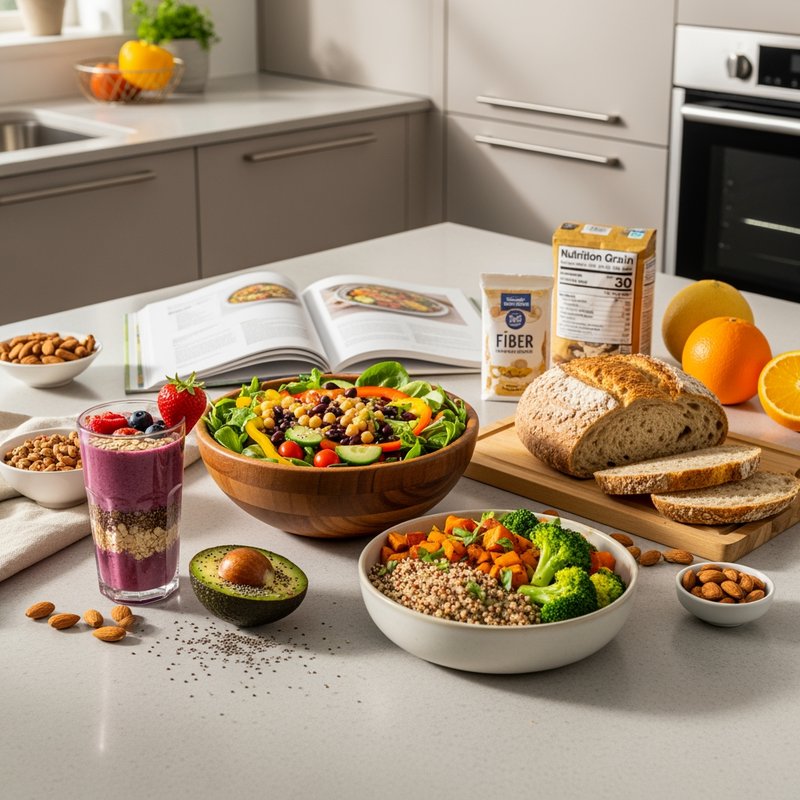
52 recipes

Beneficial for:

Acne

Vegan diets may improve acne by eliminating dairy products (strongly linked to acne through hormones and growth factors) and reducing high-glycemic foods when focused on whole plant foods. The diet's anti-inflammatory properties and high antioxidant content may reduce sebum production and inflammation in sebaceous glands. However, benefits depend on avoiding high-glycemic vegan processed foods and ensuring adequate zinc and omega-3 intake.

Key foods: Pumpkin seeds and hemp seeds (zinc), leafy greens, berries, walnuts and flaxseeds (omega-3), tomatoes (lycopene), sweet potatoes, green tea, probiotic-rich fermented foods

Autoimmune Conditions

Vegan diets may benefit certain autoimmune conditions by reducing inflammatory triggers, modulating immune responses, and improving gut barrier function. The elimination of potential dietary antigens from animal products, combined with high intake of anti-inflammatory compounds and improved gut microbiome diversity, may reduce autoimmune disease activity. Evidence is strongest for rheumatoid arthritis, with studies showing reduced pain and inflammation, though individual responses vary across different autoimmune conditions.

Key foods: Turmeric and ginger, leafy greens like kale and Swiss chard, berries especially blueberries, walnuts and flaxseeds, fermented foods like sauerkraut, cruciferous vegetables, green tea, omega-3 rich chia seeds

Chronic Kidney Disease

Plant-based diets may slow progression of chronic kidney disease by reducing acid load, lowering phosphorus absorption, and decreasing proteinuria while still providing adequate protein. The lower bioavailability of plant phosphorus and absence of phosphate additives found in animal products helps manage hyperphosphatemia. Studies show plant protein sources produce less uremic toxins and inflammatory markers compared to animal proteins in CKD patients.

Key foods: Legumes like lentils and chickpeas (in appropriate amounts), quinoa and bulgur, cauliflower and cabbage, berries, apples, red bell peppers, onions and garlic, rice milk (lower phosphorus)

Cognitive Decline

Vegan diets may protect against cognitive decline and dementia through multiple mechanisms including improved vascular health, reduced inflammation, and high antioxidant intake that protects neurons from oxidative damage. The diet's benefits for cardiovascular health directly translate to better cerebral blood flow and reduced risk of vascular dementia. However, adequate B12 supplementation is critical as deficiency can impair cognitive function.

Key foods: Berries especially blueberries, leafy greens like spinach and kale, walnuts and flaxseeds (omega-3 ALA), whole grains, legumes, turmeric, green tea, B12-fortified foods or supplements, dark chocolate

Crohn's Disease/Ulcerative Colitis

Vegan diets may benefit some individuals with IBD by reducing inflammatory triggers from animal products and providing anti-inflammatory plant compounds, though responses vary individually. The elimination of potential dietary antigens and pro-inflammatory fats from meat and dairy, combined with increased intake of omega-3 fatty acids from plant sources and polyphenols, may reduce disease activity. However, high fiber content may need modification during active flares, and careful planning is essential to prevent nutritional deficiencies.

Key foods: Well-cooked vegetables (during remission), ripe bananas, oatmeal, tofu and tempeh, avocados, ground flaxseeds and chia seeds, nut butters, turmeric, blueberries

Digestive Disorders

Vegan diets high in fiber and plant diversity can improve various digestive disorders by promoting beneficial gut bacteria, increasing stool bulk and regularity, and reducing inflammation in the GI tract. The absence of lactose eliminates a common trigger for digestive distress, while the prebiotic fibers feed beneficial microbiota. However, the high fiber content requires gradual adaptation and may not suit all digestive conditions, particularly during acute flares of inflammatory bowel diseases.

Key foods: Oats and whole grains, legumes like lentils (introduced gradually), fermented foods like sauerkraut and kimchi, bananas, papaya, ginger, peppermint, chia seeds and ground flaxseeds

Gout

Vegan diets significantly reduce gout risk and flare frequency by eliminating high-purine animal proteins while providing plant purines that don't increase uric acid levels as significantly. The diet's effects on weight loss, insulin sensitivity, and reduced inflammation all contribute to lower serum uric acid levels. Studies show vegetarians and vegans have substantially lower uric acid levels and gout incidence compared to meat-eaters.

Key foods: Cherries and cherry juice, low-fat plant milks, whole grains like brown rice, vegetables including celery and peppers, nuts like almonds, berries, coffee, vitamin C-rich foods like citrus and bell peppers

Non-Alcoholic Fatty Liver Disease

Vegan diets can improve liver fat content and liver enzyme levels in NAFLD by promoting weight loss, improving insulin sensitivity, and reducing dietary factors that contribute to hepatic fat accumulation. The high fiber and antioxidant content, combined with lower saturated fat intake and absence of dietary cholesterol, supports liver health and may reverse early-stage fatty liver. Studies show plant-based diets reduce liver fat by 30-50% in several months.

Key foods: Leafy greens and cruciferous vegetables, legumes like lentils and chickpeas, whole grains like oats and quinoa, walnuts, berries, green tea, turmeric, coffee, beets

Polycystic Ovary Syndrome

Vegan diets can improve PCOS symptoms by promoting weight loss, improving insulin sensitivity, and reducing inflammation and oxidative stress that contribute to hormonal imbalances. The high fiber content helps regulate blood sugar and may improve sex hormone-binding globulin (SHBG) levels, reducing free testosterone. Studies show plant-based diets improve menstrual regularity, reduce hirsutism, and improve metabolic markers in PCOS patients.

Key foods: Legumes like lentils and chickpeas, whole grains with low glycemic index, flaxseeds (lignans), leafy greens, berries, nuts like almonds, soy products like tofu and tempeh, cinnamon, spearmint tea

Rheumatoid Arthritis

Vegan diets show promising results for rheumatoid arthritis, with studies demonstrating reduced pain, morning stiffness, and joint swelling in many patients. The elimination of potential food antigens from animal products, combined with high intake of anti-inflammatory omega-3s and polyphenols, addresses both immune dysregulation and inflammation. Some patients experience significant symptom improvement within weeks, though responses vary individually and the diet works best as part of comprehensive treatment.

Key foods: Walnuts and flaxseeds (omega-3 ALA), turmeric and ginger, tart cherries, leafy greens like collards and kale, berries especially blueberries, extra virgin olive oil, green tea, cruciferous vegetables

Cancer Prevention

Vegan diets are associated with reduced risk of several cancers, particularly colorectal, breast, and prostate cancers. The high intake of protective phytochemicals, fiber, and antioxidants combined with elimination of carcinogenic compounds from processed and red meat (like heterocyclic amines and N-nitroso compounds) provides multi-faceted cancer protection. Studies show vegans have approximately 15% lower overall cancer risk compared to meat-eaters.

Key foods: Cruciferous vegetables like broccoli and Brussels sprouts, tomatoes (lycopene), berries, legumes including soybeans, leafy greens, whole grains, garlic and onions, flaxseeds, mushrooms

Cardiovascular Disease

A well-planned vegan diet significantly reduces cardiovascular disease risk by eliminating dietary cholesterol and saturated fats from animal products while providing abundant fiber, antioxidants, and anti-inflammatory compounds. Studies show vegans have up to 42% lower risk of heart disease compared to meat-eaters, with improvements in blood pressure, cholesterol levels, and arterial health. The high intake of plant sterols, soluble fiber, and polyphenols actively works to reduce LDL cholesterol and prevent atherosclerosis.

Key foods: Oats and barley (soluble fiber), walnuts and flaxseeds (omega-3 ALA), legumes like lentils and chickpeas, leafy greens like spinach and kale, berries and pomegranates, whole grains like quinoa, almonds and pistachios, extra virgin olive oil

Chronic Inflammation

Vegan diets significantly reduce markers of systemic inflammation including C-reactive protein (CRP), IL-6, and TNF-alpha. By eliminating pro-inflammatory compounds found in animal products (like arachidonic acid, heme iron, and Neu5Gc) while providing abundant anti-inflammatory phytonutrients, the diet creates a favorable inflammatory environment. The improved gut microbiome diversity and reduced endotoxin exposure from plant-based eating further contribute to lower inflammatory burden.

Key foods: Turmeric and ginger, leafy greens like kale and collards, berries especially blueberries and strawberries, walnuts and flaxseeds (omega-3), extra virgin olive oil, cruciferous vegetables like broccoli, green tea, tart cherries

Diverticular Disease

High-fiber vegan diets are highly protective against diverticular disease, with studies showing vegetarians have 30-40% lower risk of developing diverticulosis and diverticulitis compared to meat-eaters. The abundant fiber increases stool bulk, reduces colonic pressure, and speeds transit time, preventing the formation of diverticula. For those with existing diverticulosis, high-fiber plant-based diets reduce the risk of progression to diverticulitis, contrary to outdated advice to avoid nuts and seeds.

Key foods: Legumes like lentils and black beans, whole grains including brown rice and quinoa, vegetables like broccoli and carrots, fruits including pears and apples with skin, ground flaxseeds and chia seeds, oats, sweet potatoes, berries

Endothelial Dysfunction

Vegan diets rapidly improve endothelial function, with measurable improvements in flow-mediated dilation (FMD) occurring within weeks. The high content of nitrates, antioxidants, and L-arginine from plant foods increases nitric oxide production and bioavailability, while the absence of oxidized lipids and pro-inflammatory compounds from animal products reduces endothelial damage. This improvement in endothelial function is a key mechanism by which plant-based diets reduce cardiovascular disease risk.

Key foods: Beets and beet juice (nitrates), leafy greens like arugula and spinach, berries especially blueberries, walnuts, pomegranate, dark chocolate (70%+ cacao), garlic, extra virgin olive oil

High Cholesterol

Vegan diets are highly effective at lowering total and LDL cholesterol levels, with studies showing reductions of 15-25% in just weeks. By eliminating all dietary cholesterol (found only in animal products) and reducing saturated fat intake, while increasing soluble fiber and plant sterols, this diet addresses the primary dietary factors that elevate blood cholesterol. Meta-analyses consistently demonstrate superior cholesterol-lowering effects compared to omnivorous diets.

Key foods: Oats and oat bran, barley, legumes including beans and lentils, almonds and walnuts, soy products like tofu and tempeh, ground flaxseeds and chia seeds, apples and citrus fruits, plant sterol-fortified foods

Hypertension

Vegan diets consistently lower blood pressure, with research showing reductions of 5-7 mmHg systolic and 2-5 mmHg diastolic compared to omnivorous diets. The high potassium-to-sodium ratio, abundant nitrates from vegetables, increased fiber, and lower body weight associated with plant-based eating all contribute to improved blood pressure regulation. The diet's anti-inflammatory properties and improved endothelial function further support healthy vascular tone.

Key foods: Leafy greens like spinach and arugula (nitrates), beets and beet juice, bananas and sweet potatoes (potassium), legumes including black beans and kidney beans, whole grains like quinoa and brown rice, berries, ground flaxseeds, dark chocolate (70%+ cacao)

Longevity & Healthy Aging

Vegan diets are associated with increased longevity and reduced all-cause mortality, with studies showing 9-15% lower death rates compared to regular meat-eaters. The diet's effects on reducing chronic disease risk (cardiovascular disease, diabetes, certain cancers), maintaining healthy weight, and reducing oxidative stress and inflammation all contribute to extended healthspan. Blue Zone populations with high longevity often consume predominantly plant-based diets with minimal animal products.

Key foods: Legumes including beans and lentils, whole grains like oats and barley, leafy greens and colorful vegetables, berries, nuts especially walnuts and almonds, seeds including flax and chia, green tea, extra virgin olive oil

Metabolic Syndrome

Vegan diets address all five components of metabolic syndrome simultaneously: reducing abdominal obesity, lowering blood pressure, improving lipid profiles, reducing fasting glucose, and decreasing insulin resistance. Studies show significant improvements in metabolic syndrome prevalence and severity with plant-based eating patterns. The diet's comprehensive effects on inflammation, oxidative stress, and metabolic function make it particularly effective for this multi-faceted condition.

Key foods: Legumes including chickpeas and black beans, whole grains like oats and quinoa, leafy greens and colorful vegetables, walnuts and almonds, ground flaxseeds and chia seeds, berries, soy products like tofu, green tea

Obesity

Vegan diets are highly effective for weight loss and weight management, with studies showing vegans typically have BMIs 3-6 points lower than omnivores. The high fiber and water content of plant foods increases satiety while providing fewer calories per volume, naturally reducing caloric intake without requiring strict portion control. Long-term adherence to vegan diets is associated with sustained weight loss and lower obesity rates across populations.

Key foods: Legumes like beans and lentils (protein and fiber), whole grains like brown rice and quinoa, leafy greens and cruciferous vegetables, berries and apples, nuts and seeds in moderate amounts, tofu and tempeh, oats, sweet potatoes

Type 2 Diabetes

Vegan diets improve insulin sensitivity and glycemic control in type 2 diabetes, with studies showing superior HbA1c reductions compared to conventional diabetic diets. The high fiber content slows glucose absorption, while the absence of animal fats reduces intramyocellular lipid accumulation that interferes with insulin signaling. Research demonstrates that plant-based diets can reduce diabetes medication needs and in some cases contribute to disease remission, particularly when combined with weight loss.

Key foods: Legumes like lentils and chickpeas (low glycemic index), steel-cut oats, quinoa and barley, leafy greens and non-starchy vegetables, chia seeds and flaxseeds, nuts like almonds and walnuts, cinnamon, berries

High-Fiber Diet

High-Fiber Diet

A High-Fiber Diet is an eating plan that emphasizes consuming foods rich in dietary fiber, aiming for at least 25-35 grams per day (or more) compared to the average intake of only 10-15 grams in typical Western diets. The core principle is to increase both soluble fiber (which dissolves in water and helps lower cholesterol and glucose levels) and insoluble fiber (which aids digestive health and promotes regularity). This diet focuses on whole, minimally processed plant-based foods while reducing refined and processed items that have been stripped of their natural fiber content. Foods typically included in a High-Fiber Diet are whole grains (oats, quinoa, brown rice, whole wheat, barley), legumes (beans, lentils, chickpeas, peas), vegetables (especially broccoli, Brussels sprouts, carrots, artichokes, sweet potatoes), fruits (berries, apples, pears, oranges, prunes), nuts and seeds (almonds, chia seeds, flaxseeds, psyllium), and bran products. Foods to minimize or exclude include white bread, white rice, refined pasta, pastries, processed snacks, sugary cereals, and other products made with refined grains that contain minimal fiber. The diet encourages eating whole fruits rather than juices and choosing whole grains over their refined counterparts. The High-Fiber Diet has substantial scientific backing for addressing multiple health conditions. It significantly benefits digestive health by preventing and relieving constipation, reducing the risk of diverticular disease and hemorrhoids, and may help manage irritable bowel syndrome (IBS) symptoms in some individuals. For cardiovascular health, soluble fiber helps lower LDL cholesterol levels and reduces heart disease risk. The diet is particularly beneficial for managing type 2 diabetes, as fiber slows sugar absorption and improves blood sugar control. High-fiber intake is associated with healthy weight management due to increased satiety, reduced overall calorie intake, and improved metabolic health. Research also suggests it may lower the risk of colorectal cancer and reduce chronic inflammation throughout the body. This diet is ideal for individuals seeking to improve digestive regularity, those managing diabetes or prediabetes, people with high cholesterol or heart disease risk, anyone trying to achieve or maintain a healthy weight, and those looking to reduce their risk of chronic diseases. However, people with certain digestive conditions like active Crohn's disease flares, ulcerative colitis, or bowel obstructions should consult healthcare providers before significantly increasing fiber intake, as they may need to temporarily follow a low-fiber diet during acute phases. It's important to increase fiber gradually and drink plenty of water to avoid digestive discomfort, bloating, or gas that can occur with sudden dietary changes.

47 recipes
Canine Cooking

Canine Cooking

The Canine Cooking diet is a specialized nutritional approach focused on preparing homemade, whole-food meals for dogs rather than relying on commercial pet foods. This diet emphasizes fresh, minimally processed ingredients that provide balanced nutrition tailored to a dog's specific needs, life stage, and health conditions. Core principles include using high-quality protein sources, appropriate ratios of meat to vegetables, inclusion of healthy fats, and careful attention to essential nutrients that dogs require, such as calcium, phosphorus, and taurine. The diet excludes toxic foods for canines, artificial preservatives, fillers, by-products, and ingredients commonly found in processed commercial dog foods. Typically included foods are lean meats (chicken, turkey, beef, lamb, fish), organ meats (liver, kidney), eggs, dog-safe vegetables (carrots, green beans, sweet potato, pumpkin, broccoli), certain fruits (blueberries, apples without seeds), brown rice, quinoa, oatmeal, and healthy fats like fish oil or coconut oil. Strictly excluded are foods toxic to dogs: chocolate, grapes, raisins, onions, garlic, macadamia nuts, xylitol, avocado, alcohol, caffeine, raw yeast dough, and foods high in salt or artificial additives. Portion sizes and ingredient ratios must be carefully calculated based on the dog's weight, age, and activity level. This diet can help address various canine health conditions including food allergies and sensitivities, inflammatory bowel disease, pancreatitis, obesity, diabetes, kidney disease (with protein modification), skin conditions, and digestive issues. Many dogs with chronic ear infections, hot spots, or gastrointestinal distress show improvement when switched from commercial foods to fresh, whole-food diets. The diet may also support dogs with cancer, arthritis, or heart conditions when properly formulated with veterinary guidance. While scientific research on homemade dog diets is growing, veterinary nutritionists emphasize the importance of proper formulation to prevent nutritional deficiencies. Studies have shown that many homemade dog food recipes lack essential nutrients, particularly calcium, vitamin D, and certain trace minerals. However, when properly balanced (often with veterinary-recommended supplements), fresh-food diets can provide superior digestibility and bioavailability of nutrients compared to highly processed kibble. This diet is most beneficial for dogs with specific health conditions, food sensitivities, or owners committed to providing optimal nutrition and willing to invest time in meal preparation. Consultation with a veterinary nutritionist is strongly recommended to ensure nutritional adequacy.

46 recipes

Beneficial for:

Chronic Inflammation

By focusing on anti-inflammatory ingredients and eliminating processed foods, this diet helps reduce systemic inflammation in dogs. The balanced mix of lean proteins, omega-3 rich foods, and antioxidant-packed vegetables supports the body's natural anti-inflammatory processes.

Key foods: Fatty fish, blueberries, sweet potato, green beans, organ meats, fish oil

Food Allergies & Sensitivities

The diet eliminates common allergens and focuses on whole, single-source proteins and limited ingredients, which can help identify and manage food sensitivities. The careful selection of ingredients reduces the risk of allergic reactions and supports digestive health.

Key foods: Lean chicken, turkey, fish, sweet potato, brown rice, pumpkin

Longevity & Healthy Aging

The nutrient-rich, whole food approach supports overall health and may contribute to improved longevity by providing essential nutrients, reducing inflammation, and supporting metabolic health throughout a dog's life stages.

Key foods: Organ meats, fatty fish, blueberries, sweet potato, green beans, fish oil

Digestive Disorders

This carefully balanced diet supports optimal digestive health by providing easily digestible proteins, fiber-rich vegetables, and whole grains that promote healthy gut function. The elimination of toxic ingredients and focus on whole, natural foods helps reduce digestive inflammation and supports microbiome balance.

Key foods: Pumpkin, sweet potato, lean chicken, brown rice, green beans, fish oil

Obesity

The carefully portioned, nutrient-dense diet helps manage weight by providing balanced nutrition with controlled calorie intake. The emphasis on lean proteins and low-calorie vegetables supports muscle maintenance while reducing overall caloric consumption.

Key foods: Lean chicken, turkey, green beans, pumpkin, brown rice, fish

IIFYM (If It Fits Your Macros)

IIFYM (If It Fits Your Macros)

IIFYM (If It Fits Your Macros), also known as flexible dieting, is a nutritional approach that focuses on meeting daily macronutrient targets—protein, carbohydrates, and fats—rather than restricting specific foods or food groups. The core principle is that no foods are inherently 'good' or 'bad'; instead, any food can be incorporated into your diet as long as it fits within your personalized macronutrient goals and total caloric needs. These macro targets are typically calculated based on individual factors including body weight, composition, activity level, and specific goals such as fat loss, muscle gain, or maintenance. Unlike traditional restrictive diets, IIFYM emphasizes nutritional flexibility and sustainability, allowing for occasional treats and diverse food choices while still achieving body composition and health objectives. The IIFYM diet doesn't explicitly exclude any foods, though practitioners are encouraged to prioritize nutrient-dense whole foods like lean proteins (chicken, fish, eggs, legumes), complex carbohydrates (whole grains, fruits, vegetables, potatoes), healthy fats (avocados, nuts, olive oil, fatty fish), and fiber-rich options to support overall health, satiety, and micronutrient needs. The remaining macros can be filled with more flexible choices including processed foods, desserts, or restaurant meals, typically following an 80/20 approach where 80% of intake comes from whole foods and 20% from discretionary choices. There are no mandatory food exclusions unless dictated by allergies, intolerances, or personal preferences. While IIFYM isn't specifically designed as a therapeutic diet for medical conditions, it can be adapted to support various health goals and conditions when properly implemented. For individuals with diabetes, tracking macros—particularly carbohydrates—can improve blood sugar management and insulin sensitivity. Those with cardiovascular concerns can adjust their fat intake to emphasize unsaturated fats while monitoring saturated fat and cholesterol within their macro targets. The flexibility of IIFYM makes it particularly sustainable for long-term weight management, which can benefit conditions exacerbated by obesity including hypertension, metabolic syndrome, and inflammation. However, IIFYM is not appropriate for conditions requiring strict dietary restrictions like celiac disease (which requires complete gluten elimination) or Crohn's disease during flares (which may need low-residue approaches), though the macro-tracking framework can be applied alongside necessary restrictions. Research supports the effectiveness of calorie and macronutrient tracking for weight management and body composition changes, with studies showing that adherence to caloric targets is the primary driver of weight loss regardless of macronutrient distribution. The flexible approach of IIFYM has been associated with better dietary adherence, reduced feelings of deprivation, and lower rates of disordered eating behaviors compared to highly restrictive diets. This diet is ideal for individuals seeking sustainable weight loss or muscle gain, athletes and fitness enthusiasts who need precise nutritional control, those who have struggled with restrictive dieting, and anyone wanting to improve their understanding of nutrition and portion control while maintaining dietary flexibility and social freedom.

45 recipes

Beneficial for:

Hormonal Balance

IIFYM supports hormonal health by providing balanced macronutrient intake and emphasizing whole, nutrient-dense foods. The diet helps regulate hormones through consistent nutrition and prevents extreme dietary restrictions.

Key foods: Fatty fish, avocados, nuts, seeds, lean proteins, whole grains, cruciferous vegetables, olive oil

Insulin Resistance

IIFYM can help manage insulin resistance by providing a structured approach to carbohydrate intake and emphasizing complex, nutrient-dense carbohydrate sources. The diet supports blood sugar regulation through precise macro tracking and whole food selection.

Key foods: Greek yogurt, eggs, quinoa, sweet potatoes, lean chicken, tofu, legumes, nuts

Metabolic Syndrome

IIFYM helps manage metabolic syndrome by promoting balanced macronutrient intake, reducing processed foods, and supporting weight management. The diet's emphasis on whole foods and portion control can improve insulin sensitivity and reduce cardiovascular risk factors.

Key foods: Fatty fish like salmon, olive oil, avocados, nuts, lean proteins, whole grains, leafy green vegetables

Type 2 Diabetes

IIFYM supports diabetes management by providing precise control over carbohydrate intake and emphasizing nutrient-dense, low-glycemic foods. The diet allows flexible food choices while maintaining strict macro tracking to support blood sugar control.

Key foods: Fatty fish, avocados, nuts, seeds, lean proteins, non-starchy vegetables, quinoa, Greek yogurt

Athletic Performance

IIFYM provides athletes with a customizable nutrition approach that supports muscle growth, recovery, and performance. The diet allows precise macro manipulation to meet specific training and body composition goals.

Key foods: Lean chicken, salmon, eggs, Greek yogurt, quinoa, sweet potatoes, nuts, olive oil

Obesity

IIFYM provides a structured approach to nutrition that allows precise calorie and macronutrient control, enabling effective weight management. By emphasizing portion control and nutrient-dense whole foods, the diet supports sustainable weight loss and body composition improvements.

Key foods: Lean chicken breast, Greek yogurt, eggs, quinoa, sweet potatoes, broccoli, salmon, almonds

Pegan Diet

Pegan Diet

The Pegan Diet is a hybrid nutritional approach that combines the core principles of the Paleo and Vegan diets, created by Dr. Mark Hyman. This eating pattern emphasizes whole, unprocessed foods with a focus on plant-based nutrition while allowing for moderate amounts of high-quality animal proteins. The diet centers on consuming abundant vegetables and fruits (which should comprise 75% of the plate), nuts, seeds, and healthy fats from sources like avocados, olive oil, and omega-3 rich fish. It permits small amounts of grass-fed, sustainably raised meat and wild-caught fish, treating them as side dishes rather than main courses. The diet takes a moderate stance on certain foods that are restricted in pure Paleo or Vegan diets, allowing occasional consumption of gluten-free grains and legumes in limited quantities. The Pegan Diet excludes or severely limits dairy products, gluten-containing grains, refined sugars, processed foods, and most conventional animal products. It eliminates foods with additives, preservatives, and artificial ingredients. The diet restricts high-glycemic foods and emphasizes low-glycemic index options to maintain stable blood sugar levels. While legumes and gluten-free grains like quinoa and black rice are permitted, they should be consumed in small portions (no more than 1/2 to 3/4 cup per meal) and are considered optional rather than staples. This dietary approach is particularly beneficial for managing inflammatory conditions, type 2 diabetes, metabolic syndrome, cardiovascular disease, autoimmune disorders, and digestive issues including irritable bowel syndrome. The diet's emphasis on low-glycemic foods and healthy fats helps regulate blood sugar and insulin levels, making it especially suitable for diabetics and those with insulin resistance. The anti-inflammatory nature of the diet, achieved through the elimination of processed foods, refined sugars, and most dairy, may help reduce chronic inflammation associated with numerous health conditions. Research supports many of the diet's components: high vegetable intake is linked to reduced disease risk, omega-3 fatty acids support heart and brain health, and elimination of processed foods improves metabolic markers. The Pegan Diet is ideal for individuals seeking a flexible, plant-forward approach that doesn't require complete elimination of animal products, those with food sensitivities or autoimmune conditions, people looking to reduce inflammation and improve metabolic health, and anyone wanting to transition away from processed foods toward whole-food nutrition. It's particularly suitable for those who find pure Paleo too meat-heavy or pure Vegan too restrictive, offering a middle ground that emphasizes nutritional density and sustainability. The diet may also benefit those with digestive sensitivities who need to avoid gluten and limit dairy while still maintaining adequate protein intake.

45 recipes
Macro Diet

Macro Diet

The Macro Diet, also known as flexible dieting or "If It Fits Your Macros" (IIFYM), is a nutritional approach that focuses on tracking and balancing the three macronutrients—protein, carbohydrates, and fats—rather than restricting specific foods or counting calories alone. The core principle involves calculating individualized macronutrient targets based on factors such as age, weight, height, activity level, and specific goals (weight loss, muscle gain, or maintenance). Unlike restrictive diets that eliminate entire food groups, the Macro Diet emphasizes portion control and nutritional balance, allowing followers to eat a wide variety of foods as long as they meet their daily macro targets, typically ranging from 40-50% carbohydrates, 25-35% protein, and 20-30% fats, though ratios can be adjusted based on individual needs. The Macro Diet doesn't strictly exclude any foods, making it highly flexible and sustainable for most people. However, it naturally encourages consumption of nutrient-dense whole foods including lean proteins (chicken, fish, turkey, tofu, legumes), complex carbohydrates (whole grains, sweet potatoes, oats, quinoa, fruits, vegetables), and healthy fats (avocados, nuts, seeds, olive oil, fatty fish). While processed foods and treats aren't forbidden, they're typically consumed in moderation since whole foods provide more volume and satiety for the same macronutrient content. The diet emphasizes food quality alongside quantity, encouraging followers to meet micronutrient needs through varied, colorful whole foods while still allowing flexibility for occasional indulgences. The Macro Diet has shown effectiveness in addressing several health conditions and concerns. It's particularly beneficial for managing type 2 diabetes and prediabetes, as tracking carbohydrates helps regulate blood sugar levels and improve insulin sensitivity. The diet supports cardiovascular health by allowing customization of fat intake and emphasizing heart-healthy unsaturated fats while managing saturated fat consumption. For individuals with metabolic syndrome, obesity, or inflammation-related conditions, the Macro Diet promotes sustainable weight management and can reduce inflammatory markers through balanced nutrition and appropriate caloric intake. Athletes and those seeking body composition changes benefit from optimized protein intake for muscle preservation and growth. Research published in the Journal of the International Society of Sports Nutrition and various nutritional science journals supports macronutrient tracking as an effective tool for weight management, athletic performance, and metabolic health. This diet is ideal for individuals who want structure without severe restrictions, including fitness enthusiasts, athletes, people with diabetes or insulin resistance, those seeking sustainable weight loss or muscle gain, and anyone who has failed at restrictive diets. It's particularly suitable for people who enjoy data tracking and want to understand their nutritional intake better. The Macro Diet may be less appropriate for individuals with eating disorders or those who might become obsessive about tracking. It works well for people with food allergies or intolerances since it's inherently flexible and can accommodate various dietary restrictions. The educational component of tracking macros helps followers develop long-term nutritional awareness and make informed food choices even after they stop actively tracking.

43 recipes

Beneficial for:

Chronic Inflammation

The Macro Diet's emphasis on whole, nutrient-dense foods provides anti-inflammatory nutrients while maintaining a balanced macronutrient profile. The diet supports reduced inflammatory markers through strategic food choices.

Key foods: Fatty fish, turmeric, ginger, berries, leafy greens, olive oil, nuts, seeds

Insulin Resistance

The Macro Diet's approach to balanced macronutrients and whole food nutrition helps stabilize blood sugar levels and improve insulin sensitivity. By controlling carbohydrate intake and emphasizing complex carbohydrates, the diet supports metabolic health.

Key foods: Legumes, quinoa, sweet potatoes, berries, lean proteins, nuts, olive oil, leafy greens

Metabolic Syndrome

By promoting balanced macronutrient intake and emphasizing nutrient-dense whole foods, the Macro Diet helps improve insulin sensitivity, reduce inflammation, and support cardiovascular health markers associated with metabolic syndrome.

Key foods: Fatty fish, avocados, chia seeds, leafy green vegetables, lean proteins, whole grains, nuts

Type 2 Diabetes

The Macro Diet supports blood sugar management through controlled carbohydrate intake, balanced nutrition, and emphasis on low-glycemic foods. Its flexible approach allows individuals to maintain nutritional variety while managing diabetes.

Key foods: Legumes, non-starchy vegetables, lean proteins, chia seeds, almonds, salmon, olive oil, berries

Athletic Performance

The Macro Diet provides customized nutrition that supports muscle recovery, energy production, and optimal body composition for athletes. Its flexible approach allows for precise nutritional targeting based on individual training needs.

Key foods: Lean chicken, salmon, Greek yogurt, quinoa, sweet potatoes, eggs, whey protein, mixed nuts

Obesity

The Macro Diet provides precise nutritional tracking that allows individuals to create a controlled calorie deficit while maintaining balanced nutrient intake. By focusing on macronutrient ratios and whole foods, it supports sustainable weight loss and metabolic health.

Key foods: Lean chicken breast, wild-caught salmon, tofu, quinoa, sweet potatoes, mixed berries, almonds, olive oil

Optavia

Optavia

The Optavia diet is a structured, portion-controlled meal replacement program designed to help individuals achieve rapid and sustainable weight loss through a comprehensive approach to nutrition and lifestyle modification. Developed by Medifast, Inc., the diet centers around consuming pre-packaged 'Fuelings' - small, nutrient-dense meals and snacks that are scientifically formulated to provide balanced nutrition while creating a caloric deficit. The core principle of Optavia is the 5 & 1 Plan, where participants consume five pre-packaged Fuelings per day and one 'Lean & Green' meal that they prepare themselves, consisting of lean protein and non-starchy vegetables. These Fuelings are carefully portioned and designed to provide essential nutrients while keeping total daily caloric intake low, typically between 800-1,000 calories. The diet emphasizes metabolic efficiency, aiming to transition the body into a fat-burning state through controlled carbohydrate and protein intake. Optavia has shown potential benefits for individuals struggling with obesity, metabolic syndrome, type 2 diabetes, and those seeking structured weight loss support. Clinical studies have demonstrated that the diet can help reduce body weight, improve insulin sensitivity, and lower inflammation markers. The program is particularly beneficial for individuals who prefer a highly structured approach to weight loss, need portion control guidance, and respond well to meal replacement strategies. Medical professionals often recommend Optavia for patients with significant weight-related health risks, though individual consultation is always advised. The diet is not recommended for pregnant women, individuals with certain metabolic disorders, or those with a history of eating disorders. While the pre-packaged Fuelings are nutritionally balanced, long-term reliance on meal replacements can potentially lead to nutrient deficiencies if not carefully managed. Participants are encouraged to transition to a maintenance phase after reaching their weight loss goals, learning sustainable eating habits and portion control techniques.

41 recipes
Ancestral Diet

Ancestral Diet

The Ancestral Diet, also known as the Paleo or Primal diet, is based on the principle of eating foods that our hunter-gatherer ancestors would have consumed during the Paleolithic era, before the advent of agriculture approximately 10,000 years ago. The core philosophy is that the human body is genetically adapted to thrive on the foods available to our ancient ancestors, and that many modern health problems stem from the mismatch between our genetics and contemporary processed foods. This approach emphasizes whole, unprocessed foods while eliminating foods that became common only after the agricultural revolution. Foods typically included in the Ancestral Diet are grass-fed meats, wild-caught fish and seafood, eggs, vegetables, fruits, nuts, seeds, healthy fats (such as olive oil, coconut oil, and avocado), and herbs and spices. The diet strictly excludes grains (wheat, rice, corn, oats), legumes (beans, lentils, peanuts, soy), dairy products (though some variations allow grass-fed butter and ghee), refined sugars, processed foods, artificial sweeteners, refined vegetable oils, and any foods containing additives or preservatives. The focus is on nutrient-dense, anti-inflammatory foods that provide optimal fuel for the body. The Ancestral Diet has shown promise in addressing numerous health conditions, particularly those related to inflammation and metabolic dysfunction. Research suggests it may benefit individuals with autoimmune conditions, type 2 diabetes, cardiovascular disease, obesity, metabolic syndrome, inflammatory bowel diseases, acne, and polycystic ovary syndrome (PCOS). Studies have demonstrated improvements in blood sugar control, insulin sensitivity, blood pressure, cholesterol profiles, and markers of inflammation. The diet's elimination of processed foods, refined sugars, and inflammatory seed oils, combined with its emphasis on protein, healthy fats, and micronutrient-rich vegetables, contributes to better blood sugar regulation and reduced systemic inflammation. This diet is particularly beneficial for individuals seeking to reduce inflammation, lose weight, improve metabolic health, or manage autoimmune conditions. Athletes and those seeking sustained energy levels often report improved performance due to stable blood sugar and efficient fat metabolism. People with gluten sensitivity, celiac disease, or lactose intolerance naturally benefit from the grain-free and dairy-free approach. However, the diet requires careful planning to ensure adequate calcium and vitamin D intake without dairy, and some individuals may need to modify the approach based on their specific health needs, activity levels, and personal tolerance to certain excluded foods.

39 recipes
Flexible Dieting

Flexible Dieting

Flexible Dieting, also known as "If It Fits Your Macros" (IIFYM), is a nutrition approach that focuses on meeting daily macronutrient targets (protein, carbohydrates, and fats) rather than restricting specific foods or food groups. The core principle is that no foods are inherently "good" or "bad" - what matters is the overall balance of macronutrients and total calorie intake aligned with individual goals. Users calculate their personalized macronutrient needs based on factors like body weight, activity level, and goals (weight loss, maintenance, or muscle gain), then track their food intake to meet these targets while allowing flexibility in food choices. This approach typically includes a daily calorie target and macro breakdown (for example, 40% carbohydrates, 30% protein, 30% fat), which can be adjusted based on individual responses and preferences. Flexible Dieting includes all foods in moderation - from lean proteins (chicken, fish, tofu, eggs), complex carbohydrates (whole grains, fruits, vegetables, legumes), and healthy fats (nuts, avocados, olive oil) to processed foods and treats, as long as they fit within the daily macro targets. Nothing is explicitly excluded, though practitioners are encouraged to prioritize nutrient-dense whole foods for 80-90% of their intake to ensure adequate micronutrient consumption, fiber intake, and satiety. The remaining 10-20% can come from less nutrient-dense "fun foods" without guilt or derailing progress. This flexibility distinguishes it from restrictive diets that eliminate entire food groups or specific ingredients. Flexible Dieting can benefit individuals managing various health conditions when properly customized. For diabetes management, controlling carbohydrate intake while tracking macros helps stabilize blood sugar levels. Those with heart disease can adjust fat quality and quantity while monitoring sodium. The approach supports sustainable weight loss, which benefits multiple conditions including hypertension, metabolic syndrome, and joint inflammation from excess weight. Research published in the International Journal of Obesity and related journals supports that flexible dietary approaches lead to better long-term adherence, reduced binge eating behaviors, and improved psychological well-being compared to rigid dieting. Studies show that macro-focused nutrition, when meeting protein targets, helps preserve lean muscle mass during weight loss and supports athletic performance. This diet is particularly beneficial for athletes, fitness enthusiasts, individuals who have struggled with restrictive diets, those prone to disordered eating patterns, and anyone seeking a sustainable long-term nutrition approach. It's ideal for people who want results without feeling deprived, those who eat out frequently or have social obligations, and individuals who need structure (through tracking) but also psychological freedom around food choices. However, it requires consistent tracking and basic nutritional knowledge, so it may not suit those who prefer intuitive eating or find tracking triggering. People with specific medical conditions should work with healthcare providers to set appropriate macro targets for their needs.

36 recipes

Beneficial for:

Insulin Resistance

Flexible Dieting provides a structured approach to managing insulin response by allowing precise control of macronutrient intake. The diet enables individuals to understand and modify their nutritional intake to improve glucose metabolism.

Key foods: Berries, Greek yogurt, sweet potatoes, lean proteins, leafy greens, nuts, seeds

Metabolic Syndrome

Flexible Dieting helps manage metabolic syndrome by promoting balanced macronutrient intake and encouraging whole, nutrient-dense foods. The approach allows for precise nutritional control while reducing insulin resistance and inflammation.

Key foods: Salmon, avocados, quinoa, spinach, almonds, chia seeds, lean turkey

Type 2 Diabetes

Flexible Dieting provides a structured approach to managing blood glucose levels through precise macronutrient control. The diet enables individuals to understand their nutritional intake and make informed choices that support glycemic control.

Key foods: Non-starchy vegetables, lean proteins, whole grains, berries, nuts, seeds, fatty fish

Athletic Performance

Flexible Dieting offers precise nutritional support for athletes by enabling exact macronutrient customization to support training goals, muscle recovery, and performance optimization. The approach allows for strategic nutrient timing and individualized nutrition plans.

Key foods: Whey protein, lean meats, complex carbohydrates, eggs, salmon, sweet potatoes, mixed nuts

Obesity

Flexible Dieting provides a precise macronutrient tracking approach that enables accurate calorie control and sustainable weight management. By allowing all foods in moderation while maintaining a caloric deficit, this diet reduces the psychological barriers typical in restrictive weight loss plans.

Key foods: Lean proteins like chicken breast, Greek yogurt, egg whites, mixed vegetables, whole grains, controlled portions of favorite foods

Atkins Diet

Atkins Diet

The Atkins Diet is a low-carbohydrate eating plan developed by cardiologist Dr. Robert Atkins in the 1970s. The core principle revolves around restricting carbohydrate intake to shift the body's metabolism from burning glucose to burning stored fat for energy, a metabolic state called ketosis. The diet is structured in four progressive phases: Induction (limiting carbs to 20-25g daily), Balancing (gradually adding nuts, low-carb vegetables, and small amounts of fruit), Fine-Tuning (adding more carbs as you approach your goal weight), and Maintenance (sustaining your ideal weight with a personalized carb threshold). Unlike many diets, Atkins emphasizes that calories are less important than controlling carbohydrate consumption. Foods typically included in the Atkins Diet are protein-rich options such as meat, poultry, fish, and eggs; healthy fats including butter, olive oil, and avocados; full-fat cheese and cream; low-carb vegetables like leafy greens, broccoli, cauliflower, and asparagus; and nuts and seeds in moderation. Foods that are excluded or severely limited include sugar and sugary foods, grains (bread, pasta, rice, cereal), starchy vegetables (potatoes, corn), most fruits (especially in early phases), legumes and beans, low-fat and diet products (which often contain added sugar), and processed foods high in carbohydrates. The Atkins Diet has been studied extensively for its effects on various health conditions, particularly type 2 diabetes, metabolic syndrome, and cardiovascular disease risk factors. Research has shown that low-carb diets like Atkins can significantly improve blood sugar control and insulin sensitivity, making it beneficial for people with diabetes or prediabetes. Studies have demonstrated improvements in triglyceride levels, HDL (good) cholesterol, and blood pressure, though effects on LDL cholesterol can vary. The diet may also help reduce inflammation markers and support weight loss, which indirectly benefits conditions exacerbated by excess weight, including polycystic ovary syndrome (PCOS), non-alcoholic fatty liver disease, and certain digestive issues. Some research suggests potential benefits for neurological conditions like epilepsy, though more studies are needed. This diet is particularly well-suited for individuals struggling with obesity, insulin resistance, type 2 diabetes, or metabolic syndrome who have not achieved results with traditional low-fat diets. People who experience significant hunger on calorie-restricted diets may find Atkins more sustainable due to its satiating protein and fat content. However, the diet may not be appropriate for everyone—individuals with kidney disease, pregnant or breastfeeding women, and those with certain metabolic disorders should consult healthcare providers before starting. Athletes requiring high carbohydrate intake for performance may also need to modify the approach. The diet's scientific backing is substantial for short to medium-term weight loss and metabolic improvements, though long-term adherence studies show mixed results, emphasizing the importance of finding a sustainable eating pattern that works for individual needs and preferences.

29 recipes

Beneficial for:

Acne

The Atkins Diet may improve acne by eliminating high-glycemic foods that spike insulin and insulin-like growth factor 1 (IGF-1), both of which stimulate sebum production and inflammation in skin. By removing sugar, refined carbohydrates, and maintaining stable blood sugar levels, the diet addresses hormonal triggers of acne. Many individuals report clearer skin within weeks of adopting a very low-carb approach.

Key foods: Fatty fish like salmon and sardines, pasture-raised eggs, grass-fed beef, leafy greens, cruciferous vegetables like broccoli, avocados, olive oil, nuts like walnuts

Cardiovascular Disease

The Atkins Diet's impact on cardiovascular disease prevention is complex but generally favorable when considering multiple risk factors beyond LDL cholesterol alone. The diet significantly improves triglycerides, HDL cholesterol, blood pressure, blood sugar control, and promotes weight loss—all major cardiovascular risk factors. Improvements in inflammatory markers and endothelial function further support cardiovascular health, though individual lipid responses should be monitored.

Key foods: Fatty fish like salmon, sardines and mackerel, olive oil, avocados, nuts like walnuts and almonds, leafy greens, grass-fed beef, eggs, flaxseeds

Chronic Inflammation

The Atkins Diet reduces systemic inflammation by eliminating refined carbohydrates and sugars that promote inflammatory pathways, while emphasizing anti-inflammatory fats and proteins. Studies show reductions in inflammatory markers like C-reactive protein (CRP), IL-6, and TNF-alpha. The diet's emphasis on omega-3 rich foods and elimination of inflammatory seed oils further supports this anti-inflammatory effect.

Key foods: Fatty fish like salmon, mackerel and sardines, grass-fed beef, pasture-raised eggs, olive oil, avocados, leafy greens, walnuts, turmeric-seasoned meats

Cognitive Decline

The Atkins Diet may protect against cognitive decline and improve brain function through ketone production and improved metabolic health. Ketones provide an efficient alternative fuel source for the brain, which is particularly important as glucose metabolism becomes impaired with aging and in conditions like Alzheimer's disease. The diet's anti-inflammatory effects and improvement in vascular health also support brain health and cognitive function.

Key foods: Fatty fish like salmon and sardines, eggs, grass-fed beef, avocados, olive oil, coconut oil, leafy greens like spinach, walnuts

Epilepsy

The Atkins Diet, particularly in its modified form (Modified Atkins Diet or MAD), has demonstrated effectiveness in reducing seizure frequency in both children and adults with drug-resistant epilepsy. While not as restrictive as the classic ketogenic diet, it produces sufficient ketosis to provide neuroprotective effects. Studies show 30-50% of patients experience significant seizure reduction, with some achieving complete seizure freedom.

Key foods: Fatty fish like salmon, grass-fed beef with fat, butter and heavy cream, eggs, avocados, macadamia nuts, olive oil, coconut oil

High Cholesterol

The Atkins Diet typically improves the overall lipid profile, though effects on LDL cholesterol are variable and individualized. Most people experience significant increases in HDL cholesterol (the protective form), dramatic reductions in triglycerides, and improvements in LDL particle size (shifting from small, dense particles to large, buoyant ones). These changes generally indicate reduced cardiovascular risk despite sometimes stable or slightly elevated LDL-C levels.

Key foods: Fatty fish like salmon and mackerel, olive oil and avocado oil, avocados, nuts like walnuts and almonds, eggs, grass-fed beef, leafy greens, flaxseeds

Hypertension

The Atkins Diet often leads to significant blood pressure reductions, particularly in individuals who are overweight or have metabolic syndrome. The weight loss achieved through the diet contributes substantially to blood pressure improvements, while the reduction in insulin levels has direct vascular benefits. Many patients are able to reduce or discontinue antihypertensive medications under medical supervision.

Key foods: Fatty fish like salmon and sardines, avocados, leafy greens like spinach and Swiss chard, nuts like almonds and walnuts, olive oil, grass-fed beef, eggs, cruciferous vegetables

Migraines

The Atkins Diet has shown promise in reducing migraine frequency and severity, likely through stabilization of blood sugar levels and production of ketones. Many migraine sufferers report significant improvements when eliminating refined carbohydrates and maintaining stable energy metabolism. The diet's effect on reducing inflammation and improving mitochondrial function in neurons may also contribute to migraine prevention.

Key foods: Fatty fish like salmon, grass-fed beef, eggs, avocados, olive oil, leafy greens, nuts like almonds, full-fat dairy products

Athletic Performance

The Atkins Diet may benefit certain types of athletic performance, particularly endurance activities and ultra-endurance events, by promoting fat adaptation and metabolic flexibility. Athletes become efficient at utilizing fat for fuel, which provides virtually unlimited energy for long-duration, lower-intensity activities. However, the diet may impair high-intensity performance that relies on glycolytic pathways, making it more suitable for specific athletic contexts rather than universal performance enhancement.

Key foods: Fatty fish like salmon, grass-fed beef, eggs, avocados, olive oil, macadamia nuts, butter and ghee, full-fat Greek yogurt

Metabolic Syndrome

The Atkins Diet addresses all five components of metabolic syndrome: abdominal obesity, elevated triglycerides, low HDL cholesterol, high blood pressure, and elevated fasting glucose. Research shows dramatic improvements in these markers, often reversing metabolic syndrome entirely. The diet's impact on insulin resistance is particularly crucial since hyperinsulinemia is considered a root cause of the syndrome.

Key foods: Fatty fish like mackerel and salmon, olive oil and avocado oil, grass-fed meats, eggs, nuts like walnuts and pecans, leafy greens, cruciferous vegetables like Brussels sprouts, full-fat dairy

Non-Alcoholic Fatty Liver Disease

The Atkins Diet is highly effective for reversing non-alcoholic fatty liver disease (NAFLD) by eliminating the primary dietary drivers of hepatic fat accumulation: excess carbohydrates and fructose. Studies show significant reductions in liver fat content, improvements in liver enzymes, and reversal of inflammation within weeks to months. The diet addresses the root cause of NAFLD, which is insulin resistance and excess de novo lipogenesis in the liver.

Key foods: Wild-caught salmon and sardines, grass-fed beef, pasture-raised eggs, olive oil, avocados, leafy greens like arugula and spinach, cruciferous vegetables, walnuts

Obesity

The Atkins Diet promotes significant weight loss through multiple mechanisms including appetite suppression, increased satiety from protein and fat, and metabolic shifts toward fat burning. Clinical trials consistently demonstrate greater weight loss on low-carb approaches compared to low-fat diets, particularly in the first 6-12 months. The diet's structure naturally reduces caloric intake without requiring explicit calorie counting.

Key foods: Grass-fed beef and lamb, wild-caught salmon and tuna, pasture-raised eggs, chicken thighs with skin, avocados, macadamia nuts and almonds, butter and ghee, full-fat cheese

Polycystic Ovary Syndrome

The Atkins Diet significantly improves PCOS symptoms by addressing the underlying insulin resistance that drives the condition. Women following low-carb approaches experience improvements in menstrual regularity, reduced androgen levels, improved ovulation rates, and better fertility outcomes. Weight loss achieved through this diet further amplifies these benefits, as excess weight exacerbates PCOS symptoms.

Key foods: Fatty fish like salmon and mackerel, pasture-raised eggs, grass-fed beef, avocados, olive oil, leafy greens, broccoli and cauliflower, full-fat Greek yogurt

Type 2 Diabetes

The Atkins Diet is highly effective for managing Type 2 Diabetes by drastically reducing carbohydrate intake, which directly minimizes blood glucose spikes and reduces insulin demand. Multiple studies show significant improvements in HbA1c levels, fasting glucose, and insulin sensitivity. Many patients are able to reduce or eliminate diabetes medications under medical supervision while following this approach.

Key foods: Fatty fish like salmon and sardines, grass-fed beef, pasture-raised eggs, avocados, olive oil, leafy greens like spinach and kale, cruciferous vegetables like broccoli and cauliflower, full-fat Greek yogurt

Depression & Anxiety

Emerging research suggests the Atkins Diet may improve symptoms of depression and anxiety through multiple mechanisms including stabilized blood sugar, reduced inflammation, and ketone production. The diet's impact on gut health and the gut-brain axis, along with improved mitochondrial function, may contribute to better mood regulation. Some studies show improvements in mood scores and reduced anxiety symptoms with very low-carb diets.

Key foods: Fatty fish like salmon and mackerel, pasture-raised eggs, grass-fed beef, leafy greens, avocados, olive oil, fermented full-fat dairy like yogurt, walnuts

South Beach Diet

South Beach Diet

The South Beach Diet is a three-phase eating plan developed by cardiologist Dr. Arthur Agatston in the early 2000s, originally designed to help his cardiac patients lose weight and improve their heart health. Unlike traditional low-carb diets, the South Beach Diet focuses on the quality of carbohydrates and fats rather than eliminating entire food groups. The core principle centers on choosing low-glycemic index carbohydrates, lean proteins, and healthy unsaturated fats while minimizing refined carbohydrates, added sugars, and saturated fats. The diet progresses through three phases: Phase 1 (two weeks) eliminates most carbohydrates to stabilize blood sugar and reduce cravings; Phase 2 gradually reintroduces healthy carbs until goal weight is reached; and Phase 3 focuses on long-term maintenance with sustainable eating habits. The South Beach Diet emphasizes lean proteins (fish, poultry, lean beef, eggs), healthy fats (olive oil, avocados, nuts, seeds), non-starchy vegetables, low-fat dairy, and legumes. In later phases, it includes whole grains, most fruits, and starchy vegetables in moderation. The diet strictly excludes or limits refined carbohydrates (white bread, white rice, pasta), added sugars, processed foods, sugary beverages, baked goods, and foods high in saturated fats. Phase 1 temporarily restricts all fruits, whole grains, and starchy vegetables to reset metabolism and curb cravings. This diet is particularly beneficial for individuals with type 2 diabetes, prediabetes, metabolic syndrome, and cardiovascular disease, as it helps stabilize blood sugar levels, reduce triglycerides, and improve cholesterol profiles. Research published in the Archives of Internal Medicine has shown that the South Beach Diet can lead to significant weight loss, improved insulin sensitivity, and better cardiovascular risk markers. The diet's emphasis on low-glycemic foods helps reduce inflammation and may benefit those struggling with obesity-related conditions. The South Beach Diet is best suited for people seeking sustainable weight loss, those with blood sugar regulation issues, individuals at risk for heart disease, and anyone looking to adopt a balanced, long-term approach to healthy eating without extreme restrictions. The diet has substantial medical backing, having been created by a cardiologist and supported by numerous studies demonstrating its effectiveness for weight management and metabolic health. Unlike ketogenic diets, it doesn't aim for ketosis but rather promotes balanced nutrition with an emphasis on food quality. The gradual reintroduction of carbohydrates in Phase 2 makes it more sustainable than stricter low-carb approaches, and the focus on whole foods, lean proteins, and healthy fats aligns with current nutritional science recommendations for chronic disease prevention and management.

29 recipes

Beneficial for:

Chronic Inflammation

The South Beach Diet reduces chronic inflammation through its emphasis on anti-inflammatory omega-3 fats, antioxidant-rich vegetables, and elimination of pro-inflammatory refined carbohydrates and processed foods. The diet has been shown to reduce inflammatory markers like C-reactive protein and interleukin-6. The abundance of phytonutrients from vegetables and healthy fats creates a favorable anti-inflammatory environment.

Key foods: Fatty fish like salmon, sardines, and mackerel, extra virgin olive oil, leafy greens like kale and arugula, berries (Phase 2+), walnuts and almonds, avocados, legumes, turmeric-spiced dishes

Cognitive Decline

The South Beach Diet supports cognitive health through its emphasis on omega-3 fatty acids for brain structure and function, antioxidants from vegetables to combat oxidative stress, and stable blood sugar to ensure consistent brain energy supply. The diet's similarity to Mediterranean dietary patterns, which are strongly associated with reduced cognitive decline, suggests neuroprotective benefits. Improved vascular health from the diet also supports cerebral blood flow.

Key foods: Fatty fish like salmon and sardines, walnuts, extra virgin olive oil, leafy greens like spinach and kale, blueberries (Phase 2+), eggs, avocados, legumes

Hypertension

The South Beach Diet helps lower blood pressure through weight loss, reduced sodium intake from processed foods, and increased intake of potassium-rich vegetables and magnesium-rich nuts. The diet's emphasis on lean proteins and healthy fats, combined with elimination of processed foods high in sodium, creates a favorable mineral balance for blood pressure control. Studies show average reductions of 5-10 mmHg in systolic blood pressure.

Key foods: Leafy greens like spinach and Swiss chard, avocados, fatty fish like salmon, legumes including white beans and lima beans, almonds and cashews, low-fat yogurt, tomatoes, sweet potatoes (Phase 2+)

Longevity & Healthy Aging

The South Beach Diet promotes healthy aging by addressing multiple age-related conditions simultaneously, including cardiovascular disease, diabetes, and obesity. The diet's emphasis on nutrient-dense whole foods, healthy fats, and lean proteins provides essential nutrients for cellular health while reducing oxidative stress and inflammation. The dietary pattern shares many features with longevity-promoting diets like the Mediterranean diet.

Key foods: Fatty fish like salmon and mackerel, extra virgin olive oil, colorful vegetables like bell peppers and tomatoes, legumes, nuts including walnuts and almonds, berries (Phase 2+), leafy greens, avocados

Non-Alcoholic Fatty Liver Disease

The South Beach Diet helps reverse non-alcoholic fatty liver disease by eliminating refined carbohydrates and added sugars that drive hepatic lipogenesis and fat accumulation. The diet promotes weight loss and improves insulin sensitivity, both critical for reducing liver fat. Studies show that low-glycemic diets similar to South Beach can reduce liver fat by 30-40% within 6-12 weeks.

Key foods: Fatty fish like salmon and mackerel, extra virgin olive oil, walnuts and almonds, leafy greens like kale and spinach, legumes including lentils, avocados, eggs, low-fat dairy

Polycystic Ovary Syndrome

The South Beach Diet helps manage PCOS by improving insulin sensitivity and reducing hyperinsulinemia, which are central to PCOS pathophysiology. The low-glycemic approach helps regulate menstrual cycles, reduce androgen levels, and improve fertility outcomes. Women with PCOS following similar dietary patterns show improvements in ovulation rates and reductions in testosterone levels.

Key foods: Salmon and other fatty fish, eggs, chicken breast, legumes like chickpeas and black beans, leafy greens like spinach, almonds and walnuts, low-fat Greek yogurt, olive oil

Acne

The South Beach Diet may improve acne by eliminating high-glycemic foods that spike insulin and insulin-like growth factor-1 (IGF-1), both of which stimulate sebum production and inflammation in skin. The diet's anti-inflammatory properties and emphasis on omega-3 fats may further reduce acne severity. Studies suggest low-glycemic diets can reduce acne lesions by 30-50%.

Key foods: Fatty fish like salmon, eggs, leafy greens like spinach and kale, nuts including almonds and walnuts, legumes, olive oil, low-fat dairy, colorful vegetables

Athletic Performance

The South Beach Diet may support athletic performance through its emphasis on lean proteins for muscle recovery and maintenance, healthy fats for sustained energy, and strategic carbohydrate intake in later phases for glycogen replenishment. The diet's anti-inflammatory properties may aid recovery, while stable blood sugar helps maintain consistent energy levels. However, athletes with high carbohydrate needs may require modifications, especially during Phase 1.

Key foods: Salmon and tuna, chicken breast, eggs, legumes like black beans, nuts including almonds, low-fat Greek yogurt, quinoa and sweet potatoes (Phase 2+), leafy greens

Depression & Anxiety

The South Beach Diet may support mental health through its emphasis on omega-3 fatty acids, which are essential for brain function and mood regulation, and stable blood sugar levels that prevent mood swings. The diet's anti-inflammatory properties may also benefit mental health, as inflammation is increasingly linked to depression. Improved gut health from fiber-rich foods may support the gut-brain axis.

Key foods: Fatty fish like salmon and sardines, walnuts, eggs, leafy greens like spinach, legumes, low-fat yogurt with probiotics, avocados, olive oil

Digestive Disorders

The South Beach Diet may benefit certain digestive disorders by emphasizing whole, unprocessed foods and eliminating refined carbohydrates and processed foods that can trigger digestive symptoms. The diet's inclusion of fiber-rich vegetables and legumes supports healthy gut motility and microbiome diversity. However, the diet's effectiveness varies depending on the specific digestive condition.

Key foods: Leafy greens like spinach, non-starchy vegetables like zucchini and cucumbers, legumes like lentils, low-fat yogurt with probiotics, olive oil, eggs, lean proteins like chicken and fish

Gout

The South Beach Diet may help manage gout by promoting weight loss, which reduces uric acid levels, and by limiting high-fructose foods that increase uric acid production. The diet's emphasis on low-fat dairy products has been associated with reduced gout risk. However, the diet's inclusion of some purine-rich foods like certain fish requires careful selection for gout sufferers.

Key foods: Low-fat dairy including yogurt and cottage cheese, eggs, cherries (Phase 2+), leafy greens, olive oil, legumes in moderation, chicken breast, vegetables like bell peppers

Cardiovascular Disease

The South Beach Diet improves cardiovascular health by emphasizing heart-healthy monounsaturated and omega-3 fats while limiting saturated fats and eliminating trans fats from processed foods. The diet has been shown to improve lipid profiles, reduce inflammation markers, and lower blood pressure. Studies demonstrate significant reductions in LDL cholesterol, triglycerides, and C-reactive protein levels.

Key foods: Fatty fish like salmon, mackerel, and sardines, extra virgin olive oil, avocados, walnuts and almonds, flaxseeds, leafy greens like spinach and collards, legumes including black beans, low-fat dairy

High Cholesterol

The South Beach Diet effectively lowers total cholesterol and LDL cholesterol while raising beneficial HDL cholesterol through its emphasis on healthy fats and elimination of refined carbohydrates. Clinical studies have shown reductions in LDL cholesterol of 10-15% and increases in HDL cholesterol of 5-10%. The diet's focus on soluble fiber from vegetables and legumes further enhances cholesterol-lowering effects.

Key foods: Salmon and tuna, almonds and walnuts, olive oil and canola oil, avocados, legumes like chickpeas and lentils, oats and barley (Phase 2+), leafy greens, flaxseeds

Metabolic Syndrome

The South Beach Diet addresses all five components of metabolic syndrome: abdominal obesity, elevated triglycerides, low HDL cholesterol, high blood pressure, and elevated fasting glucose. The diet's emphasis on lean proteins, healthy fats, and low-glycemic carbohydrates has been shown to improve multiple metabolic markers simultaneously. Clinical trials have demonstrated significant reductions in waist circumference, triglycerides, and blood pressure while improving HDL cholesterol levels.

Key foods: Fatty fish like salmon and sardines, avocados, extra virgin olive oil, legumes including black beans and chickpeas, leafy greens like kale and arugula, nuts including almonds and pecans, low-fat dairy products, eggs

Obesity

The South Beach Diet promotes significant weight loss through its structured phased approach that eliminates refined carbohydrates and emphasizes protein and healthy fats for satiety. The initial Phase 1 produces rapid weight loss by stabilizing blood sugar and reducing cravings, while subsequent phases allow for sustainable long-term weight management. Research shows average weight loss of 8-13 pounds in the first two weeks, with continued steady loss in later phases.

Key foods: Lean turkey and chicken breast, white fish and shellfish, eggs and egg whites, non-starchy vegetables like cauliflower and zucchini, legumes like lentils and kidney beans, almonds and cashews, low-fat cottage cheese, olive oil

Type 2 Diabetes

The South Beach Diet helps manage Type 2 diabetes by emphasizing low-glycemic index foods and eliminating refined carbohydrates, which prevents blood sugar spikes and improves glycemic control. The diet's phased approach allows for gradual reintroduction of healthy carbohydrates while maintaining stable blood glucose levels. Studies have shown significant improvements in HbA1c levels and insulin sensitivity among diabetic patients following this dietary pattern.

Key foods: Skinless chicken breast, salmon and tuna, eggs, non-starchy vegetables like broccoli and spinach, legumes like chickpeas and lentils, almonds and walnuts, low-fat Greek yogurt, olive oil

Primal Blueprint

Primal Blueprint

The Primal Blueprint is a lifestyle and dietary approach created by Mark Sisson that emphasizes eating whole, unprocessed foods similar to what our Paleolithic ancestors consumed, while allowing for some modern conveniences and flexibility. The diet is based on the principle that our genes are optimally adapted to the foods available before the agricultural revolution, approximately 10,000 years ago. Unlike strict paleo diets, the Primal Blueprint allows for some full-fat dairy products (if tolerated), red wine in moderation, and dark chocolate, making it slightly more flexible while still focusing on nutrient-dense, anti-inflammatory foods. The diet emphasizes high-quality proteins (grass-fed meats, wild-caught fish, pastured eggs, and poultry), abundant vegetables, healthy fats (avocados, nuts, seeds, olive oil, coconut oil, butter, and ghee), and moderate amounts of fruits and full-fat dairy. Foods to be excluded include all grains (wheat, rice, corn, oats), legumes (beans, lentils, peanuts, soy), refined sugars, processed foods, industrial seed oils (canola, soybean, corn oil), and artificial sweeteners. The diet promotes eating when hungry, focusing on food quality over calorie counting, and incorporating intermittent fasting when appropriate. The Primal Blueprint has been reported to help address numerous health conditions including type 2 diabetes, metabolic syndrome, obesity, cardiovascular disease, autoimmune conditions, chronic inflammation, irritable bowel syndrome, and non-celiac gluten sensitivity. By eliminating grains and processed foods, many followers experience improved blood sugar control, reduced inflammation markers, weight loss, increased energy levels, and better digestive health. The diet's emphasis on omega-3 fatty acids, antioxidants, and anti-inflammatory foods may benefit those with inflammatory conditions, while the elimination of gluten-containing grains can provide relief for those with celiac disease or gluten sensitivity. Scientific support for the Primal Blueprint comes from research on low-carbohydrate, high-fat diets, studies on inflammatory markers related to grain consumption, and evidence supporting the benefits of whole-food, nutrient-dense eating patterns. Research has shown that reducing refined carbohydrates and increasing healthy fats can improve insulin sensitivity, support weight management, and reduce cardiovascular risk factors. This diet is particularly beneficial for individuals seeking to lose weight, athletes looking for sustained energy, people with insulin resistance or diabetes, those with autoimmune or inflammatory conditions, and anyone wanting to reduce their dependence on processed foods while improving overall metabolic health. The flexible nature of the Primal Blueprint makes it sustainable for long-term adherence compared to more restrictive dietary approaches.

24 recipes

Beneficial for:

Autoimmune Conditions

The Primal Blueprint diet may help manage autoimmune conditions by reducing inflammatory triggers, supporting gut health, and providing nutrient-dense foods that support immune system regulation.

Key foods: Wild-caught fish, grass-fed meats, bone broth, fermented foods, turmeric, ginger, dark leafy greens, coconut oil

Chronic Inflammation

The Primal Blueprint diet is specifically designed to reduce inflammatory responses by eliminating pro-inflammatory foods and emphasizing nutrient-rich, anti-inflammatory whole foods.

Key foods: Wild-caught salmon, grass-fed beef, extra virgin olive oil, turmeric, ginger, dark leafy greens, berries, nuts and seeds

Insulin Resistance

The Primal Blueprint diet eliminates refined carbohydrates and processed foods, which are primary drivers of insulin resistance. By focusing on whole foods, healthy fats, and low-glycemic vegetables, the diet helps stabilize blood sugar and improve insulin sensitivity.

Key foods: Grass-fed beef, pastured eggs, wild-caught salmon, avocados, olive oil, nuts and seeds, leafy green vegetables

Metabolic Syndrome

The Primal Blueprint diet addresses multiple metabolic syndrome markers by reducing inflammation, improving lipid profiles, and supporting weight management through nutrient-dense, whole food nutrition.

Key foods: Wild-caught fish, grass-fed meats, coconut oil, olive oil, cruciferous vegetables, berries, nuts and seeds

Obesity

The Primal Blueprint diet supports weight loss by promoting satiety, reducing processed food intake, and supporting metabolic flexibility through nutrient-dense whole foods.

Key foods: Grass-fed meats, wild-caught fish, pastured eggs, avocados, olive oil, leafy green vegetables, nuts and seeds

Type 2 Diabetes

The Primal Blueprint diet helps manage and potentially reverse Type 2 diabetes by dramatically reducing carbohydrate intake and improving insulin sensitivity through whole food nutrition.

Key foods: Pastured eggs, grass-fed beef, wild-caught fish, avocados, olive oil, low-carb vegetables, nuts and seeds

Whole30

Whole30

The Whole30 is a 30-day nutritional reset program designed to eliminate potentially inflammatory foods and help participants identify food sensitivities while improving their relationship with food. Created by Melissa Urban in 2009, the program emphasizes whole, unprocessed foods and requires strict adherence for the full 30 days, after which eliminated foods are systematically reintroduced to assess their individual effects on health, energy, digestion, and overall well-being. The core principle is to eliminate foods that commonly cause inflammation, gut disruption, hormonal imbalances, or immune responses, allowing the body to heal and reset. The Whole30 diet includes meat, seafood, eggs, vegetables, fruits, natural fats (like olive oil, coconut oil, and ghee), nuts, and seeds. It strictly excludes added sugar (real or artificial), alcohol, grains (including wheat, rice, oats, corn, and quinoa), legumes (including beans, lentils, peanuts, and soy), dairy products, carrageenan, MSG, sulfites, and any form of baked goods or junk food recreations even if made with compliant ingredients. The program also prohibits stepping on the scale or taking body measurements during the 30 days, focusing instead on non-scale victories like improved energy, better sleep, clearer skin, and reduced cravings. Whole30 may help address various health conditions including digestive issues like IBS and bloating, autoimmune conditions, chronic inflammation, skin problems like eczema and acne, energy fluctuations, sugar cravings, and poor sleep quality. Many participants report improvements in conditions such as type 2 diabetes management, high blood pressure, elevated cholesterol, hormonal imbalances, and joint pain. While the program has not been extensively studied in peer-reviewed clinical trials, it draws on established nutritional science regarding elimination diets, food sensitivities, and the anti-inflammatory effects of whole foods. The principles align with research showing that processed foods, excess sugar, and certain food groups can contribute to inflammation and metabolic dysfunction. This diet is best suited for individuals seeking to identify food sensitivities, break unhealthy eating patterns, reduce inflammation, improve digestive health, or reset their relationship with food. It may particularly benefit those with suspected food intolerances, autoimmune conditions, chronic digestive issues, or those who have struggled with sugar addiction and processed food dependency. However, the restrictive nature of Whole30 means it requires significant commitment and meal planning. It may not be appropriate for individuals with a history of disordered eating, those who are pregnant or breastfeeding without medical supervision, or competitive athletes during training periods. The program is intended as a short-term elimination protocol rather than a permanent lifestyle, with the goal of learning which foods work best for your individual body.

24 recipes

Beneficial for:

Acne

Whole30 eliminates dairy and added sugars, two dietary factors strongly linked to acne development through hormonal and inflammatory pathways. The removal of high-glycemic foods reduces insulin and IGF-1 spikes that stimulate sebum production and inflammation in skin. The nutrient-dense whole foods provide vitamins A, E, zinc, and omega-3 fatty acids that support skin health and reduce inflammation.

Key foods: Wild-caught salmon and sardines, grass-fed beef liver and other organ meats, eggs, sweet potatoes, carrots and other orange vegetables, leafy greens, berries, pumpkin seeds, walnuts

Autoimmune Conditions

Whole30 eliminates common inflammatory triggers including grains, legumes, dairy, and processed foods that may contribute to autoimmune flares and intestinal permeability. The elimination protocol helps identify food sensitivities that exacerbate autoimmune symptoms, while the nutrient-dense whole foods provide anti-inflammatory compounds and support immune regulation. Many individuals with conditions like Hashimoto's thyroiditis, rheumatoid arthritis, and lupus report symptom improvement during and after Whole30.

Key foods: Wild-caught salmon and sardines, grass-fed beef and organ meats, leafy greens like kale and spinach, cruciferous vegetables like broccoli and Brussels sprouts, sweet potatoes, blueberries and other berries, bone broth, extra virgin olive oil

Chronic Inflammation

Whole30 eliminates major inflammatory foods including refined sugars, processed oils, grains, and dairy while emphasizing anti-inflammatory whole foods rich in omega-3 fatty acids, antioxidants, and phytonutrients. The absence of added sugars prevents glycation and insulin spikes that drive inflammatory processes. The diet's focus on whole, unprocessed foods provides a high density of anti-inflammatory compounds that can help reduce systemic inflammation markers.

Key foods: Fatty fish like salmon and mackerel, walnuts, leafy greens like Swiss chard and collards, colorful vegetables like bell peppers and tomatoes, berries including blueberries and strawberries, turmeric and ginger, avocados, extra virgin olive oil

Digestive Disorders

Whole30's elimination of common digestive irritants including gluten, dairy, legumes, and processed additives can significantly reduce symptoms of IBS, bloating, and general digestive discomfort. The focus on easily digestible whole foods and the removal of FODMAPs found in many grains and legumes helps calm the digestive system. The reintroduction phase after 30 days allows individuals to identify specific trigger foods that cause their digestive symptoms.

Key foods: Bone broth, well-cooked root vegetables like carrots and squash, lean proteins like chicken and turkey, cooked leafy greens, zucchini and cucumber, ripe bananas and melons, ginger, coconut oil

Hypertension

Whole30 eliminates processed foods that are typically high in sodium, which can help reduce blood pressure in salt-sensitive individuals. The diet's emphasis on potassium-rich vegetables and fruits helps balance electrolytes and support healthy blood pressure. Weight loss, improved insulin sensitivity, and reduced inflammation achieved through Whole30 all contribute to lower blood pressure readings.

Key foods: Leafy greens like spinach and Swiss chard, sweet potatoes, bananas, avocados, fatty fish like salmon, beets, berries, garlic, unsalted nuts and seeds

Metabolic Syndrome

Whole30 addresses multiple components of metabolic syndrome simultaneously by eliminating added sugars and processed foods that drive insulin resistance, inflammation, and dyslipidemia. The diet's emphasis on whole foods, healthy fats, and elimination of refined carbohydrates helps improve blood pressure, blood sugar, triglycerides, and HDL cholesterol. The weight loss typically achieved on Whole30 further improves all metabolic syndrome markers.

Key foods: Fatty fish like salmon and mackerel, grass-fed beef, avocados, olive oil, nuts like almonds and walnuts, leafy greens and cruciferous vegetables, berries, sweet potatoes

Non-Alcoholic Fatty Liver Disease

Whole30's complete elimination of added sugars, particularly fructose, directly addresses one of the primary dietary drivers of fatty liver disease. The diet promotes weight loss and reduces insulin resistance, both critical factors in reversing hepatic steatosis. By focusing on whole foods and eliminating processed items, Whole30 reduces the overall glycemic and inflammatory burden on the liver.

Key foods: Wild-caught fish rich in omega-3s like salmon, lean proteins like chicken and turkey, cruciferous vegetables like broccoli and Brussels sprouts, leafy greens, berries, walnuts, olive oil, green tea (unsweetened)

Obesity

Whole30 promotes weight loss by eliminating highly palatable processed foods, added sugars, and refined carbohydrates that drive overconsumption and metabolic dysfunction. The emphasis on whole, nutrient-dense foods with high satiety value (protein, fiber, healthy fats) naturally reduces calorie intake without requiring calorie counting. The elimination of inflammatory foods and improvement in insulin sensitivity also helps normalize metabolic function and fat storage patterns.

Key foods: Lean proteins like chicken breast and turkey, fatty fish like salmon, eggs, fibrous vegetables like broccoli and cauliflower, leafy greens, sweet potatoes, avocados, compliant nuts in moderation

Polycystic Ovary Syndrome

Whole30's elimination of added sugars and refined carbohydrates helps address the insulin resistance that underlies most PCOS cases, potentially improving hormonal balance and ovulatory function. The anti-inflammatory nature of the diet may reduce chronic inflammation associated with PCOS, while weight loss achieved through the program can restore normal menstrual cycles and fertility. The removal of dairy eliminates hormones that may exacerbate PCOS symptoms.

Key foods: Wild-caught fatty fish like salmon, grass-fed beef, eggs, leafy greens like spinach, cruciferous vegetables like broccoli, berries, avocados, walnuts and almonds, cinnamon

Type 2 Diabetes

Whole30 eliminates all added sugars and emphasizes whole foods with naturally occurring carbohydrates, which helps stabilize blood sugar levels and reduce insulin spikes. The focus on protein, healthy fats, and fiber-rich vegetables slows glucose absorption and improves satiety, reducing overall carbohydrate intake compared to standard diets. While not as carbohydrate-restricted as ketogenic diets, Whole30's elimination of refined carbohydrates and sugars can lead to meaningful improvements in glycemic control.

Key foods: Wild-caught salmon and sardines, grass-fed beef, eggs, non-starchy vegetables like broccoli and cauliflower, leafy greens, avocados, nuts like almonds and walnuts, olive oil and coconut oil

Athletic Performance

Whole30 provides high-quality proteins for muscle recovery and repair, along with nutrient-dense carbohydrates from vegetables and fruits to fuel athletic performance. The anti-inflammatory nature of the diet may reduce exercise-induced inflammation and speed recovery between training sessions. However, athletes may need to carefully plan carbohydrate intake around training, as the elimination of grains and legumes reduces easily accessible carbohydrate sources for high-intensity activities.

Key foods: Wild-caught salmon, grass-fed beef, eggs, sweet potatoes, white potatoes (Whole30 compliant), bananas and dates for quick fuel, leafy greens, avocados, compliant nuts

Crohn's Disease/Ulcerative Colitis

Whole30 eliminates grains, legumes, dairy, and processed additives that may trigger inflammatory responses in individuals with IBD, potentially reducing symptom frequency and severity. The focus on easily digestible whole foods and removal of common irritants can help during flare-ups or as a maintenance strategy. While not specifically designed for IBD, many individuals report symptom improvement, though it should be undertaken with medical supervision due to nutritional considerations.

Key foods: Bone broth, well-cooked fish like salmon, lean ground meats, cooked and peeled vegetables like zucchini and carrots, ripe bananas, cooked sweet potatoes, avocado, coconut oil

Depression & Anxiety

Whole30's emphasis on nutrient-dense whole foods provides essential nutrients for neurotransmitter production and brain function, including omega-3 fatty acids, B vitamins, and amino acids. The elimination of processed foods and sugars helps stabilize blood sugar and reduces inflammation, both of which can impact mood and anxiety levels. Some individuals report improved mental clarity and emotional stability, though individual responses vary significantly.

Key foods: Fatty fish like salmon and sardines, grass-fed beef and organ meats, eggs, leafy greens, sweet potatoes, berries, walnuts, avocados

High Cholesterol

Whole30's elimination of processed foods and trans fats while emphasizing healthy fats from fish, avocados, nuts, and olive oil can improve lipid profiles in many individuals. The diet typically raises HDL (good) cholesterol while lowering triglycerides significantly. However, some individuals may experience increased LDL cholesterol due to higher saturated fat intake from meat, making individual monitoring important.

Key foods: Fatty fish like salmon and mackerel, avocados, extra virgin olive oil, walnuts and almonds, leafy greens, berries, ground flaxseed, Brussels sprouts

Migraines

Whole30 eliminates several common dietary migraine triggers including processed foods with MSG, sulfites, artificial sweeteners, and aged/fermented products. The stabilization of blood sugar through elimination of refined carbohydrates and sugars may reduce migraines triggered by glucose fluctuations. The systematic elimination and reintroduction protocol helps individuals identify their personal food triggers for migraines.

Key foods: Fresh fish like salmon and cod, fresh poultry, eggs, leafy greens, sweet potatoes, fresh fruits like apples and pears, fresh vegetables like broccoli and carrots, olive oil

Food Allergies & Sensitivities

Whole30 is specifically designed as an elimination diet to identify food sensitivities by removing the most common trigger foods for 30 days, then systematically reintroducing them. This protocol eliminates gluten, dairy, soy, legumes, and other common allergens and inflammatory foods, allowing the body to reset and symptoms to clear. The structured reintroduction phase enables individuals to pinpoint exactly which foods cause adverse reactions, making it one of the most effective dietary protocols for identifying food sensitivities.

Key foods: Grass-fed beef and lamb, wild-caught fish and shellfish, pastured eggs, variety of vegetables including nightshades and non-nightshades, fruits like apples and pears, compliant nuts like almonds and cashews, seeds like sunflower and pumpkin seeds, coconut products

Evolutionary Diet

Evolutionary Diet

The Evolutionary Diet, also known as the Paleo or Paleolithic Diet, is based on the premise that human genetics have changed very little since the agricultural revolution 10,000 years ago, and that our bodies are optimally designed to thrive on the foods our hunter-gatherer ancestors consumed. The core principle is to eat whole, unprocessed foods that would have been available during the Paleolithic era, thereby reducing the consumption of modern processed foods that may contribute to chronic disease. This approach emphasizes eating in harmony with our evolutionary biology rather than adapting to relatively recent dietary changes introduced by agriculture and industrialization. The diet primarily includes grass-fed meats, wild-caught fish and seafood, eggs, vegetables, fruits, nuts, seeds, and healthy fats such as olive oil, coconut oil, and avocado. It strictly excludes grains (wheat, rice, corn, oats), legumes (beans, lentils, peanuts, soy), dairy products, refined sugars, processed foods, artificial sweeteners, and refined vegetable oils. The emphasis is on nutrient-dense, anti-inflammatory foods with high bioavailability of vitamins and minerals. Moderate consumption of natural sweeteners like honey and maple syrup may be permitted in some variations. The Evolutionary Diet has shown promise in addressing multiple health conditions including type 2 diabetes, cardiovascular disease, metabolic syndrome, autoimmune conditions, inflammatory disorders, obesity, and digestive issues like irritable bowel syndrome. Research suggests that this dietary pattern may improve insulin sensitivity, reduce systemic inflammation, promote healthy weight loss, improve lipid profiles, and support gut health by eliminating common inflammatory triggers. Studies have demonstrated improvements in blood pressure, triglycerides, and HbA1c levels among followers of this diet. This diet may be particularly beneficial for individuals with autoimmune conditions, those struggling with metabolic disorders, people with food sensitivities to grains or dairy, athletes seeking optimal performance and recovery, and anyone looking to reduce inflammation or achieve sustainable weight loss. However, individuals with kidney disease should consult healthcare providers due to the higher protein content, and those with a history of disordered eating should approach any restrictive diet cautiously. The diet requires careful planning to ensure adequate calcium and vitamin D intake in the absence of dairy products.

23 recipes
Paleolithic Diet

Paleolithic Diet

The Paleolithic Diet, commonly known as the Paleo Diet, is a nutritional approach based on the presumed eating patterns of humans during the Paleolithic era, roughly 2.5 million to 10,000 years ago. The core principle is that modern humans are genetically adapted to eat the foods available to our pre-agricultural ancestors, and that many contemporary health problems stem from the mismatch between our genes and modern processed foods. This diet emphasizes whole, unprocessed foods that could theoretically be obtained through hunting and gathering, while excluding foods that became common only after the development of agriculture and industrial food processing. The Paleo Diet includes grass-fed meats, wild-caught fish and seafood, eggs, vegetables, fruits, nuts, seeds, and healthy oils such as olive, coconut, and avocado oil. It strictly excludes grains (wheat, oats, rice, corn), legumes (beans, lentils, peanuts, soy), dairy products, refined sugar, processed foods, artificial sweeteners, vegetable oils high in omega-6 fatty acids, and most packaged or processed foods. Some variations allow limited amounts of certain foods like grass-fed butter, fermented dairy, or white rice, but the strictest interpretations maintain that these post-agricultural foods should be avoided entirely. Proponents claim the Paleolithic Diet can help address numerous health conditions including type 2 diabetes, cardiovascular disease, autoimmune disorders, inflammatory conditions, obesity, metabolic syndrome, and digestive issues such as irritable bowel syndrome and celiac disease. The diet's elimination of gluten-containing grains makes it naturally suitable for those with celiac disease or gluten sensitivity, while its focus on low-glycemic foods and elimination of refined carbohydrates may help stabilize blood sugar levels in diabetics. The anti-inflammatory properties of the diet, stemming from its emphasis on omega-3 fatty acids and antioxidant-rich vegetables while eliminating processed foods and excess omega-6 oils, may benefit those with chronic inflammation, arthritis, or autoimmune conditions. Several studies have shown potential benefits of the Paleo Diet, including improved glucose tolerance, better blood pressure control, increased satiety, and favorable changes in cardiovascular risk factors. However, the scientific community remains divided, with critics noting the lack of long-term studies, concerns about saturated fat intake, the exclusion of nutrient-rich food groups like legumes and whole grains, and questions about the historical accuracy of the diet's premises. This diet may be most beneficial for individuals with autoimmune conditions, those seeking to reduce inflammation, people with insulin resistance or type 2 diabetes, individuals with gluten sensitivity, and those looking to eliminate processed foods from their diet. Athletes and highly active individuals may need to modify the approach to ensure adequate carbohydrate intake for performance.

20 recipes

Beneficial for:

Autoimmune Conditions

The Paleo diet can help manage autoimmune conditions by removing potential inflammatory triggers like gluten, dairy, and legumes. The nutrient-dense foods support immune system regulation and reduce systemic inflammation that can exacerbate autoimmune responses.

Key foods: Wild-caught fish, grass-fed lamb, bone broth, kale, sweet potatoes, olive oil, fermented vegetables

Digestive Disorders

The Paleo diet eliminates common digestive irritants like grains and legumes, which can cause inflammation and intestinal permeability. The focus on whole foods supports gut microbiome health and reduces digestive system stress.

Key foods: Bone broth, fermented vegetables, wild-caught fish, grass-fed beef, sweet potatoes, coconut oil, eggs

Chronic Inflammation

The Paleo diet is rich in anti-inflammatory foods and eliminates pro-inflammatory processed foods and grains. Its emphasis on omega-3 fatty acids, antioxidants, and nutrient-dense whole foods helps reduce systemic inflammation and supports immune function.

Key foods: Wild-caught salmon, grass-fed beef, blueberries, spinach, walnuts, coconut oil, turmeric

Insulin Resistance

The Paleo diet eliminates refined carbohydrates and processed foods that contribute to insulin resistance. By focusing on whole foods with low glycemic index, the diet helps stabilize blood sugar and improve insulin sensitivity. The high protein and healthy fat content further supports metabolic health.

Key foods: Grass-fed beef, wild-caught salmon, eggs, almonds, avocados, olive oil, leafy green vegetables

Metabolic Syndrome

The Paleo diet addresses multiple metabolic syndrome components by promoting weight loss, improving insulin sensitivity, and reducing inflammation. Its whole-food approach naturally supports cardiovascular and metabolic health.

Key foods: Grass-fed beef, wild-caught salmon, avocados, almonds, spinach, berries, olive oil

Low-Sodium Diet

Low-Sodium Diet

A low-sodium diet is a dietary approach that restricts the intake of sodium, typically limiting consumption to 1,500-2,300 milligrams per day (compared to the average American intake of 3,400 mg daily). The core principle is minimizing salt and high-sodium processed foods while emphasizing fresh, whole foods prepared without added salt. This diet recognizes that sodium, while essential for bodily functions like fluid balance and nerve transmission, becomes harmful in excess amounts, contributing to fluid retention and increased blood pressure. Foods typically included in a low-sodium diet are fresh fruits and vegetables, unsalted nuts and seeds, fresh poultry, fish and lean meats, dried beans and peas, whole grains, low-sodium or sodium-free broths, and fresh herbs and spices for flavoring. Excluded or severely limited foods include table salt, processed meats (bacon, ham, sausages, deli meats), canned soups and vegetables (unless labeled low-sodium), cheese and dairy products high in sodium, condiments like soy sauce and ketchup, pickled foods, salted snacks, fast food, frozen dinners, and restaurant meals which often contain hidden sodium. The low-sodium diet is medically recommended for several health conditions, most notably hypertension (high blood pressure), congestive heart failure, chronic kidney disease, cirrhosis and liver disease, and Ménière's disease. Excessive sodium intake causes the body to retain water, which increases blood volume and forces the heart to work harder, elevating blood pressure. For individuals with compromised kidney function, reducing sodium is critical as damaged kidneys cannot effectively filter excess sodium from the blood. The DASH (Dietary Approaches to Stop Hypertension) study and numerous clinical trials have demonstrated that reducing sodium intake can lower blood pressure by 5-6 mm Hg in hypertensive individuals and 2-3 mm Hg in those with normal blood pressure, significantly reducing cardiovascular disease risk. This diet benefits anyone with cardiovascular disease, those at risk for heart disease, individuals with kidney problems, people with fluid retention issues, and those diagnosed with hypertension. Additionally, reducing sodium can help decrease inflammation, improve calcium retention for bone health, and reduce the risk of stomach cancer. The American Heart Association, American College of Cardiology, and National Kidney Foundation all endorse sodium restriction as a first-line dietary intervention for managing blood pressure and protecting cardiovascular and renal health. Even healthy individuals can benefit from moderating sodium intake as a preventive measure against future health complications.

18 recipes
Hunter-Gatherer Diet

Hunter-Gatherer Diet

The Hunter-Gatherer Diet, also known as the Paleolithic or Paleo Diet, is based on the eating patterns of our prehistoric ancestors during the Paleolithic era, before the advent of agriculture approximately 10,000 years ago. The core principle is to consume only foods that would have been available to hunter-gatherers through hunting, fishing, and foraging. This dietary approach emphasizes whole, unprocessed foods and eliminates foods that became common only after the development of farming and modern food processing. The philosophy rests on the idea that human genetics have changed very little since the Paleolithic era, and our bodies are optimally adapted to the foods our ancestors ate. The diet includes grass-fed meats, wild-caught fish and seafood, eggs, vegetables, fruits, nuts, seeds, and healthy fats like olive oil, coconut oil, and avocado. It strictly excludes grains (wheat, rice, oats, barley), legumes (beans, lentils, peanuts, soy), dairy products, refined sugars, processed foods, artificial sweeteners, vegetable oils, and salt. The emphasis is on nutrient-dense, whole foods with high protein content, moderate to high healthy fats, and carbohydrates primarily from non-starchy vegetables and fruits. Proponents argue that these food choices more closely match what our digestive systems evolved to process efficiently. The Hunter-Gatherer Diet has shown promise in addressing several modern health conditions. Research suggests it may help manage type 2 diabetes by stabilizing blood sugar levels through the elimination of refined carbohydrates and processed foods. The anti-inflammatory nature of the diet may benefit those with autoimmune conditions, cardiovascular disease, and chronic inflammation. It naturally excludes gluten, making it suitable for individuals with celiac disease or gluten sensitivity. Studies have indicated improvements in metabolic syndrome markers, including blood pressure, cholesterol levels, and triglycerides. The diet may also support weight loss and improved body composition due to its high protein content and elimination of processed foods. Scientific support for the diet comes from various studies showing metabolic improvements, though long-term research is still limited. A 2009 study in the European Journal of Clinical Nutrition found that the Paleo diet improved glycemic control and cardiovascular risk factors compared to a conventional diabetes diet. Other research has demonstrated benefits for weight management and inflammatory markers. This diet may be particularly beneficial for individuals with insulin resistance, metabolic syndrome, autoimmune conditions, digestive issues, or those seeking to reduce inflammation and improve overall metabolic health. However, it may be challenging for vegetarians or vegans to follow, and individuals with kidney disease should consult healthcare providers due to the high protein content. Athletes and highly active individuals may need to carefully plan their carbohydrate intake to meet energy demands.

15 recipes
Daniel Fast

Daniel Fast

The Daniel Fast is a religiously-inspired, plant-based eating plan derived from the biblical Book of Daniel, where Daniel consumed only vegetables and water for a period of spiritual devotion. Modern interpretations typically last 10-21 days and emphasize whole, unprocessed plant foods while eliminating animal products, processed foods, sweeteners, leavened bread, and caffeinated beverages. The diet is essentially a strict vegan protocol that also excludes refined grains, added sugars, alcohol, and preservatives, making it one of the more restrictive plant-based approaches. Foods included on the Daniel Fast are vegetables, fruits, whole grains (quinoa, brown rice, oats), legumes (beans, lentils, peas), nuts, seeds, and plant-based oils. Water and natural fruit or vegetable juices are the primary beverages. Excluded items include all meat, poultry, fish, dairy products, eggs, refined grains (white bread, white rice), sweeteners (sugar, honey, artificial sweeteners), leavened bread, fried foods, solid fats, and caffeine. The emphasis is on consuming foods in their most natural, whole state with minimal processing. Research suggests the Daniel Fast may benefit individuals with cardiovascular disease, type 2 diabetes, metabolic syndrome, and inflammatory conditions. Studies published in journals like Lipids in Health and Disease and Alternative Therapies in Health and Medicine have shown that participants following the Daniel Fast experienced improvements in blood pressure, cholesterol levels, insulin sensitivity, and markers of oxidative stress and inflammation. The high fiber content and abundance of antioxidants from plant foods contribute to improved gut health, which may benefit those with digestive issues, though the high fiber load may initially challenge those with certain conditions like active Crohn's disease or IBS. This diet is particularly suitable for individuals seeking a structured spiritual fasting experience, those looking to reset their eating habits, people with heart disease or diabetes seeking dietary intervention, and anyone interested in exploring whole-food, plant-based eating. The temporary nature (typically 10-21 days) makes it more sustainable as a periodic cleanse or spiritual practice rather than a permanent lifestyle, though some adopt its principles long-term. Healthcare supervision is recommended for individuals with chronic conditions, and the diet may require B12 supplementation if followed for extended periods.

13 recipes
Cave Man Diet

Cave Man Diet

The Cave Man Diet, more commonly known as the Paleo or Paleolithic Diet, is based on the premise of eating foods that our hunter-gatherer ancestors would have consumed during the Paleolithic era, roughly 2.5 million to 10,000 years ago. The core principle is that the human body is genetically adapted to the foods available before the advent of agriculture and modern food processing, and that many contemporary health problems stem from the mismatch between our ancient biology and modern diet. This approach emphasizes whole, unprocessed foods that could theoretically be obtained through hunting and gathering. The diet typically includes grass-fed meats, wild-caught fish and seafood, eggs, vegetables, fruits, nuts, seeds, and healthy fats like olive oil, avocado oil, and coconut oil. It strictly excludes grains (wheat, rice, oats, etc.), legumes (beans, lentils, peanuts), dairy products, refined sugars, processed foods, artificial sweeteners, vegetable oils high in omega-6 fatty acids, and any foods containing additives or preservatives. The focus is on nutrient-dense foods with high protein content, moderate to high healthy fats, and carbohydrates primarily from vegetables and fruits rather than grains or starches. Proponents claim the Cave Man Diet can help address numerous health conditions including type 2 diabetes, cardiovascular disease, autoimmune disorders, inflammatory conditions, obesity, metabolic syndrome, and digestive issues like irritable bowel syndrome and leaky gut. By eliminating grains and legumes, the diet may benefit individuals with celiac disease, gluten sensitivity, or other grain-related intolerances. The anti-inflammatory nature of the diet, combined with its emphasis on whole foods and elimination of processed ingredients, may help reduce systemic inflammation linked to numerous chronic diseases. Some research has shown improvements in blood pressure, cholesterol levels, blood sugar control, and weight loss among followers of Paleo-style eating patterns. While controlled studies have shown some metabolic benefits, the scientific community remains divided on the Cave Man Diet's long-term efficacy and safety, particularly regarding the exclusion of whole grains and legumes, which are associated with health benefits in other dietary research. This diet may be most beneficial for individuals with autoimmune conditions, those seeking to reduce inflammation, people with insulin resistance or metabolic syndrome, and those who respond poorly to grains and dairy. Athletes and highly active individuals may need to carefully plan their carbohydrate intake to ensure adequate energy. The diet may not be suitable for vegetarians, vegans, or those with kidney disease due to its high protein content.

11 recipes

Beneficial for:

Autoimmune Conditions

The Paleo diet eliminates common inflammatory foods like grains, legumes, and dairy that can trigger autoimmune responses. By focusing on nutrient-dense, whole foods and removing potential immune system irritants, the diet helps reduce systemic inflammation and support immune system regulation.

Key foods: Wild-caught salmon, grass-fed beef, organic eggs, turmeric, bone broth, spinach, kale, avocados

Intestinal Permeability (Leaky Gut)

The Paleo diet removes potential gut-irritating foods like grains and legumes, which can contribute to intestinal permeability. By emphasizing nutrient-dense, anti-inflammatory foods, the diet supports gut healing and reduces intestinal inflammation.

Key foods: Bone broth, grass-fed beef, wild-caught fish, organic eggs, fermented vegetables, turmeric, ginger, coconut oil

Metabolic Syndrome

The Paleo diet addresses multiple metabolic syndrome components by promoting weight loss, reducing inflammation, and improving insulin sensitivity. Its whole-food approach naturally supports cardiovascular and metabolic health.

Key foods: Grass-fed beef, wild-caught salmon, olive oil, berries, leafy greens, nuts, seeds, avocados

Chronic Inflammation

The Paleo diet is specifically designed to reduce chronic inflammation by eliminating processed foods, refined sugars, and potential inflammatory agents. It emphasizes anti-inflammatory foods rich in omega-3 fatty acids, antioxidants, and nutrient-dense whole foods that support natural healing processes.

Key foods: Wild-caught salmon, grass-fed beef, olive oil, berries, leafy greens, turmeric, ginger, walnuts

Insulin Resistance

The Paleo diet naturally reduces carbohydrate intake and eliminates refined sugars, helping to stabilize blood glucose levels and improve insulin sensitivity. By focusing on whole foods with low glycemic impact, the diet supports metabolic health and can help reverse insulin resistance.

Key foods: Grass-fed beef, wild-caught fish, eggs, avocados, almonds, spinach, broccoli, coconut oil

Type 2 Diabetes

The Paleo diet naturally reduces blood sugar fluctuations by eliminating refined carbohydrates and focusing on low-glycemic foods. Its approach helps improve insulin sensitivity and can support diabetes management and potential reversal.

Key foods: Wild-caught salmon, grass-fed beef, eggs, avocados, almonds, spinach, broccoli, olive oil

Stone Age Diet

Stone Age Diet

The Stone Age Diet, more commonly known as the Paleo or Paleolithic Diet, is based on the eating patterns of our hunter-gatherer ancestors from approximately 2.5 million to 10,000 years ago, before the advent of agriculture. The core principle is that human genetics have changed very little since the Paleolithic era, and our bodies are optimally designed to process the foods available during that time. This approach emphasizes consuming whole, unprocessed foods that could theoretically be obtained through hunting and gathering, while eliminating foods that emerged with farming and modern food processing. The diet primarily includes grass-fed meats, wild-caught fish and seafood, eggs, vegetables, fruits, nuts, seeds, and healthy oils like olive and coconut oil. It strictly excludes grains (wheat, oats, rice, etc.), legumes (beans, lentils, peanuts), dairy products, refined sugars, processed foods, artificial sweeteners, trans fats, and most vegetable oils. Some variations allow limited amounts of certain foods like raw honey, dark chocolate, or grass-fed butter, but the strictest interpretations maintain that if a caveman couldn't eat it, neither should you. Proponents claim the Stone Age Diet can help address numerous health conditions including obesity, type 2 diabetes, cardiovascular disease, autoimmune disorders, inflammatory conditions, digestive issues like IBS, acne, and metabolic syndrome. By eliminating processed foods, refined carbohydrates, and common allergens like gluten and dairy, many followers report improved energy levels, better blood sugar control, reduced inflammation, and weight loss. The diet's emphasis on protein and healthy fats while limiting carbohydrates can improve insulin sensitivity and reduce markers of systemic inflammation. While some studies suggest benefits such as improved glucose tolerance, better cardiovascular risk factors, and weight loss compared to standard Western diets, the scientific community remains divided on the diet's long-term sustainability and necessity of eliminating entire food groups like legumes and whole grains, which have documented health benefits. The diet may be particularly beneficial for individuals with gluten sensitivity, those seeking to reduce inflammation, people struggling with blood sugar regulation, or anyone looking to eliminate processed foods from their diet. However, the restrictive nature may be challenging for vegetarians, those with limited food budgets, and individuals who require the nutrients found in excluded food groups. Athletes and highly active individuals may need to carefully plan their carbohydrate intake to maintain performance.

11 recipes

Beneficial for:

Autoimmune Conditions

The Paleo diet eliminates common inflammatory food triggers like grains, legumes, and dairy, which can exacerbate autoimmune responses. By focusing on nutrient-dense, anti-inflammatory whole foods, the diet helps reduce systemic inflammation and supports immune system regulation.

Key foods: Wild-caught salmon, grass-fed beef, organic eggs, turmeric, leafy green vegetables, bone broth, coconut oil

Intestinal Permeability (Leaky Gut)

By removing potential gut irritants like grains, legumes, and dairy, the Paleo diet helps reduce intestinal inflammation and supports gut lining repair. The diet provides nutrients that directly support gut healing and microbiome health.

Key foods: Bone broth, grass-fed beef, wild-caught fish, fermented vegetables, coconut oil, eggs, turmeric

Metabolic Syndrome

The Paleo diet addresses multiple metabolic syndrome components by promoting weight loss, reducing inflammation, and improving insulin sensitivity. Its whole-food approach naturally supports cardiovascular and metabolic health.

Key foods: Grass-fed meats, wild-caught fish, olive oil, berries, leafy greens, nuts, seeds, avocados

Chronic Inflammation

By eliminating processed foods, grains, and refined sugars, the Paleo diet dramatically reduces inflammatory markers in the body. The diet emphasizes anti-inflammatory foods rich in omega-3 fatty acids, antioxidants, and phytonutrients that actively combat chronic inflammation.

Key foods: Wild-caught fatty fish, grass-fed meats, avocados, olive oil, berries, leafy greens, turmeric, walnuts

Insulin Resistance

The Paleo diet naturally reduces carbohydrate intake and eliminates refined sugars, helping to stabilize blood glucose levels and improve insulin sensitivity. By focusing on whole foods with low glycemic impact, the diet helps reset metabolic function and reduce insulin resistance.

Key foods: Grass-fed beef, wild-caught salmon, eggs, avocados, almonds, spinach, broccoli, coconut oil

Type 2 Diabetes

The Paleo diet naturally reduces blood sugar fluctuations by eliminating refined carbohydrates and focusing on low-glycemic whole foods. Its approach helps improve insulin sensitivity and can potentially reverse early-stage type 2 diabetes.

Key foods: Wild-caught salmon, grass-fed beef, eggs, avocados, leafy greens, nuts, seeds, olive oil

Detox Diet

Detox Diet

The Detox Diet is a short-term dietary intervention designed to eliminate toxins from the body and support the natural detoxification processes of the liver, kidneys, and digestive system. Core principles include consuming whole, unprocessed foods while eliminating substances that may burden the body's detoxification pathways, such as alcohol, caffeine, refined sugars, processed foods, and potential allergens. Most detox diets emphasize hydration, plant-based nutrition, and the temporary elimination of difficult-to-digest foods to give the digestive system a rest and reset. Typically, a detox diet includes fresh fruits and vegetables (especially leafy greens, cruciferous vegetables, and citrus fruits), herbs like cilantro and parsley, plenty of water and herbal teas, nuts, seeds, legumes, and whole grains like quinoa and brown rice. Foods that are excluded include alcohol, caffeine, processed foods, refined sugars, artificial sweeteners, dairy products, gluten-containing grains, red meat, and often all animal products depending on the detox protocol's intensity. The diet emphasizes organic produce when possible to minimize pesticide exposure and focuses on foods rich in antioxidants, fiber, and nutrients that support liver function. Proponents claim that detox diets can help address various health issues including digestive problems, bloating, inflammation, skin conditions, fatigue, and general sluggishness. Some suggest benefits for conditions like irritable bowel syndrome (IBS), non-alcoholic fatty liver disease, and chronic inflammation. However, it's important to note that scientific evidence for detox diets is limited and often controversial. The human body has sophisticated built-in detoxification systems (liver, kidneys, lungs, skin), and mainstream medical experts often argue that specific "detox" diets are unnecessary for healthy individuals. That said, the emphasis on whole foods, increased vegetable intake, and elimination of processed foods can lead to improvements in energy, digestion, and overall well-being, though these benefits likely stem from improved nutrition rather than actual "detoxification." This diet may benefit individuals looking to reset their eating habits, those experiencing digestive discomfort from poor dietary choices, people wanting to identify food sensitivities through elimination and reintroduction, or those seeking a structured approach to transitioning to a healthier lifestyle. It's generally recommended as a short-term intervention (3-21 days) rather than a long-term eating plan. People with diabetes, eating disorders, pregnant or nursing women, children, and those with chronic health conditions should consult healthcare providers before starting any detox program, as the restrictive nature and potential caloric reduction may not be appropriate for everyone.

9 recipes

Beneficial for:

Digestive Disorders

This diet supports digestive health by removing common irritants and providing easily digestible, nutrient-dense foods. The elimination of gluten, dairy, and processed foods reduces potential digestive triggers while providing healing nutrients.

Key foods: Quinoa, brown rice, bone broth, fermented vegetables, organic leafy greens, chia seeds, peppermint, ginger

Insulin Resistance

The diet's focus on whole, unprocessed foods and elimination of refined sugars helps stabilize blood sugar levels and improve insulin sensitivity. The nutrient-dense approach provides essential minerals and compounds that support metabolic health.

Key foods: Quinoa, leafy greens, avocado, nuts, seeds, wild-caught fish, organic berries, cruciferous vegetables

Intestinal Permeability (Leaky Gut)

The elimination of potential inflammatory and allergenic foods combined with nutrient-rich whole foods helps repair intestinal lining and reduce gut permeability. The diet provides specific nutrients that support gut mucosal healing.

Key foods: Bone broth, collagen-rich foods, chia seeds, pumpkin seeds, organic leafy greens, wild-caught fish, fermented vegetables

Chronic Inflammation

By eliminating inflammatory foods and focusing on anti-inflammatory whole foods, this diet helps reduce systemic inflammation. The emphasis on organic produce and elimination of processed foods minimizes inflammatory triggers and provides powerful anti-inflammatory nutrients.

Key foods: Leafy greens, turmeric, ginger, olive oil, avocado, wild-caught salmon, chia seeds, organic berries

Detoxification Support

This diet directly supports the body's natural detoxification processes by eliminating toxin-laden processed foods and emphasizing nutrient-dense, organic whole foods. The diet provides essential nutrients that enhance liver and kidney function, supporting the body's primary detoxification organs.

Key foods: Beets, cruciferous vegetables like broccoli and kale, cilantro, parsley, lemon, green leafy vegetables, organic berries

Wild Diet

Wild Diet

The Wild Diet is a whole-foods-based nutritional approach that emphasizes eating minimally processed, nutrient-dense foods similar to what our ancestors consumed before the agricultural and industrial revolutions. Created by Abel James, the diet follows the principle of eating foods that could theoretically be hunted, fished, or gathered in nature. The core philosophy centers on consuming high-quality proteins, healthy fats, and abundant vegetables while minimizing processed foods, refined sugars, and industrial seed oils. The diet promotes eating organic, grass-fed, and wild-caught animal products whenever possible, along with seasonal vegetables, fruits, nuts, and seeds. The Wild Diet includes grass-fed meats, wild-caught fish and seafood, pastured eggs, organic vegetables (especially leafy greens and cruciferous vegetables), moderate amounts of fruits (particularly berries), nuts, seeds, healthy fats like avocado and coconut oil, and limited amounts of properly prepared legumes and whole grains. Foods to be excluded include refined sugars, artificial sweeteners, processed foods, industrial seed oils (canola, soybean, corn oil), conventional dairy products, grain-fed meats, and most packaged foods containing preservatives and additives. The diet allows for some flexibility with occasional consumption of fermented dairy, dark chocolate, and red wine in moderation. The Wild Diet may help address various health conditions including obesity, type 2 diabetes, metabolic syndrome, chronic inflammation, cardiovascular disease, autoimmune conditions, and digestive issues. By eliminating processed foods and emphasizing nutrient-dense whole foods, the diet naturally reduces inflammatory compounds, stabilizes blood sugar levels, and provides abundant micronutrients that support immune function and cellular health. The high fiber content from vegetables and the emphasis on healthy fats can improve gut health, which is particularly beneficial for individuals with inflammatory bowel conditions or food sensitivities. While the Wild Diet shares similarities with paleo and primal eating patterns, research supporting low-processed, whole-food diets consistently shows benefits for weight management, improved insulin sensitivity, reduced inflammation markers, and better cardiovascular health outcomes. Studies on Mediterranean and whole-food plant-based diets with quality proteins demonstrate reduced risk of chronic diseases. This diet is particularly well-suited for individuals looking to lose weight sustainably, those with blood sugar regulation issues, people seeking to reduce inflammation, athletes requiring clean fuel sources, and anyone wanting to transition away from processed foods toward a more ancestral eating pattern. However, individuals with specific medical conditions should consult healthcare providers before making significant dietary changes.
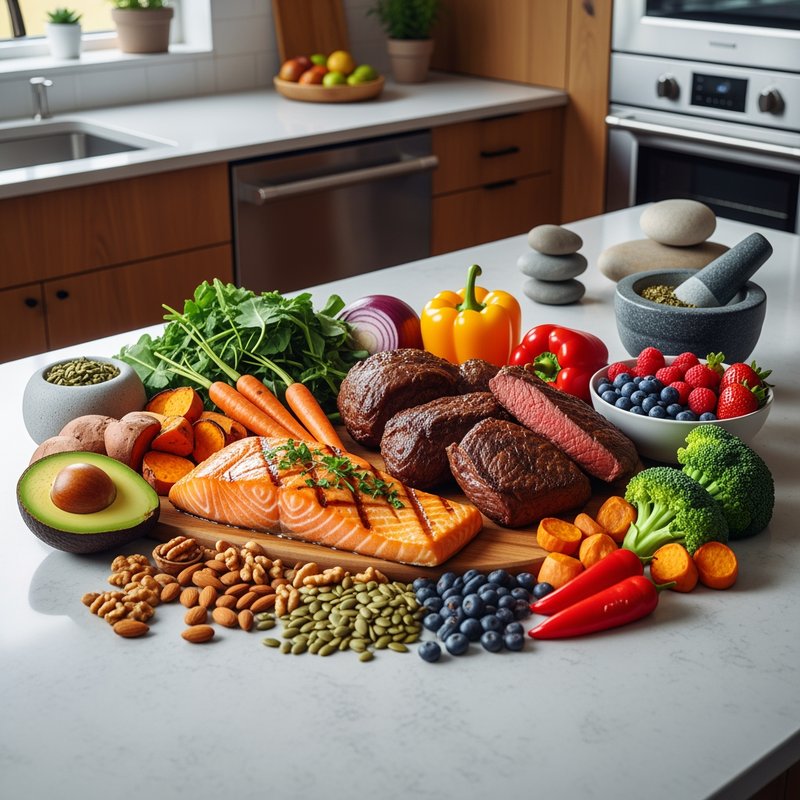
9 recipes
Neanderthal Diet

Neanderthal Diet

The Neanderthal Diet, also known as the Paleo Diet or Caveman Diet, is based on the presumed eating patterns of our Paleolithic ancestors who lived approximately 2.5 million to 10,000 years ago. The core principle is to consume foods that would have been available to hunter-gatherers before the advent of agriculture, focusing on whole, unprocessed foods that our bodies are theoretically better adapted to digest. This approach emphasizes eating what could be hunted, fished, or gathered in prehistoric times, operating on the premise that modern agricultural practices and processed foods have introduced substances our bodies struggle to process efficiently. The diet typically includes grass-fed meats, wild-caught fish and seafood, eggs, vegetables, fruits, nuts, seeds, and healthy oils like olive and coconut oil. Foods that are strictly excluded include all grains (wheat, rice, oats, barley), legumes (beans, lentils, peanuts, soy), dairy products, refined sugars, processed foods, artificial sweeteners, refined vegetable oils, and potatoes. The diet emphasizes high-quality protein sources, healthy fats, and non-starchy vegetables while limiting carbohydrate intake primarily to fruits and vegetables. Proponents claim the Neanderthal Diet can help address multiple health conditions including obesity, type 2 diabetes, cardiovascular disease, autoimmune disorders, inflammatory conditions, digestive issues like IBS and leaky gut syndrome, and metabolic syndrome. By eliminating grains and legumes, the diet may benefit those with celiac disease, gluten sensitivity, or other food intolerances. The anti-inflammatory nature of the diet, due to its emphasis on omega-3 fatty acids and elimination of processed foods, may help reduce chronic inflammation linked to numerous diseases. While some studies suggest benefits such as improved glucose tolerance, better blood pressure control, and weight loss, the scientific community remains divided on the diet's long-term efficacy and safety. Critics note the lack of long-term studies and concerns about nutrient deficiencies (particularly calcium and vitamin D from dairy exclusion) and high saturated fat intake. The diet may be most beneficial for individuals with autoimmune conditions, insulin resistance, metabolic syndrome, those seeking weight loss, or people with sensitivities to grains and dairy. However, athletes requiring high carbohydrate intake, vegetarians/vegans, and those with kidney disease should approach this diet cautiously or avoid it entirely.

8 recipes

Beneficial for:

Intestinal Permeability (Leaky Gut)

The Neanderthal Diet eliminates common gut-irritating foods like grains and legumes while providing nutrient-dense foods that support gut lining repair. Its focus on whole foods helps reduce intestinal inflammation and supports microbiome health.

Key foods: Bone broth, grass-fed beef, wild-caught fish, pasture-raised eggs, fermented vegetables, coconut oil, turmeric, ginger

Metabolic Syndrome

The Neanderthal Diet addresses multiple metabolic syndrome components by promoting weight management, reducing inflammation, and improving insulin sensitivity. Its whole-food approach helps normalize blood pressure, cholesterol levels, and blood sugar regulation.

Key foods: Grass-fed lamb, wild-caught sardines, pasture-raised eggs, olive oil, mixed nuts, kale, berries, avocados

Autoimmune Conditions

The Neanderthal Diet eliminates potential inflammatory triggers like grains, legumes, and dairy, which can exacerbate autoimmune responses. By focusing on whole, nutrient-dense foods and eliminating processed ingredients, the diet helps reduce systemic inflammation and supports immune system regulation.

Key foods: Wild-caught salmon, grass-fed beef, pasture-raised eggs, spinach, kale, blueberries, almonds, coconut oil

Chronic Inflammation

The Neanderthal Diet is specifically designed to combat chronic inflammation by removing processed foods, refined sugars, and potential inflammatory food groups. Its emphasis on anti-inflammatory whole foods helps reduce inflammatory markers and support overall cellular health.

Key foods: Wild-caught mackerel, grass-fed lamb, avocados, extra virgin olive oil, turmeric, ginger, leafy greens, mixed berries

Insulin Resistance

The Neanderthal Diet naturally reduces carbohydrate intake and eliminates refined sugars, helping to stabilize blood glucose levels and improve insulin sensitivity. By focusing on protein and healthy fats, the diet helps regulate metabolic function and reduce insulin spikes.

Key foods: Grass-fed beef, wild-caught salmon, eggs, almonds, chia seeds, spinach, coconut oil, avocados

Type 2 Diabetes

The Neanderthal Diet naturally reduces carbohydrate intake and eliminates refined sugars, helping to stabilize blood glucose levels and improve insulin sensitivity. Its low-glycemic approach directly supports diabetes management and potential reversal.

Key foods: Wild-caught salmon, grass-fed beef, pasture-raised eggs, avocados, almonds, spinach, coconut oil, chia seeds

Low-Fat Diet

Low-Fat Diet

The Low-Fat Diet is a nutritional approach that emphasizes reducing total fat intake, typically limiting fat consumption to 20-30% or less of total daily calories, with some therapeutic versions restricting fat to as low as 10-15%. This diet prioritizes lean proteins, whole grains, fruits, vegetables, and low-fat or fat-free dairy products while minimizing or eliminating high-fat foods. The core principle is that reducing dietary fat, particularly saturated and trans fats, can improve various health markers and reduce the risk of chronic diseases. Foods typically included are skinless poultry, fish, legumes, whole grains, fresh fruits and vegetables, egg whites, and fat-free dairy. Excluded or severely limited foods include fatty cuts of meat, full-fat dairy products, fried foods, butter, margarine, oils (used sparingly if at all), nuts and seeds in large quantities, processed snacks, and high-fat desserts. The Low-Fat Diet has been extensively studied for its role in managing and preventing several health conditions. It is particularly beneficial for cardiovascular disease, as reducing saturated fat intake can lower LDL cholesterol levels and decrease the risk of heart attacks and strokes. This dietary approach is also recommended for individuals with gallbladder disease, pancreatitis, or malabsorption disorders, as these conditions often impair fat digestion. People with certain digestive issues, including some cases of Crohn's disease or chronic diarrhea, may benefit from fat restriction since fat can be difficult to digest and may exacerbate symptoms. Additionally, low-fat diets have been used as a weight management strategy, as fat contains more than twice the calories per gram compared to protein or carbohydrates. Scientific evidence supports several benefits of low-fat eating patterns, particularly when combined with other healthy lifestyle choices. The landmark Ornish Diet studies demonstrated that a very low-fat, plant-based diet could actually reverse coronary artery disease. Research has also shown that low-fat diets can improve insulin sensitivity in some individuals with type 2 diabetes, though results vary. The diet may help reduce inflammation markers in certain populations and has been associated with reduced risk of certain cancers, particularly when emphasizing plant-based foods. Those who might benefit most from this diet include individuals with existing heart disease, those at high risk for cardiovascular problems, people with fat malabsorption issues, patients recovering from gallbladder surgery, and anyone whose healthcare provider has recommended fat restriction for medical reasons. However, it's important to note that some dietary fat is essential for nutrient absorption and hormone production, so extreme restriction should only be undertaken under medical supervision.

7 recipes
Carb Cycling

Carb Cycling

Carb cycling is a strategic dietary approach that involves alternating between high-carbohydrate and low-carbohydrate days throughout the week, rather than maintaining a consistent carbohydrate intake daily. The core principle is to time carbohydrate consumption to align with physical activity levels, metabolic needs, and body composition goals. Typically, high-carb days coincide with intense workout days to fuel performance and recovery, while low-carb days align with rest days or lighter activity to promote fat burning. A moderate-carb day is often included as a transition. This cyclical pattern aims to provide the benefits of both low-carb dieting (improved insulin sensitivity, fat loss) and adequate carbohydrate intake (maintained energy, preserved muscle mass, hormonal balance). On high-carb days, the diet emphasizes complex carbohydrates such as sweet potatoes, brown rice, quinoa, oats, whole grain bread, fruits, and starchy vegetables, alongside lean proteins (chicken, fish, turkey, lean beef) and moderate amounts of healthy fats. Low-carb days focus primarily on lean proteins, non-starchy vegetables (leafy greens, broccoli, cauliflower, peppers, zucchini), and higher amounts of healthy fats from sources like avocados, nuts, seeds, olive oil, and fatty fish. Moderate-carb days fall somewhere in between. The diet generally excludes or minimizes refined carbohydrates, processed foods, sugary snacks, white bread, pastries, and excessive amounts of simple sugars regardless of the day type. Carb cycling is particularly beneficial for athletes, bodybuilders, and fitness enthusiasts looking to optimize body composition while maintaining performance. It can help address insulin resistance and may benefit individuals with type 2 diabetes by improving insulin sensitivity through periodic carbohydrate restriction, though medical supervision is essential. The diet may also assist with metabolic syndrome, support weight loss efforts, reduce inflammation associated with constant high carbohydrate intake, and help break through weight loss plateaus. Some research suggests that cyclical approaches to carbohydrate intake can help preserve metabolic rate better than continuous low-carb dieting and may support thyroid function and leptin levels. While scientific research specifically on carb cycling is still emerging, the diet draws on established principles from studies on intermittent fasting, ketogenic diets, and nutrient timing. Evidence supports that varying macronutrient intake can prevent metabolic adaptation and that timing carbohydrates around exercise can enhance performance and recovery. This approach is best suited for active individuals who engage in regular resistance training or high-intensity exercise, those who have struggled with sustained low-carb diets, people seeking to lose fat while preserving muscle mass, and individuals looking for a flexible approach to nutrition. It may not be ideal for beginners to nutrition planning, those with certain eating disorders, or individuals who prefer dietary consistency and simplicity.

6 recipes
Autoimmune Paleo

Autoimmune Paleo

The Autoimmune Paleo (AIP) diet is a specialized elimination protocol designed to reduce inflammation, heal the gut lining, and manage symptoms associated with autoimmune conditions. It is a stricter version of the standard Paleo diet that temporarily removes foods believed to trigger immune responses, intestinal permeability (leaky gut), and systemic inflammation. The core principle is that by eliminating potential dietary triggers and focusing on nutrient-dense, anti-inflammatory foods, the body can begin to heal and the immune system can recalibrate, potentially reducing the autoimmune attack on the body's own tissues. The AIP diet emphasizes consumption of high-quality proteins (grass-fed meats, wild-caught fish, organ meats), vegetables (except nightshades), healthy fats (olive oil, coconut oil, avocado), fermented foods, bone broth, and small amounts of fruit. It strictly excludes grains (including gluten-free grains like rice and corn), legumes (beans, lentils, peanuts, soy), dairy products, eggs, nuts, seeds (including seed-based spices like cumin and coriander), nightshade vegetables (tomatoes, peppers, eggplant, potatoes), refined sugars, processed foods, alcohol, NSAIDs, and food additives. These exclusions target foods that may contain compounds like lectins, saponins, and proteins that can increase intestinal permeability or provoke immune responses in susceptible individuals. The AIP diet is specifically designed to help manage autoimmune conditions such as rheumatoid arthritis, lupus, Hashimoto's thyroiditis, Graves' disease, psoriasis, inflammatory bowel diseases (Crohn's disease and ulcerative colitis), celiac disease, multiple sclerosis, and type 1 diabetes. It also addresses related issues including chronic inflammation, digestive problems, skin conditions, joint pain, fatigue, and brain fog. Research published in journals such as Inflammatory Bowel Diseases has shown promising results, with studies demonstrating significant symptom improvement and remission rates in patients with inflammatory bowel disease following the AIP protocol. While more large-scale clinical trials are needed, preliminary evidence and substantial anecdotal reports suggest the diet can reduce inflammatory markers, improve gut barrier function, and decrease autoimmune disease activity. This diet is most beneficial for individuals diagnosed with autoimmune conditions who have not found adequate relief through conventional treatments alone, those experiencing unexplained chronic inflammation or digestive issues, and people seeking to identify specific food triggers for their symptoms. The AIP protocol is typically followed as a strict elimination phase for 30-90 days, followed by a systematic reintroduction phase to identify individual tolerance levels. It requires significant commitment and planning but can provide valuable insights into personal dietary triggers. Those with multiple autoimmune conditions, severe gut dysbiosis, or treatment-resistant symptoms may find this approach particularly valuable when implemented under the guidance of a healthcare provider or qualified nutritionist.

5 recipes
Low-FODMAP Diet

Low-FODMAP Diet

The Low-FODMAP Diet is a therapeutic eating plan designed to reduce consumption of specific types of carbohydrates that are poorly absorbed in the small intestine. FODMAP stands for Fermentable Oligosaccharides, Disaccharides, Monosaccharides, And Polyols—short-chain carbohydrates that can trigger digestive symptoms in sensitive individuals. These compounds draw excess water into the intestines and are rapidly fermented by gut bacteria, producing gas and causing bloating, abdominal pain, diarrhea, and constipation. The diet follows a three-phase approach: elimination (removing high-FODMAP foods for 2-6 weeks), reintroduction (systematically testing individual FODMAP groups), and personalization (creating a long-term sustainable diet based on individual tolerance). Foods excluded on the Low-FODMAP Diet include high-lactose dairy products (milk, soft cheeses, yogurt), wheat and rye products, certain fruits (apples, pears, watermelon, cherries, mangoes), certain vegetables (onions, garlic, cauliflower, mushrooms, asparagus), legumes (beans, lentils, chickpeas), high-fructose corn syrup, honey, and sugar alcohols (sorbitol, mannitol, xylitol). Permitted foods include lactose-free dairy or hard cheeses, gluten-free grains (rice, quinoa, oats), low-FODMAP fruits (bananas, blueberries, strawberries, oranges, grapes), low-FODMAP vegetables (carrots, zucchini, bell peppers, spinach, tomatoes, potatoes), proteins (meat, fish, eggs, tofu), and certain nuts and seeds (almonds in limited quantities, macadamias, peanuts, pumpkin seeds). The Low-FODMAP Diet is primarily used to manage Irritable Bowel Syndrome (IBS), which affects 10-15% of the global population. Extensive research, particularly from Monash University in Australia (the diet's developers), has demonstrated that approximately 75% of IBS patients experience significant symptom relief when following this protocol. The diet has also shown benefits for individuals with Small Intestinal Bacterial Overgrowth (SIBO), Inflammatory Bowel Disease (IBD) including Crohn's disease and ulcerative colitis during flare-ups, functional dyspepsia, and other functional gastrointestinal disorders. Multiple randomized controlled trials and systematic reviews published in gastroenterology journals have validated its efficacy, with studies showing measurable improvements in quality of life, symptom severity scores, and gut microbiome composition. This diet is most beneficial for individuals diagnosed with IBS or other functional gut disorders who experience chronic digestive symptoms that haven't responded to other interventions. It's particularly helpful for those with IBS-D (diarrhea-predominant), IBS-C (constipation-predominant), or IBS-M (mixed). The diet should ideally be undertaken with guidance from a registered dietitian specializing in digestive health, as it requires careful planning to ensure nutritional adequacy and proper reintroduction protocols. It is not intended as a permanent restrictive diet but rather as a diagnostic tool to identify personal trigger foods, allowing individuals to eventually liberalize their diet while avoiding only their specific problematic FODMAPs.

5 recipes

Beneficial for:

Crohn's Disease/Ulcerative Colitis

The Low-FODMAP diet helps manage persistent digestive symptoms in Crohn's disease and ulcerative colitis patients who are in remission but continue to experience IBS-like symptoms. Studies show that 50-70% of IBD patients in remission have functional gut symptoms that respond well to FODMAP restriction. This approach improves quality of life without interfering with standard IBD medications or triggering disease flares.

Key foods: Lactose-free milk and hard cheeses, white rice and gluten-free bread, bananas and cantaloupe, cooked carrots and potatoes, well-cooked green beans, chicken and turkey, eggs, peanut butter in limited amounts

Food Allergies & Sensitivities

The Low-FODMAP diet helps identify and manage food intolerances and sensitivities, particularly to lactose, fructose, and fructans, which are common but often undiagnosed causes of digestive distress. The structured elimination and reintroduction phases allow individuals to pinpoint specific carbohydrate intolerances and determine personal tolerance thresholds. This personalized approach prevents unnecessary broad food restrictions while identifying true problematic foods.

Key foods: Lactose-free dairy alternatives, gluten-free grains like rice and quinoa, low-fructose fruits like strawberries and oranges, well-tolerated vegetables like carrots and bell peppers, eggs and unprocessed meats, firm tofu, garlic-infused oil instead of garlic cloves

Functional Dyspepsia

The Low-FODMAP diet can reduce symptoms in functional dyspepsia patients, particularly those with overlapping IBS symptoms or postprandial distress syndrome. By reducing fermentation and gas production in the upper GI tract, it decreases bloating, early satiety, and abdominal discomfort. Studies show 30-50% of functional dyspepsia patients experience symptom improvement with FODMAP restriction.

Key foods: Small portions of white rice and gluten-free oats, lactose-free yogurt, bananas and papaya, cooked carrots and zucchini, spinach, lean proteins like chicken and fish, eggs, ginger tea

Inflammatory Bowel Disease

While not a primary treatment for IBD, the Low-FODMAP diet can help manage functional gut symptoms that persist even when IBD is in remission, affecting up to 40% of IBD patients. It reduces bloating, gas, and abdominal discomfort without compromising nutritional status or disease control. The diet is particularly useful for IBD patients who have overlapping IBS-like symptoms.

Key foods: Lactose-free dairy or aged cheddar cheese, gluten-free oats and quinoa, blueberries and oranges, cooked carrots and zucchini, well-cooked spinach, salmon and eggs, firm tofu, olive oil

Small Intestinal Bacterial Overgrowth (SIBO)

The Low-FODMAP diet helps manage SIBO symptoms by reducing the substrate available for bacterial fermentation in the small intestine. While not a cure for SIBO, it provides significant symptomatic relief during and after antibiotic treatment by limiting the fermentable carbohydrates that feed the overgrown bacteria. Many patients use this diet as part of a comprehensive SIBO treatment protocol to control symptoms and prevent rapid recurrence.

Key foods: White rice and gluten-free grains, lactose-free dairy products, bananas and kiwi, carrots and green beans, spinach and bok choy, chicken and fish, eggs, garlic-infused oil

Depression & Anxiety

The Low-FODMAP diet may indirectly improve anxiety and depression symptoms in individuals whose mental health is negatively impacted by chronic digestive distress and IBS. Studies show that reducing IBS symptoms through FODMAP restriction can lead to improvements in quality of life, anxiety scores, and depression measures. The gut-brain axis connection means that improving gut symptoms can have positive effects on mental well-being.

Key foods: Gut-supporting lactose-free yogurt with live cultures, mood-supporting bananas rich in vitamin B6, omega-3 rich salmon and mackerel, magnesium-containing spinach, tryptophan-rich eggs and turkey, blueberries with antioxidants, dark chocolate in small amounts

Digestive Disorders

The Low-FODMAP diet effectively manages various functional digestive disorders beyond IBS, including functional dyspepsia, chronic bloating, and post-infectious gut dysfunction. By eliminating poorly absorbed, highly fermentable carbohydrates, it reduces common digestive symptoms like gas, distension, cramping, and irregular bowel movements. The diet provides symptomatic relief while allowing the gut to heal from inflammation and dysbiosis.

Key foods: White rice and quinoa, lactose-free yogurt, strawberries and oranges, potatoes and eggplant, tomatoes and leafy greens, eggs and lean proteins, macadamia nuts and peanuts in limited portions, ginger and peppermint tea

Irritable Bowel Syndrome (IBS)

The Low-FODMAP diet is the gold-standard dietary intervention for IBS, with clinical studies showing 70-75% of IBS patients experience significant symptom reduction. By eliminating fermentable carbohydrates that trigger osmotic effects and rapid bacterial fermentation, the diet reduces bloating, abdominal pain, gas, and normalizes bowel movements. This is the most evidence-based dietary approach for IBS management, recommended by gastroenterology associations worldwide.

Key foods: Lactose-free dairy or aged hard cheeses, gluten-free oats and rice, bananas and blueberries, carrots and zucchini, bell peppers and spinach, eggs and firm tofu, garlic-infused oil (without garlic pieces), salmon and chicken

Chronic Fatigue Syndrome/ME

The Low-FODMAP diet may help manage the significant gastrointestinal symptoms experienced by 70-90% of chronic fatigue syndrome patients, potentially improving overall energy and reducing systemic symptoms. By addressing gut dysfunction and reducing inflammatory triggers from fermentation, some patients report improvements in fatigue, brain fog, and overall functioning. The diet may help break the cycle of gut symptoms contributing to systemic malaise.

Key foods: Easily digestible white rice and gluten-free oats, lactose-free kefir for probiotics, energy-supporting bananas and oranges, nutrient-dense spinach and carrots, protein-rich eggs and fish, quinoa, small portions of walnuts and peanuts

Endometriosis

Emerging research suggests the Low-FODMAP diet may help manage digestive symptoms in endometriosis patients, with studies showing up to 72% experience reduced bloating and abdominal pain. Many endometriosis patients have concurrent IBS or endometriosis lesions affecting the bowel, making FODMAP restriction particularly beneficial. The diet addresses the significant overlap between endometriosis and functional gut disorders.

Key foods: Lactose-free dairy products, gluten-free grains like quinoa and rice, anti-inflammatory berries like blueberries and strawberries, leafy greens and carrots, omega-3 rich salmon, eggs, walnuts in limited portions, turmeric and ginger

Nordic Diet

Nordic Diet

The Nordic Diet is a nutritional approach inspired by the traditional eating patterns of Scandinavian countries including Denmark, Norway, Sweden, Finland, and Iceland. Developed by nutrition scientists and chefs in 2004, this diet emphasizes locally-sourced, seasonal, and sustainable foods that have been staples in Nordic cuisine for centuries. The core principles focus on plant-based foods, whole grains, seafood, and minimal processing, while promoting environmental sustainability and food quality over quantity. The diet is rich in whole grains like rye, barley, and oats; root vegetables such as carrots, beets, turnips, and potatoes; cruciferous vegetables including cabbage and Brussels sprouts; berries (particularly lingonberries, blueberries, and cloudberries); fatty fish like salmon, mackerel, and herring; legumes; low-fat dairy; rapeseed (canola) oil; and moderate amounts of game meats. Foods to limit or exclude include processed meats, added sugars, refined grains, fast food, and food additives. The diet encourages cooking at home and eating seasonally, with an emphasis on foraged foods like mushrooms and wild berries when possible. The Nordic Diet has demonstrated significant health benefits backed by scientific research, particularly for cardiovascular health, weight management, type 2 diabetes prevention and management, and reducing chronic inflammation. Studies have shown it can lower LDL cholesterol, reduce blood pressure, decrease inflammatory markers, and improve insulin sensitivity. The high fiber content from whole grains and vegetables supports digestive health, making it potentially beneficial for individuals with inflammatory bowel conditions when properly adapted. The diet's emphasis on omega-3 fatty acids from fish provides anti-inflammatory benefits throughout the body. This dietary pattern is particularly well-suited for individuals seeking heart-healthy eating plans, those managing metabolic syndrome or type 2 diabetes, people looking to lose weight sustainably, and anyone interested in reducing inflammation. It's also an excellent choice for environmentally-conscious eaters due to its emphasis on local, seasonal, and sustainable food sources. The diet is generally safe for most people and can be adapted for various dietary needs, though individuals with specific food allergies or intolerances should modify accordingly. Unlike more restrictive diets, the Nordic Diet is considered a sustainable, long-term lifestyle approach rather than a temporary eating plan.

5 recipes

Beneficial for:

Cancer Prevention

The Nordic Diet may reduce cancer risk through its abundance of cruciferous vegetables, berries rich in protective compounds, and anti-inflammatory omega-3 fatty acids. The diet's emphasis on whole, unprocessed foods and avoidance of processed meats aligns with cancer prevention guidelines. Specific compounds in Nordic foods have demonstrated anti-carcinogenic properties in research studies.

Key foods: Cruciferous vegetables like cabbage, kale, and Brussels sprouts, berries including lingonberries and cloudberries, fatty fish, whole grain rye, legumes, rapeseed oil, fermented vegetables

Cognitive Decline

The Nordic Diet protects against cognitive decline and may reduce dementia risk through its neuroprotective omega-3 fatty acids, antioxidant-rich berries, and anti-inflammatory whole foods. Research shows better cognitive performance and slower cognitive aging in those following Nordic dietary patterns. The diet's cardiovascular benefits also translate to improved cerebrovascular health, which is critical for maintaining cognitive function.

Key foods: Fatty fish like salmon, herring, and mackerel, blueberries, lingonberries, whole grain rye and oats, cruciferous vegetables, rapeseed oil, walnuts

Depression & Anxiety

The Nordic Diet supports mental health through its high content of omega-3 fatty acids, B vitamins from whole grains, and anti-inflammatory properties. Studies show associations between Nordic Diet adherence and reduced depression risk, likely mediated through gut-brain axis modulation and reduced neuroinflammation. The diet's emphasis on nutrient-dense whole foods provides essential cofactors for neurotransmitter synthesis.

Key foods: Fatty fish like salmon, mackerel, and herring, whole grain rye and oats, berries, fermented vegetables, legumes, root vegetables, rapeseed oil

Digestive Disorders

The Nordic Diet supports digestive health through its high fiber content from whole grains and vegetables, fermented foods that provide probiotics, and anti-inflammatory properties. The emphasis on whole, unprocessed foods reduces exposure to additives and emulsifiers that can disrupt gut barrier function. The diet's diverse plant foods promote a healthy, diverse gut microbiome associated with improved digestive function.

Key foods: Fermented vegetables like sauerkraut, whole grain rye, oats, barley, root vegetables, berries, legumes, fatty fish

Longevity & Healthy Aging

The Nordic Diet promotes longevity through its comprehensive anti-inflammatory, antioxidant-rich profile that addresses multiple aging pathways. Population studies in Nordic countries show associations between traditional dietary patterns and increased lifespan and healthspan. The diet's emphasis on whole foods, omega-3 fatty acids, and phytonutrients supports cellular health, reduces oxidative stress, and may influence epigenetic factors related to aging.

Key foods: Fatty fish like salmon and mackerel, berries including lingonberries and cloudberries, whole grain rye, cruciferous vegetables, fermented foods, rapeseed oil, root vegetables, legumes

Non-Alcoholic Fatty Liver Disease

The Nordic Diet improves liver health by reducing hepatic fat accumulation through its emphasis on omega-3 fatty acids, high fiber content, and minimal processed foods. The diet's anti-inflammatory properties and ability to improve insulin sensitivity directly address the metabolic dysfunction underlying NAFLD. Studies show improvements in liver enzymes and reduced liver fat in those following Nordic dietary patterns.

Key foods: Fatty fish like salmon, mackerel, and herring, whole grain oats and barley, legumes, berries, cruciferous vegetables, rapeseed oil, root vegetables

Autoimmune Conditions

The Nordic Diet may benefit autoimmune conditions through its potent anti-inflammatory properties, omega-3 fatty acids, and support for gut health. While specific research on Nordic Diet and autoimmune diseases is limited, the diet's components have individually shown promise in reducing autoimmune activity. The emphasis on whole foods and avoidance of processed items may reduce triggers that exacerbate autoimmune responses.

Key foods: Fatty fish like salmon, herring, and mackerel, fermented vegetables, cruciferous vegetables, berries, whole grain rye, rapeseed oil, root vegetables

Osteoporosis

The Nordic Diet may support bone health through its provision of vitamin D and omega-3 fatty acids from fatty fish, along with minerals from whole grains and vegetables. The diet's anti-inflammatory properties may reduce bone resorption associated with chronic inflammation. While direct research is limited, the diet's components align with bone health recommendations.

Key foods: Fatty fish like salmon, mackerel, and herring (with bones), fermented dairy products, whole grain rye, leafy greens like kale, root vegetables, berries, legumes

Polycystic Ovary Syndrome

The Nordic Diet may benefit PCOS through its ability to improve insulin sensitivity, reduce inflammation, and support healthy weight management. The diet's emphasis on low-glycemic whole grains, omega-3 fatty acids, and anti-inflammatory foods addresses key metabolic dysfunctions in PCOS. While specific Nordic Diet research in PCOS is limited, its metabolic benefits suggest potential therapeutic value.

Key foods: Fatty fish like salmon and mackerel, whole grain rye, barley, oats, berries, legumes, cruciferous vegetables, rapeseed oil

Cardiovascular Disease

The Nordic Diet significantly reduces cardiovascular disease risk through its emphasis on omega-3 rich fatty fish, whole grains, and anti-inflammatory foods. Studies show it improves lipid profiles, reduces blood pressure, and decreases arterial inflammation. The high fiber content from whole grains and vegetables, combined with healthy fats from rapeseed oil and fish, creates a cardioprotective dietary pattern comparable to the Mediterranean diet.

Key foods: Fatty fish like salmon, mackerel, and herring, rapeseed/canola oil, whole grain rye bread, oats, barley, lingonberries, blueberries, root vegetables like turnips and beets

Chronic Inflammation

The Nordic Diet powerfully reduces systemic inflammation through its abundance of anti-inflammatory omega-3 fatty acids, polyphenol-rich berries, and cruciferous vegetables. Studies demonstrate significant reductions in inflammatory markers including CRP, IL-6, and TNF-alpha. The diet's exclusion of processed foods and emphasis on whole, plant-based foods creates a strongly anti-inflammatory dietary pattern.

Key foods: Fatty fish like salmon, herring, and mackerel, lingonberries, blueberries, cloudberries, cruciferous vegetables like cabbage and Brussels sprouts, rapeseed oil, fermented vegetables, rye

High Cholesterol

The Nordic Diet effectively lowers total cholesterol and LDL cholesterol while maintaining or improving HDL cholesterol through its emphasis on soluble fiber, plant sterols, and healthy fats. Research shows significant improvements in lipid profiles, with reductions in LDL cholesterol of 10-15% in intervention studies. The replacement of saturated fats with rapeseed oil and the high fiber content from whole grains create optimal conditions for cholesterol management.

Key foods: Whole grain oats, barley, rye, rapeseed/canola oil, fatty fish like salmon and mackerel, legumes, berries, root vegetables

Hypertension

The Nordic Diet reduces blood pressure through multiple mechanisms including high potassium intake from vegetables, omega-3 fatty acids from fish, and reduced sodium from avoiding processed foods. Clinical studies demonstrate significant reductions in both systolic and diastolic blood pressure comparable to DASH diet effects. The diet's emphasis on whole foods naturally limits sodium while providing abundant minerals that support healthy blood pressure.

Key foods: Fatty fish like salmon and herring, root vegetables like beets and potatoes, berries, whole grain rye and oats, legumes, rapeseed oil, leafy greens

Metabolic Syndrome

The Nordic Diet addresses all five components of metabolic syndrome through its comprehensive approach to whole foods, healthy fats, and high fiber intake. Research demonstrates improvements in waist circumference, blood pressure, triglycerides, HDL cholesterol, and fasting glucose. The diet's anti-inflammatory properties and emphasis on nutrient-dense foods target the underlying insulin resistance and chronic inflammation driving metabolic syndrome.

Key foods: Fatty fish like salmon and mackerel, whole grain rye, barley, oats, berries, rapeseed oil, legumes, cruciferous vegetables, root vegetables

Obesity

The Nordic Diet promotes sustainable weight loss and weight maintenance through its emphasis on high-satiety whole foods, high fiber content, and minimal processed foods. Clinical trials show significant reductions in body weight, waist circumference, and body fat percentage. The diet's focus on nutrient-dense, low-energy-density foods naturally reduces caloric intake without requiring strict portion control.

Key foods: Whole grain rye bread, barley, oats, root vegetables like rutabaga and parsnips, cruciferous vegetables like cabbage and kale, berries, fatty fish, legumes

Type 2 Diabetes

The Nordic Diet improves glycemic control and insulin sensitivity through its emphasis on low-glycemic whole grains, high fiber intake, and minimal processed foods. Research demonstrates significant reductions in fasting glucose, HbA1c levels, and improved insulin response. The diet's focus on whole, unprocessed foods and healthy fats helps stabilize blood sugar levels throughout the day.

Key foods: Whole grain rye, barley, oats, legumes like lentils and beans, fatty fish like salmon and mackerel, berries including bilberries and lingonberries, root vegetables, rapeseed oil

Inflammatory Bowel Disease

The Nordic Diet shows promise for IBD management through its anti-inflammatory omega-3 fatty acids, fermented foods, and emphasis on whole, unprocessed foods. While research is still emerging, the diet's components have individually shown benefits in reducing intestinal inflammation and supporting gut barrier function. The diet's avoidance of processed foods and additives may reduce triggers that exacerbate IBD symptoms.

Key foods: Fatty fish like salmon, mackerel, and herring, fermented vegetables, berries, root vegetables, rapeseed oil, well-cooked whole grains like oats

Zone Diet

Zone Diet

The Zone Diet is a nutritional program developed by biochemist Dr. Barry Sears in the mid-1990s that aims to reduce diet-induced inflammation and promote optimal hormonal balance. The core principle revolves around consuming meals with a specific macronutrient ratio of 40% carbohydrates, 30% protein, and 30% fat at every meal and snack. This precise balance is designed to control insulin levels, reduce inflammation, and maintain stable blood sugar throughout the day. The diet divides meals into "blocks" based on protein requirements, with each block containing the proper ratio of macronutrients to keep the body in "the Zone" - an optimal metabolic state. The Zone Diet emphasizes lean proteins (chicken, turkey, fish, egg whites, low-fat dairy), favorable carbohydrates with low glycemic index values (most vegetables, some fruits like berries and apples, oatmeal, barley), and healthy fats rich in omega-3 fatty acids (olive oil, avocados, nuts, fish oil). Foods to be limited or avoided include high-glycemic carbohydrates such as bread, pasta, rice, potatoes, refined sugars, processed foods, and saturated fats. Red meat and egg yolks should be consumed in moderation. The diet encourages eating five times per day (three meals and two snacks) to maintain consistent blood sugar and hormone levels. The Zone Diet is particularly beneficial for managing type 2 diabetes, cardiovascular disease, metabolic syndrome, and chronic inflammation. By controlling insulin response and reducing inflammatory markers, the diet may help with weight management, improved mental clarity, enhanced athletic performance, and reduced risk of heart disease. Research has shown that the Zone Diet can improve markers such as triglycerides, HDL cholesterol, and blood sugar control. The anti-inflammatory focus, particularly through omega-3 fatty acid supplementation, has demonstrated benefits for conditions exacerbated by chronic inflammation, including arthritis and autoimmune disorders. This diet is ideal for individuals seeking structured portion control, those with insulin resistance or pre-diabetes, athletes looking to optimize performance and recovery, and anyone dealing with chronic inflammation. It's also suitable for people who prefer a balanced approach to eating rather than extreme restrictions. However, the precise calculations and meal planning required may be challenging for some individuals. The Zone Diet has substantial scientific backing, with numerous peer-reviewed studies supporting its effects on inflammation reduction, cardiovascular health markers, and weight management, though some experts note that the specific 40-30-30 ratio may not be necessary for everyone to achieve these benefits.

5 recipes

Beneficial for:

Athletic Performance

The Zone Diet supports athletic performance by providing sustained energy, reducing exercise-induced inflammation, and optimizing recovery. The balanced macronutrient ratio prevents energy crashes and maintains stable blood glucose during training, while the 30% protein content supports muscle repair and growth. The anti-inflammatory effects may reduce delayed onset muscle soreness and accelerate recovery between training sessions.

Key foods: Lean chicken breast, turkey, salmon, tuna, egg whites, sweet potatoes in limited amounts, berries, leafy greens, olive oil, almonds

Cognitive Decline

The Zone Diet may protect against cognitive decline through its anti-inflammatory effects, stable glucose supply to the brain, and emphasis on omega-3 fatty acids. By preventing insulin resistance and reducing systemic inflammation, the diet addresses two major risk factors for dementia and Alzheimer's disease. The balanced approach ensures consistent brain fuel without the oxidative stress associated with glucose fluctuations.

Key foods: Fatty fish like salmon, sardines, and mackerel, blueberries, strawberries, walnuts, olive oil, leafy greens like spinach and kale, avocados

High Cholesterol

The Zone Diet improves cholesterol profiles by emphasizing healthy monounsaturated and omega-3 fats while limiting saturated fats and eliminating trans fats. The diet typically raises HDL cholesterol, reduces triglycerides significantly, and can shift LDL particles to larger, less atherogenic sizes. The balanced approach prevents the triglyceride elevation sometimes seen with very low-fat diets.

Key foods: Fatty fish like salmon and sardines, olive oil, avocados, almonds, walnuts, flaxseeds, skinless poultry, egg whites

Hypertension

The Zone Diet helps lower blood pressure through multiple mechanisms including weight loss, reduced insulin levels, and anti-inflammatory effects. The emphasis on potassium-rich vegetables and omega-3 fatty acids, combined with limited processed foods and refined carbohydrates, supports healthy blood pressure regulation. Studies show modest but consistent reductions in both systolic and diastolic blood pressure.

Key foods: Salmon, mackerel, leafy greens like spinach and kale, avocados, olive oil, berries, non-starchy vegetables like broccoli and Brussels sprouts, almonds

Non-Alcoholic Fatty Liver Disease

The Zone Diet helps reverse fatty liver disease by reducing hepatic lipogenesis and promoting fat oxidation through controlled insulin levels. The low-glycemic carbohydrate approach prevents the excessive insulin and glucose that drive de novo lipogenesis in the liver. Combined with weight loss and anti-inflammatory effects, the diet can significantly reduce liver fat content and improve liver enzyme levels.

Key foods: Lean fish like cod and halibut, salmon, skinless chicken breast, egg whites, leafy greens, cruciferous vegetables like broccoli, berries, olive oil

Polycystic Ovary Syndrome

The Zone Diet addresses the insulin resistance that underlies PCOS, helping to restore hormonal balance and improve metabolic function. By controlling blood sugar and insulin levels through low-glycemic carbohydrates and balanced macronutrients, the diet can reduce androgens, improve menstrual regularity, and enhance fertility. Women with PCOS following this approach often experience reduced hirsutism, improved ovulation, and better weight management.

Key foods: Lean chicken breast, turkey, wild-caught salmon, egg whites, non-starchy vegetables like broccoli and cauliflower, berries, olive oil, walnuts

Autoimmune Conditions

The Zone Diet's anti-inflammatory approach may help modulate immune function and reduce autoimmune disease activity. By controlling insulin levels and reducing pro-inflammatory eicosanoid production, the diet may decrease the inflammatory cascade that drives autoimmune flares. Some individuals with conditions like rheumatoid arthritis and lupus report symptom improvement, though more research is needed for specific conditions.

Key foods: Wild-caught salmon, sardines, mackerel, olive oil, blueberries, leafy greens like spinach and kale, avocados, walnuts

Depression & Anxiety

The Zone Diet may support mental health through stable blood sugar levels, anti-inflammatory effects, and adequate omega-3 fatty acids for brain function. The balanced macronutrient approach prevents the mood swings associated with blood sugar fluctuations, while the emphasis on omega-3s supports neurotransmitter function. Reduced systemic inflammation may also benefit mood, as inflammation is increasingly recognized as a factor in depression.

Key foods: Fatty fish like salmon and mackerel, walnuts, egg whites, leafy greens, berries, avocados, olive oil, almonds

Longevity & Healthy Aging

The Zone Diet may support healthy aging by reducing chronic inflammation, improving metabolic health, and preventing age-related diseases. The diet's effects on insulin sensitivity, oxidative stress, and inflammation address key mechanisms of aging. By preventing or managing conditions like diabetes, cardiovascular disease, and metabolic syndrome, the diet may contribute to increased healthspan and potentially lifespan.

Key foods: Fatty fish like salmon and sardines, olive oil, berries, leafy greens, cruciferous vegetables like broccoli, walnuts, avocados, lean poultry

Cardiovascular Disease

The Zone Diet supports cardiovascular health through its emphasis on anti-inflammatory foods, healthy fats, and lean proteins while limiting refined carbohydrates. The diet has been shown to reduce triglycerides, improve HDL cholesterol ratios, and decrease inflammatory markers like C-reactive protein. By controlling insulin levels and reducing systemic inflammation, it addresses multiple cardiovascular risk factors simultaneously.

Key foods: Fatty fish like salmon and mackerel, olive oil, avocados, walnuts, almonds, leafy greens like kale and spinach, berries, skinless poultry

Chronic Inflammation

The Zone Diet was specifically designed to reduce systemic inflammation by controlling insulin and eicosanoid production. By maintaining the 40-30-30 ratio and emphasizing anti-inflammatory omega-3 fatty acids while limiting pro-inflammatory omega-6 fats and high-glycemic foods, the diet reduces inflammatory markers throughout the body. Research shows significant reductions in C-reactive protein, IL-6, and TNF-alpha levels.

Key foods: Wild-caught salmon, sardines, mackerel, olive oil, avocados, blueberries, strawberries, leafy greens like spinach and kale, walnuts

Metabolic Syndrome

The Zone Diet addresses all five components of metabolic syndrome simultaneously: abdominal obesity, elevated triglycerides, low HDL cholesterol, hypertension, and elevated fasting glucose. The balanced macronutrient approach improves insulin sensitivity, reduces visceral fat, and normalizes lipid profiles. Clinical trials have shown significant improvements in metabolic syndrome markers, with many participants no longer meeting diagnostic criteria after following the diet.

Key foods: Salmon, tuna, skinless chicken breast, egg whites, olive oil, avocados, almonds, non-starchy vegetables like bell peppers and zucchini, berries

Obesity

The Zone Diet promotes weight loss through controlled caloric intake, balanced macronutrients that enhance satiety, and stable blood sugar levels that reduce cravings. The 30% protein content increases thermogenesis and preserves lean muscle mass during weight loss, while the low-glycemic carbohydrates prevent the insulin-driven fat storage cycle. Studies demonstrate consistent, sustainable weight loss with improved body composition.

Key foods: Lean chicken breast, turkey breast, egg whites, white fish like cod and halibut, Greek yogurt, non-starchy vegetables like broccoli and cauliflower, berries, olive oil, almonds

Type 2 Diabetes

The Zone Diet's 40-30-30 macronutrient ratio and emphasis on low-glycemic carbohydrates helps stabilize blood glucose levels and improve insulin sensitivity. By controlling insulin response through balanced meals and avoiding high-glycemic foods, the diet reduces blood sugar spikes and improves glycemic control. Studies have shown significant improvements in HbA1c levels and reduced medication requirements in Type 2 diabetics following this approach.

Key foods: Skinless chicken breast, turkey breast, wild-caught salmon, egg whites, non-starchy vegetables like broccoli and spinach, berries such as blueberries and strawberries, olive oil, almonds

Acne

The Zone Diet's low-glycemic approach may help reduce acne by controlling insulin and IGF-1 levels, which influence sebum production and follicular keratinization. By avoiding high-glycemic foods that spike insulin, the diet may reduce the hormonal cascade that promotes acne formation. The anti-inflammatory effects may also reduce the inflammatory component of acne lesions.

Key foods: Lean fish like cod and halibut, skinless chicken breast, egg whites, non-starchy vegetables like broccoli and spinach, berries, olive oil, walnuts

Cancer Prevention

The Zone Diet may reduce cancer risk through multiple mechanisms including reduced insulin levels, decreased inflammation, and high intake of antioxidant-rich vegetables and berries. Lower insulin and IGF-1 levels may reduce the growth-promoting signals that support tumor development. The anti-inflammatory effects and antioxidants help protect against DNA damage and oxidative stress that initiate carcinogenesis.

Key foods: Cruciferous vegetables like broccoli and cauliflower, berries, leafy greens, fatty fish like salmon, olive oil, walnuts, colorful vegetables like bell peppers

Bulletproof Diet

Bulletproof Diet

The Bulletproof Diet is a cyclical ketogenic eating plan developed by Dave Asprey that emphasizes high-quality fats, moderate protein, and low carbohydrates to optimize mental performance, energy levels, and body composition. The diet is built around the concept of reducing inflammation and avoiding foods that contain mycotoxins, antinutrients, and other compounds that may impair cognitive function or metabolic health. It follows a color-coded roadmap system where foods are categorized as 'Bulletproof' (best choices), 'Suspect' (moderate occasionally), or 'Kryptonite' (avoid). The signature element is Bulletproof Coffee, made with low-toxin coffee beans, grass-fed butter, and MCT oil, designed to provide sustained energy and mental clarity. Foods emphasized on the Bulletproof Diet include grass-fed meats, wild-caught fish, pastured eggs, high-quality fats (grass-fed butter, ghee, coconut oil, MCT oil, avocado oil), low-toxin vegetables (particularly leafy greens, cruciferous vegetables, and colorful vegetables), limited amounts of starchy tubers (sweet potatoes, squash), and small quantities of low-sugar fruits like berries and lemon. The diet strictly excludes gluten-containing grains, conventional dairy, processed foods, sugar and artificial sweeteners, most legumes, high-omega-6 vegetable oils (canola, soybean, corn oil), and foods prone to mold contamination. It also limits or excludes foods considered inflammatory or potentially toxic, such as peanuts, soy, corn, and factory-farmed animal products. The Bulletproof Diet claims to address multiple health concerns including chronic inflammation, brain fog, weight gain, metabolic syndrome, insulin resistance, and low energy levels. Proponents suggest it may benefit individuals with autoimmune conditions, diabetes or prediabetes, neurological issues, and those seeking cognitive enhancement. The diet's emphasis on high-quality fats and ketone production is said to support brain health, reduce oxidative stress, and improve mitochondrial function. While some aspects align with established nutritional science—such as reducing processed foods, emphasizing vegetables, and choosing quality protein sources—many specific claims about mycotoxins and the superiority of certain 'Bulletproof' branded products lack robust peer-reviewed research. The ketogenic aspects have some scientific support for weight loss, blood sugar control, and neurological conditions like epilepsy, though long-term studies on this specific protocol are limited. This diet may be most beneficial for individuals seeking improved mental clarity and cognitive performance, those looking to lose weight through a ketogenic approach, people with insulin resistance or type 2 diabetes, individuals sensitive to inflammatory foods, and biohackers interested in optimizing their physical and mental performance. It may be particularly appealing to busy professionals seeking sustained energy without crashes. However, the diet requires significant food quality investments and may be challenging for vegetarians, those with fat malabsorption issues, or individuals who don't respond well to very low-carbohydrate eating. As with any restrictive diet, consultation with a healthcare provider is recommended, especially for those with existing health conditions or taking medications.

4 recipes
Engine 2 Diet

Engine 2 Diet

The Engine 2 Diet is a plant-strong eating plan developed by Rip Esselstyn, a former firefighter and professional athlete, designed to prevent and reverse chronic diseases through whole-food, plant-based nutrition. The diet takes its name from Esselstyn's fire station, Engine 2, where he successfully helped his fellow firefighters lower their cholesterol and improve their health markers. The core principles emphasize consuming nutrient-dense, unprocessed plant foods while eliminating all animal products, added oils, and highly processed foods. This approach focuses on eating foods as close to their natural state as possible, prioritizing vegetables, fruits, whole grains, legumes, nuts, and seeds. The Engine 2 Diet strictly excludes all meat, poultry, fish, dairy products, eggs, and added oils (including olive oil, coconut oil, and other extracted oils). It also eliminates processed foods containing refined sugars, white flour, and excessive sodium. Instead, the diet emphasizes whole plant foods including leafy greens, cruciferous vegetables, colorful produce, whole grains like brown rice and quinoa, beans and lentils, and moderate amounts of nuts and seeds. The diet encourages eating until satisfied while focusing on nutrient density rather than calorie restriction. This dietary approach has been shown to help address multiple health conditions, including heart disease, high cholesterol, hypertension, type 2 diabetes, obesity, and chronic inflammation. The diet is particularly effective for cardiovascular health, with research supporting plant-based diets' ability to reduce arterial plaque, lower LDL cholesterol, and decrease blood pressure. Studies have also demonstrated benefits for reducing inflammation markers, improving insulin sensitivity, and promoting healthy weight loss. The absence of animal products and added oils helps reduce saturated fat intake, while the high fiber content supports digestive health and stable blood sugar levels. The Engine 2 Diet is ideal for individuals looking to prevent or reverse heart disease, those with elevated cholesterol or blood pressure, people managing type 2 diabetes, and anyone seeking to lose weight sustainably. It's also beneficial for athletes seeking plant-based performance nutrition, individuals with a family history of chronic disease, and those wanting to reduce inflammation. The diet is backed by the work of Dr. Caldwell Esselstyn (Rip's father), whose research demonstrated that a low-fat, plant-based diet could halt and reverse coronary artery disease. While the diet is generally safe for most people, those with specific nutritional needs should consult healthcare providers, particularly regarding vitamin B12 supplementation, which is essential on any plant-based diet.

3 recipes

Beneficial for:

Cardiovascular Disease

The Engine 2 Diet's 100% plant-based approach directly addresses cardiovascular disease risk by eliminating all animal products and added oils. The diet is rich in whole plant foods that actively reduce inflammation, improve endothelial function, and lower cholesterol levels through natural, nutrient-dense ingredients.

Key foods: Whole grains like quinoa and brown rice, leafy green vegetables, legumes like lentils and black beans, berries, nuts and seeds

Chronic Inflammation

The Engine 2 Diet's whole food, plant-based approach provides powerful anti-inflammatory nutrients that combat systemic inflammation. By eliminating inflammatory animal products and processed foods, the diet supports the body's natural healing processes.

Key foods: Turmeric, ginger, berries, leafy greens, chia seeds, flaxseeds, walnuts

High Cholesterol

By eliminating all animal products and focusing on whole plant foods, the Engine 2 Diet naturally lowers cholesterol levels. The diet's emphasis on fiber-rich foods and elimination of saturated fats directly impacts cholesterol metabolism and reduces overall cardiovascular risk.

Key foods: Oats, beans, chia seeds, flaxseeds, almonds, Brussels sprouts, kale

Hypertension

The Engine 2 Diet's whole food, plant-based approach naturally supports blood pressure reduction through high potassium intake, low sodium content, and elimination of processed foods. The diet provides nutrient-dense foods that promote vascular health and reduce inflammation.

Key foods: Sweet potatoes, spinach, bananas, beans, beets, pomegranates, Swiss chard

Obesity

The Engine 2 Diet supports weight loss through nutrient-dense, low-calorie whole plant foods that promote satiety and metabolic health. The diet's focus on unprocessed foods naturally reduces calorie intake while providing essential nutrients.

Key foods: Leafy greens, cruciferous vegetables, beans, lentils, berries, whole grains, mushrooms

Type 2 Diabetes

The Engine 2 Diet's whole food, plant-based approach directly addresses insulin resistance and blood sugar management. By eliminating processed foods and focusing on complex carbohydrates and fiber-rich foods, the diet helps improve insulin sensitivity and glucose metabolism.

Key foods: Whole grains, legumes, leafy greens, berries, nuts, sweet potatoes, quinoa

Lectin-Free Diet

Lectin-Free Diet

The Lectin-Free Diet is an eating plan that eliminates or significantly reduces foods containing high levels of lectins—proteins found in many plant-based foods that bind to carbohydrates. Popularized by Dr. Steven Gundry, this diet is based on the theory that lectins can damage the gut lining, trigger inflammation, and interfere with nutrient absorption. Proponents believe that lectins contribute to "leaky gut syndrome" by creating gaps in the intestinal wall, allowing harmful substances to enter the bloodstream and potentially triggering autoimmune responses and systemic inflammation. Foods typically excluded on a lectin-free diet include legumes (beans, lentils, peanuts, soybeans), nightshade vegetables (tomatoes, potatoes, eggplants, peppers), most grains (wheat, rice, oats, quinoa), and certain seeds and nuts. Conventionally-raised meats and dairy from cows that produce A1 casein are also limited. The diet emphasizes pasture-raised meats, wild-caught fish, certain nuts like macadamias and walnuts, cruciferous vegetables, leafy greens, avocados, olive oil, sweet potatoes, and limited amounts of properly prepared low-lectin foods. Some high-lectin foods can be included if prepared using pressure cooking, peeling, or deseeding methods that reduce lectin content. Advocates claim the lectin-free diet may help address various health conditions including irritable bowel syndrome (IBS), inflammatory bowel disease, autoimmune disorders, arthritis, chronic inflammation, obesity, diabetes, and general digestive issues. Some followers report improvements in energy levels, reduced joint pain, weight loss, and better digestive health. However, scientific evidence supporting these claims remains limited and controversial. While some studies suggest that certain lectins may have negative effects in high concentrations or in sensitive individuals, most nutritional scientists argue that lectins are largely neutralized through normal cooking methods and that the health benefits of lectin-containing foods (like legumes and whole grains) outweigh potential risks. This diet may benefit individuals with diagnosed lectin sensitivities, certain autoimmune conditions, or those who have not found relief through other elimination diets. People with chronic digestive issues who have exhausted conventional treatment options sometimes report improvements. However, critics caution that eliminating entire food groups rich in fiber, vitamins, and minerals may lead to nutritional deficiencies if not carefully planned. The diet requires significant lifestyle changes and careful meal planning, making it challenging to maintain long-term. Anyone considering this restrictive diet should consult with a healthcare provider or registered dietitian to ensure nutritional adequacy and proper implementation.

3 recipes
Warrior Diet

Warrior Diet

The Warrior Diet is a form of intermittent fasting created by Ori Hofmekler in 2001, based on the eating patterns of ancient warriors. The diet follows a 20:4 fasting protocol, consisting of a 20-hour "undereating phase" followed by a 4-hour "overeating phase" in the evening. During the undereating phase, followers consume small amounts of raw fruits, vegetables, clear broths, and small portions of protein, while the evening window allows for one large meal where you eat until satisfied. This approach mimics the feast-or-famine eating patterns of ancient warriors and hunter-gatherers, emphasizing whole, unprocessed foods while avoiding refined sugars, artificial ingredients, and heavily processed foods. The diet emphasizes nutrient-dense whole foods including grass-fed meats, wild-caught fish, eggs, dairy (preferably raw or fermented), vegetables, fruits, nuts, seeds, and legumes. Foods to avoid include refined carbohydrates, white bread, pasta, processed foods, artificial sweeteners, trans fats, and foods with preservatives or artificial additives. The evening meal should follow a specific order: starting with vegetables and protein, followed by carbohydrates. The diet encourages organic, natural foods and discourages eating out or consuming restaurant food due to unknown ingredients and preparation methods. The Warrior Diet may help address several health conditions including obesity, insulin resistance, type 2 diabetes, inflammation, and metabolic syndrome. Proponents claim benefits such as improved fat burning, enhanced mental clarity, increased growth hormone production, better insulin sensitivity, and cellular repair through autophagy. Some research supports intermittent fasting's benefits for weight loss, metabolic health, and longevity, though specific studies on the 20:4 protocol are limited. The extended fasting period may help reduce inflammation, improve cardiovascular markers, and support healthy blood sugar regulation. This diet may benefit individuals looking to lose weight, improve metabolic health, simplify their eating schedule, or those who naturally prefer eating larger meals in the evening. It may be particularly suitable for people who don't feel hungry in the morning, athletes who train in the evening, and those seeking improved body composition. However, the Warrior Diet may not be appropriate for pregnant or breastfeeding women, individuals with a history of eating disorders, people with certain medical conditions requiring regular meals, or those taking medications that must be taken with food. Anyone considering this diet should consult with a healthcare provider, especially those with diabetes, hormonal imbalances, or chronic health conditions.

3 recipes
Autoimmune Protocol (AIP)

Autoimmune Protocol (AIP)

The Autoimmune Protocol (AIP) diet is a specialized elimination diet designed to reduce inflammation, heal the gut lining, and alleviate symptoms associated with autoimmune diseases. Based on the principles of the Paleo diet but with additional restrictions, AIP focuses on removing foods that may trigger immune responses, increase intestinal permeability ("leaky gut"), or promote systemic inflammation. The protocol typically involves a strict elimination phase lasting 30-90 days, followed by a systematic reintroduction phase to identify individual food triggers. The core philosophy centers on providing nutrient-dense foods while eliminating potential inflammatory triggers to allow the body's immune system to reset and the gut to heal. The AIP diet emphasizes consumption of high-quality proteins (grass-fed meat, wild-caught fish, organ meats), vegetables (except nightshades), healthy fats (olive oil, coconut oil, avocado), fermented foods, bone broth, and small amounts of fruit. Foods strictly excluded include all grains, legumes, dairy products, eggs, nuts, seeds (including seed-based spices), nightshade vegetables (tomatoes, peppers, eggplant, potatoes), refined sugars, processed foods, alcohol, NSAIDs, and food additives. The diet also eliminates seed oils and any foods containing gluten or potential cross-reactive proteins. This dietary approach is specifically designed to help manage autoimmune conditions such as Hashimoto's thyroiditis, rheumatoid arthritis, lupus, inflammatory bowel disease (including Crohn's disease and ulcerative colitis), celiac disease, psoriasis, multiple sclerosis, and type 1 diabetes. It also addresses chronic inflammation, digestive issues, skin conditions like eczema, and general autoimmune-related symptoms including fatigue, joint pain, and brain fog. Research published in journals such as Inflammatory Bowel Diseases has shown promising results, with studies demonstrating significant symptom improvement in patients with Crohn's disease and ulcerative colitis following the AIP diet. A 2017 study found that 73% of IBD patients achieved clinical remission after 6 weeks on AIP. The AIP diet is most beneficial for individuals diagnosed with autoimmune diseases, those experiencing unexplained chronic inflammation, people with persistent digestive issues, or anyone who hasn't found relief through conventional medical treatments alone. It's particularly recommended for those with multiple autoimmune conditions or a family history of autoimmune disease. While the scientific evidence continues to grow, many functional medicine practitioners and patients report significant improvements in symptoms, quality of life, and reduction in medication needs. However, due to its restrictive nature, the diet should ideally be followed under the guidance of a healthcare provider or registered dietitian to ensure nutritional adequacy and proper reintroduction protocols.

2 recipes

Beneficial for:

Hashimoto's Thyroiditis

AIP diet can help manage Hashimoto's by reducing inflammation, supporting thyroid function, and addressing potential autoimmune triggers. It provides nutrients critical for thyroid health while eliminating foods that may interfere with thyroid function.

Key foods: Grass-fed organ meats, wild-caught fish, coconut oil, fermented vegetables, seaweed, leafy green vegetables, bone broth

Inflammatory Bowel Disease

AIP diet can help manage symptoms of inflammatory bowel diseases by reducing dietary triggers, healing the gut lining, and providing anti-inflammatory nutrients. It addresses both symptom management and potential root causes of intestinal inflammation.

Key foods: Bone broth, grass-fed lamb, wild-caught fish, fermented foods, coconut oil, turmeric, ginger, leafy green vegetables

Autoimmune Conditions

The AIP diet is specifically designed to reduce inflammation and heal the gut lining in autoimmune disorders. By eliminating potential inflammatory triggers and focusing on nutrient-dense, anti-inflammatory foods, it helps modulate the immune system and reduce autoimmune responses.

Key foods: Grass-fed organ meats, wild-caught salmon, bone broth, fermented vegetables like sauerkraut, coconut oil, avocados, leafy green vegetables

Chronic Inflammation

The AIP diet is extremely effective at reducing systemic inflammation by eliminating pro-inflammatory foods and emphasizing nutrient-dense, anti-inflammatory alternatives. It provides a comprehensive approach to calming the body's inflammatory responses.

Key foods: Wild-caught salmon, grass-fed beef, organ meats, turmeric, ginger, coconut oil, avocados, fermented vegetables

Food Allergies & Sensitivities

AIP diet is an elimination protocol that helps identify and manage food sensitivities by removing common inflammatory and allergenic foods. It provides a systematic approach to understanding individual food triggers.

Key foods: Grass-fed meats, wild-caught fish, coconut oil, fermented vegetables, bone broth, leafy green vegetables, turmeric

Intestinal Permeability (Leaky Gut)

AIP diet directly targets intestinal permeability by eliminating foods that can damage the gut lining and introducing healing nutrients. The protocol helps seal the intestinal walls, reduce inflammation, and restore proper gut barrier function.

Key foods: Bone broth, grass-fed beef, wild-caught fish, fermented foods like kimchi, coconut oil, turmeric, ginger, leafy green vegetables

Elimination Diet

Elimination Diet

The Elimination Diet is a systematic dietary approach designed to identify food sensitivities, intolerances, and allergies by temporarily removing common trigger foods from the diet and then methodically reintroducing them one at a time. The core principle involves two phases: an elimination phase (typically 3-6 weeks) where suspected problematic foods are completely removed, followed by a reintroduction phase where foods are added back individually while monitoring for adverse reactions. This evidence-based approach helps pinpoint which specific foods may be causing symptoms, allowing individuals to create a personalized, long-term eating plan that avoids their unique triggers. During the elimination phase, the diet excludes the most common allergenic and inflammatory foods including dairy products, gluten-containing grains (wheat, barley, rye), eggs, soy, corn, shellfish, tree nuts, peanuts, nightshade vegetables (tomatoes, peppers, eggplant, potatoes), citrus fruits, processed foods, refined sugars, alcohol, and caffeine. Instead, the diet emphasizes whole, unprocessed foods such as most vegetables (except nightshades), most fruits (except citrus), gluten-free grains (rice, quinoa, millet), legumes (if tolerated), fresh meat and poultry, most fish, and healthy fats from sources like olive oil, coconut oil, and avocados. The focus is on nutrient-dense, anti-inflammatory foods that are less likely to trigger reactions. The Elimination Diet is particularly beneficial for addressing a wide range of health conditions including irritable bowel syndrome (IBS), inflammatory bowel disease (IBD including Crohn's disease and ulcerative colitis), eczema and other skin conditions, chronic migraines and headaches, rheumatoid arthritis and joint pain, chronic fatigue, acid reflux, unexplained digestive issues, autoimmune conditions, and suspected food allergies or sensitivities. Research published in journals such as Gastroenterology and the Journal of Allergy and Clinical Immunology supports the effectiveness of elimination diets in identifying food triggers and reducing symptoms in conditions like IBS, eosinophilic esophagitis, and atopic dermatitis. Studies have shown that up to 70% of IBS patients experience symptom improvement when following a properly implemented elimination diet. This diet is most beneficial for individuals experiencing chronic, unexplained symptoms that may be food-related, those with diagnosed inflammatory conditions seeking to identify dietary triggers, people with suspected food sensitivities who have not been able to identify specific culprits through other means, and anyone looking to reduce systemic inflammation through dietary modification. The elimination diet should ideally be undertaken with guidance from a healthcare provider, registered dietitian, or nutritionist to ensure nutritional adequacy and proper implementation. It is not intended as a permanent diet but rather as a diagnostic tool to create a personalized, sustainable eating plan. People with severe allergies, eating disorders, or certain medical conditions should only pursue this diet under close medical supervision.

2 recipes

Beneficial for:

Acne

The Elimination Diet addresses acne by removing dairy and high-glycemic foods that increase insulin and IGF-1 levels, key drivers of sebum production and inflammation in acne. By eliminating processed foods, sugar, and common allergens while emphasizing low-glycemic, anti-inflammatory whole foods, the diet helps regulate hormones and reduce skin inflammation. Many people see significant improvement in acne within 6-8 weeks of eliminating trigger foods.

Key foods: Wild-caught salmon, leafy greens like spinach and kale, blueberries, sweet potatoes, quinoa, pumpkin seeds, olive oil, carrots

Autoimmune Conditions

The Elimination Diet can help manage autoimmune conditions by removing foods that may trigger immune responses and increase intestinal permeability (leaky gut), a key factor in autoimmune disease development. By eliminating gluten, dairy, nightshades, and other common triggers, the diet reduces autoimmune flares and systemic inflammation. Many patients report reduced symptoms and improved quality of life when problematic foods are identified and permanently removed.

Key foods: Wild-caught salmon, leafy greens like kale and collards, sweet potatoes, blueberries, bone broth, olive oil, quinoa, grass-fed beef

Crohn's Disease/Ulcerative Colitis

This elimination approach helps many patients with Crohn's and ulcerative colitis identify specific dietary triggers that worsen their symptoms and inflammation. By removing common irritants like gluten, dairy, and nightshades while emphasizing nutrient-dense, anti-inflammatory foods, patients often experience reduced disease activity and improved remission rates. The protocol must be individualized as trigger foods vary significantly between patients.

Key foods: Wild-caught fish like cod and salmon, well-cooked white rice, steamed zucchini and carrots, bone broth, olive oil, ripe melons, cooked leafy greens, grass-fed ground turkey

Eczema & Psoriasis

The Elimination Diet addresses skin conditions by identifying and removing food triggers that drive systemic inflammation and immune dysregulation manifesting in the skin. Common triggers like gluten, dairy, and nightshades are removed while anti-inflammatory foods rich in omega-3s and antioxidants support skin healing. Many patients see significant improvement in skin symptoms within 4-6 weeks, with complete clearing possible when all triggers are identified.

Key foods: Wild-caught salmon and mackerel, blueberries and blackberries, leafy greens like spinach, sweet potatoes, olive oil, flaxseeds, avocados, bone broth

Hashimoto's Thyroiditis

The Elimination Diet can help manage Hashimoto's by identifying food triggers that increase thyroid antibodies and inflammation, with gluten being a particularly common trigger due to molecular mimicry with thyroid tissue. By removing inflammatory foods and emphasizing nutrient-dense options rich in selenium, zinc, and iodine, the diet supports thyroid function and reduces autoimmune activity. Many Hashimoto's patients see reduced antibody levels and improved thyroid function when trigger foods are eliminated.

Key foods: Wild-caught salmon and cod, Brazil nuts (for selenium), leafy greens, sweet potatoes, quinoa, bone broth, blueberries, grass-fed beef

Inflammatory Bowel Disease

The Elimination Diet can provide significant symptom relief for IBD patients by identifying and removing specific food triggers that exacerbate intestinal inflammation. The focus on easily digestible, anti-inflammatory whole foods reduces the burden on an already compromised digestive system. While not a cure, many IBD patients experience fewer flares, reduced pain, and improved nutrient absorption when following an individualized elimination protocol.

Key foods: Well-cooked white rice, steamed carrots and squash, bone broth, poached salmon, cooked spinach, coconut oil, ripe bananas, pureed sweet potatoes

Intestinal Permeability (Leaky Gut)

The Elimination Diet is specifically designed to heal intestinal permeability by removing foods that damage tight junctions between intestinal cells, including gluten, dairy, and processed foods. The emphasis on nutrient-dense, anti-inflammatory whole foods provides the building blocks necessary for intestinal repair, including amino acids, zinc, and omega-3 fatty acids. Most people experience significant gut healing within 4-6 weeks, with reduced systemic symptoms like fatigue, brain fog, and skin issues.

Key foods: Bone broth, wild-caught salmon, leafy greens like spinach, sweet potatoes, olive oil, blueberries, quinoa, grass-fed beef

Migraines

The Elimination Diet can significantly reduce migraine frequency and severity by identifying and removing food triggers that affect neurotransmitter balance and vascular function. Common migraine triggers like aged foods, processed meats, alcohol, and certain additives are eliminated, while the diet stabilizes blood sugar and reduces inflammation. Many migraine sufferers identify 2-3 specific food triggers that, when avoided, dramatically reduce their headache burden.

Key foods: Fresh salmon and cod, quinoa, leafy greens like kale, blueberries, sweet potatoes, brown rice, olive oil, fresh turkey breast

Rheumatoid Arthritis

The Elimination Diet can reduce rheumatoid arthritis symptoms by identifying food triggers that exacerbate joint inflammation and autoimmune activity, with nightshades and gluten being common culprits. The diet's emphasis on anti-inflammatory omega-3 fatty acids and removal of pro-inflammatory foods helps reduce joint pain, morning stiffness, and disease activity. Many RA patients experience significant symptom improvement and reduced need for anti-inflammatory medications when following an individualized elimination protocol.

Key foods: Wild-caught salmon and sardines, leafy greens like kale and collards, blueberries, sweet potatoes, olive oil, bone broth, turmeric, flaxseeds

Depression & Anxiety

The Elimination Diet may improve mood and anxiety symptoms by identifying food sensitivities that contribute to neuroinflammation and neurotransmitter imbalances. By removing inflammatory foods and emphasizing nutrient-dense options rich in omega-3s, B vitamins, and minerals, the diet supports optimal brain function and gut-brain axis communication. Some individuals experience significant mood improvements when gluten, dairy, or other personal trigger foods are removed.

Key foods: Wild-caught salmon and sardines, leafy greens like spinach, blueberries, quinoa, lentils, sweet potatoes, pumpkin seeds, olive oil

Obesity

The Elimination Diet can support weight loss by removing processed foods, refined sugars, and inflammatory foods that contribute to metabolic dysfunction and weight gain. The emphasis on whole, nutrient-dense foods naturally reduces calorie intake while improving satiety and metabolic health. By identifying food sensitivities that may contribute to inflammation and water retention, some individuals experience significant weight loss, though this is not the primary purpose of the diet.

Key foods: Leafy greens like kale and spinach, wild-caught fish, sweet potatoes, quinoa, lentils and chickpeas, berries, olive oil, lean turkey

Polycystic Ovary Syndrome

The Elimination Diet may help manage PCOS symptoms by removing inflammatory foods and identifying sensitivities that worsen hormonal imbalances and insulin resistance. By eliminating dairy (which can affect hormone levels) and processed foods while emphasizing low-glycemic whole foods, the diet helps stabilize blood sugar and reduce androgens. Some women with PCOS experience improved menstrual regularity, reduced acne, and better fertility outcomes when trigger foods are identified and removed.

Key foods: Wild-caught salmon, leafy greens like spinach, blueberries, sweet potatoes, quinoa, lentils, olive oil, flaxseeds

Chronic Inflammation

The Elimination Diet dramatically reduces systemic inflammation by removing common inflammatory triggers like gluten, dairy, sugar, and processed foods while emphasizing anti-inflammatory whole foods. The diet is rich in omega-3 fatty acids, antioxidants, and phytonutrients that actively combat inflammatory pathways. Many inflammatory markers like C-reactive protein (CRP) and inflammatory cytokines decrease significantly on this protocol.

Key foods: Wild-caught salmon and sardines, blueberries and blackberries, leafy greens like spinach and arugula, broccoli and cauliflower, turmeric, olive oil, beets, flaxseeds

Digestive Disorders

This elimination diet removes common digestive irritants including gluten, dairy, and processed foods that frequently trigger symptoms like bloating, gas, diarrhea, and constipation. The emphasis on whole, unprocessed foods and anti-inflammatory ingredients allows the digestive tract to heal and function optimally. Many people experience significant symptom relief within 2-3 weeks of following this protocol.

Key foods: Bone broth from chicken or turkey, cooked leafy greens like Swiss chard, steamed carrots and squash, white rice, fresh ginger, coconut oil, wild-caught cod, baked sweet potatoes

Food Allergies & Sensitivities

The Elimination Diet is the gold standard diagnostic tool for identifying food sensitivities and intolerances. By systematically removing the most common allergenic and inflammatory foods for 3-6 weeks, it allows the immune system to calm down and the gut to heal. When foods are reintroduced one at a time, reactions become clearly identifiable, enabling precise identification of problematic foods.

Key foods: Sweet potatoes, quinoa, wild-caught salmon, leafy greens like kale and spinach, blueberries, carrots, olive oil, lentils

Irritable Bowel Syndrome (IBS)

The Elimination Diet is highly effective for IBS management, as food sensitivities and intolerances are major triggers for IBS symptoms in many patients. By systematically removing common triggers like gluten, dairy, and FODMAPs while emphasizing easily digestible whole foods, most IBS patients experience significant symptom reduction. The reintroduction phase helps identify specific triggers, allowing for a personalized long-term dietary approach.

Key foods: White rice, cooked carrots and zucchini, wild-caught fish like cod, spinach, blueberries, quinoa, olive oil, bone broth

Jenny Craig

Jenny Craig

Jenny Craig is a structured weight loss program that combines pre-packaged, portion-controlled meals with personalized coaching support. Founded in 1983, the program operates on the principle of calorie restriction through convenient, nutritionally balanced meals that eliminate the guesswork from dieting. Members typically eat Jenny Craig-branded breakfast, lunch, dinner, and snacks, supplemented with fresh fruits, vegetables, and low-fat dairy products. The program emphasizes gradual, sustainable weight loss of 1-2 pounds per week through a combination of reduced calorie intake and increased physical activity. The Jenny Craig diet includes lean proteins, whole grains, fruits, vegetables, and low-fat dairy in carefully controlled portions. Pre-packaged meals are designed to provide balanced nutrition while staying within a specific calorie range (typically 1,200-2,300 calories daily, depending on individual needs). The program generally excludes or limits high-calorie processed foods, excessive sugars, refined carbohydrates, and high-fat items. Members are encouraged to drink plenty of water and gradually transition to preparing their own meals using Jenny Craig principles as they approach their goal weight. This diet primarily addresses obesity, overweight conditions, and related metabolic concerns including type 2 diabetes, high blood pressure, high cholesterol, and heart disease risk factors. The structured approach can be particularly beneficial for individuals with prediabetes or metabolic syndrome, as the portion control and balanced macronutrients help stabilize blood sugar levels. Clinical studies published in journals such as the Journal of the American Medical Association have shown that Jenny Craig participants achieve significant weight loss compared to control groups, with improvements in cardiovascular risk factors. Research indicates that the combination of portion control, regular consultant support, and structured meal planning contributes to better adherence and outcomes. The Jenny Craig program is best suited for individuals who prefer structure and convenience in their weight loss journey, those who struggle with portion control, and people who benefit from regular accountability and coaching. It's particularly helpful for busy professionals who lack time for meal planning and preparation, as well as those who need education about proper portion sizes and balanced nutrition. However, the program may not be ideal for individuals with specific food allergies, those on very tight budgets (as the pre-packaged meals represent a significant investment), or people who prefer more flexibility and variety in their daily eating. The diet can be adapted for various dietary preferences, though it works best for those willing to commit to the structured meal plan system.

2 recipes

Beneficial for:

Cancer Prevention

The Jenny Craig diet supports cancer prevention primarily through weight management, as obesity is a significant risk factor for multiple cancers including breast, colorectal, endometrial, and kidney cancers. The emphasis on whole grains, vegetables, fruits, and lean proteins provides protective phytochemicals, antioxidants, and fiber while limiting processed foods and added sugars linked to cancer risk. The diet's anti-inflammatory effects through weight loss also reduce cancer-promoting chronic inflammation.

Key foods: Cruciferous vegetables like broccoli and cauliflower, berries, leafy greens, fatty fish like salmon, whole grains like quinoa, tomatoes, legumes, green tea

Chronic Inflammation

Jenny Craig's emphasis on whole foods, lean proteins, and abundant vegetables provides anti-inflammatory nutrients while limiting pro-inflammatory refined carbohydrates and excessive saturated fats. Weight loss achieved through this program significantly reduces systemic inflammation by decreasing visceral adipose tissue, which secretes inflammatory cytokines. The inclusion of omega-3 rich fish and antioxidant-rich fruits and vegetables further supports anti-inflammatory processes.

Key foods: Salmon, mackerel, leafy greens like kale and spinach, berries, turmeric-spiced chicken, broccoli, walnuts, olive oil

Cognitive Decline

The Jenny Craig diet supports cognitive health through multiple mechanisms: weight loss and improved metabolic health reduce vascular risk factors that contribute to cognitive decline, while omega-3 fatty acids from fish support brain structure and function. The diet's emphasis on whole grains provides steady glucose supply to the brain, and antioxidants from fruits and vegetables protect against oxidative damage to neural tissue. Improved insulin sensitivity also supports brain glucose metabolism, which is often impaired in cognitive decline.

Key foods: Fatty fish like salmon and mackerel, blueberries, leafy greens like spinach, walnuts, whole grains like quinoa, extra virgin olive oil, broccoli, eggs

Depression & Anxiety

The Jenny Craig diet supports mental health through multiple pathways: weight loss improves self-esteem and body image, while balanced nutrition provides essential nutrients for neurotransmitter synthesis. The structured meal planning reduces decision fatigue and provides a sense of control, which can be therapeutic for anxiety. Regular protein intake ensures adequate amino acids for serotonin and dopamine production, while omega-3 fatty acids from fish have demonstrated anti-inflammatory effects on brain tissue.

Key foods: Salmon and fatty fish, turkey breast, eggs, quinoa, spinach and leafy greens, berries, walnuts, whole grain bread

Gout

The Jenny Craig diet supports gout management primarily through weight loss, which reduces uric acid levels and decreases the frequency of gout attacks. The emphasis on lean proteins like chicken and fish over red meat limits purine intake, while adequate hydration and portion control prevent the metabolic conditions that trigger hyperuricemia. The diet's focus on complex carbohydrates and vegetables provides alkalizing foods that may help with uric acid excretion.

Key foods: Skinless chicken breast, low-purine fish like salmon, low-fat dairy, cherries and berries, whole grains like quinoa, leafy greens, water-rich vegetables

Longevity & Healthy Aging

The Jenny Craig diet supports healthy aging through caloric restriction without malnutrition, a well-established longevity intervention. By preventing and reversing obesity and metabolic disease—major drivers of premature mortality—the diet extends healthspan and lifespan. The emphasis on nutrient-dense whole foods provides antioxidants and anti-inflammatory compounds that protect against age-related cellular damage, while adequate protein preserves muscle mass crucial for functional independence in aging.

Key foods: Fatty fish like salmon, leafy greens, berries, quinoa, lean poultry, cruciferous vegetables like broccoli, nuts, olive oil

Non-Alcoholic Fatty Liver Disease

Jenny Craig's calorie-controlled approach promotes weight loss, which is the primary treatment for NAFLD, as even 5-10% weight reduction can significantly decrease hepatic fat accumulation. The diet's limitation of added sugars and refined carbohydrates reduces fructose intake, which is particularly implicated in hepatic lipogenesis. The emphasis on lean proteins and complex carbohydrates supports liver health while preventing rapid fat accumulation.

Key foods: Skinless chicken breast, white fish like cod, tofu, quinoa, brown rice, leafy greens, broccoli, berries

Polycystic Ovary Syndrome

The Jenny Craig diet's focus on weight loss and balanced macronutrients directly addresses insulin resistance, a key driver of PCOS symptoms. Portion control and emphasis on complex carbohydrates over refined sugars help stabilize blood glucose and insulin levels, which can improve hormonal balance and ovulatory function. Even modest weight loss of 5-10% has been shown to restore menstrual regularity and improve fertility outcomes in women with PCOS.

Key foods: Lean chicken breast, salmon, quinoa, brown rice, leafy greens like spinach, berries, legumes, almonds

Digestive Disorders

Jenny Craig's emphasis on whole grains, vegetables, and regular meal timing can support digestive health by providing adequate fiber for regular bowel movements and feeding beneficial gut bacteria. The portion-controlled approach prevents overeating, which can exacerbate digestive discomfort, while the balanced macronutrient profile supports stable digestion. However, individual tolerance to specific foods may vary, and the diet is not specifically designed for particular digestive conditions.

Key foods: Quinoa, brown rice, oatmeal, leafy greens, broccoli, lean chicken, berries, sweet potatoes

Osteoporosis

While not specifically designed for bone health, the Jenny Craig diet can support osteoporosis prevention through adequate protein intake, which is essential for bone matrix formation, and inclusion of calcium-rich foods. The emphasis on lean proteins like fish and poultry provides the amino acids necessary for collagen synthesis in bone tissue. However, the diet would need to be carefully planned to ensure sufficient calcium and vitamin D intake, particularly if dairy is limited.

Key foods: Low-fat dairy products, salmon with bones, leafy greens like kale and collards, tofu, fortified whole grains, almonds, broccoli

Cardiovascular Disease

The Jenny Craig diet supports cardiovascular health through multiple mechanisms: weight loss reduces cardiac workload and blood pressure, while the emphasis on lean proteins and limited saturated fats helps improve lipid profiles. The inclusion of omega-3 rich fish, whole grains, and abundant vegetables provides heart-protective nutrients including fiber, antioxidants, and anti-inflammatory compounds. Sodium restriction further supports blood pressure management and reduces cardiovascular strain.

Key foods: Fatty fish like salmon and mackerel, skinless chicken breast, oatmeal, quinoa, walnuts, leafy greens like spinach, berries, olive oil

High Cholesterol

The Jenny Craig diet improves cholesterol profiles through weight loss, increased fiber intake from whole grains and vegetables, and emphasis on lean proteins over high-fat meats. The limitation of saturated fats and refined carbohydrates reduces LDL cholesterol production, while the inclusion of omega-3 rich fish and healthy fats supports HDL cholesterol levels. Clinical trials have shown significant improvements in total cholesterol and LDL cholesterol in Jenny Craig participants.

Key foods: Salmon, mackerel, oatmeal, quinoa, barley, beans and legumes, walnuts, leafy greens like spinach

Hypertension

Jenny Craig's approach to hypertension management includes limiting excessive sodium, promoting weight loss, and emphasizing potassium-rich fruits and vegetables that help regulate blood pressure. The portion-controlled meals prevent overconsumption while the balanced macronutrient profile supports gradual, sustainable weight loss—a primary factor in blood pressure reduction. Studies show that even modest weight loss of 5-10% can significantly reduce both systolic and diastolic blood pressure.

Key foods: Skinless chicken breast, white fish, leafy greens like spinach and kale, sweet potatoes, bananas, berries, quinoa, low-fat dairy

Metabolic Syndrome

Jenny Craig addresses all five components of metabolic syndrome simultaneously: abdominal obesity, elevated blood pressure, high blood sugar, high triglycerides, and low HDL cholesterol. The structured calorie restriction promotes visceral fat loss, while balanced macronutrients and complex carbohydrates improve insulin sensitivity and lipid profiles. The program's comprehensive approach to weight management and nutritional balance makes it particularly effective for reversing metabolic syndrome risk factors.

Key foods: Salmon and other fatty fish, turkey breast, quinoa, brown rice, leafy greens, berries, almonds, olive oil

Obesity

The Jenny Craig diet is specifically designed for weight loss through structured portion control and calorie restriction (250-400 calories per serving), creating a consistent caloric deficit while maintaining nutritional adequacy. The program's emphasis on balanced macronutrients, lean proteins, and fiber-rich foods promotes satiety and prevents muscle loss during weight reduction. Multiple clinical studies have demonstrated significant weight loss outcomes with Jenny Craig's structured approach, with participants losing an average of 4.9% more body weight compared to control groups.

Key foods: Skinless chicken breast, white fish like cod and tilapia, turkey breast, tofu, quinoa, brown rice, non-starchy vegetables like broccoli and spinach, fresh berries

Type 2 Diabetes

Jenny Craig's emphasis on portion control, complex carbohydrates over refined sugars, and balanced macronutrients helps stabilize blood glucose levels and improve glycemic control. The structured meal timing and consistent carbohydrate portions prevent blood sugar spikes and crashes. Weight loss achieved through this program directly improves insulin sensitivity, with studies showing significant reductions in HbA1c levels and decreased medication requirements in diabetic participants.

Key foods: Quinoa, brown rice, whole wheat products, lean fish like salmon, skinless chicken breast, leafy greens like kale and spinach, legumes, non-starchy vegetables like cauliflower

Nutrisystem

Nutrisystem

Nutrisystem is a structured, portion-controlled meal delivery diet program designed to promote weight loss through calorie restriction and balanced nutrition. The program operates on the principle of providing pre-packaged, calorie-controlled meals and snacks that eliminate the guesswork from dieting. Nutrisystem follows a low-glycemic index approach, focusing on foods that help stabilize blood sugar levels and reduce hunger. The diet typically provides 1,200-1,500 calories per day for women and 1,500-1,800 calories per day for men, divided among three meals and two to three snacks daily. The Nutrisystem diet includes lean proteins (chicken, turkey, fish, eggs), high-fiber whole grains, non-starchy vegetables, healthy fats in moderate amounts, and low-glycemic fruits. The program's pre-packaged meals feature items like breakfast bars, pasta dishes, soups, pizzas, and desserts formulated to meet nutritional guidelines. Participants supplement these packaged meals with fresh vegetables, salads, and approved grocery items called "Flex meals." The diet generally limits or excludes high-glycemic carbohydrates, refined sugars, excessive saturated fats, processed foods with high sodium content, and high-calorie beverages. Nutrisystem is particularly beneficial for individuals looking to lose weight, especially those with type 2 diabetes or prediabetes, as the low-glycemic approach helps manage blood sugar levels. The program offers specialized plans for diabetics that have been clinically shown to improve A1C levels and support better glycemic control. It may also benefit individuals with heart disease risk factors, as weight loss and the emphasis on lean proteins and fiber can help improve cholesterol levels and blood pressure. The portion-controlled nature of the diet helps address obesity-related inflammation and metabolic syndrome. The diet has some scientific backing, with company-sponsored studies showing average weight loss of 11-12 pounds over 12 weeks, and research published in journals like the American Journal of Medicine demonstrating its effectiveness for diabetic populations. Nutrisystem is best suited for busy individuals who want convenience, people who struggle with portion control, those new to dieting who need structure and simplicity, and individuals with type 2 diabetes seeking a medically-supported weight loss approach. However, it may not be ideal for those with specific food allergies, people who prefer cooking from scratch, or individuals seeking a long-term sustainable eating pattern beyond packaged meals.

2 recipes

Beneficial for:

Chronic Inflammation

Nutrisystem's emphasis on whole foods, omega-3 rich fish, and elimination of refined sugars and processed foods helps reduce systemic inflammation. The diet's high fiber content supports a healthy gut microbiome, which plays a crucial role in regulating inflammation throughout the body. The antioxidants from vegetables and the anti-inflammatory properties of lean proteins and healthy fats work synergistically to lower inflammatory markers like C-reactive protein.

Key foods: Fatty fish like salmon and mackerel, leafy greens like spinach and kale, legumes (lentils and black beans), non-starchy vegetables like broccoli and bell peppers, quinoa, oats, olive oil, turkey

Cognitive Decline

Nutrisystem's balanced, nutrient-dense approach supports brain health through multiple mechanisms including stable blood sugar levels, anti-inflammatory nutrients, and omega-3 fatty acids. The low-glycemic nature of the diet prevents blood sugar fluctuations that can impair cognitive function, while the emphasis on fatty fish provides DHA essential for brain structure and function. Weight loss and improved metabolic health reduce risk factors for cognitive decline including insulin resistance and vascular damage.

Key foods: Fatty fish like salmon and mackerel, leafy greens like spinach and kale, eggs, legumes (lentils and chickpeas), oats, quinoa, non-starchy vegetables like broccoli, olive oil

Depression & Anxiety

Nutrisystem's balanced macronutrient distribution and emphasis on whole foods supports mental health by stabilizing blood sugar and providing nutrients essential for neurotransmitter production. The omega-3 fatty acids from fish have demonstrated antidepressant effects, while the high-quality proteins provide amino acids necessary for serotonin and dopamine synthesis. The elimination of refined sugars prevents the mood swings associated with blood sugar fluctuations, and the overall nutritional adequacy supports optimal brain function.

Key foods: Fatty fish like salmon and mackerel, eggs, turkey, chicken breast, legumes (lentils and chickpeas), leafy greens like spinach, oats, quinoa

Digestive Disorders

Nutrisystem's high-fiber whole grains, legumes, and vegetables promote regular bowel movements and support overall digestive health. The emphasis on whole, unprocessed foods reduces digestive irritants and supports a healthy gut microbiome. The balanced macronutrient distribution and adequate protein intake help maintain gut integrity and support the growth of beneficial bacteria, while the elimination of highly processed foods reduces digestive inflammation and discomfort.

Key foods: Oats, quinoa, brown rice, legumes (lentils, chickpeas, and black beans), leafy greens like spinach, non-starchy vegetables like broccoli and zucchini, lean chicken, eggs

Longevity & Healthy Aging

Nutrisystem's emphasis on whole foods, portion control, and nutrient density supports healthy aging by addressing multiple age-related disease risk factors. The diet's ability to maintain healthy weight, control blood sugar, reduce inflammation, and support cardiovascular health all contribute to increased healthspan and potentially lifespan. The high antioxidant content from vegetables and the anti-inflammatory omega-3 fatty acids help protect against cellular damage and age-related diseases.

Key foods: Fatty fish like salmon and mackerel, leafy greens like spinach and kale, legumes (lentils and chickpeas), oats, quinoa, non-starchy vegetables like broccoli and bell peppers, lean proteins like chicken and turkey, olive oil

Non-Alcoholic Fatty Liver Disease

Nutrisystem's portion-controlled, low-glycemic approach supports liver health by promoting weight loss and reducing insulin resistance, both critical for reversing fatty liver disease. The elimination of refined sugars and emphasis on whole foods reduces the primary dietary factors that contribute to hepatic fat accumulation. The high fiber content and lean proteins help improve metabolic health and reduce liver inflammation, while moderate healthy fats support overall liver function.

Key foods: Fatty fish like salmon and mackerel, oats, quinoa, legumes (lentils and chickpeas), leafy greens like spinach, non-starchy vegetables like broccoli and cauliflower, lean chicken breast, brown rice

Gout

Nutrisystem's emphasis on lean proteins over red meat, portion control, and weight loss can help reduce gout flares and lower uric acid levels. The diet's limitation of processed foods and emphasis on whole grains and vegetables provides a more alkaline dietary pattern that may help with uric acid excretion. Weight loss achieved through the program reduces uric acid production and improves kidney function, both important for gout management.

Key foods: Low-fat chicken breast, turkey, eggs, legumes (lentils and chickpeas), oats, quinoa, non-starchy vegetables like broccoli and bell peppers, leafy greens like spinach

Cardiovascular Disease

Nutrisystem's emphasis on lean proteins, healthy fats, and whole grains while limiting saturated fats and sodium creates a heart-healthy eating pattern. The diet promotes weight loss and improves multiple cardiovascular risk factors including blood pressure, cholesterol levels, and inflammation. The high fiber content from whole grains and vegetables helps reduce LDL cholesterol, while omega-3 fatty acids from fish provide anti-inflammatory and cardioprotective benefits.

Key foods: Fatty fish like salmon and mackerel, oats, quinoa, legumes (lentils and black beans), leafy greens like spinach, non-starchy vegetables like broccoli, olive oil, turkey breast

High Cholesterol

Nutrisystem's high-fiber whole grains, lean proteins, and limited saturated fats create an optimal dietary pattern for lowering cholesterol levels. The soluble fiber from oats, legumes, and vegetables directly reduces LDL cholesterol absorption, while the emphasis on healthy fats over saturated fats improves the overall lipid profile. The diet's portion control and resulting weight loss further enhance cholesterol management by reducing total cholesterol and triglycerides.

Key foods: Oats, legumes (chickpeas, lentils, and black beans), quinoa, brown rice, fatty fish like salmon and mackerel, leafy greens like spinach, non-starchy vegetables like broccoli, olive oil

Hypertension

Nutrisystem's strict limitation of processed ingredients high in sodium, combined with emphasis on whole foods and weight loss, effectively reduces blood pressure. The diet's inclusion of potassium-rich vegetables and legumes helps balance sodium levels, while the overall caloric restriction and resulting weight loss directly reduce blood pressure. The moderate healthy fat intake and limited saturated fats also support vascular health and blood pressure regulation.

Key foods: Leafy greens like spinach and kale, legumes (white beans and lentils), non-starchy vegetables like broccoli and Brussels sprouts, fatty fish like salmon, quinoa, oats, lean chicken breast, eggs

Metabolic Syndrome

Nutrisystem addresses all five components of metabolic syndrome through its comprehensive nutritional approach. The low-glycemic, portion-controlled meals improve insulin sensitivity and reduce abdominal obesity, while the limited sodium and emphasis on healthy fats help manage blood pressure and lipid profiles. The balanced macronutrient distribution and weight loss achieved through this diet can reverse or significantly improve metabolic syndrome markers.

Key foods: Oats, quinoa, brown rice, fatty fish like salmon and mackerel, legumes (chickpeas and kidney beans), leafy greens like spinach and kale, lean turkey, olive oil

Obesity

Nutrisystem's structured portion control (250-400 calories per serving) creates a consistent caloric deficit while maintaining nutritional adequacy, making it highly effective for weight loss. The high protein content (20-30g per meal) promotes satiety and preserves lean muscle mass during weight loss, while the high fiber intake increases fullness and reduces overall calorie consumption. The elimination of refined sugars and processed foods further reduces empty calories and supports sustainable weight management.

Key foods: Lean chicken breast, turkey, eggs, legumes (black beans and lentils), quinoa, oats, non-starchy vegetables like cauliflower and zucchini, fatty fish like salmon

Polycystic Ovary Syndrome

Nutrisystem's low-glycemic, balanced approach is particularly effective for PCOS management as it directly addresses insulin resistance, a primary driver of the condition. The controlled carbohydrate intake with emphasis on complex carbs prevents blood sugar spikes that worsen hormonal imbalances, while the high protein and fiber content improves insulin sensitivity. Weight loss achieved through this diet can restore ovulation, reduce androgen levels, and improve fertility outcomes in women with PCOS.

Key foods: Quinoa, oats, legumes (lentils and chickpeas), lean chicken breast, eggs, fatty fish like salmon, leafy greens like spinach and kale, non-starchy vegetables like broccoli

Prediabetes

Nutrisystem's low-glycemic, portion-controlled approach is highly effective for preventing progression from prediabetes to Type 2 diabetes. The controlled carbohydrate intake (30-45g per meal), high fiber content, and balanced macronutrients improve insulin sensitivity and reduce fasting glucose levels. Studies show that lifestyle interventions including this type of dietary approach can reduce diabetes risk by up to 58%, making it one of the most effective prevention strategies.

Key foods: Oats, quinoa, brown rice, legumes (lentils, chickpeas, and black beans), lean chicken breast, fatty fish like salmon, non-starchy vegetables like broccoli and spinach, eggs

Type 2 Diabetes

Nutrisystem's low-glycemic, portion-controlled approach is specifically designed to manage blood sugar levels in people with Type 2 diabetes. The controlled carbohydrate intake (30-45g per meal), high fiber content (5-7g), and emphasis on lean proteins help prevent blood sugar spikes and improve insulin sensitivity. The balanced macronutrient distribution supports steady glucose control throughout the day while promoting gradual weight loss, which further improves diabetes management.

Key foods: Quinoa, oats, brown rice, legumes (lentils and chickpeas), skinless chicken breast, turkey, fatty fish like salmon, non-starchy vegetables like broccoli and spinach

Volumetrics Diet

Volumetrics Diet

The Volumetrics Diet is an evidence-based eating plan developed by Dr. Barbara Rolls, a nutrition professor at Penn State University, that focuses on eating larger portions of low-calorie-density foods to promote satiety and sustainable weight loss. The core principle revolves around categorizing foods into four density categories: Category 1 (very low density) includes non-starchy vegetables, broth-based soups, and most fruits; Category 2 (low density) includes whole grains, lean proteins, legumes, and low-fat dairy; Category 3 (medium density) includes bread, cheese, and higher-fat meats; and Category 4 (high density) includes nuts, oils, butter, and processed snacks. Rather than restricting foods entirely, the diet encourages filling your plate primarily with Categories 1 and 2, while moderating Categories 3 and 4. The Volumetrics Diet emphasizes water-rich, fiber-rich whole foods such as fruits, vegetables, whole grains, lean proteins (chicken, fish, turkey), legumes, low-fat dairy products, and broth-based soups. It minimizes but doesn't completely exclude calorie-dense foods like fried foods, full-fat dairy, fatty cuts of meat, refined grains, sugary beverages, candy, cookies, chips, and foods high in added fats and sugars. The diet encourages cooking methods that add volume without excessive calories, such as adding vegetables to dishes, starting meals with broth-based soup or salad, and incorporating water-rich foods into recipes. This approach is particularly beneficial for weight management, obesity prevention, type 2 diabetes management, cardiovascular health, and general metabolic health. By promoting fullness through volume rather than calories, it helps address issues related to overeating and portion control without the psychological stress of severe restriction. The diet has substantial scientific backing, with multiple peer-reviewed studies published by Dr. Rolls and colleagues demonstrating its effectiveness for weight loss and satiety. Research shows that people following volumetrics principles naturally reduce calorie intake by 20-30% while feeling satisfied, making it easier to maintain long-term compared to restrictive diets. The Volumetrics Diet is ideal for individuals seeking sustainable weight loss without feeling deprived, people who struggle with hunger on traditional calorie-restriction diets, those with type 2 diabetes or prediabetes who need to manage blood sugar and weight, individuals with high blood pressure or heart disease risk factors, and anyone looking to develop healthier eating patterns for long-term wellness. It's particularly suitable for people who enjoy eating larger portions and need a practical, flexible approach that can be maintained indefinitely. The diet is generally safe for most people and can be adapted for various dietary preferences including vegetarian and vegan lifestyles.

2 recipes

Beneficial for:

Cardiovascular Disease

The Volumetrics Diet supports heart health by prioritizing whole foods, lean proteins, and plant-based ingredients that are naturally low in saturated fats and high in nutrients. The emphasis on fruits, vegetables, and whole grains helps reduce cholesterol levels and inflammation associated with cardiovascular risk.

Key foods: Leafy green vegetables, berries, whole grains, fatty fish, legumes, low-fat dairy, olive oil

Hypertension

The Volumetrics Diet can help manage hypertension by promoting a diet rich in potassium, fiber, and low in sodium. The emphasis on fruits, vegetables, and lean proteins supports healthy blood pressure regulation and cardiovascular function.

Key foods: Leafy green vegetables, bananas, sweet potatoes, beans, low-fat dairy, tomatoes, citrus fruits

Metabolic Syndrome

The Volumetrics Diet addresses multiple components of metabolic syndrome by promoting weight loss, improving insulin sensitivity, and reducing inflammation through a nutrient-dense, low-energy-density approach.

Key foods: Berries, leafy greens, whole grains, lean proteins, low-fat dairy, legumes, olive oil

Type 2 Diabetes

The Volumetrics Diet can help manage and potentially prevent Type 2 Diabetes by promoting stable blood sugar levels through low-glycemic, nutrient-dense foods. The diet's focus on high-volume, low-calorie foods helps improve insulin sensitivity and reduce overall glucose fluctuations.

Key foods: Non-starchy vegetables, legumes, whole grains, lean proteins, low-fat dairy, berries, citrus fruits

Obesity

The Volumetrics Diet is specifically designed to promote weight loss by focusing on low-calorie-density foods that provide high volume and satiety. By emphasizing water-rich and fiber-rich foods, individuals can eat larger portions while consuming fewer calories, leading to sustainable weight loss and improved body composition.

Key foods: Non-starchy vegetables, broth-based soups, fresh fruits, lean chicken breast, turkey, white fish, legumes, low-fat Greek yogurt

Alkaline Diet

Alkaline Diet

The Alkaline Diet, also known as the alkaline ash diet or acid-alkaline diet, is based on the premise that certain foods can affect the pH balance of the body and that consuming more alkaline-forming foods promotes better health. The diet's core principle is to consume approximately 70-80% alkaline-forming foods and 20-30% acid-forming foods, with the goal of maintaining a slightly alkaline blood pH. Proponents believe that modern diets high in processed foods, meat, and dairy create excess acidity in the body, which may contribute to various health problems. The diet emphasizes whole, plant-based foods while limiting animal products, processed foods, and refined grains. Foods typically included in the Alkaline Diet are fresh vegetables (especially leafy greens, cucumbers, broccoli, and celery), fruits (particularly lemons, limes, watermelon, and avocados), nuts and seeds (almonds, chia seeds), legumes, tofu, and herbal teas. The diet encourages drinking plenty of alkaline water and consuming root vegetables like sweet potatoes and beets. Foods to be excluded or minimized include meat, poultry, fish, dairy products, eggs, processed foods, refined sugars, white flour, caffeine, alcohol, and most grains (except quinoa, wild rice, and millet which are considered more alkaline). Advocates claim the Alkaline Diet may help address conditions such as chronic inflammation, osteoporosis, kidney stones, hypertension, and general fatigue. Some suggest it may support weight loss, improve energy levels, and reduce the risk of chronic diseases including type 2 diabetes and heart disease. The diet's emphasis on fruits and vegetables may also benefit digestive health and provide relief for acid reflux sufferers. However, it's important to note that the scientific evidence supporting the diet's core premise about altering blood pH through food is limited, as the body tightly regulates blood pH regardless of diet. While the specific pH-altering claims lack robust scientific validation, the Alkaline Diet does promote eating patterns that align with generally accepted nutritional advice: high consumption of fruits, vegetables, and whole plant foods while limiting processed foods, excess sodium, and added sugars. These aspects may contribute to the health benefits some followers experience. The diet may be most beneficial for individuals looking to increase their vegetable and fruit intake, those seeking to reduce processed food consumption, or people interested in a predominantly plant-based eating pattern. However, individuals with specific medical conditions, athletes with high protein needs, or those at risk for nutrient deficiencies should consult healthcare providers before adopting this diet, as it can be restrictive regarding protein sources and certain essential nutrients found primarily in animal products.
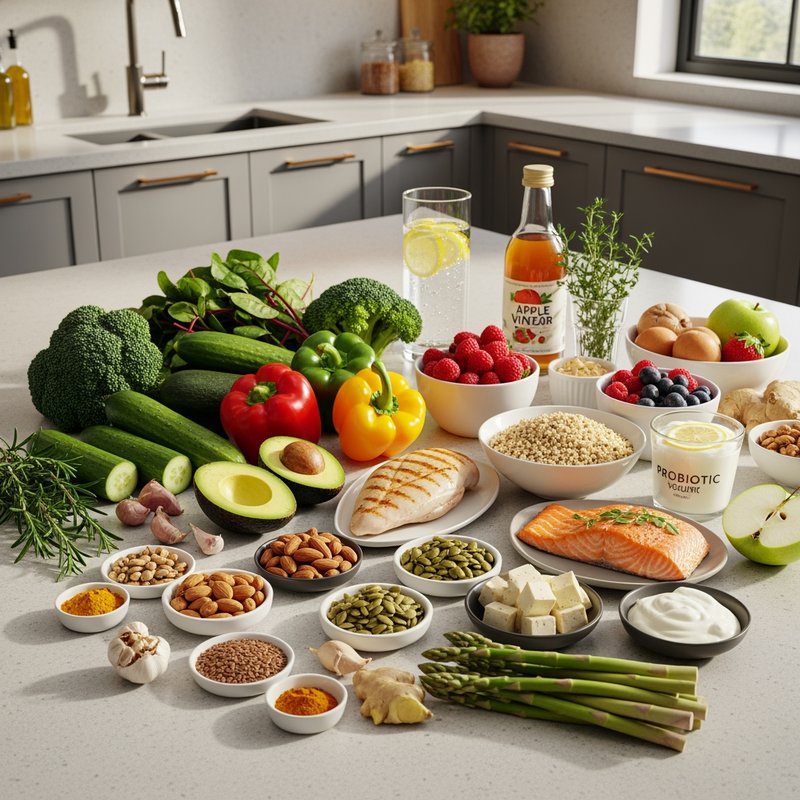
1 recipe

Beneficial for:

Acid Reflux & GERD

The Alkaline Diet may help reduce acid reflux symptoms by emphasizing low-acid foods and eliminating common triggers like caffeine, processed foods, and high-fat meals. The focus on vegetables, non-citrus fruits in moderation, and whole grains provides nutrients without excessive stomach acid production. The elimination of acidic beverages and fried foods reduces esophageal irritation and lower esophageal sphincter relaxation.

Key foods: Leafy greens like spinach and kale, cucumbers, celery, broccoli, avocados, quinoa, almonds, watermelon

Cancer Prevention

The Alkaline Diet's emphasis on colorful vegetables and fruits provides abundant antioxidants, phytochemicals, and fiber that have demonstrated cancer-protective properties in research. The elimination of processed meats, refined sugars, and processed foods removes known carcinogenic compounds and cancer-promoting dietary factors. The high intake of cruciferous vegetables provides compounds that support detoxification and may inhibit cancer cell growth.

Key foods: Broccoli, kale and other cruciferous greens, leafy greens like spinach, lemons and limes, avocados, almonds, chia seeds, legumes

Cardiovascular Disease

The Alkaline Diet supports cardiovascular health through its plant-based composition that reduces multiple risk factors including cholesterol, blood pressure, and inflammation. The abundance of antioxidants protects against oxidative damage to blood vessels while the elimination of processed foods and animal fats reduces atherosclerotic plaque formation. The high fiber and potassium content support healthy blood lipid profiles and vascular function.

Key foods: Leafy greens like spinach and kale, avocados, almonds, chia seeds, broccoli, celery, quinoa, watermelon

Chronic Inflammation

The Alkaline Diet emphasizes anti-inflammatory plant foods rich in antioxidants and phytonutrients while eliminating processed foods and animal products that may promote inflammation. The high intake of leafy greens, vegetables, and fruits provides polyphenols and antioxidants that help neutralize free radicals and reduce inflammatory markers. The elimination of refined sugars, processed foods, and excessive animal proteins removes common dietary triggers of systemic inflammation.

Key foods: Leafy greens like spinach and kale, broccoli, celery, cucumbers, lemons and limes, avocados, almonds, chia seeds

Digestive Disorders

The Alkaline Diet supports digestive health through its high fiber content that promotes regular bowel movements and feeds beneficial gut bacteria. The emphasis on easily digestible plant foods and elimination of common irritants like dairy, processed foods, and caffeine can reduce digestive discomfort. The anti-inflammatory properties of the diet may help soothe intestinal inflammation and support gut barrier function.

Key foods: Leafy greens like spinach and kale, cucumbers, celery, avocados, quinoa, chia seeds, watermelon, legumes like lentils

Gout

The Alkaline Diet helps prevent gout attacks by eliminating high-purine animal proteins and emphasizing plant foods that promote uric acid excretion. The high intake of alkaline vegetables and fruits helps maintain a more alkaline urine pH, which increases uric acid solubility and excretion through the kidneys. The elimination of alcohol and reduction in fructose from processed foods removes key triggers of hyperuricemia.

Key foods: Celery, cucumbers, leafy greens like spinach and kale, lemons and limes, watermelon, quinoa, almonds, avocados

High Cholesterol

The Alkaline Diet's plant-based approach naturally eliminates dietary cholesterol and saturated fats from animal products while providing abundant soluble fiber that binds cholesterol in the digestive tract. The emphasis on nuts, seeds, and avocados provides heart-healthy monounsaturated fats and plant sterols that compete with cholesterol absorption. The high antioxidant content from vegetables and fruits helps prevent LDL oxidation, a key step in atherosclerosis development.

Key foods: Almonds, chia seeds, avocados, leafy greens like kale and spinach, broccoli, quinoa, legumes like lentils and chickpeas, lemons

Hypertension

The Alkaline Diet's emphasis on potassium-rich vegetables and fruits helps regulate blood pressure by counteracting sodium's effects and promoting vasodilation. The high intake of leafy greens provides nitrates that convert to nitric oxide, a powerful vasodilator. The elimination of processed foods dramatically reduces sodium intake while the abundance of magnesium-rich foods supports healthy blood vessel function.

Key foods: Leafy greens like spinach and kale, celery, avocados, watermelon, broccoli, almonds, quinoa, cucumbers

Longevity & Healthy Aging

The Alkaline Diet's plant-based approach aligns with dietary patterns associated with longevity in Blue Zones, emphasizing nutrient-dense whole foods and minimizing processed foods. The high antioxidant intake combats oxidative stress and cellular aging while the anti-inflammatory properties reduce age-related chronic diseases. The abundance of phytonutrients supports cellular repair mechanisms and may influence longevity pathways.

Key foods: Leafy greens like kale and spinach, broccoli, avocados, almonds, chia seeds, quinoa, legumes, watermelon

Metabolic Syndrome

The Alkaline Diet addresses multiple components of metabolic syndrome simultaneously by reducing blood pressure, improving lipid profiles, lowering blood sugar, and promoting weight loss. The elimination of processed foods and refined sugars removes key dietary triggers of metabolic dysfunction. The high intake of potassium, magnesium, and fiber-rich plant foods supports healthy metabolism and reduces insulin resistance.

Key foods: Leafy greens like kale and spinach, avocados, quinoa, legumes like lentils, almonds, chia seeds, broccoli, celery

Non-Alcoholic Fatty Liver Disease

The Alkaline Diet supports liver health by eliminating refined sugars and processed foods that contribute to hepatic fat accumulation. The high fiber content improves insulin sensitivity and reduces the metabolic conditions that promote fatty liver. The abundance of antioxidants and anti-inflammatory compounds from vegetables and fruits helps protect liver cells from oxidative damage and supports liver detoxification processes.

Key foods: Leafy greens like spinach and kale, broccoli, avocados, lemons and limes, quinoa, legumes like lentils, almonds, celery

Obesity

The Alkaline Diet promotes weight loss through its emphasis on low-calorie, nutrient-dense vegetables and fruits that provide satiety with fewer calories. The elimination of processed foods, refined sugars, and high-calorie animal products naturally reduces overall caloric intake. The high fiber content promotes fullness and reduces hunger while supporting healthy gut bacteria that influence metabolism and weight regulation.

Key foods: Leafy greens like spinach and kale, cucumbers, celery, broccoli, watermelon, quinoa, legumes like lentils, chia seeds

Type 2 Diabetes

The Alkaline Diet helps manage Type 2 diabetes through its emphasis on low-glycemic vegetables and elimination of refined sugars and processed carbohydrates that spike blood glucose. The high fiber content from vegetables, legumes, and whole grains slows glucose absorption and improves insulin sensitivity. The abundance of magnesium-rich foods supports insulin function and glucose metabolism while the anti-inflammatory properties reduce insulin resistance.

Key foods: Leafy greens like spinach and kale, broccoli, quinoa, legumes like lentils and chickpeas, almonds, chia seeds, avocados, celery

Athletic Performance

The Alkaline Diet may support athletic performance through its anti-inflammatory properties and high antioxidant content that aids recovery. The emphasis on complex carbohydrates from quinoa and legumes provides sustained energy, while the elimination of processed foods reduces inflammation that can impair recovery. However, the restriction of protein sources may be inadequate for athletes with high protein needs, requiring careful planning.

Key foods: Quinoa, leafy greens like spinach and kale, watermelon, avocados, almonds, chia seeds, legumes like lentils, celery

Autoimmune Conditions

The Alkaline Diet may benefit some autoimmune conditions through its anti-inflammatory properties and elimination of common food triggers like dairy, eggs, and processed foods. The abundance of antioxidants and phytonutrients may help modulate immune responses and reduce oxidative stress. However, evidence is limited and varies significantly by specific autoimmune condition, requiring individualized approaches.

Key foods: Leafy greens like spinach and kale, broccoli, celery, cucumbers, avocados, chia seeds, quinoa, legumes

Chronic Kidney Disease

The Alkaline Diet may benefit early-stage chronic kidney disease by reducing dietary acid load and potentially slowing disease progression. The emphasis on plant proteins over animal proteins reduces the metabolic acid burden on kidneys. However, advanced kidney disease requires careful monitoring of potassium and phosphorus intake, which are abundant in this diet, making professional supervision essential.

Key foods: Cucumbers, celery, watermelon, quinoa, leafy greens in moderation, lemons and limes, avocados in moderation, millet

Cognitive Decline

The Alkaline Diet may support cognitive health through its high intake of antioxidants and anti-inflammatory compounds that protect brain cells from oxidative damage. The emphasis on leafy greens provides folate, vitamin K, and lutein associated with slower cognitive decline. The elimination of processed foods and refined sugars reduces neuroinflammation and supports stable blood glucose levels important for brain function.

Key foods: Leafy greens like kale and spinach, broccoli, avocados, almonds, chia seeds, watermelon, quinoa, legumes

Osteoporosis

The Alkaline Diet theory suggests that reducing dietary acid load may help preserve bone mineral density by reducing calcium excretion from bones to buffer acid. The diet provides abundant magnesium, vitamin K, and potassium from plant foods that support bone health. However, the elimination of dairy products removes a major calcium source, and evidence for the acid-ash hypothesis remains controversial in scientific literature.

Key foods: Leafy greens like kale and collard greens, broccoli, almonds, chia seeds, quinoa, celery, avocados, figs

Anti-Candida Diet

Anti-Candida Diet

The Anti-Candida Diet is a restrictive nutritional protocol designed to combat candida overgrowth, a condition where the naturally occurring yeast Candida albicans proliferates excessively in the body, particularly in the gut. The core principle of this diet is to eliminate foods that feed candida while incorporating foods that help restore healthy gut flora and strengthen the immune system. This approach typically lasts 3-6 months and is often implemented in phases, starting with a strict elimination period followed by gradual reintroduction of certain foods. The diet aims to starve the yeast, reduce inflammation, heal the gut lining, and rebalance the microbiome. Foods strictly excluded from the Anti-Candida Diet include all forms of sugar (including natural sugars like honey, maple syrup, and agave), refined carbohydrates, gluten-containing grains, most fruits (especially high-sugar fruits), alcohol, vinegar (except apple cider vinegar), fermented foods initially, mushrooms and other fungi, processed foods, dairy products (particularly those containing lactose), peanuts, pistachios, and any foods containing yeast or mold. Foods that are emphasized include non-starchy vegetables, lean proteins (wild-caught fish, organic poultry, grass-fed meat, eggs), healthy fats (coconut oil, olive oil, avocado), nuts and seeds (except peanuts and pistachios), herbs and spices with antifungal properties (garlic, ginger, oregano, cinnamon, turmeric), fermented foods in later phases (sauerkraut, kimchi, coconut yogurt), and low-sugar fruits in moderation after the initial phase (green apples, berries). The Anti-Candida Diet is primarily used to address symptoms associated with candida overgrowth, including chronic fatigue, brain fog, digestive issues (bloating, constipation, diarrhea), recurring yeast infections, skin problems (eczema, psoriasis, rashes), sinus infections, joint pain, and mood disorders. It may also benefit individuals with conditions like irritable bowel syndrome (IBS), small intestinal bacterial overgrowth (SIBO), autoimmune diseases, chronic inflammation, and weakened immune function. Some practitioners recommend it for patients dealing with the aftermath of prolonged antibiotic use, which can disrupt gut flora balance. While the Anti-Candida Diet has substantial anecdotal support and is recommended by many integrative and functional medicine practitioners, scientific evidence remains mixed. Some studies support the connection between diet and candida management, particularly regarding sugar's role in yeast proliferation, while mainstream medical organizations often view systemic candida overgrowth as rare outside of immunocompromised individuals. However, research does support the diet's emphasis on whole foods, reduced sugar intake, and gut health, which align with general principles of anti-inflammatory nutrition. This diet is best suited for individuals experiencing chronic symptoms potentially related to candida overgrowth, those with diagnosed candidiasis, people recovering from antibiotic treatment, individuals with compromised gut health, or anyone seeking to reduce inflammation and reset their digestive system. It should ideally be undertaken with guidance from a healthcare provider, particularly for those with existing health conditions or nutritional concerns.

1 recipe
Biggest Loser Diet

Biggest Loser Diet

The Biggest Loser Diet is a calorie-controlled, portion-focused eating plan inspired by NBC's weight loss reality show "The Biggest Loser." The diet is built on the 4-3-2-1 Biggest Loser Pyramid, which emphasizes eating at least four servings of fruits and vegetables, three servings of lean protein, two servings of whole grains, and one serving of "extras" like healthy fats or treats per day. The program follows a reduced-calorie approach, typically limiting intake to 1,200-1,500 calories for women and 1,500-1,800 calories for men, combined with regular physical activity. The core principle is creating a caloric deficit while maintaining nutritional balance through whole, minimally processed foods. The diet emphasizes lean proteins (chicken breast, turkey, fish, egg whites, low-fat dairy), abundant vegetables and fruits, whole grains (brown rice, quinoa, oats, whole wheat bread), and limited healthy fats (olive oil, avocado, nuts in small portions). Foods to avoid or strictly limit include refined sugars, processed foods, white flour products, full-fat dairy, fried foods, sugary beverages, and high-calorie snacks. The plan encourages drinking plenty of water and allows for one small "splurge" per day (around 200 calories) to maintain sustainability. Meal timing and portion control are emphasized, with the recommendation to eat frequent, smaller meals throughout the day to maintain metabolism and prevent hunger. The Biggest Loser Diet primarily addresses obesity, metabolic syndrome, type 2 diabetes, high cholesterol, and cardiovascular disease risk factors. By promoting significant calorie reduction combined with increased physical activity, the diet can lead to substantial weight loss, improved insulin sensitivity, reduced blood pressure, and better lipid profiles. Research published in the journal Obesity and other studies have shown that participants can achieve significant weight loss, though some studies have also noted metabolic adaptation (reduced metabolic rate) as a potential long-term challenge. The diet's emphasis on whole foods, lean proteins, and vegetables provides adequate nutrition while creating the energy deficit needed for weight loss. This diet is most beneficial for individuals who are overweight or obese and seeking structured guidance for significant weight loss, those with prediabetes or type 2 diabetes who need to improve blood sugar control, and people with cardiovascular risk factors like high blood pressure or elevated cholesterol. It's particularly suitable for those who respond well to clear rules and portion guidelines, enjoy cooking with whole foods, and are committed to combining dietary changes with regular exercise. The diet may be less appropriate for individuals with eating disorders, those with very high caloric needs (such as athletes), pregnant or breastfeeding women, or people who require more flexible eating patterns for psychological well-being.

1 recipe

Beneficial for:

High Cholesterol

By promoting lean proteins, whole grains, and eliminating processed foods, the diet helps improve cholesterol profiles. The structured approach supports weight loss, which is directly linked to cholesterol management.

Key foods: Wild salmon, olive oil, almonds, quinoa, spinach, egg whites, Greek yogurt, berries

Hypertension

The diet's emphasis on whole foods, lean proteins, and elimination of processed ingredients naturally supports blood pressure reduction. Weight loss and nutrient-dense foods contribute to cardiovascular health improvements.

Key foods: Wild salmon, spinach, sweet potatoes, berries, Greek yogurt, almonds, olive oil, lean turkey

Metabolic Syndrome

By emphasizing whole foods, lean proteins, and eliminating processed ingredients, the diet helps improve metabolic markers including blood sugar, cholesterol, and blood pressure. The structured approach addresses multiple metabolic risk factors simultaneously.

Key foods: Lean turkey, wild salmon, quinoa, kale, blueberries, almonds, Greek yogurt, sweet potatoes

Type 2 Diabetes

The diet's focus on low-glycemic foods, portion control, and balanced nutrition helps manage blood sugar levels and improve insulin sensitivity. Its structured approach supports gradual weight loss, which is crucial for diabetes management.

Key foods: Grilled chicken breast, egg whites, quinoa, leafy greens, berries, Greek yogurt, almonds, wild salmon

Obesity

The Biggest Loser Diet is specifically designed for significant weight loss through calorie restriction, portion control, and nutrient-dense foods. Its structured approach creates a substantial calorie deficit while maintaining nutritional balance, promoting sustainable and rapid weight reduction.

Key foods: Skinless chicken breast, egg whites, wild-caught salmon, spinach, broccoli, quinoa, Greek yogurt, berries

Raw Food Diet

Raw Food Diet

The Raw Food Diet is a dietary approach centered on consuming uncooked, unprocessed plant-based foods that have not been heated above 104-118°F (40-48°C). The core principle is that cooking destroys natural enzymes, nutrients, and life force in foods, and that eating foods in their natural state maximizes nutritional benefits and promotes optimal health. Proponents believe that raw foods contain essential enzymes that aid digestion and that heating foods above this temperature threshold denatures these beneficial compounds, reduces vitamin content, and creates harmful substances. The diet primarily includes fresh fruits, vegetables, nuts, seeds, sprouted grains, legumes, and sometimes raw animal products like unpasteurized dairy, raw eggs, or raw fish (though many followers adopt a vegan raw food approach). Foods are prepared through methods like juicing, blending, dehydrating at low temperatures, soaking, sprouting, and fermenting. Excluded foods include anything cooked, baked, roasted, steamed, or pasteurized, as well as processed foods, refined sugars, caffeine, alcohol, and typically all animal products in the vegan version. Table salt and roasted nuts are also avoided in favor of their raw counterparts. Advocates claim the Raw Food Diet can help with various health conditions including digestive issues, inflammation, obesity, heart disease risk factors (by lowering cholesterol and blood pressure), type 2 diabetes management (through improved blood sugar control), and autoimmune conditions. Some followers report increased energy, clearer skin, weight loss, and improved mental clarity. The diet's high fiber content, abundance of antioxidants, and elimination of processed foods may contribute to reduced inflammation and better overall health markers. However, scientific evidence specifically supporting raw food superiority over cooked food diets is limited and mixed, with some studies showing benefits from certain cooked foods that increase bioavailability of nutrients like lycopene in tomatoes and beta-carotene in carrots. This diet may benefit individuals seeking significant weight loss, those looking to increase their intake of whole plant foods, people with certain digestive sensitivities who find raw foods easier to tolerate, or those wanting to reduce inflammation through an anti-inflammatory eating pattern. However, it requires careful planning to avoid nutritional deficiencies (particularly vitamin B12, iron, calcium, omega-3 fatty acids, and protein), and may not be suitable for pregnant women, children, elderly individuals, or those with compromised immune systems due to food safety concerns with raw animal products. Anyone with specific health conditions should consult healthcare providers before adopting this restrictive dietary approach.

1 recipe

Beneficial for:

Cardiovascular Disease

The Raw Food Diet supports cardiovascular health by providing abundant potassium, magnesium, and antioxidants while being naturally low in sodium and free from trans fats. The high intake of raw fruits, vegetables, nuts, and seeds provides heart-protective compounds like omega-3 fatty acids, folate, and polyphenols. Studies show raw food dieters often have lower blood pressure, improved lipid profiles, and reduced cardiovascular risk markers.

Key foods: Raw walnuts, raw flaxseeds, raw chia seeds, raw leafy greens, raw berries, raw garlic, raw avocados, cold-pressed flaxseed oil

Chronic Inflammation

The Raw Food Diet is rich in anti-inflammatory compounds, antioxidants, and phytonutrients that remain intact without heat degradation. The diet eliminates processed foods, refined sugars, and advanced glycation end products (AGEs) formed during cooking, all of which contribute to systemic inflammation. The alkalizing effect of abundant raw vegetables and fruits may help reduce inflammatory markers.

Key foods: Raw leafy greens, raw berries, raw turmeric root, raw ginger, walnuts, flaxseeds, raw broccoli, cold-pressed olive oil

Digestive Disorders

The Raw Food Diet may improve digestive function by providing high amounts of natural digestive enzymes preserved in unheated foods, along with abundant fiber from raw fruits and vegetables. The emphasis on fermented foods introduces beneficial probiotics that support gut microbiome health. The elimination of processed foods removes common digestive irritants and inflammatory triggers.

Key foods: Raw sauerkraut, raw kimchi, sprouted legumes, raw papaya, raw pineapple, soaked almonds, sprouted sunflower seeds, raw apple cider vinegar

High Cholesterol

The Raw Food Diet can improve cholesterol profiles by providing abundant soluble fiber that binds cholesterol in the digestive tract and plant sterols that compete with cholesterol absorption. The diet is naturally cholesterol-free and rich in heart-healthy unsaturated fats from nuts and seeds. Studies show raw food dieters often have significantly lower total and LDL cholesterol levels.

Key foods: Raw soaked oats, raw flaxseeds, raw chia seeds, raw almonds, raw walnuts, raw avocados, raw apples, raw leafy greens

Hypertension

The Raw Food Diet naturally lowers blood pressure through high potassium intake from raw fruits and vegetables, elimination of processed sodium sources, and abundant nitrate-rich vegetables that promote vasodilation. The diet's anti-inflammatory properties and weight loss effects contribute to improved blood pressure regulation. Research shows significant blood pressure reductions in individuals following raw food diets.

Key foods: Raw beets, raw spinach, raw celery, raw bananas, raw oranges, raw tomatoes, raw garlic, sprouted seeds

Obesity

The Raw Food Diet promotes weight loss through high fiber intake that increases satiety and reduces caloric density of meals. The elimination of processed foods, refined sugars, and calorie-dense cooked foods naturally reduces overall caloric intake. Studies show raw food dieters typically consume fewer calories while feeling satisfied due to the high volume and water content of raw produce.

Key foods: Raw leafy greens, raw celery, raw cucumbers, raw zucchini, raw apples, raw berries, sprouted lentils, raw almonds

Acne

The Raw Food Diet may improve acne by eliminating dairy and processed foods that can trigger hormonal fluctuations and inflammation. The high intake of antioxidants and anti-inflammatory compounds supports skin health. However, high fruit consumption could potentially affect blood sugar and insulin levels, which may influence acne in some individuals.

Key foods: Raw leafy greens, raw berries, raw carrots, raw cucumber, raw pumpkin seeds, raw walnuts, raw turmeric root, raw papaya

Cancer Prevention

The Raw Food Diet provides high levels of antioxidants, phytochemicals, and enzymes that may offer protective effects against cellular damage and cancer development. Raw cruciferous vegetables contain intact glucosinolates and myrosinase enzymes that produce cancer-fighting compounds like sulforaphane. However, evidence is primarily observational and mechanistic rather than from controlled trials.

Key foods: Raw broccoli, raw cabbage, raw kale, raw berries, raw garlic, raw tomatoes, raw turmeric root, sprouted broccoli seeds

Food Allergies & Sensitivities

The Raw Food Diet eliminates many common food allergens and sensitivities by removing processed foods, dairy, and gluten-containing grains in their conventional forms. The emphasis on whole, unprocessed foods reduces exposure to additives, preservatives, and inflammatory compounds. However, raw nuts and certain raw vegetables can still trigger sensitivities in some individuals.

Key foods: Raw fruits, raw vegetables, sprouted quinoa, raw coconut, raw seeds, fermented vegetables, raw herbs, cold-pressed oils

Longevity & Healthy Aging

The Raw Food Diet may support healthy aging through high antioxidant intake that combats oxidative stress, a key driver of cellular aging. The diet's anti-inflammatory properties and caloric restriction effects may activate longevity pathways. However, potential nutritional deficiencies (B12, vitamin D, protein) could negatively impact long-term health if not properly addressed.

Key foods: Raw berries, raw leafy greens, raw walnuts, raw seeds, raw cruciferous vegetables, raw garlic, raw turmeric root, cold-pressed oils

Metabolic Syndrome

The Raw Food Diet may help address multiple components of metabolic syndrome through weight loss, improved insulin sensitivity, reduced inflammation, and better blood pressure control. The high fiber and low glycemic nature of most raw foods supports metabolic health. However, the diet's restrictiveness and potential nutritional inadequacies require careful planning for long-term management.

Key foods: Raw leafy greens, raw berries, raw almonds, raw walnuts, sprouted legumes, raw avocados, raw flaxseeds, cold-pressed oils

Non-Alcoholic Fatty Liver Disease

The Raw Food Diet may benefit fatty liver disease through weight loss, elimination of refined sugars and processed foods, and high antioxidant intake that reduces hepatic oxidative stress. The diet's anti-inflammatory properties and absence of fructose-rich processed foods can reduce liver fat accumulation. However, specific research on raw food diets for NAFLD is limited.

Key foods: Raw leafy greens, raw cruciferous vegetables, raw berries, raw beets, raw garlic, raw walnuts, raw avocados, cold-pressed olive oil

Type 2 Diabetes

The Raw Food Diet may improve glycemic control through high fiber intake that slows glucose absorption and improves insulin sensitivity. The elimination of refined sugars and processed carbohydrates reduces blood sugar spikes. However, the high fruit content requires careful monitoring, and the diet's restrictive nature may pose challenges for long-term diabetes management.

Key foods: Raw leafy greens, raw broccoli, raw cauliflower, sprouted legumes, raw almonds, raw cinnamon, raw berries, chia seeds

Detoxification Support

The Raw Food Diet emphasizes foods that support the body's natural detoxification pathways through high chlorophyll content, sulfur compounds, and enzymes that enhance phase I and II liver detoxification. The abundant water content and fiber promote elimination through kidneys and bowels. Raw foods also minimize exposure to toxins formed during cooking processes.

Key foods: Raw wheatgrass, raw cilantro, raw parsley, raw cruciferous vegetables, raw garlic, raw lemon, raw dandelion greens, sprouted seeds

4-Hour Body Diet

4-Hour Body Diet

The 4-Hour Body Diet, created by author and entrepreneur Tim Ferriss, is a body-transformation program centered around the concept of "Minimum Effective Dose" (MED) - achieving maximum results with minimum effort. The diet's cornerstone is the "Slow-Carb Diet," which focuses on eating five food groups: animal protein, legumes, vegetables, fats, and spices, while strictly avoiding "white" carbohydrates, fruits, and caloric beverages. The program follows a unique structure of six days of strict adherence followed by one "cheat day" where all foods are permitted, which Ferriss claims prevents metabolic slowdown and makes the diet psychologically sustainable. Meals are kept simple and often repetitive, with the same breakfast eaten daily within 30 minutes of waking. The diet emphasizes lean proteins (eggs, chicken, beef, pork, fish), legumes (black beans, lentils, pinto beans), and non-starchy vegetables (spinach, asparagus, broccoli, cauliflower, green beans) at every meal. Strictly excluded are all bread, rice, cereal, potatoes, pasta, tortillas, fried foods, fruit (except on cheat day), dairy (except cottage cheese in small amounts), and any drinks with calories including fruit juice, soda, and milk. The diet permits black coffee, unsweetened tea, red wine in moderation, and water. Healthy fats from sources like nuts, avocados, and olive oil are encouraged but should be consumed in controlled portions. The 4-Hour Body Diet primarily targets rapid fat loss and body recomposition, making it popular among individuals seeking to lose 20+ pounds or reduce body fat percentage. It may benefit people with insulin resistance, pre-diabetes, or type 2 diabetes due to its low-glycemic approach and emphasis on protein and fiber, which helps stabilize blood sugar levels. The diet's anti-inflammatory potential comes from eliminating processed foods and emphasizing whole foods, vegetables, and legumes, though the exclusion of fruits and whole grains is controversial among nutrition experts. While Ferriss presents numerous self-experimentation results and anecdotal evidence, the diet lacks large-scale clinical trials. However, its core principles align with established research on protein satiety, low-glycemic eating, and caloric restriction for weight loss. The diet is best suited for otherwise healthy adults focused on fat loss and muscle gain, but may not be appropriate for athletes requiring higher carbohydrate intake, pregnant women, those with kidney disease (due to high protein), or individuals with histories of disordered eating (due to the restrictive nature and cheat day structure).

0 recipes
5:2 Diet

5:2 Diet

The 5:2 Diet, also known as the Fast Diet, is an intermittent fasting approach that involves eating normally for five days of the week while significantly restricting calorie intake on the remaining two non-consecutive days. On fasting days, women typically consume around 500 calories and men around 600 calories, while on non-fasting days, individuals eat a normal, healthy diet without specific restrictions. This pattern creates a weekly calorie deficit without requiring daily deprivation, making it more sustainable for many people compared to traditional continuous calorie restriction diets. The 5:2 Diet doesn't strictly exclude specific foods, but on fasting days, the focus is on nutrient-dense, low-calorie foods that provide maximum satiety and nutrition within the limited calorie budget. These typically include non-starchy vegetables, lean proteins (fish, chicken, eggs, tofu), small portions of whole grains, and low-calorie fruits. Foods to minimize or avoid on fasting days include high-calorie items like refined carbohydrates, sugary foods, fatty meats, oils, nuts, and alcohol. On non-fasting days, a balanced Mediterranean-style diet is often recommended, emphasizing whole foods, fruits, vegetables, lean proteins, and healthy fats while limiting processed foods and added sugars. Research suggests the 5:2 Diet may help with weight loss, improve insulin sensitivity, reduce inflammation, and support cardiovascular health. Studies have shown benefits for managing type 2 diabetes, reducing risk factors for heart disease (including lowering blood pressure and cholesterol levels), and potentially improving cognitive function. The intermittent fasting pattern may trigger cellular repair processes like autophagy and improve metabolic markers. Some evidence suggests it may help reduce inflammation associated with various chronic conditions, though more research is needed in specific disease contexts. This diet may be particularly beneficial for individuals looking to lose weight without daily food restrictions, those with prediabetes or type 2 diabetes (under medical supervision), people seeking cardiovascular health improvements, and those who find traditional daily calorie counting unsustainable. However, it's not suitable for everyone, including pregnant or breastfeeding women, children, individuals with a history of eating disorders, those with certain medical conditions, or people taking specific medications. Anyone considering the 5:2 Diet, especially those with existing health conditions, should consult with a healthcare provider before beginning.

0 recipes

Beneficial for:

Cardiovascular Disease

The 5:2 Diet can help reduce cardiovascular disease risk by promoting weight loss, reducing inflammation, and improving lipid profiles. The controlled eating pattern helps manage blood pressure and cholesterol levels.

Key foods: White fish, chicken breast, leafy greens, broccoli, Greek yogurt, eggs, tofu

Chronic Inflammation

The 5:2 Diet helps reduce chronic inflammation by promoting metabolic reset, reducing oxidative stress, and supporting cellular repair mechanisms. The controlled eating pattern allows the body to focus on healing and regeneration.

Key foods: Leafy greens, broccoli, cauliflower, zucchini, white fish, chicken breast, eggs

Metabolic Syndrome

The 5:2 Diet addresses multiple metabolic syndrome components by improving insulin sensitivity, reducing body weight, and supporting cardiovascular health. The intermittent fasting approach helps reset metabolic processes.

Key foods: Tofu, Greek yogurt, eggs, white fish, chicken breast, spinach, zucchini

Longevity & Healthy Aging

The 5:2 Diet may support longevity by promoting cellular repair, reducing oxidative stress, and improving metabolic health. The intermittent fasting approach mimics some calorie restriction benefits associated with increased lifespan.

Key foods: Leafy greens, broccoli, eggs, white fish, tofu, chicken breast, Greek yogurt

Insulin Resistance

The 5:2 Diet helps improve insulin sensitivity by creating periods of reduced calorie intake and metabolic rest. The fasting days significantly lower insulin levels and improve the body's ability to process glucose effectively.

Key foods: Tofu, eggs, Greek yogurt, spinach, zucchini, bell peppers, chicken breast

Obesity

The 5:2 Diet creates a consistent calorie deficit through intermittent fasting, which promotes weight loss by reducing overall calorie intake and improving metabolic flexibility. The alternating fasting and normal eating days help reset metabolic processes and reduce chronic overeating.

Key foods: Lean chicken breast, white fish, eggs, Greek yogurt, leafy green vegetables, broccoli, cauliflower

Alternate Day Fasting

Alternate Day Fasting

Alternate Day Fasting (ADF) is an intermittent fasting protocol that alternates between fasting days and regular eating days. On fasting days, individuals either consume no calories (complete fasting) or restrict intake to approximately 20-25% of normal caloric needs (modified fasting, typically 500-600 calories). On non-fasting days, people eat normally without specific restrictions, though a balanced, nutrient-dense diet is recommended for optimal results. This cyclical pattern creates a significant caloric deficit over time while potentially triggering beneficial metabolic changes that occur during fasting periods. During eating days, the diet emphasizes whole, unprocessed foods including lean proteins, vegetables, fruits, whole grains, healthy fats, legumes, nuts, and seeds. On modified fasting days, meals should be nutrient-dense and satisfying despite low calories, focusing on high-protein foods, non-starchy vegetables, and adequate hydration. There are no specific food exclusions beyond the caloric restrictions on fasting days, though highly processed foods, refined sugars, and excessive saturated fats are discouraged for overall health. The flexibility of food choices on eating days makes this approach more sustainable than traditional daily calorie restriction for many individuals. Alternate Day Fasting has demonstrated benefits for multiple health conditions, including weight loss and obesity management, type 2 diabetes and insulin resistance, cardiovascular disease risk factors (reducing LDL cholesterol, triglycerides, and blood pressure), and chronic inflammation. Research suggests ADF may improve metabolic health markers, enhance cellular autophagy (the body's cellular cleaning process), and potentially increase longevity. Studies have shown improvements in inflammatory markers like C-reactive protein, making it potentially beneficial for conditions exacerbated by inflammation, including arthritis and metabolic syndrome. This diet is most suitable for otherwise healthy adults seeking weight loss, metabolic health improvement, or lifestyle simplification around eating patterns. It may particularly benefit individuals with prediabetes, metabolic syndrome, or those at risk for cardiovascular disease. However, ADF is not recommended for pregnant or breastfeeding women, children and adolescents, individuals with a history of eating disorders, those with type 1 diabetes, or people with certain medical conditions without physician supervision. Scientific backing includes multiple peer-reviewed studies showing ADF's effectiveness for weight loss (comparable to daily calorie restriction) and improvements in insulin sensitivity, oxidative stress markers, and cardiovascular risk factors, though long-term studies are still ongoing.

0 recipes
Archevore Diet

Archevore Diet

The Archevore Diet, developed by Dr. Kurt Harris, is a nutritional approach based on evolutionary biology principles that emphasizes eating foods that humans are best adapted to digest and metabolize. The name combines 'arche' (meaning ancient or original) with 'vore' (eater), reflecting its focus on ancestral eating patterns. Unlike strict paleo diets, Archevore is more flexible and science-based, prioritizing nutrient density and metabolic health over rigid historical authenticity. The diet emphasizes whole, minimally processed foods while avoiding what Dr. Harris calls 'neolithic agents of disease'—foods introduced relatively recently in human history that may contribute to modern health problems. The Archevore Diet includes nutrient-dense animal proteins (meat, fish, eggs, shellfish), healthy fats (butter, ghee, tallow, olive oil, coconut oil), non-starchy vegetables, some starchy tubers (potatoes, sweet potatoes), limited fruits, and optionally includes full-fat dairy for those who tolerate it well. White rice is considered acceptable as a 'safe starch' due to its low antinutrient content. The diet strictly excludes cereal grains (wheat, corn, oats, etc.), legumes (beans, peanuts, soy), seed oils (canola, soybean, corn oil), and added sugars. It also recommends limiting or avoiding foods high in omega-6 fatty acids and processed foods containing industrial ingredients. This dietary approach is designed to address metabolic syndrome, type 2 diabetes, cardiovascular disease, obesity, autoimmune conditions, and chronic inflammation. By eliminating grains and legumes, it may benefit those with celiac disease, gluten sensitivity, irritable bowel syndrome, and other digestive disorders. The emphasis on nutrient-dense foods and healthy fats while reducing refined carbohydrates can improve insulin sensitivity, reduce systemic inflammation, and support optimal hormone function. Research supporting low-carbohydrate, whole-food approaches shows benefits for weight management, blood sugar control, and reduction of inflammatory markers. The Archevore Diet is particularly beneficial for individuals with metabolic disorders, those seeking to lose weight, people with autoimmune conditions, anyone with digestive issues related to grains or legumes, and those looking to reduce chronic inflammation. It's also suitable for individuals who want a less restrictive alternative to strict paleo diets while still following evolutionary nutrition principles. The diet's flexibility with dairy and white rice makes it more sustainable and culturally adaptable than many ancestral diet approaches, while still maintaining focus on nutrient density and metabolic health.

0 recipes

Beneficial for:

Autoimmune Conditions

The Archevore Diet may help manage autoimmune conditions by removing potential dietary triggers like grains and legumes while providing nutrient-dense foods that support immune system regulation. The diet's focus on whole foods and elimination of potential inflammatory agents can help reduce autoimmune symptoms.

Key foods: Grass-fed organ meats, wild-caught fatty fish, pastured eggs, bone broth, coconut oil, non-starchy vegetables, shellfish

Digestive Disorders

The Archevore Diet can improve digestive health by eliminating common irritants like grains, legumes, and seed oils while providing easily digestible, nutrient-dense foods. The diet supports gut healing and reduces digestive inflammation and irritation.

Key foods: Bone broth, pastured eggs, grass-fed beef, wild-caught fish, coconut oil, non-starchy vegetables, fermented foods

Chronic Inflammation

The Archevore Diet combats chronic inflammation by removing inflammatory foods like seed oils and grains while prioritizing anti-inflammatory nutrient-dense animal proteins and healthy fats. The diet's emphasis on whole, unprocessed foods helps reduce systemic inflammatory markers.

Key foods: Wild-caught salmon, grass-fed beef, pastured eggs, extra virgin olive oil, fatty fish, bone broth, leafy green vegetables

Insulin Resistance

The Archevore Diet effectively addresses insulin resistance by eliminating high-glycemic grains and sugars while emphasizing nutrient-dense proteins and healthy fats. This approach helps stabilize blood sugar levels and improve insulin sensitivity through a low-carbohydrate, nutrient-rich dietary pattern.

Key foods: Grass-fed beef, wild-caught salmon, pastured eggs, olive oil, coconut oil, butter from grass-fed cows, non-starchy vegetables like spinach and broccoli

Metabolic Syndrome

The Archevore Diet addresses multiple components of metabolic syndrome by promoting weight management, reducing inflammation, and improving insulin sensitivity. The diet's approach helps normalize blood sugar, reduce visceral fat, and improve overall metabolic health.

Key foods: Grass-fed beef, wild-caught salmon, pastured eggs, olive oil, avocados, non-starchy vegetables, coconut oil

Biblical Diet

Biblical Diet

The Biblical Diet, also known as the Maker's Diet or Bible-based eating, is a nutritional approach that draws its principles from foods mentioned in the Old and New Testaments of the Bible. This diet emphasizes whole, unprocessed foods that would have been available in ancient Biblical times, including clean meats (as defined in Leviticus 11 and Deuteronomy 14), wild-caught fish with fins and scales, organic fruits and vegetables, whole grains, legumes, nuts, seeds, olive oil, and fermented dairy products like yogurt and kefir. The diet follows kosher dietary laws, avoiding 'unclean' animals such as pork, shellfish, and scavenger fish, while also excluding modern processed foods, refined sugars, artificial additives, and genetically modified organisms. The Biblical Diet focuses on nutrient-dense, organic, and ideally locally-sourced foods prepared simply, often incorporating soaking and sprouting techniques for grains and legumes to improve digestibility. Core principles include eating foods in their most natural state, consuming abundant plant foods, choosing grass-fed and pasture-raised animal products, incorporating fermented foods for gut health, and avoiding anything that didn't exist in Biblical times. The diet emphasizes seasonal eating and often includes periods of fasting, reflecting spiritual practices described in scripture. Proponents claim the Biblical Diet can help address numerous health conditions including digestive disorders like Crohn's disease and irritable bowel syndrome, inflammatory conditions, autoimmune diseases, heart disease, diabetes, obesity, and metabolic syndrome. The diet's emphasis on whole foods, healthy fats from olive oil and fish, fiber-rich vegetables and legumes, and absence of processed foods aligns with many evidence-based nutritional recommendations. The inclusion of fermented foods supports gut microbiome health, which research increasingly links to overall wellness and disease prevention. The anti-inflammatory properties of the diet's core foods—particularly omega-3 rich fish, colorful vegetables, and extra virgin olive oil—have scientific backing for reducing chronic disease risk. This diet may particularly benefit individuals seeking to improve digestive health, reduce inflammation, manage blood sugar levels, or lose weight through whole-food eating. It appeals to those who want to align their nutritional choices with Judeo-Christian faith principles while following an eating pattern that emphasizes food quality and traditional preparation methods. People with autoimmune conditions, metabolic disorders, or those recovering from illness may find the diet's focus on nutrient density and gut health especially helpful. However, those considering this diet should ensure adequate nutrient intake and may want to consult healthcare providers, particularly regarding the restrictive nature of certain food exclusions.

0 recipes
BRAT Diet

BRAT Diet

The BRAT diet is a short-term eating plan traditionally recommended for managing acute gastrointestinal distress, particularly diarrhea, nausea, and vomiting. BRAT is an acronym standing for Bananas, Rice, Applesauce, and Toast—four bland, low-fiber foods that are easy to digest and help firm up stools. The core principle of this diet is to provide gentle nutrition that minimizes irritation to the digestive tract while allowing the gastrointestinal system to recover from illness or upset. These foods are low in protein, fat, and fiber, which makes them less likely to stimulate the gut or worsen symptoms during acute illness. The BRAT diet strictly focuses on bland, starchy foods that are binding and easy on the stomach. In addition to the four primary foods, the diet may sometimes include plain crackers, clear broths, boiled potatoes (without skin), and plain pasta. Foods that must be excluded include dairy products, fatty or fried foods, spicy foods, raw vegetables, citrus fruits, caffeine, alcohol, and high-fiber foods. The diet is intentionally restrictive and nutritionally incomplete, designed only for short-term use during acute gastrointestinal episodes such as gastroenteritis, food poisoning, morning sickness, or recovery from stomach flu. Historically, the BRAT diet was widely recommended by pediatricians and general practitioners for managing childhood diarrhea and stomach upset. However, modern medical guidance has evolved. The American Academy of Pediatrics and other health organizations now suggest that while these foods can be helpful, they should not be used exclusively for extended periods due to their nutritional inadequacy. Current recommendations emphasize returning to a normal, age-appropriate diet as soon as tolerated, typically within 24 hours. The BRAT diet is most beneficial for adults and children experiencing temporary digestive distress who need a day or two of gentle eating to allow their system to settle. While the BRAT diet can provide symptomatic relief for acute gastrointestinal issues, it is not intended to treat chronic conditions like Crohn's disease, celiac disease, or irritable bowel syndrome, though it might offer temporary comfort during flare-ups. The diet lacks essential nutrients including protein, healthy fats, vitamins, and minerals, making it unsuitable for prolonged use. Medical professionals now recommend using the BRAT diet for no more than 24-48 hours, and emphasize the importance of staying hydrated with water and oral rehydration solutions. Anyone experiencing severe or persistent gastrointestinal symptoms, bloody stools, signs of dehydration, or symptoms lasting more than a few days should seek medical attention rather than relying solely on dietary modifications.

0 recipes
Cabbage Soup Diet

Cabbage Soup Diet

The Cabbage Soup Diet is a short-term, restrictive weight-loss plan that centers around consuming large quantities of a low-calorie cabbage-based soup throughout the day, typically for seven days. The core principle is rapid weight loss through severe calorie restriction, with the soup serving as an unlimited food source that can be eaten whenever hunger strikes. The original recipe includes cabbage, onions, tomatoes, bell peppers, celery, and various seasonings in a broth base. Each day of the week follows specific guidelines about what additional foods can be eaten alongside the soup, such as fruits on day one, vegetables on day two, and small amounts of protein on designated days. The diet strictly excludes bread, alcohol, carbonated beverages (including diet sodas), fried foods, flour-based products, and most fats and oils. It emphasizes non-starchy vegetables, particularly cabbage, along with limited fruits, lean proteins on specific days, and brown rice. The diet is extremely low in calories (typically 800-1,000 calories per day), protein, healthy fats, and complex carbohydrates, while being high in fiber and water content. Proponents claim it can help jumpstart weight loss, reduce bloating, and provide a "reset" for eating habits, though these benefits are primarily due to water weight loss and calorie restriction rather than any special properties of cabbage itself. While the Cabbage Soup Diet may result in rapid initial weight loss, there is limited scientific evidence supporting its long-term effectiveness or health benefits. The diet is not specifically designed to address particular health conditions like Crohn's disease, heart disease, celiac disease, or diabetes, and the extreme restriction may actually be problematic for people with certain medical conditions. Nutritionists and medical professionals generally do not recommend this diet due to its nutritional inadequacy, unsustainability, and potential side effects including weakness, dizziness, and nutrient deficiencies. The weight lost is primarily water weight and muscle mass rather than fat, and most people regain the weight quickly after resuming normal eating. The Cabbage Soup Diet might appeal to individuals seeking very short-term weight loss for a specific event, though health professionals advise against it. It is not suitable for long-term use, people with diabetes (due to blood sugar fluctuations), those with nutritional deficiencies, pregnant or nursing women, children, or anyone with a history of eating disorders. Anyone considering this diet should consult with a healthcare provider first, as the extreme calorie restriction and nutritional imbalance can pose health risks. For sustainable weight loss and overall health, balanced eating plans with adequate nutrients and moderate calorie deficits are far more effective and safer.

0 recipes

Beneficial for:

Detoxification Support

The diet's emphasis on cruciferous vegetables like cabbage supports the body's natural detoxification processes. The high fiber and water content helps flush toxins from the digestive system while providing nutrient-dense, low-calorie foods that support metabolic cleansing.

Key foods: Cabbage, celery, leafy greens, tomatoes, bell peppers

Digestive Disorders

The high fiber content and emphasis on whole vegetables can help improve digestive health, promote regular bowel movements, and support gut microbiome balance. The diet's low-processed approach can help reduce digestive inflammation and support overall gut health.

Key foods: Cabbage, celery, leafy greens, tomatoes, bell peppers

Chronic Inflammation

The diet's focus on vegetables, particularly cabbage and other cruciferous vegetables, provides powerful anti-inflammatory compounds. The elimination of processed foods and emphasis on whole, nutrient-dense foods can help reduce systemic inflammation.

Key foods: Cabbage, leafy greens, bell peppers, tomatoes, onions

Obesity

The Cabbage Soup Diet provides an extremely low-calorie approach to rapid short-term weight loss. By dramatically reducing calorie intake and focusing on low-calorie, nutrient-dense vegetables, the diet can create a significant calorie deficit that promotes rapid weight loss in the short term.

Key foods: Cabbage, celery, bell peppers, tomatoes, leafy greens, onions, lean chicken breast, fish

Carnivore Diet

Carnivore Diet

The Carnivore Diet is an extremely restrictive eating pattern that consists exclusively of animal-based foods. Core principles include consuming only meat, fish, eggs, and select dairy products while eliminating all plant-based foods, including vegetables, fruits, grains, legumes, nuts, seeds, and plant oils. Proponents argue this represents a return to ancestral eating patterns and that humans are optimally adapted to thrive on animal foods alone. The diet ranges from strict versions (only muscle meat, organs, and water) to more liberal approaches that include dairy, eggs, and occasional seasonings. Foods typically included are beef, pork, lamb, poultry, fish, seafood, eggs, bone broth, and animal fats like tallow and lard. Some followers include full-fat dairy products such as cheese, butter, and heavy cream, while others exclude dairy entirely. All plant foods are eliminated, including vegetables, fruits, grains, legumes, nuts, seeds, vegetable oils, and most seasonings and condiments. Beverages are limited primarily to water, though some include coffee, tea, and bone broth. Advocates claim the Carnivore Diet may help address various health conditions including autoimmune diseases, inflammatory bowel diseases (such as Crohn's disease and ulcerative colitis), type 2 diabetes, obesity, mental health issues like depression and anxiety, chronic inflammation, arthritis, skin conditions like eczema and psoriasis, and digestive disorders including IBS and SIBO. The proposed mechanisms include elimination of plant antinutrients and allergens, reduction in dietary carbohydrates leading to improved insulin sensitivity, decreased systemic inflammation, and healing of the gut lining. Some followers report improvements in energy levels, mental clarity, and autoimmune symptoms. Scientific evidence for the Carnivore Diet remains limited, with most support coming from anecdotal reports, case studies, and theoretical frameworks rather than large-scale clinical trials. Some research supports low-carbohydrate, high-fat diets for metabolic health and weight loss, and elimination diets have shown benefits for certain autoimmune and inflammatory conditions. However, the complete exclusion of plant foods contradicts mainstream nutritional science, and concerns exist about potential long-term risks including nutrient deficiencies (particularly vitamin C, fiber, and phytonutrients), cardiovascular health impacts, and kidney stress. This diet may be most appropriate for individuals who have not responded to other dietary interventions for autoimmune or severe digestive issues, those seeking an elimination protocol to identify food sensitivities, or people with specific metabolic conditions, always under medical supervision. It is not recommended for children, pregnant or nursing women, or individuals with certain medical conditions without close medical monitoring.

0 recipes

Beneficial for:

Acne

The Carnivore Diet can significantly improve acne by eliminating high-glycemic foods and reducing insulin and IGF-1 levels, which are major drivers of sebum production and inflammation in acne. The diet removes common dietary triggers including dairy (if excluded), sugar, and plant-based foods that may cause inflammation or hormonal disruption. Many individuals report complete clearing of acne within 2-3 months of following the diet strictly.

Key foods: Grass-fed beef, wild-caught salmon, lamb, pork, chicken, beef liver, pasture-raised eggs (without dairy if sensitive)

Athletic Performance

The Carnivore Diet can enhance athletic performance, particularly for endurance athletes, by promoting fat adaptation and providing complete protein for muscle recovery and growth. The diet supplies all essential amino acids in optimal ratios for muscle protein synthesis and provides highly bioavailable iron, zinc, and B vitamins critical for energy metabolism. Athletes report improved body composition, reduced inflammation, and faster recovery times, though performance in high-intensity glycolytic activities may require an adaptation period.

Key foods: Grass-fed beef steaks, wild-caught salmon, pasture-raised eggs, beef liver, lamb, bison, bone broth, beef heart, oysters

Autoimmune Conditions

The Carnivore Diet may help manage autoimmune conditions by eliminating all plant-based compounds that can trigger immune responses, including lectins, phytates, and oxalates. Many individuals with autoimmune diseases report reduced symptoms when removing all plant foods and focusing exclusively on nutrient-dense animal products. The diet's anti-inflammatory properties and elimination of potential dietary triggers can lead to significant symptom improvement in conditions like rheumatoid arthritis, psoriasis, and Hashimoto's thyroiditis.

Key foods: Grass-fed beef, wild-caught fatty fish like salmon and sardines, bone broth, organ meats like liver and kidney, pasture-raised eggs, lamb, beef tallow, ghee

Chronic Inflammation

The Carnivore Diet reduces chronic inflammation by eliminating plant-based compounds that can trigger immune responses and by providing anti-inflammatory omega-3 fatty acids from animal sources. The diet removes common inflammatory triggers including gluten, lectins, oxalates, and plant defense chemicals. Many followers report dramatic reductions in inflammatory markers like C-reactive protein and improvements in inflammatory conditions.

Key foods: Wild-caught salmon, sardines, mackerel, grass-fed beef, beef liver, pasture-raised eggs, lamb, bone broth rich in glycine

Cognitive Decline

The Carnivore Diet may protect against cognitive decline by providing ketones as an alternative brain fuel, which is particularly important as the aging brain becomes less efficient at using glucose. The diet supplies abundant DHA and EPA omega-3 fatty acids critical for neuronal membrane integrity and cognitive function. The high intake of B vitamins, particularly B12 from animal foods, supports myelin maintenance and reduces homocysteine levels associated with cognitive decline.

Key foods: Wild-caught fatty fish like salmon and sardines, grass-fed beef, beef liver, beef brain, pasture-raised eggs, lamb, oysters, bone marrow

Crohn's Disease/Ulcerative Colitis

The Carnivore Diet has shown promise for managing Crohn's disease and ulcerative colitis by eliminating all fiber and plant compounds that can irritate inflamed intestinal tissue. The easily digestible animal proteins and fats require minimal digestive effort and reduce mechanical irritation to the gut lining. Many patients report complete remission of symptoms, including reduced bleeding, cramping, and diarrhea when following this elimination approach.

Key foods: Ground beef, bone broth, beef tallow, fatty fish like salmon, soft-cooked eggs, butter, slow-cooked chuck roast, chicken thighs with skin

Depression & Anxiety

The Carnivore Diet may improve depression and anxiety through multiple mechanisms including stabilized blood sugar, reduced inflammation, and optimal provision of nutrients critical for neurotransmitter production. The diet provides high levels of omega-3 fatty acids, B vitamins, zinc, and complete amino acids that are essential for brain health and mood regulation. Many individuals report significant improvements in mood, mental clarity, and anxiety levels within weeks of starting the diet.

Key foods: Wild-caught fatty fish like salmon and sardines, grass-fed beef, beef liver, pasture-raised eggs, lamb, oysters, bone marrow, butter

Digestive Disorders

The Carnivore Diet can alleviate various digestive disorders including IBS, SIBO, and chronic bloating by eliminating all fermentable carbohydrates (FODMAPs) and fiber that feed problematic gut bacteria. The easily digestible animal proteins and fats require minimal digestive enzyme production and are absorbed efficiently. Many individuals with long-standing digestive issues report complete resolution of symptoms including gas, bloating, diarrhea, and constipation.

Key foods: Ground beef, beef steaks, wild-caught salmon, soft-cooked eggs, bone broth, chicken, lamb, butter, beef tallow

Epilepsy

The Carnivore Diet may help control epileptic seizures through its ketogenic properties when fat intake is sufficiently high relative to protein. The diet naturally achieves ketosis, which has well-established anticonvulsant effects similar to the therapeutic ketogenic diet used for drug-resistant epilepsy. The elimination of all plant compounds also removes potential excitotoxins and compounds that may lower seizure threshold in sensitive individuals.

Key foods: Fatty cuts of beef like ribeye, pork belly, lamb shoulder, wild-caught fatty fish like salmon and mackerel, butter, heavy cream, egg yolks, beef tallow

Hypertension

The Carnivore Diet may help reduce blood pressure through multiple mechanisms including weight loss, reduced insulin levels, and decreased inflammation. The diet's diuretic effect from lower insulin levels reduces sodium and water retention. Many individuals report significant reductions in blood pressure within weeks of starting the diet, often allowing for reduction in antihypertensive medications under medical supervision.

Key foods: Grass-fed beef, wild-caught salmon, lamb, pasture-raised eggs, pork, chicken, bone broth, butter

Inflammatory Bowel Disease

The Carnivore Diet addresses inflammatory bowel disease by providing a zero-fiber, hypoallergenic eating pattern that minimizes gut irritation and inflammation. The diet eliminates all plant-based anti-nutrients and fermentable compounds that can exacerbate IBD symptoms. The nutrient-dense animal foods provide highly bioavailable vitamins and minerals that are often deficient in IBD patients due to malabsorption.

Key foods: Grass-fed ground beef, bone broth, wild-caught salmon, beef liver, pasture-raised eggs, lamb chops, ghee, beef bone marrow

Migraines

The Carnivore Diet may reduce migraine frequency and severity by eliminating common dietary triggers including histamines from aged foods, tyramine, MSG, and plant compounds. The diet's stabilization of blood glucose levels prevents hypoglycemia-induced migraines. The ketogenic nature of the diet when fat intake is sufficient may provide neuroprotective effects and stabilize neuronal excitability that contributes to migraine pathophysiology.

Key foods: Fresh beef steaks, lamb, fresh wild-caught fish, pasture-raised eggs, chicken, pork, butter, ghee

Polycystic Ovary Syndrome

The Carnivore Diet addresses the root cause of PCOS by dramatically reducing insulin levels and improving insulin sensitivity, which are central to the pathophysiology of this condition. The diet's elimination of carbohydrates helps normalize testosterone levels, restore regular menstrual cycles, and improve fertility outcomes. Women with PCOS often report reduced hirsutism, acne, and weight loss, along with improved ovulation and hormonal balance.

Key foods: Grass-fed beef, wild-caught salmon, pasture-raised eggs, beef liver, lamb, oysters, sardines, butter

Gout

While the Carnivore Diet is high in purines from meat, paradoxically some individuals with gout report reduced flare-ups, possibly due to the diet's effects on reducing insulin resistance and body weight. The elimination of fructose and alcohol (common gout triggers) may outweigh the purine content for some individuals. However, this diet requires careful consideration and medical supervision for those with gout, as responses vary significantly and some may experience worsening symptoms.

Key foods: Beef (moderate portions), lamb, pork, wild-caught salmon, eggs, butter, bone broth (lower in purines than meat)

High Cholesterol

The Carnivore Diet's effect on cholesterol is complex and individualized. While total and LDL cholesterol often increase, many individuals see improvements in the quality of LDL particles (shift from small dense to large fluffy), increases in HDL cholesterol, and dramatic reductions in triglycerides. The diet may improve the overall lipid profile and cardiovascular risk markers despite increases in LDL-C, though this remains controversial and requires individual monitoring and medical supervision.

Key foods: Grass-fed beef, wild-caught fatty fish like salmon and sardines, pasture-raised eggs, lamb, butter, beef liver, oysters, bone marrow

Osteoporosis

The Carnivore Diet may support bone health by providing highly bioavailable calcium from bone-in fish and bone broth, along with complete protein necessary for bone matrix formation. The diet supplies vitamin K2 from animal fats and organ meats, which directs calcium into bones rather than soft tissues. Despite concerns about high protein intake and calcium loss, emerging evidence suggests that adequate protein is essential for bone health, and the diet's anti-inflammatory effects may reduce bone resorption.

Key foods: Sardines with bones, salmon with bones, bone broth, beef liver, pasture-raised eggs, grass-fed butter, beef marrow, aged cheese (if dairy included)

Food Allergies & Sensitivities

The Carnivore Diet serves as the ultimate elimination diet by removing all common food allergens and sensitivities except for animal proteins and dairy (if included). The diet eliminates the top plant-based triggers including gluten, soy, nuts, seeds, and nightshades, making it highly effective for identifying and managing food sensitivities. Most animal proteins are well-tolerated, and the diet can be further simplified to just beef and salt for those with severe multiple food sensitivities.

Key foods: Grass-fed beef, lamb, wild-caught fish like salmon and cod, pasture-raised eggs, pork, chicken, beef bone broth, ghee (if dairy is tolerated)

Metabolic Syndrome

The Carnivore Diet addresses all five components of metabolic syndrome: abdominal obesity, elevated triglycerides, low HDL cholesterol, high blood pressure, and elevated fasting glucose. By eliminating carbohydrates and focusing on nutrient-dense animal foods, the diet improves insulin sensitivity, reduces visceral fat, and normalizes lipid profiles. Most individuals see rapid improvements in metabolic markers within weeks of starting the diet.

Key foods: Fatty cuts of beef like ribeye and chuck, wild-caught fatty fish like salmon and sardines, pasture-raised eggs with yolks, pork belly, lamb, butter, beef liver, bone marrow

Non-Alcoholic Fatty Liver Disease

The Carnivore Diet can reverse non-alcoholic fatty liver disease by eliminating fructose and excess carbohydrates, which are the primary drivers of hepatic fat accumulation. The diet's very low carbohydrate content forces the liver to oxidize stored fat for energy production. Clinical observations show significant reductions in liver enzymes and hepatic steatosis on imaging studies within months of following this dietary approach.

Key foods: Grass-fed beef, wild-caught salmon, beef liver, pasture-raised eggs, lamb, sardines, butter, bone broth

Obesity

The Carnivore Diet promotes significant weight loss through multiple mechanisms including appetite regulation, increased satiety from protein and fat, and elimination of hyperpalatable processed foods. The diet's high protein content increases thermogenesis and preserves lean muscle mass during weight loss. The absence of carbohydrates stabilizes blood sugar and insulin levels, reducing hunger and cravings that often sabotage weight loss efforts.

Key foods: Grass-fed beef steaks, ground beef, wild-caught salmon, pasture-raised eggs, pork chops, chicken thighs, beef tallow, lamb

Type 2 Diabetes

The Carnivore Diet is highly effective for managing Type 2 diabetes by eliminating virtually all dietary carbohydrates, resulting in minimal blood glucose elevation and reduced insulin demand. The diet naturally achieves a state of nutritional ketosis, which improves insulin sensitivity and can lead to significant reductions in HbA1c levels. Many individuals following this diet have been able to reduce or eliminate diabetes medications under medical supervision.

Key foods: Ribeye steak, fatty fish like salmon and mackerel, pasture-raised eggs, pork belly, lamb shoulder, beef liver, butter, heavy cream

Dukan Diet

Dukan Diet

The Dukan Diet is a high-protein, low-carbohydrate weight loss program created by French physician Dr. Pierre Dukan in the 1970s. The diet is structured around four distinct phases: Attack (pure protein), Cruise (protein with vegetables), Consolidation (gradual reintroduction of foods), and Stabilization (long-term maintenance). The core principle revolves around consuming lean proteins and limiting fats and carbohydrates to trigger rapid weight loss while preserving muscle mass. The diet emphasizes 100 specific foods—68 pure proteins and 32 vegetables—that dieters can eat in unlimited quantities without counting calories. Foods typically included in the Dukan Diet are lean meats (beef, chicken, turkey), fish and shellfish, non-fat dairy products, eggs, tofu, and non-starchy vegetables like leafy greens, cucumbers, tomatoes, and peppers. Oat bran is a required daily component for digestive health. The diet strictly excludes sugar, starchy vegetables (potatoes, corn, peas), grains, most fruits (except small amounts in later phases), nuts, oils, butter, and fatty cuts of meat. During the initial Attack phase, even vegetables are temporarily eliminated to maximize protein intake. The Dukan Diet is primarily designed for weight loss and obesity management, with proponents claiming it can help reduce risk factors associated with type 2 diabetes, cardiovascular disease, and metabolic syndrome through significant weight reduction. The high protein content may help stabilize blood sugar levels and reduce inflammation associated with excess weight. However, the diet's restrictive nature means it's not suitable for individuals with kidney disease, as high protein intake can strain kidney function. Critics note the lack of long-term scientific studies and concerns about nutritional deficiencies, particularly in vitamins, minerals, and healthy fats. The Dukan Diet may benefit individuals seeking rapid initial weight loss with clear structure and rules, those who prefer not to count calories, and people who respond well to high-protein eating patterns. It's particularly popular among those who have struggled with portion control, as the "eat as much as you want" approach to approved foods provides psychological freedom. However, it requires significant commitment and may be challenging for vegetarians, vegans, or those with certain medical conditions. Anyone considering this diet should consult with a healthcare provider first, especially those with pre-existing kidney problems, heart disease, or nutritional deficiencies.

0 recipes

Beneficial for:

Insulin Resistance

The Dukan Diet's low-carbohydrate approach can help reduce insulin resistance by minimizing glucose spikes and promoting more stable blood sugar levels.

Key foods: Tofu, egg whites, lean chicken, white fish, non-fat Greek yogurt

Metabolic Syndrome

By promoting weight loss, reducing carbohydrate intake, and focusing on lean proteins, the Dukan Diet can help improve multiple metabolic syndrome markers including blood sugar, cholesterol, and blood pressure.

Key foods: Lean turkey, cod, egg whites, non-fat cottage cheese, salmon, lean pork tenderloin

Type 2 Diabetes

The Dukan Diet's strict carbohydrate restriction and emphasis on lean proteins can help manage blood sugar levels, reduce insulin resistance, and support weight loss - all critical factors in type 2 diabetes management.

Key foods: Skinless chicken, white fish, tofu, egg whites, non-fat Greek yogurt, lean beef

High Cholesterol

The diet's focus on lean proteins and elimination of high-fat foods can potentially help lower LDL cholesterol and improve overall lipid profiles, especially when combined with weight loss.

Key foods: White fish, skinless chicken breast, egg whites, non-fat dairy, lean beef

Obesity

The Dukan Diet is specifically designed for rapid weight loss through a high-protein, low-carbohydrate approach. By dramatically reducing carbohydrate intake and emphasizing lean proteins, the diet creates a significant calorie deficit and metabolic shift that promotes rapid fat burning and weight reduction.

Key foods: Skinless chicken breast, lean beef, white fish, egg whites, non-fat Greek yogurt, tofu, shrimp

Fast Mimicking Diet

Fast Mimicking Diet

The Fast Mimicking Diet (FMD) is a scientifically-designed eating protocol developed by Dr. Valter Longo at the University of Southern California that mimics the physiological effects of fasting while still allowing limited food consumption. Typically followed for five consecutive days per month, the FMD drastically reduces caloric intake to approximately 800-1,100 calories on day one and 400-800 calories on days two through five, with a precise macronutrient composition of low protein (10%), moderate-to-high healthy fats (40-50%), and complex carbohydrates (40-50%). This strategic reduction triggers the body into a fasting state, activating cellular cleanup processes called autophagy, promoting stem cell regeneration, and shifting metabolism away from growth mode toward repair and maintenance mode. The FMD emphasizes plant-based, nutrient-dense whole foods including vegetables (especially leafy greens, cruciferous vegetables, and low-starch options), nuts (particularly almonds, walnuts, and macadamias), olives and olive oil, herbal teas, vegetable broths, and small amounts of complex carbohydrates from sources like kale chips or specific vegetable-based crackers. The diet strictly excludes animal proteins (meat, fish, dairy, eggs), high-protein plant foods (legumes during the fasting days), refined sugars, processed foods, alcohol, and high-glycogen foods. Supplementation with specific micronutrients and omega-3 fatty acids is often included to prevent deficiencies during the low-calorie period. Research published in peer-reviewed journals including Cell Metabolism and Science Translational Medicine has demonstrated that the FMD may help address multiple health conditions including type 2 diabetes (by improving insulin sensitivity and reducing blood glucose levels), cardiovascular disease (by lowering blood pressure, cholesterol, and inflammatory markers like C-reactive protein), autoimmune conditions, cancer (as an adjunct therapy to reduce chemotherapy side effects and potentially enhance treatment efficacy), obesity, metabolic syndrome, and age-related cognitive decline. The diet has shown promise in reducing systemic inflammation, promoting healthy aging, supporting immune system regeneration, and potentially extending healthspan. Clinical trials have documented improvements in biomarkers associated with aging and disease risk, including reduced IGF-1 levels, trunk fat loss while preserving lean muscle mass, and regeneration of immune cells. The FMD is particularly beneficial for individuals seeking metabolic health optimization, those with prediabetes or type 2 diabetes, people with elevated cardiovascular risk factors, individuals dealing with chronic inflammation, those interested in longevity and healthy aging, and cancer patients under medical supervision seeking complementary approaches. However, this diet is not appropriate for pregnant or breastfeeding women, individuals with eating disorders, those who are underweight or malnourished, people with certain medical conditions without physician supervision, or anyone taking medications that could be affected by dramatic dietary changes. The FMD should ideally be undertaken with medical guidance, especially for those with existing health conditions or taking medications.

0 recipes
Fodmap Diet

Fodmap Diet

The Low FODMAP Diet is a therapeutic eating plan designed to manage symptoms of irritable bowel syndrome (IBS) and other functional gastrointestinal disorders. FODMAP is an acronym for Fermentable Oligosaccharides, Disaccharides, Monosaccharides, And Polyols—short-chain carbohydrates that are poorly absorbed in the small intestine and rapidly fermented by gut bacteria, leading to gas, bloating, abdominal pain, and altered bowel habits. The diet works in three phases: elimination (removing high FODMAP foods for 2-6 weeks), reintroduction (systematically testing individual FODMAP groups), and personalization (creating a long-term eating plan based on individual tolerances). During the elimination phase, the diet excludes high FODMAP foods such as wheat, rye, onions, garlic, most legumes, certain fruits (apples, pears, stone fruits, watermelon), high-lactose dairy products, honey, high-fructose corn syrup, and sugar alcohols (sorbitol, mannitol, xylitol). Instead, the diet emphasizes low FODMAP alternatives including rice, quinoa, oats, potatoes, carrots, zucchini, bell peppers, strawberries, blueberries, oranges, grapes, lactose-free dairy, firm cheeses, eggs, most proteins (chicken, fish, beef, tofu), nuts like almonds and walnuts (in limited quantities), and suitable sweeteners like maple syrup and table sugar in moderation. The Low FODMAP Diet is primarily recommended for individuals with IBS, which affects 10-15% of the global population, as well as those with small intestinal bacterial overgrowth (SIBO), inflammatory bowel disease (IBD) during symptom flares, and other functional gut disorders. Research from Monash University in Australia, which pioneered this approach, shows that approximately 75% of IBS patients experience significant symptom relief when following the diet correctly. Multiple randomized controlled trials published in gastroenterology journals have demonstrated its efficacy in reducing bloating, abdominal pain, diarrhea, and constipation. However, this diet is not intended for weight loss, general wellness, or conditions like celiac disease (which requires strict gluten avoidance) or diabetes (which focuses on blood sugar management), though individuals with these conditions may also have IBS requiring FODMAP management. This diet is most beneficial for people who have been diagnosed with IBS or related functional gut disorders by a healthcare provider and who experience frequent digestive symptoms. It's strongly recommended to work with a registered dietitian experienced in the FODMAP protocol, as the diet is complex, nutritionally restrictive during elimination, and requires careful reintroduction to identify personal triggers. The goal is not permanent restriction but rather identifying individual tolerance levels to maximize dietary variety while minimizing symptoms. People without diagnosed digestive issues should not follow this diet, as unnecessary restriction of FODMAP foods may negatively impact beneficial gut bacteria and overall nutritional status.

0 recipes
Gaps Diet

Gaps Diet

The GAPS Diet (Gut and Psychology Syndrome) is a therapeutic nutritional protocol developed by Dr. Natasha Campbell-McBride, a neurologist and nutritionist, designed to heal and seal the gut lining while restoring healthy gut flora. The diet is based on the principle that many physical and psychological conditions stem from an imbalanced or damaged digestive system, particularly increased intestinal permeability ("leaky gut"). The protocol consists of three stages: the Introduction Diet (a gradual, staged approach beginning with easily digestible foods), the Full GAPS Diet (maintenance phase), and the reintroduction phase for coming off the diet. The GAPS Diet emphasizes nutrient-dense, easily digestible whole foods including homemade bone broths, fermented foods (sauerkraut, kefir, yogurt), pastured meats and organ meats, wild-caught fish, eggs, non-starchy vegetables, certain fruits (particularly after the introduction phase), natural fats (animal fats, coconut oil, olive oil), and nuts prepared through soaking or fermentation. The diet strictly excludes all grains, processed foods, refined sugars, starchy vegetables (potatoes, sweet potatoes initially), most beans and legumes, processed oils, and any foods containing preservatives or additives. Lactose is initially excluded, though fermented dairy products are gradually introduced. This diet is specifically designed to address conditions linked to gut dysbiosis and intestinal permeability, including autism spectrum disorders, ADHD, dyslexia, dyspraxia, depression, anxiety, schizophrenia, eating disorders, autoimmune conditions (rheumatoid arthritis, lupus, multiple sclerosis), digestive disorders (IBS, Crohn's disease, ulcerative colitis, celiac disease), food allergies and intolerances, chronic fatigue syndrome, and various skin conditions like eczema and psoriasis. The diet's therapeutic approach aims to reduce inflammation, restore beneficial gut bacteria, improve nutrient absorption, and support detoxification processes. While the GAPS Diet has gained a substantial following and many practitioners and patients report significant improvements in symptoms, it's important to note that large-scale clinical trials are limited. The scientific support comes primarily from research on gut-brain connection, the role of gut microbiome in health, benefits of fermented foods, and the anti-inflammatory effects of eliminating processed foods and common allergens. The diet is most beneficial for individuals with diagnosed gut-related conditions, autoimmune disorders, neurological or psychological conditions with suspected gut involvement, children with developmental disorders, and those who haven't responded to conventional treatments. Due to its restrictive nature, the diet should ideally be undertaken with guidance from a GAPS-certified practitioner or healthcare provider, particularly during the intensive Introduction Diet phase.

0 recipes
Grapefruit Diet

Grapefruit Diet

The Grapefruit Diet, also known as the Hollywood Diet, is a short-term, low-calorie eating plan that centers around consuming grapefruit or grapefruit juice with every meal. Dating back to the 1930s, this diet is based on the premise that grapefruit contains special enzymes that help burn fat when combined with protein-rich foods. The typical plan lasts 10-12 days and restricts daily caloric intake to approximately 800-1,000 calories, with grapefruit served before or with each meal to supposedly boost metabolism and promote rapid weight loss. The diet emphasizes high-protein foods such as eggs, meat, fish, and poultry, along with moderate amounts of vegetables (particularly those low in starch), and the mandatory grapefruit component. Foods that are strictly excluded include sugar, sweet fruits, grains, pasta, bread, cereals, white vegetables (like potatoes and onions), and most dairy products except small amounts of butter. The diet also prohibits snacking between meals and requires drinking plenty of water or unsweetened coffee or tea. Some versions allow a small amount of whole-grain toast or saltine crackers. Proponents claim the Grapefruit Diet can help with rapid weight loss, potentially reducing 10 pounds or more in less than two weeks, though much of this is typically water weight. While grapefruit itself is nutritious—rich in vitamin C, fiber, and antioxidants that may support heart health and immune function—there is no scientific evidence supporting the existence of fat-burning enzymes in grapefruit or the diet's specific food combinations. The severe caloric restriction is primarily responsible for any weight loss achieved. It's important to note that grapefruit can interact dangerously with numerous medications, including statins, blood pressure medications, and certain psychiatric drugs, by affecting how the body metabolizes these substances. This diet may appeal to individuals seeking quick, short-term weight loss for a specific event, but it is not recommended as a sustainable long-term eating plan due to its restrictive nature and nutritional inadequacies. The diet is not specifically designed to address chronic health conditions like diabetes, heart disease, or inflammatory conditions, and its extreme low-calorie approach may actually be contraindicated for people with certain medical conditions. Healthcare professionals generally do not recommend this diet, as it lacks scientific validation, can lead to nutrient deficiencies, may cause fatigue and irritability, and does not teach sustainable healthy eating habits. Anyone considering this diet should consult with a healthcare provider first, especially those taking prescription medications.

0 recipes

Beneficial for:

Obesity

The Grapefruit Diet may support weight loss through its low-calorie approach and the potential metabolic effects of grapefruit. The diet's high protein, low carbohydrate structure helps reduce overall calorie intake while maintaining muscle mass and promoting satiety.

Key foods: Lean chicken breast, eggs, white fish, grapefruit, cucumber, leafy green vegetables

Cardiovascular Disease

Grapefruit contains compounds that may support heart health by reducing cholesterol levels and providing antioxidant protection. The diet's emphasis on lean proteins and low-carbohydrate approach can help improve lipid profiles.

Key foods: Grapefruit, lean chicken, white fish, leafy green vegetables, cucumber

Chronic Inflammation

The diet's focus on non-starchy vegetables and lean proteins, combined with grapefruit's anti-inflammatory properties, may help reduce systemic inflammation. The elimination of processed carbohydrates and sugars supports an anti-inflammatory approach.

Key foods: Grapefruit, leafy green vegetables, cucumber, lean chicken, eggs

Insulin Resistance

Grapefruit has shown potential in improving insulin sensitivity and reducing blood sugar spikes. The diet's low-carbohydrate approach and emphasis on protein can help regulate blood sugar levels and improve metabolic health.

Key foods: Grapefruit, lean proteins, non-starchy vegetables, eggs, white fish

HCG Diet

HCG Diet

The HCG Diet is a highly restrictive weight loss protocol that combines severe calorie restriction (typically 500-800 calories per day) with injections, drops, or supplements of Human Chorionic Gonadotropin (HCG), a hormone produced during pregnancy. Developed by Dr. Albert Simeons in the 1950s, the diet claims that HCG helps mobilize stored fat, suppress appetite, and preserve muscle mass during extreme calorie restriction. The diet typically follows three phases: a loading phase (2 days of high-fat eating), a weight loss phase (3-6 weeks of very low-calorie intake with HCG), and a maintenance phase (gradual reintroduction of foods while avoiding sugar and starch). During the restrictive phase, the diet permits only specific foods in precise portions: lean proteins (such as chicken breast, white fish, lean beef, shrimp, and crab), non-starchy vegetables (including spinach, lettuce, tomatoes, celery, cucumber, asparagus, and cabbage), limited fruits (primarily green apples, strawberries, oranges, and grapefruit), and minimal starches (Melba toast or grissini breadsticks). The diet strictly excludes all oils, butter, sugar, high-fat foods, starchy vegetables (potatoes, corn, peas), most dairy products, and all processed foods. Only water, coffee, and tea (without sugar or milk) are permitted as beverages, with stevia as the only approved sweetener. The HCG Diet is primarily promoted for rapid weight loss and is sometimes claimed to help with obesity-related conditions such as metabolic syndrome, type 2 diabetes, high blood pressure, and high cholesterol by facilitating significant weight reduction. However, it is crucial to note that the scientific and medical community largely disputes the effectiveness and safety of this diet. Multiple studies, including research published in reputable medical journals and reviews by the FDA, have found no evidence that HCG increases weight loss beyond what would be expected from severe calorie restriction alone. The FDA has explicitly stated that HCG is not approved for weight loss and that products marketed for this purpose are considered illegal. This diet might appeal to individuals seeking rapid weight loss for specific events or those who have struggled with other weight loss methods, though medical professionals strongly caution against it. The extreme calorie restriction can lead to serious side effects including gallstone formation, electrolyte imbalances, irregular heartbeat, nutrient deficiencies, fatigue, and muscle loss. Healthcare providers generally recommend against this diet due to its unsustainable nature, lack of scientific support for HCG's role, potential health risks, and the likelihood of regaining weight after discontinuation. Anyone considering this diet should consult with a qualified healthcare provider first, as safer, evidence-based approaches to weight loss are available.

0 recipes

Beneficial for:

Obesity

The HCG Diet provides extreme calorie restriction combined with hormone supplementation, leading to rapid weight loss. The diet's very low-calorie approach forces the body into a significant caloric deficit, promoting rapid fat metabolism and weight reduction.

Key foods: Chicken breast, white fish, lean beef, shrimp, spinach, cucumber, asparagus

Insulin Resistance

The extremely low-carbohydrate approach can help reduce insulin demand and potentially improve insulin sensitivity. By eliminating sugar and processed carbohydrates, the diet may help reset metabolic responses.

Key foods: White fish, chicken breast, asparagus, green apples, celery

Metabolic Syndrome

The strict dietary approach may help reset metabolic parameters by dramatically reducing caloric intake and eliminating processed foods. The diet's emphasis on lean proteins and non-starchy vegetables supports metabolic health improvements.

Key foods: Lean beef, chicken breast, spinach, tomatoes, cucumber, strawberries

Hormonal Balance

The HCG hormone used in conjunction with the diet may potentially influence hormonal signaling, particularly related to metabolism and fat storage. The strict nutritional approach could help reset hormonal patterns.

Key foods: Lean proteins, non-starchy vegetables, limited fruits

Juice Cleanse

Juice Cleanse

A Juice Cleanse is a short-term dietary intervention that involves consuming only freshly extracted fruit and vegetable juices, often combined with water, herbal teas, and sometimes nut milks, while eliminating all solid foods. The core principle is to give the digestive system a rest while flooding the body with concentrated nutrients, enzymes, and antioxidants that are easily absorbed. Typically lasting anywhere from 1 to 7 days (occasionally longer under supervision), juice cleanses aim to support the body's natural detoxification processes, reduce inflammation, and provide a reset for eating habits. The juices are usually consumed every 2-3 hours throughout the day, with specific sequences often recommended (such as starting with green vegetable juices and incorporating fruit juices mid-day for energy). Juice cleanses include fresh, raw, cold-pressed or freshly extracted juices from vegetables like kale, spinach, celery, cucumber, carrots, beets, and ginger, as well as fruits such as apples, lemons, oranges, and berries. Excluded from the diet are all solid foods, processed foods, caffeine (except in some protocols), alcohol, dairy products, grains, legumes, meat, fish, eggs, added sugars, and artificial ingredients. The emphasis is on organic produce when possible to minimize pesticide exposure, and a typical cleanse features predominantly vegetable-based juices (70-80%) with limited fruit content to manage sugar intake. Proponents claim juice cleanses may help with various health conditions including digestive issues, inflammation, obesity, high blood pressure, and may support liver function. Some people report benefits for conditions like irritable bowel syndrome (IBS), bloating, skin conditions like acne or eczema, and general fatigue. However, scientific evidence for juice cleansing is limited and mixed. While increased fruit and vegetable consumption is universally supported by research, the specific benefits of juice-only diets over whole food consumption are not well-established in peer-reviewed literature. The body's liver and kidneys naturally detoxify without requiring special diets, though the concentrated nutrients and reduced caloric/digestive load may provide temporary relief for some individuals. Critics note potential risks including blood sugar fluctuations, nutrient deficiencies (particularly protein and fiber), muscle loss, and unsustainability for long-term health. Juice cleanses may be most appropriate for generally healthy individuals seeking a short-term dietary reset, those looking to jump-start healthier eating habits, or people wanting to increase their fruit and vegetable intake in a concentrated form. They may benefit individuals with temporary digestive discomfort or those recovering from periods of poor dietary choices. However, juice cleanses are NOT recommended for pregnant or breastfeeding women, children, individuals with diabetes (due to blood sugar concerns), people with kidney disease, those with eating disorders, or anyone with compromised immune systems. People with chronic health conditions should consult healthcare providers before attempting a cleanse. For sustainable health benefits, most nutrition experts recommend incorporating fresh juices as part of a balanced whole-foods diet rather than as a complete meal replacement.

0 recipes

Beneficial for:

Detoxification Support

The juice cleanse provides concentrated nutrients that support the body's natural detoxification processes, particularly through the liver and kidneys. The high vegetable content provides antioxidants and phytonutrients that help neutralize and eliminate toxins from the body.

Key foods: Kale, spinach, cucumber, celery, beets, ginger, lemon

Digestive Disorders

The juice cleanse provides easily digestible nutrients that give the digestive system a rest from processing solid foods. The liquid form allows for rapid nutrient absorption while reducing digestive stress and inflammation.

Key foods: Cucumber, celery, spinach, ginger, green apples, lemon

Athletic Performance

The juice cleanse provides concentrated micronutrients and hydration that can support recovery and reduce oxidative stress in athletes. However, the lack of protein and calories makes it unsuitable as a long-term nutritional strategy.

Key foods: Beets, spinach, kale, cucumber, ginger, green apples

Insulin Resistance

The juice cleanse can help reset insulin sensitivity by providing low-glycemic vegetable juices that don't trigger significant blood sugar spikes. The diet emphasizes vegetables over fruits to minimize glucose impact.

Key foods: Spinach, kale, cucumber, celery, beets, green vegetables

Chronic Inflammation

The juice cleanse provides a concentrated source of anti-inflammatory compounds from raw vegetables and low-sugar fruits. The diet eliminates inflammatory food sources while introducing powerful antioxidants that reduce systemic inflammation.

Key foods: Kale, spinach, ginger, berries, cucumber, beets, green leafy vegetables

Macrobiotic Diet

Macrobiotic Diet

The Macrobiotic Diet is a plant-based eating philosophy rooted in traditional Japanese dietary principles and Zen Buddhism, emphasizing balance, harmony, and the consumption of whole, minimally processed foods. Developed primarily by George Ohsawa and later popularized by Michio Kushi, this diet is based on the Eastern concept of yin and yang, seeking to balance these opposing forces through food choices. The core principle involves eating foods in their most natural state, choosing organic and locally grown options when possible, and adapting meals to seasonal and climate changes. The diet typically consists of 40-60% whole grains (brown rice, barley, millet, oats), 20-30% vegetables (particularly leafy greens and root vegetables), 5-10% beans and legumes, and 5-10% sea vegetables and soups. Small amounts of fish, seeds, nuts, and seasonal fruits are also included occasionally. Foods excluded or minimized on the Macrobiotic Diet include all animal products except occasional white fish, dairy products, eggs, refined sugars, tropical fruits, nightshade vegetables (tomatoes, potatoes, eggplant, peppers), processed foods, artificial ingredients, and stimulants like coffee and alcohol. Red meat, poultry, and highly processed foods are strictly avoided. The diet emphasizes mindful eating practices, thorough chewing, and using traditional cooking methods like steaming, boiling, and pressure cooking. Fermented foods like miso, tempeh, and pickled vegetables are encouraged for their probiotic benefits. The Macrobiotic Diet has been associated with various health benefits, particularly for cardiovascular health, diabetes management, inflammation reduction, and digestive disorders. The high fiber content and emphasis on whole grains and vegetables can help stabilize blood sugar levels, making it potentially beneficial for people with diabetes or metabolic syndrome. The diet's anti-inflammatory properties, derived from its plant-based nature and omega-3 rich sea vegetables, may help those with inflammatory conditions. Some studies suggest the diet may support cancer prevention and recovery due to its high antioxidant content and low intake of processed foods, though more rigorous research is needed. The diet has also shown promise in reducing cholesterol levels and supporting heart health due to its low saturated fat content and high fiber intake. This diet may be most beneficial for individuals seeking to reduce inflammation, improve digestive health, manage blood sugar levels, or adopt a predominantly plant-based lifestyle with spiritual or philosophical alignment. People with cardiovascular disease, type 2 diabetes, or those looking to prevent chronic diseases may find the macrobiotic approach helpful. However, the diet requires careful planning to ensure adequate intake of certain nutrients like vitamin B12, vitamin D, calcium, and protein, particularly for growing children, pregnant women, or those with increased nutritional needs. Consultation with a healthcare provider or registered dietitian is recommended before starting this diet, especially for individuals with existing health conditions or nutritional deficiencies.

0 recipes

Beneficial for:

Cancer Prevention

The Macrobiotic Diet has been associated with cancer prevention through its high content of phytochemicals, antioxidants, and fiber from plant-based whole foods. Sea vegetables contain unique compounds like fucoidans and fucoxanthin with demonstrated anti-cancer properties, while cruciferous vegetables provide glucosinolates that support detoxification. Fermented foods like miso contain isoflavones and bioactive peptides that may inhibit tumor growth, and the diet's elimination of processed meats and refined foods removes known carcinogens.

Key foods: Sea vegetables (kombu, wakame, hijiki), cruciferous vegetables (broccoli, cabbage, bok choy), miso, tempeh, brown rice, barley, shiitake mushrooms, leafy greens (kale, collards)

Cognitive Decline

The Macrobiotic Diet supports cognitive health through its high content of antioxidants, B vitamins from whole grains, and omega-3 fatty acids from sea vegetables that protect brain tissue from oxidative damage. The diet's anti-inflammatory properties reduce neuroinflammation associated with cognitive decline, while its positive effects on cardiovascular health ensure adequate blood flow to the brain. Fermented foods support the gut-brain axis, and the elimination of refined sugars prevents insulin resistance that impairs cognitive function.

Key foods: Brown rice, barley, sea vegetables (wakame, kombu, nori), leafy greens (kale, collards, bok choy), shiitake mushrooms, tempeh, miso, walnuts, white fish

Digestive Disorders

The Macrobiotic Diet supports digestive health through its emphasis on easily digestible whole foods prepared with traditional cooking methods like steaming and pressure cooking. Fermented foods provide beneficial probiotics that restore gut microbiome balance, while the high fiber content from whole grains and vegetables promotes regular bowel movements and feeds beneficial bacteria. The elimination of dairy, refined sugars, and processed foods removes common digestive irritants, while sea vegetables provide minerals and compounds that soothe the digestive tract.

Key foods: Miso, tempeh, fermented pickles, brown rice, barley, sea vegetables (kombu, wakame), root vegetables (daikon radish, burdock root), leafy greens, adzuki beans

Food Allergies & Sensitivities

The Macrobiotic Diet naturally eliminates many common allergens and sensitivity triggers including dairy, eggs, and when properly implemented, can avoid gluten by emphasizing rice, millet, and quinoa over wheat and barley. The diet's elimination of nightshades removes triggers for individuals sensitive to these foods, while the absence of processed ingredients removes artificial additives and preservatives that cause reactions. The emphasis on whole, simple foods and traditional preparation methods makes it easier to identify and avoid individual triggers.

Key foods: Brown rice, millet, quinoa, sea vegetables (nori, wakame, kombu), non-nightshade vegetables (leafy greens, root vegetables, cruciferous vegetables), adzuki beans, lentils, fermented foods (miso, tempeh)

Gout

The Macrobiotic Diet helps prevent gout attacks through its elimination of high-purine animal proteins (red meat, organ meats) that are primary dietary sources of uric acid. The diet's emphasis on plant-based foods, which generally contain lower levels of purines, reduces overall uric acid production. Whole grains and vegetables provide alkalizing minerals that help the body excrete uric acid more efficiently, while adequate hydration from soups and teas supports kidney function in eliminating uric acid.

Key foods: Brown rice, millet, quinoa, low-purine vegetables (leafy greens, squash, carrots), sea vegetables (wakame, nori), adzuki beans (moderate amounts), cherries (when in season), miso soup, alkaline vegetables

Longevity & Healthy Aging

The Macrobiotic Diet supports longevity through its emphasis on nutrient-dense, calorie-appropriate whole foods that reduce oxidative stress and chronic inflammation, two primary drivers of aging. The diet's plant-based focus provides abundant antioxidants, polyphenols, and phytonutrients that protect against cellular damage and support healthy telomere length. Traditional preparation methods preserve nutrients while the elimination of processed foods and animal products reduces exposure to advanced glycation end products (AGEs) and other compounds that accelerate aging.

Key foods: Brown rice, barley, sea vegetables (kombu, wakame, hijiki), fermented foods (miso, tempeh), leafy greens (kale, collards), shiitake mushrooms, adzuki beans, seasonal vegetables, green tea

Metabolic Syndrome

The Macrobiotic Diet addresses all components of metabolic syndrome through its plant-based, whole food approach that improves insulin sensitivity, reduces blood pressure, lowers triglycerides, and promotes weight loss. The diet's high fiber content and low glycemic load prevent insulin resistance, while the elimination of saturated fats and processed foods improves lipid profiles. Sea vegetables and whole grains provide minerals like magnesium and chromium that support glucose metabolism and cardiovascular health.

Key foods: Brown rice, barley, quinoa, adzuki beans, lentils, sea vegetables (wakame, kombu), leafy greens (kale, bok choy), cruciferous vegetables, miso, white fish

Non-Alcoholic Fatty Liver Disease

The Macrobiotic Diet supports liver health and reduces hepatic fat accumulation through its elimination of refined sugars and processed foods that contribute to lipogenesis. The diet's high fiber content improves insulin sensitivity and reduces the delivery of excess glucose to the liver for fat synthesis. Whole grains, legumes, and vegetables provide antioxidants and phytonutrients that reduce oxidative stress and inflammation in liver tissue, while the low-fat, plant-based approach prevents additional dietary fat accumulation.

Key foods: Brown rice, barley, adzuki beans, lentils, leafy greens (kale, dandelion greens, collards), cruciferous vegetables (broccoli, cabbage), sea vegetables (wakame, kombu), burdock root, miso

Obesity

The Macrobiotic Diet promotes healthy weight loss through its emphasis on nutrient-dense, low-calorie whole foods with high fiber content that increases satiety. The diet's elimination of refined sugars, processed foods, and high-fat animal products naturally reduces caloric intake while maintaining nutritional adequacy. Whole grains and legumes provide sustained energy without blood sugar spikes that trigger hunger, and the mindful eating practices inherent to macrobiotic philosophy promote better portion control and eating awareness.

Key foods: Brown rice, barley, millet, quinoa, vegetables (leafy greens, root vegetables, cruciferous vegetables), adzuki beans, lentils, sea vegetables (nori, wakame), miso soup

Type 2 Diabetes

The Macrobiotic Diet helps manage Type 2 diabetes through its emphasis on complex carbohydrates with low glycemic indices that prevent blood sugar spikes. Whole grains like brown rice and barley are consumed with their fiber intact, slowing glucose absorption and improving insulin sensitivity. The diet's elimination of refined sugars and processed foods removes major contributors to insulin resistance, while legumes provide protein and fiber that stabilize blood glucose levels throughout the day.

Key foods: Brown rice, barley, millet, quinoa, adzuki beans, lentils, chickpeas, leafy greens (kale, collards), sea vegetables (nori, wakame), root vegetables (carrots, turnips)

Autoimmune Conditions

The Macrobiotic Diet may help manage autoimmune conditions through its elimination of common inflammatory triggers like dairy, gluten-containing grains (when using rice, millet, quinoa), and nightshade vegetables. The diet's emphasis on anti-inflammatory foods, fermented products that support gut health, and sea vegetables with immune-modulating properties may help reduce autoimmune flares. The nutrient-dense, whole food approach provides minerals and antioxidants that support immune system balance and reduce oxidative stress associated with autoimmune activity.

Key foods: Sea vegetables (kombu, wakame, nori), fermented foods (miso, tempeh, pickles), leafy greens (kale, collards), shiitake mushrooms, brown rice, quinoa, adzuki beans, root vegetables (burdock, daikon)

Hormonal Balance

The Macrobiotic Diet supports hormonal balance through its emphasis on phytoestrogen-rich fermented soy products (tempeh, miso) that help modulate estrogen levels, and its elimination of dairy which contains hormones that can disrupt endocrine function. The diet's high fiber content promotes estrogen excretion through the digestive tract, preventing reabsorption, while sea vegetables provide iodine and minerals essential for thyroid hormone production. The elimination of processed foods removes endocrine-disrupting chemicals and the diet's blood sugar stabilizing effects support balanced insulin and cortisol levels.

Key foods: Tempeh, miso, sea vegetables (kombu, wakame, nori), cruciferous vegetables (broccoli, cabbage, bok choy), flaxseeds, sesame seeds, whole grains (brown rice, barley), leafy greens

Inflammatory Bowel Disease

The Macrobiotic Diet may benefit some individuals with inflammatory bowel disease through its elimination of common triggers like dairy, refined sugars, and processed foods, while providing easily digestible whole foods prepared with gentle cooking methods. Fermented foods provide beneficial probiotics that may help restore gut microbiome balance, while the diet's anti-inflammatory properties from sea vegetables and whole grains may reduce intestinal inflammation. However, the high fiber content may need modification during active flares, and individual tolerance varies significantly.

Key foods: Well-cooked brown rice, miso broth, steamed vegetables (carrots, squash, leafy greens), sea vegetables (nori, wakame), tempeh, white fish, adzuki beans (well-cooked), fermented pickles

Polycystic Ovary Syndrome

The Macrobiotic Diet may help manage PCOS through its emphasis on low glycemic index whole grains that improve insulin sensitivity, a key factor in PCOS pathophysiology. The diet's elimination of dairy removes potential hormone disruptors and insulin-like growth factors that can worsen PCOS symptoms, while the high fiber content helps regulate blood sugar and promotes excretion of excess androgens. The anti-inflammatory properties of the diet may reduce the chronic inflammation associated with PCOS, and phytoestrogens from soy products may help balance hormone levels.

Key foods: Brown rice, barley, quinoa, tempeh, miso, adzuki beans, lentils, leafy greens (kale, spinach), cruciferous vegetables (broccoli, cabbage), sea vegetables, flaxseeds

Cardiovascular Disease

The Macrobiotic Diet significantly reduces cardiovascular disease risk through its emphasis on whole grains, vegetables, and legumes while eliminating saturated fats from meat and dairy. The high fiber content from whole grains and vegetables helps lower LDL cholesterol, while sea vegetables provide omega-3 fatty acids and minerals that support heart health. The diet's low sodium approach and abundance of potassium-rich foods help regulate blood pressure naturally.

Key foods: Brown rice, barley, millet, sea vegetables (kombu, wakame, nori), leafy greens (kale, collards, bok choy), legumes (adzuki beans, lentils), miso, white fish (cod, halibut)

Chronic Inflammation

The Macrobiotic Diet powerfully addresses chronic inflammation through its elimination of pro-inflammatory foods (dairy, red meat, refined sugars, nightshades) and emphasis on anti-inflammatory whole plant foods. Sea vegetables provide omega-3 fatty acids and unique polysaccharides with anti-inflammatory properties, while fermented foods support gut health and reduce systemic inflammation. The diet's high antioxidant content from vegetables and whole grains neutralizes inflammatory free radicals throughout the body.

Key foods: Sea vegetables (wakame, kombu, nori), fermented foods (miso, tempeh, pickles), leafy greens (kale, collards, bok choy), shiitake mushrooms, brown rice, ginger, turmeric-seasoned preparations, adzuki beans

High Cholesterol

The Macrobiotic Diet is highly effective for lowering cholesterol due to its complete elimination of dietary cholesterol sources (meat, dairy, eggs) and high content of cholesterol-lowering soluble fiber. Whole grains like barley and oats contain beta-glucans that actively reduce LDL cholesterol, while legumes provide plant sterols that block cholesterol absorption. The diet's emphasis on traditional preparation methods preserves beneficial compounds that support healthy lipid metabolism.

Key foods: Barley, brown rice, oats, adzuki beans, lentils, chickpeas, sea vegetables (wakame, hijiki), leafy greens (mustard greens, kale), miso

Hypertension

The Macrobiotic Diet effectively manages hypertension through its naturally low sodium content, high potassium intake from vegetables and whole grains, and elimination of processed foods. The diet's emphasis on sea vegetables provides magnesium and calcium that support vascular relaxation, while fermented foods like miso (used sparingly) contain bioactive peptides with ACE-inhibitor properties. The high fiber content and plant-based focus promote healthy weight maintenance, a critical factor in blood pressure control.

Key foods: Brown rice, barley, leafy greens (bok choy, collards, kale), root vegetables (daikon radish, burdock root), sea vegetables (kombu, wakame), adzuki beans, miso (small amounts), white fish

Master Cleanse

Master Cleanse

The Master Cleanse, also known as the Lemonade Diet, is a liquid-only detoxification program created by Stanley Burroughs in 1941 and popularized in the 1970s. This restrictive cleanse involves consuming only a specific lemonade mixture made from fresh lemon juice, pure maple syrup (Grade B or Grade A Dark Amber), cayenne pepper, and purified water for a period typically ranging from 10 to 40 days. Participants also drink an herbal laxative tea in the evening and perform a saltwater flush each morning. The diet excludes all solid foods, alcohol, caffeine, and any other beverages except the lemonade mixture and herbal tea. Proponents claim the Master Cleanse helps eliminate toxins from the body, promotes rapid weight loss, increases energy levels, improves skin clarity, and may reduce inflammation. Some advocates suggest it can benefit conditions related to digestive issues, though it was not specifically designed to address chronic diseases like Crohn's disease, heart disease, celiac disease, or diabetes. However, it's crucial to note that there is no substantial scientific evidence supporting these detoxification claims. The human body has its own efficient detoxification systems (liver, kidneys, and digestive system) that function without requiring extreme dietary interventions. Medical and nutrition professionals generally do not recommend the Master Cleanse due to its extremely restrictive nature and lack of essential nutrients including protein, fiber, vitamins, and minerals. The rapid weight loss experienced is primarily water weight and muscle mass rather than sustainable fat loss. The diet can lead to side effects including fatigue, dizziness, nausea, dehydration, electrolyte imbalances, and may be particularly dangerous for individuals with diabetes, eating disorders, heart conditions, or kidney problems. While some people report feeling a sense of mental clarity or accomplishment after completing the cleanse, these benefits are likely due to the placebo effect or the psychological satisfaction of completing a challenge rather than any physiological detoxification. Anyone considering this cleanse should consult with a healthcare provider first, and it should never be used as a long-term dietary approach or as treatment for any medical condition.

0 recipes

Beneficial for:

Rapid Weight Loss

The Master Cleanse creates a severe calorie deficit, forcing the body to use stored fat for energy. Participants typically experience rapid initial weight loss due to extreme calorie restriction and elimination of solid foods.

Key foods: Lemon juice, maple syrup, cayenne pepper

Chronic Inflammation

The cayenne pepper and lemon juice components may provide mild anti-inflammatory benefits. The diet's elimination of processed foods and potential reduction of inflammatory triggers could temporarily reduce systemic inflammation.

Key foods: Cayenne pepper, lemon juice

Detoxification Support

The Master Cleanse aims to support the body's natural detoxification processes by providing a minimal calorie liquid diet that may help flush out toxins and reduce digestive system workload. The lemon juice and cayenne pepper are believed to stimulate liver function and improve metabolic processes.

Key foods: Fresh lemon juice, pure maple syrup, cayenne pepper, purified water

Military Diet

Military Diet

The Military Diet is a highly restrictive, short-term weight loss plan that claims to help participants lose up to 10 pounds in one week. Despite its name, this diet has no actual affiliation with any military organization or institution. The diet follows a strict 3-day meal plan with specific foods and portion sizes, totaling approximately 1,000-1,400 calories per day, followed by 4 days of more moderate eating (typically 1,500 calories or less). The core principle is rapid weight loss through severe caloric restriction and a specific combination of foods that proponents claim boost metabolism, though this metabolic benefit lacks scientific support. The diet includes a very specific list of allowed foods during the 3-day period: toast, peanut butter, grapefruit, eggs, saltine crackers, canned tuna, hot dogs (or substitute proteins), small portions of meat, green beans, carrots, apples, bananas, vanilla ice cream, and cheddar cheese. Beverages are limited to water, coffee, or tea (without added sugar or cream during the strict phase). The diet excludes all other foods during the intensive 3-day period, including most fruits, vegetables, grains, dairy products, and any foods not specifically listed in the meal plan. Artificial sweeteners like stevia are permitted as substitutes for sugar. The Military Diet is primarily marketed as a quick weight loss solution for people seeking rapid results before special events, rather than as a therapeutic diet for specific health conditions. It does not specifically address medical conditions like Crohn's disease, heart disease, celiac disease, diabetes, or inflammation. In fact, the diet's inclusion of processed foods (hot dogs, saltine crackers, ice cream) and high sodium content make it potentially problematic for individuals with heart disease, hypertension, or diabetes. The weight loss achieved is primarily due to severe caloric restriction and water weight loss, not any special food combinations or metabolic advantages. Scientific and medical communities generally do not endorse the Military Diet, as there is no peer-reviewed research supporting its specific food combinations or claims of metabolic benefits. Most nutrition experts consider it an unsustainable fad diet that may lead to nutritional deficiencies if followed long-term, and any weight lost is likely to return once normal eating resumes. The diet may be considered by individuals seeking very short-term weight loss who are otherwise healthy, but it is not recommended for pregnant women, children, individuals with eating disorders, or those with chronic health conditions. Sustainable, balanced approaches to weight loss are generally preferred by healthcare professionals over such restrictive short-term plans.

0 recipes

Beneficial for:

Obesity

The Military Diet is a low-calorie, restrictive diet designed for rapid short-term weight loss. By limiting daily caloric intake to 1,000-1,400 calories and using specific food combinations, it creates a significant calorie deficit that can lead to quick weight reduction.

Key foods: grapefruit, eggs, tuna, green beans, apples, bananas, hot dogs

Cardiovascular Disease

The diet's potential for short-term weight loss and inclusion of heart-healthy foods may provide some cardiovascular benefits by reducing body weight and improving lipid profiles.

Key foods: tuna, eggs, green beans, apples, chicken

Chronic Inflammation

The diet includes several anti-inflammatory foods and promotes weight loss, which can help reduce overall inflammatory markers in the body.

Key foods: green beans, broccoli, grapefruit, eggs, chicken

Insulin Resistance

The short-term, low-calorie nature of the diet may help temporarily improve insulin sensitivity by reducing overall calorie intake and providing foods with low glycemic impact.

Key foods: grapefruit, eggs, green beans, broccoli, chicken

Metabolic Syndrome

The diet's emphasis on whole foods and portion control can help improve metabolic markers by reducing overall calorie intake and providing nutrient-dense foods that support metabolic health.

Key foods: eggs, green beans, broccoli, apples, grapefruit, chicken

OMAD (One Meal A Day)

OMAD (One Meal A Day)

OMAD (One Meal A Day) is an extreme form of intermittent fasting where individuals consume all their daily calories within a single one-hour eating window, fasting for the remaining 23 hours. This approach is rooted in the principle of extended fasting periods to trigger metabolic shifts, including enhanced autophagy (cellular cleaning), improved insulin sensitivity, and increased fat oxidation. Unlike other diets, OMAD doesn't necessarily restrict specific food groups but rather focuses on meal timing, though practitioners are encouraged to choose nutrient-dense, whole foods to meet their daily nutritional requirements within that single meal. During the one eating window, followers typically consume a balanced meal containing adequate protein, healthy fats, complex carbohydrates, fiber, and essential micronutrients. Foods emphasized include lean meats, fish, eggs, vegetables, fruits, whole grains, legumes, nuts, seeds, and healthy oils. There are no specific food exclusions inherent to OMAD itself, though many practitioners avoid processed foods, excessive sugars, and refined carbohydrates to maximize nutritional density and satiety. The meal should be substantial enough to provide 1,200-2,000+ calories (depending on individual needs) and meet daily vitamin and mineral requirements. OMAD may help address several health conditions, particularly type 2 diabetes and prediabetes by improving insulin sensitivity and blood sugar regulation. Research on intermittent fasting suggests benefits for cardiovascular health, including reduced blood pressure, improved cholesterol profiles, and decreased inflammation markers. Some individuals with obesity find OMAD effective for weight loss due to natural calorie restriction and enhanced fat burning. The extended fasting period may also benefit those with inflammatory conditions, metabolic syndrome, and cognitive decline, as fasting promotes cellular repair mechanisms and may reduce oxidative stress. Some practitioners report improvements in digestive issues, as the extended rest period allows the gut to repair and reset. Scientific backing for OMAD specifically is limited, but broader intermittent fasting research shows promising results. Studies indicate that time-restricted eating can improve metabolic health markers, promote weight loss, enhance brain function through increased BDNF (brain-derived neurotrophic factor), and potentially extend longevity through autophagy activation. However, OMAD is quite restrictive and may not be suitable for everyone. It's best suited for metabolically healthy adults seeking weight loss or metabolic benefits, experienced fasters transitioning from less restrictive intermittent fasting protocols, and individuals without a history of eating disorders. It's generally not recommended for children, pregnant or breastfeeding women, individuals with a history of eating disorders, those with certain medical conditions without medical supervision, or people taking medications that require food throughout the day.

0 recipes
Ornish Diet

Ornish Diet

The Ornish Diet is a plant-based, low-fat eating plan developed by Dr. Dean Ornish, a clinical professor of medicine at the University of California, San Francisco. The diet is built on the principle that many chronic diseases, particularly heart disease, can be prevented and even reversed through comprehensive lifestyle changes, with nutrition as the cornerstone. The core philosophy emphasizes eating whole, unprocessed plant foods while severely restricting dietary fat to less than 10% of total calories. This approach is complemented by moderate exercise, stress management, and social support as part of a holistic wellness program. The Ornish Diet categorizes foods into five groups ranging from most healthful (Group 1) to least healthful (Group 5). Foods that are emphasized include fruits, vegetables, whole grains, legumes, and small amounts of non-fat dairy and egg whites. The diet strictly excludes or severely limits all oils, nuts, seeds, avocados, meat, poultry, fish (except in small amounts for the "reversal" program), full-fat dairy products, refined carbohydrates, and most processed foods. Caffeine and alcohol are limited, and sugar should be consumed only in moderation. The diet is predominantly vegetarian, with the most restrictive version being entirely plant-based except for non-fat dairy and egg whites. The Ornish Diet has been specifically designed to address cardiovascular disease and has demonstrated clinical success in reversing coronary artery disease without medication or surgery. Research published in prestigious medical journals, including The Lancet and JAMA, has shown that patients following the Ornish program experienced regression of atherosclerosis, reduced chest pain, and improved heart function. Beyond heart disease, the diet may benefit individuals with type 2 diabetes, high blood pressure, high cholesterol, obesity, and inflammatory conditions. The low-fat, high-fiber approach can aid in weight management and improve insulin sensitivity. Studies have also suggested potential benefits for prostate cancer patients, with research indicating that the lifestyle program may slow cancer progression. This diet is particularly well-suited for individuals with existing cardiovascular disease who want to avoid or reduce medication and invasive procedures, those at high risk for heart disease, people seeking significant weight loss, and anyone committed to a plant-based lifestyle for health reasons. However, the diet requires substantial dedication and lifestyle modification, as it is one of the most restrictive eating plans available. Individuals should consult healthcare providers before starting, especially those with specific nutritional needs, as the very low-fat approach may require careful planning to ensure adequate intake of essential fatty acids and fat-soluble vitamins. The diet may be challenging for those who struggle with highly restrictive eating patterns or have a history of disordered eating.

0 recipes

Beneficial for:

Cancer Prevention

The Ornish Diet may help prevent cancer through its emphasis on whole plant foods rich in antioxidants and phytochemicals. By eliminating processed foods and animal products, the diet reduces exposure to potential carcinogenic compounds.

Key foods: Cruciferous vegetables, berries, whole grains, legumes, green leafy vegetables

Obesity

The Ornish Diet supports weight loss through its extremely low-fat, high-fiber approach. By focusing on nutrient-dense, low-calorie whole foods and eliminating high-fat and processed foods, the diet naturally creates a calorie deficit while providing satiety.

Key foods: Vegetables, fruits, whole grains, legumes, non-fat dairy, egg whites

Cardiovascular Disease

The Ornish Diet is specifically designed to prevent and reverse heart disease through an extremely low-fat, plant-based approach. It dramatically reduces saturated fat intake, eliminates cholesterol sources, and provides abundant antioxidants and fiber that support heart health. Clinical trials have shown this diet can actually reverse coronary artery blockages.

Key foods: Whole grains like brown rice, quinoa, legumes like lentils and chickpeas, leafy green vegetables, berries, green vegetables

High Cholesterol

By eliminating all animal products and high-fat foods, the Ornish Diet provides an extremely effective approach to lowering cholesterol levels. The diet's focus on whole plant foods, particularly soluble fiber-rich foods, actively helps reduce both total and LDL cholesterol.

Key foods: Oats, beans, lentils, quinoa, leafy green vegetables, whole wheat, fruits like apples and berries

Hypertension

The Ornish Diet effectively manages hypertension through its plant-based, low-sodium approach. The diet is rich in potassium, magnesium, and other minerals that help regulate blood pressure, while eliminating high-sodium processed foods and animal products.

Key foods: Leafy green vegetables, quinoa, beans, lentils, brown rice, fruits like bananas and oranges

Type 2 Diabetes

The Ornish Diet helps manage and potentially reverse type 2 diabetes through its extremely low-fat, high-fiber approach. By emphasizing whole plant foods and eliminating processed carbohydrates, the diet improves insulin sensitivity and reduces blood sugar fluctuations.

Key foods: Quinoa, brown rice, lentils, chickpeas, green vegetables, whole wheat, non-fat dairy

Perfect Health Diet

Perfect Health Diet

The Perfect Health Diet is a science-based nutritional approach developed by Dr. Paul Jaminet and Dr. Shou-Ching Jaminet that emphasizes eating nutrient-dense whole foods similar to what our ancestors consumed, while incorporating modern nutritional science. The diet is structured around the concept that approximately 20-35% of calories should come from carbohydrates (primarily from safe starches like white rice, potatoes, sweet potatoes, and taro), 15-20% from protein, and 50-60% from healthy fats. It positions itself as a moderate approach between very low-carb paleo diets and higher-carb traditional diets, aiming to provide optimal nutrition for cellular health, immune function, and longevity. The diet emphasizes consuming whole, unprocessed foods including safe starches, fermented vegetables, bone broths, organ meats, wild-caught seafood, pastured meats and eggs, full-fat dairy (for those who tolerate it), vegetables, fruits (especially berries), nuts, and healthy fats like coconut oil, olive oil, butter, and ghee. Foods to be excluded or minimized include cereal grains (wheat, corn, oats), legumes (except white rice which is technically allowed), vegetable seed oils (canola, soybean, corn oil), added sugars, processed foods, and any foods containing toxins or anti-nutrients. The diet allows white rice as a preferred starch because the refining process removes problematic compounds found in brown rice. The Perfect Health Diet is designed to address multiple health conditions including autoimmune diseases, digestive disorders, metabolic syndrome, diabetes, cardiovascular disease, chronic inflammation, obesity, and neurological conditions. The diet's focus on nutrient density, gut health through fermented foods and bone broth, and the elimination of inflammatory seed oils and grain-based anti-nutrients makes it particularly beneficial for those with inflammatory conditions, insulin resistance, or compromised gut health. The inclusion of safe starches distinguishes it from very low-carb diets and may benefit thyroid function, sleep quality, and athletic performance. The diet has scientific backing rooted in evolutionary biology, biochemistry, and clinical nutrition research, drawing on studies about food toxins, optimal macronutrient ratios, and the role of specific nutrients in disease prevention. The Jaminets extensively reference peer-reviewed research on topics like the inflammatory effects of omega-6 fatty acids, the problems with grain lectins and phytates, and the importance of micronutrients for immune function. This diet may benefit individuals seeking a sustainable, whole-foods approach to eating, those with autoimmune or inflammatory conditions, people looking to optimize metabolic health, athletes needing adequate carbohydrates for performance, and anyone interested in disease prevention through nutrition. It's particularly suitable for those who found very low-carb diets unsustainable or who experienced issues like hypothyroidism, insomnia, or reduced athletic performance on ketogenic approaches.

0 recipes
Pritikin Diet

Pritikin Diet

The Pritikin Diet is a low-fat, high-fiber eating plan developed by Nathan Pritikin in the 1970s, designed to promote heart health and overall wellness through whole, unprocessed foods. The core principles emphasize consuming foods in their most natural state, with a focus on extremely low fat intake (typically 10% or less of total calories), high complex carbohydrates from whole grains and vegetables, and moderate lean protein. The diet is structured around calorie density, encouraging unlimited consumption of low-calorie-dense foods like vegetables and fruits while limiting high-calorie-dense foods like oils, nuts, and animal products. The Pritikin Diet primarily includes vegetables, fruits, whole grains (brown rice, oatmeal, whole wheat), legumes, and small amounts of lean protein such as fish, skinless poultry, and egg whites. It excludes or severely restricts oils, butter, margarine, nuts, seeds, avocados, fatty meats, full-fat dairy products, refined carbohydrates, added sugars, and salt. The diet also limits even healthy fats, distinguishing it from other heart-healthy eating plans. Portion control is less emphasized for low-calorie-dense foods, but strict limits apply to calorie-dense items, with nuts and seeds limited to no more than 1-2 ounces daily if included at all. This dietary approach is particularly beneficial for individuals with cardiovascular disease, high cholesterol, hypertension, type 2 diabetes, and obesity. Extensive research conducted at the Pritikin Longevity Center has demonstrated significant improvements in heart disease risk factors, including lowered LDL cholesterol, reduced blood pressure, improved insulin sensitivity, and weight loss. Studies have shown that participants following the Pritikin program can reduce their need for cardiovascular and diabetes medications. The diet's anti-inflammatory properties, stemming from its emphasis on whole plant foods and minimal processed ingredients, may also benefit those with chronic inflammatory conditions. The Pritikin Diet is most suitable for individuals seeking aggressive dietary intervention for serious health conditions, particularly cardiovascular disease and metabolic syndrome. It may be especially beneficial for those who have not achieved desired results with less restrictive diets, people recovering from heart attacks or cardiac events, and individuals with multiple risk factors for heart disease. However, the diet's strict limitations on fats and oils can be challenging to maintain long-term, and some nutrition experts caution that the extremely low fat intake may make it difficult to absorb fat-soluble vitamins and may not be necessary for everyone. Athletes and highly active individuals may need modifications to meet their energy requirements.

0 recipes

Beneficial for:

Metabolic Syndrome

The Pritikin Diet addresses multiple metabolic syndrome components by improving insulin sensitivity, reducing inflammation, and supporting cardiovascular health through a whole-food, plant-based approach.

Key foods: Beans, whole grains, leafy greens, fruits, skinless poultry, fish, egg whites

Cardiovascular Disease

The Pritikin Diet is extremely effective in preventing and managing cardiovascular disease by eliminating saturated fats, reducing cholesterol intake, and providing high-fiber, nutrient-dense foods that support heart health. Its ultra-low-fat approach directly reduces plaque formation and improves arterial function.

Key foods: Leafy green vegetables, whole grains, legumes, skinless poultry, fish, egg whites, fruits

High Cholesterol

By eliminating added oils, fatty meats, and high-cholesterol foods, the Pritikin Diet dramatically reduces cholesterol intake and promotes natural cholesterol metabolism. The plant-based approach provides sterols and fiber that actively lower blood cholesterol levels.

Key foods: Oats, beans, lentils, leafy greens, whole grains, fruits, skinless poultry

Hypertension

The Pritikin Diet's emphasis on whole plant foods, minimal sodium, and high potassium content naturally helps lower blood pressure. By eliminating processed foods and focusing on nutrient-dense, low-sodium options, the diet supports optimal cardiovascular function.

Key foods: Leafy greens, bananas, sweet potatoes, beans, whole grains, fruits, skinless poultry

Obesity

The Pritikin Diet promotes weight loss through low-calorie-dense foods that allow large portion sizes while maintaining minimal caloric intake. Its focus on whole, unprocessed foods naturally reduces overall calorie consumption.

Key foods: Vegetables, fruits, whole grains, legumes, leafy greens, skinless poultry, egg whites

Type 2 Diabetes

The Pritikin Diet's extremely low-fat, high-fiber approach helps manage blood sugar levels, improve insulin sensitivity, and reduce diabetes complications. By focusing on whole, unprocessed foods, the diet helps stabilize glucose metabolism.

Key foods: Beans, lentils, whole grains, leafy greens, fruits, egg whites, skinless poultry

Protein Sparing Modified Fast

Protein Sparing Modified Fast

The Protein Sparing Modified Fast (PSMF) is a very low-calorie, high-protein diet designed for rapid fat loss while preserving lean muscle mass. Developed in the 1970s as a medically supervised intervention for severe obesity, PSMF emphasizes consuming adequate high-quality protein (typically 1.2-1.5 grams per kilogram of ideal body weight) while drastically restricting carbohydrates and fats to minimal levels. The diet creates a significant caloric deficit that forces the body into ketosis, where it burns stored fat for energy, while the high protein intake helps prevent the muscle wasting that typically occurs during severe caloric restriction. PSMF is intended as a short-term intervention, usually lasting 6-12 weeks, and should ideally be undertaken under medical supervision. Foods included on PSMF are primarily lean protein sources such as skinless chicken breast, turkey breast, white fish (cod, tilapia, halibut), egg whites, non-fat Greek yogurt, and very lean cuts of beef. Non-starchy vegetables low in calories (leafy greens, broccoli, cauliflower, zucchini, cucumbers) are allowed in moderate amounts for fiber, vitamins, and minerals. The diet strictly excludes or severely limits high-fat foods, oils, butter, nuts, seeds, grains, starchy vegetables (potatoes, corn), fruits, sugar, and most dairy products except non-fat varieties. Supplementation with multivitamins, electrolytes (sodium, potassium, magnesium), and omega-3 fatty acids is typically required. PSMF has been shown to be particularly effective for rapid weight loss in cases of severe obesity, metabolic syndrome, and type 2 diabetes, with studies demonstrating significant improvements in insulin sensitivity, blood glucose control, and cardiovascular risk markers. The dramatic caloric restriction and resulting weight loss can reduce inflammation throughout the body and may provide relief for conditions exacerbated by excess weight, including non-alcoholic fatty liver disease, sleep apnea, and joint problems. Research published in medical journals has documented that PSMF can produce faster initial weight loss than traditional low-calorie diets while better preserving lean body mass when protein intake is adequate. However, the diet's restrictive nature means it's not suitable for everyone and should not be used by pregnant or nursing women, children, elderly individuals, or those with certain kidney conditions. This diet is most appropriate for individuals with significant amounts of weight to lose (typically those with BMI over 30), particularly when rapid weight loss is medically necessary or when other dietary approaches have failed. Bodybuilders and athletes sometimes use modified versions during cutting phases to achieve very low body fat percentages while maintaining muscle mass. Because of its extreme nature and potential for side effects including fatigue, constipation, hair loss, and nutritional deficiencies if followed improperly or for too long, PSMF should be implemented under the guidance of healthcare professionals and transitioned carefully back to a more sustainable eating pattern once weight loss goals are achieved.

0 recipes
Renal Diet

Renal Diet

The Renal Diet is a specialized therapeutic eating plan designed for individuals with chronic kidney disease (CKD) or kidney failure. The core principle of this diet is to reduce the workload on damaged kidneys by carefully controlling the intake of specific nutrients that healthy kidneys would normally filter and regulate, including sodium, potassium, phosphorus, and protein. The diet aims to slow the progression of kidney disease, prevent dangerous buildups of waste products and fluids in the blood, and manage complications such as high blood pressure, anemia, and bone disease. The specific restrictions vary depending on the stage of kidney disease, whether the person is on dialysis, and individual lab values. Foods typically included in a renal diet emphasize fresh vegetables and fruits that are lower in potassium (such as apples, berries, cabbage, cauliflower, green beans, and grapes), high-quality proteins in controlled portions (egg whites, small amounts of poultry and fish), white bread and refined grains over whole grains, and healthy fats like olive oil. Foods to limit or exclude include high-potassium items (bananas, oranges, tomatoes, potatoes, spinach, nuts), high-phosphorus foods (dairy products, beans, nuts, whole grains, cola drinks), processed and packaged foods high in sodium, and excessive amounts of protein. Fluid intake may also need to be monitored, particularly for those on dialysis or in advanced stages of kidney disease. This diet is medically necessary for managing chronic kidney disease, end-stage renal disease (ESRD), and for patients undergoing dialysis treatment. Scientific evidence strongly supports the renal diet's effectiveness in slowing CKD progression, reducing uremic symptoms, managing electrolyte imbalances, preventing cardiovascular complications, and improving overall quality of life for kidney patients. The National Kidney Foundation and the Academy of Nutrition and Dietetics endorse medical nutrition therapy as an essential component of kidney disease management. The diet helps address multiple health concerns including hypertension, fluid retention, hyperkalemia (high potassium), hyperphosphatemia (high phosphorus), and metabolic acidosis. Individuals who benefit most from following a renal diet include those diagnosed with stage 3-5 chronic kidney disease, patients on hemodialysis or peritoneal dialysis, kidney transplant recipients (with modifications), and people with conditions that increase kidney disease risk such as diabetes and hypertension. Because kidney disease requirements are highly individualized based on lab values and disease progression, anyone with kidney concerns should work closely with a registered dietitian specializing in renal nutrition and their nephrologist to develop a personalized meal plan that meets their specific needs.

0 recipes
Slow Carb Diet

Slow Carb Diet

The Slow Carb Diet is a structured eating plan popularized by Tim Ferriss in his book 'The 4-Hour Body' that focuses on consuming foods with a low glycemic index to minimize blood sugar spikes and promote fat loss while maintaining muscle mass. The core principles revolve around five simple rules: avoid 'white' carbohydrates (bread, rice, pasta, potatoes, and processed grains), eat the same few meals repeatedly, don't drink calories, don't eat fruit (except for small amounts of tomatoes and avocados), and take one day off per week where anything goes. The diet emphasizes protein-rich foods, legumes, and non-starchy vegetables at every meal, typically following a pattern of protein + legumes + vegetables for breakfast, lunch, and dinner. Foods typically included in the Slow Carb Diet are lean proteins (chicken, beef, pork, fish, eggs), legumes (black beans, pinto beans, red beans, lentils, chickpeas), and non-starchy vegetables (spinach, broccoli, cauliflower, asparagus, green beans, Brussels sprouts, kale). Healthy fats from sources like olive oil, nuts, and avocados are permitted in moderation. Foods that are strictly excluded include all grains (wheat, rice, oats, quinoa), starchy vegetables (potatoes, corn, sweet potatoes), dairy products (milk, cheese, yogurt except small amounts of cottage cheese), most fruits, sugar and artificial sweeteners, fried foods, and any beverages containing calories including alcohol (except on the weekly cheat day). The Slow Carb Diet primarily addresses weight loss, obesity, metabolic syndrome, and type 2 diabetes management by stabilizing blood sugar levels and reducing insulin spikes throughout the day. The emphasis on low-glycemic foods and high protein intake can help improve insulin sensitivity, reduce inflammation, support cardiovascular health by lowering triglycerides, and promote sustainable fat loss while preserving lean muscle mass. While not specifically designed for conditions like celiac disease or Crohn's disease, the diet's elimination of gluten-containing grains may provide incidental benefits for those with gluten sensitivities. The high fiber content from legumes and vegetables supports digestive health and helps maintain steady energy levels throughout the day. The diet has garnered support from anecdotal evidence and aligns with research on low-glycemic eating patterns, though large-scale clinical trials specifically on the Slow Carb Diet are limited. Studies on similar low-glycemic and high-protein diets have shown benefits for weight management, improved glycemic control in diabetics, and reduced cardiovascular risk factors. This diet is particularly well-suited for individuals seeking straightforward rules for weight loss, people with insulin resistance or prediabetes, those who prefer structure and meal repetition, athletes looking to reduce body fat while maintaining muscle, and anyone struggling with energy crashes from blood sugar fluctuations. It may be less appropriate for competitive athletes requiring higher carbohydrate intake, individuals with kidney concerns who need to limit protein, those with digestive issues sensitive to legumes, or people who prefer more dietary variety and flexibility.

0 recipes
Soup Diet

Soup Diet

The Soup Diet is a short-term weight loss approach that centers around consuming primarily low-calorie, broth-based or pureed soups for most or all meals throughout the day. The core principle is that soups, particularly those rich in vegetables and lean proteins, are naturally low in calories while providing high volume and satiety, helping dieters feel full while maintaining a significant caloric deficit. Most versions of the Soup Diet last between 7-10 days, though some people incorporate soup-based meals as part of a longer-term weight management strategy by replacing one or two meals daily with nutrient-dense soups. Foods typically included in the Soup Diet are non-starchy vegetables (leafy greens, tomatoes, peppers, celery, carrots, zucchini, cabbage, onions), lean proteins (chicken breast, turkey, fish, tofu), herbs and spices, and low-sodium broths. Some versions allow small amounts of whole grains like brown rice or quinoa. Foods generally excluded or severely limited include cream-based soups, high-fat ingredients (butter, heavy cream, cheese), starchy vegetables (potatoes, corn), refined carbohydrates (white pasta, bread), processed meats, and high-sodium canned soups. Alcohol, sugary beverages, and high-calorie snacks are also eliminated during the diet period. The Soup Diet may help address several health concerns, particularly rapid weight loss for individuals needing to shed pounds quickly before medical procedures or to jumpstart a longer weight loss journey. The high vegetable content can help reduce inflammation and provide beneficial nutrients for those with metabolic syndrome or pre-diabetes. The low-fat, easily digestible nature of broth-based soups may benefit individuals with digestive issues, though those with specific conditions like Crohn's disease should consult healthcare providers before starting. Some research suggests that starting meals with low-calorie soup can reduce overall caloric intake and support weight management, with studies published in journals like Appetite showing that soup consumption increases satiety and reduces subsequent food intake. This diet is best suited for adults seeking short-term weight loss who are otherwise healthy and not pregnant or breastfeeding. It may benefit individuals looking to break unhealthy eating patterns, reduce bloating, or achieve quick results for motivation. However, the Soup Diet is not recommended as a long-term eating plan due to potential nutritional deficiencies, and it may not provide adequate calories for highly active individuals or those with increased nutritional needs. People with eating disorders, diabetes (without medical supervision), or those taking certain medications should avoid this restrictive approach. As with any significant dietary change, consulting with a healthcare provider before beginning the Soup Diet is advisable.

0 recipes

Beneficial for:

Cardiovascular Disease

The Soup Diet supports heart health by providing low-sodium, nutrient-dense meals that are low in saturated fats and high in vegetables. The diet's focus on lean proteins and vegetable-based broths helps improve cholesterol profiles and reduce cardiovascular risk factors.

Key foods: Chicken breast, fish, leafy greens, tomatoes, celery, herbs, legumes

Chronic Inflammation

The Soup Diet's emphasis on non-starchy vegetables and lean proteins provides a powerful anti-inflammatory nutritional approach. The diet eliminates inflammatory ingredients like dairy and processed foods while incorporating inflammation-fighting herbs and vegetables.

Key foods: Leafy greens, tomatoes, peppers, fish, tofu, cabbage, herbs like turmeric and ginger

Digestive Disorders

The Soup Diet's emphasis on easily digestible, nutrient-rich ingredients supports digestive health. The liquid form of meals and focus on non-inflammatory vegetables can help reduce digestive stress and support gut healing.

Key foods: Bone broth, zucchini, carrots, leafy greens, tofu, lean chicken, herbs

Hypertension

The Soup Diet's low-sodium approach and focus on potassium-rich vegetables can help manage blood pressure. By eliminating high-sodium processed foods and incorporating heart-healthy ingredients, the diet supports cardiovascular health.

Key foods: Leafy greens, tomatoes, celery, fish, chicken breast, zucchini, herbs

Type 2 Diabetes

The Soup Diet helps manage blood sugar levels by focusing on low-glycemic vegetables and lean proteins. By eliminating high-carbohydrate ingredients and providing nutrient-dense, low-calorie meals, the diet supports insulin sensitivity and blood glucose control.

Key foods: Tofu, legumes, leafy greens, zucchini, chicken breast, fish, herbs

Obesity

The Soup Diet is extremely effective for weight loss due to its low-calorie, high-volume approach. By focusing on non-starchy vegetables and lean proteins in a liquid form, it creates a significant calorie deficit while providing nutrient-dense, filling meals that reduce overall food intake.

Key foods: Chicken breast, leafy greens, zucchini, carrots, celery, tofu, turkey breast

Specific Carbohydrate Diet (SCD)

Specific Carbohydrate Diet (SCD)

The Specific Carbohydrate Diet (SCD) is a restrictive nutritional protocol designed to heal the digestive tract by eliminating complex carbohydrates and disaccharides that are difficult to digest. Developed by Dr. Sidney Haas and popularized by biochemist Elaine Gottschall in her book 'Breaking the Vicious Cycle,' the diet is based on the theory that certain carbohydrates feed harmful gut bacteria and yeast, leading to an overgrowth that damages the intestinal lining. By removing these problematic carbohydrates, the diet aims to starve out pathogenic microorganisms, reduce inflammation, and allow the gut to heal naturally over time. The SCD permits only monosaccharides (simple sugars) that require minimal digestion and are readily absorbed. Allowed foods include most fresh and frozen vegetables (except potatoes, yams, and certain high-starch varieties), most fruits, unprocessed meats, fish, poultry, eggs, natural cheeses aged over 30 days, homemade yogurt fermented for 24 hours, nuts, and honey. The diet strictly excludes all grains (wheat, rice, corn, oats, etc.), starchy vegetables, all sugars except honey, lactose-containing dairy products, processed meats with additives, canned vegetables with additives, and any foods containing preservatives, artificial sweeteners, or food additives. All legumes except certain dried beans and lentils that are properly prepared are also eliminated. The SCD was originally developed to treat celiac disease and has since been adopted primarily by individuals with inflammatory bowel diseases (IBD) including Crohn's disease and ulcerative colitis, as well as those with irritable bowel syndrome (IBS), diverticulitis, chronic diarrhea, and other digestive disorders. Many followers report significant improvements in symptoms such as abdominal pain, diarrhea, bloating, and malabsorption. The diet may also benefit individuals with autism spectrum disorders, as some research suggests a gut-brain connection. While the diet addresses inflammation and promotes gut healing, it is not specifically designed for conditions like diabetes or heart disease, though improved gut health may have secondary benefits for overall wellness. Scientific evidence for the SCD is growing but remains limited. Several small studies and case reports have shown promising results for IBD patients, with some achieving clinical remission and improved quality of life. A 2014 study published in the Journal of Pediatric Gastroenterology and Nutrition found that children with Crohn's disease following the SCD showed significant clinical and laboratory improvements. However, larger randomized controlled trials are needed to establish definitive efficacy. The diet is best suited for individuals with diagnosed digestive disorders who have not responded well to conventional treatments, those seeking to reduce reliance on medications, or anyone experiencing chronic digestive symptoms. It requires significant commitment, careful meal planning, and ideally should be undertaken with guidance from a healthcare provider or registered dietitian to ensure nutritional adequacy, particularly regarding calcium and vitamin D intake due to dairy restrictions.

0 recipes

Beneficial for:

Autoimmune Conditions

SCD may benefit various autoimmune conditions by addressing gut dysbiosis and intestinal permeability, which are increasingly recognized as contributing factors to autoimmune disease. By healing the gut lining and reducing systemic inflammation, the diet may help modulate immune system overactivity. Patients with autoimmune conditions often report reduced symptoms and improved quality of life, though individual responses vary.

Key foods: Bone broth for gut healing, wild-caught fish rich in omega-3s, pastured eggs, fermented yogurt for immune modulation, organic poultry, colorful vegetables like carrots and squash, nuts, honey

Celiac Disease Complications

For celiac patients who continue to experience symptoms despite gluten avoidance, SCD provides additional healing by eliminating all grains and complex carbohydrates that may perpetuate gut inflammation. The diet's focus on easily digestible monosaccharides and nutrient-dense whole foods supports intestinal healing and improves nutrient absorption. Many celiac patients with refractory symptoms find relief through SCD's more comprehensive approach to gut healing.

Key foods: Grass-fed meats for nutrient density, wild-caught fish, organic eggs, well-cooked vegetables, homemade yogurt for probiotics, aged cheeses, almond flour for baking, bone broth

Chronic Diarrhea

SCD is highly effective for chronic diarrhea by eliminating foods that are poorly absorbed or that feed bacteria producing diarrhea-causing toxins. The diet's easily digestible monosaccharides are absorbed in the upper intestine, reducing osmotic diarrhea and bacterial fermentation. Most patients experience significant improvement in stool consistency and frequency within weeks, with many achieving complete normalization of bowel movements.

Key foods: 24-hour fermented yogurt for probiotics, bone broth for electrolytes and healing, well-cooked carrots and squash, bananas, eggs, lean proteins like chicken and fish, aged cheeses, honey

Chronic Inflammation

SCD reduces systemic inflammation by healing the gut lining and eliminating foods that trigger inflammatory responses. The diet's removal of processed foods, refined sugars, and inflammatory grains helps lower inflammatory markers throughout the body. By restoring gut health and reducing intestinal permeability, SCD prevents inflammatory compounds from entering the bloodstream and triggering systemic inflammation.

Key foods: Wild-caught fatty fish like salmon and sardines, grass-fed meats, organic eggs, leafy greens, cruciferous vegetables like broccoli, berries rich in antioxidants, walnuts and pecans, extra virgin olive oil

Digestive Disorders

SCD effectively manages various digestive disorders including IBS, celiac disease complications, and chronic diarrhea by eliminating foods that are difficult to digest or that feed pathogenic bacteria. The diet's emphasis on easily absorbed monosaccharides and elimination of complex starches reduces bloating, gas, cramping, and irregular bowel movements. Patients often report normalized digestion and improved nutrient absorption within the first few months.

Key foods: 24-hour fermented yogurt for probiotics, bone broth for gut healing, cooked vegetables like zucchini and green beans, fresh fruits like bananas and berries, eggs, fish, almond flour baked goods, honey

Food Allergies & Sensitivities

SCD eliminates many common food allergens and irritants including gluten, lactose, soy, and processed additives, making it beneficial for those with multiple food sensitivities. By healing the gut lining and reducing inflammation, the diet may improve tolerance to foods over time. The elimination of complex carbohydrates that feed harmful bacteria also reduces the production of histamine and other inflammatory compounds that exacerbate food sensitivities.

Key foods: Single-ingredient whole foods like fresh meats, eggs, non-starchy vegetables, tree nuts (if tolerated), aged hard cheeses, fresh fruits, homemade yogurt fermented 24 hours, honey

Intestinal Permeability (Leaky Gut)

SCD is specifically designed to heal intestinal permeability by eliminating foods that damage the gut lining and providing nutrients that support gut repair. The diet's removal of complex carbohydrates reduces bacterial overgrowth and the production of toxins that damage tight junctions between intestinal cells. Patients typically experience improved gut barrier function within months, leading to reduced systemic symptoms like fatigue, joint pain, and skin issues.

Key foods: Bone broth rich in collagen and glutamine, 24-hour fermented yogurt, wild-caught fish with omega-3s, organic eggs, cooked non-starchy vegetables, grass-fed meats, almond butter, honey

Small Intestinal Bacterial Overgrowth (SIBO)

SCD is highly effective for SIBO because it eliminates the complex carbohydrates and disaccharides that feed bacterial overgrowth in the small intestine. By providing only monosaccharides that are absorbed in the upper small intestine, the diet starves the excess bacteria while allowing beneficial microbes to flourish. Many SIBO patients achieve symptom resolution and negative breath tests after several months on the diet.

Key foods: 24-hour fermented yogurt, bone broth, well-cooked non-starchy vegetables, lean proteins like chicken and fish, aged cheeses, peeled fruits, almond flour, honey in moderation

Depression & Anxiety

Through the gut-brain axis, SCD may improve mental health by reducing intestinal inflammation and restoring healthy gut microbiota that produce neurotransmitters. Many patients report improvements in mood, anxiety, and cognitive clarity after adopting the diet, likely due to reduced systemic inflammation and improved nutrient absorption. The elimination of blood sugar fluctuations from processed sugars may also contribute to mood stabilization.

Key foods: 24-hour fermented yogurt for gut-brain benefits, wild-caught fatty fish rich in omega-3s, pastured eggs with B vitamins, leafy greens, nuts like walnuts, berries with antioxidants, grass-fed meats, honey for stable energy

Diverticulitis

SCD may help manage diverticulitis by reducing intestinal inflammation and promoting a healthier gut microbiome that prevents bacterial overgrowth in diverticula. The diet's elimination of complex carbohydrates and processed foods reduces fermentation and gas production that can irritate inflamed diverticula. While more research is needed, many patients report fewer flare-ups and improved bowel regularity on the diet.

Key foods: Well-cooked non-starchy vegetables without seeds, bone broth for healing, lean proteins like chicken and fish, homemade yogurt, peeled fruits, aged cheeses, almond flour, honey

Crohn's Disease/Ulcerative Colitis

The Specific Carbohydrate Diet was specifically developed to treat inflammatory bowel diseases and has extensive clinical evidence supporting its effectiveness. By eliminating complex carbohydrates and disaccharides that feed harmful gut bacteria, SCD reduces intestinal inflammation, heals the gut lining, and helps achieve clinical remission. Many patients experience significant symptom reduction including decreased diarrhea, abdominal pain, and bleeding within weeks to months of strict adherence.

Key foods: 24-hour fermented homemade yogurt, bone broth from chicken or beef, wild-caught salmon, pastured eggs, aged cheddar cheese (30+ days), cooked carrots and squash, almond flour, honey

Inflammatory Bowel Disease

SCD addresses the broader spectrum of inflammatory bowel diseases by targeting the root cause of intestinal inflammation through dietary modification. The diet's restriction of complex carbohydrates and focus on easily digestible monosaccharides reduces the bacterial overgrowth and fermentation that perpetuate intestinal inflammation. Clinical studies and decades of patient outcomes demonstrate significant improvements in disease activity, quality of life, and mucosal healing.

Key foods: Homemade 24-hour yogurt with live cultures, grass-fed beef and lamb, organic chicken, wild-caught fish, aged hard cheeses, cooked non-starchy vegetables, nut butters from almonds or pecans, honey

Terry Wahls Diet

Terry Wahls Diet

The Terry Wahls Diet, also known as the Wahls Protocol, is a therapeutic nutrition program developed by Dr. Terry Wahls, a clinical professor of medicine who used dietary interventions to manage her own progressive multiple sclerosis. The diet is based on Paleo principles with a strong emphasis on nutrient density, focusing on cellular health through the consumption of specific quantities of vegetables, high-quality proteins, and healthy fats while eliminating foods that may contribute to inflammation and autoimmune responses. The protocol has three levels of increasing restriction: Wahls Diet (basic), Wahls Paleo, and Wahls Paleo Plus (ketogenic), allowing individuals to choose the intensity that works best for their condition. The diet emphasizes consuming 9 cups of vegetables daily, divided into 3 cups each of leafy greens, sulfur-rich vegetables (cruciferous vegetables, onion family), and deeply colored fruits and vegetables (rich in antioxidants). It includes grass-fed meats, wild-caught fish, organ meats (especially liver and heart for their nutrient density), seaweed or algae, fermented foods, and healthy fats from sources like coconut oil, olive oil, and avocados. The diet strictly excludes gluten, dairy, eggs (in stricter versions), legumes, grains, and processed foods. Added sugars and nightshade vegetables may also be eliminated depending on individual tolerance and the protocol level being followed. The Wahls Protocol primarily targets autoimmune conditions, particularly multiple sclerosis, but has shown benefits for other neurological disorders, chronic fatigue, fibromyalgia, inflammatory conditions, and general mitochondrial dysfunction. The diet aims to reduce inflammation, support mitochondrial health, promote myelin repair, optimize neurotransmitter production, and improve gut health. Dr. Wahls' clinical trials and observational studies have demonstrated improvements in fatigue levels, mobility, and quality of life for MS patients, though larger randomized controlled trials are still needed for definitive scientific validation. This diet is most beneficial for individuals with autoimmune diseases (especially MS and other neurological conditions), those experiencing chronic inflammation, people with mitochondrial dysfunction, individuals seeking to optimize brain health, and those who have not responded well to conventional treatments. The protocol requires significant commitment due to its restrictive nature and emphasis on specific daily vegetable intake, but many followers report substantial improvements in energy, cognitive function, and symptom management. Those with severe food restrictions, eating disorders, or certain medical conditions should consult healthcare providers before beginning this protocol.

0 recipes
TLC Diet

TLC Diet

The TLC (Therapeutic Lifestyle Changes) Diet is a heart-healthy eating plan developed by the National Institutes of Health's National Cholesterol Education Program specifically to lower high cholesterol and reduce the risk of cardiovascular disease. The core principles focus on reducing saturated fat to less than 7% of daily calories, limiting dietary cholesterol to under 200mg per day, and incorporating plant stanols/sterols (2g daily) and soluble fiber (10-25g daily) to actively block cholesterol absorption. This medically-designed diet emphasizes a balanced approach to eating rather than extreme restrictions, making it sustainable for long-term heart health management. The TLC Diet encourages consumption of fruits, vegetables, whole grains, lean proteins (skinless poultry, fish, legumes), low-fat or fat-free dairy products, and healthy fats from sources like nuts, avocados, and olive oil. Foods to be limited or avoided include fatty cuts of red meat, full-fat dairy products, egg yolks (limited to 2 per week), tropical oils (coconut and palm oil), trans fats, and processed foods high in saturated fats. The diet also recommends incorporating foods fortified with plant sterols and stanols, such as certain margarines and orange juices, as these compounds have been proven to lower LDL cholesterol levels. This diet is particularly beneficial for individuals with high LDL (bad) cholesterol, those at risk for or managing heart disease, atherosclerosis, and stroke. It's also helpful for people with metabolic syndrome, type 2 diabetes, and those seeking to manage their weight, as the emphasis on whole foods and portion control naturally supports healthy weight management. The TLC Diet has strong scientific backing, with clinical studies demonstrating that following the plan can reduce LDL cholesterol by 8-10%, and when combined with other lifestyle changes like increased physical activity, reductions can reach 20-30%. The TLC Diet is ideal for adults concerned about cardiovascular health, those with family histories of heart disease, individuals who have been told by their doctors to lower their cholesterol, and anyone seeking a medically-sound, evidence-based approach to eating for heart health. It's also suitable for people who prefer structured guidelines without eliminating entire food groups, making it more flexible and sustainable than many restrictive diets. The American Heart Association endorses this approach as an effective dietary strategy for cardiovascular disease prevention and management.

0 recipes

Beneficial for:

Hypertension

The TLC Diet supports blood pressure management through its emphasis on whole foods, lean proteins, and heart-healthy nutrients. The diet's focus on reducing saturated fats and increasing potassium-rich foods helps regulate blood pressure.

Key foods: Spinach, beans, avocados, salmon, olive oil, citrus fruits, nuts

Insulin Resistance

The TLC Diet helps manage insulin resistance by promoting foods that stabilize blood sugar and reduce inflammatory responses. Its emphasis on whole grains, lean proteins, and healthy fats supports metabolic health.

Key foods: Oats, beans, spinach, salmon, olive oil, nuts, berries

Metabolic Syndrome

The TLC Diet addresses multiple metabolic syndrome components by improving lipid profiles, supporting weight management, and reducing systemic inflammation. Its balanced approach targets insulin sensitivity and cardiovascular risk factors.

Key foods: Whole grains, beans, lean poultry, fatty fish, olive oil, nuts, vegetables

Cardiovascular Disease

The TLC Diet is specifically designed to reduce cardiovascular disease risk by dramatically lowering LDL cholesterol and improving overall lipid profile. It systematically reduces saturated fat intake and emphasizes heart-healthy nutrients that support vascular health and reduce inflammation.

Key foods: Salmon, olive oil, oats, almonds, beans, spinach, avocados

High Cholesterol

The TLC Diet is a medically recommended approach for managing and reducing high cholesterol levels. Its strict guidelines on fat and cholesterol intake, combined with strategic food choices, actively work to lower LDL (bad) cholesterol and improve overall lipid profiles.

Key foods: Oatmeal, beans, apples, citrus fruits, fatty fish, olive oil, nuts

Traditional Foods Diet

Traditional Foods Diet

The Traditional Foods Diet is a nutritional approach that emphasizes eating whole, unprocessed foods prepared using time-honored methods that have sustained human populations for thousands of years. Based largely on the research of Dr. Weston A. Price and popularized by the Weston A. Price Foundation, this diet focuses on nutrient-dense foods that our ancestors ate before the industrialization of the food system. Core principles include consuming properly prepared whole grains (soaked, sprouted, or fermented), grass-fed and pasture-raised animal products, raw or cultured dairy from healthy animals, traditional fats like butter and lard, bone broths, fermented vegetables, and organ meats. The diet emphasizes food quality and preparation methods that maximize nutrient bioavailability and digestibility. Foods included in the Traditional Foods Diet are organic vegetables and fruits, grass-fed meats and organ meats, wild-caught fish and seafood, pasture-raised eggs, full-fat raw or cultured dairy products, properly prepared legumes and grains (soaked or fermented), traditional fats (butter, ghee, lard, tallow, coconut oil), bone broths, lacto-fermented foods (sauerkraut, kimchi, kefir, kombucha), nuts and seeds (preferably soaked or sprouted), and natural sweeteners in moderation (raw honey, maple syrup). Foods strictly excluded include refined sugars and flour, industrial seed oils (canola, soybean, corn oil), processed foods with additives and preservatives, conventionally raised meats and dairy, pasteurized and homogenized low-fat dairy, soy products (except traditionally fermented), and any food containing artificial ingredients or trans fats. The Traditional Foods Diet addresses numerous health conditions including digestive disorders (IBS, leaky gut, dysbiosis), autoimmune conditions, chronic inflammation, hormonal imbalances, fertility issues, dental health problems, metabolic syndrome, and nutrient deficiencies. The emphasis on fermented foods supports gut health and may benefit those with Crohn's disease, ulcerative colitis, and other inflammatory bowel conditions. The high nutrient density and absence of processed foods can help manage diabetes, cardiovascular disease, and obesity. The diet's focus on fat-soluble vitamins (A, D, E, K) from animal sources supports bone health, immune function, and hormone production. Scientific support comes from anthropological research, studies on the gut microbiome showing benefits of fermented foods, research on the anti-inflammatory properties of omega-3 fatty acids from grass-fed animals, and evidence that traditional preparation methods reduce anti-nutrients in grains and legumes. This diet is particularly beneficial for individuals with digestive issues, those recovering from chronic illness, pregnant and nursing women seeking optimal nutrition, children in their developmental years, people with autoimmune conditions, those with dental problems or cavity-prone teeth, individuals seeking to improve fertility, and anyone wanting to return to a more ancestral way of eating. It's also ideal for people who value food quality and are willing to invest time in food preparation, sourcing high-quality ingredients, and learning traditional cooking methods. Those with access to farmers' markets, local farms, and quality food sources will find this diet most practical and affordable to maintain.

0 recipes
Very Low Calorie Diet

Very Low Calorie Diet

A Very Low Calorie Diet (VLCD) is a medically supervised weight loss program that typically provides between 400-800 calories per day, significantly below the standard daily caloric requirement of 1,600-2,400 calories for most adults. The core principle involves creating a substantial caloric deficit to promote rapid weight loss while preserving lean muscle mass through adequate protein intake. VLCDs are usually implemented using specially formulated meal replacement products such as shakes, soups, and bars that are nutritionally complete, providing essential vitamins, minerals, and protein while minimizing carbohydrates and fats. These diets are typically followed for 8-16 weeks under strict medical supervision and are not intended for long-term use. Very Low Calorie Diets primarily include lean proteins (fish, chicken breast, egg whites), non-starchy vegetables (leafy greens, broccoli, cauliflower, zucchini, peppers), and medical nutrition products specifically designed for VLCDs. Foods that are strictly excluded include high-calorie items such as oils, butter, nuts, seeds, avocados, grains, bread, pasta, rice, starchy vegetables (potatoes, corn), fruits high in sugar, all sweets, alcohol, and full-fat dairy products. The diet emphasizes nutrient density, meaning every calorie consumed must provide maximum nutritional value. VLCDs are primarily used to address severe obesity (BMI over 30) and obesity-related health conditions including type 2 diabetes, hypertension, heart disease, sleep apnea, fatty liver disease, and metabolic syndrome. Research published in medical journals such as The Lancet and Diabetes Care has demonstrated that VLCDs can produce rapid weight loss of 3-5 pounds per week, improve insulin sensitivity, reduce HbA1c levels in diabetics, lower blood pressure, and decrease cardiovascular risk factors. Studies have shown that VLCDs can even induce remission of type 2 diabetes in some patients when followed properly. The rapid weight loss can also be beneficial for pre-surgical preparation, particularly for bariatric surgery candidates. This diet is most appropriate for individuals with a BMI over 30 (or over 27 with obesity-related health complications) who have not succeeded with conventional weight loss methods and require rapid weight reduction for medical reasons. VLCDs should only be undertaken under the supervision of healthcare professionals including physicians, registered dietitians, and sometimes psychologists, as they require careful monitoring for potential side effects such as gallstones, electrolyte imbalances, fatigue, and nutritional deficiencies. This diet is NOT suitable for pregnant or breastfeeding women, children, elderly individuals with certain health conditions, or those with eating disorders. The intensive nature and restrictive calorie level make medical oversight essential for safety and effectiveness.

0 recipes
Wahls Protocol

Wahls Protocol

The Wahls Protocol is a therapeutic dietary and lifestyle program developed by Dr. Terry Wahls, a clinical professor of medicine who used it to manage her own progressive multiple sclerosis. The protocol emphasizes nutrient density and is designed to support mitochondrial health, reduce inflammation, and promote optimal cellular function. It is based on a modified Paleo approach that prioritizes specific quantities of vegetables, high-quality proteins, and healthy fats while eliminating foods that may trigger inflammation or immune responses. The diet requires consuming 9 cups of specific vegetables daily: 3 cups of leafy greens (kale, spinach, chard), 3 cups of sulfur-rich vegetables (cabbage, broccoli, cauliflower, onions, garlic, mushrooms), and 3 cups of deeply colored fruits and vegetables (berries, beets, carrots). It includes grass-fed meats, wild-caught fish, organ meats (especially liver), seaweed, nutritional yeast, and fermented foods. The protocol strictly excludes gluten-containing grains, dairy products, eggs (in stricter versions), legumes, nightshade vegetables (tomatoes, peppers, potatoes, eggplant), and all processed foods and added sugars. The Wahls Protocol was specifically designed to address autoimmune conditions, particularly multiple sclerosis, but has shown promise for other neurological disorders, chronic fatigue, fibromyalgia, autoimmune diseases, and general inflammation-related conditions. The diet aims to provide high levels of B vitamins, vitamins A, C, D, and K, omega-3 fatty acids, iodine, and sulfur—all nutrients critical for myelin production, neurotransmitter function, and cellular energy production. While initially developed from Dr. Wahls' personal experience and clinical observations, several pilot studies have demonstrated improvements in fatigue levels and quality of life for MS patients following the protocol. This diet is most beneficial for individuals with autoimmune conditions, particularly neurological disorders like MS, Parkinson's, or those recovering from traumatic brain injury. It may also help people with chronic inflammatory conditions, metabolic syndrome, or those seeking to optimize mitochondrial function and overall cellular health. The protocol requires significant commitment due to its restrictive nature and emphasis on specific vegetable quantities, making it most suitable for those with serious health conditions who are motivated to make substantial dietary changes. People with these conditions should work with healthcare providers when implementing the protocol, especially since it requires careful planning to meet all nutritional needs.

0 recipes
Weston A Price Diet

Weston A Price Diet

The Weston A. Price Diet is a nutritional philosophy based on the research of Dr. Weston A. Price, a dentist who studied the traditional diets of isolated indigenous populations in the 1930s. He observed that communities consuming their ancestral diets had excellent dental health, strong physiques, and freedom from chronic diseases that plagued modernized societies. The diet emphasizes nutrient-dense, traditional whole foods prepared using time-honored methods, with particular focus on foods rich in fat-soluble vitamins (A, D, E, and K2). Core principles include consuming foods as close to their natural state as possible, prioritizing quality over quantity, and utilizing traditional food preparation techniques like fermentation, soaking, and sprouting to maximize nutrient bioavailability and reduce anti-nutrients. The diet emphasizes pasture-raised animal products including organ meats, bone broths, grass-fed meats, wild-caught fish and seafood (especially fatty fish), raw or cultured full-fat dairy from grass-fed animals, and eggs from pastured chickens. It includes generous amounts of healthy fats such as butter, ghee, lard, tallow, and coconut oil. Lacto-fermented vegetables, traditionally prepared whole grains (soaked, sprouted, or fermented), nuts and seeds (properly prepared through soaking), and fresh vegetables and fruits are also staples. The diet strictly excludes refined sugars, processed foods, industrial seed oils (canola, soybean, corn oil), refined grains, pasteurized/homogenized conventional dairy, and any foods containing artificial additives, preservatives, or synthetic ingredients. This dietary approach is believed to help address numerous health conditions including digestive disorders, tooth decay, bone density issues, hormonal imbalances, autoimmune conditions, chronic inflammation, cardiovascular disease, diabetes, and mental health concerns. Proponents report improvements in fertility, pregnancy outcomes, childhood development, and overall vitality. While Dr. Price's observational research provided compelling anthropological evidence, modern scientific support comes from studies on nutrient-dense foods, the benefits of omega-3 fatty acids, the role of fat-soluble vitamins in health, the importance of gut health and fermented foods, and the detrimental effects of processed foods and industrial oils. The Weston A. Price Foundation continues to promote research in these areas, though mainstream medical acceptance varies. This diet is particularly beneficial for individuals seeking to address chronic health issues through ancestral nutrition, those with digestive problems who may benefit from traditionally prepared foods and bone broths, families wanting to optimize children's development and dental health, people with autoimmune or inflammatory conditions, and anyone looking to transition away from processed foods toward a whole-foods approach. It's especially appealing to those who value food quality, traditional food preparation methods, and sustainable farming practices. However, the diet requires significant commitment to sourcing quality ingredients, time for food preparation, and often higher food costs, making it most suitable for those willing to prioritize these investments in their health.

0 recipes

Find Recipes for Your Diet

Browse our collection of recipes designed for various dietary approaches and health goals. Each recipe is crafted to support your wellness journey.

Browse All Recipes