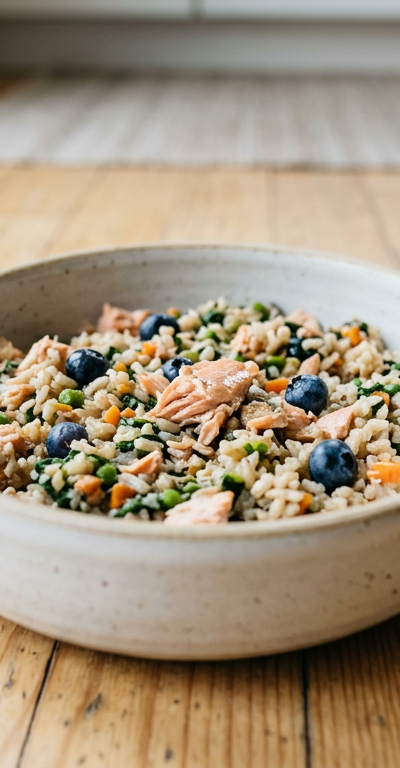
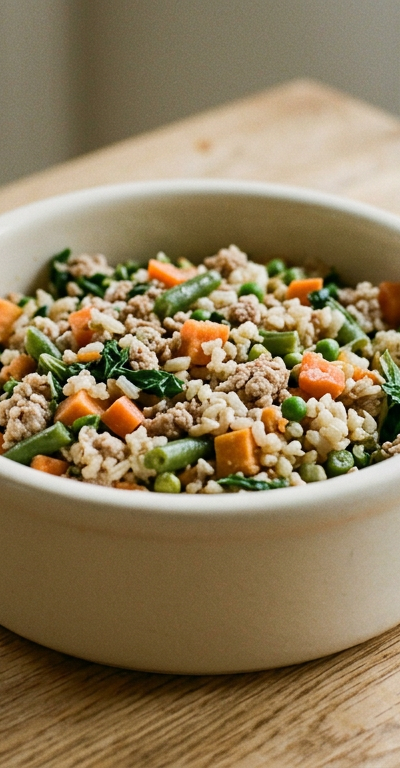
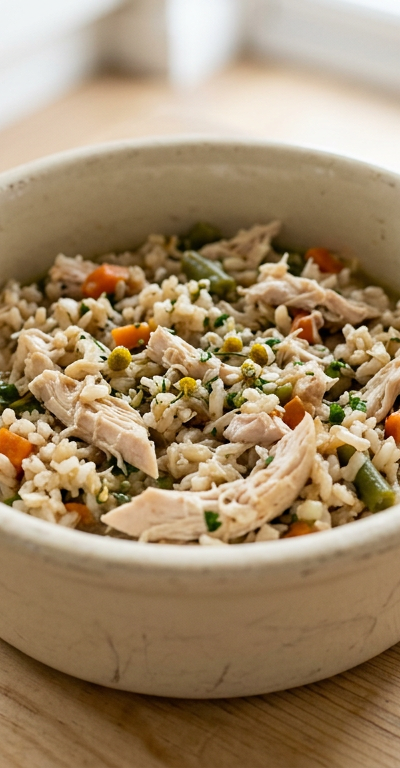
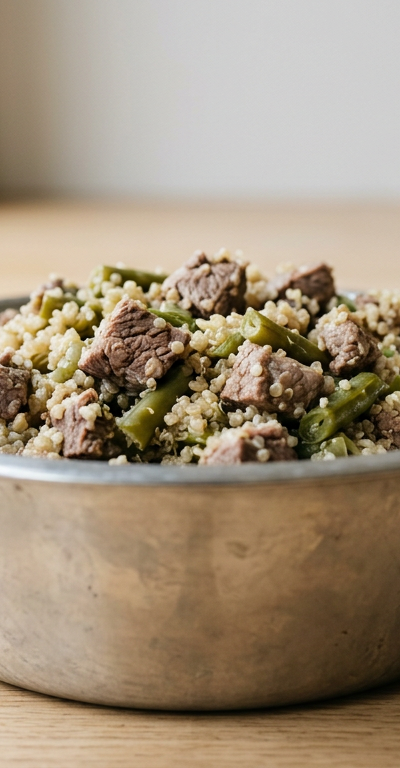
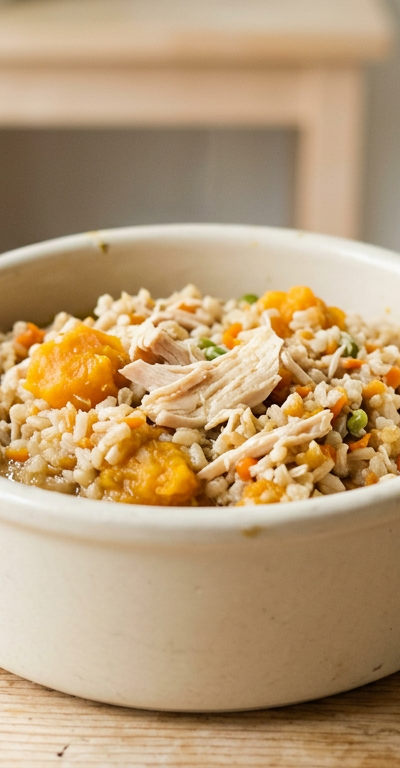
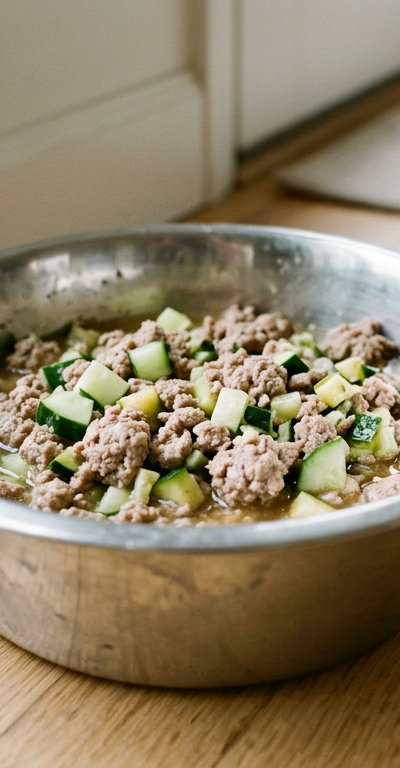
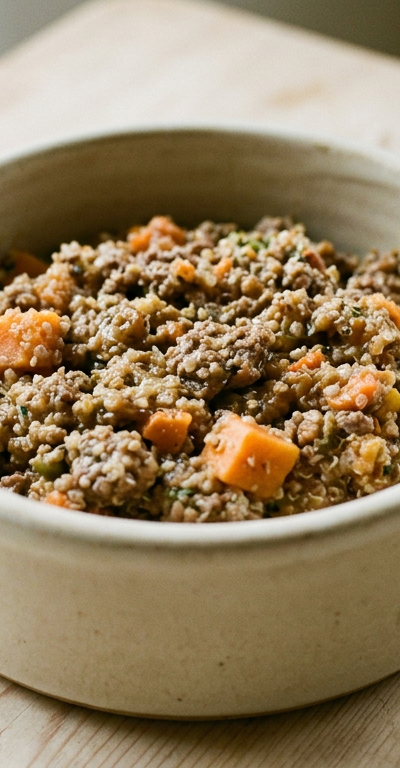
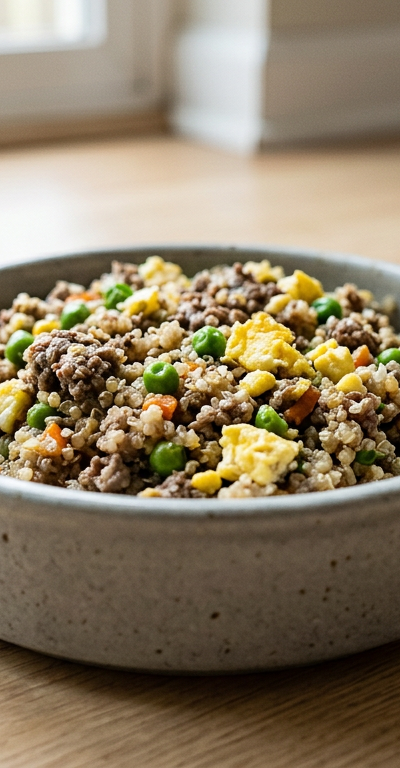
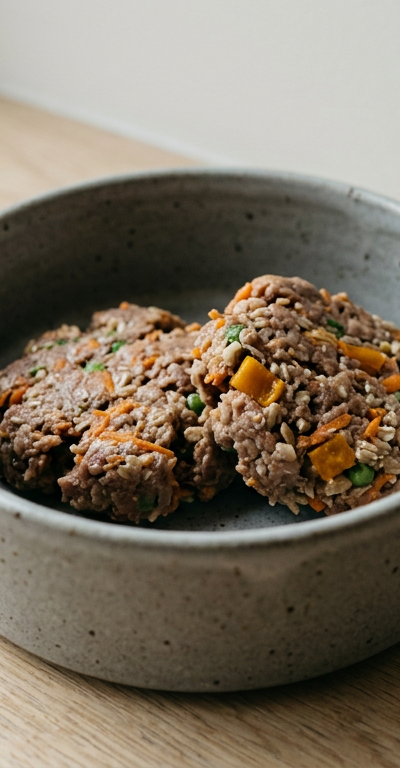
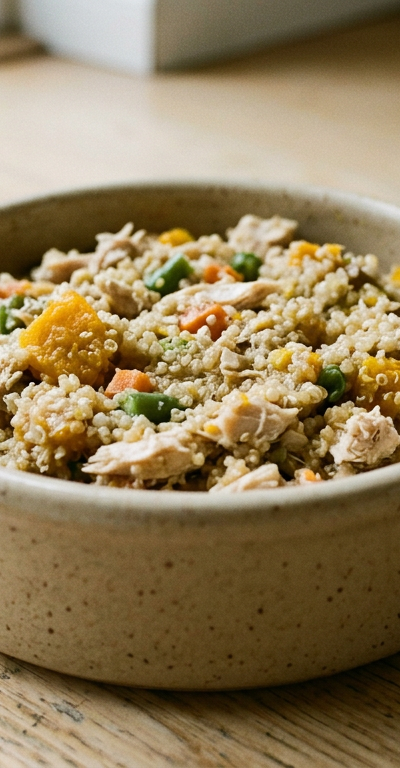
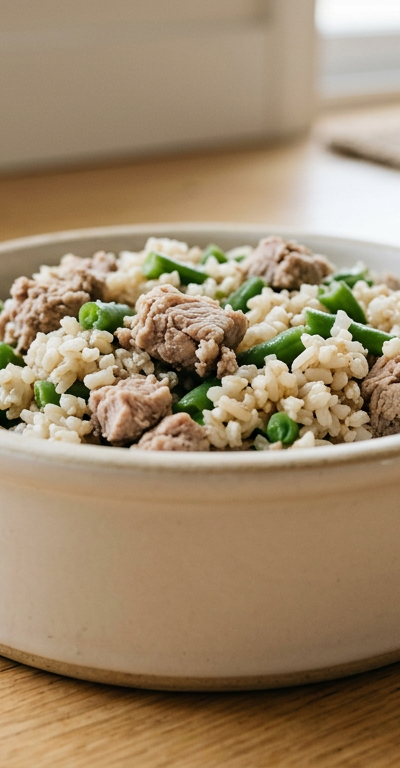
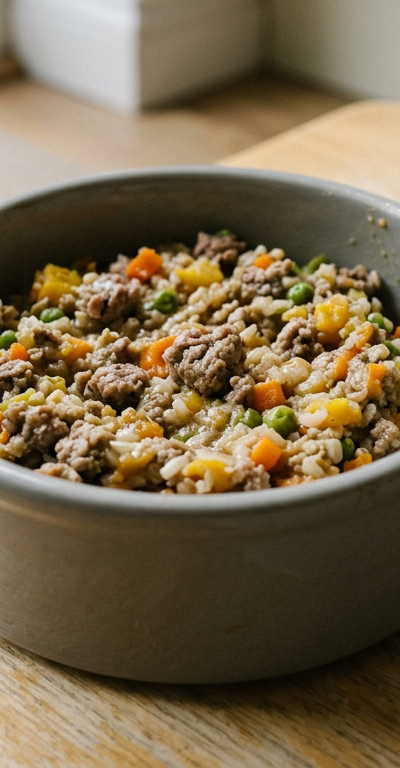
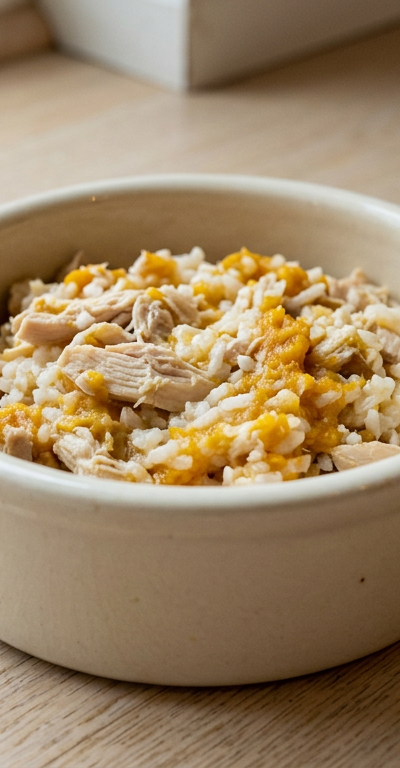
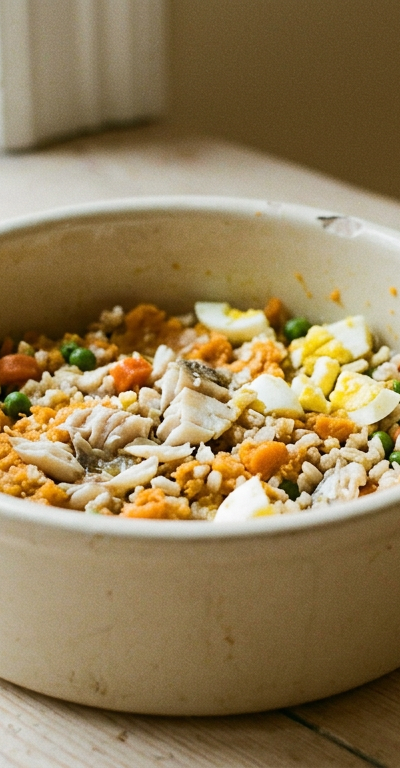
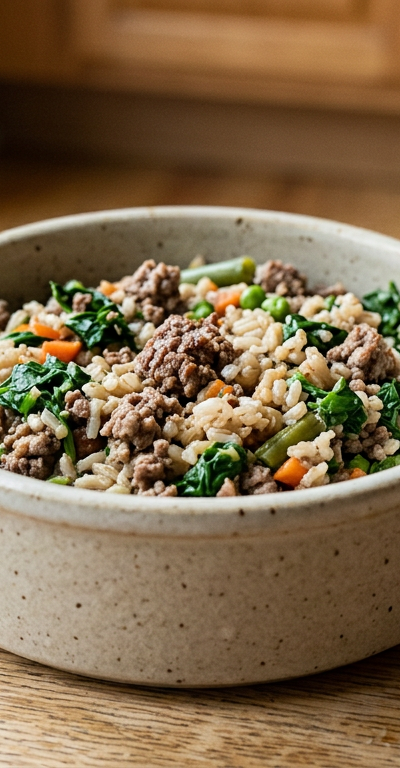
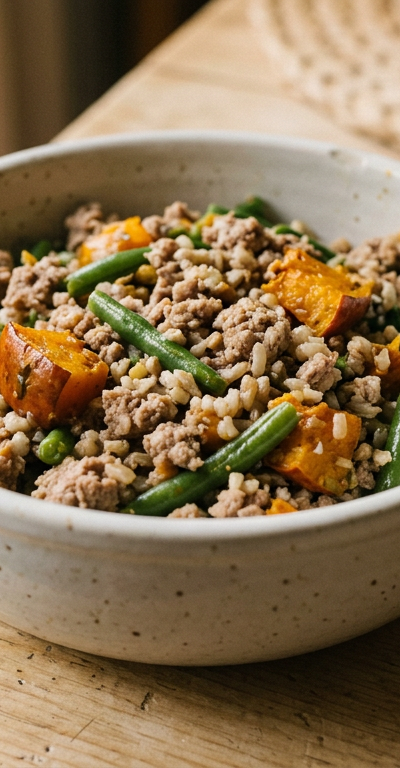
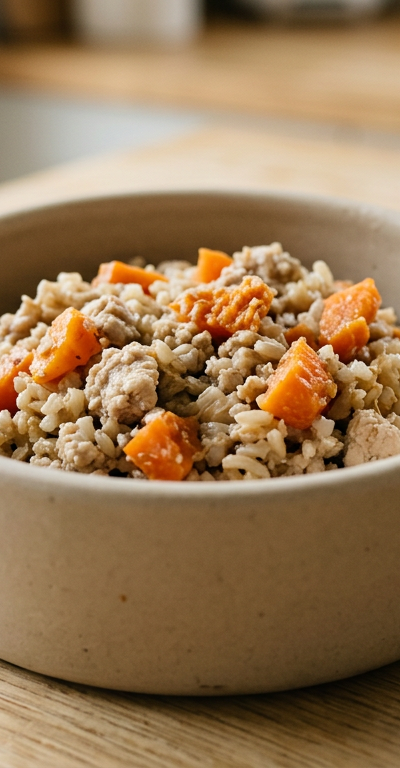
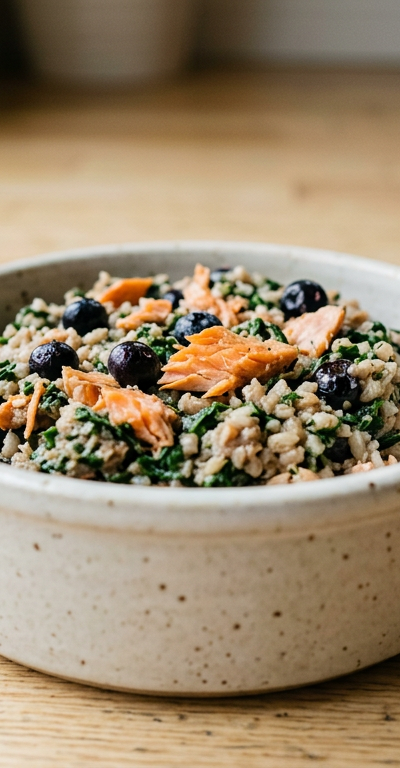
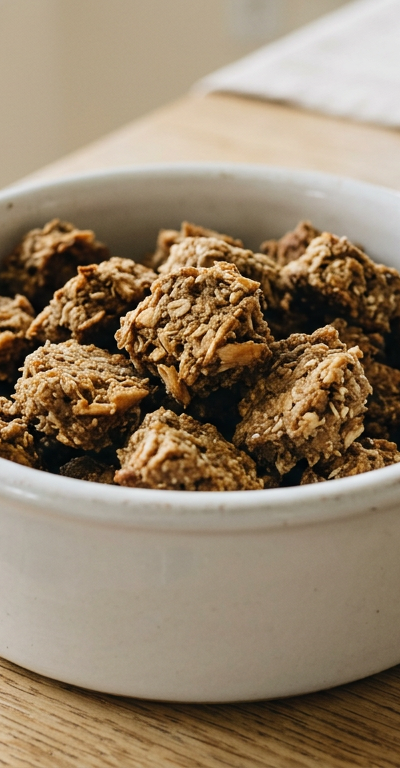
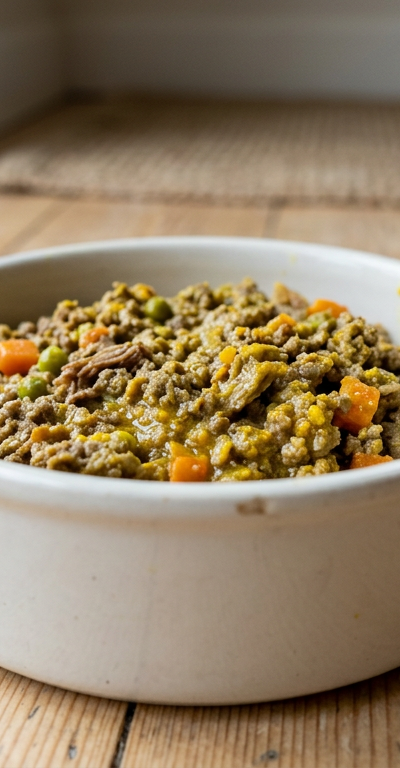
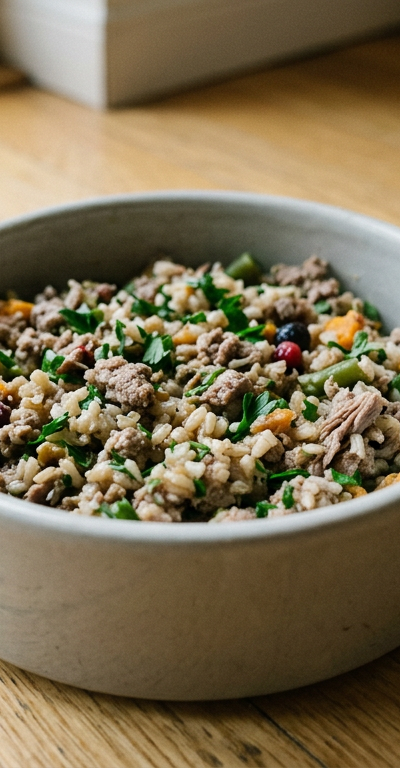
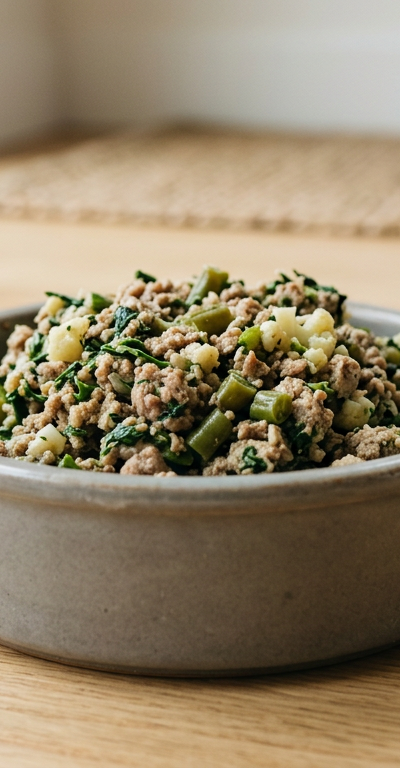
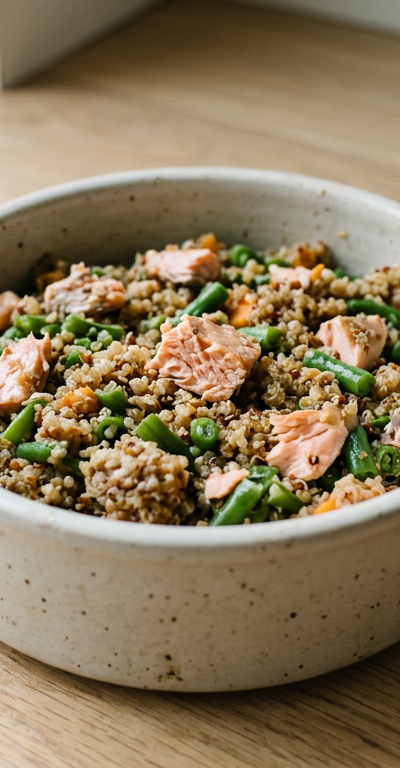
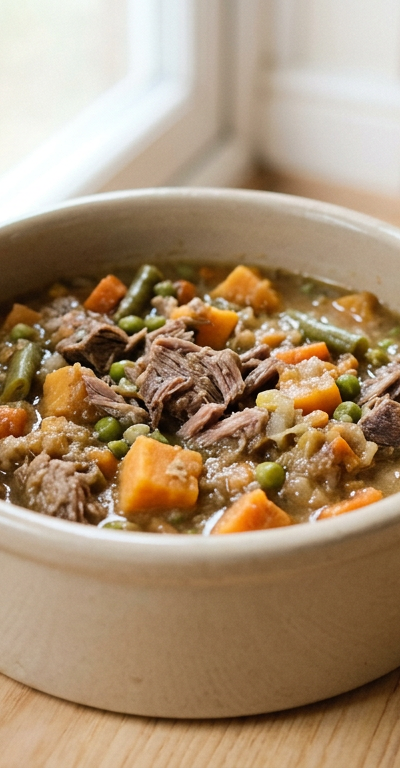
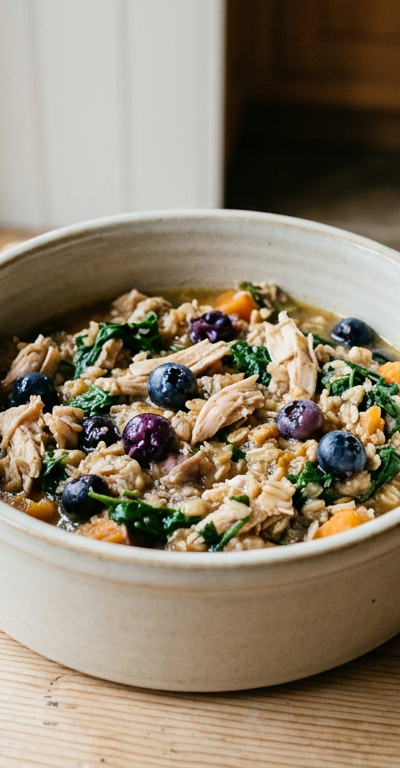
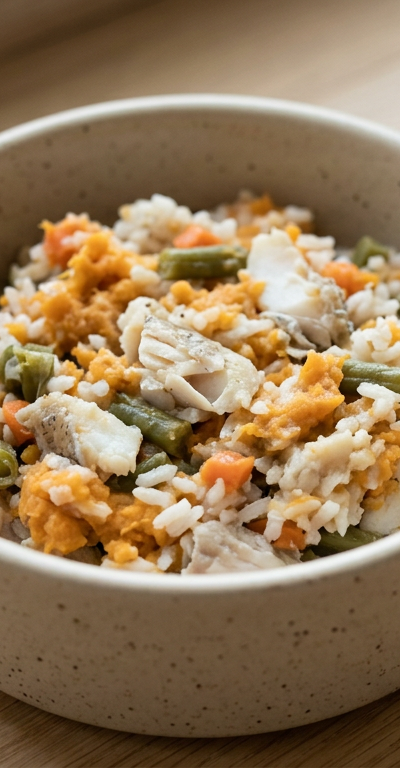
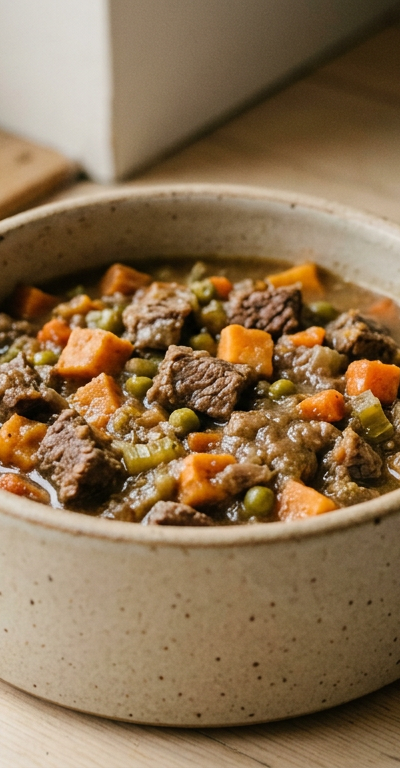
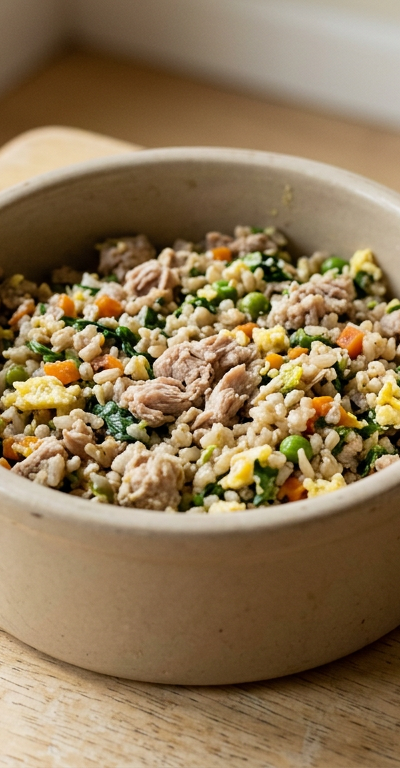
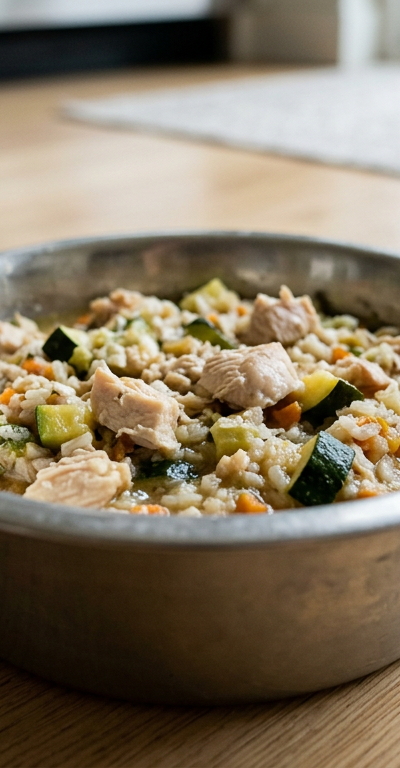
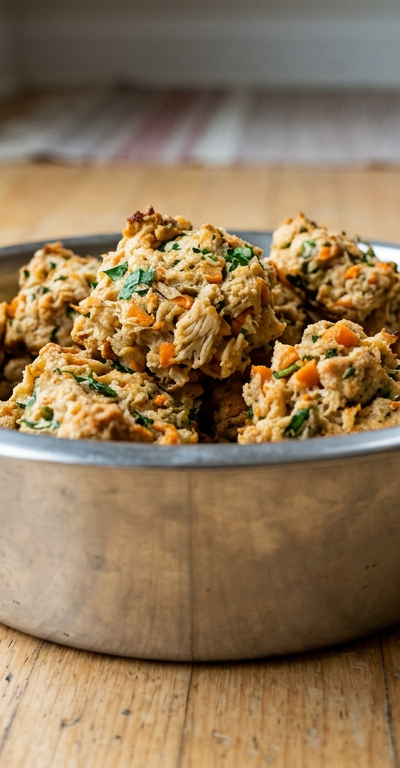
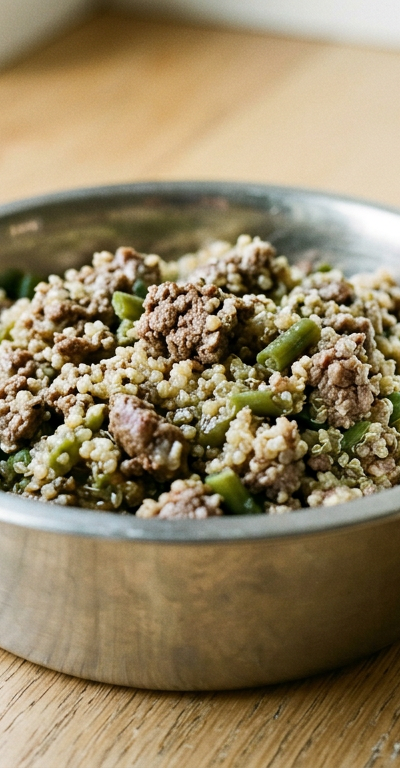
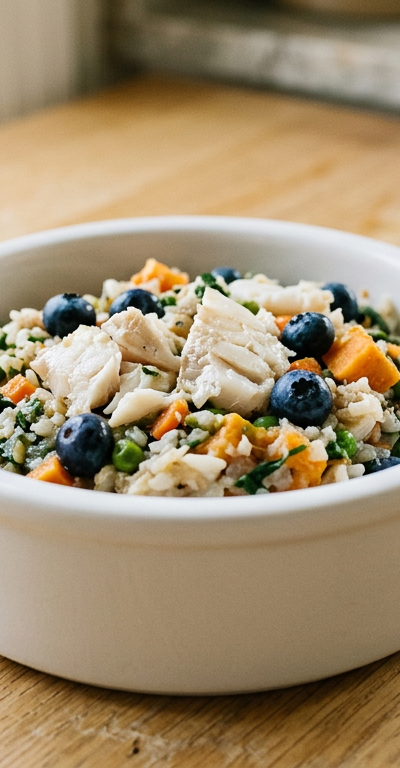
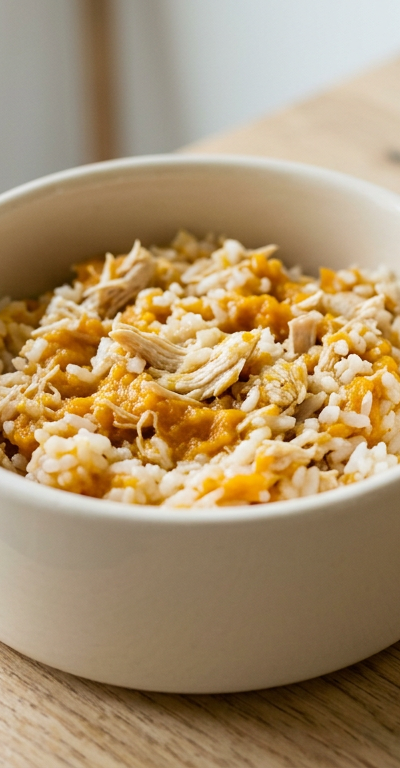
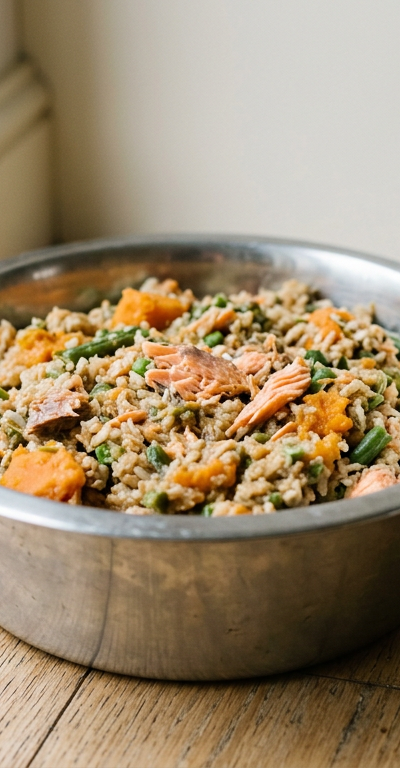
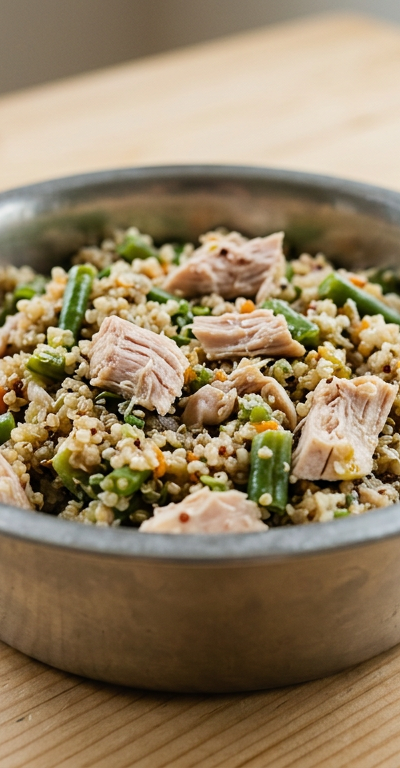
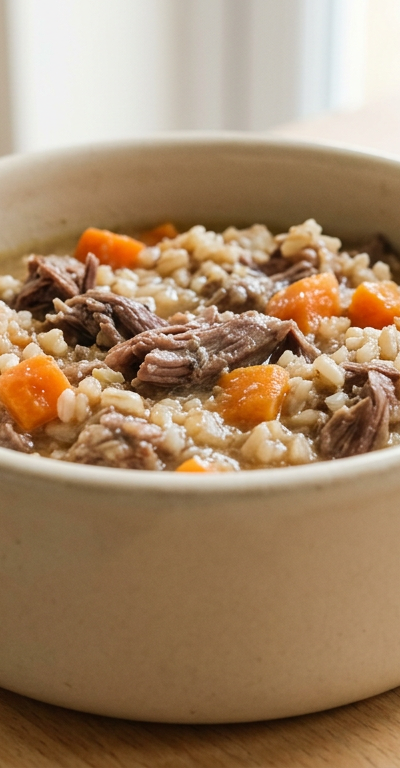
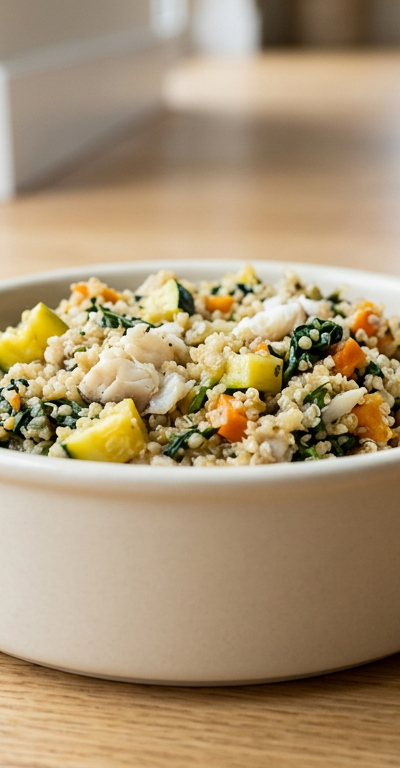
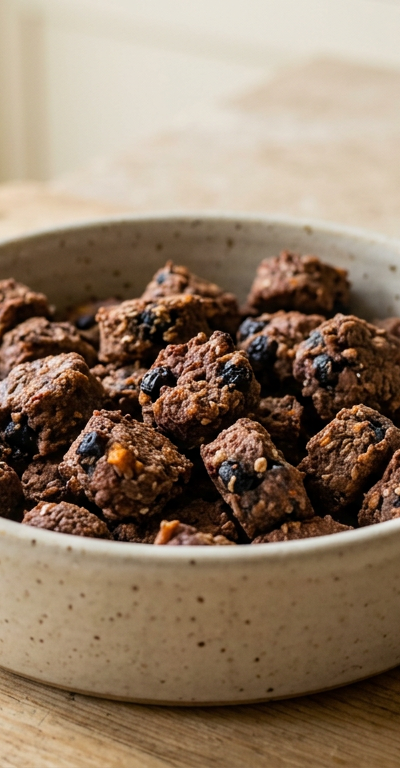
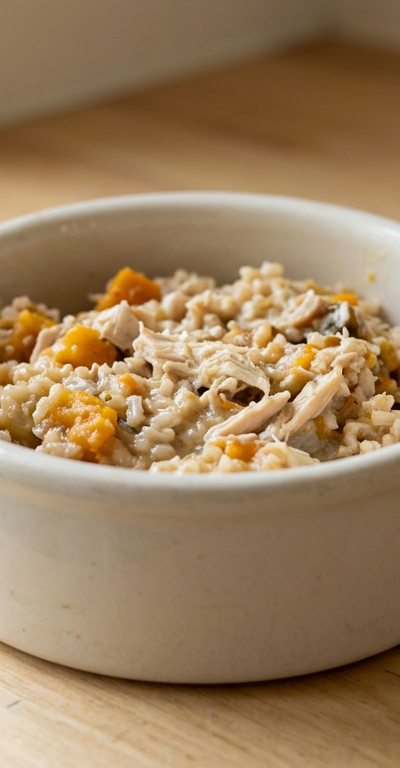
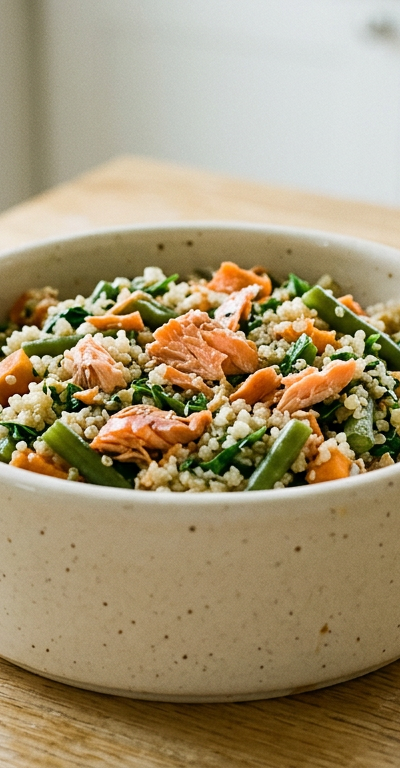
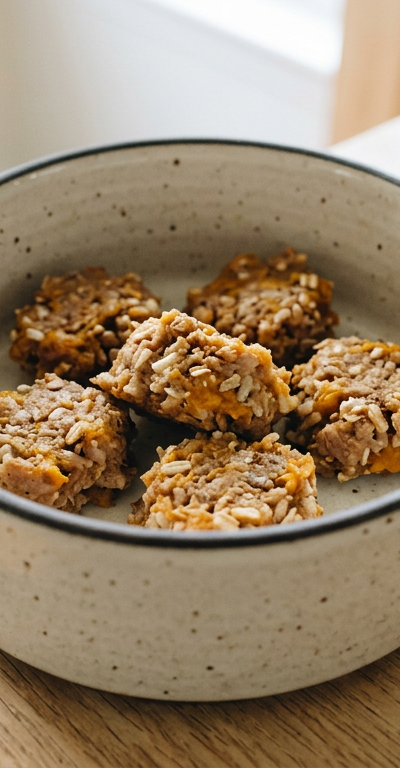
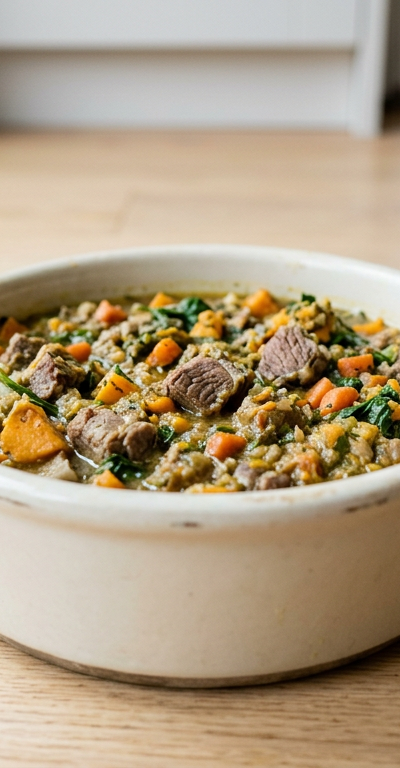
The Canine Cooking diet is a specialized nutritional approach focused on preparing homemade, whole-food meals for dogs rather than relying on commercial pet foods. This diet emphasizes fresh, minimally processed ingredients that provide balanced nutrition tailored to a dog's specific needs, life stage, and health conditions. Core principles include using high-quality protein sources, appropriate ratios of meat to vegetables, inclusion of healthy fats, and careful attention to essential nutrients that dogs require, such as calcium, phosphorus, and taurine. The diet excludes toxic foods for canines, artificial preservatives, fillers, by-products, and ingredients commonly found in processed commercial dog foods. Typically included foods are lean meats (chicken, turkey, beef, lamb, fish), organ meats (liver, kidney), eggs, dog-safe vegetables (carrots, green beans, sweet potato, pumpkin, broccoli), certain fruits (blueberries, apples without seeds), brown rice, quinoa, oatmeal, and healthy fats like fish oil or coconut oil. Strictly excluded are foods toxic to dogs: chocolate, grapes, raisins, onions, garlic, macadamia nuts, xylitol, avocado, alcohol, caffeine, raw yeast dough, and foods high in salt or artificial additives. Portion sizes and ingredient ratios must be carefully calculated based on the dog's weight, age, and activity level. This diet can help address various canine health conditions including food allergies and sensitivities, inflammatory bowel disease, pancreatitis, obesity, diabetes, kidney disease (with protein modification), skin conditions, and digestive issues. Many dogs with chronic ear infections, hot spots, or gastrointestinal distress show improvement when switched from commercial foods to fresh, whole-food diets. The diet may also support dogs with cancer, arthritis, or heart conditions when properly formulated with veterinary guidance. While scientific research on homemade dog diets is growing, veterinary nutritionists emphasize the importance of proper formulation to prevent nutritional deficiencies. Studies have shown that many homemade dog food recipes lack essential nutrients, particularly calcium, vitamin D, and certain trace minerals. However, when properly balanced (often with veterinary-recommended supplements), fresh-food diets can provide superior digestibility and bioavailability of nutrients compared to highly processed kibble. This diet is most beneficial for dogs with specific health conditions, food sensitivities, or owners committed to providing optimal nutrition and willing to invest time in meal preparation. Consultation with a veterinary nutritionist is strongly recommended to ensure nutritional adequacy.

What the evidence says about Canine Cooking and each condition, and the foods doing the work.
By focusing on anti-inflammatory ingredients and eliminating processed foods, this diet helps reduce systemic inflammation in dogs. The balanced mix of lean proteins, omega-3 rich foods, and antioxidant-packed vegetables supports the body's natural anti-inflammatory processes.
How Omega-3 fatty acids from fish and fish oil help reduce pro-inflammatory cytokines and balance the inflammatory response. Antioxidant-rich foods like blueberries neutralize free radicals and support cellular health, further mitigating chronic inflammation.
Key foods Fatty fish, blueberries, sweet potato, green beans, organ meats, fish oil
The diet eliminates common allergens and focuses on whole, single-source proteins and limited ingredients, which can help identify and manage food sensitivities. The careful selection of ingredients reduces the risk of allergic reactions and supports digestive health.
How By using limited, whole food ingredients and avoiding common allergens, the diet helps reduce immune system reactivity. The single-source proteins and careful ingredient selection allow for easier identification of potential allergens and support the dog's immune tolerance.
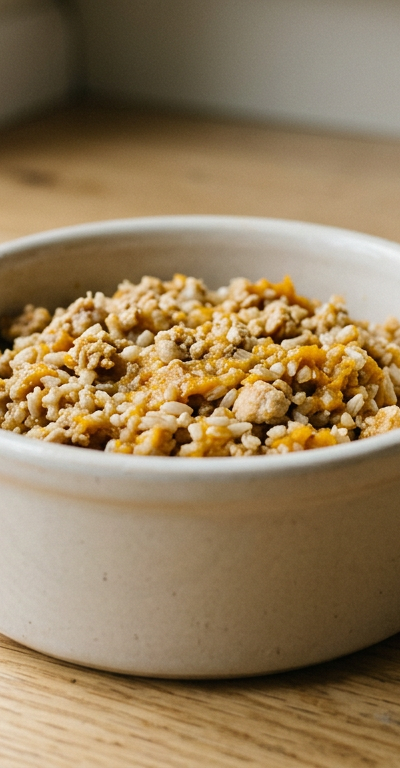
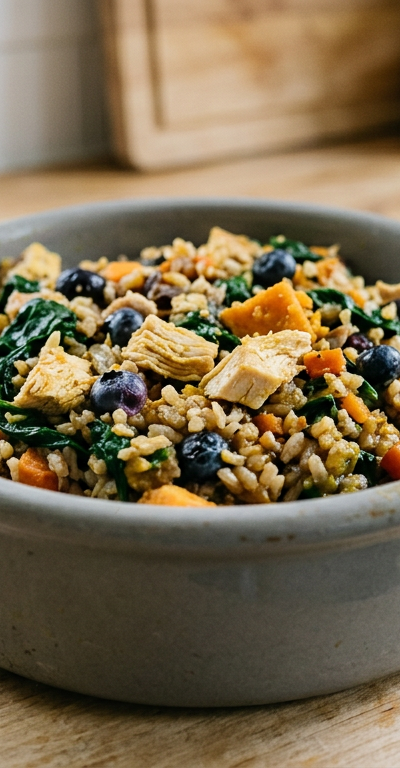
Key foods Lean chicken, turkey, fish, sweet potato, brown rice, pumpkin
The nutrient-rich, whole food approach supports overall health and may contribute to improved longevity by providing essential nutrients, reducing inflammation, and supporting metabolic health throughout a dog's life stages.
How Antioxidant-rich foods and balanced nutrition help protect against cellular damage and support metabolic health. The diet's focus on high-quality proteins, healthy fats, and nutrient-dense vegetables provides comprehensive nutritional support that can slow age-related decline.
Key foods Organ meats, fatty fish, blueberries, sweet potato, green beans, fish oil
This carefully balanced diet supports optimal digestive health by providing easily digestible proteins, fiber-rich vegetables, and whole grains that promote healthy gut function. The elimination of toxic ingredients and focus on whole, natural foods helps reduce digestive inflammation and supports microbiome balance.
How The diet provides soluble and insoluble fiber that supports healthy bowel movements and promotes the growth of beneficial gut bacteria. Lean proteins and easily digestible carbohydrates minimize digestive stress and provide essential nutrients for gut repair and maintenance.
Key foods Pumpkin, sweet potato, lean chicken, brown rice, green beans, fish oil
The carefully portioned, nutrient-dense diet helps manage weight by providing balanced nutrition with controlled calorie intake. The emphasis on lean proteins and low-calorie vegetables supports muscle maintenance while reducing overall caloric consumption.
How By maintaining a precise protein-to-vegetable ratio and controlling portion sizes based on dog weight, the diet helps create a calorie deficit while ensuring nutritional completeness. The high-protein content supports metabolism and helps maintain lean muscle mass during weight loss.
Key foods Lean chicken, turkey, green beans, pumpkin, brown rice, fish
General information about how people eat, not medical advice. Talk to a clinician before changing your diet to treat a condition.
Open a recipe in Platewise and a voice sous chef reads the steps, runs the timers, and swaps what you don't have.