Low-Sodium Diet
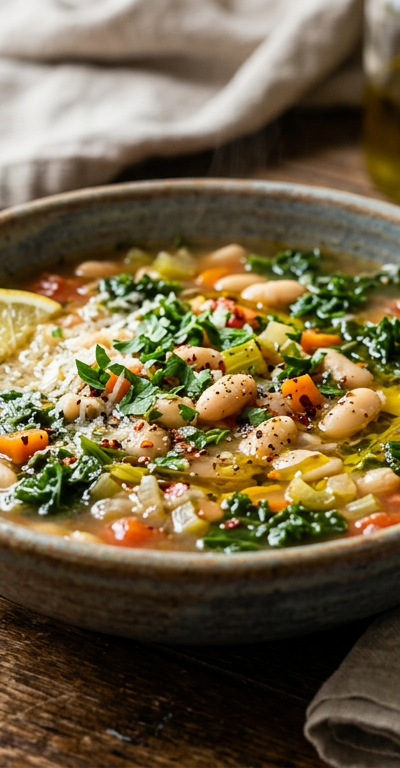
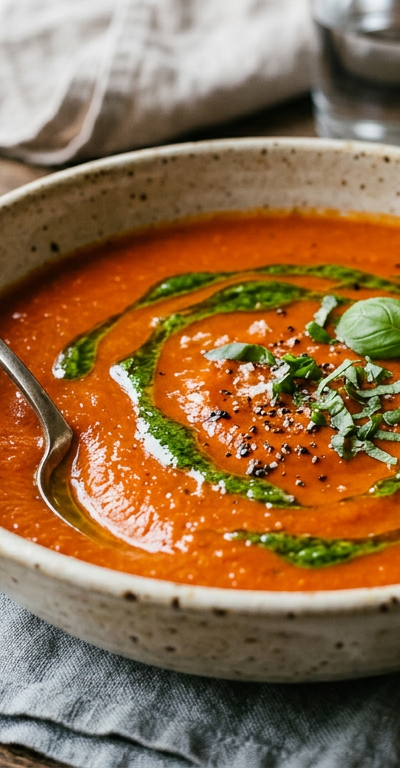
A low-sodium diet is a dietary approach that restricts the intake of sodium, typically limiting consumption to 1,500-2,300 milligrams per day (compared to the average American intake of 3,400 mg daily). The core principle is minimizing salt and high-sodium processed foods while emphasizing fresh, whole foods prepared without added salt. This diet recognizes that sodium, while essential for bodily functions like fluid balance and nerve transmission, becomes harmful in excess amounts, contributing to fluid retention and increased blood pressure. Foods typically included in a low-sodium diet are fresh fruits and vegetables, unsalted nuts and seeds, fresh poultry, fish and lean meats, dried beans and peas, whole grains, low-sodium or sodium-free broths, and fresh herbs and spices for flavoring. Excluded or severely limited foods include table salt, processed meats (bacon, ham, sausages, deli meats), canned soups and vegetables (unless labeled low-sodium), cheese and dairy products high in sodium, condiments like soy sauce and ketchup, pickled foods, salted snacks, fast food, frozen dinners, and restaurant meals which often contain hidden sodium. The low-sodium diet is medically recommended for several health conditions, most notably hypertension (high blood pressure), congestive heart failure, chronic kidney disease, cirrhosis and liver disease, and Ménière's disease. Excessive sodium intake causes the body to retain water, which increases blood volume and forces the heart to work harder, elevating blood pressure. For individuals with compromised kidney function, reducing sodium is critical as damaged kidneys cannot effectively filter excess sodium from the blood. The DASH (Dietary Approaches to Stop Hypertension) study and numerous clinical trials have demonstrated that reducing sodium intake can lower blood pressure by 5-6 mm Hg in hypertensive individuals and 2-3 mm Hg in those with normal blood pressure, significantly reducing cardiovascular disease risk. This diet benefits anyone with cardiovascular disease, those at risk for heart disease, individuals with kidney problems, people with fluid retention issues, and those diagnosed with hypertension. Additionally, reducing sodium can help decrease inflammation, improve calcium retention for bone health, and reduce the risk of stomach cancer. The American Heart Association, American College of Cardiology, and National Kidney Foundation all endorse sodium restriction as a first-line dietary intervention for managing blood pressure and protecting cardiovascular and renal health. Even healthy individuals can benefit from moderating sodium intake as a preventive measure against future health complications.