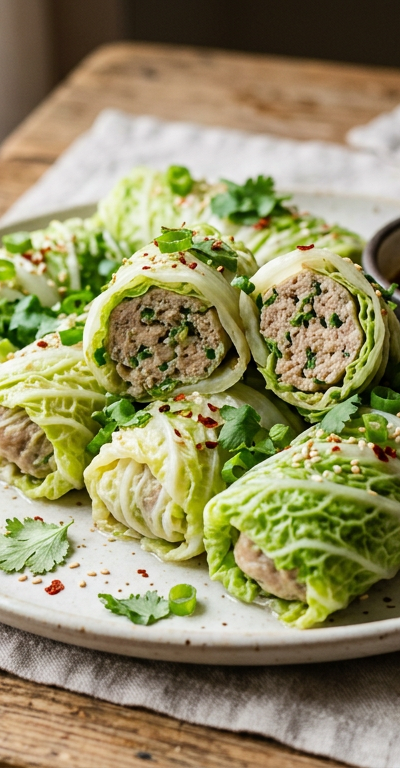
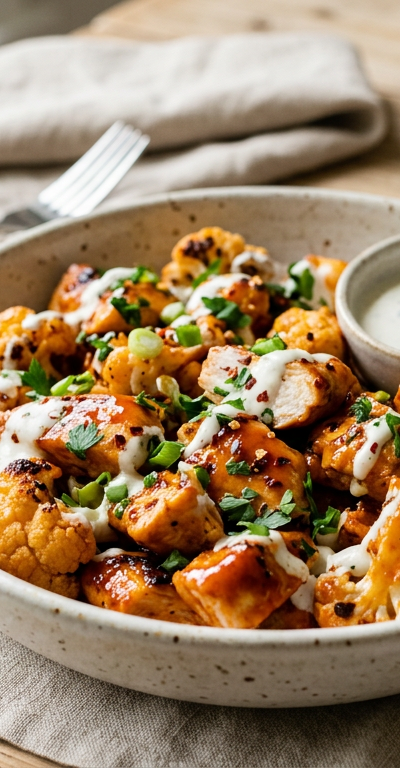
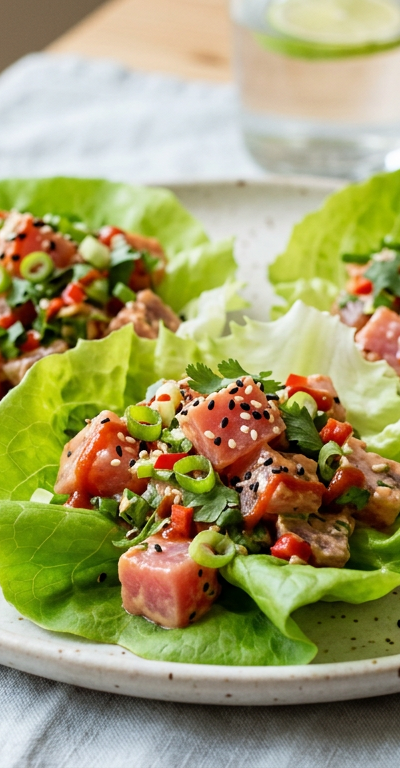
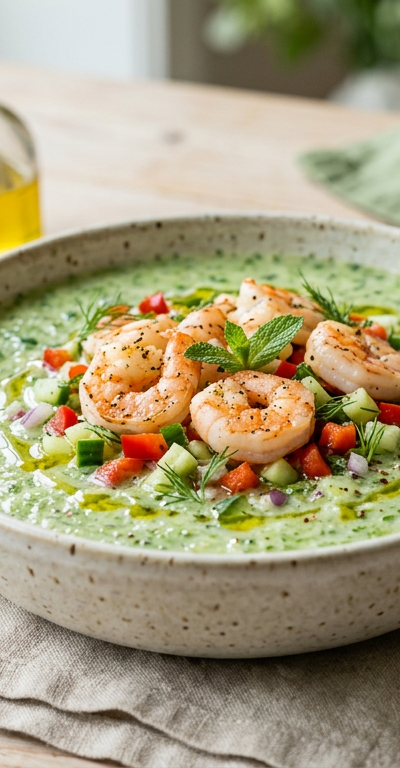
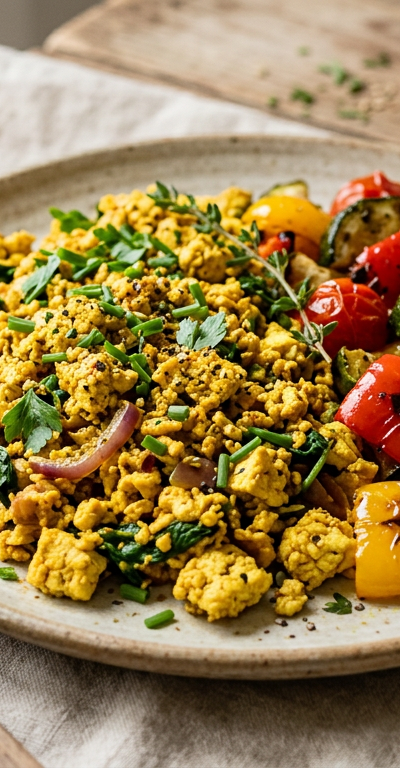
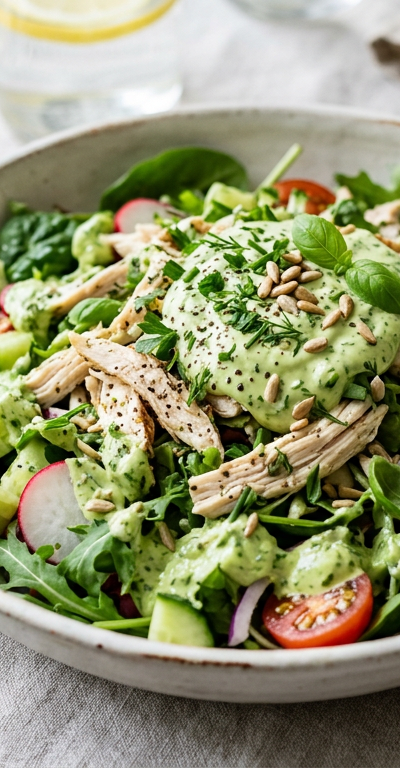
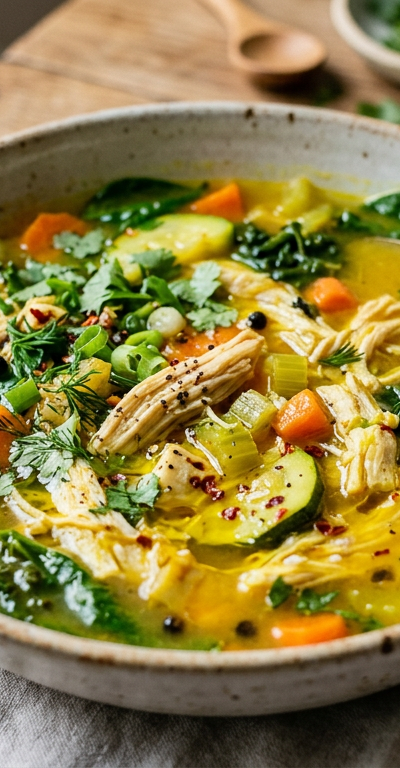
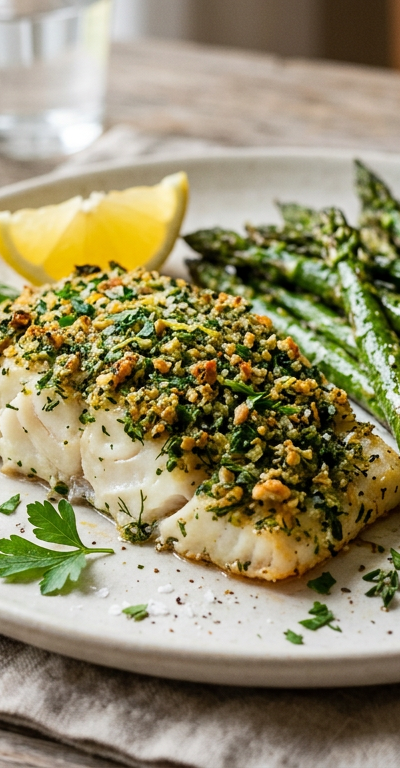
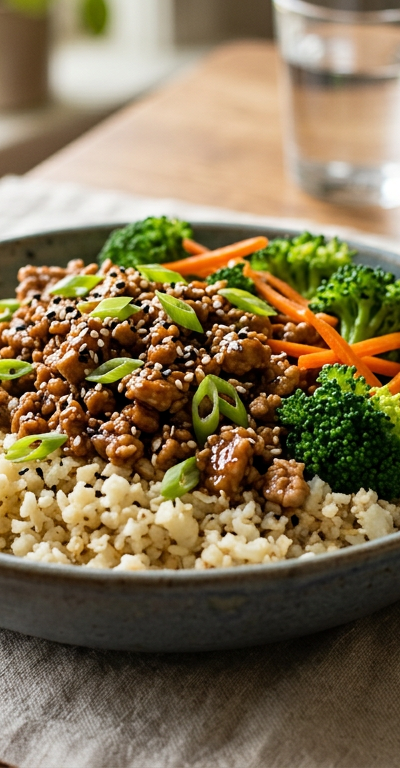
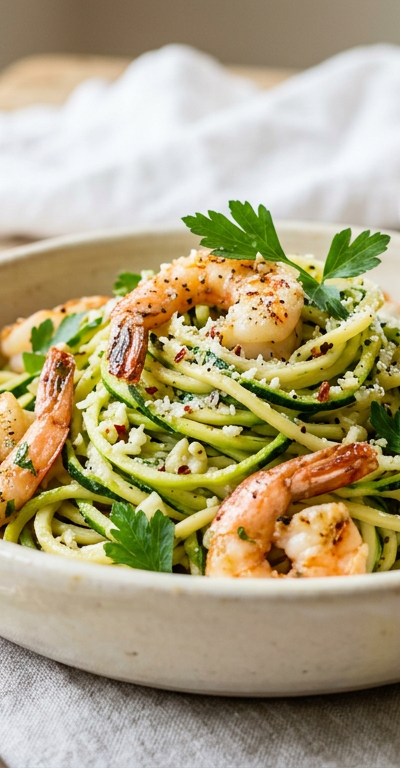
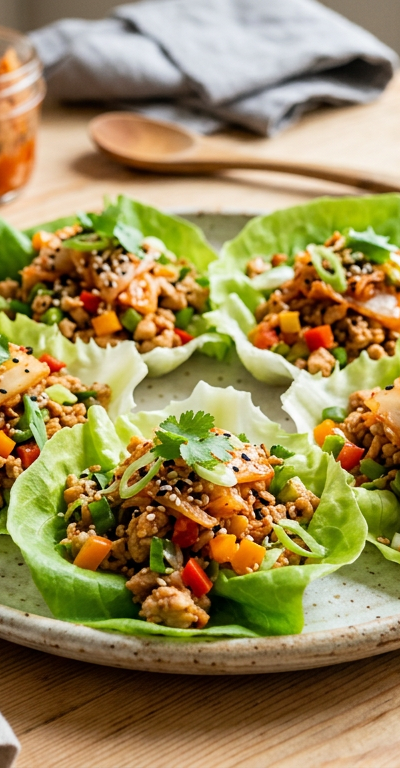
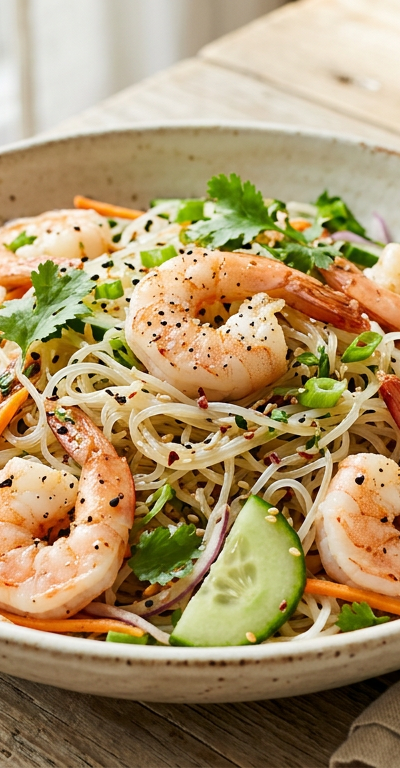
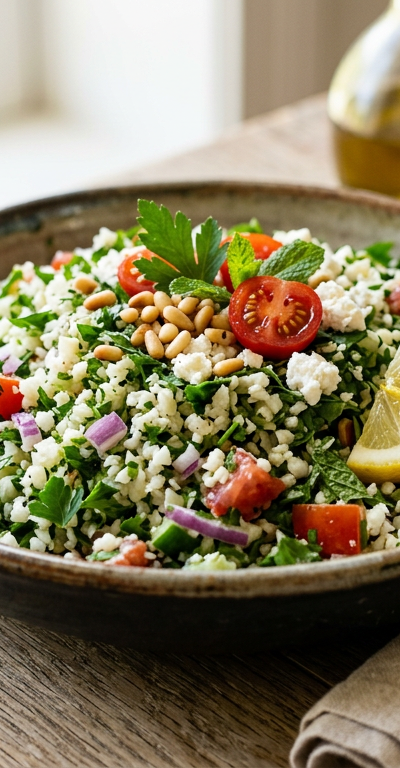
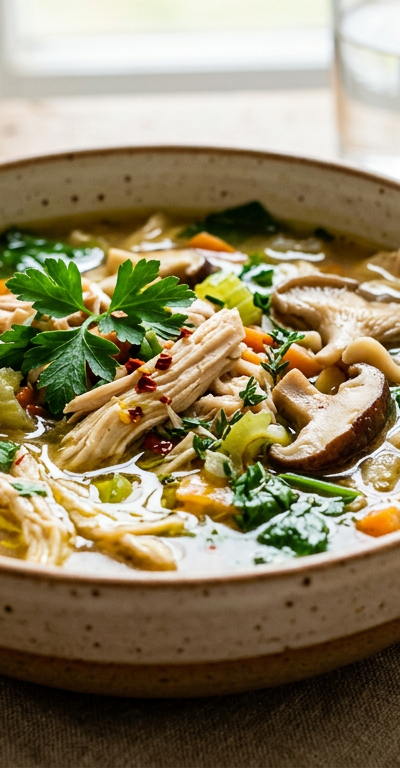
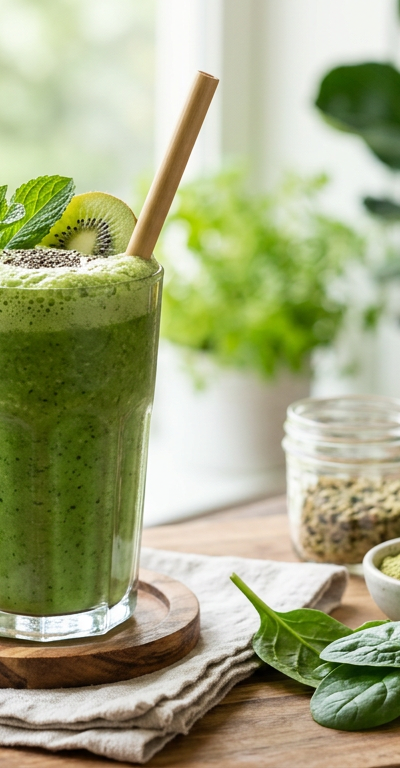
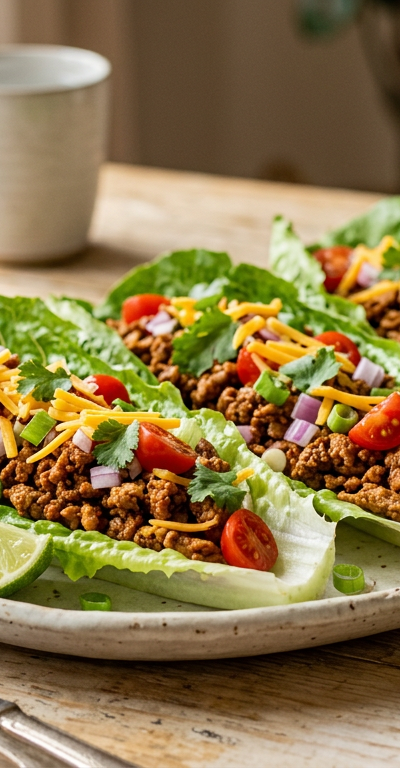
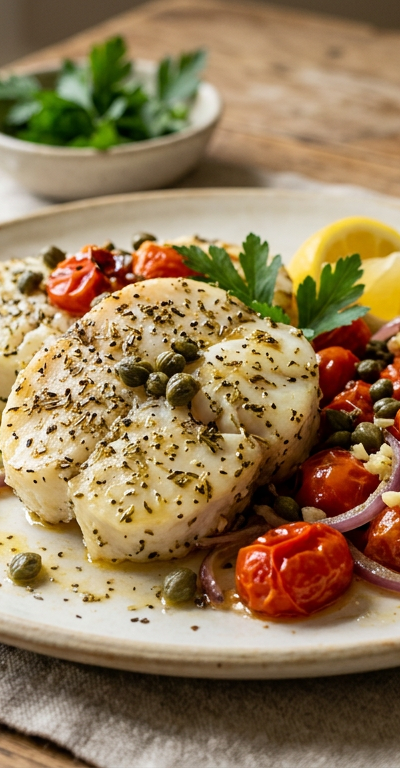
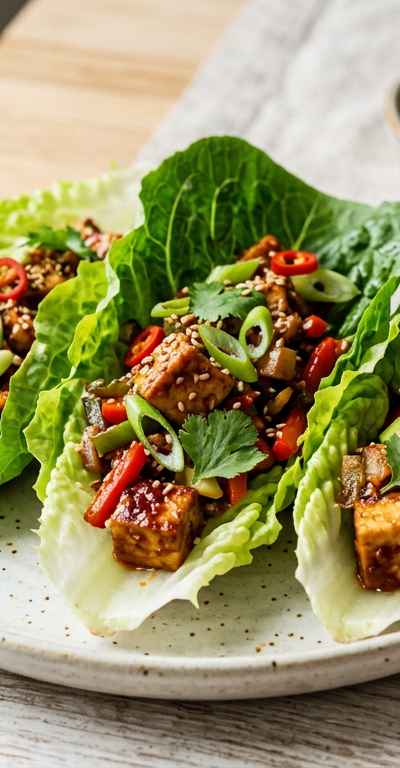
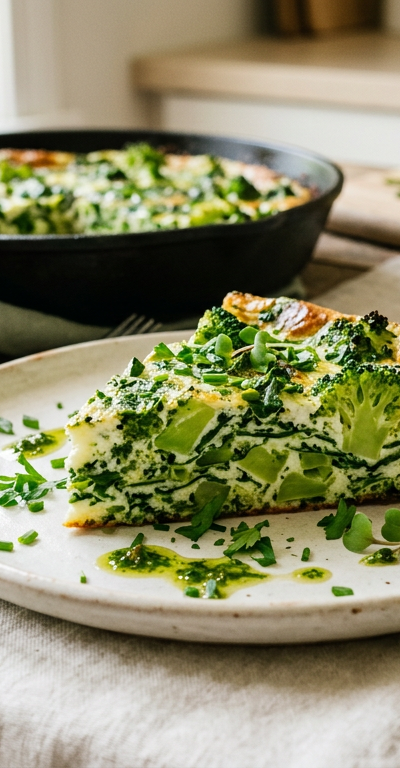
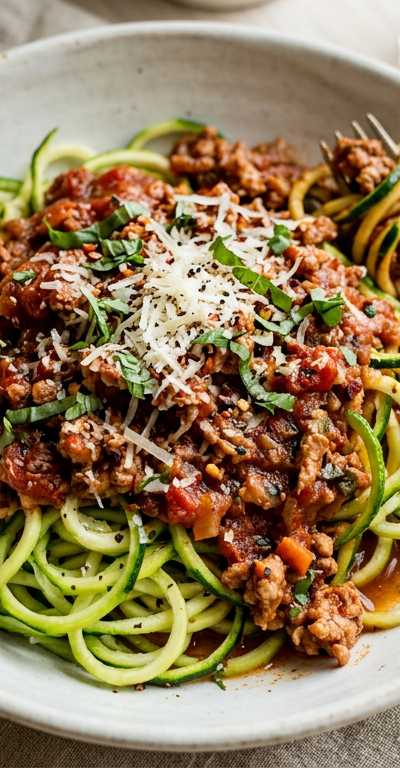
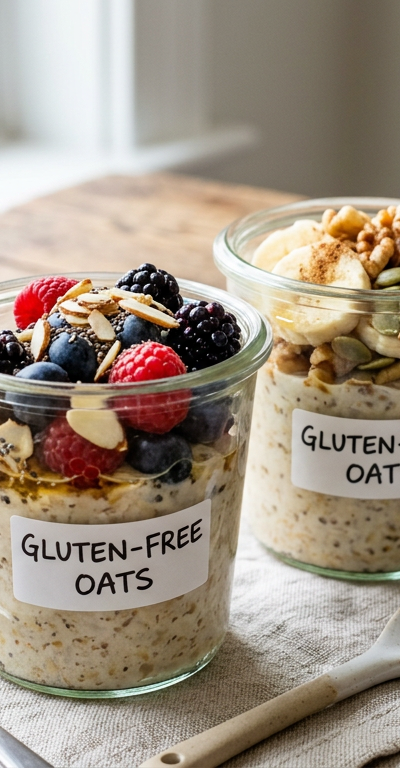
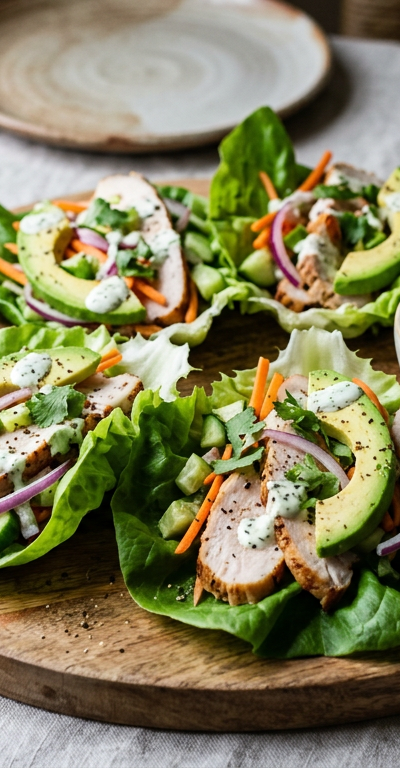
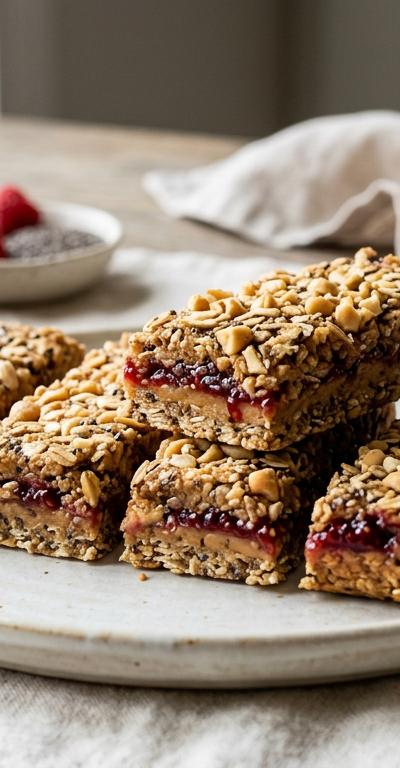
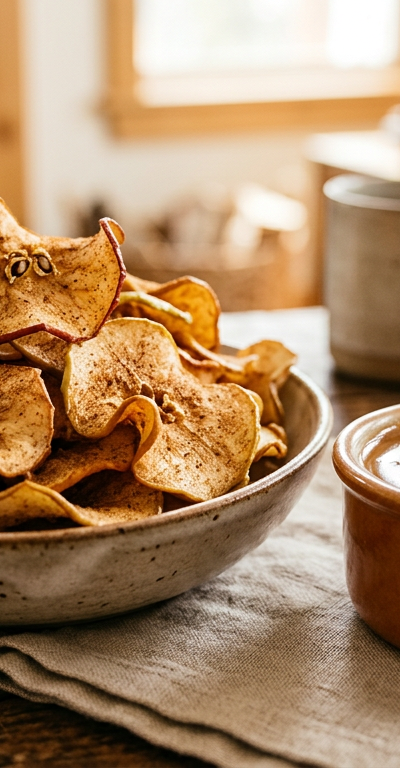
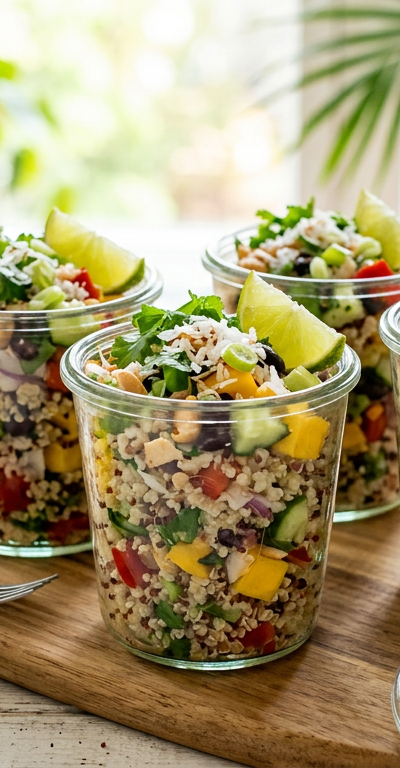
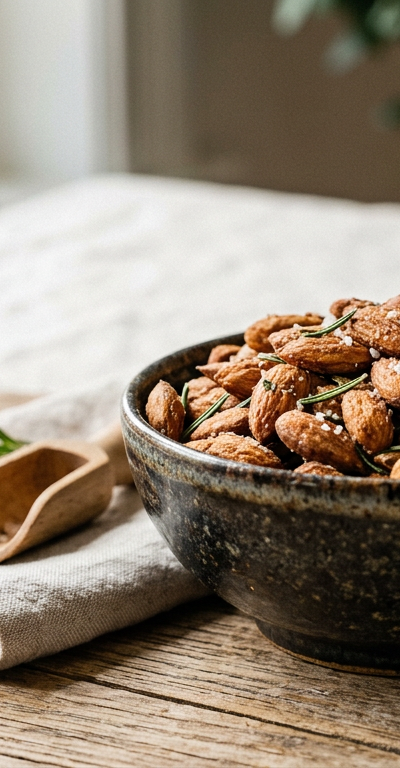
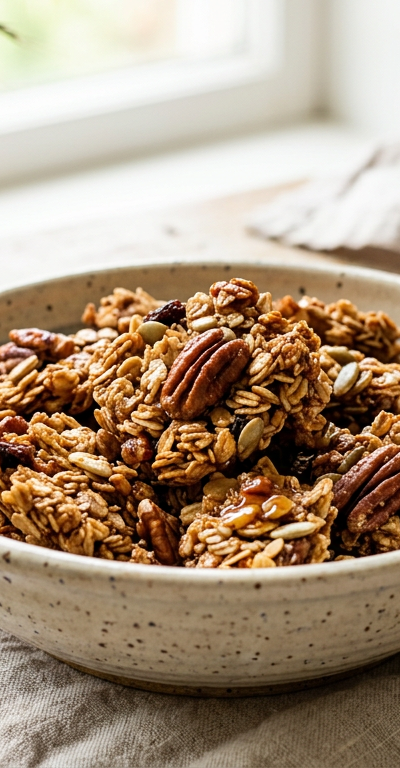
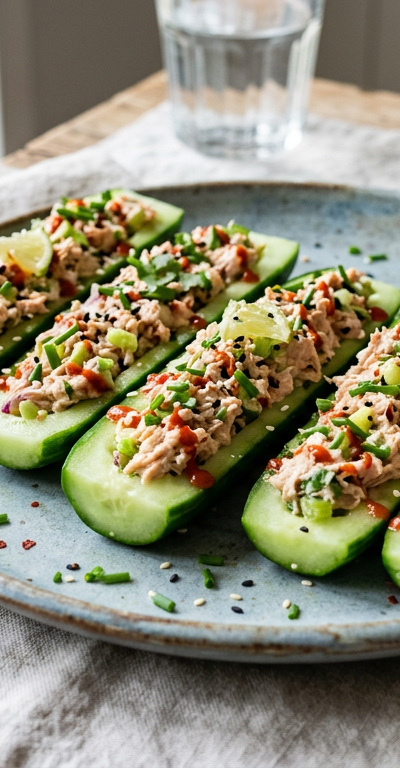
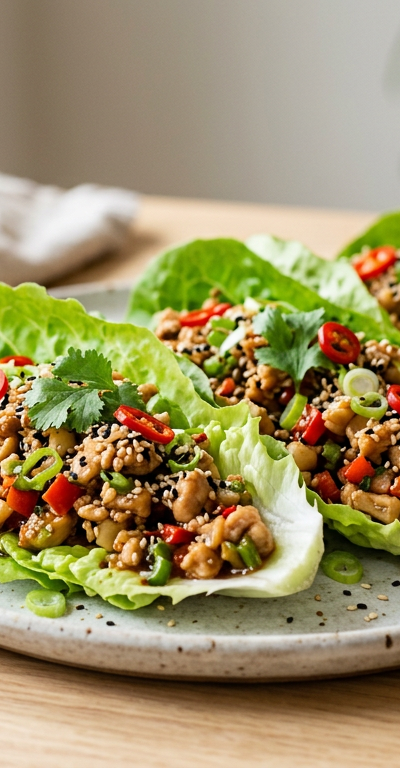
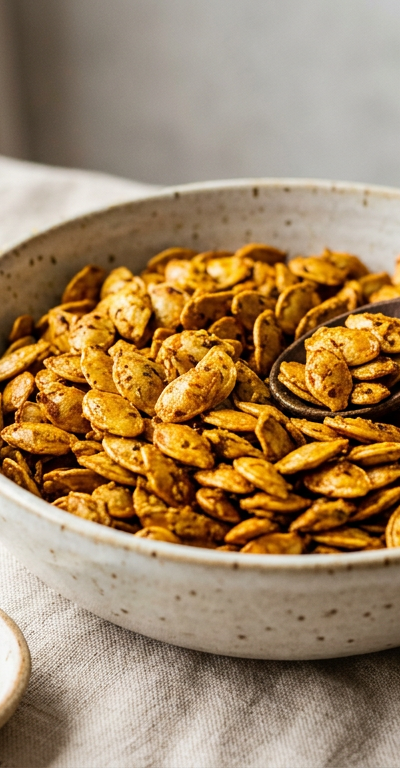
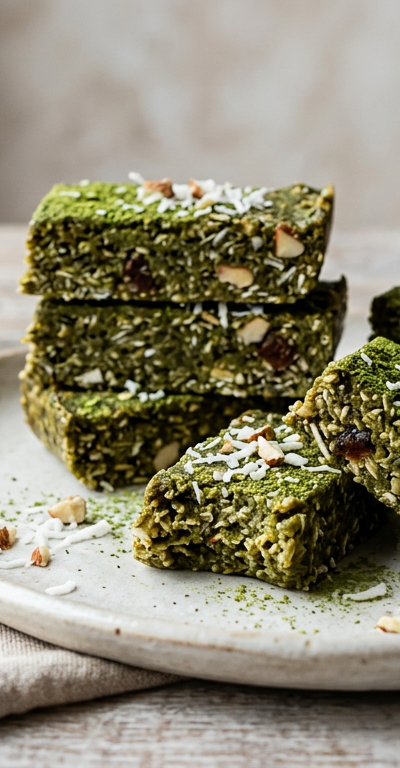
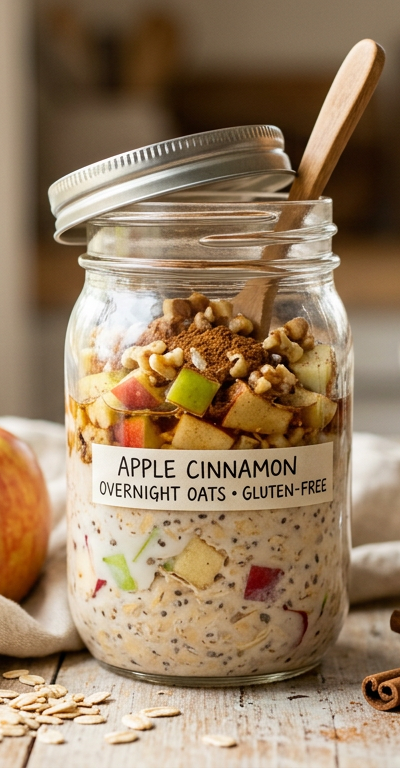
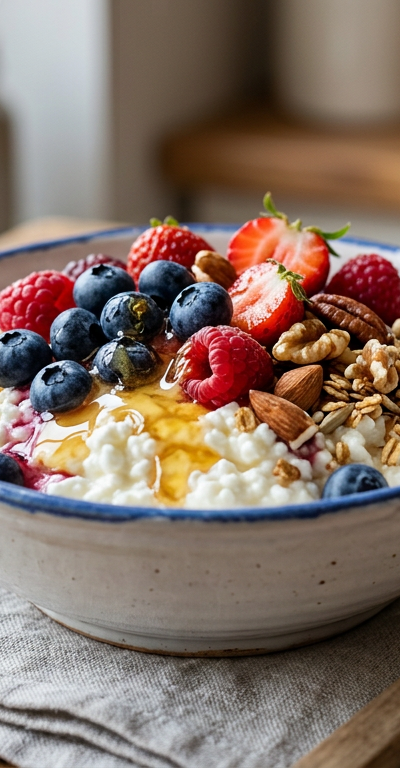
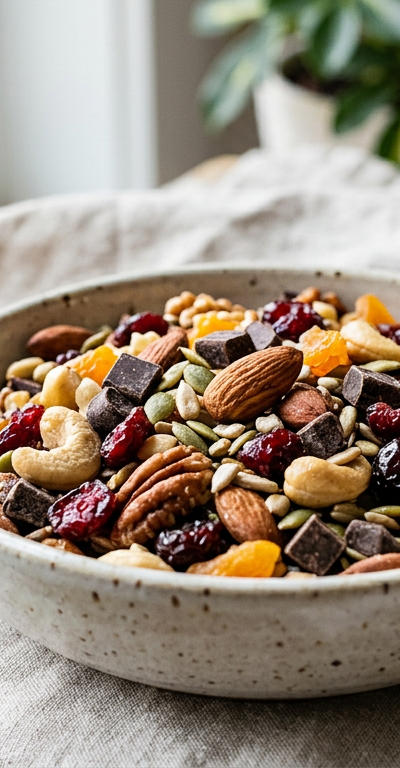
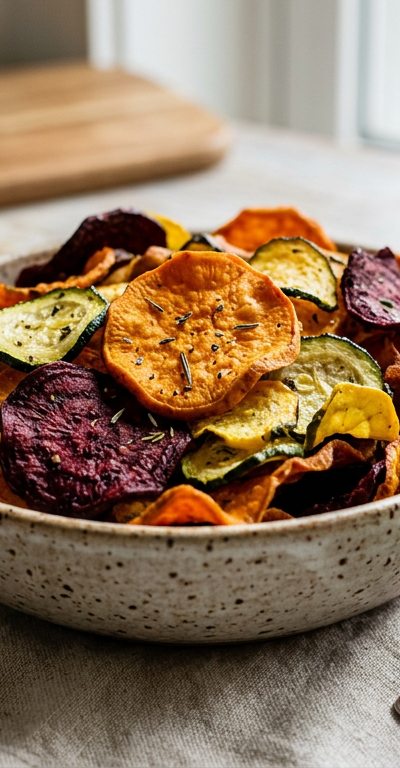
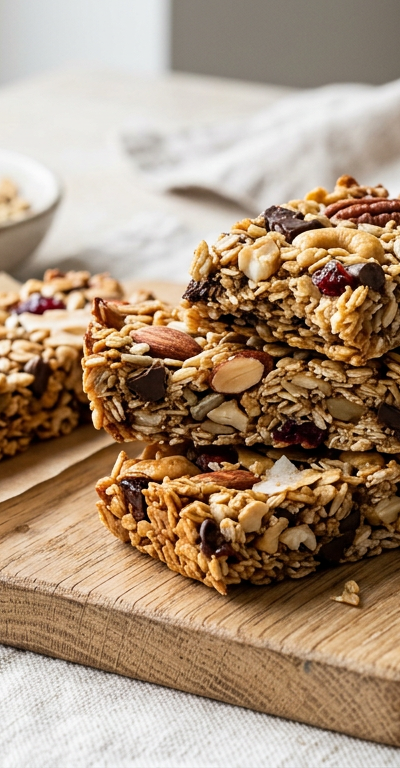
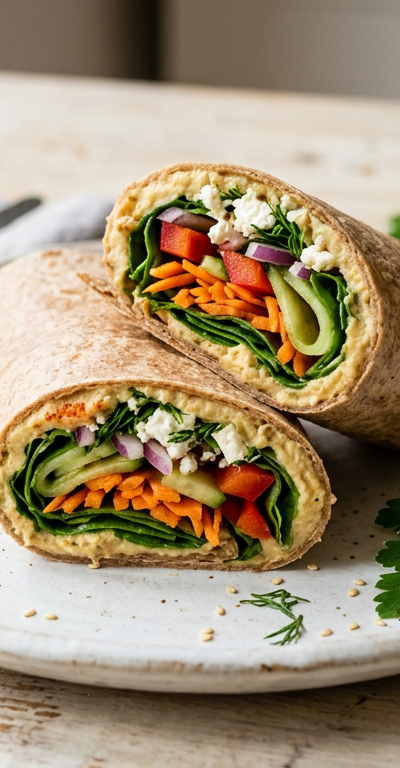
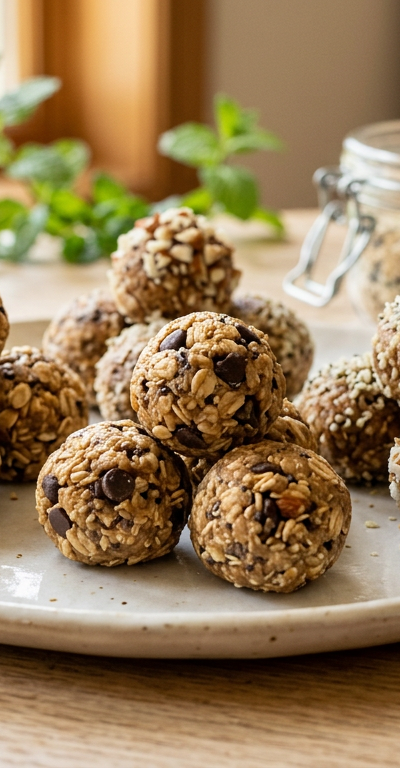
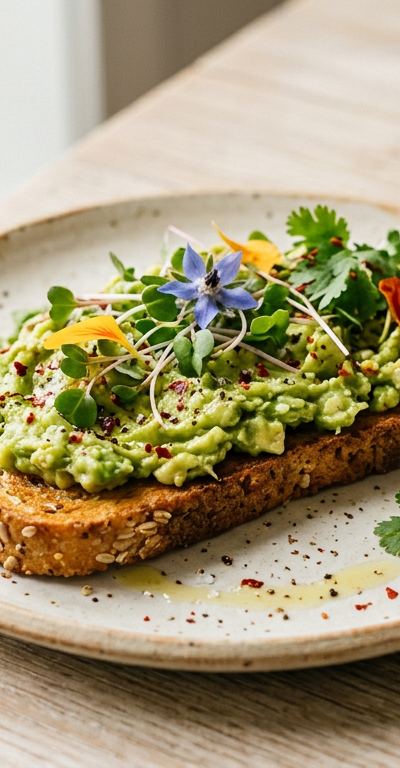
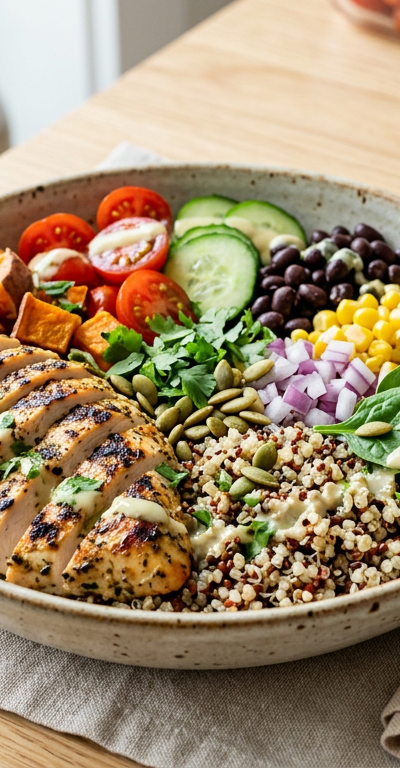
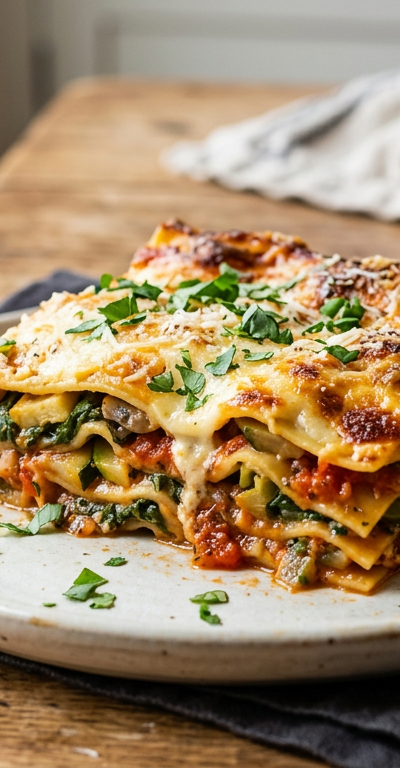
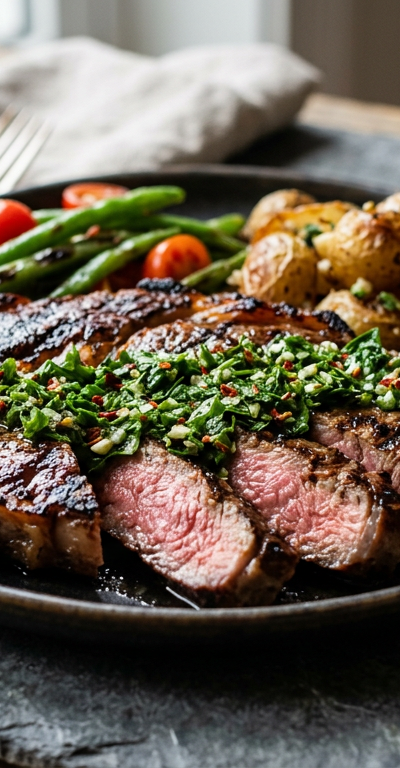
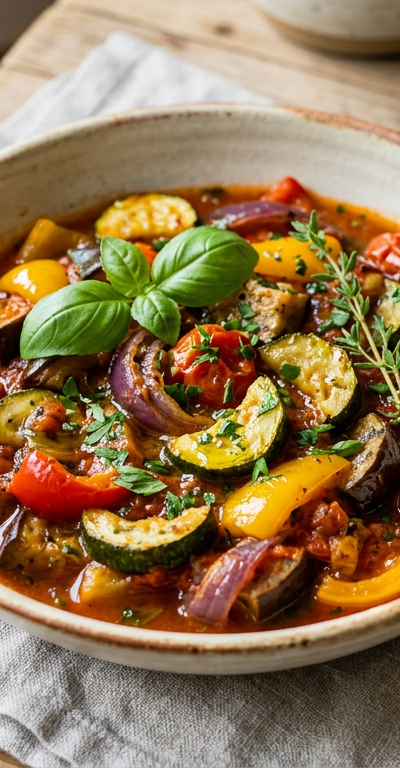
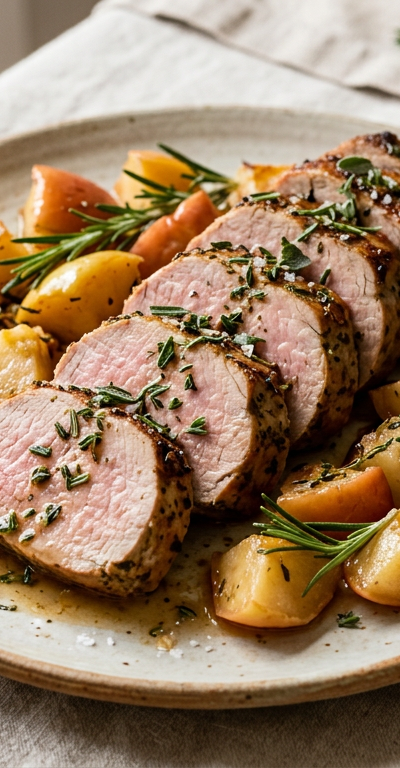
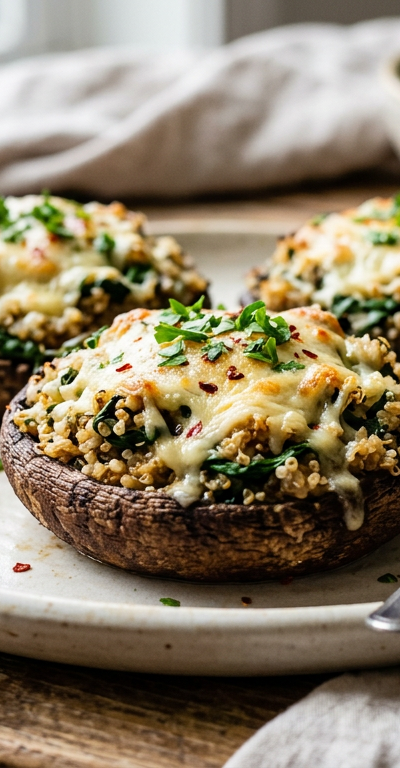
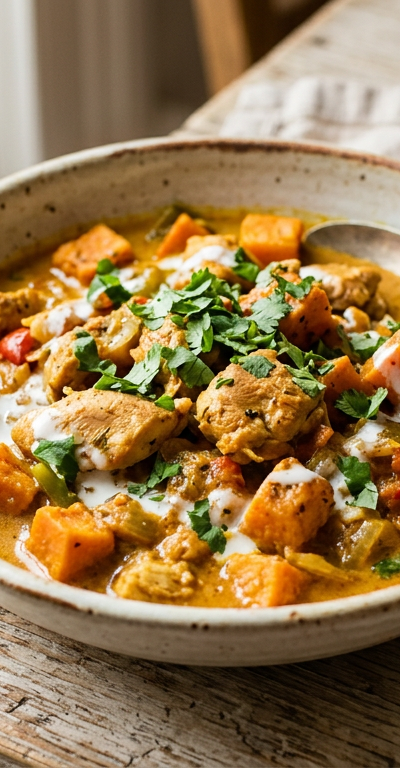
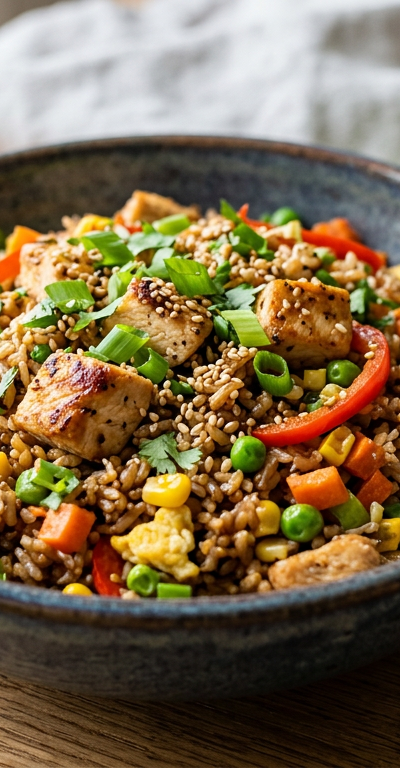
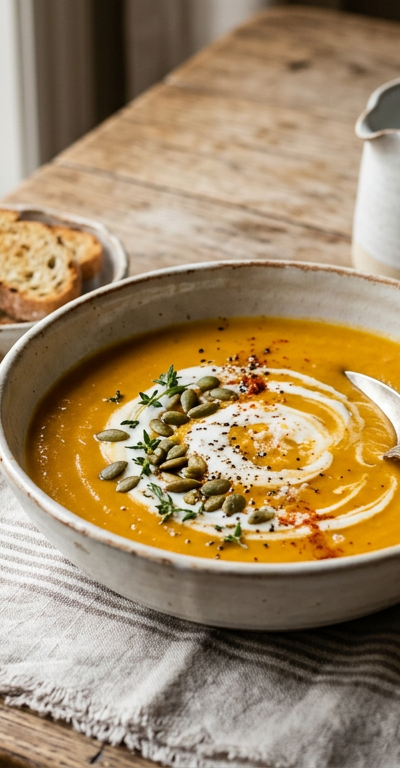
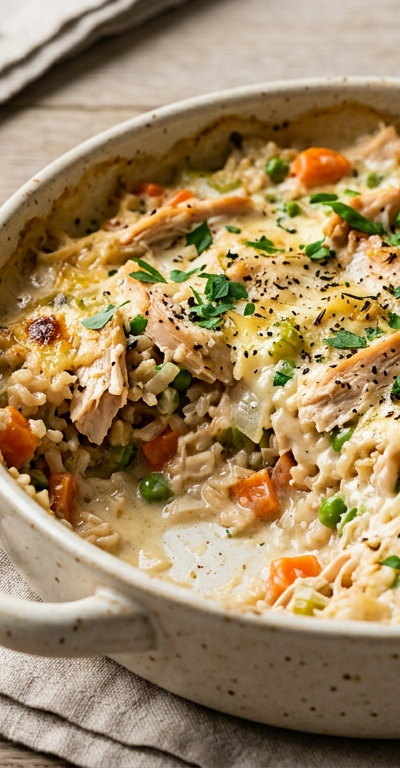
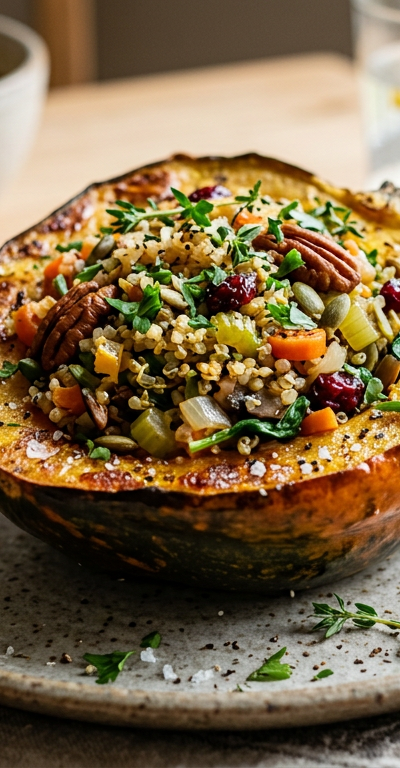
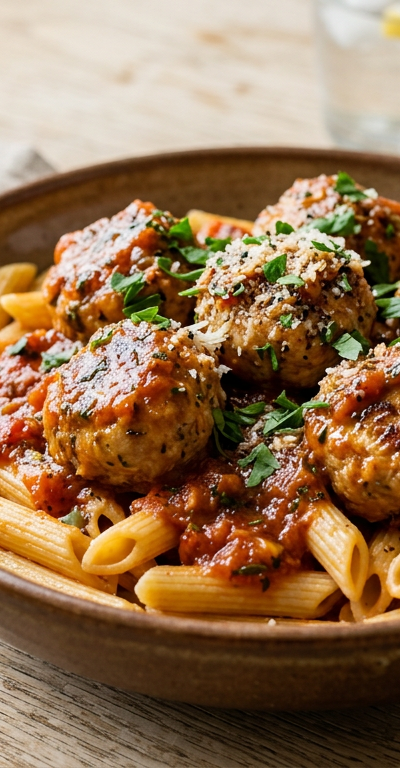
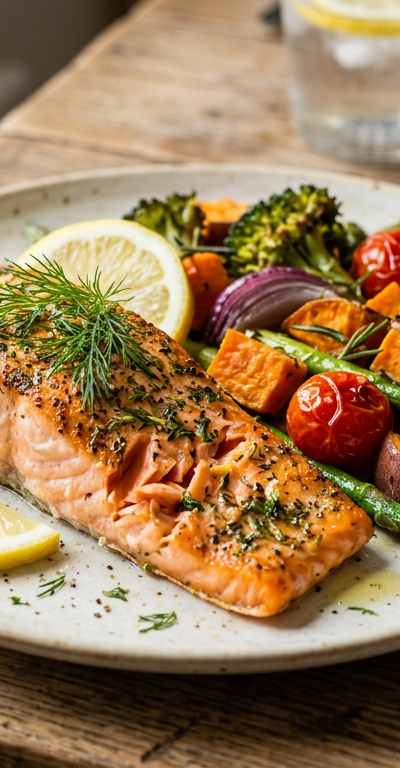
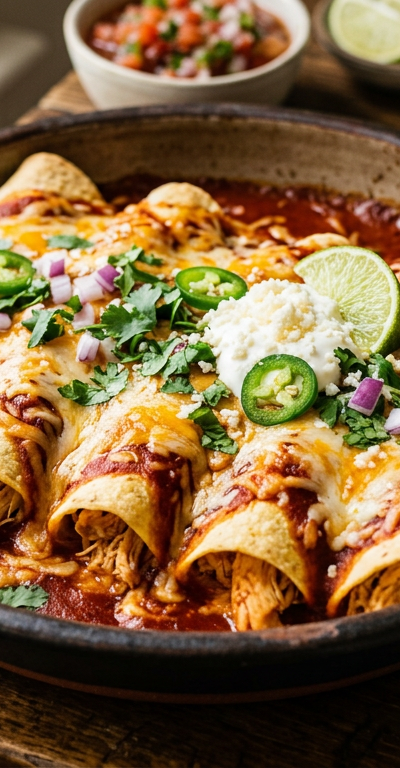
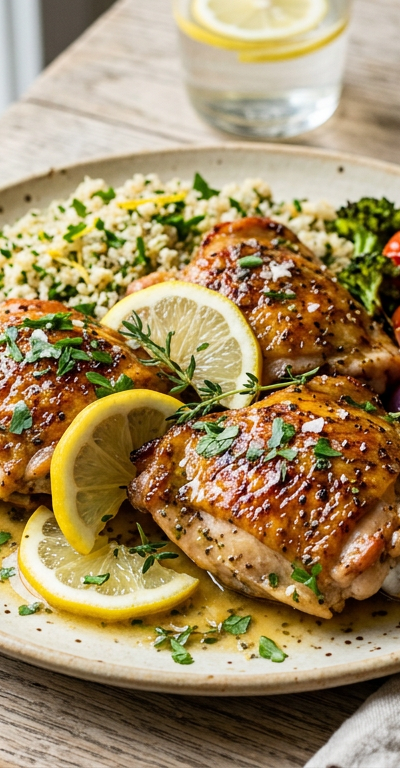
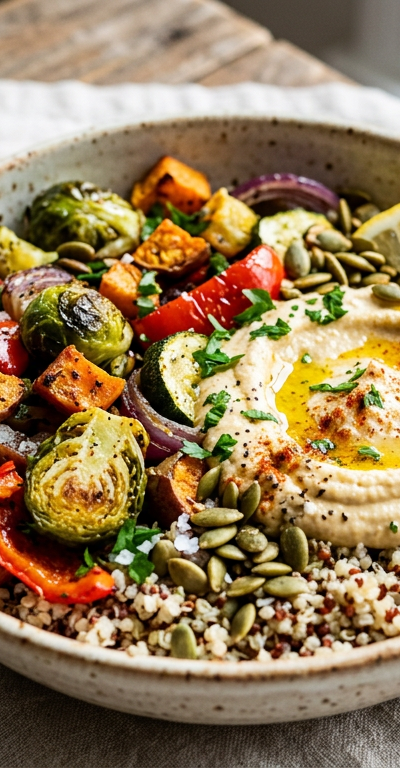
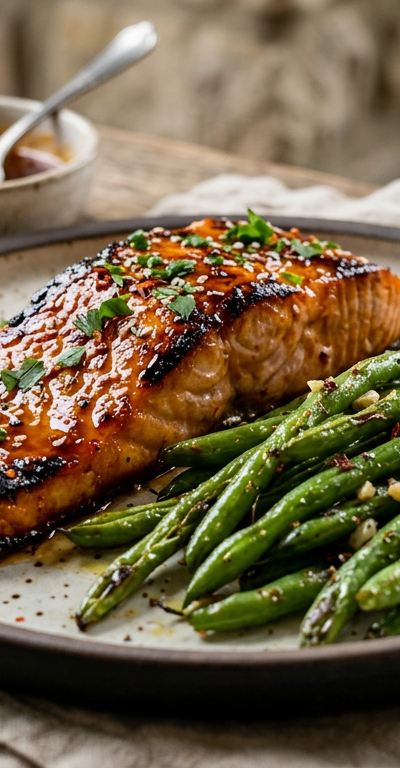
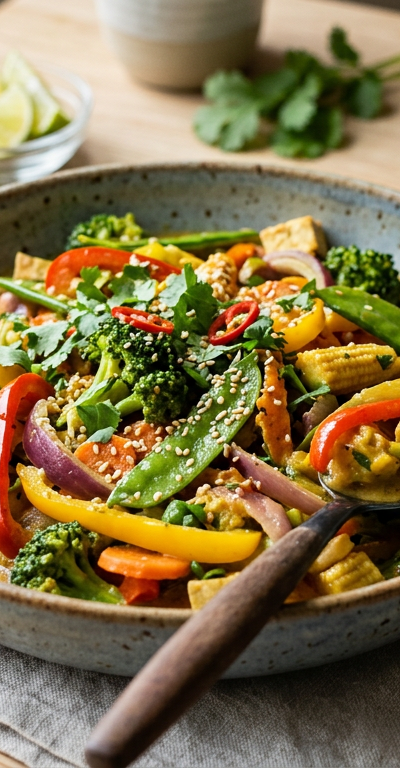
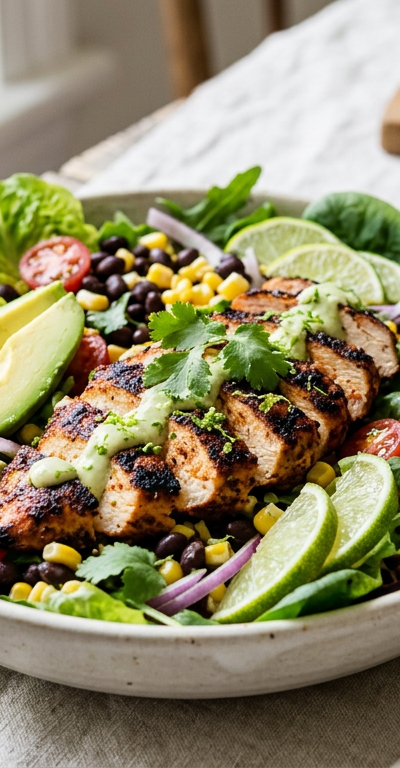
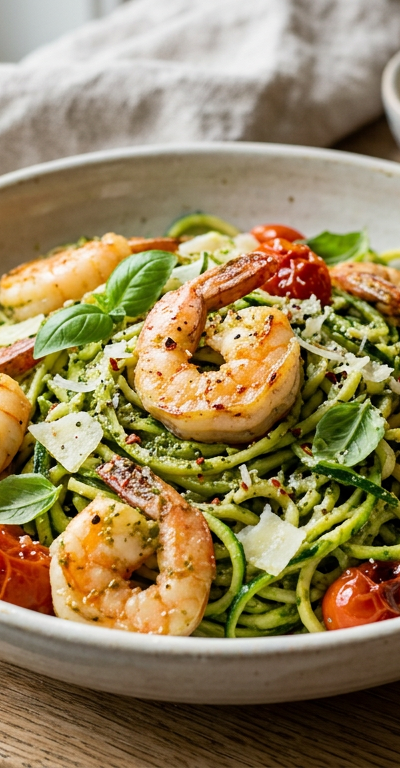
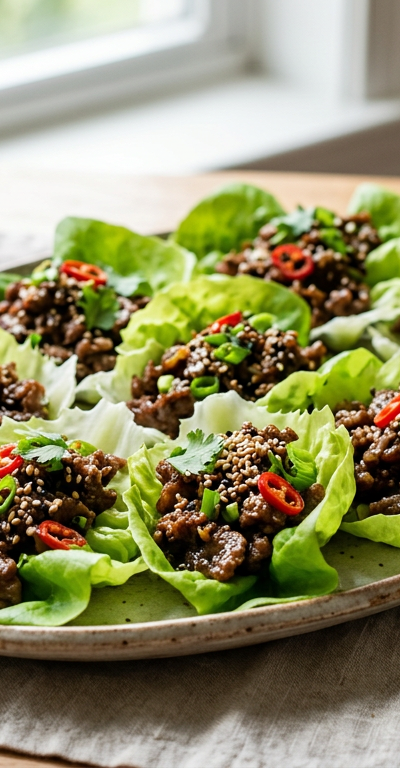
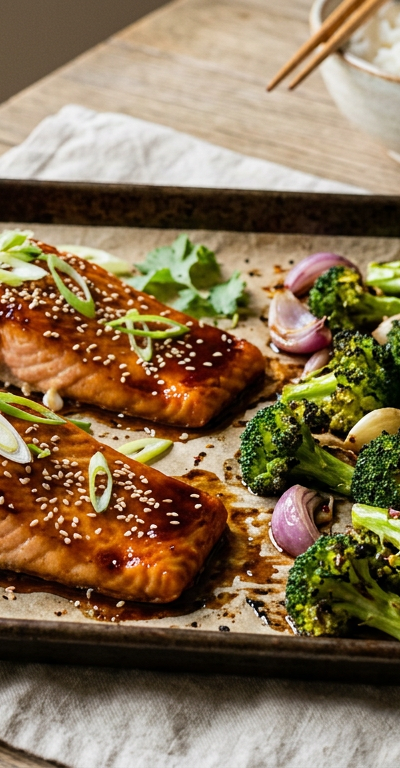
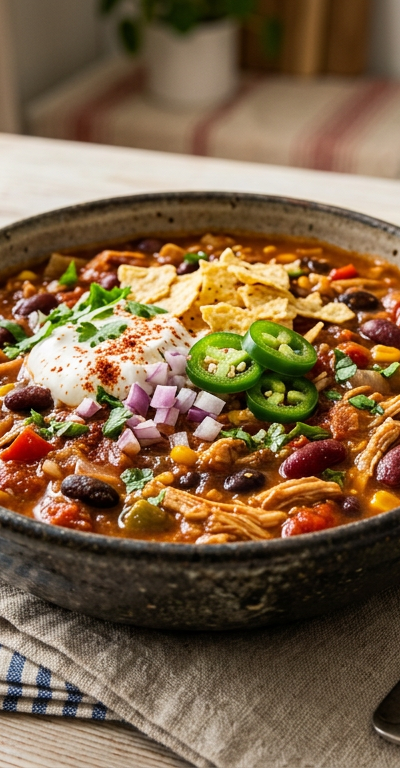
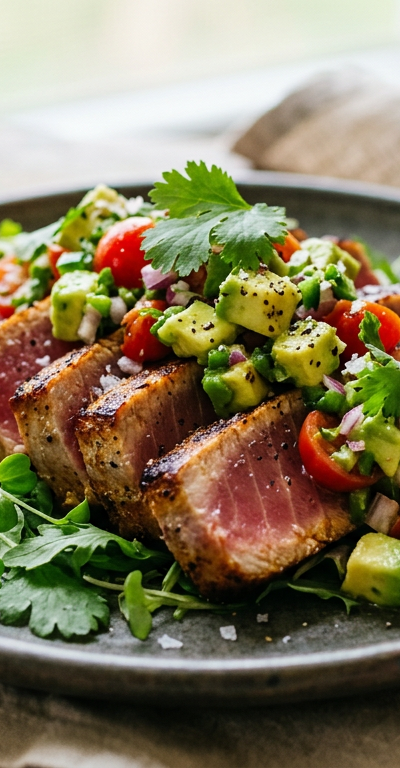
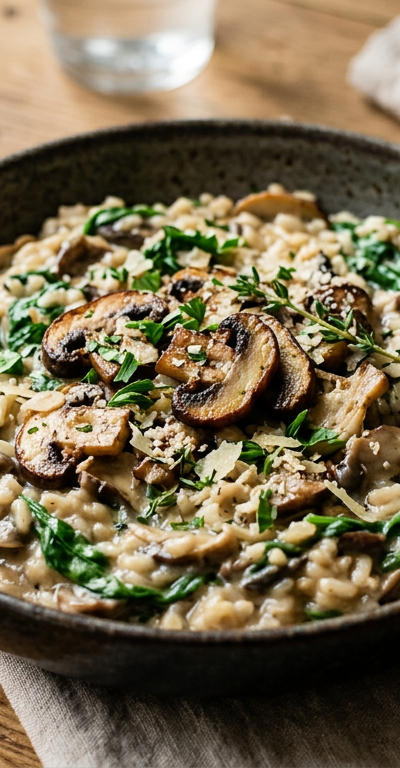
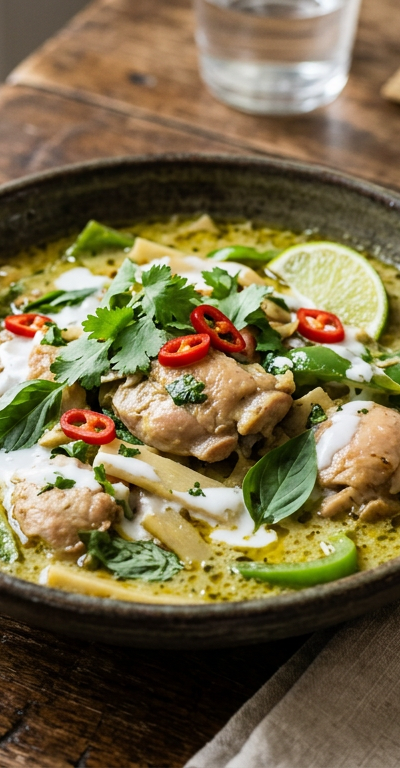
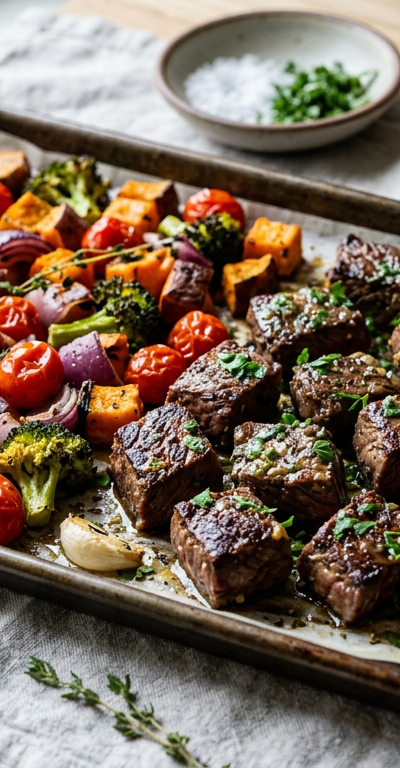
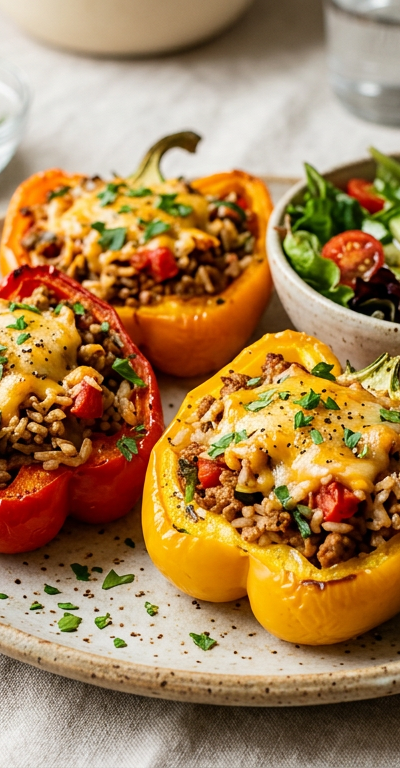
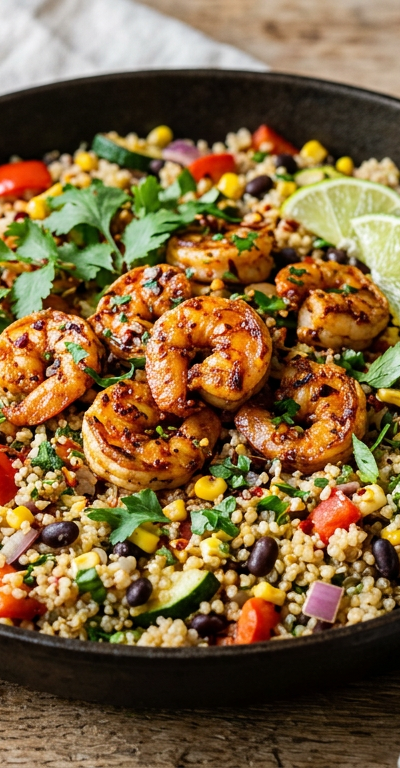
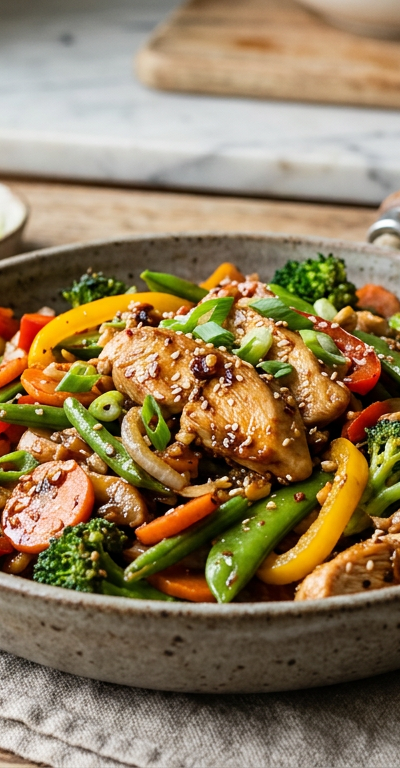
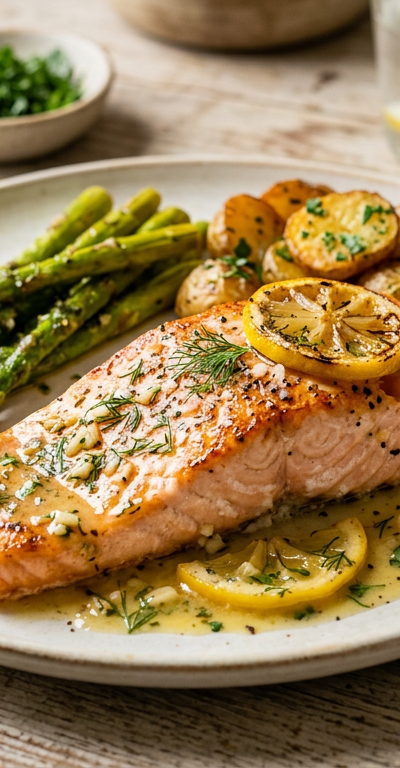
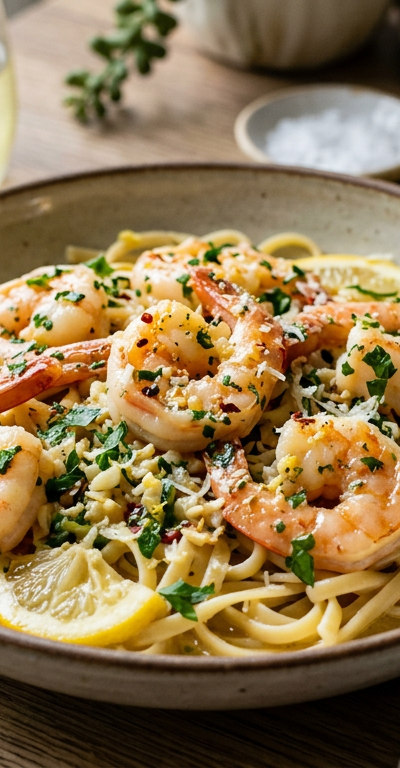
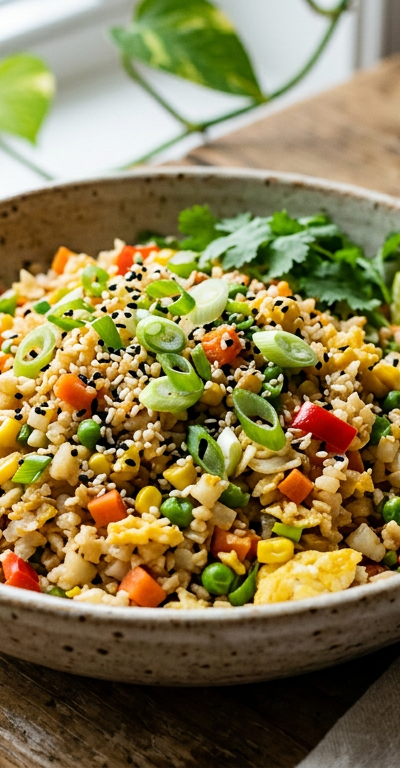
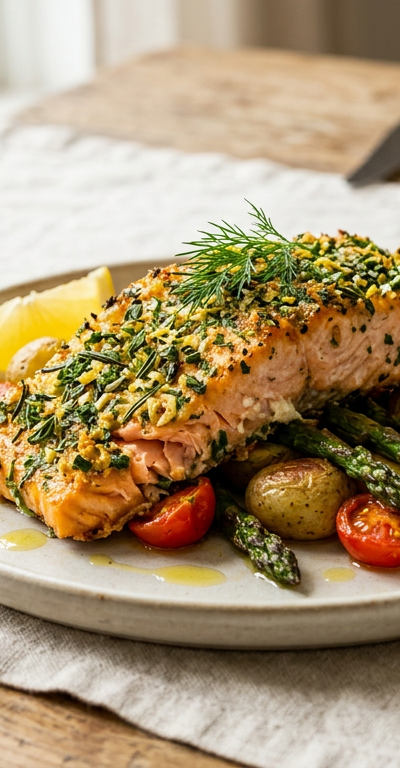
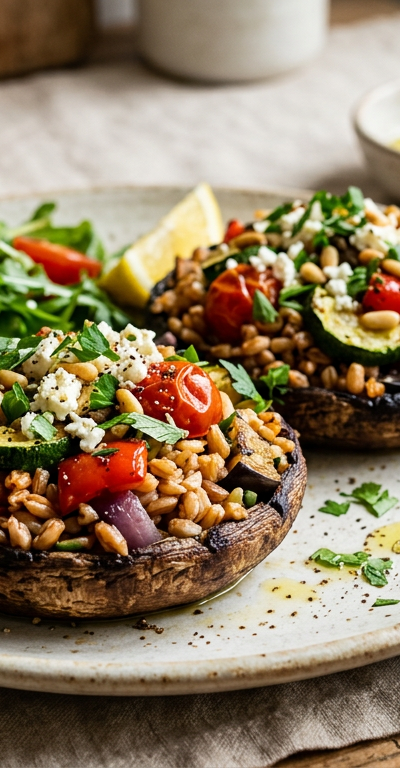
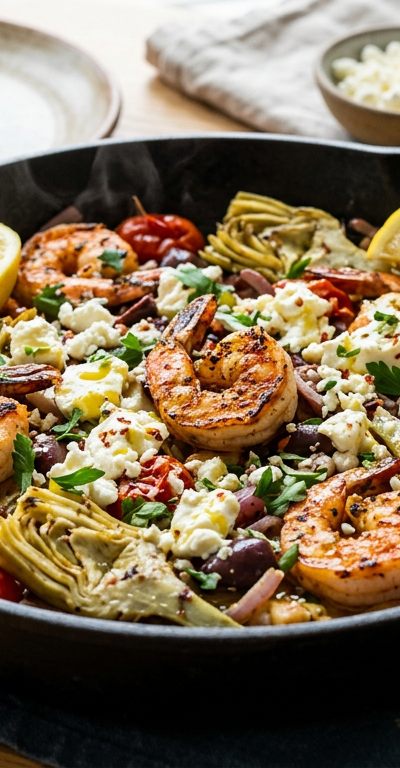
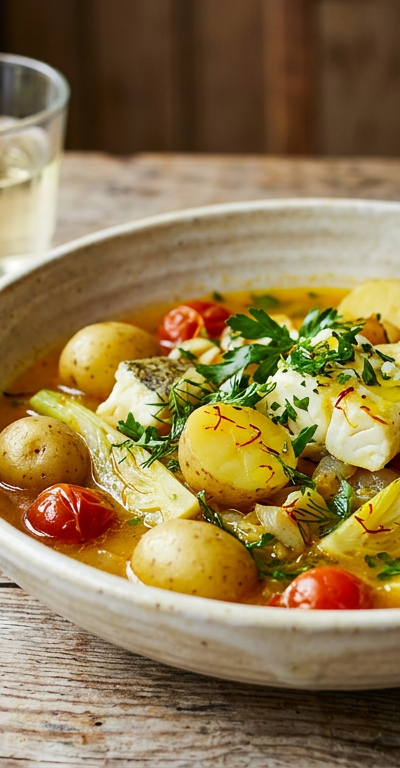
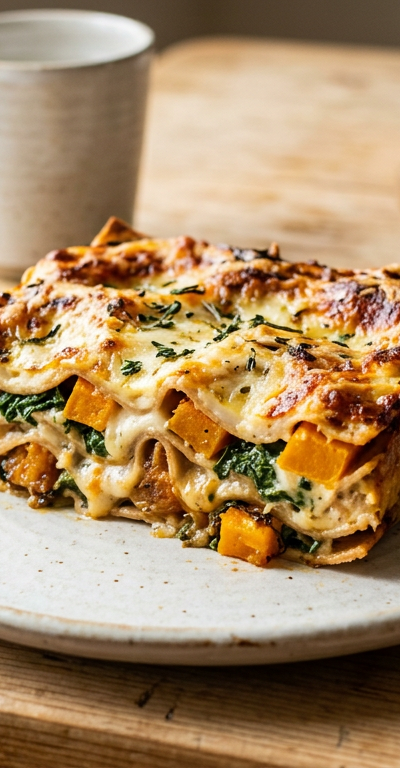
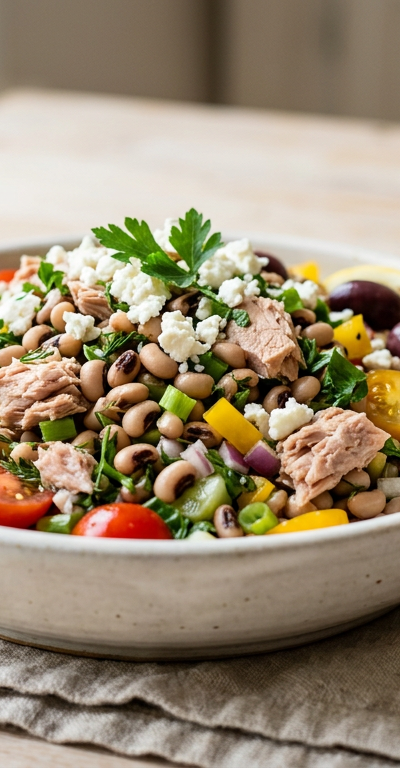
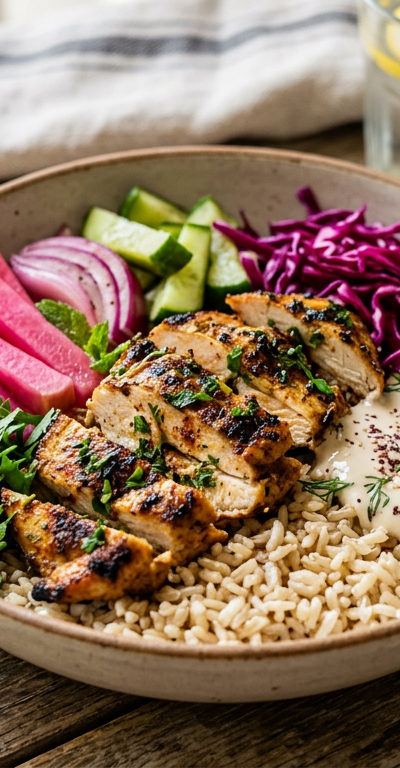
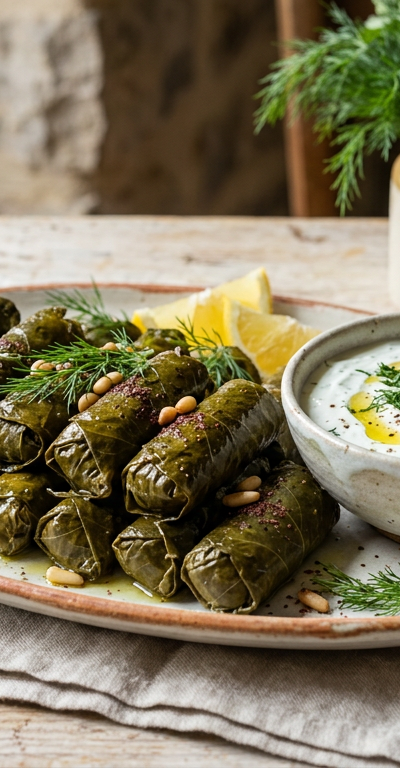
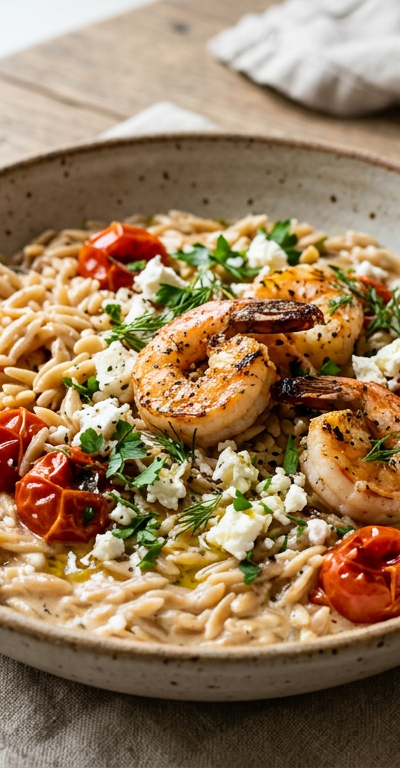
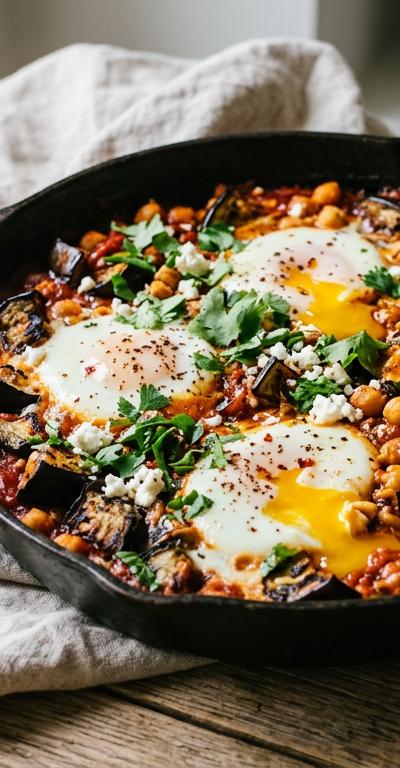
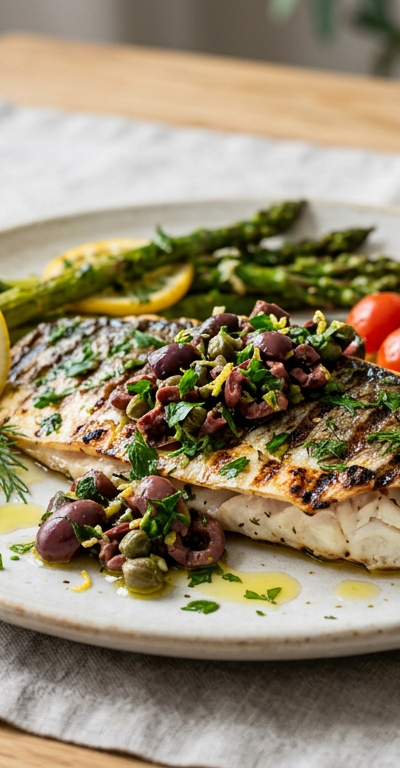
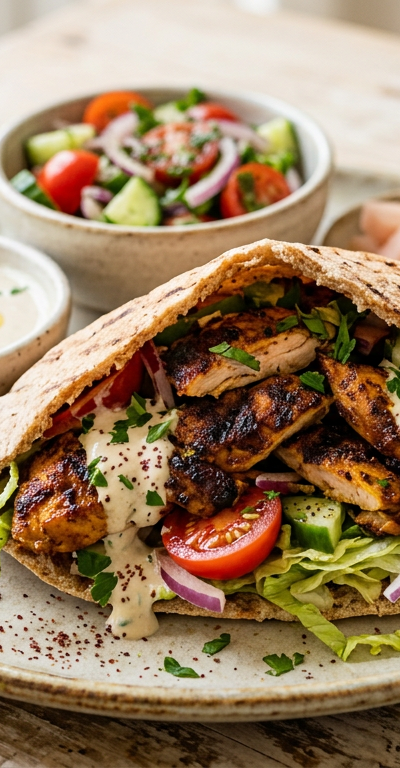
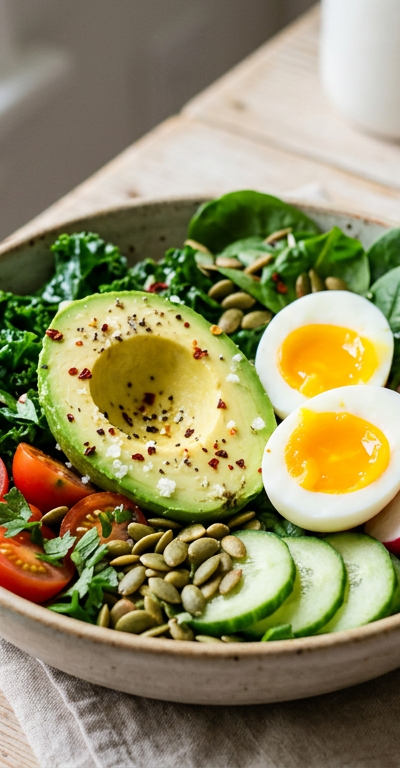
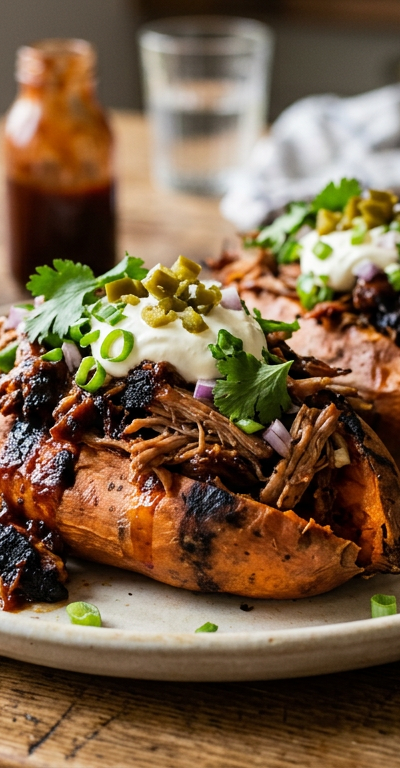
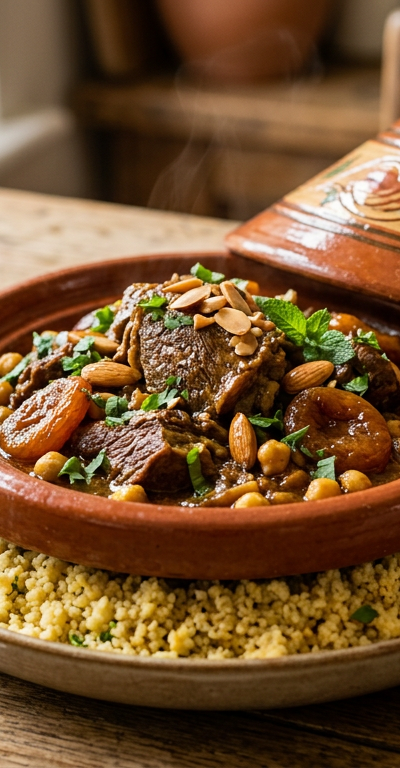
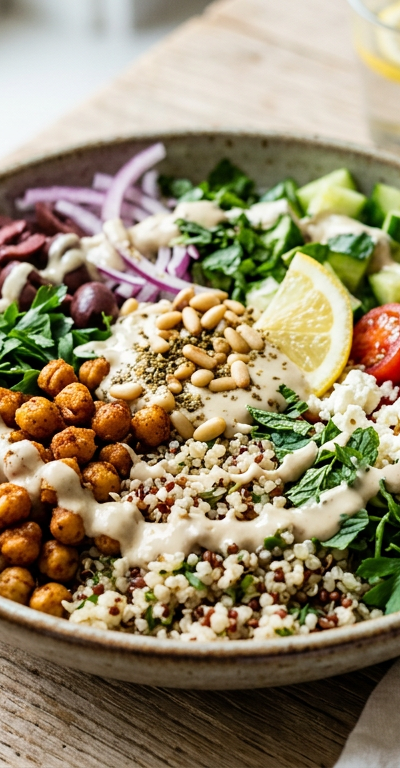
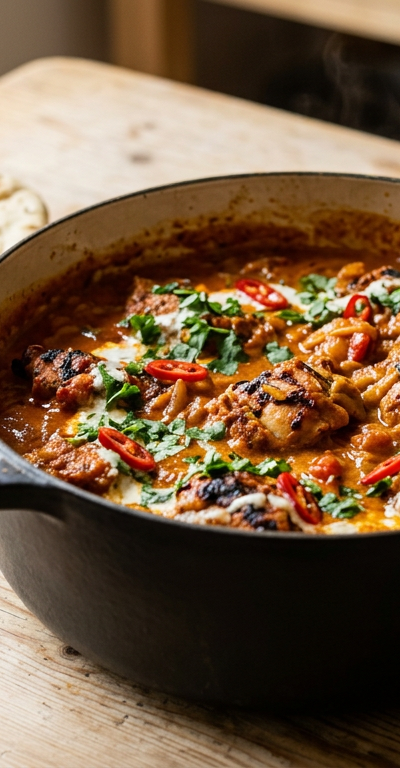
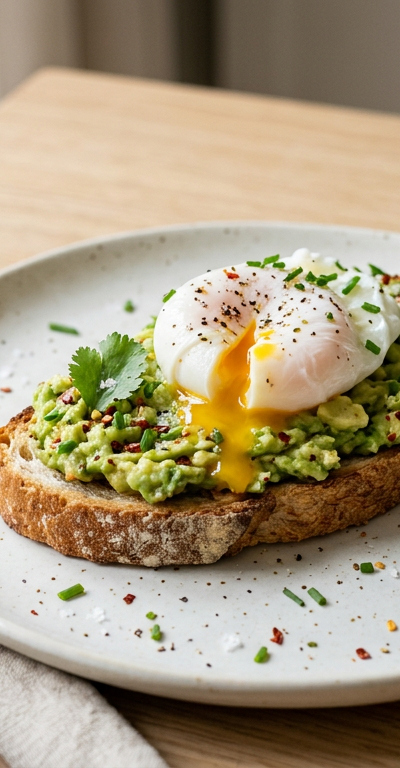
Clean Eating is a dietary approach that emphasizes consuming whole, minimally processed foods in their most natural state while avoiding refined and heavily processed products. The core principles focus on eating foods that are as close to their natural form as possible, reading ingredient labels carefully, and choosing items with short, recognizable ingredient lists. This means prioritizing fresh fruits and vegetables, whole grains, lean proteins, nuts, seeds, and healthy fats while cooking meals at home using simple preparation methods that preserve nutritional integrity. Foods typically included in Clean Eating are fresh or frozen fruits and vegetables (without added sauces or sugars), whole grains like quinoa, brown rice, and oats, lean proteins such as chicken, fish, eggs, and legumes, raw nuts and seeds, and healthy fats from sources like avocados, olive oil, and coconut oil. The diet excludes or strictly limits refined sugars and artificial sweeteners, white flour and refined grains, processed meats containing nitrates and preservatives, artificial colors and flavors, trans fats and hydrogenated oils, high-fructose corn syrup, and heavily processed convenience foods with long ingredient lists containing chemical additives. Clean Eating can help address multiple health conditions and concerns including inflammation, heart disease, type 2 diabetes, obesity, digestive issues, and metabolic syndrome. By reducing processed foods high in sodium, added sugars, and unhealthy fats, this approach naturally supports cardiovascular health and helps stabilize blood sugar levels. The emphasis on fiber-rich whole foods aids digestive health and can reduce systemic inflammation. Research published in journals like BMJ and the American Journal of Clinical Nutrition has shown that diets high in ultra-processed foods are associated with increased risks of cardiovascular disease, cancer, and all-cause mortality, while whole-food-based diets demonstrate protective effects. This diet is particularly beneficial for individuals looking to improve overall health and energy levels, those managing chronic conditions like diabetes or heart disease, people seeking sustainable weight management, individuals with sensitivities to artificial additives or preservatives, and anyone wanting to reduce their intake of added sugars and sodium. Clean Eating is also appropriate for families wanting to establish healthier eating habits and those concerned about food quality and transparency. Because it focuses on whole foods rather than extreme restrictions, it can be adapted to various dietary preferences including vegetarian, vegan, and gluten-free lifestyles, making it accessible and sustainable for long-term adherence.

What the evidence says about Clean Eating and each condition, and the foods doing the work.
Clean eating supports mental health by providing nutrient-dense foods that support neurotransmitter production and reduce systemic inflammation associated with mood disorders. The diet eliminates processed foods that can negatively impact brain chemistry.
How Whole foods provide essential omega-3 fatty acids, antioxidants, and nutrients that support neurotransmitter synthesis and reduce neuroinflammation. By eliminating processed foods, the diet supports stable blood sugar and hormone levels that influence mood regulation.
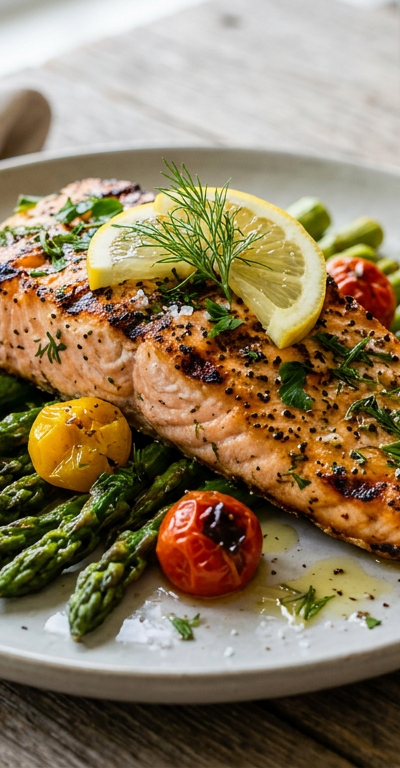
Key foods Wild-caught salmon, raw walnuts, organic blueberries, chia seeds, avocados, organic spinach, organic eggs
Clean eating supports digestive health by eliminating processed foods, artificial additives, and potential irritants. The diet provides whole, nutrient-dense foods that support gut microbiome diversity and reduce digestive inflammation.
How Whole foods provide natural prebiotics and probiotics that support beneficial gut bacteria. By removing processed ingredients and artificial additives, the diet reduces gut inflammation and supports the intestinal mucosal lining.
Key foods Organic bone broth, fermented vegetables, raw sauerkraut, chia seeds, organic ginger, wild-caught salmon, organic spinach
Clean eating supports heart health by emphasizing nutrient-dense, unprocessed foods that improve cholesterol profiles and reduce cardiovascular risk factors. The diet naturally limits sodium, trans fats, and refined sugars while providing heart-protective nutrients.
How The diet provides high levels of omega-3 fatty acids, antioxidants, and fiber that help reduce LDL cholesterol, improve endothelial function, and decrease systemic inflammation. Whole foods support healthy blood pressure and reduce oxidative stress on cardiovascular tissues.
Key foods Wild-caught salmon, extra virgin olive oil, raw almonds, organic spinach, quinoa, avocados, organic berries
Clean eating eliminates processed foods and inflammatory ingredients, directly reducing systemic inflammation. The diet focuses on whole foods rich in antioxidants and anti-inflammatory compounds that help modulate the body's inflammatory response.
How Whole foods contain natural phytonutrients that suppress pro-inflammatory cytokines and reduce oxidative stress. By eliminating processed foods with artificial additives, the diet minimizes inflammatory triggers and supports the body's natural healing mechanisms.
Key foods Wild-caught salmon, organic spinach, raw walnuts, turmeric, extra virgin olive oil, chia seeds, organic blueberries
Clean eating helps manage insulin resistance by eliminating refined sugars and processed carbohydrates, stabilizing blood glucose levels. The diet emphasizes low-glycemic whole foods that support metabolic health and improve insulin sensitivity.
How By removing high-glycemic and processed foods, the diet reduces rapid blood sugar spikes and subsequent insulin secretion. Whole foods provide complex carbohydrates, healthy fats, and proteins that promote gradual glucose absorption and enhance cellular insulin receptor sensitivity.
Key foods Organic eggs, quinoa, chia seeds, organic berries, raw almonds, leafy greens, wild-caught salmon
Clean eating supports weight management by providing nutrient-dense, low-processed foods that naturally regulate appetite and metabolism. The diet eliminates empty calories and focuses on whole foods that promote satiety and metabolic efficiency.
How Whole foods provide balanced macronutrients with high fiber and protein content that naturally suppress appetite and reduce overall caloric intake. The diet eliminates processed foods that contribute to metabolic dysfunction and supports healthy hormone signaling.
Key foods Organic chicken breast, quinoa, organic eggs, raw almonds, avocados, leafy greens, chia seeds
General information about how people eat, not medical advice. Talk to a clinician before changing your diet to treat a condition.

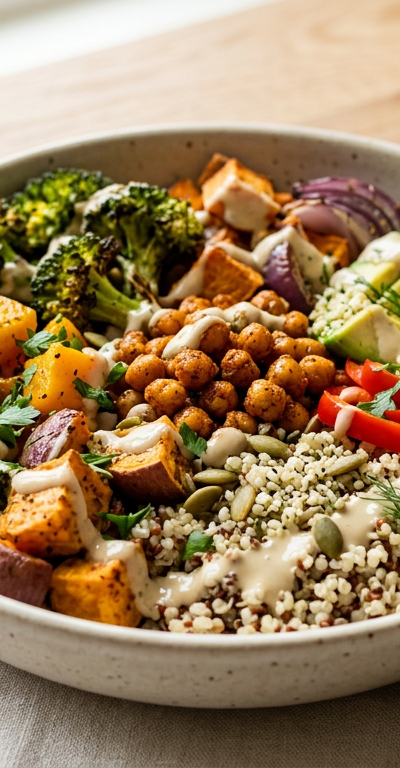
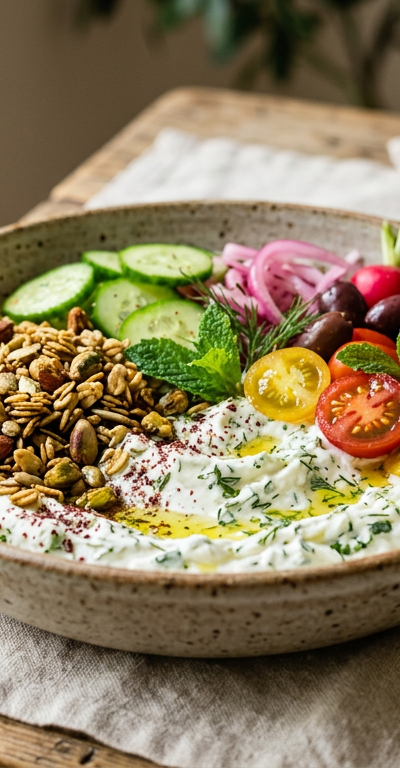
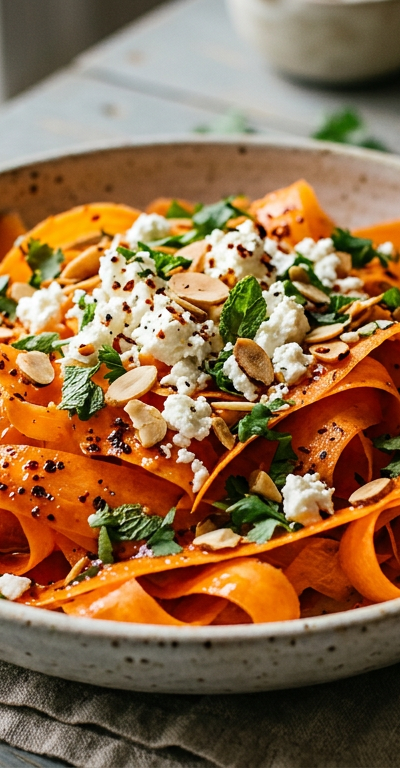
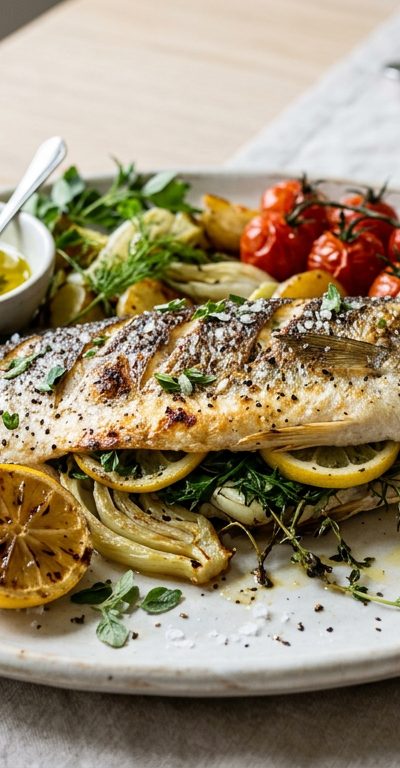
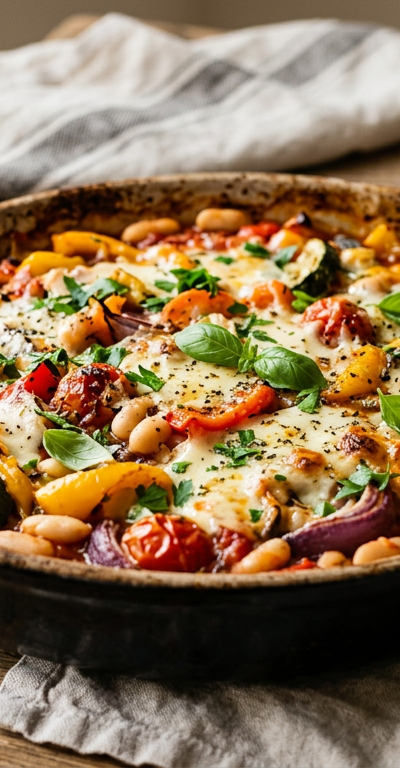
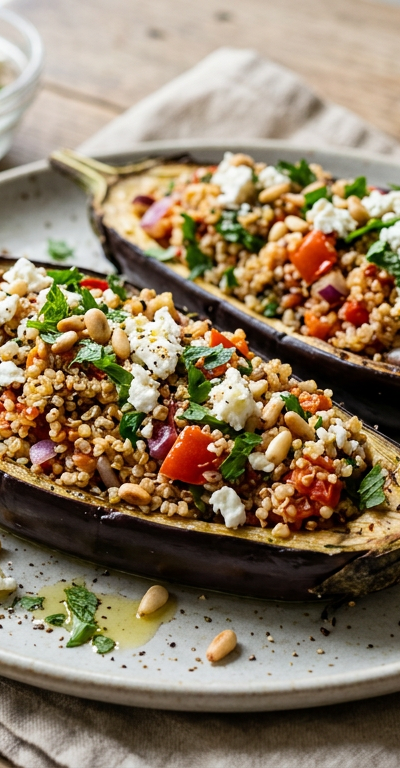
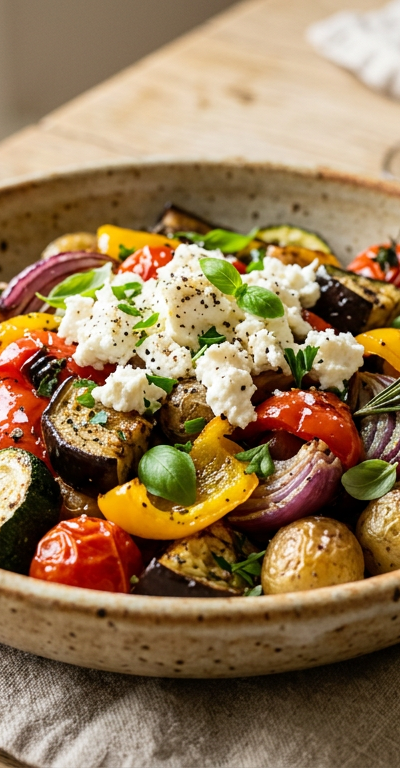
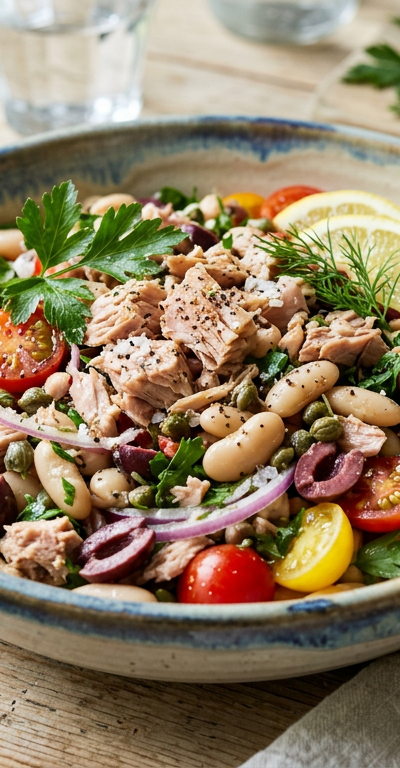
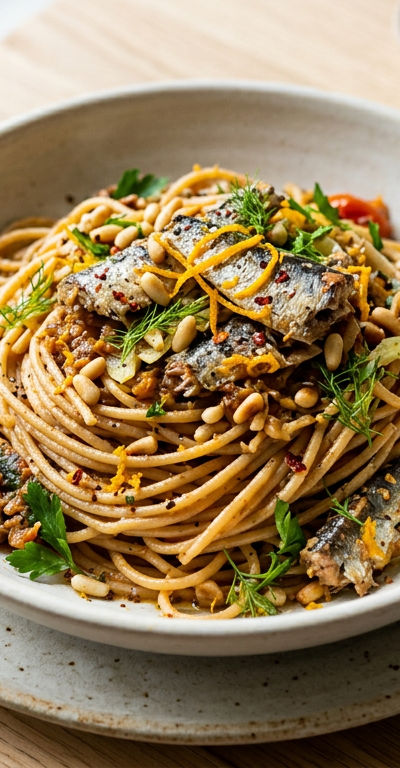
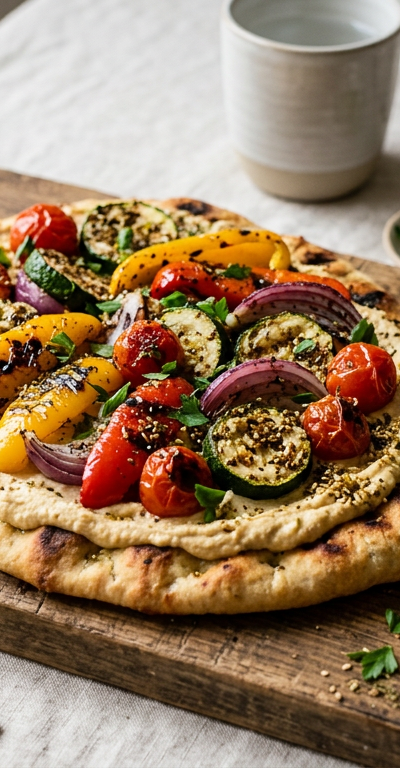
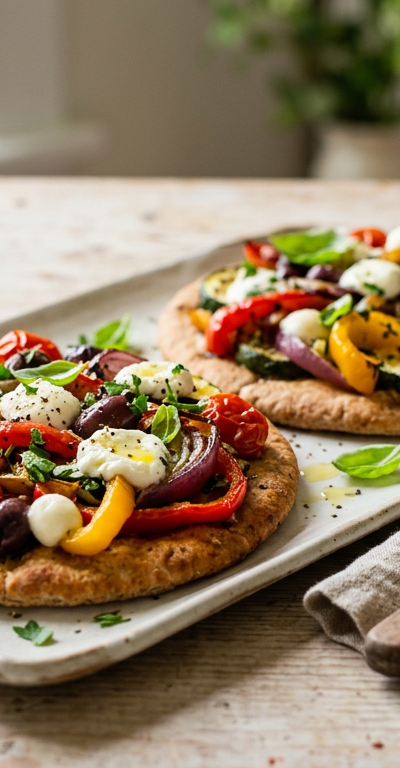
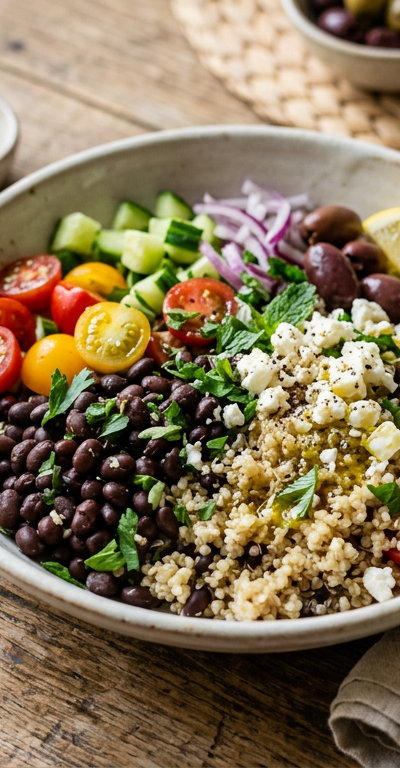
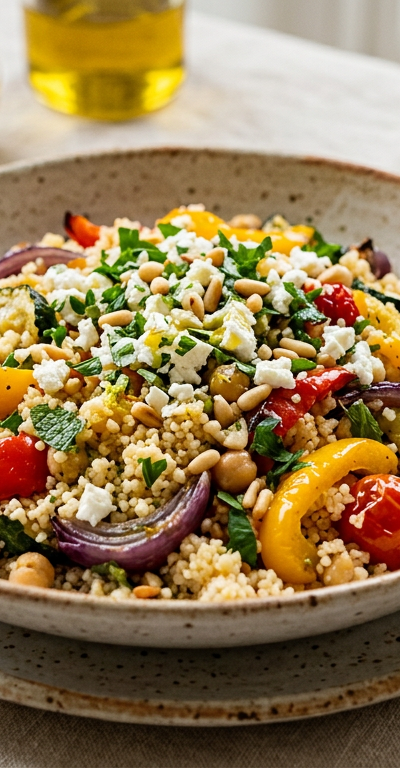
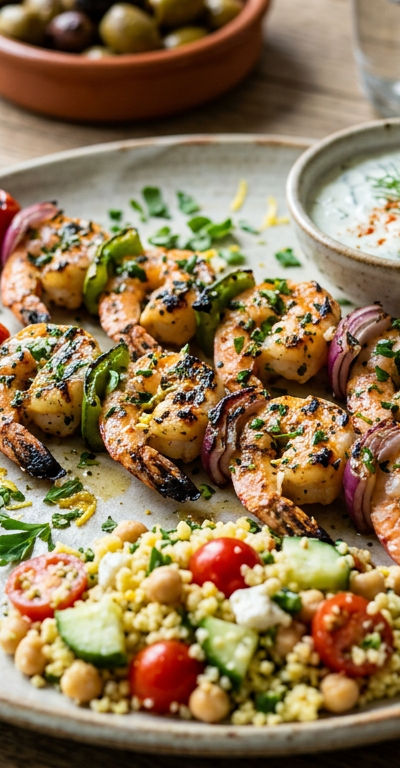
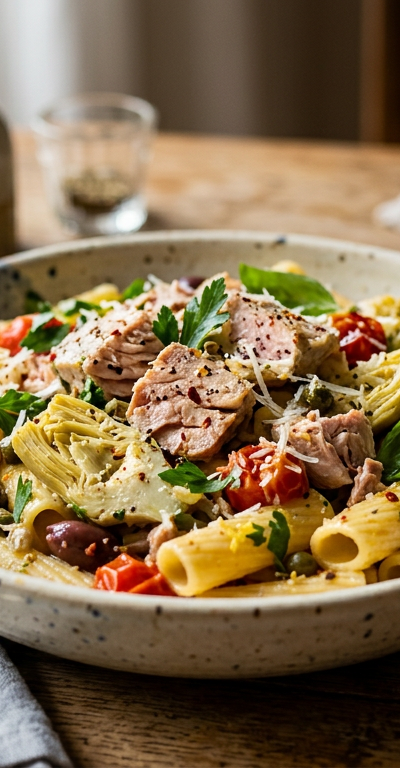
Most of what tastes good in Mediterranean cooking comes from vegetables and beans. Meat is almost an afterthought.
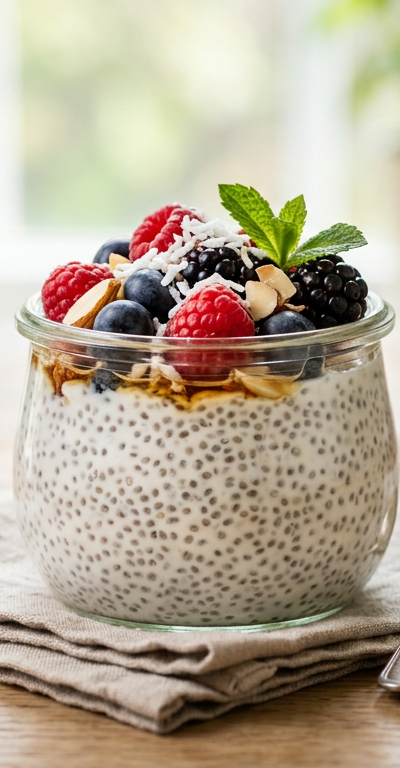
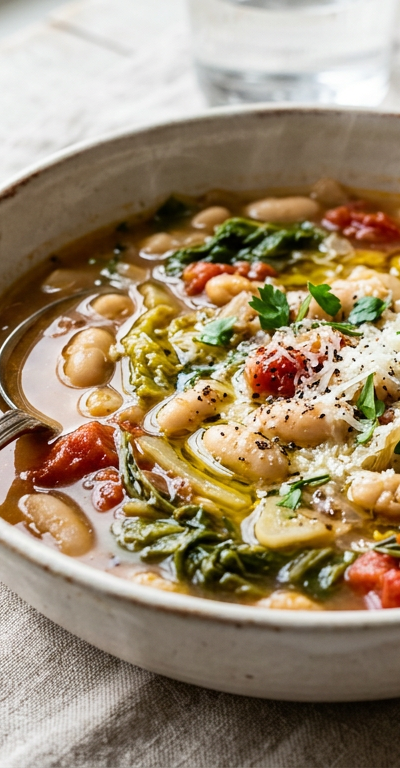
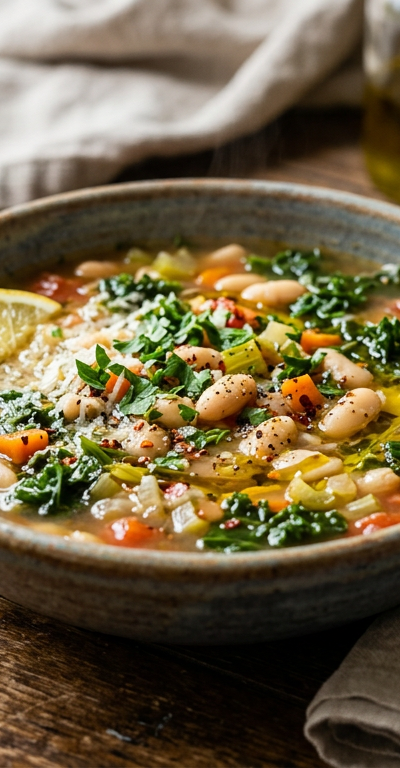
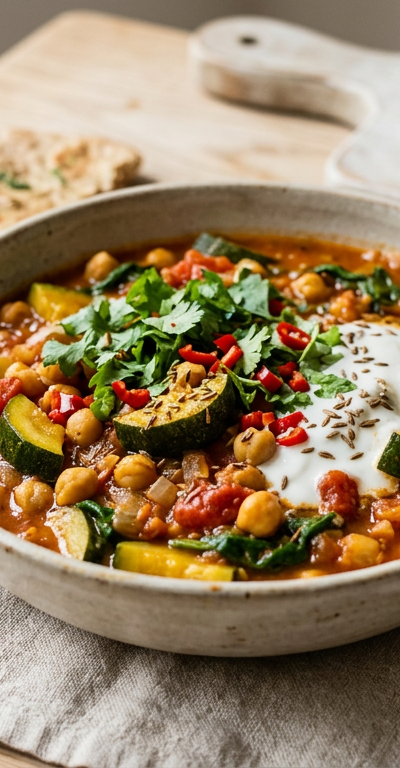
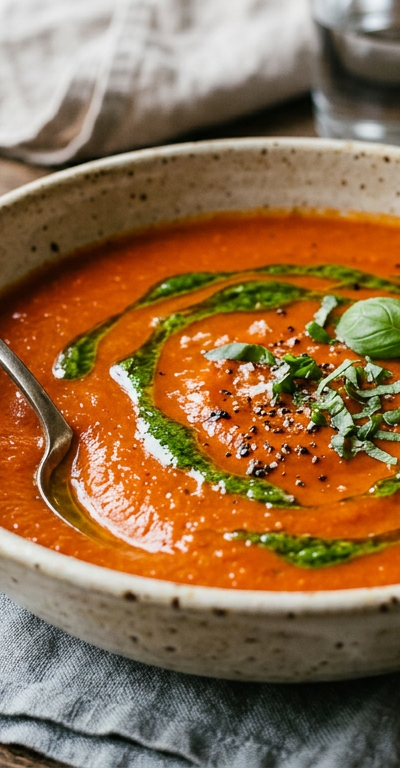
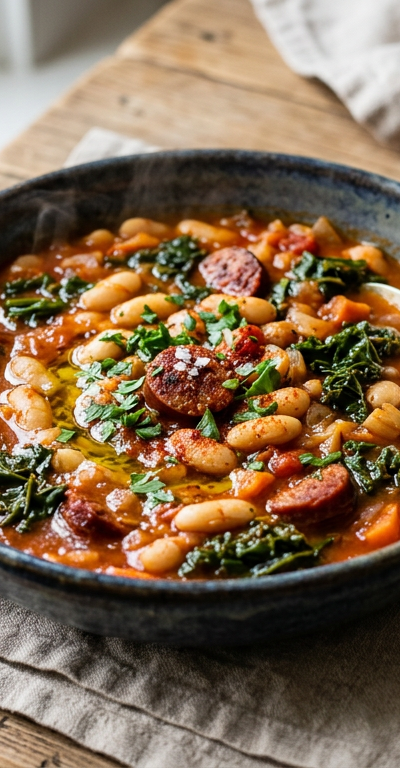
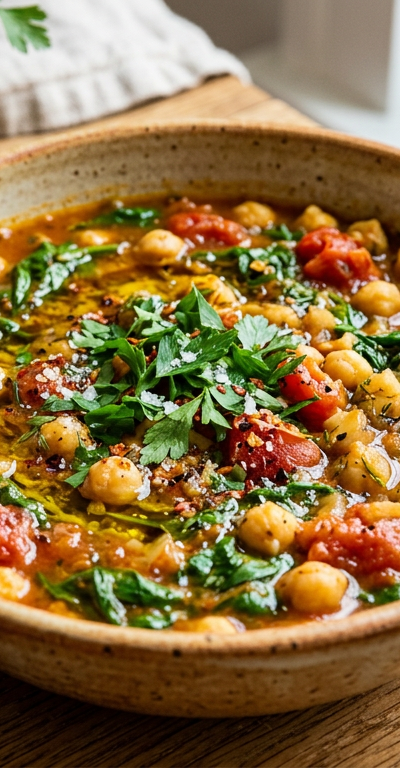
One-pot soups turn canned beans into a filling dinner that costs less than chicken and tastes like you spent an hour cooking when the slow cooker did the work.
That moment at 5 PM when you're tired and have no idea what to eat is when every meal plan fails. Deciding earlier gives you one less problem.
Open a recipe in Platewise and a voice sous chef reads the steps, runs the timers, and swaps what you don't have.