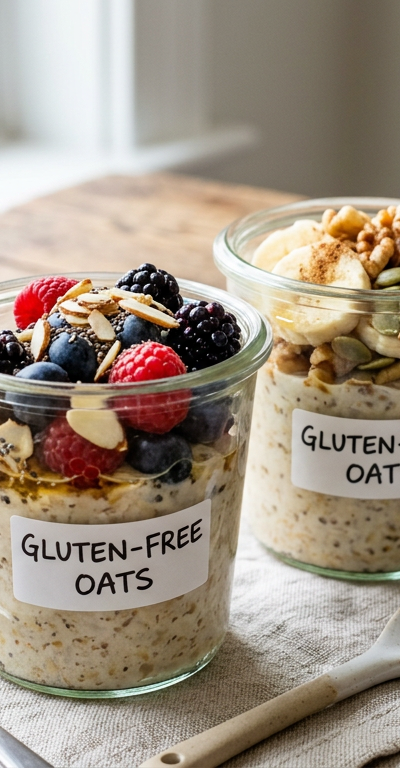
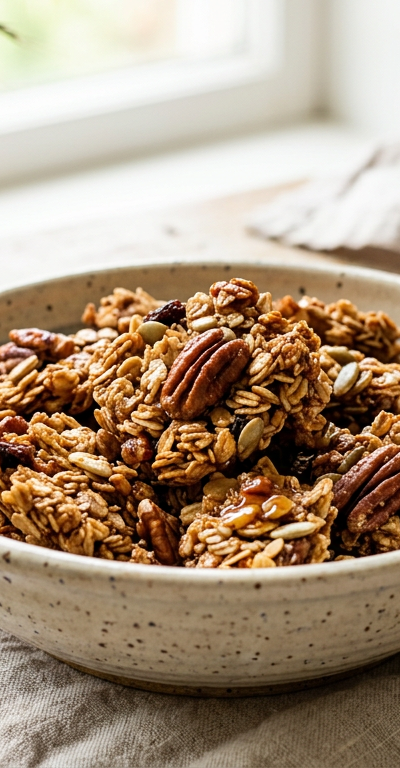
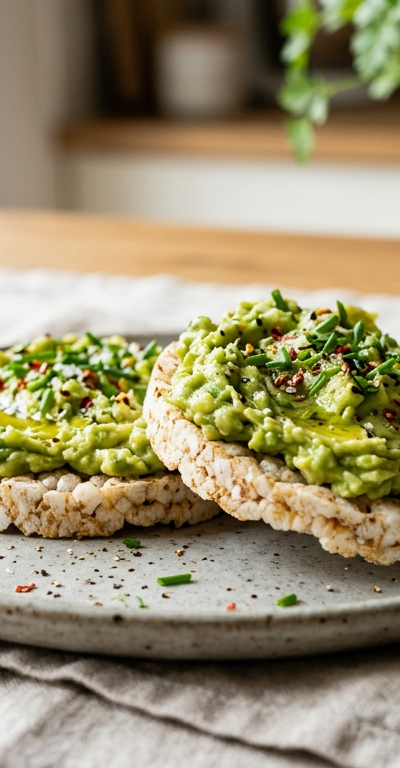
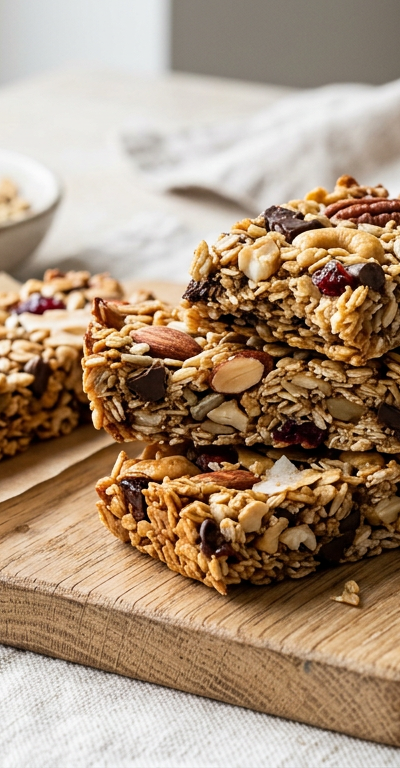
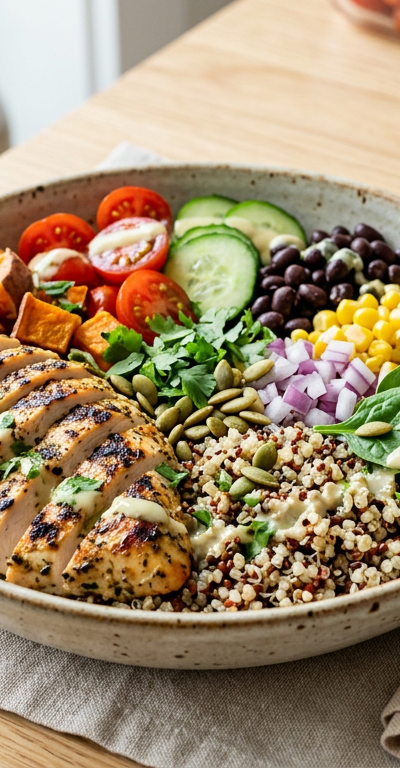
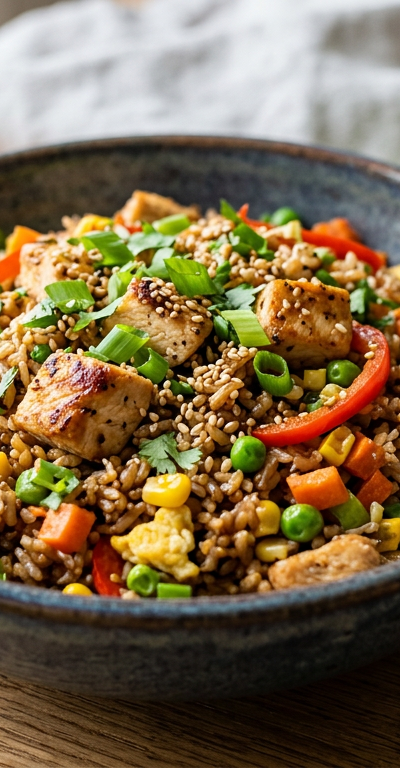
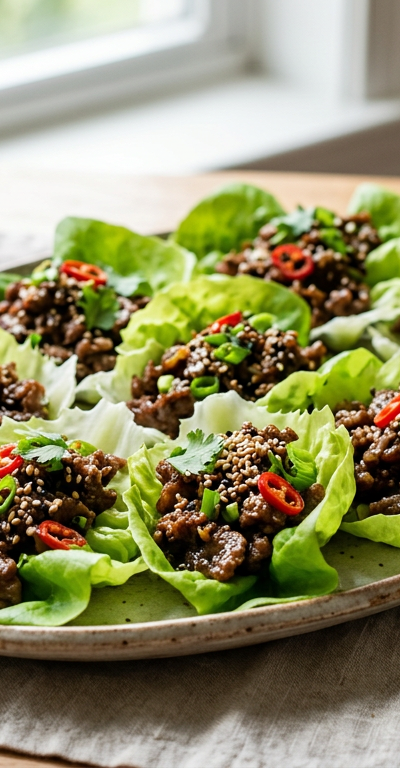
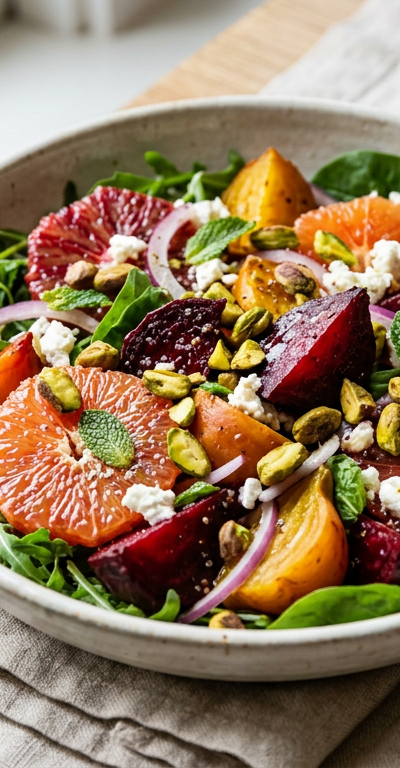
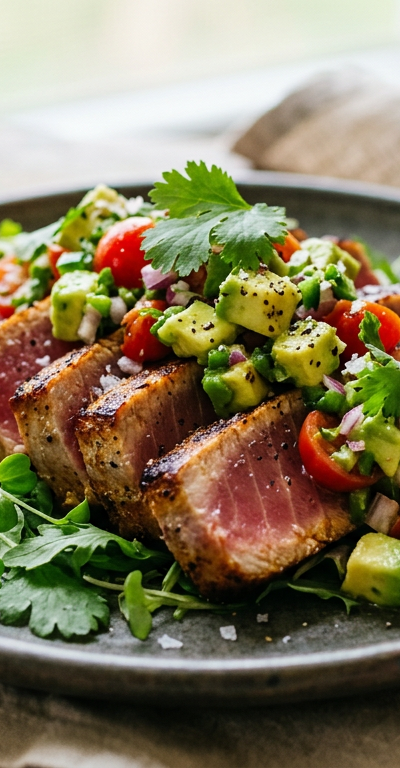
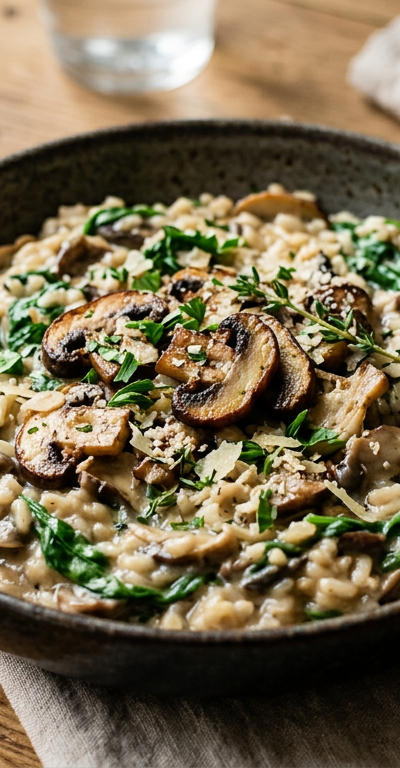
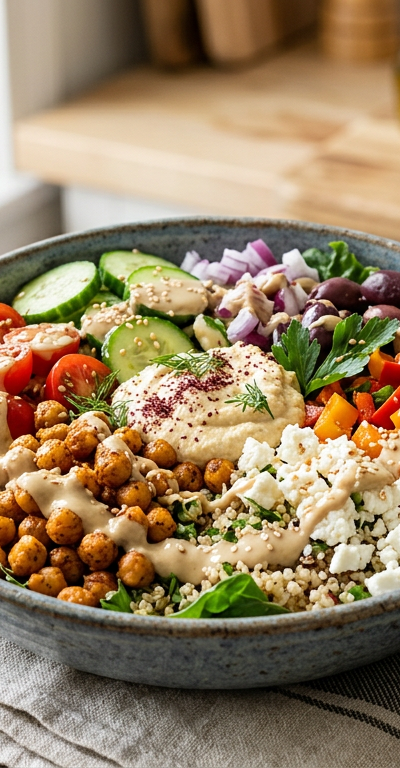
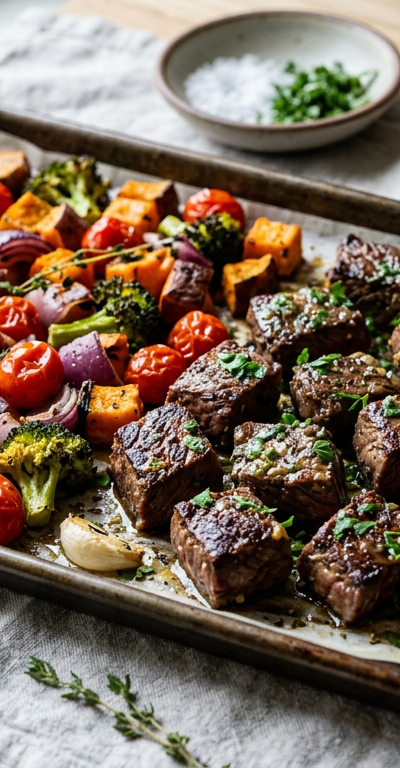
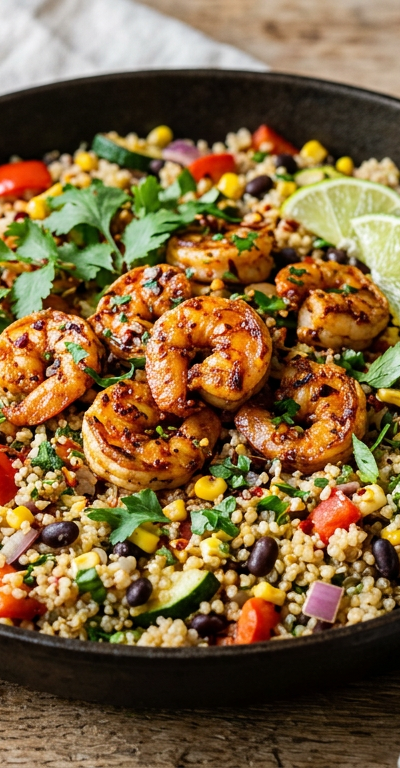
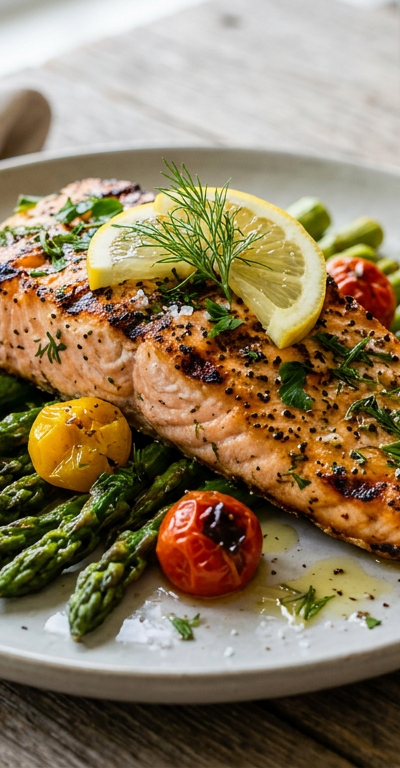
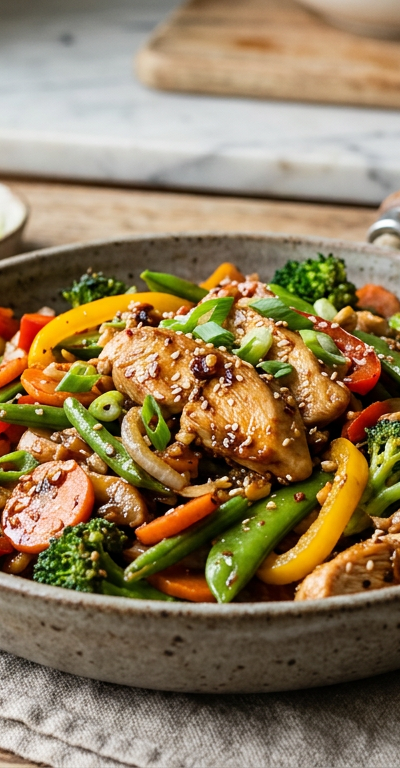
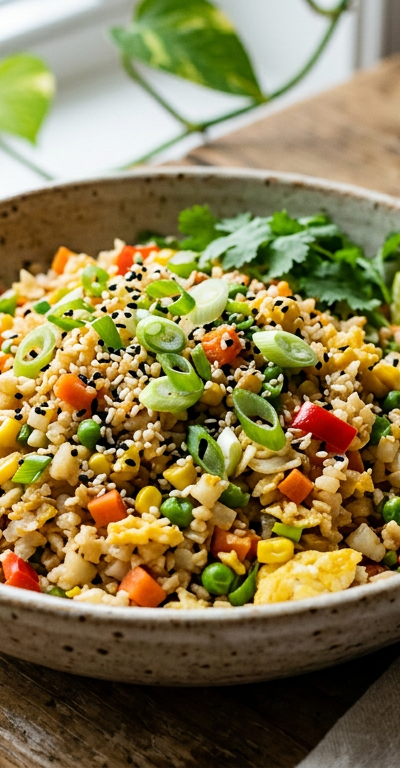
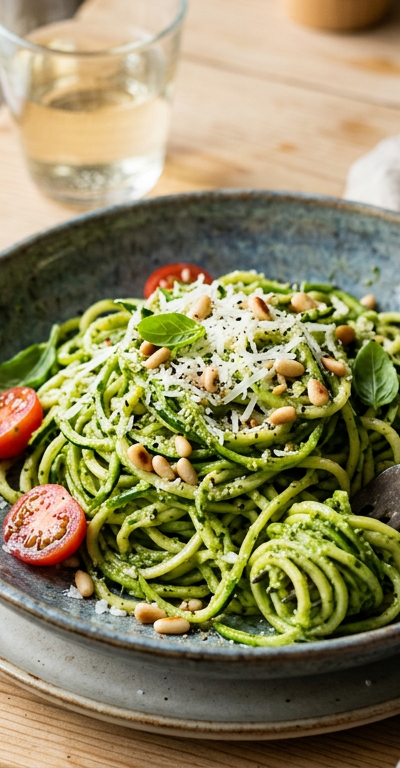
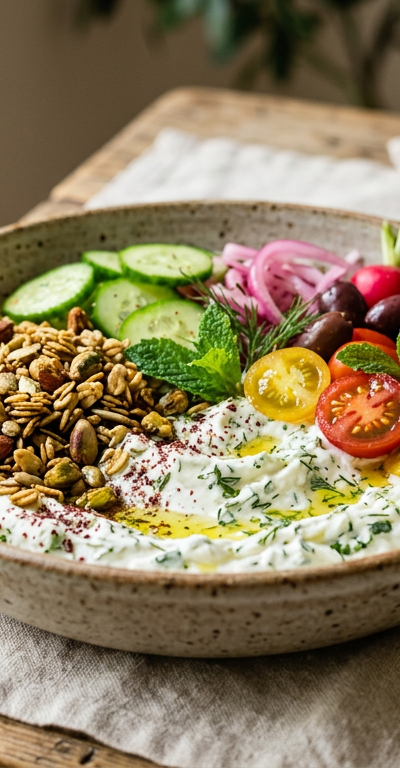
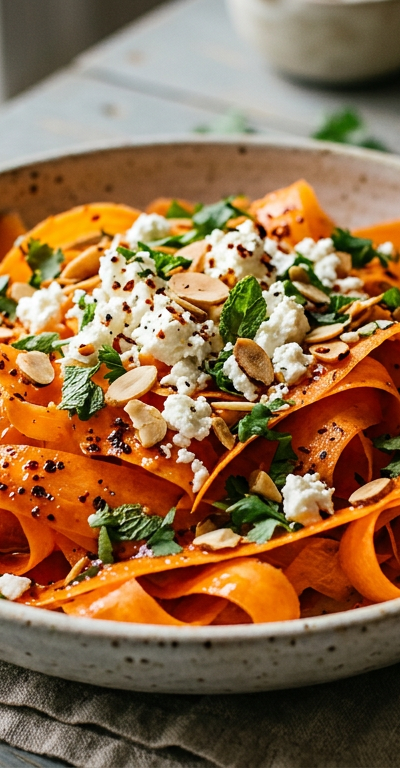
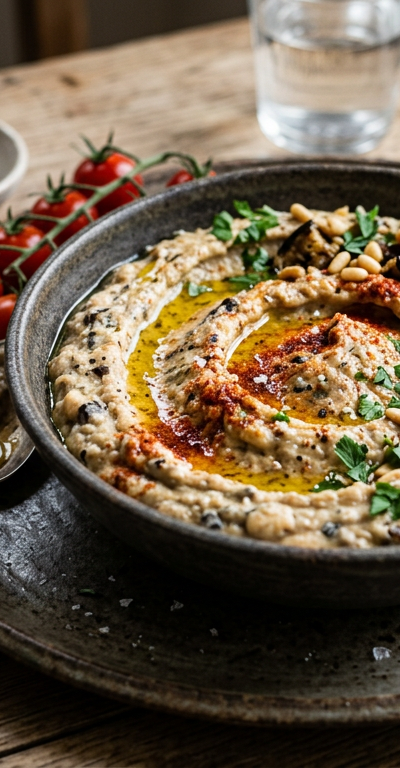
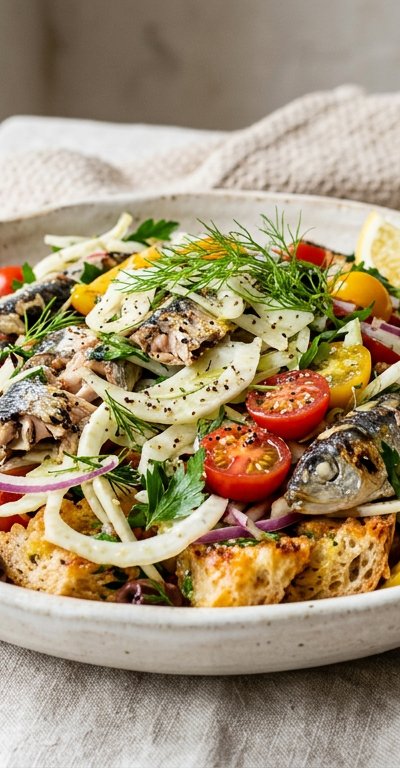
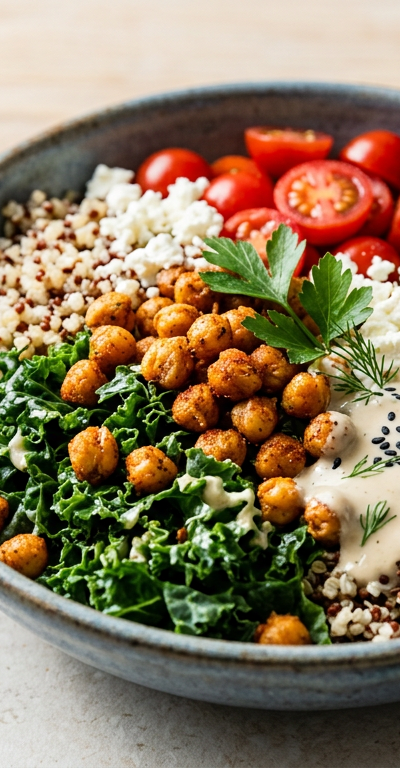
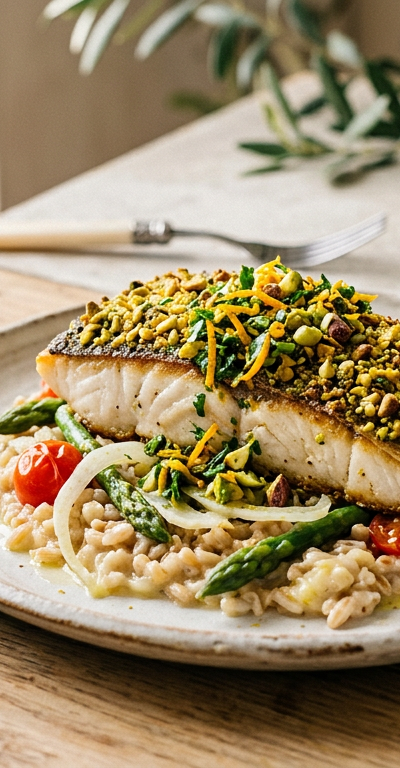
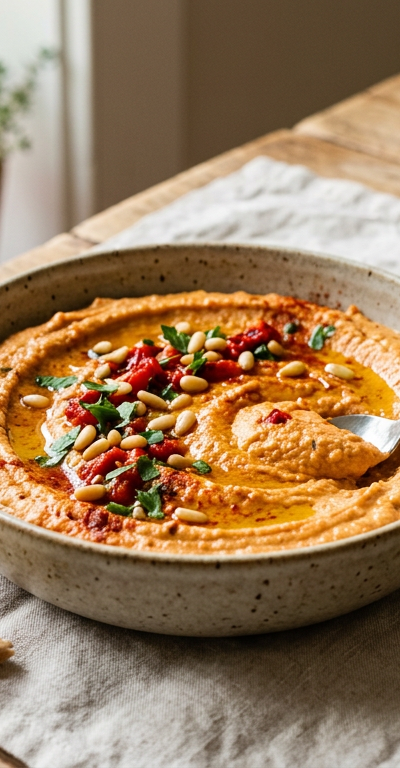
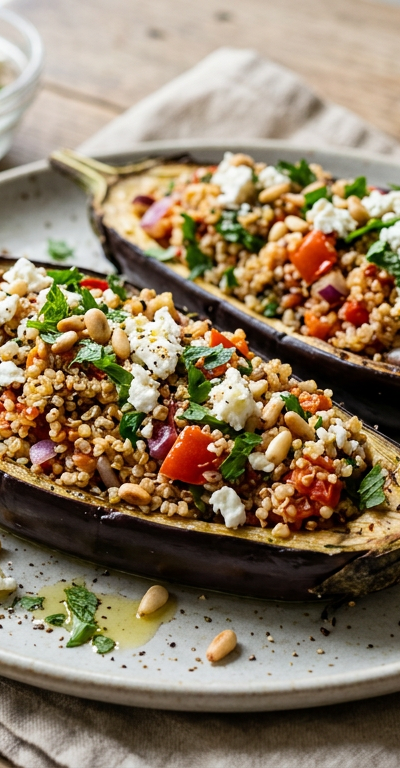
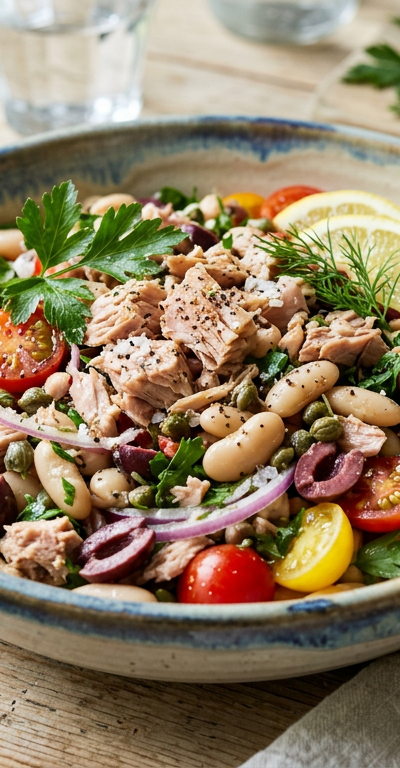
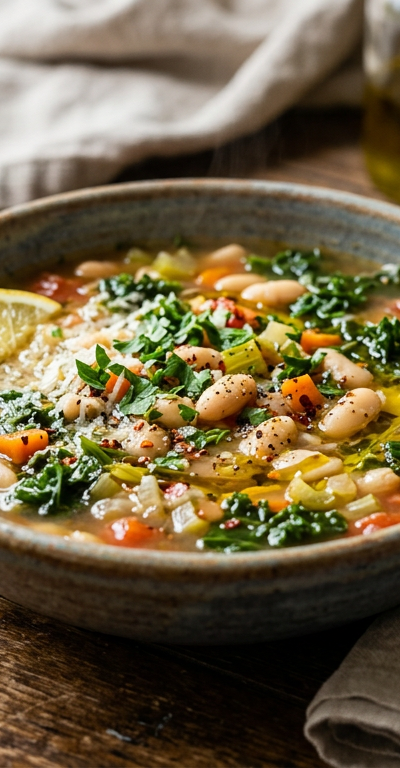
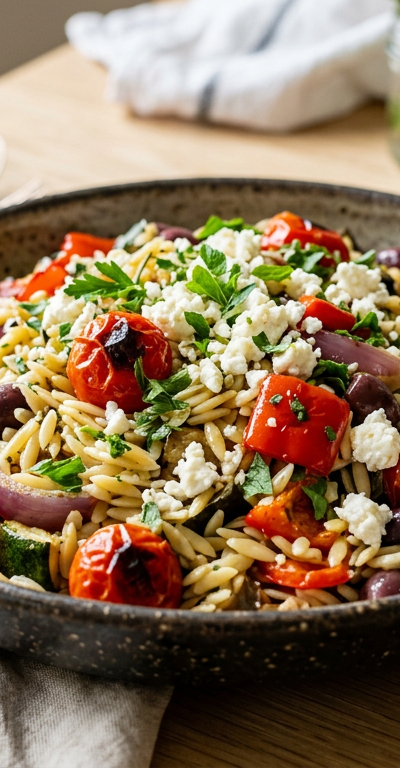
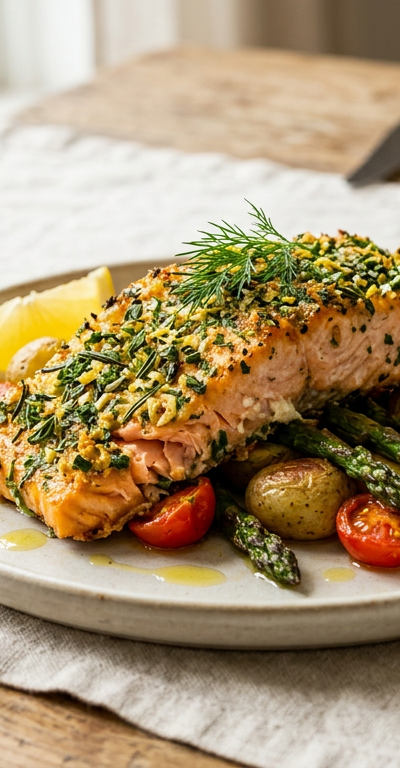
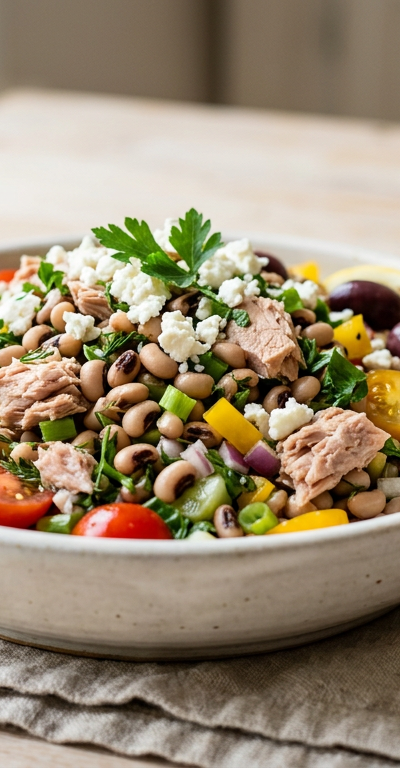
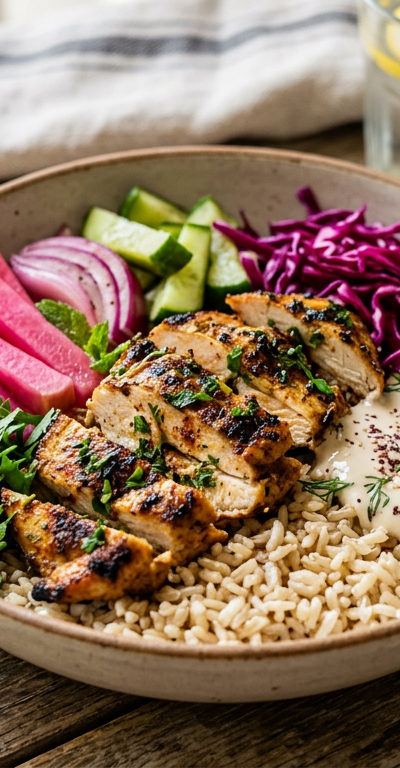
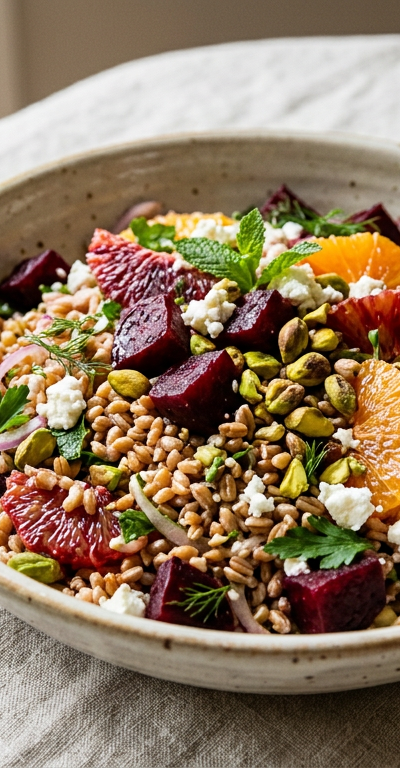
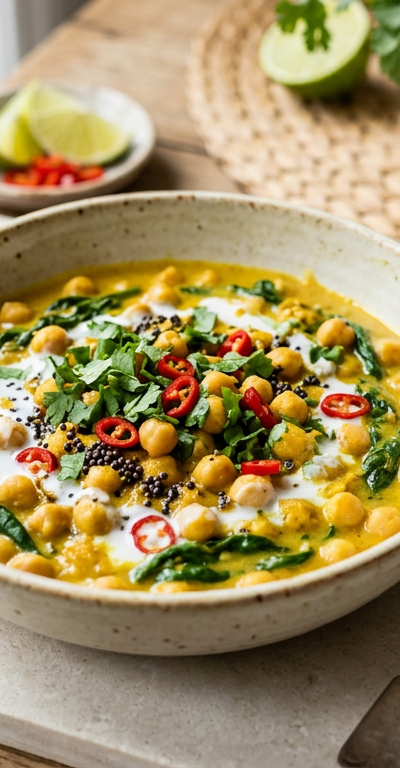
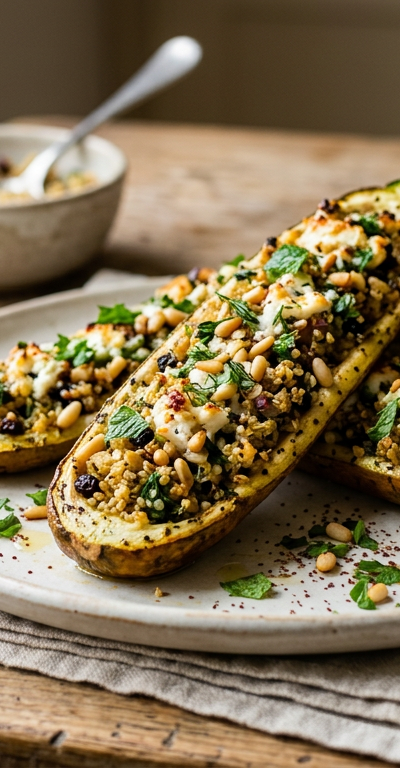
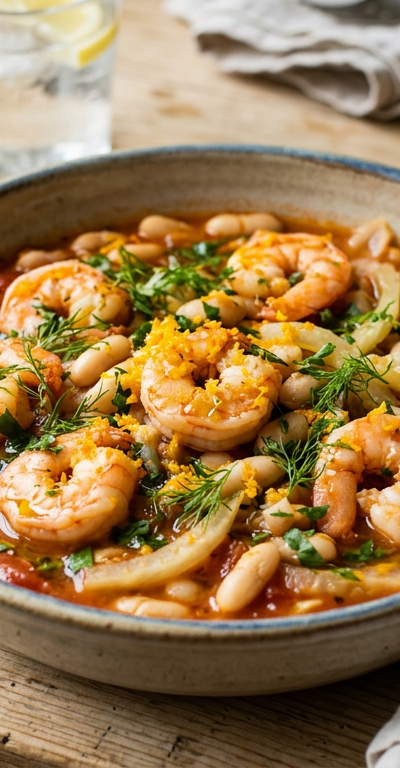
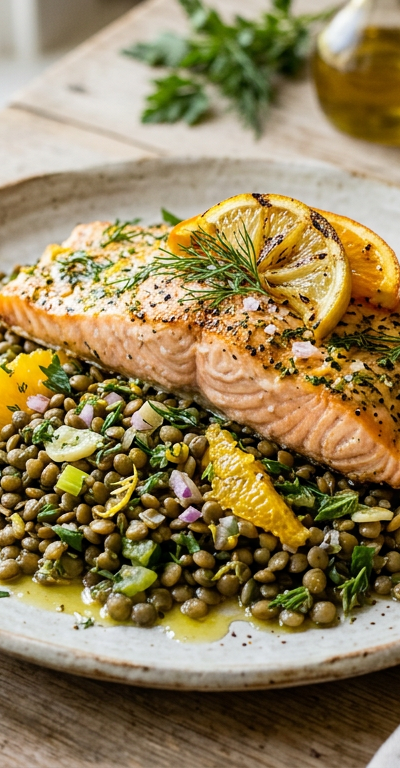
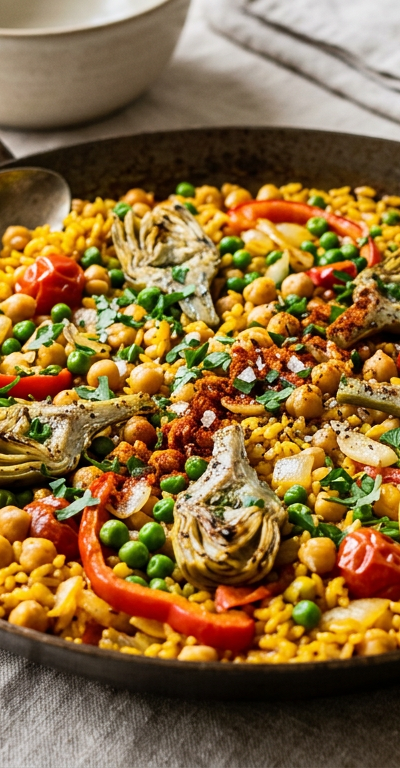
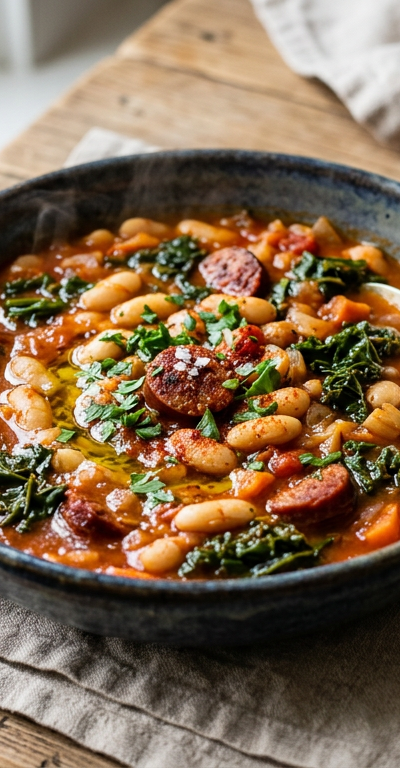
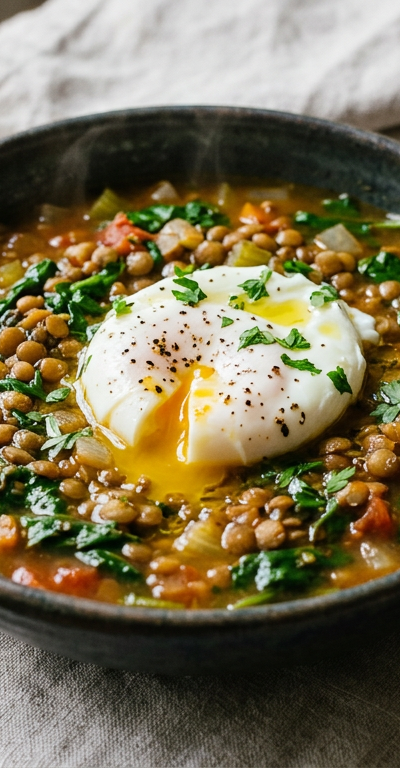
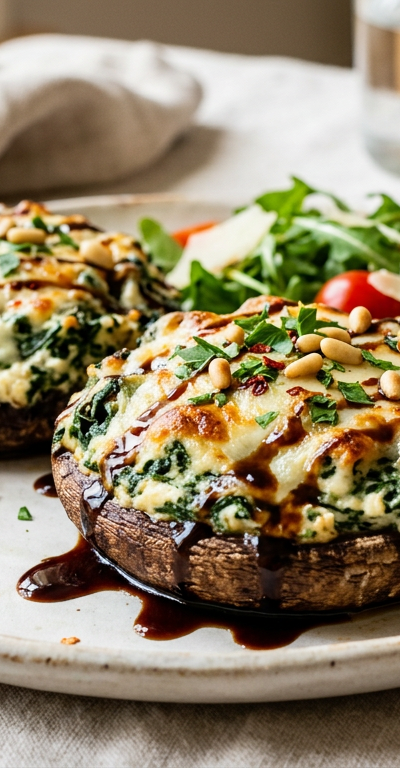
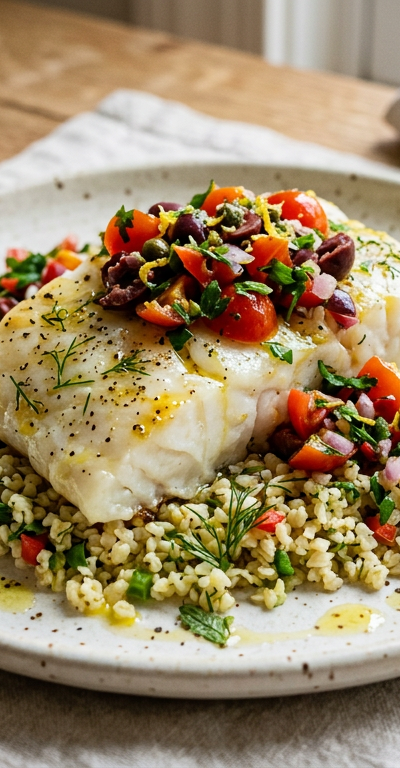
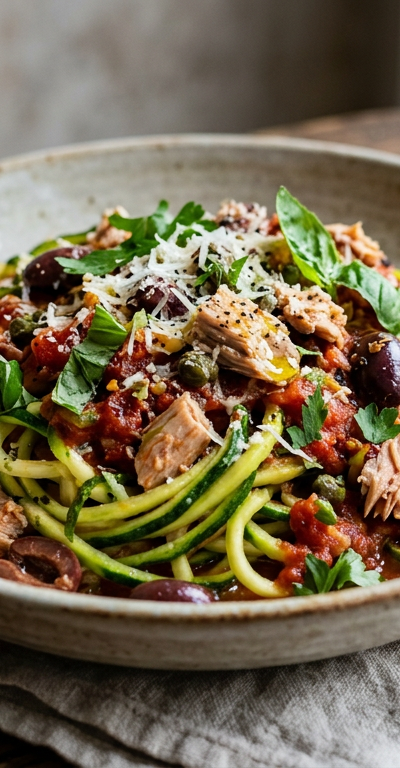
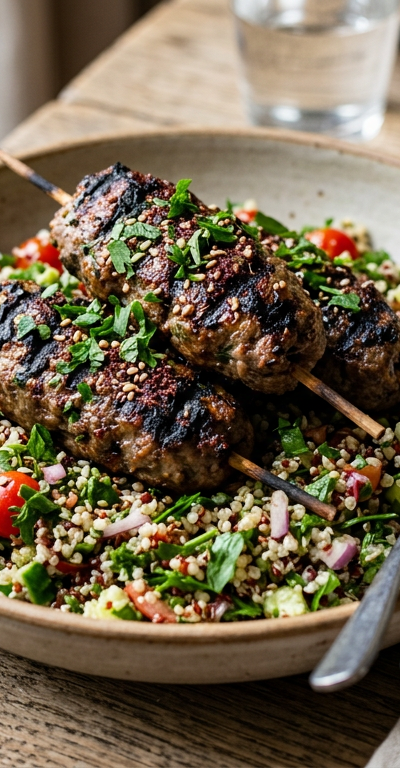
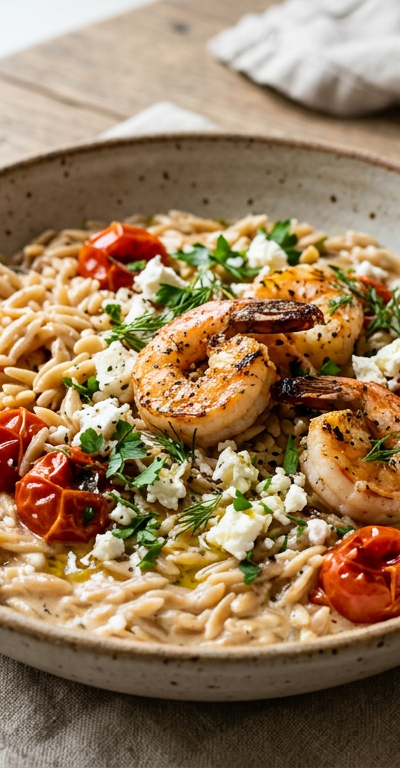
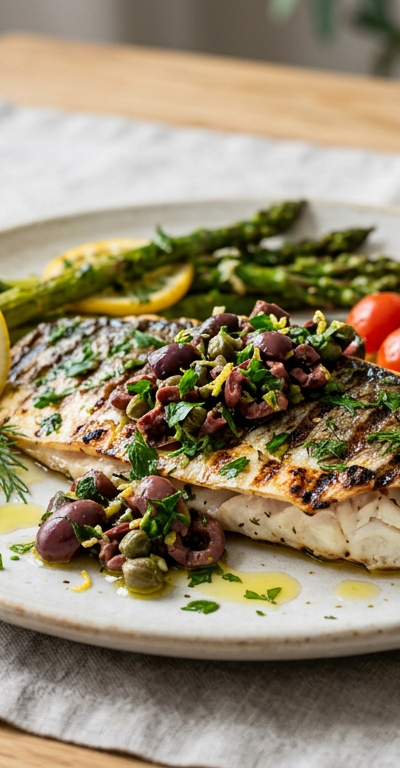
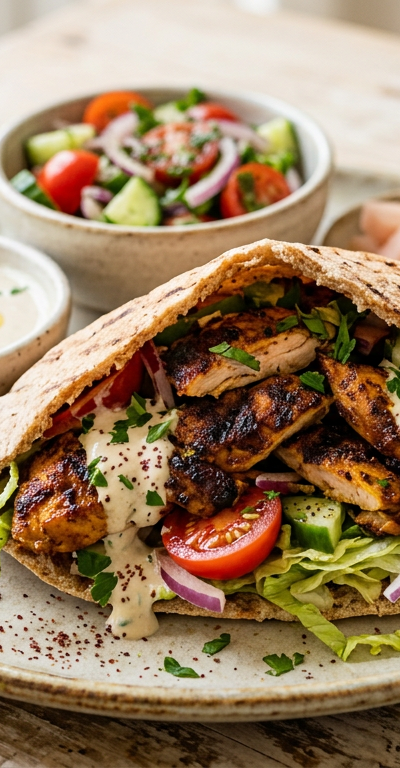
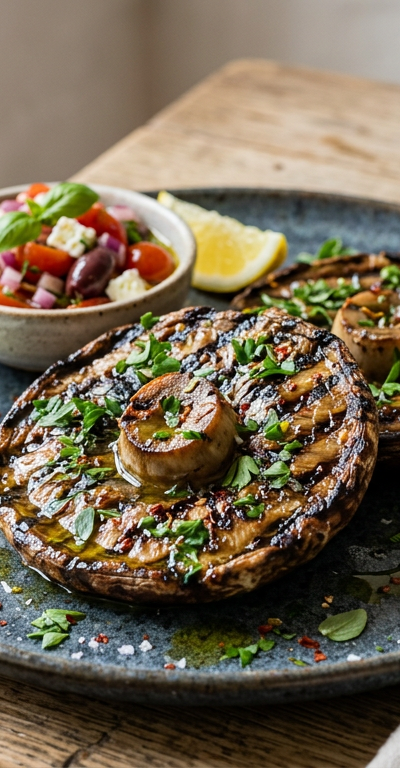
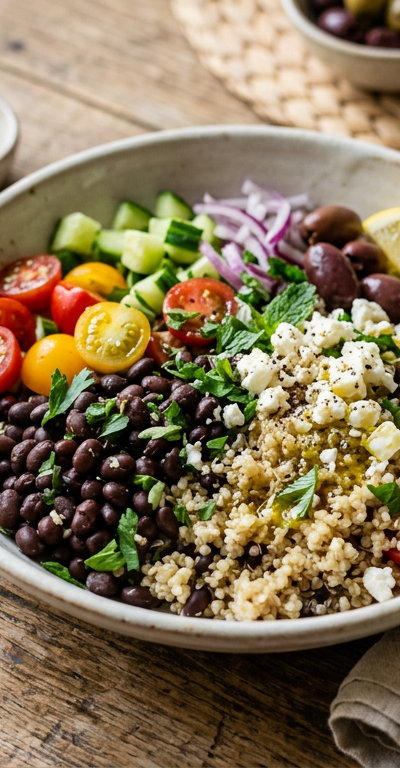
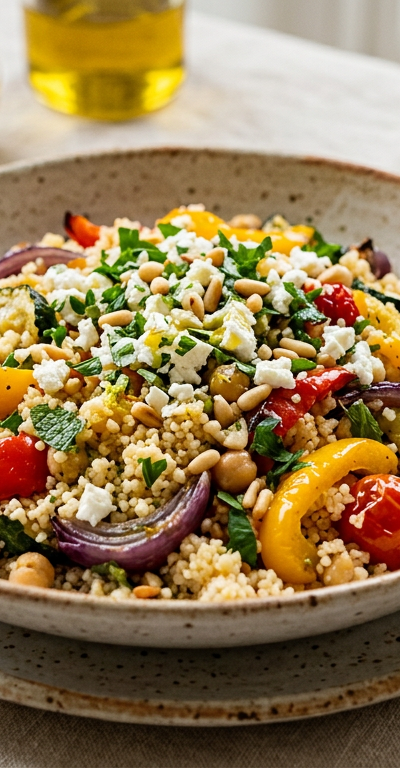
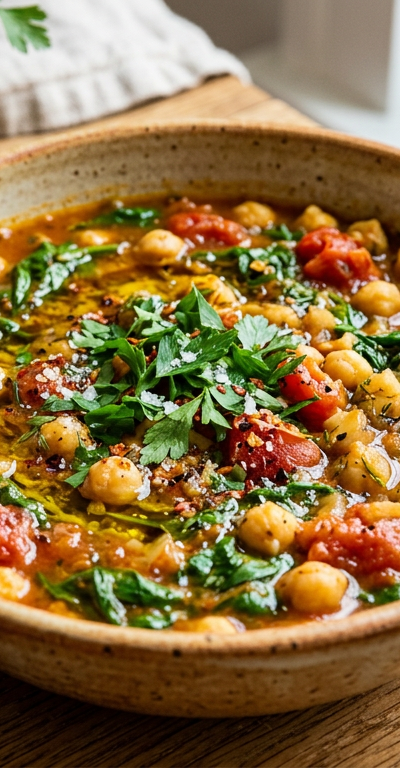
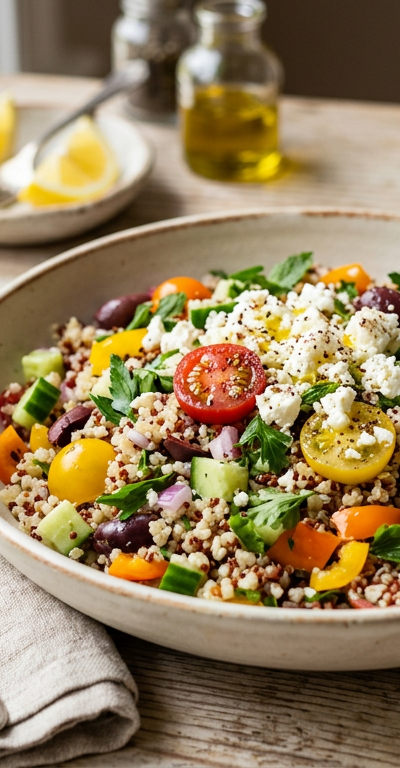
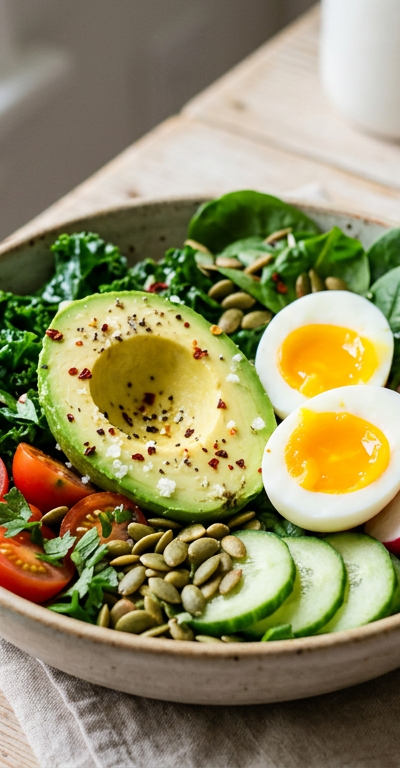
The 80/20 Diet is a flexible, sustainable eating approach based on the principle that 80% of your food choices should come from nutrient-dense, whole foods, while the remaining 20% allows for less nutritious foods or occasional indulgences. This balanced framework emphasizes consistency over perfection, making it a lifestyle approach rather than a restrictive diet. The core philosophy recognizes that strict dietary rules often lead to burnout and failure, while moderate flexibility promotes long-term adherence and a healthy relationship with food. The 80% portion focuses on whole, minimally processed foods including vegetables, fruits, lean proteins (fish, poultry, legumes), whole grains, nuts, seeds, and healthy fats like olive oil and avocados. These foods provide essential vitamins, minerals, fiber, and antioxidants that support overall health. The 20% flexibility allows for treats, processed foods, restaurant meals, or foods that don't fit strict nutritional guidelines—without guilt or the feeling of "falling off the wagon." This isn't about excluding specific food groups but rather about proportion and balance. The 80/20 Diet can benefit various health conditions through its emphasis on nutrient-rich foods. The high proportion of whole foods helps manage inflammation, supports cardiovascular health by reducing saturated fat and increasing fiber intake, aids in blood sugar regulation for diabetes management, and promotes healthy weight maintenance. The anti-inflammatory properties of the whole-food base may help those with inflammatory conditions, while the fiber-rich emphasis supports digestive health. Research supports that diets high in whole foods and low in processed items reduce risks of chronic diseases including heart disease, type 2 diabetes, and certain cancers. This diet is ideal for individuals seeking a realistic, maintainable approach to healthy eating without the psychological stress of restrictive dieting. It's particularly beneficial for those who have struggled with yo-yo dieting, people with busy lifestyles who need flexibility, anyone looking to improve overall health without medical restrictions requiring specific diets, and those wanting to model balanced eating habits for their families. The 80/20 approach works well for weight management, disease prevention, and general wellness, though individuals with specific medical conditions like celiac disease or severe food allergies should ensure their 100% of food choices meet their medical requirements, with the 80/20 principle applying to nutritional quality rather than food safety.

What the evidence says about 80/20 Diet and each condition, and the foods doing the work.
The nutrient-dense approach provides essential brain-supporting nutrients that can help regulate mood and reduce inflammation associated with mental health challenges. The diet's balanced approach supports neurotransmitter production and overall brain health.
How The diet provides high levels of omega-3 fatty acids, antioxidants, and nutrients that support neurotransmitter production and reduce neuroinflammation. The balanced nutritional approach helps regulate hormones and support overall brain chemistry.
Key foods Fatty fish like salmon, nuts and seeds, leafy green vegetables, berries, avocados, whole grains, extra virgin olive oil
The diet's focus on whole foods and minimal processed ingredients supports digestive health by providing diverse nutrients and reducing inflammatory triggers. The approach promotes a balanced microbiome and reduces digestive stress.
How The high proportion of whole foods provides abundant fiber and prebiotics that support beneficial gut bacteria. Minimizing processed foods reduces inflammatory triggers and supports the intestinal lining's integrity, potentially improving overall digestive function.
Key foods Fermented vegetables, leafy greens, bone broth, lean proteins, nuts and seeds, whole grains, extra virgin olive oil
The 80/20 diet supports weight management by prioritizing nutrient-dense, low-calorie foods while allowing flexibility that promotes long-term adherence. The approach naturally reduces calorie intake while providing satisfying, nutritionally complete meals.
How By emphasizing whole foods with high nutrient density and low calorie concentration, the diet naturally creates a calorie deficit while providing essential nutrients. The flexible 80/20 approach prevents feelings of deprivation, supporting long-term dietary compliance and sustainable weight management.
Key foods Lean proteins, leafy green vegetables, berries, nuts and seeds, whole grains, avocados, extra virgin olive oil
This diet supports heart health by prioritizing nutrient-dense foods that improve cholesterol profiles, reduce blood pressure, and minimize inflammatory markers associated with cardiovascular risk. The approach naturally limits processed foods and emphasizes heart-protective nutrients.
How The diet reduces saturated fat and processed food intake while increasing foods rich in omega-3 fatty acids, fiber, and antioxidants. These nutritional components help improve endothelial function, reduce LDL cholesterol, and decrease systemic inflammation that contributes to cardiovascular disease.
Key foods Fatty fish like salmon, olive oil, nuts and seeds, leafy green vegetables, berries, whole grains, lean proteins
The 80/20 diet emphasizes nutrient-dense whole foods that are naturally anti-inflammatory, reducing systemic inflammation through carefully selected ingredients. By prioritizing whole foods and minimizing processed ingredients, the diet helps regulate inflammatory markers and supports the body's natural healing processes.
How The high proportion of anti-inflammatory foods provides abundant antioxidants and omega-3 fatty acids that directly suppress pro-inflammatory cytokines. The diet's emphasis on whole foods reduces oxidative stress and supports the body's natural anti-inflammatory response mechanisms.
Key foods Leafy green vegetables, fatty fish like salmon, turmeric, extra virgin olive oil, berries, nuts and seeds, avocados
By focusing on whole foods with low glycemic impact and high nutrient density, the 80/20 diet helps regulate blood sugar and improve insulin sensitivity. The approach naturally reduces refined carbohydrates and emphasizes foods that support metabolic health.
How The diet's emphasis on fiber-rich, nutrient-dense foods helps slow glucose absorption and reduce insulin spikes. The balanced macronutrient approach and minimal processed food intake improve cellular insulin receptor sensitivity and support more stable blood sugar regulation.
Key foods Leafy green vegetables, nuts and seeds, lean proteins, avocados, berries, whole grains, extra virgin olive oil
General information about how people eat, not medical advice. Talk to a clinician before changing your diet to treat a condition.
Open a recipe in Platewise and a voice sous chef reads the steps, runs the timers, and swaps what you don't have.