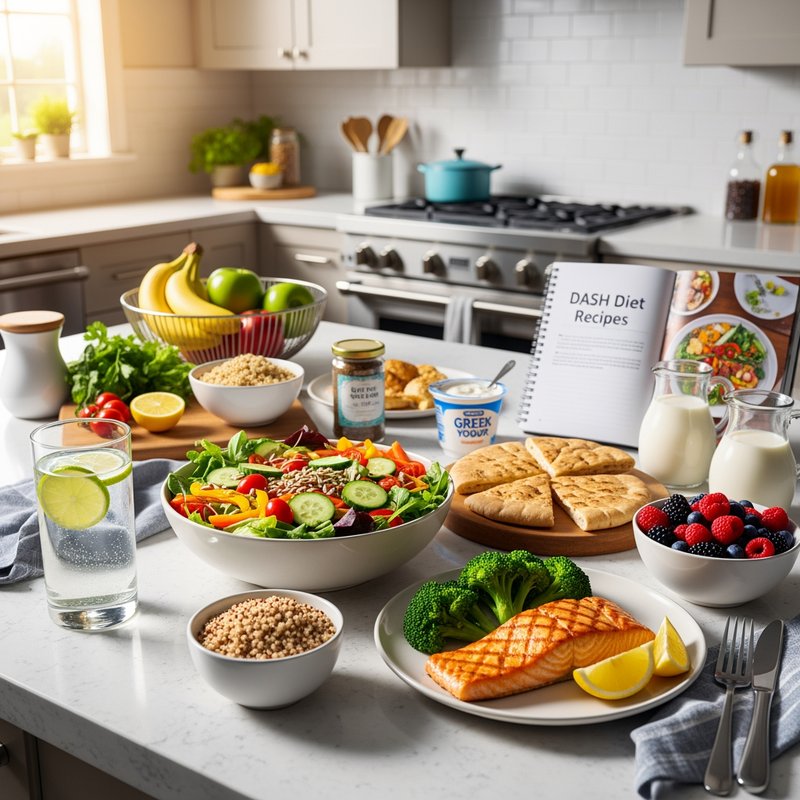
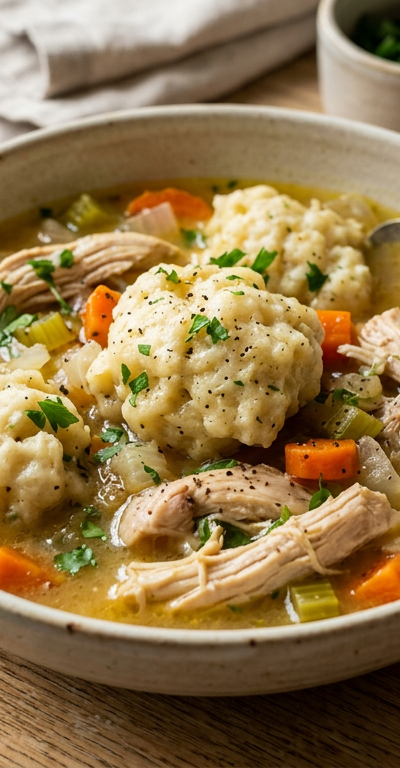
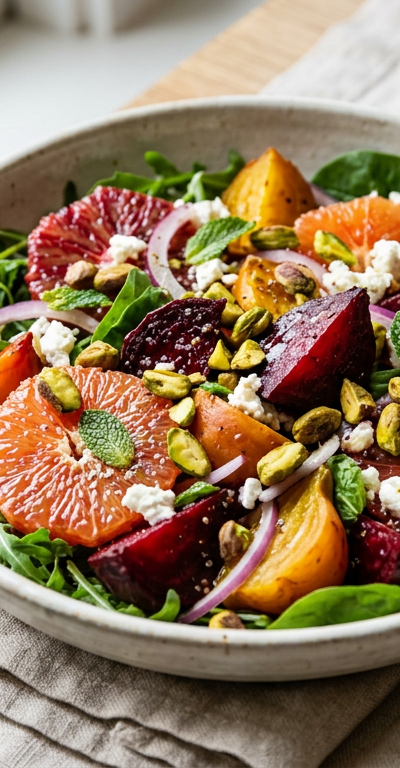
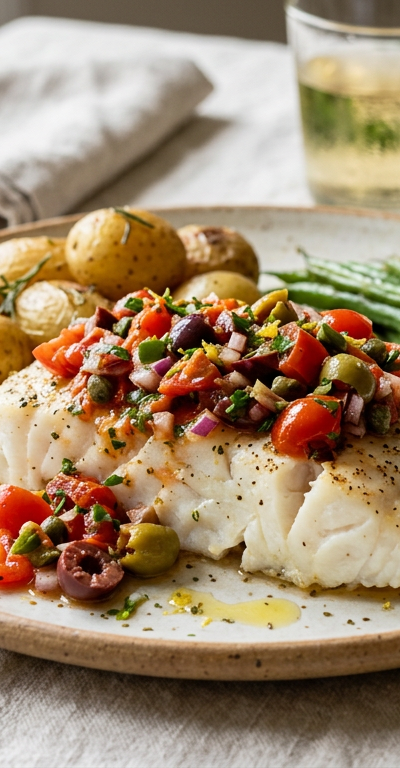
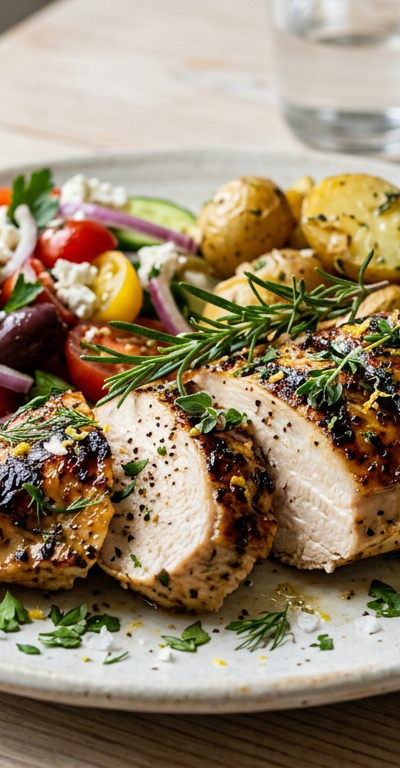
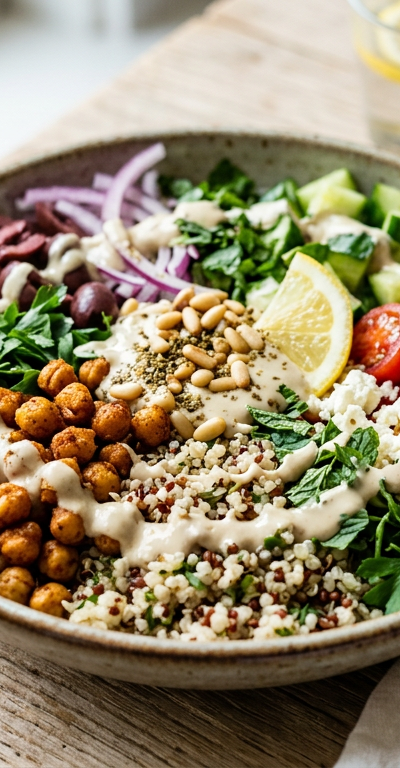
The DASH diet provides significant anti-inflammatory benefits through its abundance of antioxidant-rich fruits and vegetables, omega-3 fatty acids from fish, and minimal processed foods. Studies show reductions in inflammatory markers like C-reactive protein (CRP), interleukin-6 (IL-6), and tumor necrosis factor-alpha (TNF-α) in individuals following the DASH pattern. The diet's emphasis on whole foods and avoidance of pro-inflammatory ingredients creates a favorable inflammatory profile.
How Polyphenols and flavonoids from colorful fruits and vegetables act as potent antioxidants that neutralize free radicals and reduce oxidative stress, a key driver of inflammation. Omega-3 fatty acids (EPA and DHA) from fish are converted into specialized pro-resolving mediators that actively resolve inflammatory processes. The low saturated fat and absence of trans fats prevent activation of inflammatory pathways like NF-κB.
Key foods Fatty fish like wild salmon and sardines, berries especially strawberries and blackberries, leafy greens like kale and Swiss chard, turmeric and ginger, walnuts and flaxseeds, extra virgin olive oil, tomatoes, green tea
The DASH diet can benefit early-stage chronic kidney disease by reducing blood pressure and slowing disease progression, though modifications may be needed for advanced stages. The diet's emphasis on blood pressure control is crucial since hypertension is both a cause and consequence of kidney disease. However, potassium and phosphorus intake may need monitoring in later stages of CKD, requiring individualized modifications to the standard DASH approach.
How By significantly lowering blood pressure, the DASH diet reduces glomerular hyperfiltration and proteinuria, which are key drivers of kidney damage progression. The anti-inflammatory properties of the diet's antioxidant-rich foods help reduce oxidative stress on kidney tissues. The moderate protein intake (compared to typical Western diets) reduces the metabolic burden on nephrons while still meeting nutritional needs.
Key foods Skinless chicken and turkey breast, egg whites, cauliflower and cabbage, apples and berries, white rice and pasta (lower phosphorus grains), olive oil, fresh herbs like parsley and basil, low-sodium vegetable broth
The DASH diet shows promising effects in preserving cognitive function and reducing the risk of dementia and Alzheimer's disease. Research indicates that adherence to the DASH pattern is associated with slower cognitive decline, better executive function, and improved memory performance in older adults. The diet's benefits for brain health stem from its positive effects on vascular health, inflammation reduction, and provision of neuroprotective nutrients.
How The DASH diet supports brain health by improving cerebral blood flow through blood pressure reduction and enhanced endothelial function, ensuring adequate oxygen and nutrient delivery to brain tissue. Omega-3 fatty acids, particularly DHA, are structural components of neuronal membranes and support synaptic plasticity. Antioxidants from berries and vegetables reduce oxidative damage and neuroinflammation, while B vitamins from whole grains support homocysteine metabolism, which is linked to cognitive health.
Key foods Fatty fish like salmon and mackerel, blueberries and strawberries, leafy greens like spinach and kale, walnuts and almonds, whole grain oats and quinoa, extra virgin olive oil, beets, dark chocolate (85% cacao, minimal sugar)
The DASH diet can help manage gout by reducing uric acid levels and decreasing the frequency of gout attacks. The diet's emphasis on low-fat dairy products has been specifically shown to have urate-lowering effects, while the limited intake of red meat and emphasis on plant-based proteins reduces purine intake. The diet's anti-inflammatory properties also help reduce the severity of acute gout flares.
How Low-fat dairy products contain orotic acid and casein proteins that promote uric acid excretion through the kidneys, lowering serum urate levels. The high vitamin C content from fruits and vegetables enhances renal uric acid clearance. The diet's emphasis on complex carbohydrates over simple sugars reduces fructose intake, which is known to increase uric acid production through purine metabolism.
Key foods Low-fat milk and yogurt, cherries and strawberries, whole grain bread and brown rice, vegetables like celery and bell peppers, plant-based proteins like lentils and tofu, coffee (in moderation), water and herbal teas, eggs
The DASH diet is beneficial for heart failure management primarily through its sodium restriction, which reduces fluid retention and decreases the workload on the heart. The diet's emphasis on potassium-rich foods helps counteract sodium's effects and supports proper cardiac muscle function. The overall heart-healthy pattern may help prevent progression of underlying cardiovascular disease that contributes to heart failure.
How Sodium restriction (1,500-2,000mg daily) reduces extracellular fluid volume and decreases preload on the heart, reducing symptoms of congestion and edema. The high potassium intake supports proper cardiac muscle contractility and electrical conduction. The diet's anti-inflammatory and antioxidant properties may help reduce myocardial fibrosis and preserve cardiac function over time.
Key foods Low-sodium canned fish like salmon and tuna, fresh vegetables like asparagus and green beans, bananas and melons, unsalted nuts and seeds, whole grain pasta and rice, skinless poultry, low-fat yogurt, fresh herbs for flavoring
The DASH diet supports healthy aging and longevity by addressing multiple age-related chronic diseases simultaneously and reducing overall mortality risk. Large epidemiological studies show that adherence to the DASH pattern is associated with reduced all-cause mortality and increased healthspan. The diet's nutrient density, anti-inflammatory properties, and disease-prevention effects contribute to cellular health and slower biological aging.
How The DASH diet's high antioxidant content from fruits and vegetables reduces oxidative damage to DNA, proteins, and lipids, slowing cellular aging processes. The anti-inflammatory properties help prevent chronic low-grade inflammation (inflammaging) that accelerates aging. The diet supports telomere length maintenance through nutrient adequacy and reduced oxidative stress, while its cardiovascular and metabolic benefits prevent the major causes of premature mortality.
Key foods Colorful vegetables like bell peppers and tomatoes, berries and pomegranates, fatty fish like wild salmon, nuts especially walnuts and almonds, whole grains like steel-cut oats, legumes like black beans, extra virgin olive oil, green tea
The DASH diet can improve non-alcoholic fatty liver disease (NAFLD) by promoting weight loss, improving insulin sensitivity, and reducing hepatic fat accumulation. The diet's low content of added sugars and refined carbohydrates is particularly beneficial, as these are major contributors to liver fat deposition. Studies show improvements in liver enzymes, hepatic steatosis, and inflammation markers in NAFLD patients following DASH-style eating patterns.
How The DASH diet reduces hepatic de novo lipogenesis (new fat production in the liver) by limiting simple sugars and refined carbohydrates that trigger insulin spikes. The high fiber content improves gut microbiome composition, reducing endotoxin production that contributes to liver inflammation. Omega-3 fatty acids from fish reduce hepatic triglyceride synthesis and have anti-inflammatory effects on liver tissue, while antioxidants reduce oxidative stress that drives NAFLD progression.
Key foods Fatty fish like salmon and sardines, leafy greens like spinach and arugula, whole grains like oats and quinoa, walnuts and almonds, berries and citrus fruits, legumes like chickpeas and lentils, green tea, olive oil
The DASH diet supports healthy weight loss and weight management through its emphasis on nutrient-dense, high-fiber foods that promote satiety while being naturally lower in calorie density. The focus on whole foods rather than processed items reduces empty calorie intake and improves metabolic health. When combined with appropriate calorie control, the DASH diet has shown consistent results in promoting sustainable weight loss and preventing weight regain.
How High fiber content (from vegetables, fruits, whole grains, and legumes) increases satiety hormones like GLP-1 and PYY while slowing gastric emptying, leading to reduced calorie intake. The emphasis on whole foods with high water and fiber content provides greater volume with fewer calories, promoting fullness. The balanced macronutrient profile helps maintain lean muscle mass during weight loss and supports metabolic rate.
Key foods Non-starchy vegetables like peppers and zucchini, fresh fruits like apples and berries, lean proteins like skinless turkey and cod, legumes like lentils and split peas, whole grain quinoa and bulgur, low-fat Greek yogurt, air-popped popcorn, vegetable-based soups
The DASH diet supports bone health through its emphasis on calcium-rich low-fat dairy products and its high content of other bone-supporting nutrients including magnesium, potassium, and vitamin K. The diet's alkaline-promoting nature from abundant fruits and vegetables may help reduce calcium loss from bones. Studies suggest that the DASH pattern is associated with higher bone mineral density and reduced fracture risk.
How The DASH diet provides 1,200-1,500mg of calcium daily from dairy and plant sources, which is essential for bone mineralization and maintenance. The high potassium and magnesium content helps buffer dietary acid load, reducing calcium excretion through urine and preserving bone calcium stores. Vitamin K from leafy greens activates osteocalcin, a protein essential for binding calcium to the bone matrix.
Key foods Low-fat milk and yogurt, leafy greens like collard greens and bok choy, canned salmon with bones and sardines, almonds and sesame seeds, fortified whole grain cereals, dried figs, white beans, broccoli
The DASH diet may benefit women with PCOS by improving insulin sensitivity, supporting weight management, and reducing inflammation, all of which are key factors in PCOS pathophysiology. The diet's emphasis on low-glycemic whole grains and fiber helps stabilize blood sugar levels, which is crucial for managing the insulin resistance common in PCOS. The anti-inflammatory properties may also help reduce androgen levels and improve hormonal balance.
How The high fiber content and low glycemic load of the DASH diet improve insulin sensitivity by slowing glucose absorption and reducing insulin spikes, which helps lower androgen production in the ovaries. The diet's anti-inflammatory omega-3 fatty acids and antioxidants may reduce chronic inflammation that exacerbates PCOS symptoms. Weight loss achieved through the nutrient-dense, portion-controlled approach can restore ovulatory function and improve hormonal balance.
Key foods Steel-cut oats and barley, legumes like lentils and chickpeas, leafy greens like spinach and kale, berries and cherries, fatty fish like salmon, walnuts and flaxseeds, cinnamon, low-fat Greek yogurt
The DASH diet provides comprehensive cardiovascular protection by addressing multiple risk factors simultaneously including blood pressure, cholesterol levels, inflammation, and oxidative stress. The emphasis on whole grains, fruits, vegetables, and lean proteins while limiting saturated fats and processed foods creates an optimal nutritional profile for heart health. Long-term adherence has been associated with significantly reduced risk of coronary heart disease, stroke, and heart failure.
How The diet reduces cardiovascular disease through multiple mechanisms: fiber from whole grains and vegetables binds cholesterol and reduces absorption; omega-3 fatty acids from fish reduce triglycerides and inflammation; antioxidants from fruits and vegetables prevent LDL oxidation; and the mineral profile (potassium, magnesium, calcium) improves endothelial function and reduces arterial stiffness. The low saturated fat content prevents atherosclerotic plaque formation.
Key foods Fatty fish like salmon and sardines, steel-cut oats and quinoa, blueberries and strawberries, walnuts and almonds, spinach and Swiss chard, avocados, black beans and chickpeas, olive oil
The DASH diet effectively lowers total cholesterol and LDL (bad) cholesterol while maintaining or improving HDL (good) cholesterol levels. The high fiber content from whole grains, fruits, and vegetables combined with minimal saturated fat intake creates an optimal lipid profile. Research shows LDL cholesterol reductions of 10-15% are achievable within weeks of starting the diet.
How Soluble fiber from oats, beans, and fruits binds to bile acids in the intestine, forcing the liver to use circulating cholesterol to produce more bile, thereby lowering blood cholesterol. Plant sterols and stanols naturally present in nuts, seeds, and whole grains compete with cholesterol for absorption in the intestines. The replacement of saturated fats with unsaturated fats improves the LDL/HDL ratio and reduces hepatic cholesterol production.
Key foods Oat bran and steel-cut oats, barley and brown rice, apples and pears, kidney beans and black beans, almonds and pistachios, Brussels sprouts and broccoli, ground flaxseed, skinless chicken breast
The DASH diet was specifically designed to lower blood pressure and has been proven through extensive research to reduce both systolic and diastolic blood pressure significantly. By emphasizing potassium, calcium, and magnesium-rich foods while limiting sodium, it helps regulate blood pressure through multiple pathways. Studies show blood pressure reductions comparable to some medications, with effects visible within just 2 weeks of adherence.
How The high potassium content (4,700mg daily target) helps counteract sodium's blood pressure-raising effects by promoting sodium excretion through the kidneys and relaxing blood vessel walls. The combination of calcium, magnesium, and fiber works synergistically to improve vascular function and reduce peripheral resistance, while the low sodium intake (1,500-2,300mg) directly reduces blood volume and pressure on arterial walls.
Key foods Leafy greens like spinach and kale, bananas and oranges, low-fat yogurt and milk, sweet potatoes, white beans and lentils, salmon and mackerel, almonds and walnuts, whole grain oats
The DASH diet addresses all five components of metabolic syndrome simultaneously: abdominal obesity, high blood pressure, elevated blood sugar, high triglycerides, and low HDL cholesterol. Its comprehensive approach targeting multiple metabolic pathways makes it particularly effective for this cluster of conditions. Clinical trials show significant improvements in waist circumference, insulin resistance, and inflammatory markers in metabolic syndrome patients following the DASH pattern.
How The DASH diet's low sodium and high potassium content reduces blood pressure and fluid retention, while the high fiber and low glycemic load improve insulin sensitivity and glucose metabolism. The emphasis on unsaturated fats over saturated fats improves lipid profiles by raising HDL and lowering triglycerides. The nutrient-dense, calorie-appropriate approach promotes weight loss and reduces visceral adiposity, which is central to metabolic syndrome pathophysiology.
Key foods Fatty fish like mackerel and trout, whole grain brown rice and farro, leafy greens like kale and collards, berries and citrus fruits, white beans and navy beans, unsalted nuts and seeds, low-fat cottage cheese, extra virgin olive oil
The DASH diet significantly reduces stroke risk through its powerful blood pressure-lowering effects and improvement of overall vascular health. Large prospective studies show that adherence to the DASH pattern is associated with 20-30% reduction in stroke risk. The diet's effects on reducing hypertension, improving endothelial function, and preventing atherosclerosis all contribute to stroke prevention.
How The DASH diet reduces stroke risk primarily through blood pressure reduction, as hypertension is the leading modifiable risk factor for stroke. The high potassium intake promotes vasodilation and reduces arterial stiffness, while antioxidants from fruits and vegetables prevent oxidative damage to blood vessels. The anti-inflammatory and anti-thrombotic properties of omega-3 fatty acids from fish reduce clot formation risk.
Key foods Leafy greens like spinach and arugula, fatty fish like salmon and herring, berries especially blueberries, whole grain oats and barley, citrus fruits like oranges and grapefruit, walnuts and almonds, tomatoes, low-fat dairy products
The DASH diet helps manage and prevent Type 2 diabetes through its emphasis on complex carbohydrates with low glycemic index, high fiber content, and balanced macronutrient distribution. The diet improves insulin sensitivity and helps maintain stable blood glucose levels throughout the day. Studies demonstrate significant reductions in fasting glucose, HbA1c levels, and reduced diabetes risk in those following the DASH pattern long-term.
How The high fiber content (25-30g daily) slows carbohydrate digestion and glucose absorption, preventing blood sugar spikes and reducing insulin demand. Whole grains have a lower glycemic index compared to refined grains, leading to more gradual glucose release. The mineral content, particularly magnesium and chromium from whole grains and vegetables, plays crucial roles in insulin signaling and glucose metabolism, improving cellular insulin sensitivity.
Key foods Steel-cut oats and barley, quinoa and bulgur wheat, lentils and chickpeas, non-starchy vegetables like broccoli and cauliflower, berries and cherries, Greek yogurt (low-fat), cinnamon and turmeric, wild-caught salmon
General information about how people eat, not medical advice. Talk to a clinician
before changing your diet to treat a condition.