High-Protein Diet
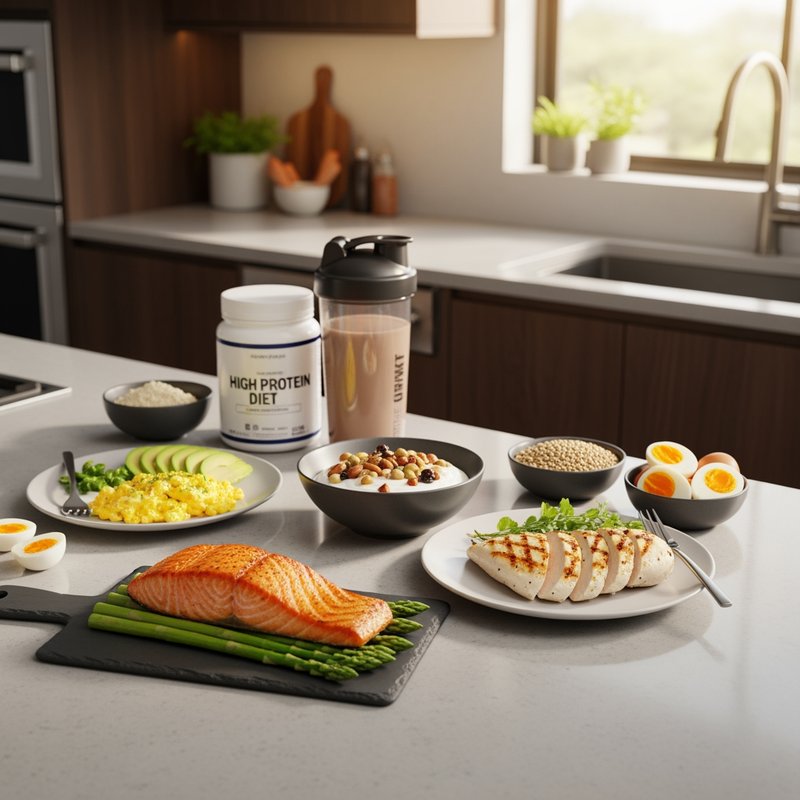
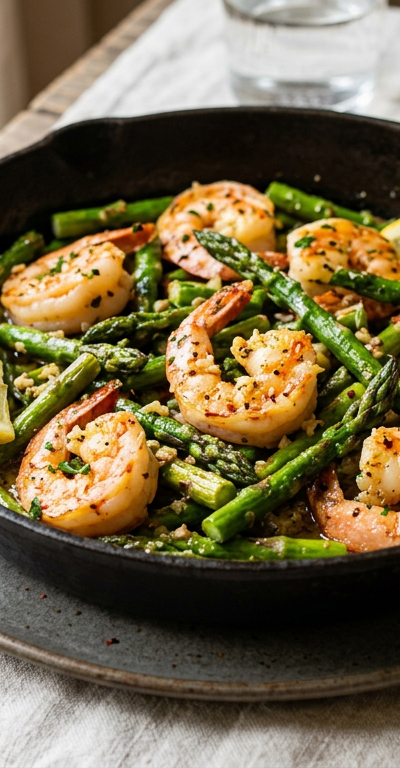
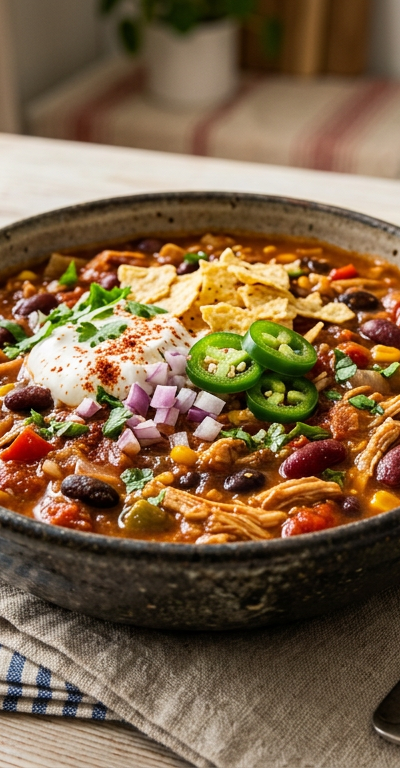
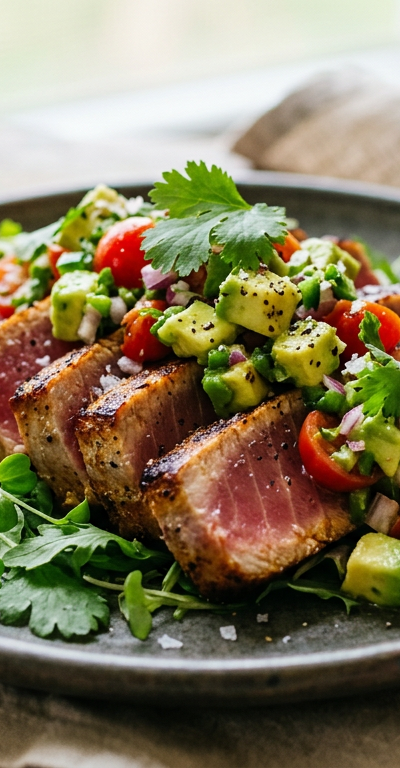
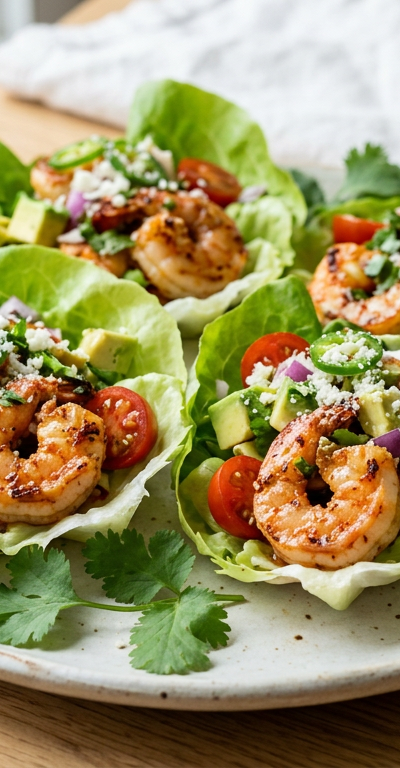
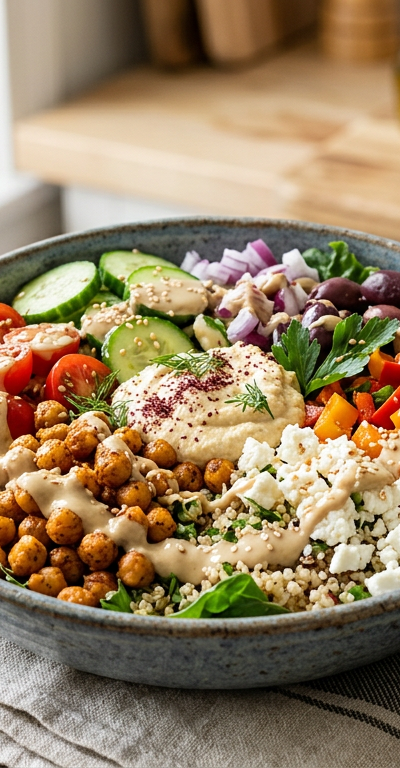
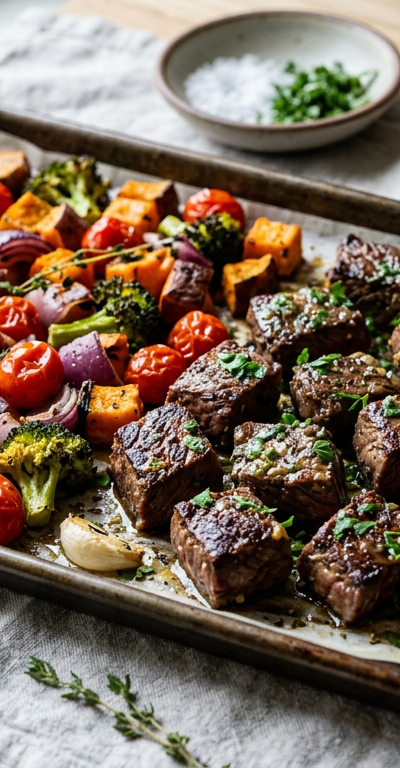
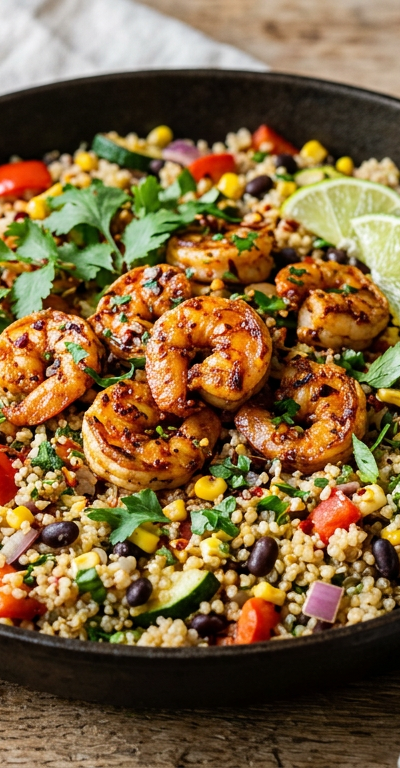
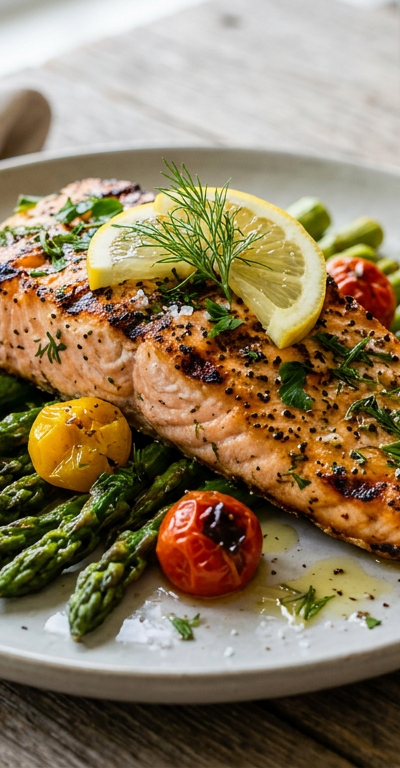
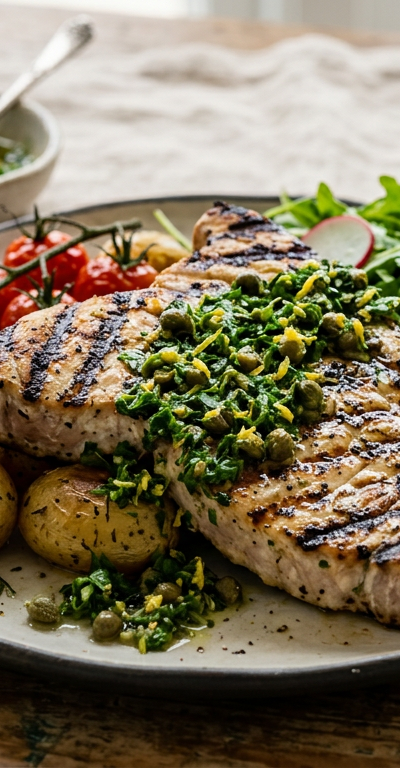
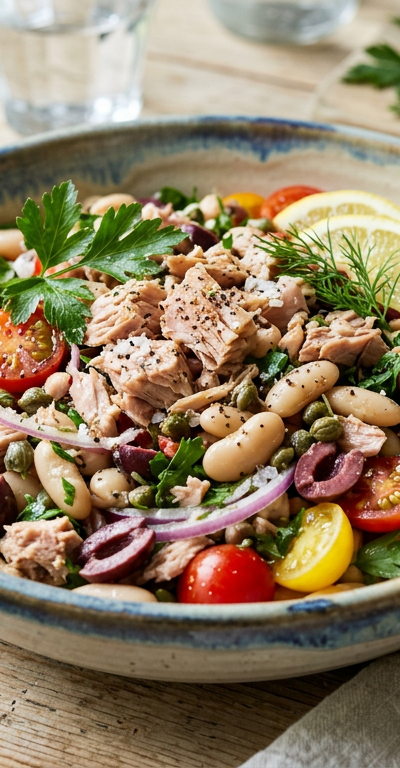
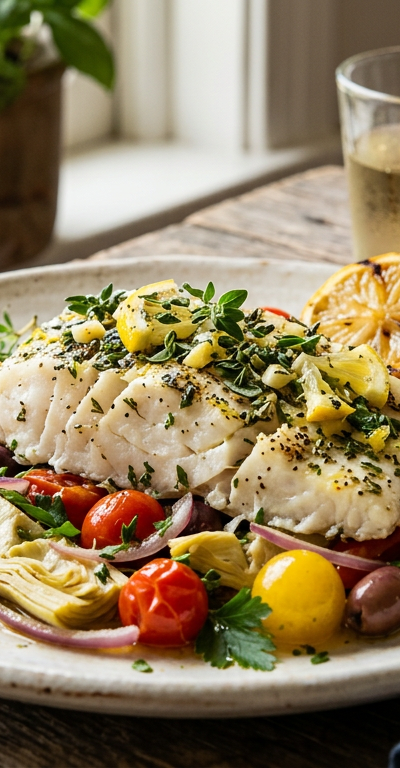
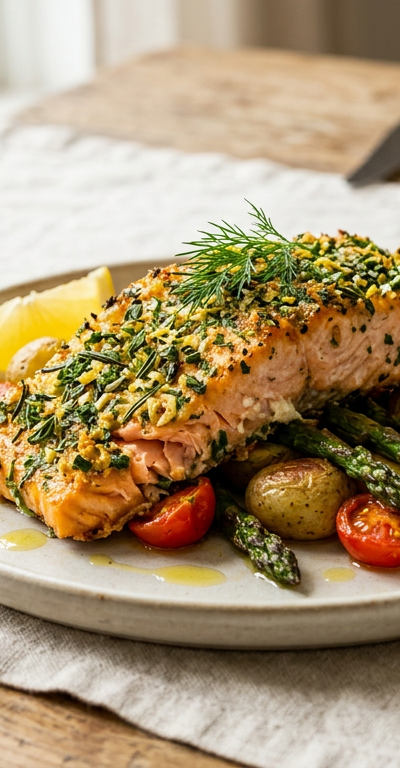
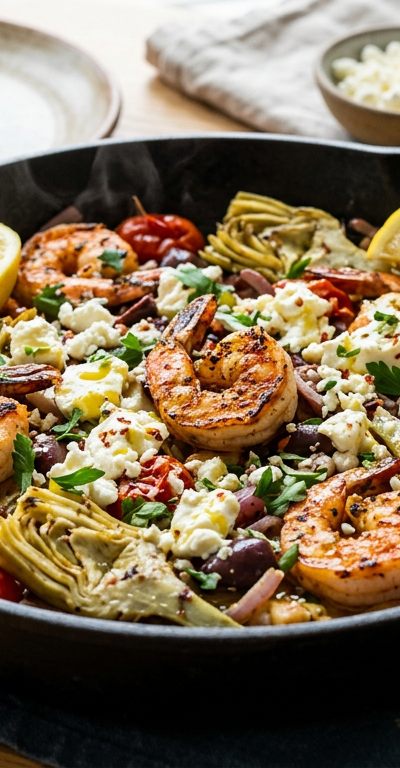
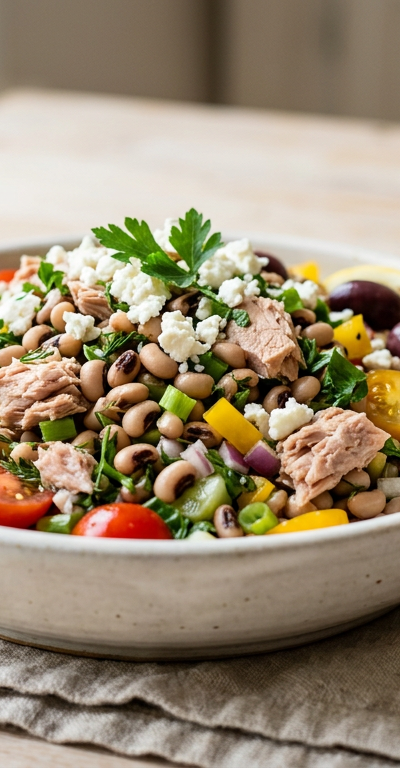
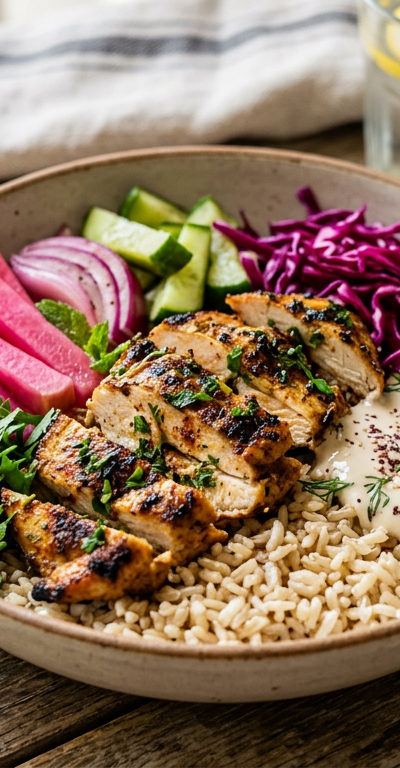
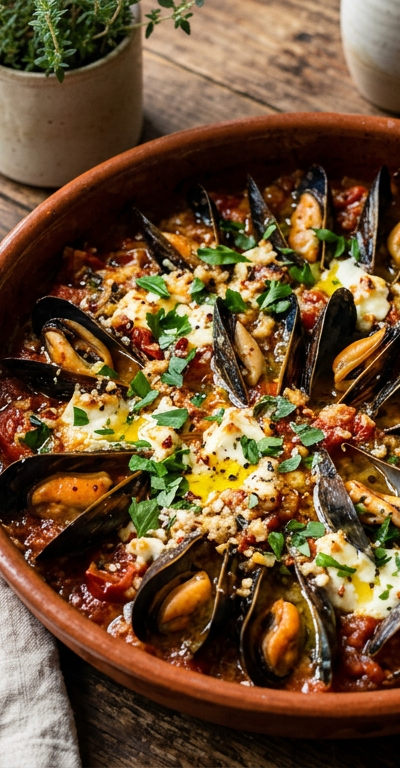
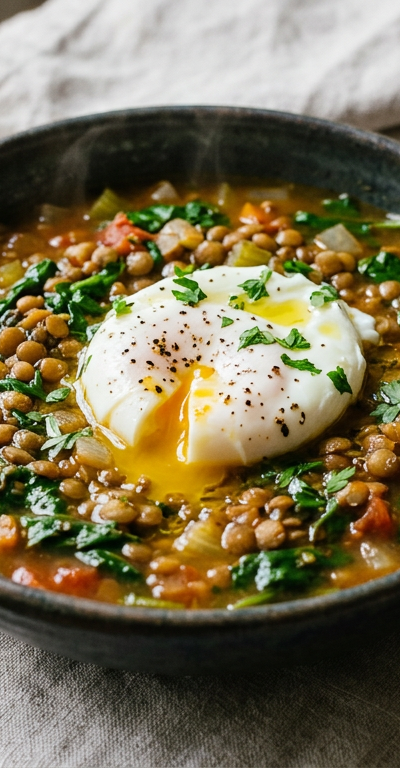
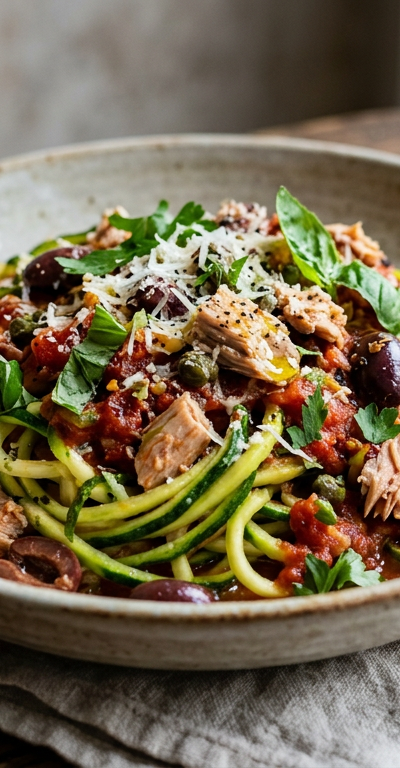
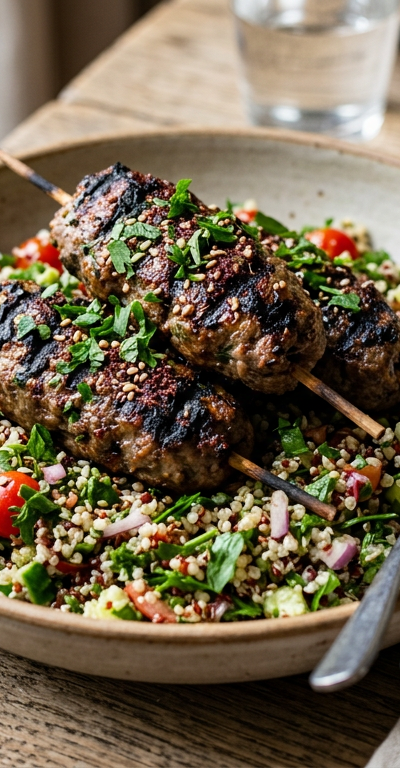
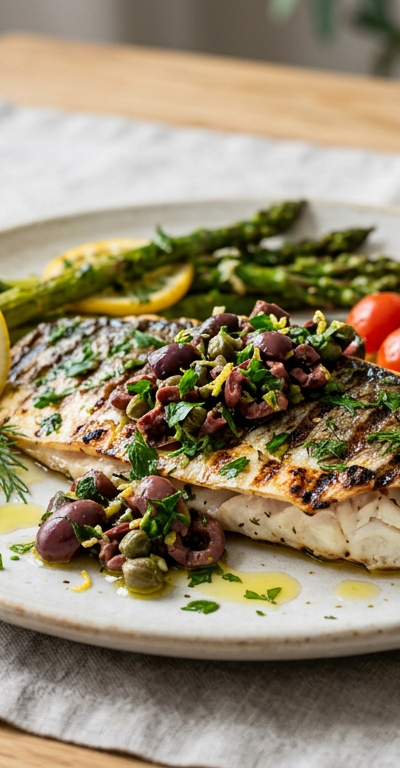
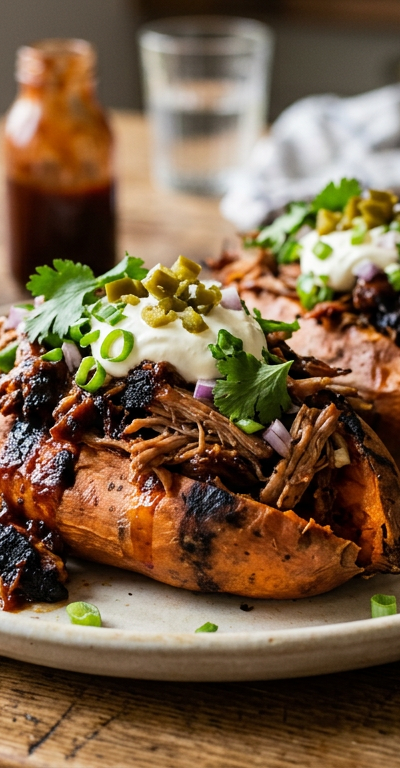
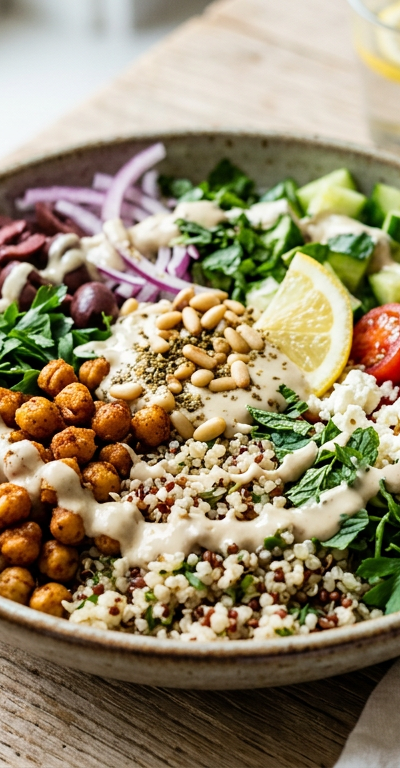
A High-Protein Diet is a nutritional approach that emphasizes consuming significantly more protein than standard dietary guidelines recommend, typically ranging from 25-35% of total daily calories or approximately 1.2-2.0 grams of protein per kilogram of body weight. The core principle centers on prioritizing protein-rich foods at every meal to support muscle growth, enhance satiety, boost metabolism, and promote fat loss while preserving lean muscle mass. This diet has gained popularity among athletes, bodybuilders, and individuals seeking weight management solutions due to protein's thermogenic effect and its ability to reduce hunger hormones. Foods typically emphasized in a High-Protein Diet include lean meats (chicken breast, turkey, lean beef), fish and seafood (salmon, tuna, cod, shrimp), eggs, Greek yogurt, cottage cheese, legumes (lentils, chickpeas, black beans), tofu and tempeh, protein powders (whey, casein, plant-based), nuts and seeds, and quinoa. The diet generally limits or moderates refined carbohydrates, sugary foods, processed snacks, and excessive amounts of starchy vegetables, though it doesn't necessarily eliminate entire food groups. Healthy fats and complex carbohydrates are usually included in moderate amounts to ensure nutritional balance and sustained energy levels. High-Protein Diets have been scientifically shown to benefit several health conditions and concerns. Research indicates they can improve blood sugar control and insulin sensitivity in individuals with type 2 diabetes, support cardiovascular health by reducing triglycerides and blood pressure when lean protein sources are emphasized, and aid in weight management by increasing satiety and metabolic rate. Studies published in the American Journal of Clinical Nutrition and other peer-reviewed journals demonstrate that higher protein intake can preserve muscle mass during weight loss, reduce inflammation markers when combined with whole food sources, and support bone health by improving calcium absorption. Additionally, adequate protein intake is crucial for wound healing, immune function, and maintaining healthy skin, hair, and nails. This diet is particularly beneficial for athletes and active individuals requiring muscle recovery and growth, older adults experiencing age-related muscle loss (sarcopenia), people undergoing weight loss who want to preserve lean muscle mass, individuals with metabolic syndrome or prediabetes, and those recovering from surgery or illness. However, individuals with kidney disease should consult healthcare providers before significantly increasing protein intake, as compromised kidney function may require protein restriction. When properly implemented with diverse, high-quality protein sources and adequate hydration, a High-Protein Diet can be a safe and effective nutritional strategy for most healthy adults.