Intuitive Eating
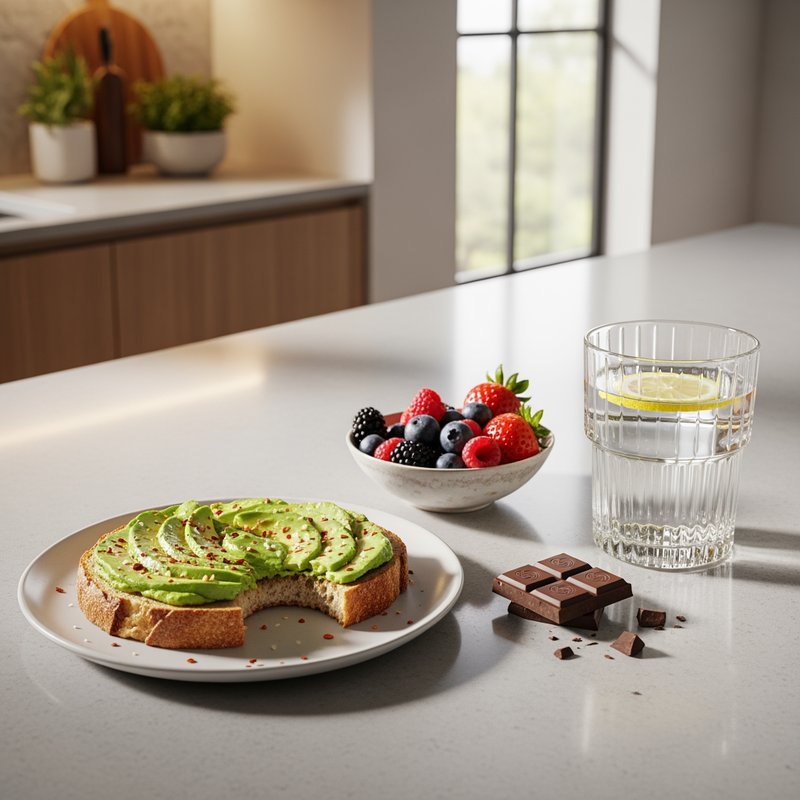
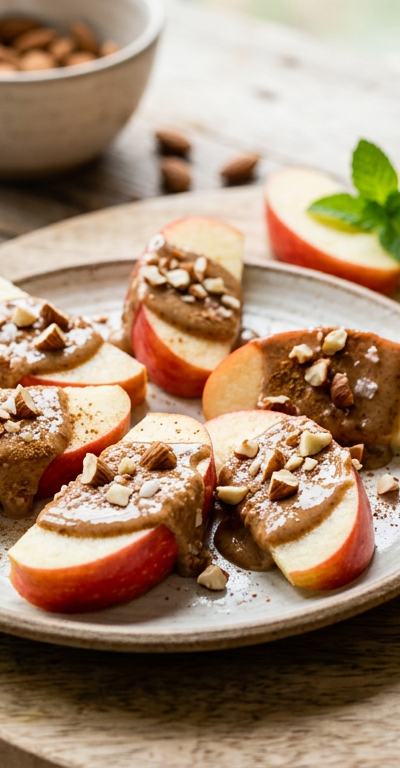
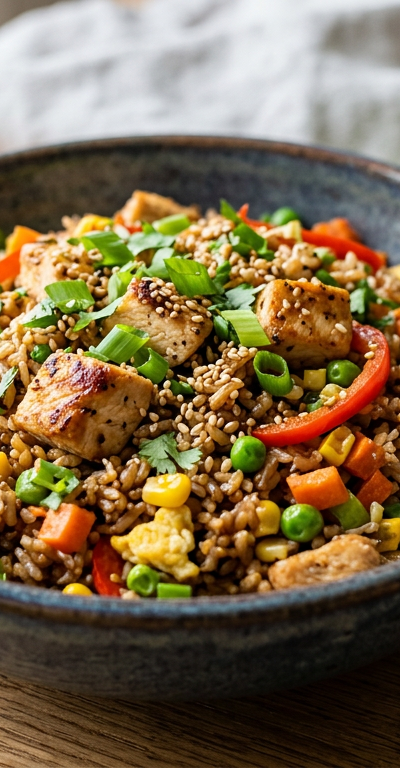
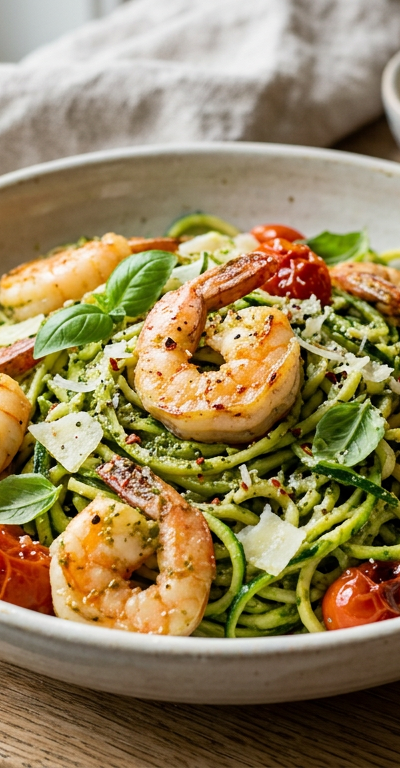
Intuitive Eating is a non-diet approach to nutrition that emphasizes listening to your body's internal hunger and satiety cues rather than following external diet rules or restrictions. Developed by registered dietitians Evelyn Tribole and Elyse Resch in 1995, this framework consists of 10 core principles including rejecting diet mentality, honoring hunger, making peace with food, challenging the food police, respecting fullness, discovering satisfaction, honoring feelings without using food, respecting your body, incorporating joyful movement, and honoring health with gentle nutrition. Unlike traditional diets, Intuitive Eating has no forbidden foods or required foods—all foods fit within this approach, and choices are guided by physical hunger, satisfaction, and how foods make you feel. Intuitive Eating does not technically include or exclude any specific foods, as the philosophy centers on removing food rules and restrictions. Practitioners are encouraged to give themselves unconditional permission to eat all foods, including those typically labeled as 'good' or 'bad.' The focus shifts from weight loss to health behaviors, body attunement, and psychological well-being. While gentle nutrition is one of the principles, it comes last intentionally—only after individuals have made peace with food and can make choices without guilt or restriction. This means that while nutrient-dense whole foods like vegetables, fruits, whole grains, lean proteins, and healthy fats are recognized for their health benefits, processed foods, sweets, and traditionally 'forbidden' diet foods are equally acceptable when desired. Research supports Intuitive Eating for addressing disordered eating patterns, chronic dieting behaviors, eating disorders, body image issues, and the psychological harm caused by weight cycling. Studies have shown that Intuitive Eating is associated with improved psychological health, including lower rates of depression and anxiety, higher self-esteem, better body image, and greater life satisfaction. It has also been linked to improved physiological health markers including lower triglyceride levels, improved cardiovascular health, and better blood pressure regulation, independent of weight changes. While not specifically designed to treat medical conditions like diabetes, heart disease, or Crohn's disease, the stress reduction and improved relationship with food can indirectly benefit overall health management. The approach may be particularly helpful for those with binge eating disorder or emotional eating patterns. Intuitive Eating is most beneficial for individuals recovering from chronic dieting, those with disordered eating behaviors, people struggling with food obsession or guilt, and anyone seeking to improve their relationship with food and body image. It's particularly valuable for those who have experienced weight cycling, diet failure, or eating disorder behaviors. While the approach can be adapted for those with medical conditions requiring dietary modifications (such as celiac disease or food allergies), these individuals should work with healthcare providers to distinguish between necessary medical restrictions and unnecessary diet rules. The scientific backing includes over 125 studies demonstrating positive outcomes related to both physical and psychological health, making it an evidence-based alternative to restrictive dieting approaches.