Mayo Clinic Diet

Mayo Clinic Diet

The Mayo Clinic Diet is a scientifically-backed, lifestyle-focused eating plan developed by nutrition experts at the prestigious Mayo Clinic medical institution. Rather than being a restrictive fad diet, it emphasizes sustainable habit changes through two phases: 'Lose It!' which jumpstarts weight loss with 15 key habits to adopt or break, and 'Live It!' which focuses on long-term weight management through healthy food choices and portion control. The diet is built around the Mayo Clinic Healthy Weight Pyramid, which prioritizes unlimited vegetables and fruits at the base, followed by whole grains and healthy proteins, with sweets and fats at the top in limited quantities. The diet emphasizes whole, minimally processed foods including abundant vegetables and fruits, whole grains (brown rice, quinoa, whole wheat), lean proteins (fish, poultry, legumes, tofu), low-fat dairy, and healthy fats from sources like olive oil, nuts, and avocados. It limits or excludes added sugars, refined grains, processed foods, excessive saturated fats, and high-calorie foods with low nutritional value. The plan encourages physical activity as an essential component and recommends eating breakfast daily, limiting screen time during meals, and practicing mindful eating. The Mayo Clinic Diet is particularly beneficial for individuals seeking sustainable weight loss, those with obesity-related conditions such as type 2 diabetes, heart disease, high blood pressure, and metabolic syndrome. Its emphasis on whole foods, fiber, and plant-based nutrition also helps reduce inflammation and improve overall cardiovascular health. The diet has strong medical and scientific backing from Mayo Clinic researchers and has been shown to improve cholesterol levels, blood sugar control, and reduce the risk of chronic diseases. It's ideal for anyone looking for a medically-sound, balanced approach to weight management that doesn't require calorie counting or extreme restrictions, making it accessible for most adults, including those with diabetes, heart disease, or prediabetes who want to improve their metabolic health through dietary changes.

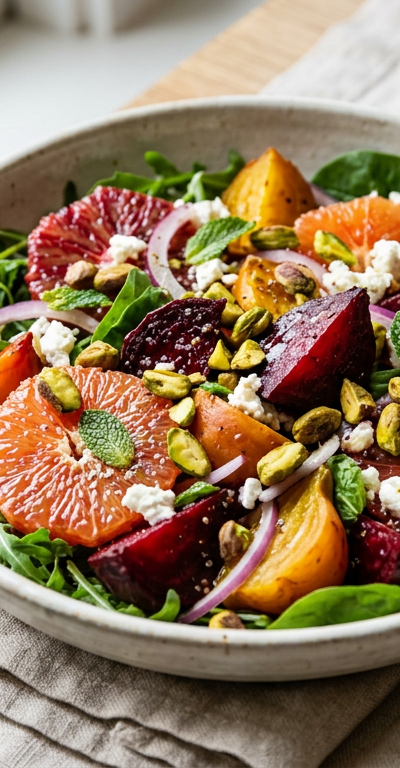
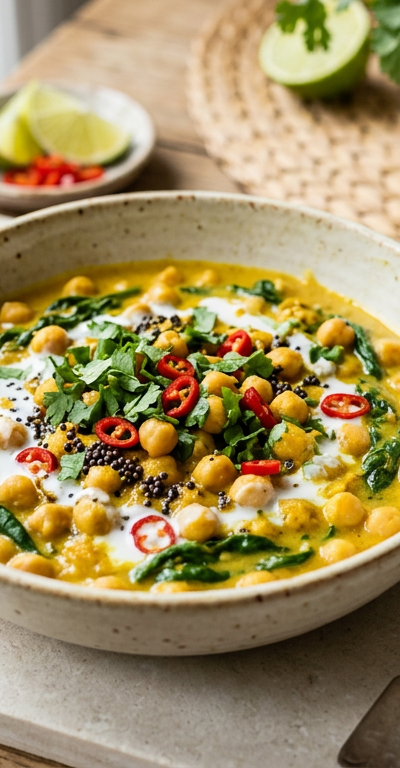
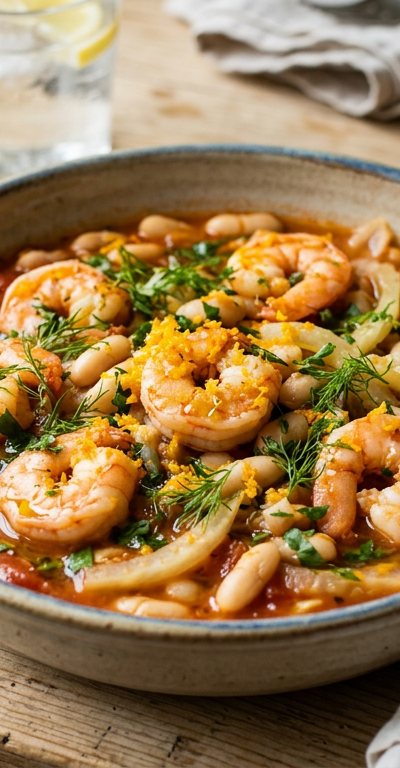
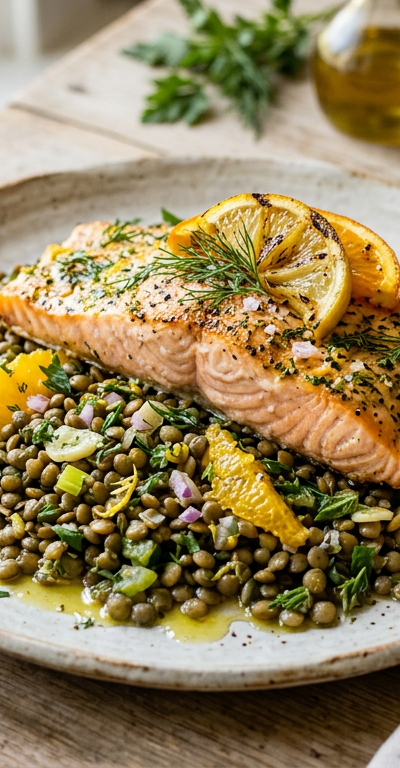
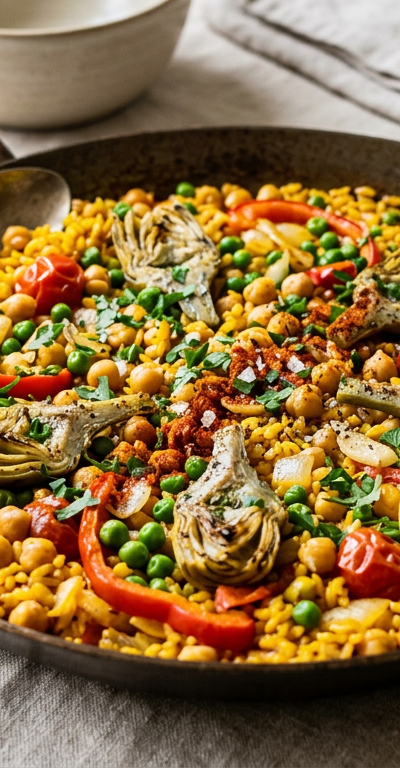
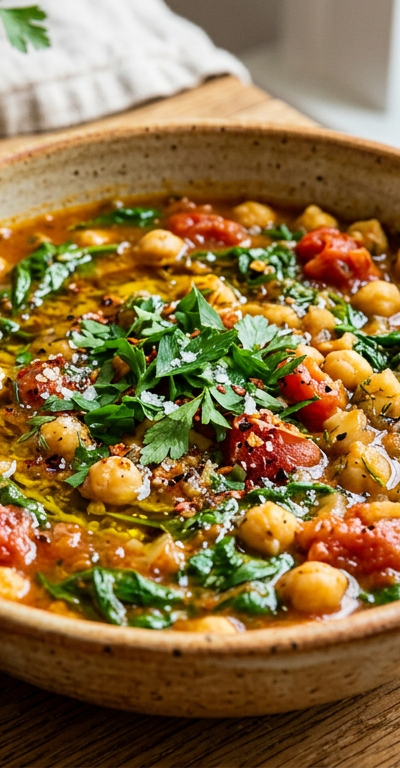
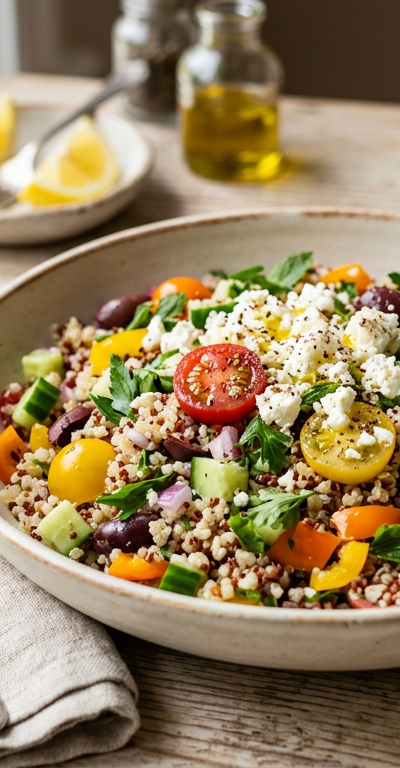
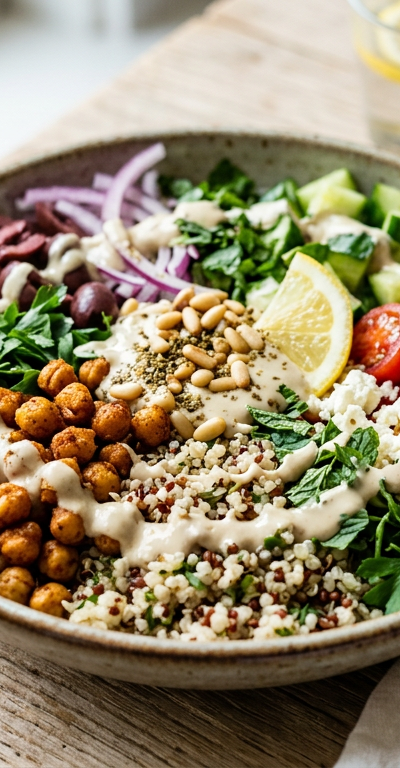
68 recipes available for this diet

Health Conditions Supported

Chronic Inflammation

The Mayo Clinic Diet's whole-food approach provides powerful anti-inflammatory nutrients that help reduce systemic inflammation. By eliminating processed foods and emphasizing plant-based, nutrient-dense options, it supports the body's natural healing processes.
Confidence: Moderate

Key foods: Fatty fish, olive oil, berries, leafy greens, nuts, turmeric, ginger, avocados

Mechanism: Omega-3 fatty acids, polyphenols, and antioxidants in the diet directly suppress pro-inflammatory cytokines and support the body's inflammatory response regulation. The elimination of processed foods further reduces inflammatory triggers.

Longevity & Healthy Aging

The Mayo Clinic Diet supports healthy aging through its emphasis on nutrient-dense, anti-inflammatory foods that protect cellular health and reduce age-related disease risks. Its balanced approach promotes overall metabolic wellness.

Confidence: Moderate

Key foods: Fatty fish, berries, leafy greens, nuts, olive oil, avocados, whole grains, legumes

Mechanism: Antioxidant-rich foods combat oxidative stress, while balanced macronutrients support cellular repair, mitochondrial function, and reduce chronic inflammation associated with accelerated aging.

Metabolic Syndrome

The diet addresses multiple metabolic syndrome components by promoting weight loss, improving insulin sensitivity, and supporting cardiovascular health. Its comprehensive approach targets underlying metabolic dysfunction.

Confidence: Moderate

Key foods: Quinoa, salmon, avocados, leafy greens, berries, nuts, olive oil, legumes

Mechanism: By reducing refined carbohydrates and promoting nutrient-dense whole foods, the diet helps normalize blood sugar, reduce visceral fat, improve lipid profiles, and decrease systemic inflammation associated with metabolic syndrome.

Cardiovascular Disease

This diet significantly reduces cardiovascular disease risk by promoting heart-healthy foods, limiting saturated fats, and emphasizing anti-inflammatory nutrients. The focus on whole grains, lean proteins, and healthy fats directly supports cardiovascular health.

Confidence: High

Key foods: Fatty fish like salmon, olive oil, nuts, avocados, whole grains, leafy green vegetables, berries

Mechanism: The diet reduces LDL cholesterol through plant-based foods and healthy fats while increasing HDL cholesterol. It also reduces inflammation, improves endothelial function, and provides antioxidants that protect blood vessels from oxidative stress.

Hypertension

The diet's approach naturally supports blood pressure reduction by emphasizing potassium-rich foods, limiting sodium, and promoting weight loss. Its whole-food focus provides nutrients that directly support cardiovascular health.

Confidence: High

Key foods: Leafy green vegetables, avocados, salmon, nuts, quinoa, berries, olive oil

Mechanism: High potassium and magnesium intake from whole foods helps relax blood vessel walls, while reducing processed foods decreases sodium consumption. The diet's anti-inflammatory properties also support healthy endothelial function.

Obesity

The Mayo Clinic Diet is specifically designed to promote sustainable weight loss through a balanced, nutrient-dense approach. By emphasizing whole foods, controlling portion sizes, and eliminating processed foods, the diet creates a natural calorie deficit while maintaining nutritional adequacy.

Confidence: High

Key foods: Quinoa, leafy green vegetables, berries, salmon, chicken breast, tofu, avocados, olive oil

Mechanism: The diet reduces overall calorie intake while providing high-fiber, nutrient-dense foods that increase satiety and metabolic efficiency. By prioritizing complex carbohydrates and lean proteins, it helps regulate hunger hormones and supports consistent metabolism.

Type 2 Diabetes

The Mayo Clinic Diet helps manage and potentially reverse type 2 diabetes by stabilizing blood sugar levels, improving insulin sensitivity, and promoting weight loss. Its emphasis on low-glycemic foods prevents rapid blood sugar fluctuations.

Confidence: High

Key foods: Quinoa, brown rice, legumes, leafy greens, berries, tofu, nuts, olive oil

Mechanism: By prioritizing complex carbohydrates and fiber-rich foods, the diet slows glucose absorption and reduces insulin demand. The balanced macronutrient profile helps improve insulin sensitivity and reduces chronic inflammation associated with diabetes.

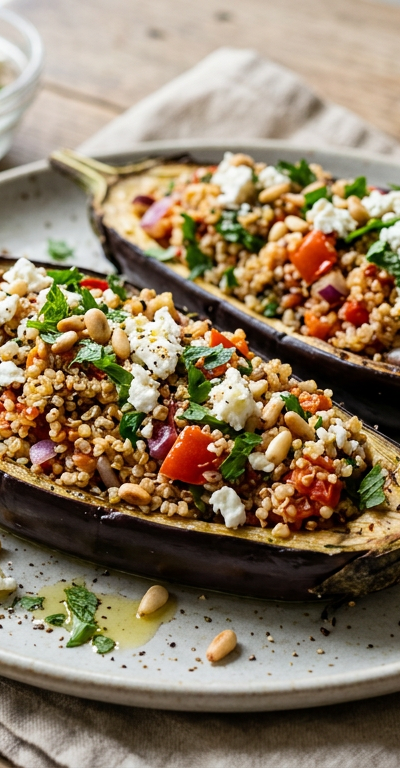
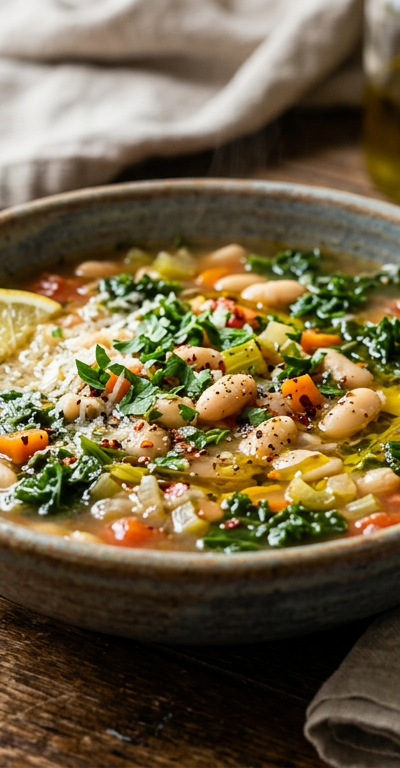
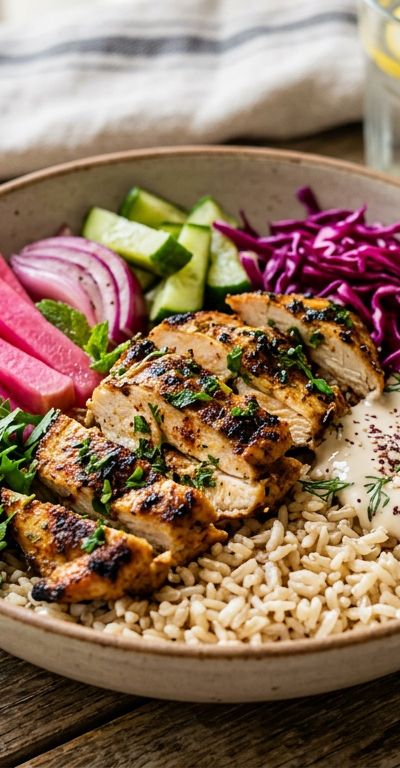
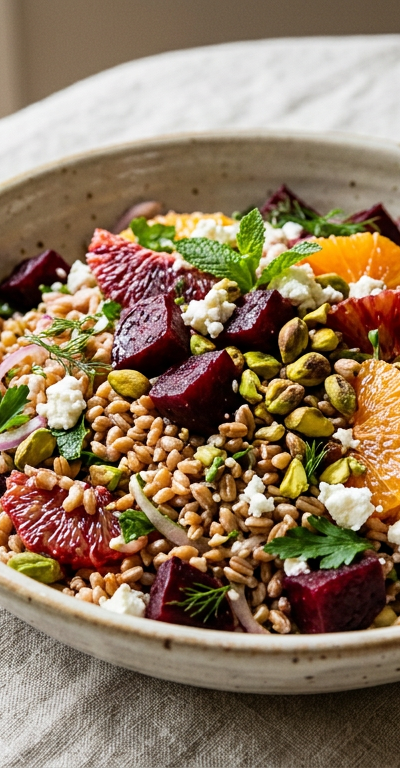
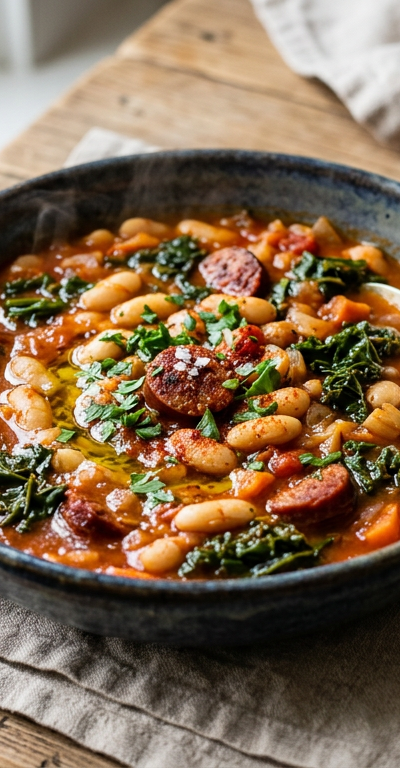
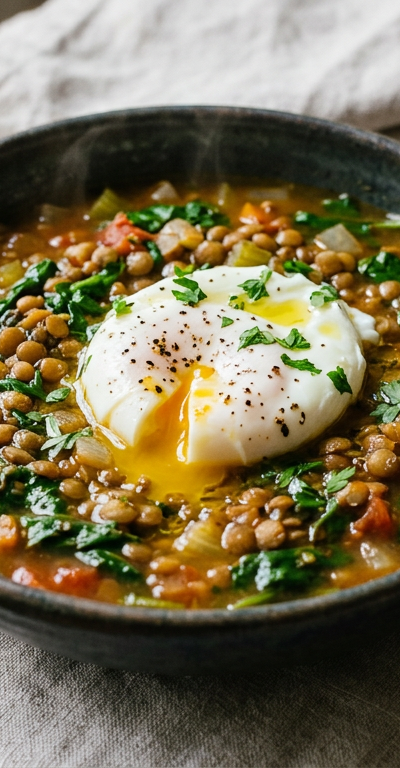
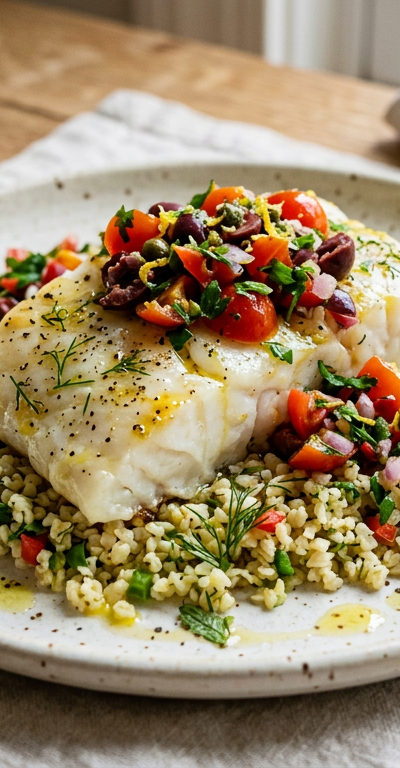
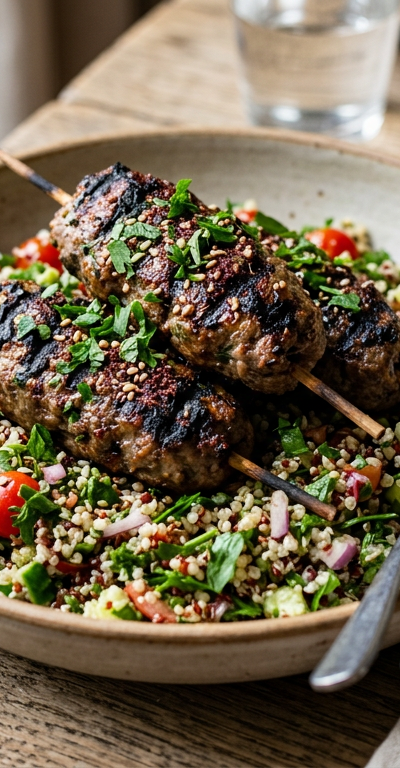
Recipes for Mayo Clinic Diet

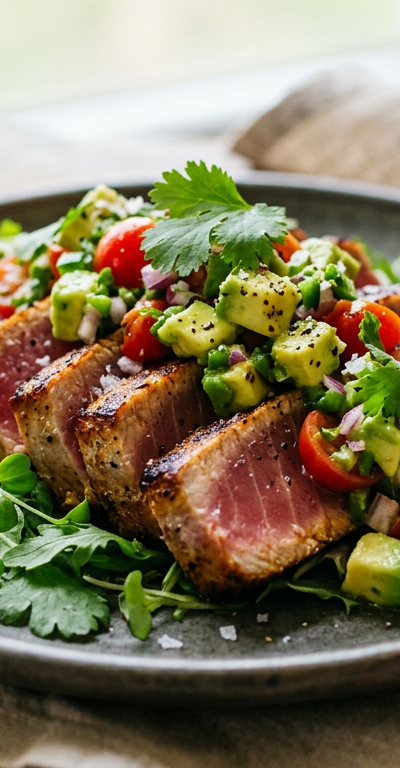
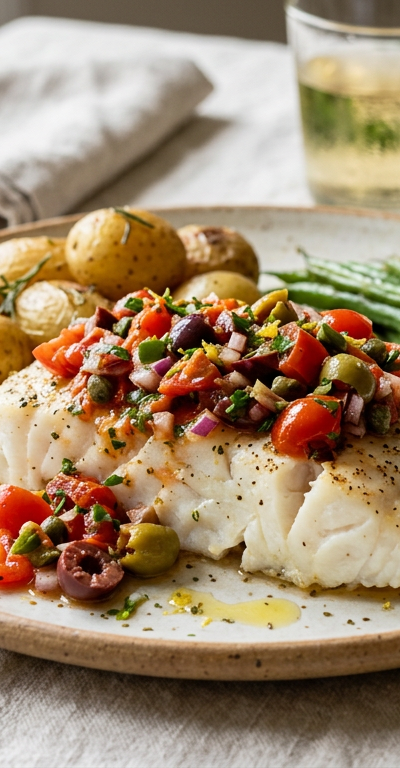
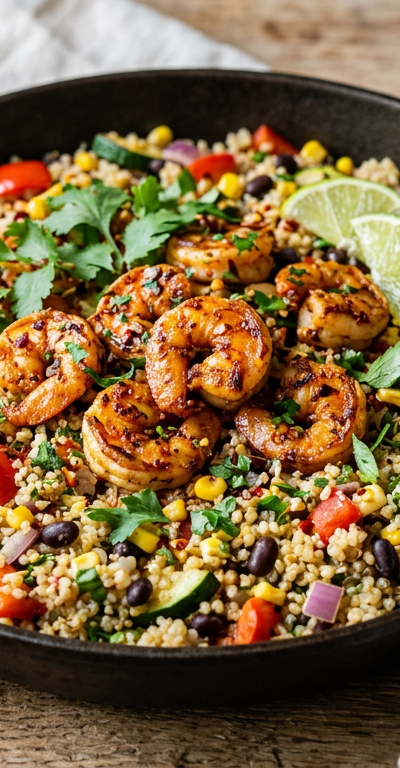
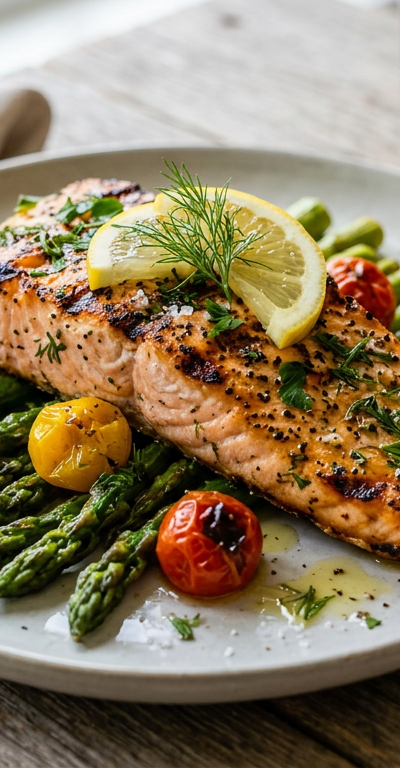
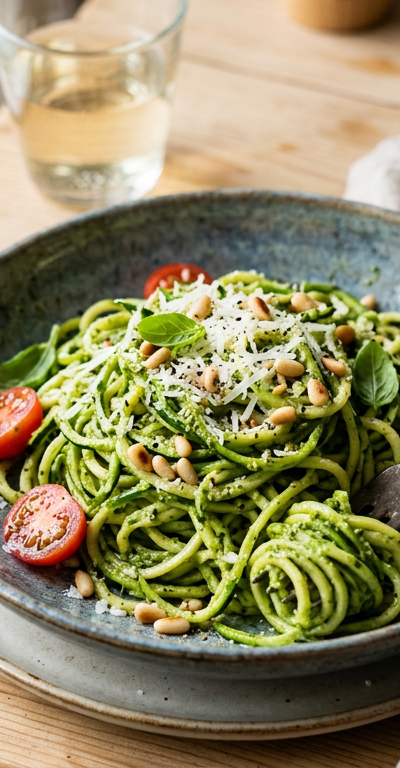
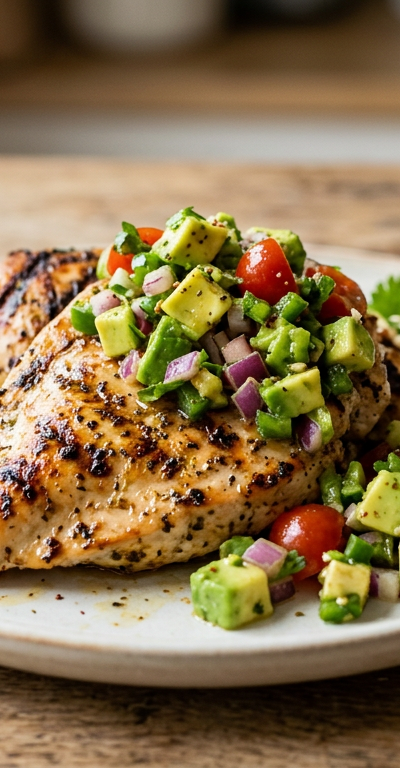
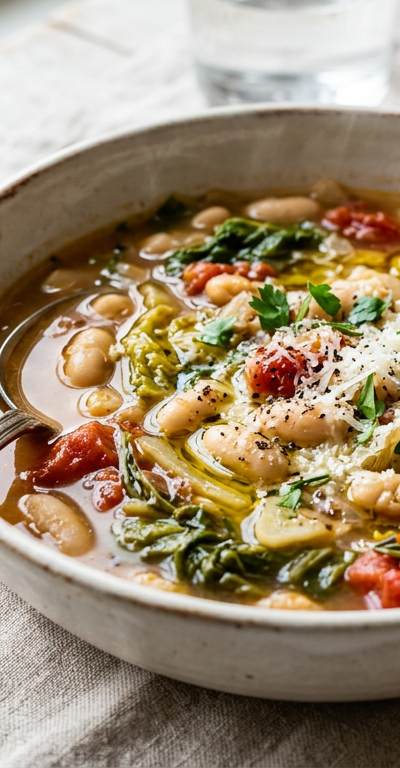
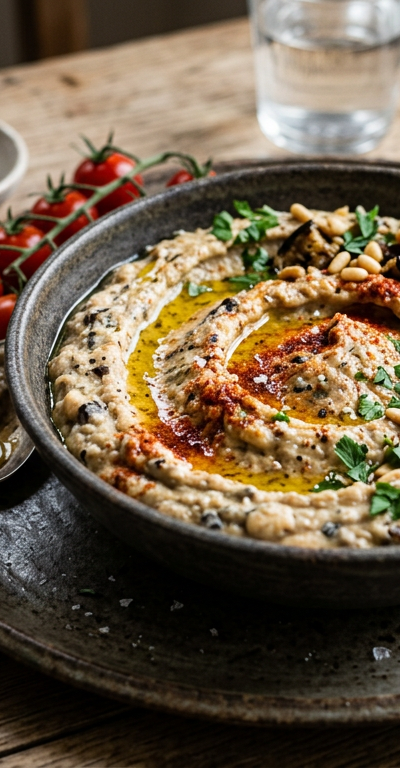
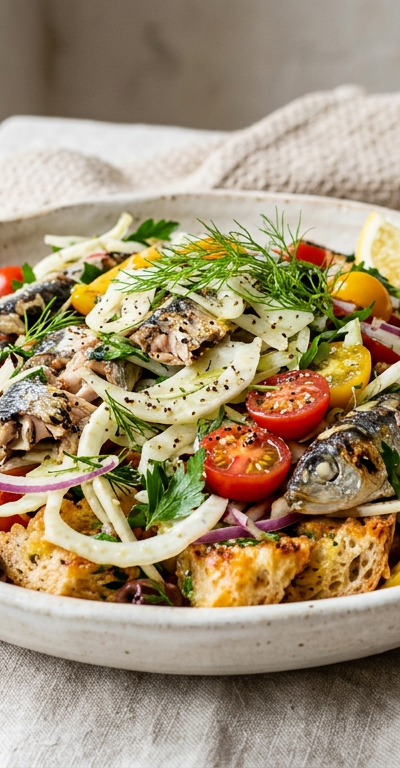
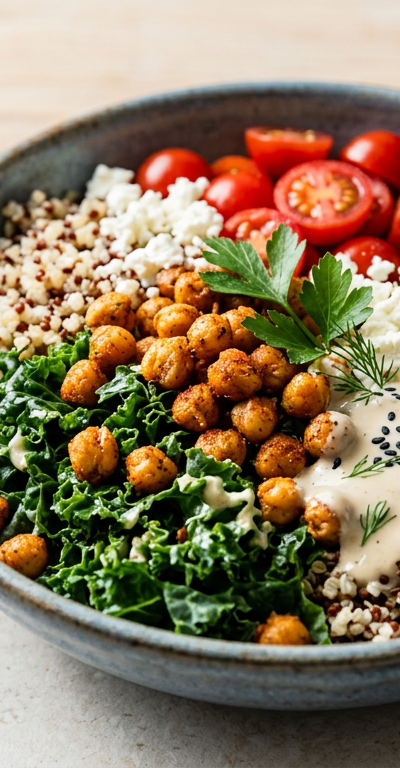
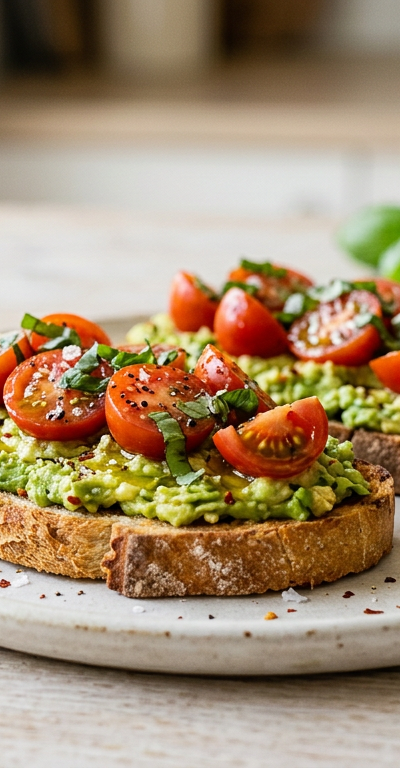
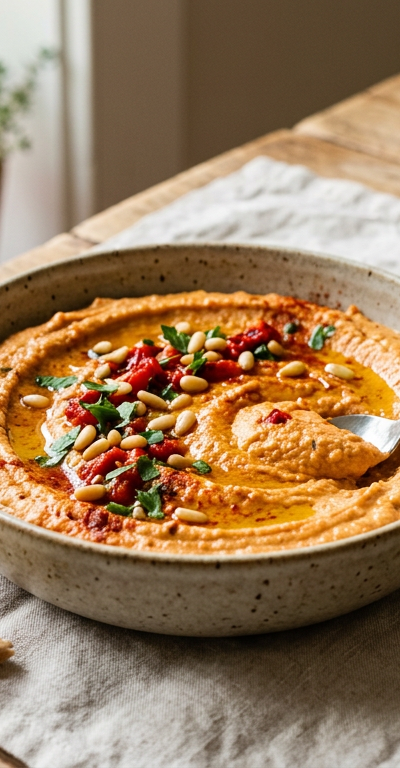
Discover delicious recipes specifically tailored for the Mayo Clinic Diet diet.

Explore More Diets

Discover other dietary approaches tailored to different health goals and preferences.

View All Diets