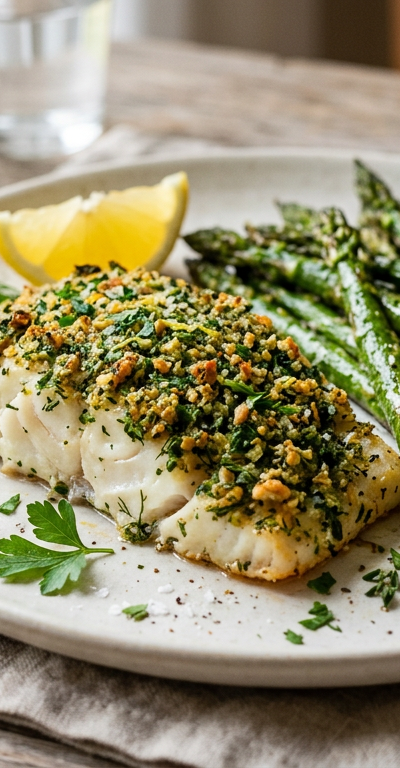
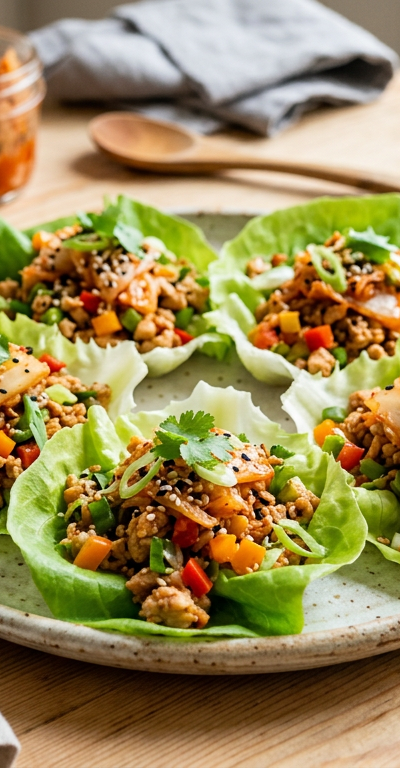
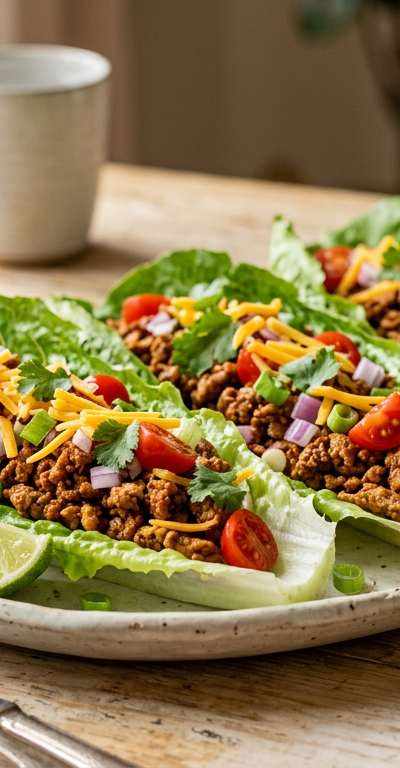
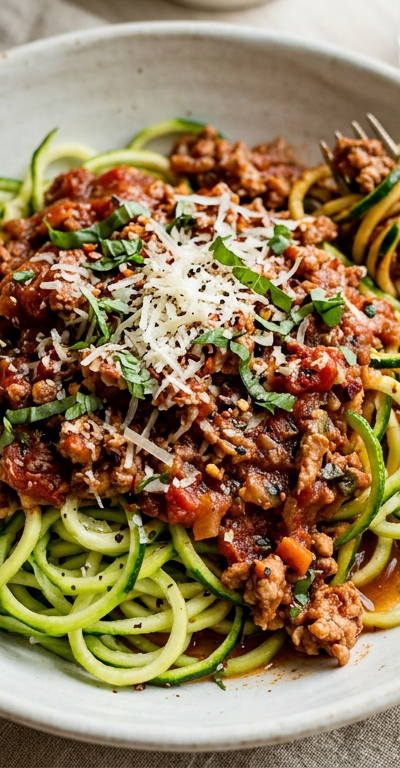
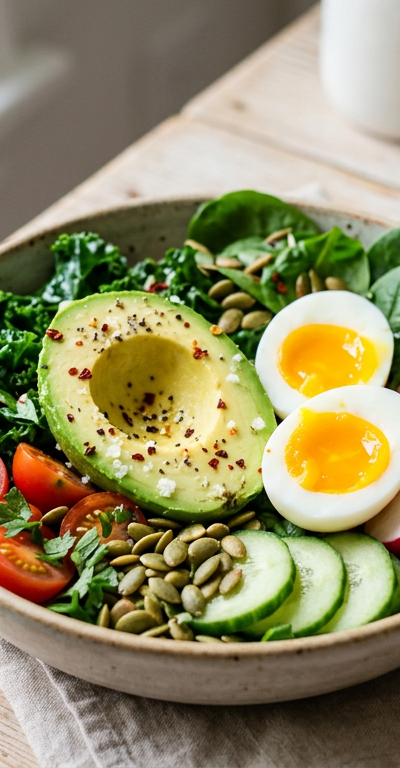
The Paleo Diet may improve acne by eliminating high-glycemic foods and dairy, both strongly linked to acne development through insulin and IGF-1 pathways. The diet's low glycemic load reduces insulin spikes that stimulate sebum production and androgen activity. The anti-inflammatory nature of the diet and abundance of skin-supporting nutrients like zinc, vitamin A, and omega-3s further support clear skin.
How Elimination of high-glycemic grains and refined sugars reduces insulin and IGF-1 levels, which decreases sebaceous gland activity and keratinocyte proliferation that contribute to acne formation. Removal of dairy eliminates hormones and bioactive peptides that stimulate sebum production and inflammation. The high intake of omega-3 fatty acids and antioxidants reduces inflammatory mediators involved in acne lesion development.
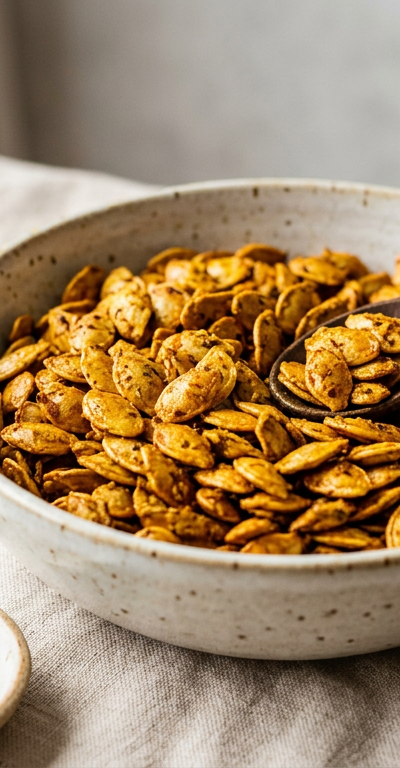
Key foods Wild-caught fish rich in omega-3s, grass-fed liver high in vitamin A, pastured eggs, pumpkin seeds and oysters for zinc, leafy greens, berries, sweet potatoes, avocados
The Paleo Diet can support athletic performance by providing high-quality proteins for muscle recovery, anti-inflammatory fats for joint health, and nutrient-dense carbohydrates from vegetables and fruits for sustained energy. The diet's emphasis on whole foods ensures adequate micronutrient intake critical for energy metabolism and recovery. While endurance athletes may need to modify the diet to include more carbohydrates, many athletes report improved body composition, reduced inflammation, and better recovery.
How High-quality protein from grass-fed meats and wild fish provides all essential amino acids needed for muscle protein synthesis and recovery, with additional benefits from higher omega-3 content. The anti-inflammatory nature of the diet reduces exercise-induced inflammation and oxidative stress, potentially speeding recovery between training sessions. Nutrient density ensures adequate intake of iron, zinc, magnesium, and B vitamins critical for oxygen transport, energy metabolism, and mitochondrial function.
Key foods Grass-fed beef and bison for protein and creatine, wild-caught salmon for omega-3s, pastured eggs, sweet potatoes for glycogen replenishment, leafy greens, berries, nuts, avocados
The Paleo Diet, particularly in its autoimmune protocol (AIP) variation, helps manage autoimmune conditions by eliminating common food triggers that increase intestinal permeability and immune activation. By removing grains, legumes, dairy, and processed foods, the diet reduces exposure to lectins, gluten, and other compounds that may trigger autoimmune responses in susceptible individuals. Many patients report reduced symptoms, decreased inflammatory markers, and improved quality of life.
How Elimination of grains and legumes removes lectins and other anti-nutrients that can increase intestinal permeability (leaky gut), reducing the translocation of food particles that trigger immune responses. The nutrient-dense foods provide essential vitamins and minerals needed for immune regulation, including vitamin D from fish, zinc from grass-fed meats, and selenium from organ meats. Omega-3 fatty acids and polyphenols modulate T-cell responses and reduce the production of autoantibodies through effects on regulatory T-cells.
Key foods Wild-caught fish rich in omega-3s, grass-fed organ meats like liver, bone broth, leafy greens, cruciferous vegetables, sweet potatoes, berries, olive oil
The Paleo Diet supports cardiovascular health by emphasizing anti-inflammatory omega-3 rich foods, eliminating trans fats and processed foods, and providing abundant antioxidants from vegetables and fruits. The diet improves multiple cardiovascular risk factors including blood pressure, triglycerides, HDL cholesterol, and inflammatory markers like C-reactive protein. The focus on whole foods and healthy fats supports endothelial function and reduces arterial plaque formation.
How Omega-3 fatty acids from wild fish and grass-fed meats reduce triglycerides, decrease platelet aggregation, and lower blood pressure through improved endothelial nitric oxide production. The high intake of polyphenols and antioxidants from vegetables and fruits reduces oxidative stress and prevents LDL oxidation, a key step in atherosclerosis. Elimination of refined carbohydrates reduces small dense LDL particles while increasing beneficial large buoyant LDL and HDL cholesterol.
Key foods Wild-caught salmon, sardines, and mackerel, grass-fed beef high in omega-3s, avocados, extra virgin olive oil, leafy greens, berries rich in anthocyanins, walnuts, colorful vegetables like carrots and beets
The Paleo Diet supports cognitive health through its emphasis on omega-3 rich fish, antioxidant-dense vegetables and fruits, and elimination of inflammatory processed foods. The diet provides nutrients critical for brain health including DHA, B vitamins, and polyphenols while reducing oxidative stress and inflammation linked to neurodegenerative diseases. The improved metabolic health and reduced insulin resistance may also protect against cognitive decline.
How DHA from wild fish is a structural component of neuronal membranes and supports synaptic plasticity, neurotransmitter function, and neuroprotection against oxidative damage. The abundance of polyphenols and antioxidants from vegetables and berries crosses the blood-brain barrier to reduce neuroinflammation and oxidative stress implicated in Alzheimer's and other dementias. Improved insulin sensitivity and reduced glycemic variability protect against the formation of advanced glycation end products (AGEs) that damage brain proteins and contribute to cognitive impairment.
Key foods Wild-caught fatty fish like salmon and sardines, grass-fed organ meats especially liver, pastured eggs, blueberries and other berries, leafy greens, walnuts, avocados, olive oil
The Paleo Diet supports digestive health by eliminating common irritants including gluten, dairy, legumes, and processed foods that can trigger symptoms in sensitive individuals. The emphasis on easily digestible proteins, healthy fats, and cooked vegetables reduces digestive burden while providing nutrients that support gut healing. Many people with IBS, bloating, and other functional digestive issues experience symptom relief on this diet.
How Removal of grains eliminates gluten and other difficult-to-digest proteins that can damage the intestinal lining and trigger inflammatory responses. The absence of legumes removes oligosaccharides and lectins that commonly cause gas, bloating, and digestive discomfort. Bone broth provides collagen and glutamine that support intestinal barrier function and mucosal healing, while the lower fiber load from eliminating grains can reduce symptoms in those with compromised digestive function.
Key foods Bone broth from grass-fed animals, wild-caught fish, well-cooked vegetables like squash and carrots, fermented vegetables like sauerkraut, sweet potatoes, avocados, coconut oil, ginger
The Paleo Diet's effects on cholesterol are nuanced, often improving lipid particle profiles even when total cholesterol remains elevated. The diet typically increases HDL cholesterol and converts small dense LDL particles to larger, less atherogenic particles while reducing triglycerides. The elimination of trans fats and refined carbohydrates removes the primary dietary drivers of harmful lipid patterns, though individual responses vary based on genetics and the amount of saturated fat consumed.
How Omega-3 fatty acids from fish reduce triglycerides through decreased hepatic VLDL production and increased lipoprotein lipase activity. Elimination of refined carbohydrates and trans fats reduces small dense LDL particles and increases HDL cholesterol through improved insulin sensitivity. The high intake of soluble fiber from vegetables and nuts binds bile acids, promoting cholesterol excretion, while plant sterols from nuts and seeds compete with cholesterol for absorption in the intestine.
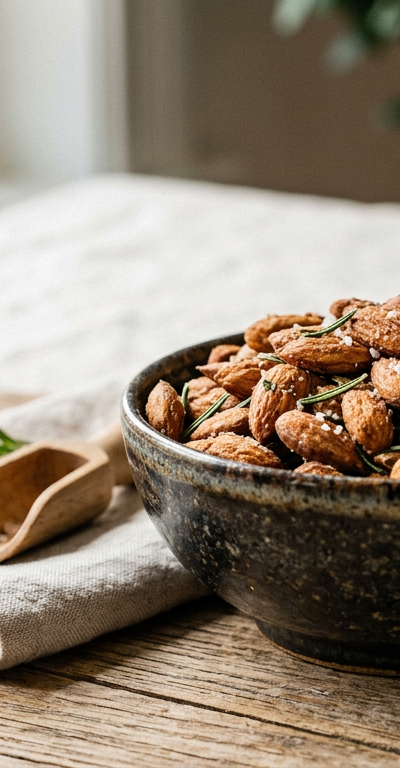
Key foods Wild-caught fatty fish, avocados, olive oil, nuts especially walnuts and almonds, leafy greens, berries, grass-fed meats in moderation, flaxseeds
The Paleo Diet supports healthy blood pressure through its naturally high potassium-to-sodium ratio from abundant vegetables and fruits, elimination of processed foods high in sodium, and emphasis on foods that support endothelial function. The diet's anti-inflammatory effects and weight loss benefits contribute to blood pressure reduction. Studies show modest but consistent decreases in both systolic and diastolic blood pressure among Paleo dieters.
How The high potassium intake from vegetables and fruits (often 3-4 times sodium intake) promotes natriuresis and vasodilation through effects on the renin-angiotensin-aldosterone system. Omega-3 fatty acids improve endothelial function and nitric oxide production, leading to improved arterial compliance and reduced peripheral resistance. Weight loss and reduced insulin levels decrease sympathetic nervous system activity and sodium retention.
Key foods Leafy greens high in potassium, wild-caught fish, avocados, sweet potatoes, bananas, beets, berries, olive oil
The Paleo Diet supports healthy aging through its anti-inflammatory properties, high antioxidant content, and emphasis on nutrient-dense whole foods that protect against age-related diseases. The diet's effects on metabolic health, including improved insulin sensitivity and lipid profiles, address major risk factors for age-related morbidity and mortality. The elimination of processed foods reduces exposure to advanced glycation end products (AGEs) and other compounds that accelerate aging.
How The high intake of polyphenols, carotenoids, and other antioxidants from vegetables and fruits reduces oxidative stress and cellular damage that accumulate with aging. Anti-inflammatory effects from omega-3 fatty acids and elimination of processed foods reduce chronic low-grade inflammation (inflammaging) linked to age-related diseases. The diet supports healthy mitochondrial function through adequate micronutrient intake and reduced oxidative burden, while improved metabolic health reduces the risk of cardiovascular disease, diabetes, and other conditions that limit healthspan.
Key foods Wild-caught fish rich in omega-3s, grass-fed organ meats, colorful vegetables high in antioxidants, berries especially blueberries, leafy greens, nuts, olive oil, avocados
The Paleo Diet addresses NAFLD by eliminating refined sugars and fructose-rich processed foods, the primary dietary drivers of hepatic fat accumulation. The diet promotes weight loss and improved insulin sensitivity, both critical for reversing fatty liver. The emphasis on whole foods and elimination of processed items reduces overall fructose intake, which is particularly hepatotoxic and lipogenic.
How Elimination of refined sugars and high-fructose corn syrup removes the primary substrate for de novo lipogenesis in the liver, as fructose is preferentially metabolized in hepatocytes and converted to fat. The diet's low glycemic load improves insulin sensitivity, reducing the hyperinsulinemia that promotes hepatic fat storage. Omega-3 fatty acids from fish activate PPAR-alpha receptors, enhancing fatty acid oxidation and reducing triglyceride synthesis in the liver.
Key foods Wild-caught fish high in omega-3s, grass-fed beef, leafy greens, cruciferous vegetables, berries in moderation, avocados, olive oil, nuts like walnuts
The Paleo Diet helps manage PCOS by addressing insulin resistance, a primary driver of the condition, through elimination of refined carbohydrates and emphasis on protein and healthy fats. The diet's anti-inflammatory properties and nutrient density support hormonal balance and may improve ovulation, menstrual regularity, and fertility. Studies show improvements in insulin sensitivity, testosterone levels, and metabolic markers in women with PCOS following Paleo-style eating patterns.
How The low glycemic load reduces insulin levels, which decreases ovarian androgen production since insulin stimulates theca cells to produce testosterone. Improved insulin sensitivity reduces the hyperinsulinemia that drives many PCOS symptoms including irregular cycles and hirsutism. The diet's anti-inflammatory effects and adequate protein intake support healthy sex hormone binding globulin (SHBG) production, which helps regulate free testosterone levels.
Key foods Wild-caught fatty fish, grass-fed beef and lamb, pastured eggs, leafy greens, cruciferous vegetables like broccoli, berries, nuts especially almonds, avocados
The Paleo Diet helps manage Type 2 diabetes by eliminating refined sugars and grains, which significantly reduces glycemic load and prevents blood sugar spikes. The emphasis on protein, healthy fats, and fiber-rich vegetables promotes better insulin sensitivity and glucose regulation. Studies show improvements in HbA1c levels, fasting glucose, and reduced need for diabetes medications in many adherents.
How By eliminating high-glycemic grains and refined carbohydrates, the diet reduces the primary triggers of insulin resistance and hyperglycemia. The high protein and fat content slows gastric emptying and glucose absorption, while the abundance of fiber from vegetables further moderates blood sugar responses. The anti-inflammatory properties of omega-3 fatty acids from wild fish and the absence of processed foods help restore insulin receptor sensitivity at the cellular level.
Key foods Wild-caught salmon and sardines, grass-fed beef and lamb, pastured eggs, leafy greens like spinach and kale, cruciferous vegetables like broccoli and cauliflower, avocados, walnuts and almonds, olive oil
The Paleo Diet may contribute to cancer prevention through its emphasis on antioxidant-rich vegetables and fruits, anti-inflammatory omega-3 fatty acids, and elimination of processed meats and refined carbohydrates linked to increased cancer risk. The diet's effects on reducing obesity, inflammation, and insulin resistance address modifiable cancer risk factors. The high intake of cruciferous vegetables provides compounds with documented anti-cancer properties.
How Cruciferous vegetables contain glucosinolates that are converted to isothiocyanates, which activate phase II detoxification enzymes and promote apoptosis in cancer cells. The high antioxidant content from vegetables and fruits reduces oxidative DNA damage that can initiate carcinogenesis. Elimination of processed meats removes nitrites and heterocyclic amines linked to colorectal cancer, while improved insulin sensitivity reduces the growth-promoting effects of insulin and IGF-1 on tumor cells.
Key foods Cruciferous vegetables like broccoli and Brussels sprouts, berries high in anthocyanins, leafy greens, wild-caught fish, grass-fed meats (not processed), garlic and onions, colorful vegetables, green tea
The Paleo Diet may support mental health through its anti-inflammatory effects, stable blood sugar levels, and provision of nutrients critical for neurotransmitter production. The elimination of processed foods and refined sugars reduces blood sugar fluctuations that can affect mood, while omega-3 fatty acids from fish have documented effects on depression. The nutrient density provides B vitamins, magnesium, and zinc needed for optimal brain function.
How Omega-3 fatty acids, particularly EPA, have anti-inflammatory effects in the brain and support neurotransmitter receptor function, with clinical trials showing benefits for depression. Stable blood sugar from the low glycemic load prevents the mood swings and anxiety associated with glucose fluctuations and reactive hypoglycemia. B vitamins from organ meats and vegetables support the synthesis of serotonin, dopamine, and GABA, while magnesium and zinc act as cofactors in neurotransmitter production and stress response regulation.
Key foods Wild-caught fatty fish high in omega-3s, grass-fed organ meats for B vitamins, pastured eggs, leafy greens, berries, pumpkin seeds for magnesium, walnuts, avocados
The Paleo Diet may help some individuals with IBD by removing potential dietary triggers and providing anti-inflammatory nutrients, though evidence is limited and individual responses vary. The elimination of grains, legumes, and dairy removes compounds that may exacerbate intestinal inflammation in susceptible individuals. Some patients report reduced symptoms and improved quality of life, though the diet should be implemented under medical supervision.
How The diet reduces exposure to potentially inflammatory food components including gluten, lectins, and casein that may worsen intestinal inflammation in IBD patients. Omega-3 fatty acids from fish provide anti-inflammatory eicosanoids that can help modulate the inflammatory cascade in the gut. The nutrient density supports healing while the elimination of processed foods reduces additives like emulsifiers and carrageenan that may disrupt the gut barrier.
Key foods Bone broth, wild-caught fish high in omega-3s, well-cooked non-cruciferous vegetables, grass-fed meat, avocados, olive oil, cooked carrots and squash, bananas
The Paleo Diet is inherently anti-inflammatory, eliminating major dietary triggers of inflammation including gluten, refined sugars, processed seed oils, and dairy while emphasizing foods rich in omega-3 fatty acids and antioxidants. Studies consistently show reductions in inflammatory markers such as C-reactive protein, IL-6, and TNF-alpha among Paleo dieters. The abundance of phytonutrients from colorful vegetables and fruits provides additional anti-inflammatory compounds that modulate immune responses.
How The diet dramatically improves the omega-6 to omega-3 ratio by eliminating inflammatory seed oils and emphasizing omega-3 rich fish and grass-fed meats, directly reducing prostaglandin and leukotriene-mediated inflammation. Removal of gluten, lectins, and other potentially inflammatory proteins from grains and legumes reduces intestinal permeability and systemic immune activation. High intake of polyphenols, carotenoids, and other phytonutrients activates Nrf2 pathways and inhibits NF-kB signaling, reducing production of pro-inflammatory cytokines.
Key foods Wild-caught fatty fish like salmon and sardines, grass-fed beef and lamb, turmeric and ginger, leafy greens like spinach and kale, berries especially blueberries, walnuts, extra virgin olive oil, cruciferous vegetables
The Paleo Diet eliminates the most common food allergens and sensitivities including gluten, dairy, soy, and peanuts, making it highly effective for those with multiple food intolerances. By focusing on whole, unprocessed foods and eliminating grains and legumes, the diet removes many compounds that trigger adverse reactions in sensitive individuals. Many people experience resolution of chronic symptoms like headaches, skin issues, and digestive problems when these triggers are removed.
How The diet eliminates gluten and other grain proteins that can trigger immune responses and increase intestinal permeability in sensitive individuals. Removal of dairy eliminates casein and whey proteins that are common allergens, while elimination of legumes removes lectins and other anti-nutrients that may cause digestive distress. The focus on whole foods reduces exposure to food additives, preservatives, and artificial ingredients that can trigger sensitivities or pseudo-allergic reactions.
Key foods Wild-caught fish, grass-fed meats, pastured eggs, sweet potatoes, leafy greens, cruciferous vegetables, berries, tree nuts like almonds and cashews (if tolerated)
The Paleo Diet addresses all five components of metabolic syndrome: abdominal obesity, elevated triglycerides, low HDL cholesterol, hypertension, and elevated fasting glucose. By eliminating processed foods, refined carbohydrates, and inflammatory seed oils while emphasizing nutrient-dense whole foods, the diet improves multiple metabolic markers simultaneously. Clinical trials show significant improvements in waist circumference, blood pressure, lipid profiles, and insulin sensitivity.
How The diet reduces systemic inflammation through elimination of pro-inflammatory processed foods and increased intake of anti-inflammatory omega-3 fatty acids and polyphenols. Improved insulin sensitivity results from reduced glycemic load and increased fiber intake, while the high potassium-to-sodium ratio from vegetables helps normalize blood pressure. The absence of refined carbohydrates and trans fats directly improves lipid profiles by reducing triglycerides and increasing HDL cholesterol.
Key foods Wild-caught fatty fish like salmon and mackerel, grass-fed meats, avocados, olive oil, colorful vegetables like bell peppers and tomatoes, leafy greens, berries, nuts like walnuts and almonds
The Paleo Diet promotes weight loss through elimination of calorie-dense processed foods, refined sugars, and grains while emphasizing satiating whole foods high in protein and fiber. The diet naturally reduces overall caloric intake without requiring calorie counting, as protein and healthy fats increase satiety hormones and reduce hunger. Multiple studies demonstrate significant weight loss and reduction in waist circumference compared to standard Western diets.
How High protein intake (25-35% of calories) increases thermogenesis and preserves lean muscle mass during weight loss while enhancing satiety through effects on leptin and ghrelin. The elimination of processed foods and refined carbohydrates stabilizes blood sugar and insulin levels, reducing fat storage signals and promoting fat oxidation. The nutrient density of whole foods provides essential micronutrients while naturally limiting caloric intake through increased satiation per calorie consumed.
Key foods Grass-fed beef and bison, wild-caught fish like salmon and mackerel, pastured eggs, sweet potatoes, leafy greens and cruciferous vegetables, berries, almonds and macadamia nuts, coconut oil
General information about how people eat, not medical advice. Talk to a clinician
before changing your diet to treat a condition.