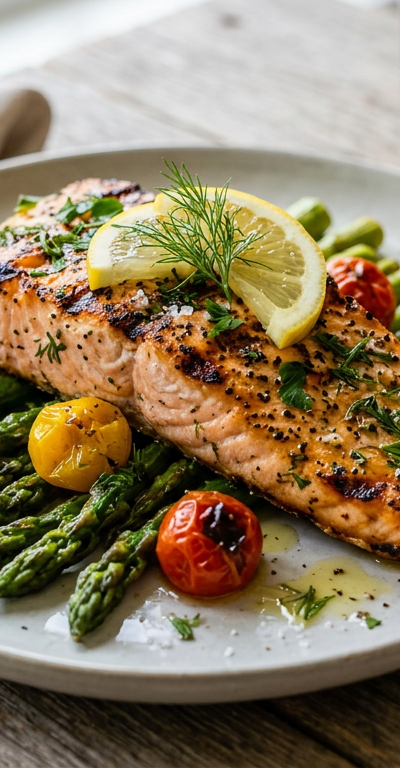
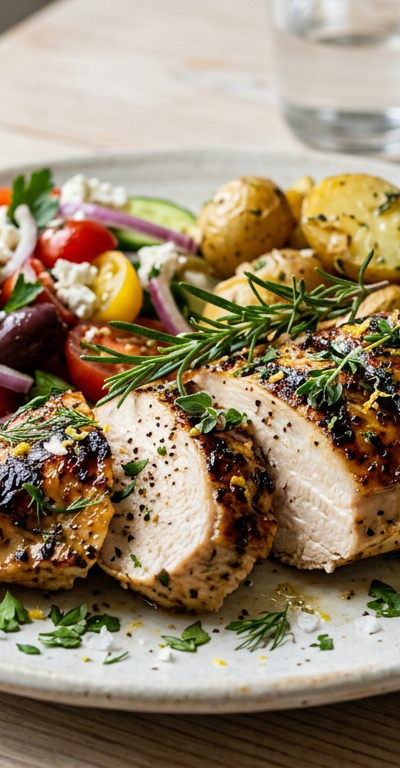
The Elimination Diet addresses acne by removing dairy and high-glycemic foods that increase insulin and IGF-1 levels, key drivers of sebum production and inflammation in acne. By eliminating processed foods, sugar, and common allergens while emphasizing low-glycemic, anti-inflammatory whole foods, the diet helps regulate hormones and reduce skin inflammation. Many people see significant improvement in acne within 6-8 weeks of eliminating trigger foods.
How Dairy proteins and high-glycemic foods increase insulin and IGF-1 levels, which stimulate sebaceous gland activity and increase sebum production. These hormones also promote inflammation and follicular hyperkeratinization, leading to clogged pores. The diet's anti-inflammatory foods and stable blood sugar levels reduce these hormonal triggers while providing zinc and omega-3s that support skin health.
Key foods Wild-caught salmon, leafy greens like spinach and kale, blueberries, sweet potatoes, quinoa, pumpkin seeds, olive oil, carrots
The Elimination Diet can help manage autoimmune conditions by removing foods that may trigger immune responses and increase intestinal permeability (leaky gut), a key factor in autoimmune disease development. By eliminating gluten, dairy, nightshades, and other common triggers, the diet reduces autoimmune flares and systemic inflammation. Many patients report reduced symptoms and improved quality of life when problematic foods are identified and permanently removed.
How The diet addresses intestinal permeability by removing foods containing proteins that can damage tight junctions between intestinal cells. When the gut barrier is compromised, food proteins and bacterial components enter the bloodstream, triggering immune responses and molecular mimicry that can attack self-tissues. Healing the gut lining and reducing immune activation helps decrease autoimmune antibody production and tissue damage.
Key foods Wild-caught salmon, leafy greens like kale and collards, sweet potatoes, blueberries, bone broth, olive oil, quinoa, grass-fed beef
This elimination approach helps many patients with Crohn's and ulcerative colitis identify specific dietary triggers that worsen their symptoms and inflammation. By removing common irritants like gluten, dairy, and nightshades while emphasizing nutrient-dense, anti-inflammatory foods, patients often experience reduced disease activity and improved remission rates. The protocol must be individualized as trigger foods vary significantly between patients.
How Specific food proteins can trigger localized immune responses in the inflamed intestinal mucosa of IBD patients, perpetuating the inflammatory cycle. The diet removes these triggers while providing nutrients necessary for tissue repair and immune regulation. The emphasis on omega-3 fatty acids helps shift the balance from pro-inflammatory eicosanoids toward anti-inflammatory resolvins and protectins.
Key foods Wild-caught fish like cod and salmon, well-cooked white rice, steamed zucchini and carrots, bone broth, olive oil, ripe melons, cooked leafy greens, grass-fed ground turkey
The Elimination Diet addresses skin conditions by identifying and removing food triggers that drive systemic inflammation and immune dysregulation manifesting in the skin. Common triggers like gluten, dairy, and nightshades are removed while anti-inflammatory foods rich in omega-3s and antioxidants support skin healing. Many patients see significant improvement in skin symptoms within 4-6 weeks, with complete clearing possible when all triggers are identified.
How Food sensitivities trigger systemic inflammatory responses that manifest in the skin through increased cytokine production and immune cell activation. By removing trigger foods, the diet reduces inflammatory mediators like TNF-alpha and interleukins that drive skin inflammation. Omega-3 fatty acids and antioxidants support skin barrier function and reduce oxidative stress in skin cells.
Key foods Wild-caught salmon and mackerel, blueberries and blackberries, leafy greens like spinach, sweet potatoes, olive oil, flaxseeds, avocados, bone broth
The Elimination Diet can help manage Hashimoto's by identifying food triggers that increase thyroid antibodies and inflammation, with gluten being a particularly common trigger due to molecular mimicry with thyroid tissue. By removing inflammatory foods and emphasizing nutrient-dense options rich in selenium, zinc, and iodine, the diet supports thyroid function and reduces autoimmune activity. Many Hashimoto's patients see reduced antibody levels and improved thyroid function when trigger foods are eliminated.
How Gluten and other food proteins can trigger autoimmune responses through molecular mimicry, where antibodies against food proteins cross-react with thyroid tissue. The diet reduces intestinal permeability, preventing food antigens from entering the bloodstream and triggering immune responses. Selenium and zinc from whole foods support thyroid hormone production and reduce oxidative stress in thyroid tissue.
Key foods Wild-caught salmon and cod, Brazil nuts (for selenium), leafy greens, sweet potatoes, quinoa, bone broth, blueberries, grass-fed beef
The Elimination Diet can provide significant symptom relief for IBD patients by identifying and removing specific food triggers that exacerbate intestinal inflammation. The focus on easily digestible, anti-inflammatory whole foods reduces the burden on an already compromised digestive system. While not a cure, many IBD patients experience fewer flares, reduced pain, and improved nutrient absorption when following an individualized elimination protocol.
How The diet removes foods that mechanically irritate inflamed intestinal tissue and those that trigger immune responses in the gut-associated lymphoid tissue (GALT). By providing easily digestible nutrients and removing fermentable fibers during acute phases, the diet reduces bacterial fermentation products that can worsen inflammation. Anti-inflammatory omega-3 fatty acids help modulate the inflammatory cascade in intestinal tissue.
Key foods Well-cooked white rice, steamed carrots and squash, bone broth, poached salmon, cooked spinach, coconut oil, ripe bananas, pureed sweet potatoes
The Elimination Diet is specifically designed to heal intestinal permeability by removing foods that damage tight junctions between intestinal cells, including gluten, dairy, and processed foods. The emphasis on nutrient-dense, anti-inflammatory whole foods provides the building blocks necessary for intestinal repair, including amino acids, zinc, and omega-3 fatty acids. Most people experience significant gut healing within 4-6 weeks, with reduced systemic symptoms like fatigue, brain fog, and skin issues.
How Gluten and other inflammatory food proteins can increase zonulin production, a protein that regulates intestinal tight junctions, leading to increased permeability. The diet removes these triggers while providing L-glutamine from bone broth and protein sources that help repair the intestinal lining. Anti-inflammatory compounds reduce intestinal inflammation, allowing tight junctions to restore their barrier function and preventing systemic endotoxemia.
Key foods Bone broth, wild-caught salmon, leafy greens like spinach, sweet potatoes, olive oil, blueberries, quinoa, grass-fed beef
The Elimination Diet can significantly reduce migraine frequency and severity by identifying and removing food triggers that affect neurotransmitter balance and vascular function. Common migraine triggers like aged foods, processed meats, alcohol, and certain additives are eliminated, while the diet stabilizes blood sugar and reduces inflammation. Many migraine sufferers identify 2-3 specific food triggers that, when avoided, dramatically reduce their headache burden.
How Food triggers can affect migraine pathways through multiple mechanisms including histamine release, effects on serotonin metabolism, and vascular changes. The diet removes tyramine-containing foods, histamine-liberating foods, and inflammatory triggers while stabilizing blood sugar fluctuations that can precipitate migraines. The emphasis on magnesium-rich foods like leafy greens helps regulate neurotransmitter function and vascular tone.
Key foods Fresh salmon and cod, quinoa, leafy greens like kale, blueberries, sweet potatoes, brown rice, olive oil, fresh turkey breast
The Elimination Diet can reduce rheumatoid arthritis symptoms by identifying food triggers that exacerbate joint inflammation and autoimmune activity, with nightshades and gluten being common culprits. The diet's emphasis on anti-inflammatory omega-3 fatty acids and removal of pro-inflammatory foods helps reduce joint pain, morning stiffness, and disease activity. Many RA patients experience significant symptom improvement and reduced need for anti-inflammatory medications when following an individualized elimination protocol.
How Food sensitivities can trigger systemic inflammation and increase production of inflammatory cytokines like TNF-alpha and IL-6 that drive joint inflammation in RA. The diet removes nightshades containing alkaloids that may worsen joint inflammation in sensitive individuals. Omega-3 fatty acids compete with arachidonic acid in inflammatory pathways, reducing production of inflammatory prostaglandins and leukotrienes that cause joint pain and swelling.
Key foods Wild-caught salmon and sardines, leafy greens like kale and collards, blueberries, sweet potatoes, olive oil, bone broth, turmeric, flaxseeds
The Elimination Diet may improve mood and anxiety symptoms by identifying food sensitivities that contribute to neuroinflammation and neurotransmitter imbalances. By removing inflammatory foods and emphasizing nutrient-dense options rich in omega-3s, B vitamins, and minerals, the diet supports optimal brain function and gut-brain axis communication. Some individuals experience significant mood improvements when gluten, dairy, or other personal trigger foods are removed.
How Food sensitivities can trigger systemic inflammation that crosses the blood-brain barrier, affecting neurotransmitter synthesis and neuronal function. The gut-brain axis is heavily influenced by diet, with inflammatory foods disrupting the microbiome and reducing production of mood-regulating neurotransmitters like serotonin. Omega-3 fatty acids and B vitamins from whole foods support neurotransmitter production and reduce neuroinflammation.
Key foods Wild-caught salmon and sardines, leafy greens like spinach, blueberries, quinoa, lentils, sweet potatoes, pumpkin seeds, olive oil
The Elimination Diet can support weight loss by removing processed foods, refined sugars, and inflammatory foods that contribute to metabolic dysfunction and weight gain. The emphasis on whole, nutrient-dense foods naturally reduces calorie intake while improving satiety and metabolic health. By identifying food sensitivities that may contribute to inflammation and water retention, some individuals experience significant weight loss, though this is not the primary purpose of the diet.
How The diet eliminates processed foods high in calories but low in nutrients, naturally creating a caloric deficit while maintaining nutritional adequacy. Removing inflammatory foods may improve insulin sensitivity and reduce chronic inflammation that contributes to metabolic dysfunction. The high fiber content from vegetables, fruits, and legumes improves satiety and supports healthy gut bacteria that influence weight regulation.
Key foods Leafy greens like kale and spinach, wild-caught fish, sweet potatoes, quinoa, lentils and chickpeas, berries, olive oil, lean turkey
The Elimination Diet may help manage PCOS symptoms by removing inflammatory foods and identifying sensitivities that worsen hormonal imbalances and insulin resistance. By eliminating dairy (which can affect hormone levels) and processed foods while emphasizing low-glycemic whole foods, the diet helps stabilize blood sugar and reduce androgens. Some women with PCOS experience improved menstrual regularity, reduced acne, and better fertility outcomes when trigger foods are identified and removed.
How The diet addresses insulin resistance, a key driver of PCOS, by removing high-glycemic and processed foods that spike blood sugar. Improved insulin sensitivity reduces excess insulin that stimulates ovarian androgen production. Anti-inflammatory foods help reduce chronic inflammation that contributes to hormonal imbalances, while removal of dairy eliminates hormones and growth factors that may worsen PCOS symptoms.
Key foods Wild-caught salmon, leafy greens like spinach, blueberries, sweet potatoes, quinoa, lentils, olive oil, flaxseeds
The Elimination Diet dramatically reduces systemic inflammation by removing common inflammatory triggers like gluten, dairy, sugar, and processed foods while emphasizing anti-inflammatory whole foods. The diet is rich in omega-3 fatty acids, antioxidants, and phytonutrients that actively combat inflammatory pathways. Many inflammatory markers like C-reactive protein (CRP) and inflammatory cytokines decrease significantly on this protocol.
How The diet removes foods that trigger inflammatory cytokine production and increase intestinal permeability, which drives systemic inflammation. Omega-3 fatty acids from fish compete with omega-6 fatty acids in inflammatory pathways, producing anti-inflammatory mediators. Polyphenols and antioxidants from vegetables and fruits neutralize free radicals and inhibit NF-kB, a key inflammatory transcription factor.
Key foods Wild-caught salmon and sardines, blueberries and blackberries, leafy greens like spinach and arugula, broccoli and cauliflower, turmeric, olive oil, beets, flaxseeds
This elimination diet removes common digestive irritants including gluten, dairy, and processed foods that frequently trigger symptoms like bloating, gas, diarrhea, and constipation. The emphasis on whole, unprocessed foods and anti-inflammatory ingredients allows the digestive tract to heal and function optimally. Many people experience significant symptom relief within 2-3 weeks of following this protocol.
How By eliminating foods that damage the intestinal lining or trigger immune responses, the gut mucosa can repair and regenerate. The diet reduces fermentable compounds that cause gas and bloating while providing easily digestible nutrients. Anti-inflammatory foods help reduce intestinal inflammation and support beneficial gut bacteria populations.
Key foods Bone broth from chicken or turkey, cooked leafy greens like Swiss chard, steamed carrots and squash, white rice, fresh ginger, coconut oil, wild-caught cod, baked sweet potatoes
The Elimination Diet is the gold standard diagnostic tool for identifying food sensitivities and intolerances. By systematically removing the most common allergenic and inflammatory foods for 3-6 weeks, it allows the immune system to calm down and the gut to heal. When foods are reintroduced one at a time, reactions become clearly identifiable, enabling precise identification of problematic foods.
How Removing common allergens and inflammatory triggers allows IgG and IgE antibody levels to decrease and intestinal permeability to normalize. The gut lining repairs itself in the absence of irritating proteins, reducing systemic inflammation and immune activation. Upon reintroduction, specific immune reactions to problem foods become evident through symptoms like digestive distress, skin reactions, or fatigue.
Key foods Sweet potatoes, quinoa, wild-caught salmon, leafy greens like kale and spinach, blueberries, carrots, olive oil, lentils
The Elimination Diet is highly effective for IBS management, as food sensitivities and intolerances are major triggers for IBS symptoms in many patients. By systematically removing common triggers like gluten, dairy, and FODMAPs while emphasizing easily digestible whole foods, most IBS patients experience significant symptom reduction. The reintroduction phase helps identify specific triggers, allowing for a personalized long-term dietary approach.
How IBS involves visceral hypersensitivity and altered gut motility that can be triggered by specific food components. The diet removes fermentable carbohydrates that cause gas and bloating, proteins that may trigger immune responses, and additives that affect gut motility. By calming the gut-brain axis and reducing intestinal inflammation, the diet helps normalize bowel function and reduce pain sensitivity.
Key foods White rice, cooked carrots and zucchini, wild-caught fish like cod, spinach, blueberries, quinoa, olive oil, bone broth
General information about how people eat, not medical advice. Talk to a clinician
before changing your diet to treat a condition.