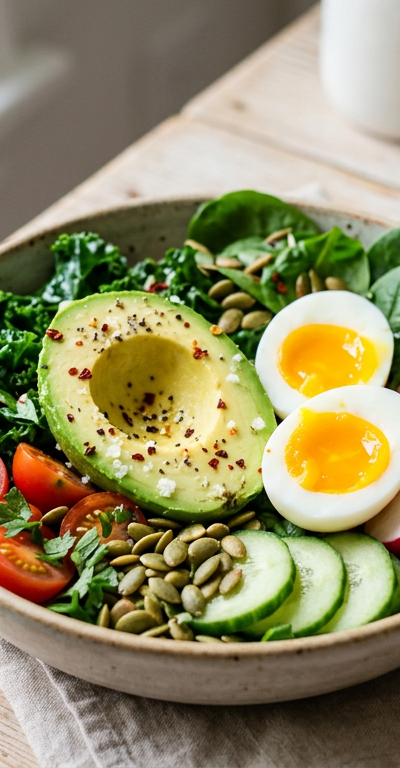
Whole30 eliminates dairy and added sugars, two dietary factors strongly linked to acne development through hormonal and inflammatory pathways. The removal of high-glycemic foods reduces insulin and IGF-1 spikes that stimulate sebum production and inflammation in skin. The nutrient-dense whole foods provide vitamins A, E, zinc, and omega-3 fatty acids that support skin health and reduce inflammation.
How By eliminating dairy, Whole30 removes hormones and bioactive molecules that can stimulate sebaceous glands and increase sebum production. The elimination of added sugars and high-glycemic foods reduces insulin and IGF-1 levels, which decreases androgen production and sebaceous gland activity. Additionally, the anti-inflammatory omega-3 fatty acids and antioxidants from whole foods reduce inflammatory acne lesions by modulating inflammatory cytokines and oxidative stress in the skin.
Key foods Wild-caught salmon and sardines, grass-fed beef liver and other organ meats, eggs, sweet potatoes, carrots and other orange vegetables, leafy greens, berries, pumpkin seeds, walnuts
Whole30 eliminates common inflammatory triggers including grains, legumes, dairy, and processed foods that may contribute to autoimmune flares and intestinal permeability. The elimination protocol helps identify food sensitivities that exacerbate autoimmune symptoms, while the nutrient-dense whole foods provide anti-inflammatory compounds and support immune regulation. Many individuals with conditions like Hashimoto's thyroiditis, rheumatoid arthritis, and lupus report symptom improvement during and after Whole30.
How By removing potential dietary triggers and focusing on anti-inflammatory whole foods, Whole30 may help reduce intestinal permeability (leaky gut) and systemic inflammation. The elimination of grains and legumes removes lectins and other compounds that can trigger immune responses in susceptible individuals, while omega-3 fatty acids from fish and antioxidants from vegetables help modulate immune function and reduce inflammatory cytokine production.
Key foods Wild-caught salmon and sardines, grass-fed beef and organ meats, leafy greens like kale and spinach, cruciferous vegetables like broccoli and Brussels sprouts, sweet potatoes, blueberries and other berries, bone broth, extra virgin olive oil
Whole30 eliminates major inflammatory foods including refined sugars, processed oils, grains, and dairy while emphasizing anti-inflammatory whole foods rich in omega-3 fatty acids, antioxidants, and phytonutrients. The absence of added sugars prevents glycation and insulin spikes that drive inflammatory processes. The diet's focus on whole, unprocessed foods provides a high density of anti-inflammatory compounds that can help reduce systemic inflammation markers.
How The elimination of processed foods, added sugars, and refined oils removes sources of advanced glycation end products (AGEs) and pro-inflammatory omega-6 fatty acids. Meanwhile, the high intake of omega-3 fatty acids, polyphenols, and antioxidants from whole foods helps reduce inflammatory markers like C-reactive protein (CRP), interleukin-6 (IL-6), and tumor necrosis factor-alpha (TNF-α), shifting the body toward an anti-inflammatory state.
Key foods Fatty fish like salmon and mackerel, walnuts, leafy greens like Swiss chard and collards, colorful vegetables like bell peppers and tomatoes, berries including blueberries and strawberries, turmeric and ginger, avocados, extra virgin olive oil
Whole30's elimination of common digestive irritants including gluten, dairy, legumes, and processed additives can significantly reduce symptoms of IBS, bloating, and general digestive discomfort. The focus on easily digestible whole foods and the removal of FODMAPs found in many grains and legumes helps calm the digestive system. The reintroduction phase after 30 days allows individuals to identify specific trigger foods that cause their digestive symptoms.
How By removing gluten, dairy proteins, and legume lectins that can irritate the intestinal lining and trigger digestive symptoms, Whole30 allows the gut to heal and inflammation to subside. The elimination of processed additives like carrageenan and emulsifiers protects the mucus layer of the intestine, while nutrient-dense foods provide the building blocks for intestinal cell repair and support a healthier gut microbiome composition.
Key foods Bone broth, well-cooked root vegetables like carrots and squash, lean proteins like chicken and turkey, cooked leafy greens, zucchini and cucumber, ripe bananas and melons, ginger, coconut oil
Whole30 eliminates processed foods that are typically high in sodium, which can help reduce blood pressure in salt-sensitive individuals. The diet's emphasis on potassium-rich vegetables and fruits helps balance electrolytes and support healthy blood pressure. Weight loss, improved insulin sensitivity, and reduced inflammation achieved through Whole30 all contribute to lower blood pressure readings.
How Whole30 reduces blood pressure through multiple pathways: elimination of processed foods dramatically reduces sodium intake while increasing potassium from whole foods, improving the sodium-potassium ratio that regulates blood pressure. Weight loss reduces cardiac workload and improves vascular function. The anti-inflammatory effects of omega-3 fatty acids and antioxidants improve endothelial function and arterial compliance, while improved insulin sensitivity reduces the sodium retention and sympathetic nervous system activation associated with insulin resistance.
Key foods Leafy greens like spinach and Swiss chard, sweet potatoes, bananas, avocados, fatty fish like salmon, beets, berries, garlic, unsalted nuts and seeds
Whole30 addresses multiple components of metabolic syndrome simultaneously by eliminating added sugars and processed foods that drive insulin resistance, inflammation, and dyslipidemia. The diet's emphasis on whole foods, healthy fats, and elimination of refined carbohydrates helps improve blood pressure, blood sugar, triglycerides, and HDL cholesterol. The weight loss typically achieved on Whole30 further improves all metabolic syndrome markers.
How Whole30 improves metabolic syndrome by reducing insulin resistance through elimination of added sugars and refined carbohydrates, which lowers fasting insulin and glucose levels. The anti-inflammatory nature of the diet reduces systemic inflammation that contributes to metabolic dysfunction, while omega-3 fatty acids from fish and monounsaturated fats from avocados and olive oil improve lipid profiles by raising HDL and lowering triglycerides. Weight loss achieved through the diet further reduces visceral fat, a key driver of metabolic syndrome.
Key foods Fatty fish like salmon and mackerel, grass-fed beef, avocados, olive oil, nuts like almonds and walnuts, leafy greens and cruciferous vegetables, berries, sweet potatoes
Whole30's complete elimination of added sugars, particularly fructose, directly addresses one of the primary dietary drivers of fatty liver disease. The diet promotes weight loss and reduces insulin resistance, both critical factors in reversing hepatic steatosis. By focusing on whole foods and eliminating processed items, Whole30 reduces the overall glycemic and inflammatory burden on the liver.
How The elimination of all added sugars, especially fructose which is preferentially metabolized by the liver into fat, directly reduces de novo lipogenesis and hepatic fat accumulation. Improved insulin sensitivity from reduced carbohydrate intake decreases the hormonal signals that promote fat storage in the liver. The anti-inflammatory and antioxidant compounds from whole foods, particularly omega-3 fatty acids, help reduce hepatic inflammation and oxidative stress, supporting liver regeneration and reversal of steatosis.
Key foods Wild-caught fish rich in omega-3s like salmon, lean proteins like chicken and turkey, cruciferous vegetables like broccoli and Brussels sprouts, leafy greens, berries, walnuts, olive oil, green tea (unsweetened)
Whole30 promotes weight loss by eliminating highly palatable processed foods, added sugars, and refined carbohydrates that drive overconsumption and metabolic dysfunction. The emphasis on whole, nutrient-dense foods with high satiety value (protein, fiber, healthy fats) naturally reduces calorie intake without requiring calorie counting. The elimination of inflammatory foods and improvement in insulin sensitivity also helps normalize metabolic function and fat storage patterns.
How Whole30 addresses obesity through multiple mechanisms: eliminating hyperpalatable processed foods reduces hedonic eating and calorie overconsumption; removing added sugars improves insulin sensitivity and reduces fat storage; high protein intake increases thermogenesis and preserves lean muscle mass during weight loss. The focus on whole foods also improves leptin sensitivity, helping restore normal appetite regulation and reducing the hormonal drive to overeat.
Key foods Lean proteins like chicken breast and turkey, fatty fish like salmon, eggs, fibrous vegetables like broccoli and cauliflower, leafy greens, sweet potatoes, avocados, compliant nuts in moderation
Whole30's elimination of added sugars and refined carbohydrates helps address the insulin resistance that underlies most PCOS cases, potentially improving hormonal balance and ovulatory function. The anti-inflammatory nature of the diet may reduce chronic inflammation associated with PCOS, while weight loss achieved through the program can restore normal menstrual cycles and fertility. The removal of dairy eliminates hormones that may exacerbate PCOS symptoms.
How Whole30 improves PCOS primarily by reducing insulin resistance through elimination of added sugars and refined carbohydrates, which lowers insulin levels and subsequently reduces androgen production by the ovaries. Lower insulin also increases sex hormone-binding globulin (SHBG), which binds excess testosterone and reduces symptoms like hirsutism and acne. The anti-inflammatory compounds from whole foods help reduce the chronic low-grade inflammation associated with PCOS, while weight loss improves leptin sensitivity and can restore normal ovulatory cycles.
Key foods Wild-caught fatty fish like salmon, grass-fed beef, eggs, leafy greens like spinach, cruciferous vegetables like broccoli, berries, avocados, walnuts and almonds, cinnamon
Whole30 eliminates all added sugars and emphasizes whole foods with naturally occurring carbohydrates, which helps stabilize blood sugar levels and reduce insulin spikes. The focus on protein, healthy fats, and fiber-rich vegetables slows glucose absorption and improves satiety, reducing overall carbohydrate intake compared to standard diets. While not as carbohydrate-restricted as ketogenic diets, Whole30's elimination of refined carbohydrates and sugars can lead to meaningful improvements in glycemic control.
How By eliminating all added sugars and refined carbohydrates, Whole30 reduces the glycemic load of meals, leading to lower postprandial glucose spikes and reduced insulin secretion. The high protein and fat content of meals improves insulin sensitivity over time, while the fiber from vegetables slows carbohydrate absorption. This combination can lead to improved HbA1c levels, reduced fasting glucose, and better overall glycemic control.
Key foods Wild-caught salmon and sardines, grass-fed beef, eggs, non-starchy vegetables like broccoli and cauliflower, leafy greens, avocados, nuts like almonds and walnuts, olive oil and coconut oil
Whole30 provides high-quality proteins for muscle recovery and repair, along with nutrient-dense carbohydrates from vegetables and fruits to fuel athletic performance. The anti-inflammatory nature of the diet may reduce exercise-induced inflammation and speed recovery between training sessions. However, athletes may need to carefully plan carbohydrate intake around training, as the elimination of grains and legumes reduces easily accessible carbohydrate sources for high-intensity activities.
How Whole30 supports athletic performance by providing complete proteins with all essential amino acids necessary for muscle protein synthesis and recovery after training. The anti-inflammatory omega-3 fatty acids and antioxidants from whole foods help reduce exercise-induced oxidative stress and inflammation, potentially speeding recovery. However, athletes must strategically time carbohydrate intake from compliant sources like sweet potatoes and fruits around workouts to maintain glycogen stores for high-intensity performance, as the diet's lower overall carbohydrate content compared to typical athletic diets may require adaptation.
Key foods Wild-caught salmon, grass-fed beef, eggs, sweet potatoes, white potatoes (Whole30 compliant), bananas and dates for quick fuel, leafy greens, avocados, compliant nuts
Whole30 eliminates grains, legumes, dairy, and processed additives that may trigger inflammatory responses in individuals with IBD, potentially reducing symptom frequency and severity. The focus on easily digestible whole foods and removal of common irritants can help during flare-ups or as a maintenance strategy. While not specifically designed for IBD, many individuals report symptom improvement, though it should be undertaken with medical supervision due to nutritional considerations.
How By removing grains containing gluten and other proteins that can increase intestinal permeability, as well as dairy and legumes that may trigger immune responses, Whole30 may reduce antigenic load on the inflamed intestinal tissue. The elimination of emulsifiers, carrageenan, and other additives protects the intestinal mucus barrier. Nutrient-dense foods provide amino acids, vitamins, and minerals necessary for intestinal healing, while omega-3 fatty acids help modulate the inflammatory response in IBD.
Key foods Bone broth, well-cooked fish like salmon, lean ground meats, cooked and peeled vegetables like zucchini and carrots, ripe bananas, cooked sweet potatoes, avocado, coconut oil
Whole30's emphasis on nutrient-dense whole foods provides essential nutrients for neurotransmitter production and brain function, including omega-3 fatty acids, B vitamins, and amino acids. The elimination of processed foods and sugars helps stabilize blood sugar and reduces inflammation, both of which can impact mood and anxiety levels. Some individuals report improved mental clarity and emotional stability, though individual responses vary significantly.
How Whole30 may support mental health by providing omega-3 fatty acids (EPA and DHA) that are critical for brain cell membrane function and neurotransmitter signaling, potentially reducing depressive symptoms. The elimination of processed foods and sugars reduces blood sugar fluctuations and inflammation, both of which can negatively impact mood and anxiety. B vitamins, zinc, and amino acids from whole foods support the synthesis of serotonin, dopamine, and GABA, while improved gut health may enhance the gut-brain axis communication that influences mental health.
Key foods Fatty fish like salmon and sardines, grass-fed beef and organ meats, eggs, leafy greens, sweet potatoes, berries, walnuts, avocados
Whole30's elimination of processed foods and trans fats while emphasizing healthy fats from fish, avocados, nuts, and olive oil can improve lipid profiles in many individuals. The diet typically raises HDL (good) cholesterol while lowering triglycerides significantly. However, some individuals may experience increased LDL cholesterol due to higher saturated fat intake from meat, making individual monitoring important.
How Whole30 improves certain lipid markers by eliminating trans fats and refined carbohydrates that raise small, dense LDL particles and lower HDL cholesterol. The high intake of omega-3 fatty acids from fish significantly reduces triglycerides by decreasing hepatic VLDL production. Monounsaturated fats from avocados and olive oil, along with fiber from vegetables, can improve the LDL/HDL ratio. However, increased saturated fat intake may raise LDL cholesterol in some individuals, particularly those with genetic predispositions, requiring personalized assessment.
Key foods Fatty fish like salmon and mackerel, avocados, extra virgin olive oil, walnuts and almonds, leafy greens, berries, ground flaxseed, Brussels sprouts
Whole30 eliminates several common dietary migraine triggers including processed foods with MSG, sulfites, artificial sweeteners, and aged/fermented products. The stabilization of blood sugar through elimination of refined carbohydrates and sugars may reduce migraines triggered by glucose fluctuations. The systematic elimination and reintroduction protocol helps individuals identify their personal food triggers for migraines.
How Whole30 may reduce migraine frequency by eliminating common triggers such as MSG, sulfites, and tyramine found in processed and aged foods, which can trigger neurovascular changes leading to migraines. Blood sugar stabilization through elimination of refined sugars prevents hypoglycemia-induced migraines. The anti-inflammatory effects of the diet may reduce neuroinflammation associated with chronic migraines, while the elimination protocol allows identification of individual food sensitivities that trigger migraines through immune or vascular mechanisms.
Key foods Fresh fish like salmon and cod, fresh poultry, eggs, leafy greens, sweet potatoes, fresh fruits like apples and pears, fresh vegetables like broccoli and carrots, olive oil
Whole30 is specifically designed as an elimination diet to identify food sensitivities by removing the most common trigger foods for 30 days, then systematically reintroducing them. This protocol eliminates gluten, dairy, soy, legumes, and other common allergens and inflammatory foods, allowing the body to reset and symptoms to clear. The structured reintroduction phase enables individuals to pinpoint exactly which foods cause adverse reactions, making it one of the most effective dietary protocols for identifying food sensitivities.
How The 30-day elimination period allows antibodies and inflammatory markers associated with food sensitivities to decrease, giving the immune system time to calm down and the gut lining time to heal. When foods are systematically reintroduced one at a time, any immune or inflammatory response becomes clearly identifiable through symptom recurrence, allowing individuals to create a personalized diet that avoids their specific trigger foods while maintaining nutritional adequacy.
Key foods Grass-fed beef and lamb, wild-caught fish and shellfish, pastured eggs, variety of vegetables including nightshades and non-nightshades, fruits like apples and pears, compliant nuts like almonds and cashews, seeds like sunflower and pumpkin seeds, coconut products
General information about how people eat, not medical advice. Talk to a clinician
before changing your diet to treat a condition.