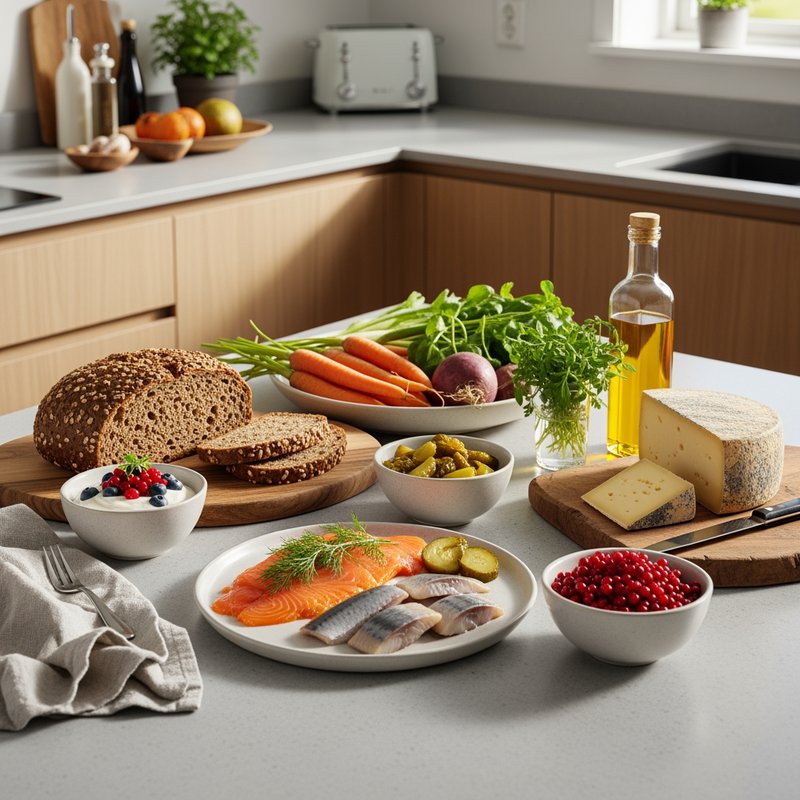
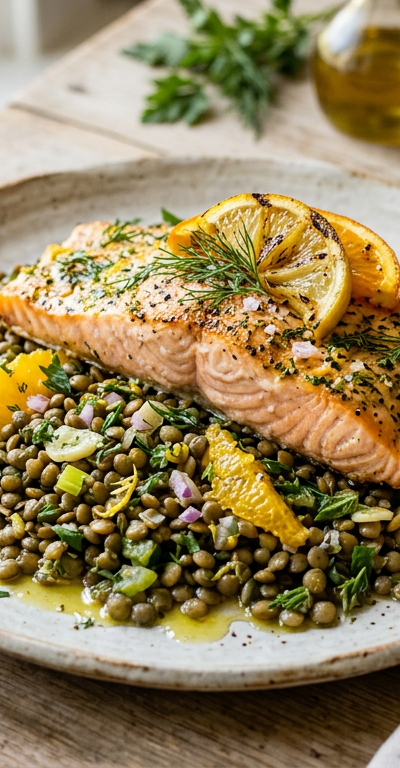
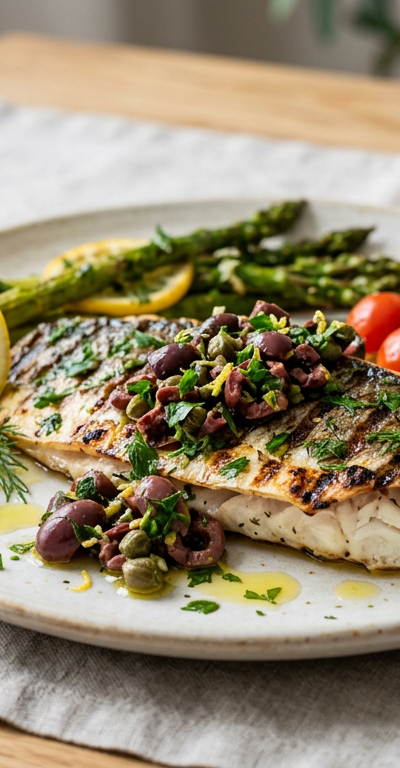
The Nordic Diet may reduce cancer risk through its abundance of cruciferous vegetables, berries rich in protective compounds, and anti-inflammatory omega-3 fatty acids. The diet's emphasis on whole, unprocessed foods and avoidance of processed meats aligns with cancer prevention guidelines. Specific compounds in Nordic foods have demonstrated anti-carcinogenic properties in research studies.
How Glucosinolates from cruciferous vegetables are metabolized to isothiocyanates that induce phase II detoxification enzymes and promote apoptosis in cancer cells. Anthocyanins and ellagic acid from berries inhibit cancer cell proliferation and angiogenesis while protecting DNA from oxidative damage. Omega-3 fatty acids modulate inflammatory pathways that can promote tumor development, and fiber supports beneficial gut bacteria that produce protective metabolites.
Key foods Cruciferous vegetables like cabbage, kale, and Brussels sprouts, berries including lingonberries and cloudberries, fatty fish, whole grain rye, legumes, rapeseed oil, fermented vegetables
The Nordic Diet protects against cognitive decline and may reduce dementia risk through its neuroprotective omega-3 fatty acids, antioxidant-rich berries, and anti-inflammatory whole foods. Research shows better cognitive performance and slower cognitive aging in those following Nordic dietary patterns. The diet's cardiovascular benefits also translate to improved cerebrovascular health, which is critical for maintaining cognitive function.
How DHA from fatty fish is essential for maintaining neuronal membrane integrity and synaptic plasticity, while reducing amyloid-beta accumulation associated with Alzheimer's disease. Anthocyanins and polyphenols from berries cross the blood-brain barrier to provide antioxidant protection and enhance neuronal signaling. The diet's anti-inflammatory effects reduce vascular inflammation and improve cerebral blood flow, supporting oxygen and nutrient delivery to brain tissue.
Key foods Fatty fish like salmon, herring, and mackerel, blueberries, lingonberries, whole grain rye and oats, cruciferous vegetables, rapeseed oil, walnuts
The Nordic Diet supports mental health through its high content of omega-3 fatty acids, B vitamins from whole grains, and anti-inflammatory properties. Studies show associations between Nordic Diet adherence and reduced depression risk, likely mediated through gut-brain axis modulation and reduced neuroinflammation. The diet's emphasis on nutrient-dense whole foods provides essential cofactors for neurotransmitter synthesis.
How Omega-3 fatty acids (particularly EPA and DHA) are incorporated into neuronal membranes, improving neurotransmitter receptor function and reducing neuroinflammation linked to depression. B vitamins from whole grains serve as cofactors for serotonin and dopamine synthesis, while the diet's anti-inflammatory effects reduce cytokine-mediated disruption of neurotransmitter metabolism. Fermented foods support gut microbiome diversity, which influences mood through the gut-brain axis.
Key foods Fatty fish like salmon, mackerel, and herring, whole grain rye and oats, berries, fermented vegetables, legumes, root vegetables, rapeseed oil
The Nordic Diet supports digestive health through its high fiber content from whole grains and vegetables, fermented foods that provide probiotics, and anti-inflammatory properties. The emphasis on whole, unprocessed foods reduces exposure to additives and emulsifiers that can disrupt gut barrier function. The diet's diverse plant foods promote a healthy, diverse gut microbiome associated with improved digestive function.
How Diverse fiber sources from whole grains, vegetables, and legumes feed beneficial gut bacteria, promoting short-chain fatty acid production that nourishes colonocytes and reduces gut inflammation. Fermented foods introduce beneficial bacteria that support gut barrier integrity and immune function. The anti-inflammatory omega-3 fatty acids and polyphenols reduce intestinal inflammation and support mucosal healing.
Key foods Fermented vegetables like sauerkraut, whole grain rye, oats, barley, root vegetables, berries, legumes, fatty fish
The Nordic Diet promotes longevity through its comprehensive anti-inflammatory, antioxidant-rich profile that addresses multiple aging pathways. Population studies in Nordic countries show associations between traditional dietary patterns and increased lifespan and healthspan. The diet's emphasis on whole foods, omega-3 fatty acids, and phytonutrients supports cellular health, reduces oxidative stress, and may influence epigenetic factors related to aging.
How The diet activates longevity pathways including AMPK and sirtuins through polyphenol compounds, while reducing oxidative damage through abundant antioxidants. Omega-3 fatty acids preserve telomere length and reduce cellular senescence markers. The high fiber content supports a diverse gut microbiome that produces metabolites like butyrate, which have anti-aging effects on immune function and inflammation.
Key foods Fatty fish like salmon and mackerel, berries including lingonberries and cloudberries, whole grain rye, cruciferous vegetables, fermented foods, rapeseed oil, root vegetables, legumes
The Nordic Diet improves liver health by reducing hepatic fat accumulation through its emphasis on omega-3 fatty acids, high fiber content, and minimal processed foods. The diet's anti-inflammatory properties and ability to improve insulin sensitivity directly address the metabolic dysfunction underlying NAFLD. Studies show improvements in liver enzymes and reduced liver fat in those following Nordic dietary patterns.
How Omega-3 fatty acids reduce hepatic de novo lipogenesis and increase fatty acid oxidation while decreasing inflammatory cytokines that drive liver damage. High fiber intake improves insulin sensitivity and reduces the flux of free fatty acids to the liver, while also promoting beneficial gut bacteria that reduce endotoxin-mediated liver inflammation. The diet's low glycemic load prevents insulin spikes that stimulate hepatic fat synthesis.
Key foods Fatty fish like salmon, mackerel, and herring, whole grain oats and barley, legumes, berries, cruciferous vegetables, rapeseed oil, root vegetables
The Nordic Diet may benefit autoimmune conditions through its potent anti-inflammatory properties, omega-3 fatty acids, and support for gut health. While specific research on Nordic Diet and autoimmune diseases is limited, the diet's components have individually shown promise in reducing autoimmune activity. The emphasis on whole foods and avoidance of processed items may reduce triggers that exacerbate autoimmune responses.
How Omega-3 fatty acids modulate immune cell function by altering membrane composition and reducing production of pro-inflammatory eicosanoids and cytokines that drive autoimmune responses. The diet supports gut barrier integrity through fiber and fermented foods, potentially reducing intestinal permeability that can trigger autoimmune reactions. Polyphenols from berries and vegetables provide antioxidant protection and may modulate T-cell differentiation.
Key foods Fatty fish like salmon, herring, and mackerel, fermented vegetables, cruciferous vegetables, berries, whole grain rye, rapeseed oil, root vegetables
The Nordic Diet may support bone health through its provision of vitamin D and omega-3 fatty acids from fatty fish, along with minerals from whole grains and vegetables. The diet's anti-inflammatory properties may reduce bone resorption associated with chronic inflammation. While direct research is limited, the diet's components align with bone health recommendations.
How Vitamin D from fatty fish enhances calcium absorption and bone mineralization, while omega-3 fatty acids reduce inflammatory cytokines that stimulate osteoclast activity and bone breakdown. The alkaline-forming vegetables help maintain pH balance that protects against calcium loss from bones. Vitamin K from leafy greens activates osteocalcin, which is essential for binding calcium to bone matrix.
Key foods Fatty fish like salmon, mackerel, and herring (with bones), fermented dairy products, whole grain rye, leafy greens like kale, root vegetables, berries, legumes
The Nordic Diet may benefit PCOS through its ability to improve insulin sensitivity, reduce inflammation, and support healthy weight management. The diet's emphasis on low-glycemic whole grains, omega-3 fatty acids, and anti-inflammatory foods addresses key metabolic dysfunctions in PCOS. While specific Nordic Diet research in PCOS is limited, its metabolic benefits suggest potential therapeutic value.
How The diet's high fiber and low glycemic load improve insulin sensitivity, which is crucial for managing the hyperinsulinemia that drives androgen excess in PCOS. Omega-3 fatty acids reduce inflammatory markers and may improve ovarian function and menstrual regularity. The diet's support for healthy weight loss can restore hormonal balance and improve reproductive outcomes in overweight women with PCOS.
Key foods Fatty fish like salmon and mackerel, whole grain rye, barley, oats, berries, legumes, cruciferous vegetables, rapeseed oil
The Nordic Diet significantly reduces cardiovascular disease risk through its emphasis on omega-3 rich fatty fish, whole grains, and anti-inflammatory foods. Studies show it improves lipid profiles, reduces blood pressure, and decreases arterial inflammation. The high fiber content from whole grains and vegetables, combined with healthy fats from rapeseed oil and fish, creates a cardioprotective dietary pattern comparable to the Mediterranean diet.
How Omega-3 fatty acids from fish reduce triglycerides and inflammation while improving endothelial function. The high fiber from whole grains and vegetables lowers LDL cholesterol and improves gut microbiome composition, which produces beneficial metabolites like short-chain fatty acids. Polyphenols from berries and vegetables provide antioxidant protection against oxidative stress and arterial plaque formation.
Key foods Fatty fish like salmon, mackerel, and herring, rapeseed/canola oil, whole grain rye bread, oats, barley, lingonberries, blueberries, root vegetables like turnips and beets
The Nordic Diet powerfully reduces systemic inflammation through its abundance of anti-inflammatory omega-3 fatty acids, polyphenol-rich berries, and cruciferous vegetables. Studies demonstrate significant reductions in inflammatory markers including CRP, IL-6, and TNF-alpha. The diet's exclusion of processed foods and emphasis on whole, plant-based foods creates a strongly anti-inflammatory dietary pattern.
How Omega-3 fatty acids (EPA and DHA) from fatty fish are converted to specialized pro-resolving mediators that actively resolve inflammation and reduce pro-inflammatory cytokine production. Polyphenols and anthocyanins from berries inhibit NF-κB signaling pathways that drive inflammatory responses, while fiber from whole grains promotes anti-inflammatory gut bacteria and reduces endotoxin-mediated inflammation.
Key foods Fatty fish like salmon, herring, and mackerel, lingonberries, blueberries, cloudberries, cruciferous vegetables like cabbage and Brussels sprouts, rapeseed oil, fermented vegetables, rye
The Nordic Diet effectively lowers total cholesterol and LDL cholesterol while maintaining or improving HDL cholesterol through its emphasis on soluble fiber, plant sterols, and healthy fats. Research shows significant improvements in lipid profiles, with reductions in LDL cholesterol of 10-15% in intervention studies. The replacement of saturated fats with rapeseed oil and the high fiber content from whole grains create optimal conditions for cholesterol management.
How Beta-glucan fiber from oats and barley binds bile acids in the intestine, forcing the liver to use cholesterol to produce new bile acids, thereby lowering blood cholesterol. Rapeseed oil's favorable fatty acid profile (high in monounsaturated and omega-3 fats) improves the LDL/HDL ratio, while plant sterols from whole grains compete with cholesterol for absorption in the intestinal tract.
Key foods Whole grain oats, barley, rye, rapeseed/canola oil, fatty fish like salmon and mackerel, legumes, berries, root vegetables
The Nordic Diet reduces blood pressure through multiple mechanisms including high potassium intake from vegetables, omega-3 fatty acids from fish, and reduced sodium from avoiding processed foods. Clinical studies demonstrate significant reductions in both systolic and diastolic blood pressure comparable to DASH diet effects. The diet's emphasis on whole foods naturally limits sodium while providing abundant minerals that support healthy blood pressure.
How Omega-3 fatty acids improve endothelial function and arterial compliance while reducing vascular resistance. High potassium intake from vegetables and legumes counteracts sodium's effects by promoting sodium excretion and relaxing blood vessel walls. Nitrates from root vegetables like beets are converted to nitric oxide, which dilates blood vessels and reduces blood pressure.
Key foods Fatty fish like salmon and herring, root vegetables like beets and potatoes, berries, whole grain rye and oats, legumes, rapeseed oil, leafy greens
The Nordic Diet addresses all five components of metabolic syndrome through its comprehensive approach to whole foods, healthy fats, and high fiber intake. Research demonstrates improvements in waist circumference, blood pressure, triglycerides, HDL cholesterol, and fasting glucose. The diet's anti-inflammatory properties and emphasis on nutrient-dense foods target the underlying insulin resistance and chronic inflammation driving metabolic syndrome.
How The diet improves insulin sensitivity through high fiber intake that modulates gut microbiome composition and reduces inflammatory endotoxin absorption. Omega-3 fatty acids reduce hepatic fat accumulation and improve lipid metabolism, while the low glycemic load prevents insulin spikes. Polyphenols from berries activate AMPK pathways that enhance cellular energy metabolism and reduce oxidative stress.
Key foods Fatty fish like salmon and mackerel, whole grain rye, barley, oats, berries, rapeseed oil, legumes, cruciferous vegetables, root vegetables
The Nordic Diet promotes sustainable weight loss and weight maintenance through its emphasis on high-satiety whole foods, high fiber content, and minimal processed foods. Clinical trials show significant reductions in body weight, waist circumference, and body fat percentage. The diet's focus on nutrient-dense, low-energy-density foods naturally reduces caloric intake without requiring strict portion control.
How High fiber content from whole grains and vegetables increases satiety hormones like GLP-1 and PYY while slowing gastric emptying, leading to reduced calorie intake. The emphasis on whole, minimally processed foods reduces energy density while maintaining nutrient density, and the protein from fish and legumes increases thermogenesis and preserves lean muscle mass during weight loss.
Key foods Whole grain rye bread, barley, oats, root vegetables like rutabaga and parsnips, cruciferous vegetables like cabbage and kale, berries, fatty fish, legumes
The Nordic Diet improves glycemic control and insulin sensitivity through its emphasis on low-glycemic whole grains, high fiber intake, and minimal processed foods. Research demonstrates significant reductions in fasting glucose, HbA1c levels, and improved insulin response. The diet's focus on whole, unprocessed foods and healthy fats helps stabilize blood sugar levels throughout the day.
How The high fiber content from whole grains and legumes slows glucose absorption and improves insulin sensitivity by promoting beneficial gut bacteria that produce metabolites enhancing glucose metabolism. Omega-3 fatty acids reduce inflammatory markers associated with insulin resistance, while the low glycemic index of Nordic staples prevents blood sugar spikes and reduces pancreatic stress.
Key foods Whole grain rye, barley, oats, legumes like lentils and beans, fatty fish like salmon and mackerel, berries including bilberries and lingonberries, root vegetables, rapeseed oil
The Nordic Diet shows promise for IBD management through its anti-inflammatory omega-3 fatty acids, fermented foods, and emphasis on whole, unprocessed foods. While research is still emerging, the diet's components have individually shown benefits in reducing intestinal inflammation and supporting gut barrier function. The diet's avoidance of processed foods and additives may reduce triggers that exacerbate IBD symptoms.
How Omega-3 fatty acids compete with omega-6 fatty acids in inflammatory pathways, reducing production of pro-inflammatory prostaglandins and leukotrienes that drive intestinal inflammation. Fermented foods and diverse fiber sources support beneficial gut bacteria that produce anti-inflammatory metabolites like butyrate. Polyphenols from berries provide antioxidant protection to inflamed intestinal tissue and may help restore gut barrier integrity.
Key foods Fatty fish like salmon, mackerel, and herring, fermented vegetables, berries, root vegetables, rapeseed oil, well-cooked whole grains like oats
General information about how people eat, not medical advice. Talk to a clinician
before changing your diet to treat a condition.