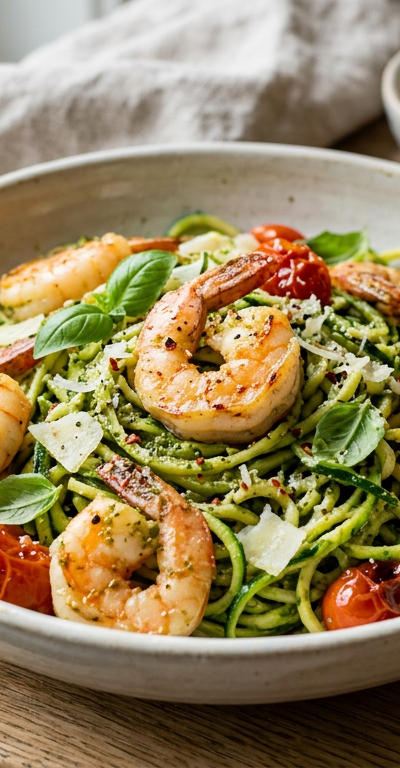
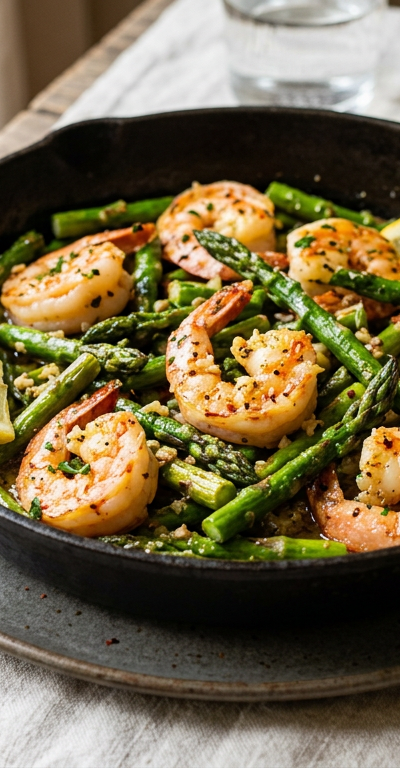
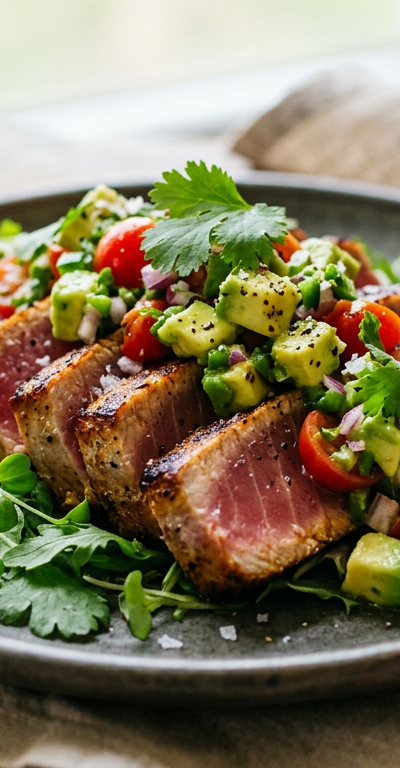
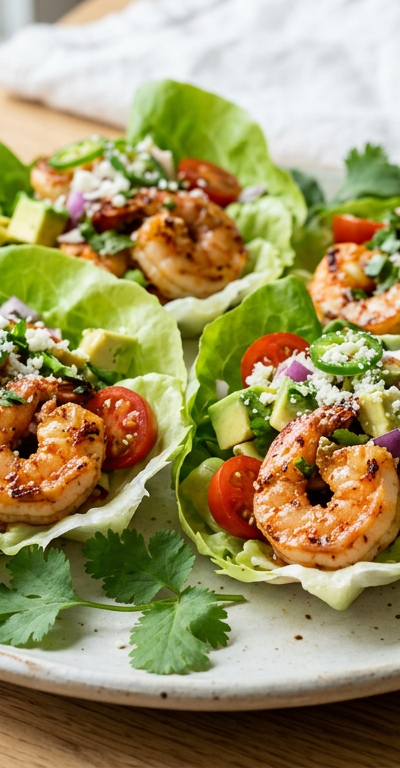
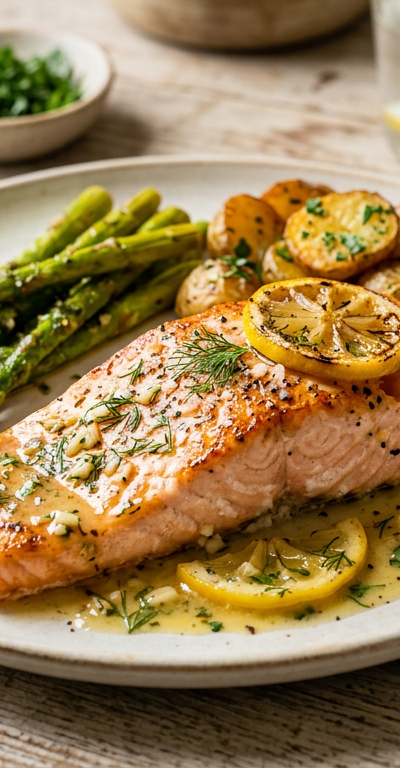
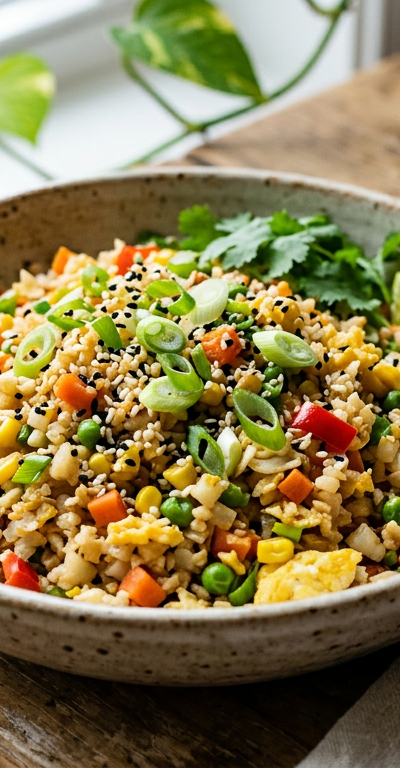
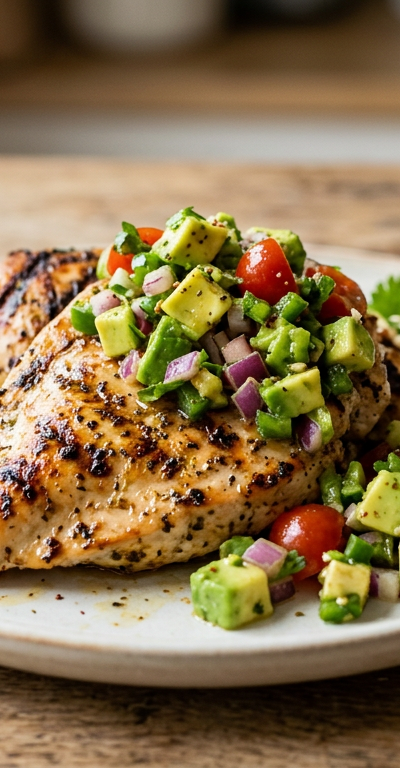
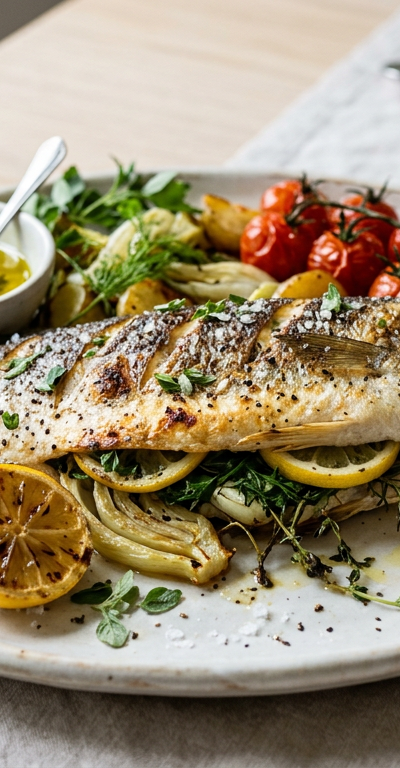
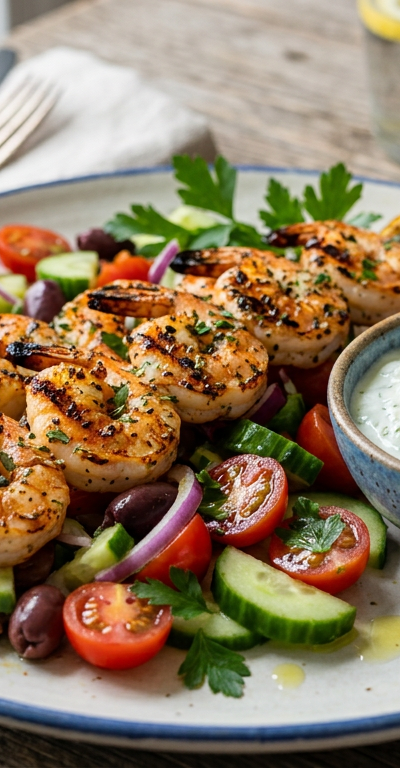
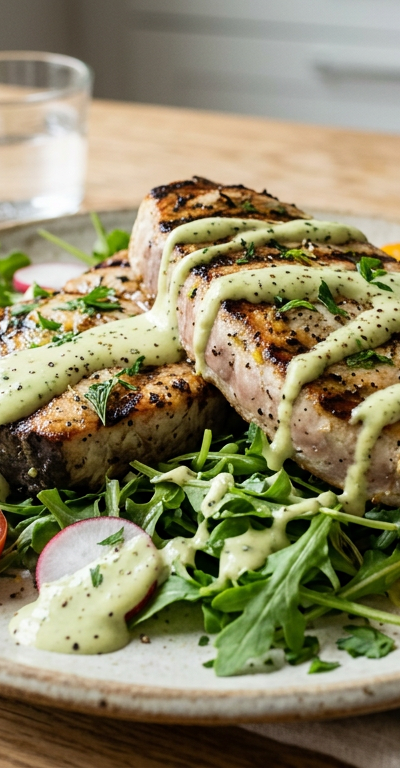
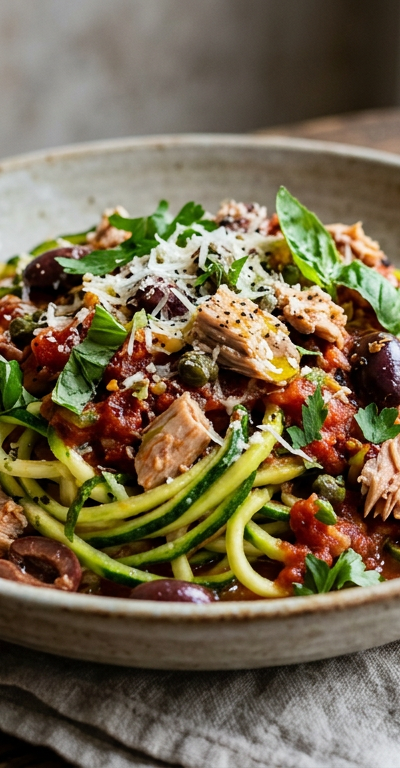
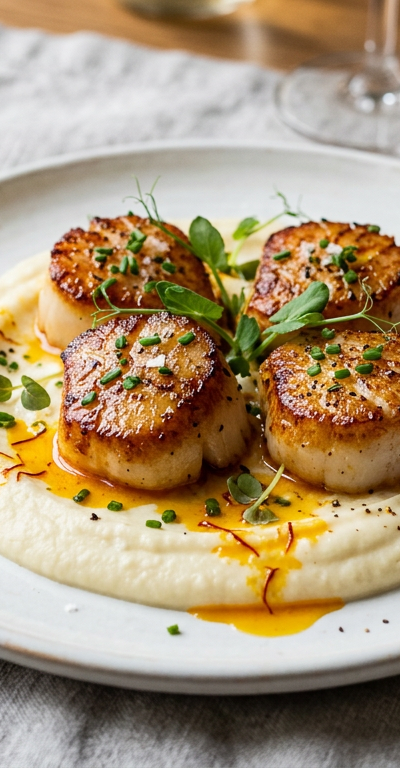
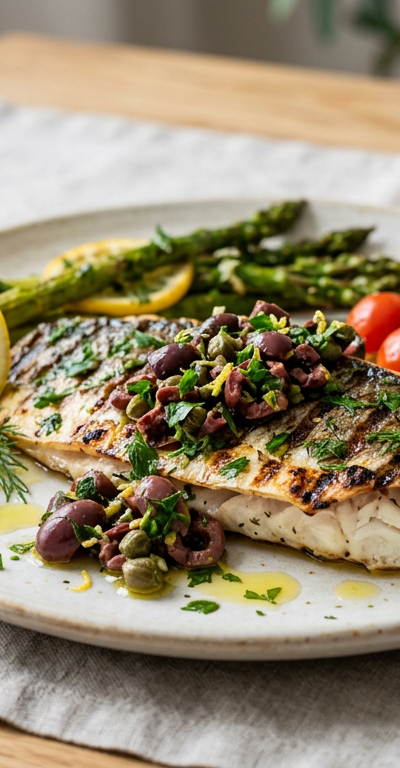
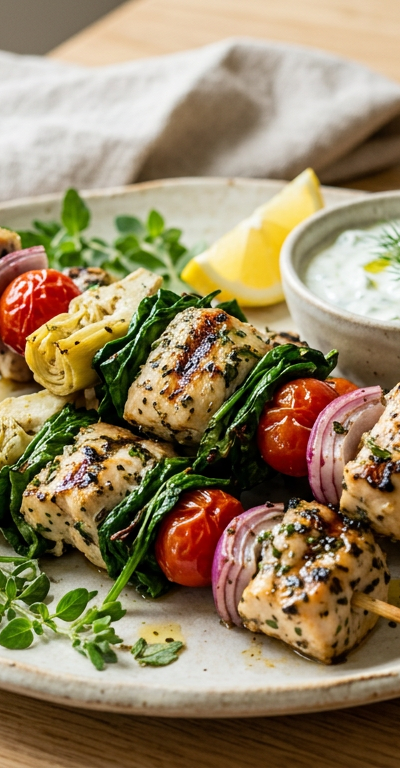
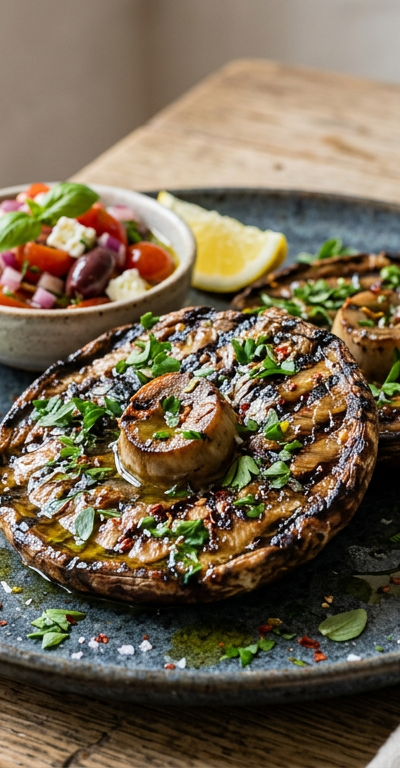
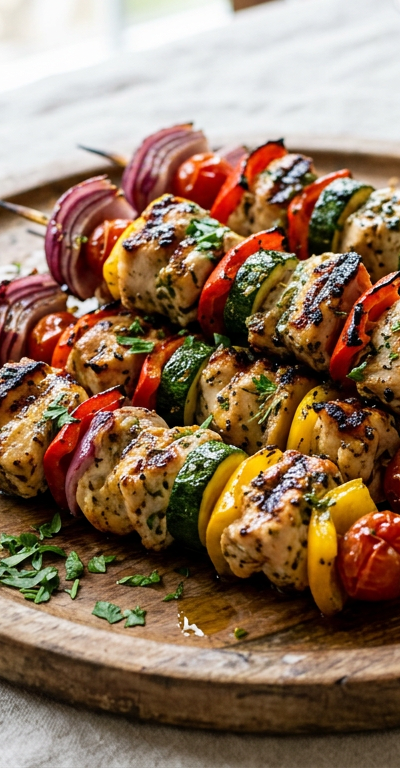
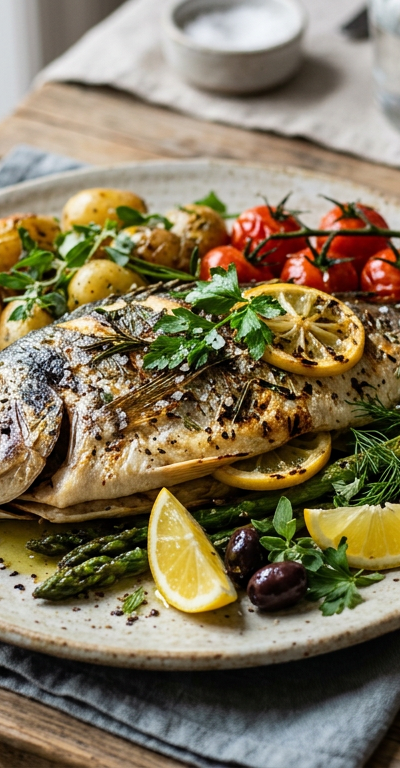
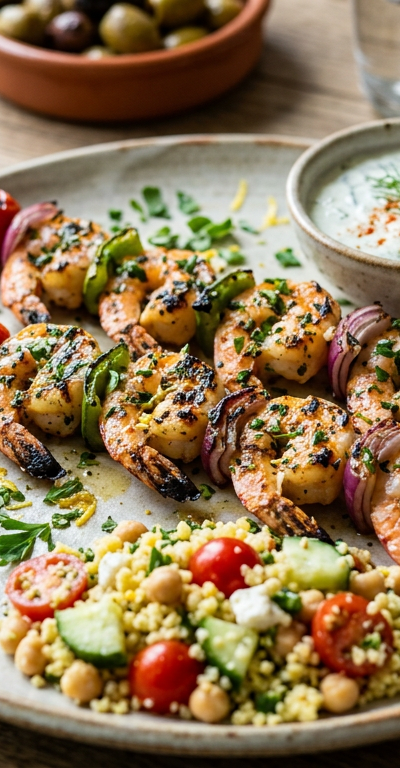
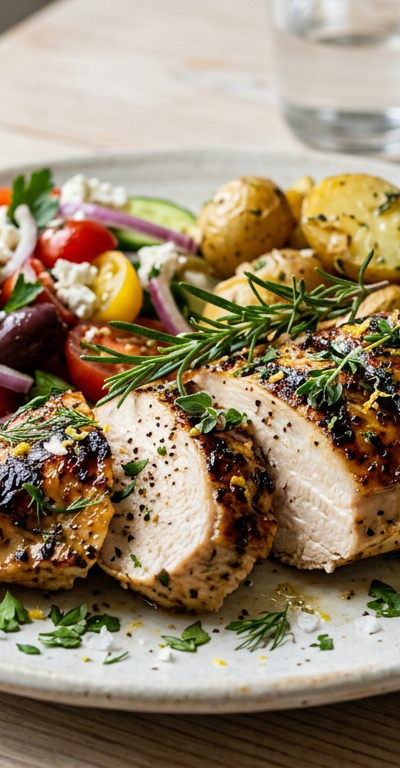
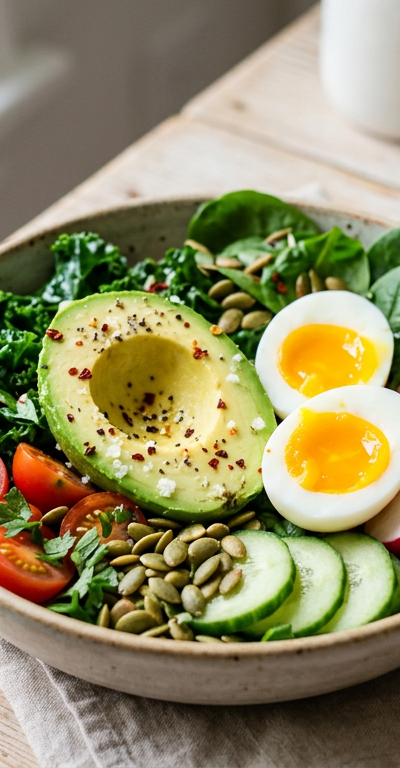
The South Beach Diet reduces chronic inflammation through its emphasis on anti-inflammatory omega-3 fats, antioxidant-rich vegetables, and elimination of pro-inflammatory refined carbohydrates and processed foods. The diet has been shown to reduce inflammatory markers like C-reactive protein and interleukin-6. The abundance of phytonutrients from vegetables and healthy fats creates a favorable anti-inflammatory environment.
How Omega-3 fatty acids from fish are converted to anti-inflammatory eicosanoids and specialized pro-resolving mediators that actively resolve inflammation. Monounsaturated fats from olive oil contain oleocanthal, which has anti-inflammatory properties similar to ibuprofen. The elimination of refined carbohydrates prevents the production of advanced glycation end products (AGEs) and reduces oxidative stress, while the high antioxidant content from vegetables neutralizes free radicals and reduces inflammatory signaling.
Key foods Fatty fish like salmon, sardines, and mackerel, extra virgin olive oil, leafy greens like kale and arugula, berries (Phase 2+), walnuts and almonds, avocados, legumes, turmeric-spiced dishes
The South Beach Diet supports cognitive health through its emphasis on omega-3 fatty acids for brain structure and function, antioxidants from vegetables to combat oxidative stress, and stable blood sugar to ensure consistent brain energy supply. The diet's similarity to Mediterranean dietary patterns, which are strongly associated with reduced cognitive decline, suggests neuroprotective benefits. Improved vascular health from the diet also supports cerebral blood flow.
How Omega-3 fatty acids, particularly DHA, are essential structural components of neuronal membranes and support synaptic plasticity and neurogenesis. The diet's stabilization of blood glucose prevents the neurotoxic effects of hyperglycemia and reduces the formation of AGEs that damage brain tissue. Improved cardiovascular health enhances cerebral perfusion, while antioxidants from vegetables and fruits protect against oxidative damage and reduce neuroinflammation associated with cognitive decline.
Key foods Fatty fish like salmon and sardines, walnuts, extra virgin olive oil, leafy greens like spinach and kale, blueberries (Phase 2+), eggs, avocados, legumes
The South Beach Diet helps lower blood pressure through weight loss, reduced sodium intake from processed foods, and increased intake of potassium-rich vegetables and magnesium-rich nuts. The diet's emphasis on lean proteins and healthy fats, combined with elimination of processed foods high in sodium, creates a favorable mineral balance for blood pressure control. Studies show average reductions of 5-10 mmHg in systolic blood pressure.
How The diet's high potassium content from vegetables and legumes helps counteract sodium's blood pressure-raising effects by promoting sodium excretion and vasodilation. Weight loss reduces cardiac output and peripheral resistance, while omega-3 fatty acids from fish improve endothelial function and reduce arterial stiffness. The elimination of processed foods dramatically reduces sodium intake, which is a primary driver of hypertension in salt-sensitive individuals.
Key foods Leafy greens like spinach and Swiss chard, avocados, fatty fish like salmon, legumes including white beans and lima beans, almonds and cashews, low-fat yogurt, tomatoes, sweet potatoes (Phase 2+)
The South Beach Diet promotes healthy aging by addressing multiple age-related conditions simultaneously, including cardiovascular disease, diabetes, and obesity. The diet's emphasis on nutrient-dense whole foods, healthy fats, and lean proteins provides essential nutrients for cellular health while reducing oxidative stress and inflammation. The dietary pattern shares many features with longevity-promoting diets like the Mediterranean diet.
How The diet's high antioxidant content from vegetables and healthy fats protects against oxidative damage to DNA, proteins, and lipids that accumulate with aging. By improving insulin sensitivity and reducing chronic inflammation, the diet addresses two major drivers of accelerated aging. The omega-3 fatty acids support telomere length maintenance, while the diet's effects on weight management and metabolic health reduce the risk of age-related chronic diseases that limit healthspan and lifespan.
Key foods Fatty fish like salmon and mackerel, extra virgin olive oil, colorful vegetables like bell peppers and tomatoes, legumes, nuts including walnuts and almonds, berries (Phase 2+), leafy greens, avocados
The South Beach Diet helps reverse non-alcoholic fatty liver disease by eliminating refined carbohydrates and added sugars that drive hepatic lipogenesis and fat accumulation. The diet promotes weight loss and improves insulin sensitivity, both critical for reducing liver fat. Studies show that low-glycemic diets similar to South Beach can reduce liver fat by 30-40% within 6-12 weeks.
How By eliminating refined carbohydrates and sugars, particularly fructose, the diet reduces de novo lipogenesis in the liver, which is a primary driver of hepatic steatosis. The omega-3 fatty acids from fish reduce hepatic inflammation and improve fat oxidation, while weight loss improves insulin sensitivity and reduces the influx of free fatty acids to the liver. The diet's anti-inflammatory properties through healthy fats help prevent progression from simple steatosis to steatohepatitis.
Key foods Fatty fish like salmon and mackerel, extra virgin olive oil, walnuts and almonds, leafy greens like kale and spinach, legumes including lentils, avocados, eggs, low-fat dairy
The South Beach Diet helps manage PCOS by improving insulin sensitivity and reducing hyperinsulinemia, which are central to PCOS pathophysiology. The low-glycemic approach helps regulate menstrual cycles, reduce androgen levels, and improve fertility outcomes. Women with PCOS following similar dietary patterns show improvements in ovulation rates and reductions in testosterone levels.
How The diet's low-glycemic approach reduces insulin spikes, which in turn decreases ovarian androgen production and increases sex hormone-binding globulin (SHBG), leading to lower free testosterone levels. Improved insulin sensitivity reduces the hyperinsulinemia that drives many PCOS symptoms. Weight loss achieved through the diet further improves hormonal balance and can restore ovulatory function in many women with PCOS.
Key foods Salmon and other fatty fish, eggs, chicken breast, legumes like chickpeas and black beans, leafy greens like spinach, almonds and walnuts, low-fat Greek yogurt, olive oil
The South Beach Diet may improve acne by eliminating high-glycemic foods that spike insulin and insulin-like growth factor-1 (IGF-1), both of which stimulate sebum production and inflammation in skin. The diet's anti-inflammatory properties and emphasis on omega-3 fats may further reduce acne severity. Studies suggest low-glycemic diets can reduce acne lesions by 30-50%.
How By eliminating refined carbohydrates and sugars, the diet reduces insulin and IGF-1 levels, which decreases sebaceous gland activity and sebum production. Lower insulin levels also reduce androgen production, which is a key driver of acne. The omega-3 fatty acids from fish have anti-inflammatory properties that reduce the inflammatory component of acne lesions, while antioxidants from vegetables help combat oxidative stress in skin tissue.
Key foods Fatty fish like salmon, eggs, leafy greens like spinach and kale, nuts including almonds and walnuts, legumes, olive oil, low-fat dairy, colorful vegetables
The South Beach Diet may support athletic performance through its emphasis on lean proteins for muscle recovery and maintenance, healthy fats for sustained energy, and strategic carbohydrate intake in later phases for glycogen replenishment. The diet's anti-inflammatory properties may aid recovery, while stable blood sugar helps maintain consistent energy levels. However, athletes with high carbohydrate needs may require modifications, especially during Phase 1.
How High-quality proteins from lean meats, fish, and legumes provide essential amino acids for muscle protein synthesis and recovery. Healthy fats provide a sustained energy source for endurance activities and support anti-inflammatory processes that aid recovery. The gradual reintroduction of low-glycemic carbohydrates in Phase 2 allows for adequate glycogen stores while maintaining metabolic flexibility, and the diet's nutrient density supports overall health and immune function critical for training adaptation.
Key foods Salmon and tuna, chicken breast, eggs, legumes like black beans, nuts including almonds, low-fat Greek yogurt, quinoa and sweet potatoes (Phase 2+), leafy greens
The South Beach Diet may support mental health through its emphasis on omega-3 fatty acids, which are essential for brain function and mood regulation, and stable blood sugar levels that prevent mood swings. The diet's anti-inflammatory properties may also benefit mental health, as inflammation is increasingly linked to depression. Improved gut health from fiber-rich foods may support the gut-brain axis.
How Omega-3 fatty acids, particularly EPA, have anti-inflammatory effects in the brain and support neurotransmitter function, including serotonin and dopamine synthesis. Stable blood glucose from the low-glycemic approach prevents the mood fluctuations associated with blood sugar crashes. The diet's support of gut microbiome health through fiber and probiotics may improve mood through the gut-brain axis, while B vitamins from whole foods support neurotransmitter production and nervous system function.
Key foods Fatty fish like salmon and sardines, walnuts, eggs, leafy greens like spinach, legumes, low-fat yogurt with probiotics, avocados, olive oil
The South Beach Diet may benefit certain digestive disorders by emphasizing whole, unprocessed foods and eliminating refined carbohydrates and processed foods that can trigger digestive symptoms. The diet's inclusion of fiber-rich vegetables and legumes supports healthy gut motility and microbiome diversity. However, the diet's effectiveness varies depending on the specific digestive condition.
How The elimination of processed foods reduces exposure to additives and preservatives that may trigger digestive symptoms in sensitive individuals. The high fiber content from vegetables and legumes promotes regular bowel movements and supports beneficial gut bacteria. Probiotic-rich low-fat dairy products help maintain healthy gut microbiome balance, while the diet's anti-inflammatory properties may reduce intestinal inflammation in some conditions.
Key foods Leafy greens like spinach, non-starchy vegetables like zucchini and cucumbers, legumes like lentils, low-fat yogurt with probiotics, olive oil, eggs, lean proteins like chicken and fish
The South Beach Diet may help manage gout by promoting weight loss, which reduces uric acid levels, and by limiting high-fructose foods that increase uric acid production. The diet's emphasis on low-fat dairy products has been associated with reduced gout risk. However, the diet's inclusion of some purine-rich foods like certain fish requires careful selection for gout sufferers.
How Weight loss achieved through the diet reduces serum uric acid levels by improving insulin sensitivity and reducing renal uric acid reabsorption. Low-fat dairy products contain proteins that promote uric acid excretion and have anti-inflammatory properties. The elimination of high-fructose corn syrup and added sugars prevents fructose-induced uric acid production in the liver, while adequate hydration and reduced alcohol consumption support uric acid elimination.
Key foods Low-fat dairy including yogurt and cottage cheese, eggs, cherries (Phase 2+), leafy greens, olive oil, legumes in moderation, chicken breast, vegetables like bell peppers
The South Beach Diet improves cardiovascular health by emphasizing heart-healthy monounsaturated and omega-3 fats while limiting saturated fats and eliminating trans fats from processed foods. The diet has been shown to improve lipid profiles, reduce inflammation markers, and lower blood pressure. Studies demonstrate significant reductions in LDL cholesterol, triglycerides, and C-reactive protein levels.
How The diet's emphasis on omega-3 fatty acids from fish reduces inflammation and triglycerides while improving endothelial function. Monounsaturated fats from olive oil and avocados improve the LDL to HDL ratio and reduce oxidative stress. The elimination of refined carbohydrates prevents the production of small, dense LDL particles that are particularly atherogenic, while the high fiber content from vegetables and legumes helps bind and eliminate cholesterol.
Key foods Fatty fish like salmon, mackerel, and sardines, extra virgin olive oil, avocados, walnuts and almonds, flaxseeds, leafy greens like spinach and collards, legumes including black beans, low-fat dairy
The South Beach Diet effectively lowers total cholesterol and LDL cholesterol while raising beneficial HDL cholesterol through its emphasis on healthy fats and elimination of refined carbohydrates. Clinical studies have shown reductions in LDL cholesterol of 10-15% and increases in HDL cholesterol of 5-10%. The diet's focus on soluble fiber from vegetables and legumes further enhances cholesterol-lowering effects.
How Soluble fiber from legumes and vegetables binds bile acids in the intestine, forcing the liver to use cholesterol to produce new bile acids, thereby lowering blood cholesterol. Monounsaturated fats from olive oil and nuts improve the LDL particle size distribution, creating larger, less atherogenic particles. Omega-3 fatty acids from fish reduce hepatic VLDL production and triglyceride synthesis while improving reverse cholesterol transport.
Key foods Salmon and tuna, almonds and walnuts, olive oil and canola oil, avocados, legumes like chickpeas and lentils, oats and barley (Phase 2+), leafy greens, flaxseeds
The South Beach Diet addresses all five components of metabolic syndrome: abdominal obesity, elevated triglycerides, low HDL cholesterol, high blood pressure, and elevated fasting glucose. The diet's emphasis on lean proteins, healthy fats, and low-glycemic carbohydrates has been shown to improve multiple metabolic markers simultaneously. Clinical trials have demonstrated significant reductions in waist circumference, triglycerides, and blood pressure while improving HDL cholesterol levels.
How The diet's restriction of refined carbohydrates and added sugars reduces hepatic lipogenesis and triglyceride synthesis while improving insulin sensitivity. The high intake of monounsaturated fats from olive oil and avocados raises HDL cholesterol and reduces inflammation, while the fiber from vegetables and legumes improves glucose metabolism and promotes satiety, leading to weight loss and reduced abdominal adiposity.
Key foods Fatty fish like salmon and sardines, avocados, extra virgin olive oil, legumes including black beans and chickpeas, leafy greens like kale and arugula, nuts including almonds and pecans, low-fat dairy products, eggs
The South Beach Diet promotes significant weight loss through its structured phased approach that eliminates refined carbohydrates and emphasizes protein and healthy fats for satiety. The initial Phase 1 produces rapid weight loss by stabilizing blood sugar and reducing cravings, while subsequent phases allow for sustainable long-term weight management. Research shows average weight loss of 8-13 pounds in the first two weeks, with continued steady loss in later phases.
How The diet creates a caloric deficit while maintaining satiety through high protein intake (which has the highest thermic effect of food) and healthy fats that slow gastric emptying. By eliminating refined carbohydrates and stabilizing blood sugar, the diet reduces insulin spikes that promote fat storage and eliminates the blood sugar crashes that trigger hunger and cravings, making it easier to maintain a caloric deficit.
Key foods Lean turkey and chicken breast, white fish and shellfish, eggs and egg whites, non-starchy vegetables like cauliflower and zucchini, legumes like lentils and kidney beans, almonds and cashews, low-fat cottage cheese, olive oil
The South Beach Diet helps manage Type 2 diabetes by emphasizing low-glycemic index foods and eliminating refined carbohydrates, which prevents blood sugar spikes and improves glycemic control. The diet's phased approach allows for gradual reintroduction of healthy carbohydrates while maintaining stable blood glucose levels. Studies have shown significant improvements in HbA1c levels and insulin sensitivity among diabetic patients following this dietary pattern.
How By eliminating high-glycemic foods and focusing on lean proteins and fiber-rich vegetables, the diet reduces the glycemic load of meals, leading to lower postprandial glucose excursions. The emphasis on healthy fats and proteins slows carbohydrate absorption and improves insulin sensitivity, while the gradual reintroduction of low-glycemic carbohydrates in later phases helps maintain long-term glycemic control without triggering insulin resistance.
Key foods Skinless chicken breast, salmon and tuna, eggs, non-starchy vegetables like broccoli and spinach, legumes like chickpeas and lentils, almonds and walnuts, low-fat Greek yogurt, olive oil
General information about how people eat, not medical advice. Talk to a clinician
before changing your diet to treat a condition.