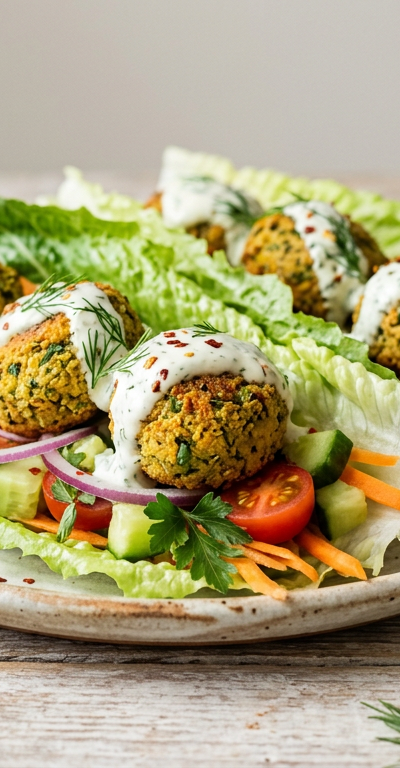
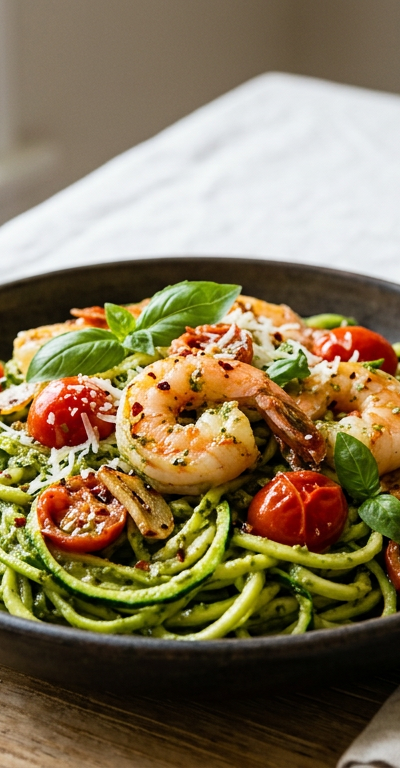
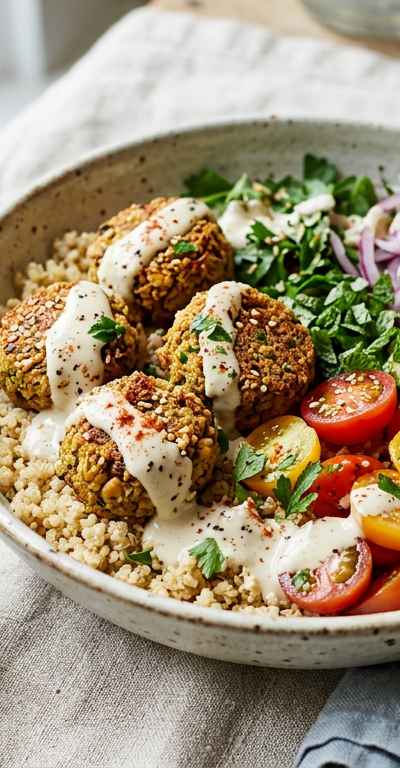
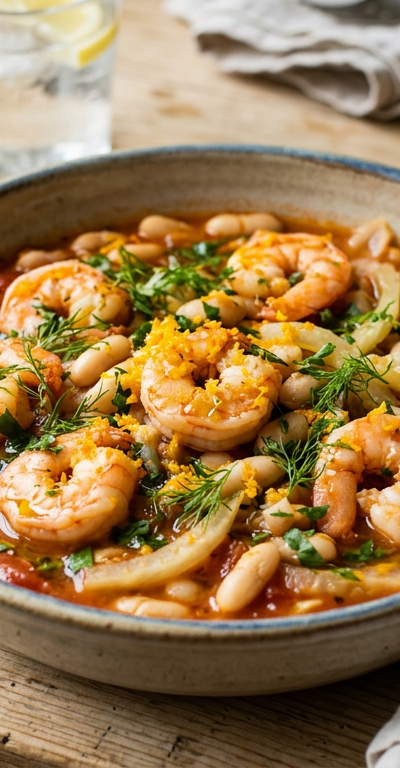
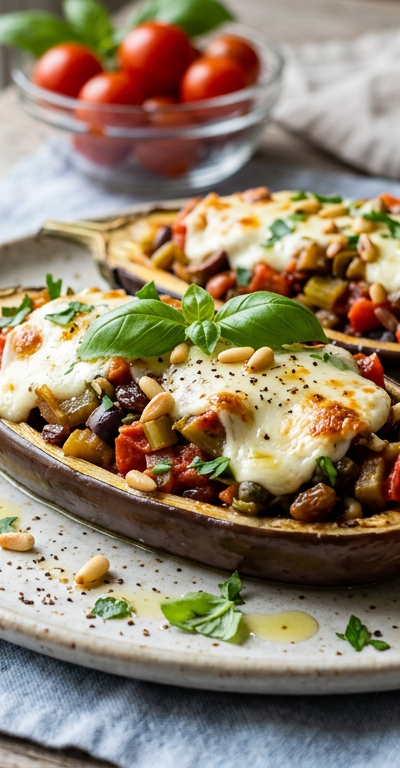
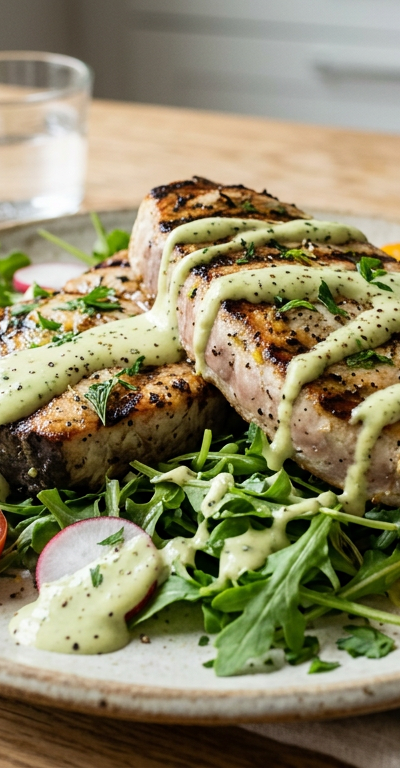
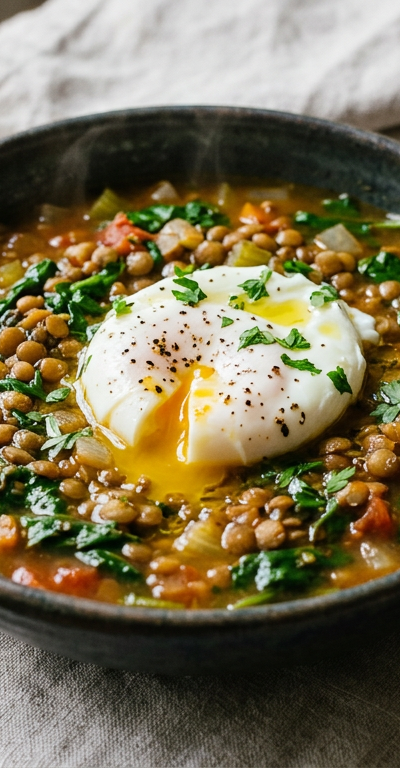
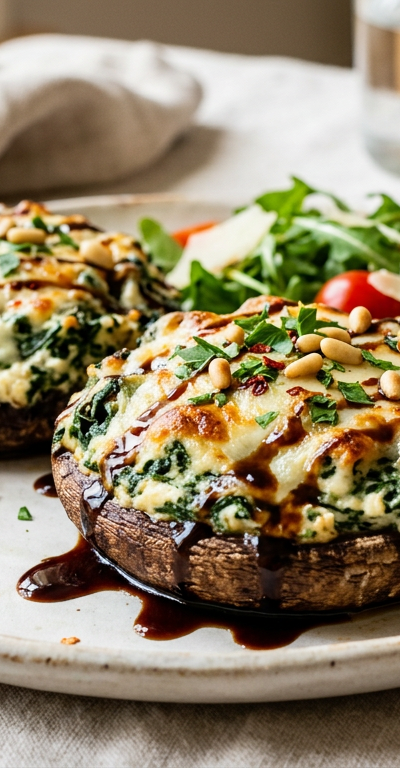
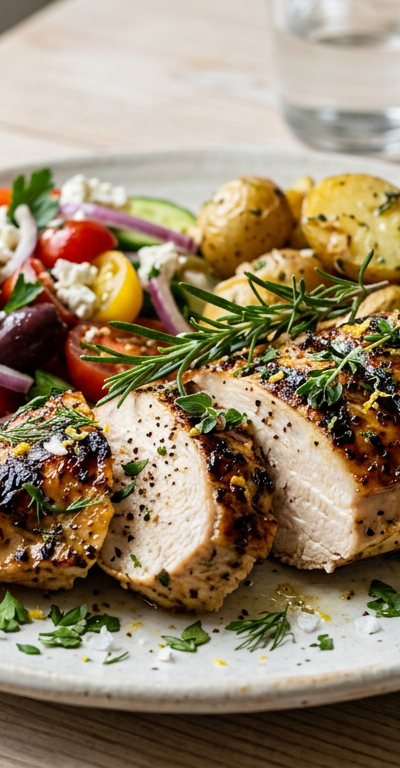
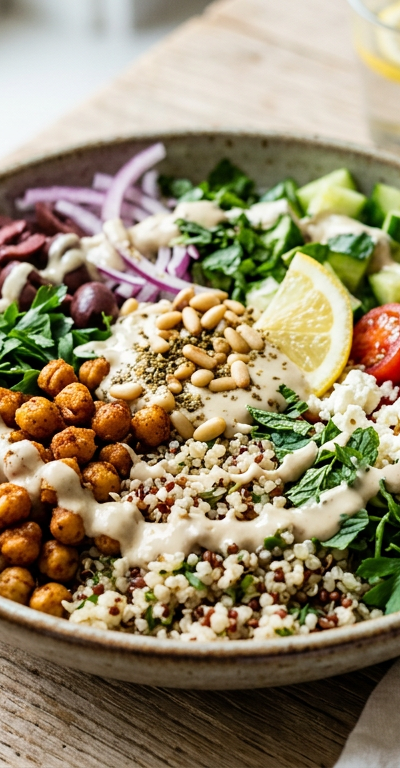
The Mediterranean Diet's potent anti-inflammatory properties make it beneficial for managing various autoimmune conditions including rheumatoid arthritis, lupus, and multiple sclerosis. The diet helps modulate immune system function, reducing autoimmune flares and inflammatory symptoms. Research shows improvements in disease activity scores, reduced joint pain and swelling, and decreased need for anti-inflammatory medications in patients following this dietary pattern.
How Omega-3 fatty acids from fish compete with omega-6 fatty acids in inflammatory pathways, reducing the production of pro-inflammatory eicosanoids and cytokines that drive autoimmune attacks. Polyphenols from olive oil and antioxidants from vegetables and fruits modulate T-cell function and reduce the production of autoantibodies. The diet supports gut barrier integrity through fiber and anti-inflammatory compounds, reducing intestinal permeability that can trigger or worsen autoimmune responses through molecular mimicry and systemic inflammation.
Key foods Fatty fish like salmon and sardines, extra virgin olive oil, leafy greens like spinach and kale, berries, walnuts, turmeric and ginger, garlic, legumes
The Mediterranean Diet has been associated with reduced risk of several cancers, particularly colorectal, breast, and prostate cancers, in large epidemiological studies. The diet's abundance of antioxidants, fiber, and anti-inflammatory compounds helps protect against DNA damage, supports healthy cell division, and promotes the elimination of potential carcinogens. The emphasis on plant-based foods provides phytochemicals that have demonstrated anti-cancer properties in research studies.
How Polyphenols and antioxidants from olive oil, vegetables, and fruits neutralize free radicals and reduce oxidative DNA damage that can initiate cancer development. Fiber from whole grains, legumes, and vegetables promotes healthy gut bacteria that produce short-chain fatty acids with anti-cancer properties and speeds the elimination of carcinogens through the digestive tract. Omega-3 fatty acids and anti-inflammatory compounds reduce chronic inflammation that can promote tumor growth, while phytochemicals like sulforaphane from cruciferous vegetables activate detoxification enzymes and support apoptosis of abnormal cells.
Key foods Extra virgin olive oil, tomatoes rich in lycopene, cruciferous vegetables like broccoli, leafy greens, legumes like beans, whole grains, fatty fish, berries, garlic, herbs like oregano and thyme
Emerging research, including the landmark SMILES trial, demonstrates that the Mediterranean Diet can significantly reduce symptoms of depression and anxiety. The diet supports mental health through multiple pathways including improved gut microbiome diversity, reduced inflammation, and provision of nutrients essential for neurotransmitter production. The emphasis on omega-3 fatty acids and B vitamins particularly supports brain chemistry balance and mood regulation.
How Omega-3 fatty acids from fish improve brain cell membrane fluidity and support serotonin and dopamine receptor function, directly affecting mood regulation. The diet's anti-inflammatory properties reduce neuroinflammation, which is increasingly recognized as a contributor to depression and anxiety. Prebiotic fiber from vegetables and whole grains supports a healthy gut microbiome, which produces neurotransmitters and communicates with the brain via the gut-brain axis, influencing mood and emotional regulation.
Key foods Fatty fish like salmon and mackerel, extra virgin olive oil, leafy greens like spinach, legumes like lentils, nuts like walnuts and almonds, whole grains, fermented foods like yogurt, berries
The Mediterranean Diet supports overall digestive health through its high fiber content, anti-inflammatory properties, and promotion of beneficial gut bacteria. The diet can help manage various digestive issues including constipation, bloating, and general gastrointestinal discomfort. The emphasis on whole, minimally processed foods and the inclusion of fermented dairy products support a healthy gut microbiome and optimal digestive function.
How Soluble and insoluble fiber from vegetables, fruits, whole grains, and legumes promotes regular bowel movements, feeds beneficial gut bacteria, and supports the production of short-chain fatty acids that nourish the intestinal lining. Anti-inflammatory compounds from olive oil and herbs reduce gut inflammation and support intestinal barrier function, preventing leaky gut. Probiotic bacteria from fermented dairy and prebiotic fiber from various plant foods work synergistically to maintain a diverse, healthy gut microbiome that supports optimal digestion and nutrient absorption.
Key foods Extra virgin olive oil, vegetables like zucchini and fennel, whole grains like farro, legumes, leafy greens, yogurt with live cultures, herbs like mint and basil, figs and prunes
The Mediterranean Diet helps manage gout by reducing uric acid levels and inflammatory responses that trigger painful gout attacks. The diet's emphasis on plant-based foods, low-fat dairy, and limited red meat naturally reduces purine intake, the precursor to uric acid. The anti-inflammatory properties of the diet help reduce the severity and frequency of gout flares when they do occur.
How The diet's high vitamin C content from fruits and vegetables increases uric acid excretion through the kidneys, lowering serum uric acid levels. Low-fat dairy products contain proteins that promote uric acid excretion and have anti-inflammatory properties that reduce gout attack severity. The diet's anti-inflammatory compounds from olive oil and antioxidants reduce the inflammatory cascade triggered by uric acid crystal deposition in joints, while limiting red meat and seafood high in purines reduces uric acid production.
Key foods Low-fat yogurt, cherries and berries, leafy greens like spinach, whole grains, legumes in moderation, extra virgin olive oil, vegetables like peppers and tomatoes, coffee
The Mediterranean Diet has shown significant benefits in reducing liver fat accumulation, improving liver enzyme levels, and reversing non-alcoholic fatty liver disease (NAFLD). The diet's emphasis on healthy fats, particularly from olive oil and fish, along with its anti-inflammatory properties, helps reduce hepatic steatosis and inflammation. Studies demonstrate improvements in liver histology and reductions in fibrosis progression with adherence to this dietary pattern.
How Monounsaturated fats from olive oil reduce hepatic de novo lipogenesis and improve insulin sensitivity, decreasing fat accumulation in the liver. Omega-3 fatty acids from fish reduce hepatic inflammation and oxidative stress while improving lipid metabolism and promoting fat oxidation. The diet's high antioxidant and polyphenol content protects hepatocytes from damage, reduces inflammatory cytokines, and supports the liver's natural detoxification processes, preventing progression from simple steatosis to steatohepatitis and fibrosis.
Key foods Extra virgin olive oil, fatty fish like salmon and mackerel, walnuts, leafy greens like spinach, whole grains, legumes like lentils, vegetables like artichokes and asparagus, coffee
The Mediterranean Diet supports bone health through its provision of calcium, vitamin K, magnesium, and anti-inflammatory compounds that protect against bone loss. The diet's alkaline-promoting nature from abundant fruits and vegetables may help preserve bone mineral density by reducing calcium loss. Studies show that adherence to the Mediterranean Diet is associated with higher bone mineral density and reduced fracture risk, particularly in older adults.
How Calcium from dairy, fish with bones, and leafy greens provides the primary mineral for bone structure, while vitamin K from green vegetables activates osteocalcin, a protein essential for calcium binding in bones. The diet's anti-inflammatory properties reduce inflammatory cytokines that stimulate osteoclast activity and bone resorption. Omega-3 fatty acids and polyphenols from olive oil improve calcium absorption and support osteoblast function, promoting bone formation while the alkaline nature of the diet reduces acid-induced calcium loss from bones.
Key foods Leafy greens like kale and collard greens, fatty fish like sardines with bones and salmon, dairy products like yogurt and cheese in moderation, almonds, sesame seeds, figs, legumes like white beans, herbs like parsley
The Mediterranean Diet helps manage PCOS by improving insulin sensitivity, reducing inflammation, and supporting hormonal balance, addressing the root metabolic dysfunction of the condition. Women with PCOS following this diet show improvements in menstrual regularity, reduced androgen levels, improved ovulation rates, and better fertility outcomes. The diet's anti-inflammatory properties and emphasis on low-glycemic foods help manage the insulin resistance that underlies many PCOS symptoms.
How The diet's low-glycemic whole grains and high fiber content stabilize blood sugar and reduce insulin spikes, which decreases ovarian androgen production driven by hyperinsulinemia. Omega-3 fatty acids and anti-inflammatory compounds reduce chronic inflammation that exacerbates insulin resistance and hormonal imbalances in PCOS. Healthy fats improve the production and metabolism of sex hormones while supporting weight loss, which independently improves insulin sensitivity and restores normal ovulatory function in many women with PCOS.
Key foods Extra virgin olive oil, fatty fish like salmon, whole grains like bulgur and quinoa, legumes like lentils and chickpeas, leafy greens, nuts like almonds and walnuts, berries, cinnamon
The Mediterranean Diet has demonstrated significant benefits for rheumatoid arthritis patients, including reduced joint pain, decreased morning stiffness, and improved physical function. The diet's powerful anti-inflammatory effects directly target the inflammatory processes driving RA symptoms. Clinical studies show that RA patients following this diet experience reduced disease activity scores and may require lower doses of anti-inflammatory medications.
How Omega-3 fatty acids from fish are converted into anti-inflammatory resolvins and protectins that directly suppress the inflammatory cytokines (TNF-α, IL-6, IL-1) responsible for joint inflammation and damage in RA. Oleocanthal from extra virgin olive oil acts as a natural COX inhibitor similar to ibuprofen, reducing prostaglandin production and joint inflammation. Antioxidants from vegetables and fruits reduce oxidative stress in inflamed joints, while polyphenols modulate immune cell function, potentially reducing autoimmune attacks on joint tissue.
Key foods Fatty fish like salmon and sardines, extra virgin olive oil, walnuts, leafy greens like kale and spinach, berries, turmeric, ginger, garlic
The Mediterranean Diet shows promise for slowing the progression of chronic kidney disease and reducing cardiovascular complications, which are the leading cause of death in CKD patients. The diet's anti-inflammatory properties and cardiovascular benefits are particularly relevant for kidney disease management. However, modifications may be needed for advanced CKD to manage potassium, phosphorus, and protein intake appropriately.
How The diet's anti-inflammatory and antioxidant compounds reduce oxidative stress and inflammation in kidney tissue, slowing the progression of glomerular damage and fibrosis. Improved blood pressure control and reduced cardiovascular disease risk from the Mediterranean Diet indirectly protect kidney function by reducing hypertensive nephropathy. The diet's emphasis on plant-based proteins over red meat reduces the kidney's filtration burden and may slow the decline in glomerular filtration rate, though protein intake needs monitoring in advanced stages.
Key foods Extra virgin olive oil, low-potassium vegetables like peppers and onions, whole grains in moderation, egg whites, small portions of fish, berries, herbs for flavoring instead of salt, apples
The Mediterranean Diet's anti-inflammatory properties and support for gut microbiome health make it a promising dietary approach for managing inflammatory bowel disease, though research is still emerging. The diet may help reduce inflammation, support intestinal healing, and extend periods of remission in IBD patients. Individual tolerance varies, and some modifications may be needed during active flares, particularly regarding fiber and raw vegetables.
How Omega-3 fatty acids from fish and anti-inflammatory compounds from olive oil reduce intestinal inflammation by modulating inflammatory cytokines and prostaglandin production in the gut lining. The diet supports beneficial gut bacteria that produce anti-inflammatory short-chain fatty acids like butyrate, which nourishes colonocytes and strengthens the intestinal barrier. Polyphenols from olive oil and other plant foods have direct anti-inflammatory effects on intestinal tissue and may help regulate immune responses in the gut, reducing autoimmune attacks on the intestinal wall.
Key foods Extra virgin olive oil, cooked vegetables like zucchini and carrots, fatty fish like salmon, white rice and refined grains during flares, yogurt with probiotics, herbs like turmeric, well-cooked legumes, bananas
The Mediterranean Diet is one of the most extensively studied dietary patterns for cardiovascular health, with landmark trials like PREDIMED showing significant reductions in heart attack, stroke, and cardiovascular death. The diet's emphasis on monounsaturated fats, omega-3 fatty acids, antioxidants, and fiber works synergistically to improve multiple cardiovascular risk factors including blood pressure, lipid profiles, and endothelial function. Regular consumption of anti-inflammatory foods reduces arterial plaque formation and improves overall heart health.
How The high content of monounsaturated fats from olive oil and omega-3 fatty acids from fish reduces LDL cholesterol oxidation and triglycerides while raising HDL cholesterol. Polyphenols and antioxidants from vegetables, fruits, and olive oil reduce oxidative stress and inflammation in blood vessels, preventing atherosclerosis. The diet also improves endothelial function and reduces platelet aggregation, lowering the risk of blood clots and cardiovascular events.
Key foods Extra virgin olive oil, fatty fish like salmon and sardines, walnuts and almonds, whole grains like farro and barley, leafy greens like spinach and arugula, tomatoes, legumes like chickpeas and lentils, red wine in moderation
The Mediterranean Diet is renowned for its powerful anti-inflammatory effects, consistently reducing markers like C-reactive protein (CRP), interleukin-6 (IL-6), and tumor necrosis factor-alpha (TNF-α). The abundance of antioxidants, polyphenols, and omega-3 fatty acids work together to suppress inflammatory pathways and oxidative stress. This anti-inflammatory effect is fundamental to the diet's benefits across numerous chronic diseases.
How Oleocanthal and other polyphenols in extra virgin olive oil act similarly to ibuprofen by inhibiting COX enzymes that produce inflammatory prostaglandins. Omega-3 fatty acids from fish are converted into resolvins and protectins, specialized molecules that actively resolve inflammation and prevent chronic inflammatory states. Antioxidants from colorful vegetables and fruits neutralize free radicals and reduce oxidative stress, which otherwise triggers and perpetuates inflammatory cascades.
Key foods Extra virgin olive oil, fatty fish like salmon and sardines, walnuts, leafy greens like spinach and Swiss chard, tomatoes, berries like blueberries and strawberries, herbs like rosemary and oregano, garlic
The Mediterranean Diet has been extensively studied for its neuroprotective effects, showing significant reductions in cognitive decline, dementia risk, and Alzheimer's disease incidence. The diet's combination of omega-3 fatty acids, antioxidants, and anti-inflammatory compounds protects brain cells from oxidative damage and supports healthy brain aging. Studies show improved memory, executive function, and processing speed in adherents to this dietary pattern.
How Omega-3 fatty acids, particularly DHA from fish, are essential structural components of brain cell membranes and support synaptic plasticity and neurogenesis. Polyphenols from olive oil, berries, and vegetables cross the blood-brain barrier to reduce neuroinflammation and beta-amyloid plaque formation associated with Alzheimer's disease. The diet's antioxidants protect neurons from oxidative stress and mitochondrial dysfunction, while improving cerebral blood flow and reducing vascular damage that contributes to cognitive decline.
Key foods Fatty fish like salmon and sardines, extra virgin olive oil, walnuts, leafy greens like kale and spinach, berries like blueberries, whole grains, legumes, dark chocolate in moderation
The Mediterranean Diet effectively lowers total cholesterol and LDL cholesterol while maintaining or increasing HDL cholesterol, creating a favorable lipid profile. The replacement of saturated fats with monounsaturated fats from olive oil and the inclusion of omega-3 fatty acids from fish are key mechanisms for cholesterol improvement. Plant sterols from nuts, seeds, and legumes further block cholesterol absorption in the intestines.
How Monounsaturated fats from olive oil reduce LDL cholesterol without lowering beneficial HDL cholesterol, while omega-3 fatty acids from fish lower triglycerides and reduce VLDL production in the liver. Soluble fiber from legumes, whole grains, and vegetables binds to cholesterol in the digestive tract and promotes its excretion. Plant sterols and stanols from nuts and seeds competitively inhibit cholesterol absorption in the intestines, further reducing blood cholesterol levels.
Key foods Extra virgin olive oil, fatty fish like salmon and sardines, walnuts and almonds, legumes like beans and lentils, whole grains like oats and barley, avocados, flaxseeds, leafy greens
The Mediterranean Diet has been proven to significantly reduce both systolic and diastolic blood pressure, with effects comparable to some antihypertensive medications. The diet's high potassium content from fruits and vegetables, combined with moderate sodium intake through herb-based flavoring rather than salt, helps regulate blood pressure. The anti-inflammatory compounds and healthy fats improve vascular function and arterial flexibility, reducing peripheral resistance.
How Potassium from vegetables and fruits counteracts sodium's blood pressure-raising effects by promoting sodium excretion and relaxing blood vessel walls. Polyphenols from olive oil and antioxidants from vegetables improve endothelial function and increase nitric oxide production, which dilates blood vessels and reduces vascular resistance. The diet's anti-inflammatory properties reduce arterial stiffness and improve overall vascular compliance, allowing for better blood flow at lower pressures.
Key foods Extra virgin olive oil, leafy greens like spinach and kale, tomatoes, fatty fish like salmon, legumes like white beans, nuts like pistachios and almonds, garlic, potassium-rich fruits like oranges and figs
The Mediterranean Diet is associated with increased lifespan and reduced all-cause mortality in numerous large-scale population studies. The diet's comprehensive benefits across cardiovascular health, cancer prevention, cognitive function, and metabolic health contribute to its longevity effects. Populations with traditional Mediterranean dietary patterns, such as those in Blue Zones, demonstrate exceptional longevity and healthspan, maintaining physical and cognitive function well into advanced age.
How The diet's high antioxidant content reduces cellular oxidative damage and telomere shortening, key factors in biological aging. Anti-inflammatory compounds reduce chronic low-grade inflammation (inflammaging) that accelerates aging processes and increases disease risk. The combination of healthy fats, polyphenols, and micronutrients supports mitochondrial function, DNA repair mechanisms, and cellular autophagy, all of which are essential for maintaining cellular health and longevity.
Key foods Extra virgin olive oil, fatty fish like sardines and salmon, nuts like walnuts and almonds, legumes, whole grains, colorful vegetables like tomatoes and peppers, leafy greens, berries, herbs like rosemary
The Mediterranean Diet addresses all five components of metabolic syndrome simultaneously: abdominal obesity, high triglycerides, low HDL cholesterol, high blood pressure, and elevated fasting glucose. Studies show the diet can reverse metabolic syndrome in a significant percentage of patients by improving insulin sensitivity, reducing inflammation, and promoting healthy weight loss. The synergistic effects of the diet's components make it particularly effective for this multi-faceted condition.
How The diet improves insulin sensitivity through healthy fats and fiber, reducing fasting glucose and preventing fat accumulation around organs. Omega-3 fatty acids and monounsaturated fats improve lipid profiles by lowering triglycerides and raising HDL cholesterol, while reducing inflammation that contributes to insulin resistance. The combination of nutrient-dense, lower-calorie foods promotes weight loss, particularly visceral fat, which directly improves all metabolic syndrome parameters.
Key foods Extra virgin olive oil, fatty fish like salmon and mackerel, whole grains like farro and bulgur, legumes like chickpeas and lentils, nuts like walnuts and almonds, colorful vegetables like peppers and eggplant, berries, leafy greens
The Mediterranean Diet promotes sustainable weight loss and weight maintenance without requiring strict calorie counting, making it effective for long-term obesity management. Despite being relatively high in fat from olive oil and nuts, the diet's emphasis on whole, minimally processed foods naturally reduces calorie intake while increasing satiety. The diet's palatability and cultural richness improve adherence compared to more restrictive diets, leading to better long-term outcomes.
How The high fiber content from vegetables, fruits, legumes, and whole grains increases satiety and reduces overall calorie intake by promoting feelings of fullness. Healthy fats from olive oil and nuts slow gastric emptying and trigger the release of satiety hormones like CCK and GLP-1, reducing hunger between meals. The diet's anti-inflammatory effects improve leptin sensitivity, helping restore normal appetite regulation, while the emphasis on whole foods eliminates the hyperpalatable, calorie-dense processed foods that drive overeating.
Key foods Extra virgin olive oil, vegetables like zucchini and eggplant, legumes like chickpeas and lentils, whole grains like farro, fatty fish like salmon, nuts like almonds in moderation, fruits like apples and pears, leafy greens
The Mediterranean Diet has been shown to improve glycemic control, reduce HbA1c levels, and decrease the need for diabetes medications in people with Type 2 diabetes. The diet's emphasis on low-glycemic whole grains, legumes, and fiber-rich foods helps stabilize blood sugar levels throughout the day. The healthy fats from olive oil and nuts improve insulin sensitivity, while the overall anti-inflammatory nature of the diet addresses the chronic inflammation associated with insulin resistance.
How The diet's high fiber content from whole grains, legumes, and vegetables slows glucose absorption and prevents blood sugar spikes. Monounsaturated fats from olive oil and omega-3s from fish improve insulin receptor sensitivity and reduce inflammatory cytokines that interfere with insulin signaling. The abundance of antioxidants and polyphenols protects pancreatic beta cells from oxidative damage, preserving insulin production capacity.
Key foods Extra virgin olive oil, legumes like lentils and chickpeas, whole grains like bulgur and quinoa, fatty fish like mackerel and salmon, nuts like almonds and walnuts, non-starchy vegetables like broccoli and peppers, leafy greens, berries
General information about how people eat, not medical advice. Talk to a clinician
before changing your diet to treat a condition.