The Engine 2 Diet is a plant-strong eating plan developed by Rip Esselstyn, a former firefighter and professional athlete, designed to prevent and reverse chronic diseases through whole-food, plant-based nutrition. The diet takes its name from Esselstyn's fire station, Engine 2, where he successfully helped his fellow firefighters lower their cholesterol and improve their health markers. The core principles emphasize consuming nutrient-dense, unprocessed plant foods while eliminating all animal products, added oils, and highly processed foods. This approach focuses on eating foods as close to their natural state as possible, prioritizing vegetables, fruits, whole grains, legumes, nuts, and seeds. The Engine 2 Diet strictly excludes all meat, poultry, fish, dairy products, eggs, and added oils (including olive oil, coconut oil, and other extracted oils). It also eliminates processed foods containing refined sugars, white flour, and excessive sodium. Instead, the diet emphasizes whole plant foods including leafy greens, cruciferous vegetables, colorful produce, whole grains like brown rice and quinoa, beans and lentils, and moderate amounts of nuts and seeds. The diet encourages eating until satisfied while focusing on nutrient density rather than calorie restriction. This dietary approach has been shown to help address multiple health conditions, including heart disease, high cholesterol, hypertension, type 2 diabetes, obesity, and chronic inflammation. The diet is particularly effective for cardiovascular health, with research supporting plant-based diets' ability to reduce arterial plaque, lower LDL cholesterol, and decrease blood pressure. Studies have also demonstrated benefits for reducing inflammation markers, improving insulin sensitivity, and promoting healthy weight loss. The absence of animal products and added oils helps reduce saturated fat intake, while the high fiber content supports digestive health and stable blood sugar levels. The Engine 2 Diet is ideal for individuals looking to prevent or reverse heart disease, those with elevated cholesterol or blood pressure, people managing type 2 diabetes, and anyone seeking to lose weight sustainably. It's also beneficial for athletes seeking plant-based performance nutrition, individuals with a family history of chronic disease, and those wanting to reduce inflammation. The diet is backed by the work of Dr. Caldwell Esselstyn (Rip's father), whose research demonstrated that a low-fat, plant-based diet could halt and reverse coronary artery disease. While the diet is generally safe for most people, those with specific nutritional needs should consult healthcare providers, particularly regarding vitamin B12 supplementation, which is essential on any plant-based diet.
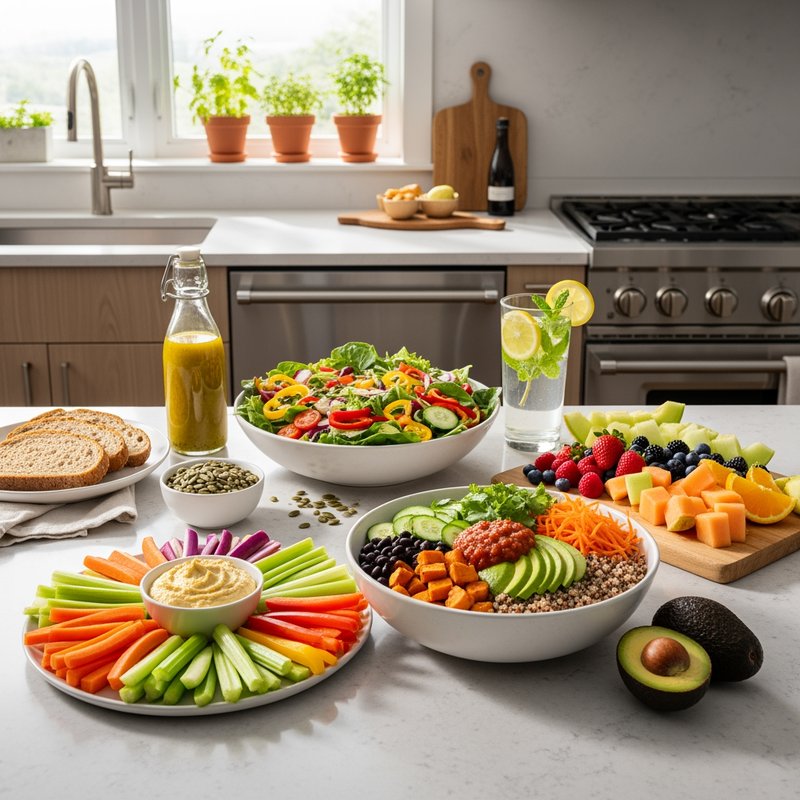
3 recipes available for this diet
The Engine 2 Diet's 100% plant-based approach directly addresses cardiovascular disease risk by eliminating all animal products and added oils. The diet is rich in whole plant foods that actively reduce inflammation, improve endothelial function, and lower cholesterol levels through natural, nutrient-dense ingredients.
Key foods: Whole grains like quinoa and brown rice, leafy green vegetables, legumes like lentils and black beans, berries, nuts and seeds
Mechanism: Plant-based diets reduce cardiovascular disease risk by lowering LDL cholesterol, reducing inflammatory markers, and improving arterial elasticity. The absence of saturated fats and cholesterol, combined with high fiber and antioxidant intake, promotes optimal heart health and reduces plaque formation.
The Engine 2 Diet's whole food, plant-based approach provides powerful anti-inflammatory nutrients that combat systemic inflammation. By eliminating inflammatory animal products and processed foods, the diet supports the body's natural healing processes.
Key foods: Turmeric, ginger, berries, leafy greens, chia seeds, flaxseeds, walnuts
Mechanism: Plant-based diets reduce inflammation by providing high levels of antioxidants, phytonutrients, and omega-3 fatty acids. The elimination of pro-inflammatory animal products and processed foods helps reduce inflammatory markers and supports cellular health.
By eliminating all animal products and focusing on whole plant foods, the Engine 2 Diet naturally lowers cholesterol levels. The diet's emphasis on fiber-rich foods and elimination of saturated fats directly impacts cholesterol metabolism and reduces overall cardiovascular risk.
Key foods: Oats, beans, chia seeds, flaxseeds, almonds, Brussels sprouts, kale
Mechanism: Soluble fiber from plant foods binds to cholesterol in the digestive system, preventing its absorption. The diet's complete elimination of animal products removes dietary cholesterol sources, while plant sterols and stanols actively work to reduce cholesterol levels.
The Engine 2 Diet's whole food, plant-based approach naturally supports blood pressure reduction through high potassium intake, low sodium content, and elimination of processed foods. The diet provides nutrient-dense foods that promote vascular health and reduce inflammation.
Key foods: Sweet potatoes, spinach, bananas, beans, beets, pomegranates, Swiss chard
Mechanism: Plant-based diets reduce blood pressure through multiple mechanisms, including improved endothelial function, reduced oxidative stress, and optimal potassium-to-sodium ratios. The high nitrate content in plant foods helps dilate blood vessels and improve blood flow.
The Engine 2 Diet supports weight loss through nutrient-dense, low-calorie whole plant foods that promote satiety and metabolic health. The diet's focus on unprocessed foods naturally reduces calorie intake while providing essential nutrients.
Key foods: Leafy greens, cruciferous vegetables, beans, lentils, berries, whole grains, mushrooms
Mechanism: Plant-based diets support weight loss by providing high-volume, low-calorie foods that increase satiety. The diet's high fiber content slows digestion, reduces hunger, and helps regulate metabolism through improved insulin sensitivity and reduced inflammation.
The Engine 2 Diet's whole food, plant-based approach directly addresses insulin resistance and blood sugar management. By eliminating processed foods and focusing on complex carbohydrates and fiber-rich foods, the diet helps improve insulin sensitivity and glucose metabolism.
Key foods: Whole grains, legumes, leafy greens, berries, nuts, sweet potatoes, quinoa
Mechanism: Plant-based diets improve insulin sensitivity by reducing inflammation, promoting healthy gut microbiome, and providing complex carbohydrates that release glucose slowly. The high fiber content slows sugar absorption and helps regulate blood sugar levels.
Discover delicious recipes specifically tailored for the Engine 2 Diet diet.
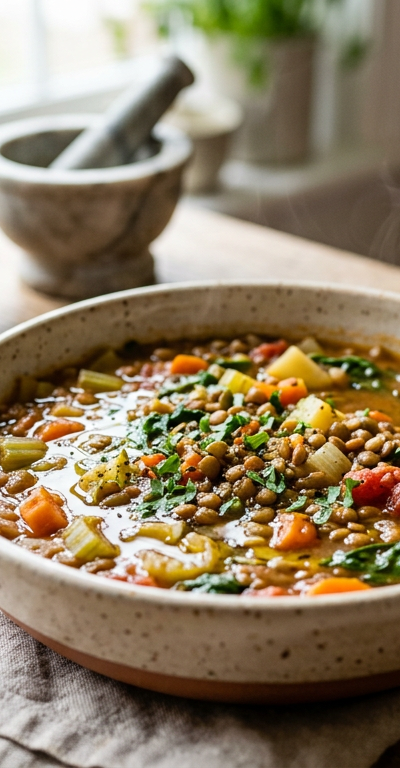
Hearty Mediterranean lentil stew with seasonal vegetables, aromatic herbs, and olive oil. Healthy, comforting, and perfect for meal prep....
Golden chickpea spinach curry in creamy coconut-turmeric sauce. Mediterranean Diet-friendly, ready in 30 minutes. Vegan comfort food!...
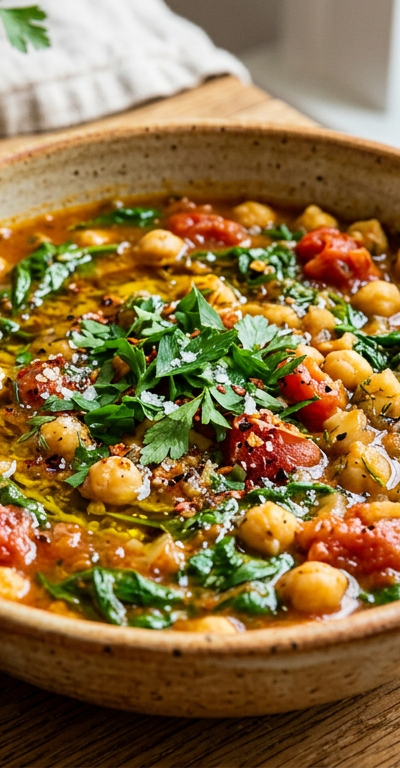
Hearty Mediterranean chickpea and spinach stew with tomatoes, garlic, and warm spices. Healthy, comforting, and ready in 40 minutes!...
Discover other dietary approaches tailored to different health goals and preferences.
View All Diets