Detox Diet

Detox Diet

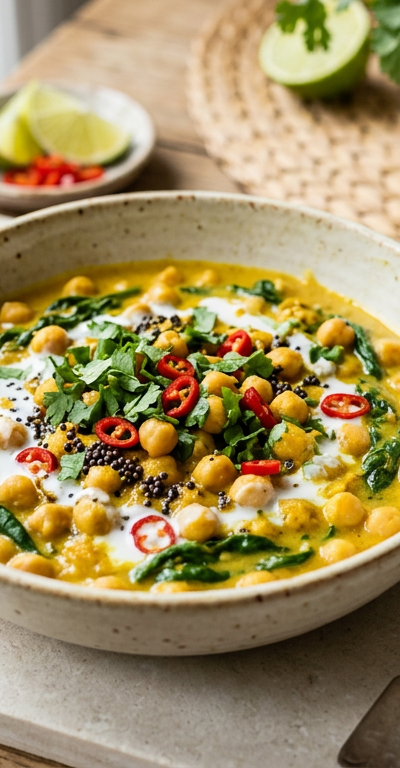
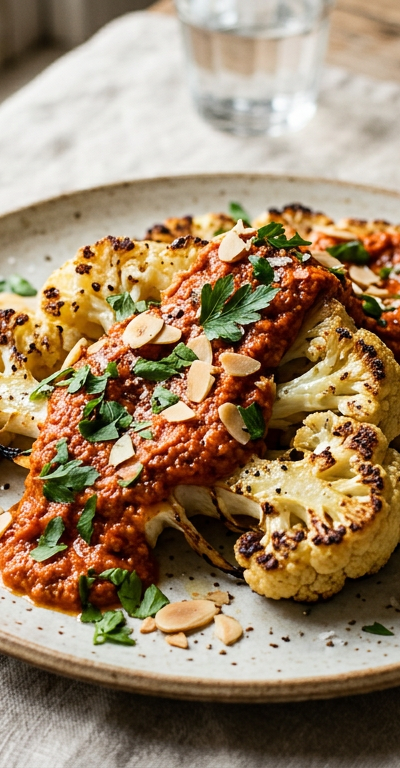
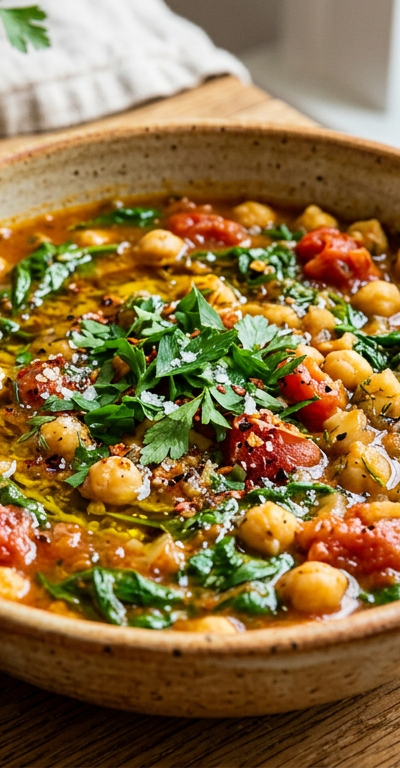
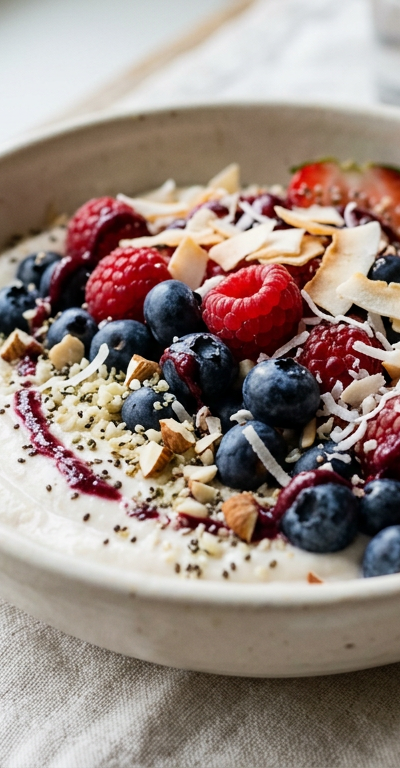
The Detox Diet is a short-term dietary intervention designed to eliminate toxins from the body and support the natural detoxification processes of the liver, kidneys, and digestive system. Core principles include consuming whole, unprocessed foods while eliminating substances that may burden the body's detoxification pathways, such as alcohol, caffeine, refined sugars, processed foods, and potential allergens. Most detox diets emphasize hydration, plant-based nutrition, and the temporary elimination of difficult-to-digest foods to give the digestive system a rest and reset. Typically, a detox diet includes fresh fruits and vegetables (especially leafy greens, cruciferous vegetables, and citrus fruits), herbs like cilantro and parsley, plenty of water and herbal teas, nuts, seeds, legumes, and whole grains like quinoa and brown rice. Foods that are excluded include alcohol, caffeine, processed foods, refined sugars, artificial sweeteners, dairy products, gluten-containing grains, red meat, and often all animal products depending on the detox protocol's intensity. The diet emphasizes organic produce when possible to minimize pesticide exposure and focuses on foods rich in antioxidants, fiber, and nutrients that support liver function. Proponents claim that detox diets can help address various health issues including digestive problems, bloating, inflammation, skin conditions, fatigue, and general sluggishness. Some suggest benefits for conditions like irritable bowel syndrome (IBS), non-alcoholic fatty liver disease, and chronic inflammation. However, it's important to note that scientific evidence for detox diets is limited and often controversial. The human body has sophisticated built-in detoxification systems (liver, kidneys, lungs, skin), and mainstream medical experts often argue that specific "detox" diets are unnecessary for healthy individuals. That said, the emphasis on whole foods, increased vegetable intake, and elimination of processed foods can lead to improvements in energy, digestion, and overall well-being, though these benefits likely stem from improved nutrition rather than actual "detoxification." This diet may benefit individuals looking to reset their eating habits, those experiencing digestive discomfort from poor dietary choices, people wanting to identify food sensitivities through elimination and reintroduction, or those seeking a structured approach to transitioning to a healthier lifestyle. It's generally recommended as a short-term intervention (3-21 days) rather than a long-term eating plan. People with diabetes, eating disorders, pregnant or nursing women, children, and those with chronic health conditions should consult healthcare providers before starting any detox program, as the restrictive nature and potential caloric reduction may not be appropriate for everyone.

9 recipes available for this diet

Health Conditions Supported

Digestive Disorders

This diet supports digestive health by removing common irritants and providing easily digestible, nutrient-dense foods. The elimination of gluten, dairy, and processed foods reduces potential digestive triggers while providing healing nutrients.

Confidence: Moderate

Key foods: Quinoa, brown rice, bone broth, fermented vegetables, organic leafy greens, chia seeds, peppermint, ginger

Mechanism: By removing potential food sensitivities and providing anti-inflammatory nutrients, the diet helps restore gut microbiome balance and reduce intestinal inflammation. The emphasis on whole, unprocessed foods supports mucosal healing and promotes beneficial gut bacteria growth.

Insulin Resistance

The diet's focus on whole, unprocessed foods and elimination of refined sugars helps stabilize blood sugar levels and improve insulin sensitivity. The nutrient-dense approach provides essential minerals and compounds that support metabolic health.

Confidence: Moderate

Key foods: Quinoa, leafy greens, avocado, nuts, seeds, wild-caught fish, organic berries, cruciferous vegetables

Mechanism: By removing refined sugars and providing complex carbohydrates with high fiber content, the diet helps slow glucose absorption and reduce insulin spikes. The rich nutrient profile supports mitochondrial function and cellular insulin receptor sensitivity.

Intestinal Permeability (Leaky Gut)

The elimination of potential inflammatory and allergenic foods combined with nutrient-rich whole foods helps repair intestinal lining and reduce gut permeability. The diet provides specific nutrients that support gut mucosal healing.

Confidence: Moderate

Key foods: Bone broth, collagen-rich foods, chia seeds, pumpkin seeds, organic leafy greens, wild-caught fish, fermented vegetables

Mechanism: By removing potential gut irritants and providing high levels of glutamine, zinc, and omega-3 fatty acids, the diet supports intestinal epithelial cell repair and reduces inflammatory responses that contribute to increased intestinal permeability.

Chronic Inflammation

By eliminating inflammatory foods and focusing on anti-inflammatory whole foods, this diet helps reduce systemic inflammation. The emphasis on organic produce and elimination of processed foods minimizes inflammatory triggers and provides powerful anti-inflammatory nutrients.

Confidence: High

Key foods: Leafy greens, turmeric, ginger, olive oil, avocado, wild-caught salmon, chia seeds, organic berries

Mechanism: The diet reduces inflammatory markers by providing high levels of omega-3 fatty acids, antioxidants, and phytonutrients that suppress pro-inflammatory cytokines. The elimination of processed foods, refined sugars, and potential allergens further reduces inflammatory responses in the body.

Detoxification Support

This diet directly supports the body's natural detoxification processes by eliminating toxin-laden processed foods and emphasizing nutrient-dense, organic whole foods. The diet provides essential nutrients that enhance liver and kidney function, supporting the body's primary detoxification organs.

Confidence: High

Key foods: Beets, cruciferous vegetables like broccoli and kale, cilantro, parsley, lemon, green leafy vegetables, organic berries

Mechanism: The diet provides high levels of antioxidants, sulfur compounds, and phytonutrients that activate Phase I and Phase II liver detoxification enzymes. These compounds help neutralize and eliminate toxins, support glutathione production, and enhance cellular cleansing processes.

Recipes for Detox Diet

Discover delicious recipes specifically tailored for the Detox Diet diet.

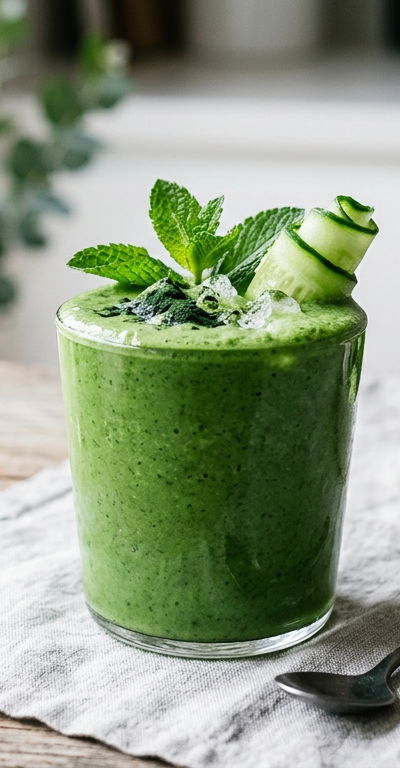
Green Detox Protein Elixir
5 min

Green Detox Protein Elixir

Optavia-friendly detox smoothie with spirulina, plant protein, cucumber & mint. Low-calorie, high-protein blend for sustained energy. Ready in 5 min....

View Recipe

Explore More Diets

Discover other dietary approaches tailored to different health goals and preferences.

View All Diets