Ancestral Diet
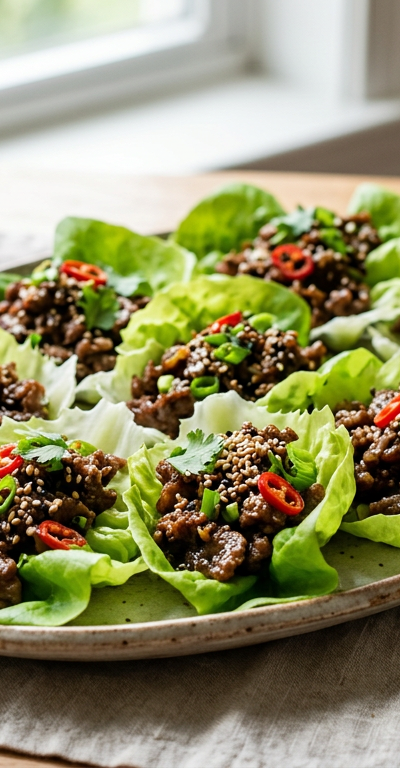
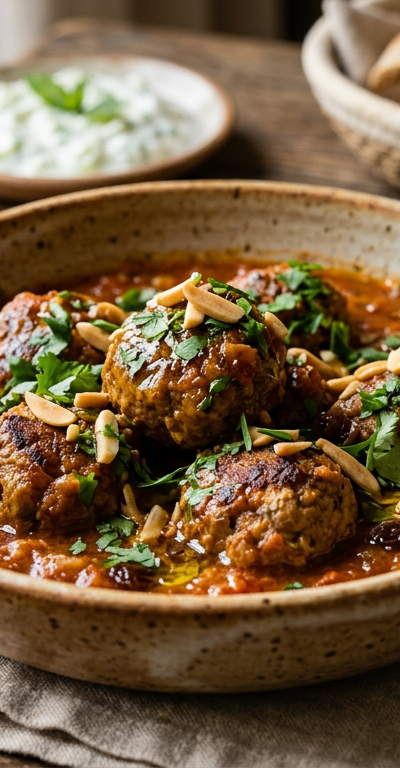
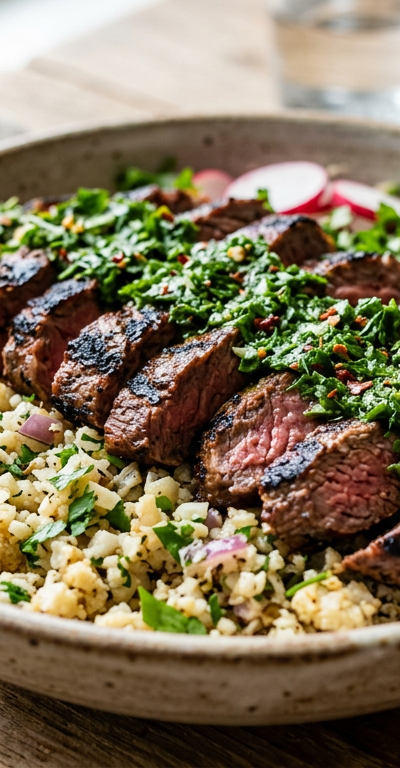
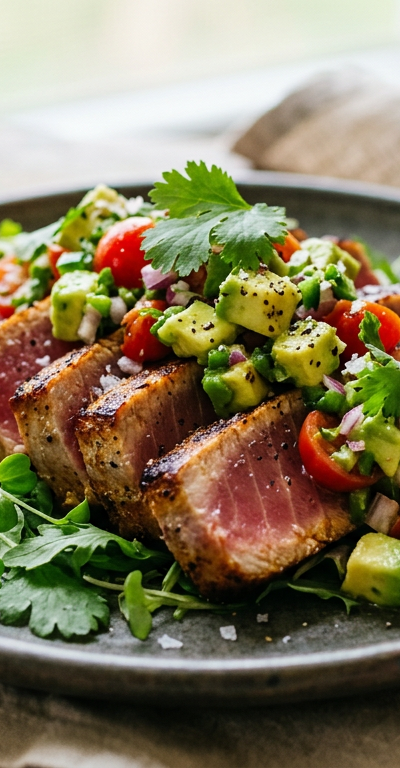
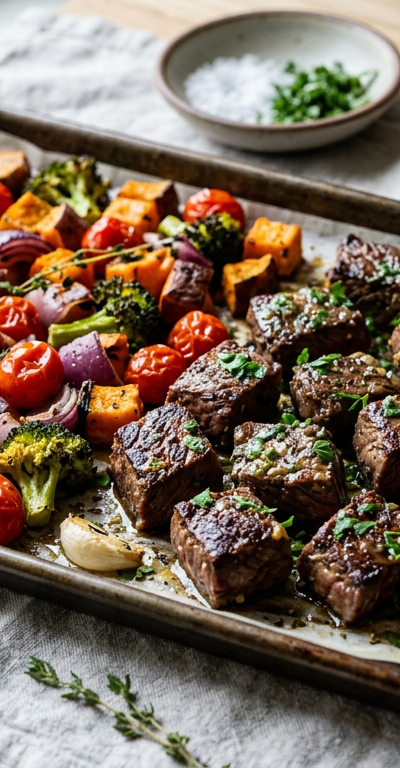
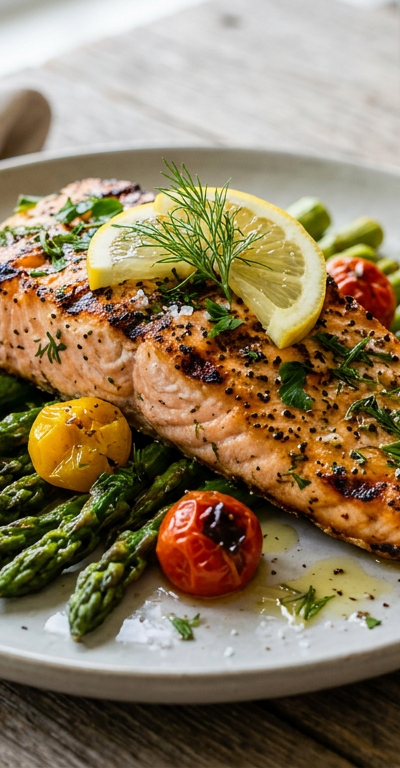
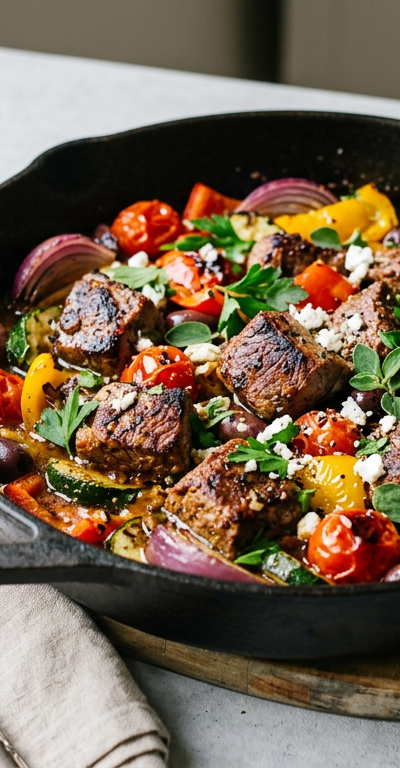
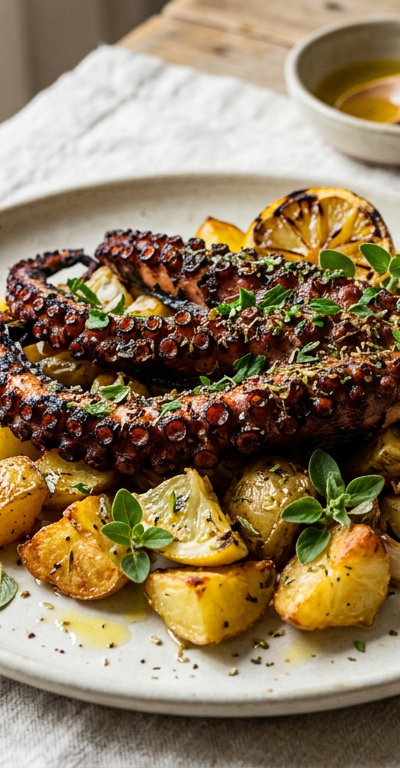
The Ancestral Diet, also known as the Paleo or Primal diet, is based on the principle of eating foods that our hunter-gatherer ancestors would have consumed during the Paleolithic era, before the advent of agriculture approximately 10,000 years ago. The core philosophy is that the human body is genetically adapted to thrive on the foods available to our ancient ancestors, and that many modern health problems stem from the mismatch between our genetics and contemporary processed foods. This approach emphasizes whole, unprocessed foods while eliminating foods that became common only after the agricultural revolution. Foods typically included in the Ancestral Diet are grass-fed meats, wild-caught fish and seafood, eggs, vegetables, fruits, nuts, seeds, healthy fats (such as olive oil, coconut oil, and avocado), and herbs and spices. The diet strictly excludes grains (wheat, rice, corn, oats), legumes (beans, lentils, peanuts, soy), dairy products (though some variations allow grass-fed butter and ghee), refined sugars, processed foods, artificial sweeteners, refined vegetable oils, and any foods containing additives or preservatives. The focus is on nutrient-dense, anti-inflammatory foods that provide optimal fuel for the body. The Ancestral Diet has shown promise in addressing numerous health conditions, particularly those related to inflammation and metabolic dysfunction. Research suggests it may benefit individuals with autoimmune conditions, type 2 diabetes, cardiovascular disease, obesity, metabolic syndrome, inflammatory bowel diseases, acne, and polycystic ovary syndrome (PCOS). Studies have demonstrated improvements in blood sugar control, insulin sensitivity, blood pressure, cholesterol profiles, and markers of inflammation. The diet's elimination of processed foods, refined sugars, and inflammatory seed oils, combined with its emphasis on protein, healthy fats, and micronutrient-rich vegetables, contributes to better blood sugar regulation and reduced systemic inflammation. This diet is particularly beneficial for individuals seeking to reduce inflammation, lose weight, improve metabolic health, or manage autoimmune conditions. Athletes and those seeking sustained energy levels often report improved performance due to stable blood sugar and efficient fat metabolism. People with gluten sensitivity, celiac disease, or lactose intolerance naturally benefit from the grain-free and dairy-free approach. However, the diet requires careful planning to ensure adequate calcium and vitamin D intake without dairy, and some individuals may need to modify the approach based on their specific health needs, activity levels, and personal tolerance to certain excluded foods.