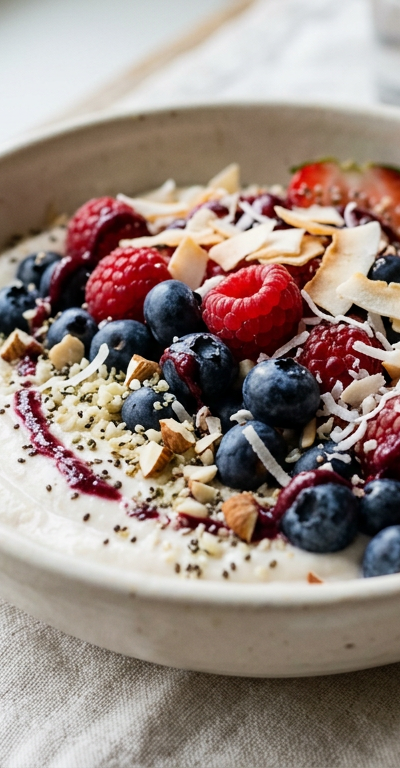
Stone Age Diet

Stone Age Diet

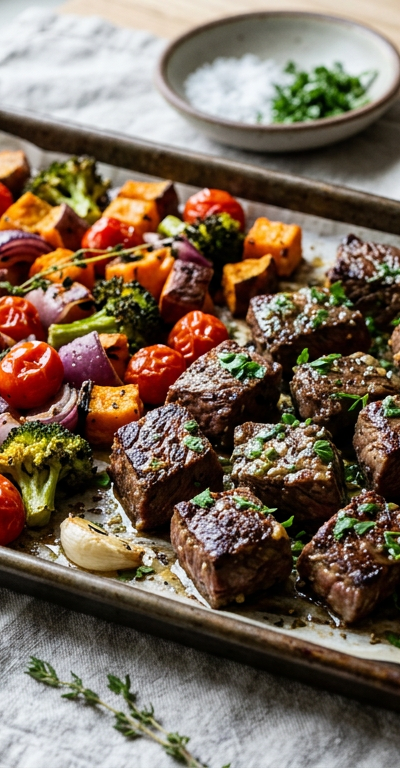
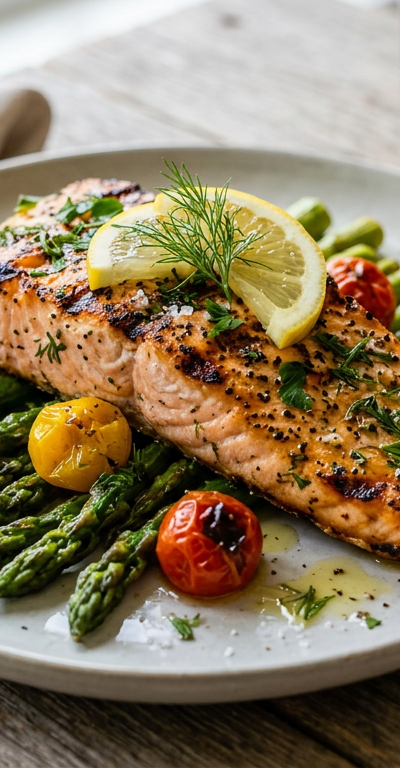
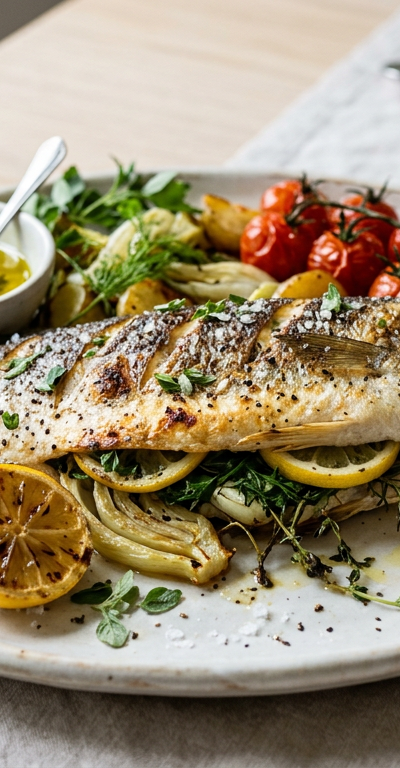
The Stone Age Diet, more commonly known as the Paleo or Paleolithic Diet, is based on the eating patterns of our hunter-gatherer ancestors from approximately 2.5 million to 10,000 years ago, before the advent of agriculture. The core principle is that human genetics have changed very little since the Paleolithic era, and our bodies are optimally designed to process the foods available during that time. This approach emphasizes consuming whole, unprocessed foods that could theoretically be obtained through hunting and gathering, while eliminating foods that emerged with farming and modern food processing. The diet primarily includes grass-fed meats, wild-caught fish and seafood, eggs, vegetables, fruits, nuts, seeds, and healthy oils like olive and coconut oil. It strictly excludes grains (wheat, oats, rice, etc.), legumes (beans, lentils, peanuts), dairy products, refined sugars, processed foods, artificial sweeteners, trans fats, and most vegetable oils. Some variations allow limited amounts of certain foods like raw honey, dark chocolate, or grass-fed butter, but the strictest interpretations maintain that if a caveman couldn't eat it, neither should you. Proponents claim the Stone Age Diet can help address numerous health conditions including obesity, type 2 diabetes, cardiovascular disease, autoimmune disorders, inflammatory conditions, digestive issues like IBS, acne, and metabolic syndrome. By eliminating processed foods, refined carbohydrates, and common allergens like gluten and dairy, many followers report improved energy levels, better blood sugar control, reduced inflammation, and weight loss. The diet's emphasis on protein and healthy fats while limiting carbohydrates can improve insulin sensitivity and reduce markers of systemic inflammation. While some studies suggest benefits such as improved glucose tolerance, better cardiovascular risk factors, and weight loss compared to standard Western diets, the scientific community remains divided on the diet's long-term sustainability and necessity of eliminating entire food groups like legumes and whole grains, which have documented health benefits. The diet may be particularly beneficial for individuals with gluten sensitivity, those seeking to reduce inflammation, people struggling with blood sugar regulation, or anyone looking to eliminate processed foods from their diet. However, the restrictive nature may be challenging for vegetarians, those with limited food budgets, and individuals who require the nutrients found in excluded food groups. Athletes and highly active individuals may need to carefully plan their carbohydrate intake to maintain performance.

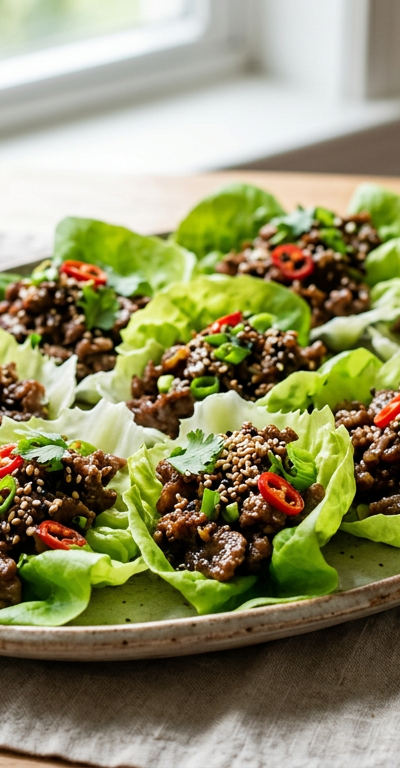
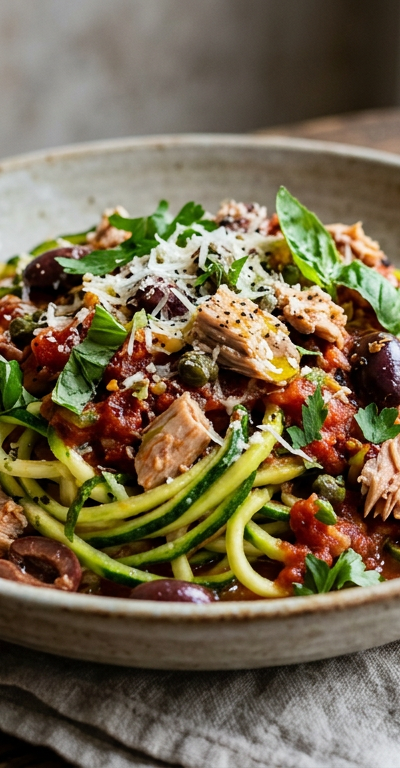
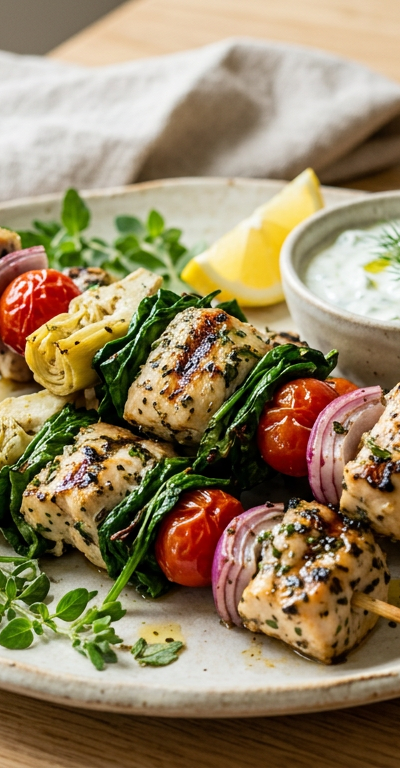
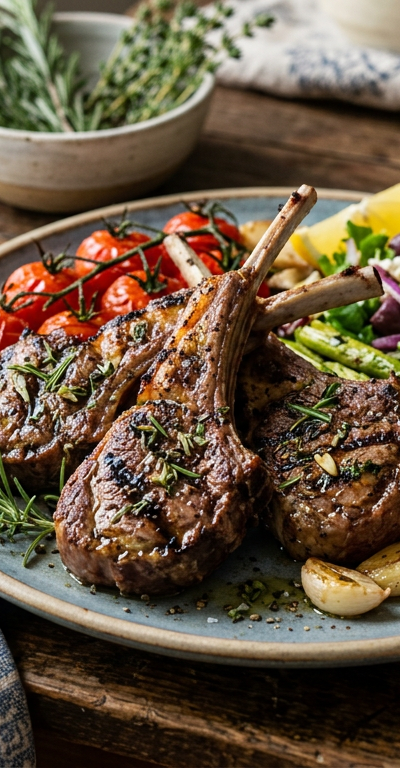
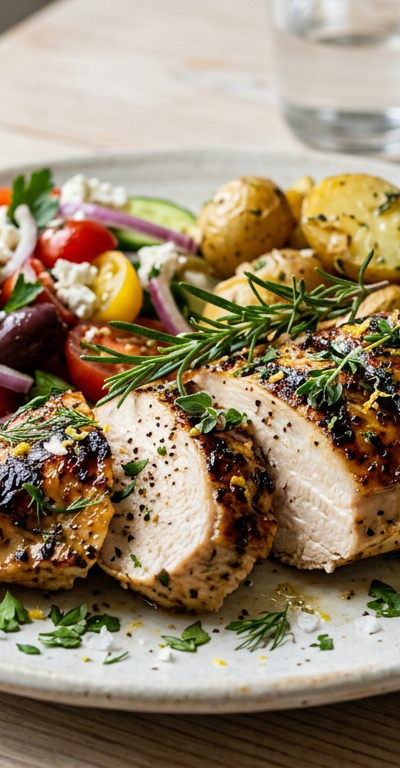
11 recipes available for this diet

Health Conditions Supported

Autoimmune Conditions

The Paleo diet eliminates common inflammatory food triggers like grains, legumes, and dairy, which can exacerbate autoimmune responses. By focusing on nutrient-dense, anti-inflammatory whole foods, the diet helps reduce systemic inflammation and supports immune system regulation.

Confidence: Moderate

Key foods: Wild-caught salmon, grass-fed beef, organic eggs, turmeric, leafy green vegetables, bone broth, coconut oil

Mechanism: The diet reduces pro-inflammatory compounds by eliminating processed foods and potential immune triggers. It provides high levels of omega-3 fatty acids, antioxidants, and nutrients that support immune system balance and reduce chronic inflammatory responses.

Intestinal Permeability (Leaky Gut)

By removing potential gut irritants like grains, legumes, and dairy, the Paleo diet helps reduce intestinal inflammation and supports gut lining repair. The diet provides nutrients that directly support gut healing and microbiome health.

Confidence: Moderate

Key foods: Bone broth, grass-fed beef, wild-caught fish, fermented vegetables, coconut oil, eggs, turmeric

Mechanism: The elimination of inflammatory food groups reduces gut wall irritation and allows for cellular repair. The diet provides high levels of glutamine, collagen, and other gut-healing nutrients that support intestinal lining integrity and reduce permeability.

Metabolic Syndrome

The Paleo diet addresses multiple metabolic syndrome components by promoting weight loss, reducing inflammation, and improving insulin sensitivity. Its whole-food approach naturally supports cardiovascular and metabolic health.

Confidence: Moderate

Key foods: Grass-fed meats, wild-caught fish, olive oil, berries, leafy greens, nuts, seeds, avocados

Mechanism: The diet reduces metabolic syndrome risk by eliminating processed foods, controlling blood sugar, and providing nutrient-dense foods that support metabolic function. It helps reduce visceral fat, improve lipid profiles, and decrease systemic inflammation.

Chronic Inflammation

By eliminating processed foods, grains, and refined sugars, the Paleo diet dramatically reduces inflammatory markers in the body. The diet emphasizes anti-inflammatory foods rich in omega-3 fatty acids, antioxidants, and phytonutrients that actively combat chronic inflammation.

Confidence: High

Key foods: Wild-caught fatty fish, grass-fed meats, avocados, olive oil, berries, leafy greens, turmeric, walnuts

Mechanism: The diet reduces inflammatory triggers by eliminating processed carbohydrates and inflammatory food groups. It simultaneously introduces high levels of omega-3 fatty acids, polyphenols, and antioxidants that directly suppress inflammatory pathways and reduce systemic inflammation markers.

Insulin Resistance

The Paleo diet naturally reduces carbohydrate intake and eliminates refined sugars, helping to stabilize blood glucose levels and improve insulin sensitivity. By focusing on whole foods with low glycemic impact, the diet helps reset metabolic function and reduce insulin resistance.

Confidence: High

Key foods: Grass-fed beef, wild-caught salmon, eggs, avocados, almonds, spinach, broccoli, coconut oil

Mechanism: By dramatically reducing simple carbohydrate intake, the diet minimizes insulin spikes and promotes more stable blood sugar levels. The high protein and healthy fat content helps improve cellular insulin receptor sensitivity and reduces overall metabolic stress.

Type 2 Diabetes

The Paleo diet naturally reduces blood sugar fluctuations by eliminating refined carbohydrates and focusing on low-glycemic whole foods. Its approach helps improve insulin sensitivity and can potentially reverse early-stage type 2 diabetes.

Confidence: High

Key foods: Wild-caught salmon, grass-fed beef, eggs, avocados, leafy greens, nuts, seeds, olive oil

Mechanism: By dramatically reducing carbohydrate intake and eliminating processed sugars, the diet minimizes insulin demand and helps restore natural glucose metabolism. The high protein and healthy fat content provides stable energy without causing blood sugar spikes.

Recipes for Stone Age Diet

Discover delicious recipes specifically tailored for the Stone Age Diet diet.

Explore More Diets

Discover other dietary approaches tailored to different health goals and preferences.

View All Diets