Wild Diet
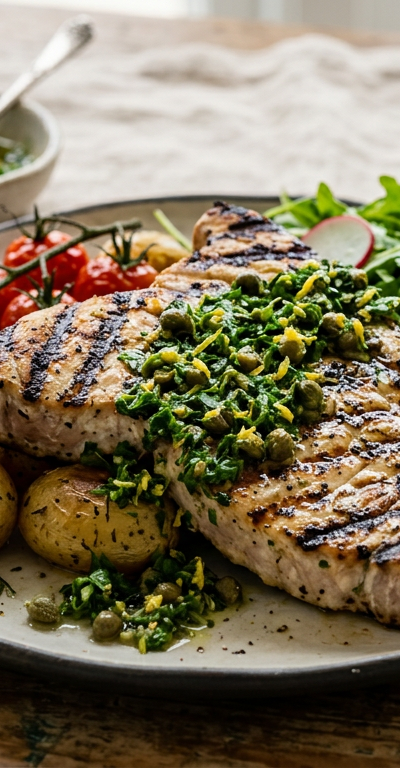
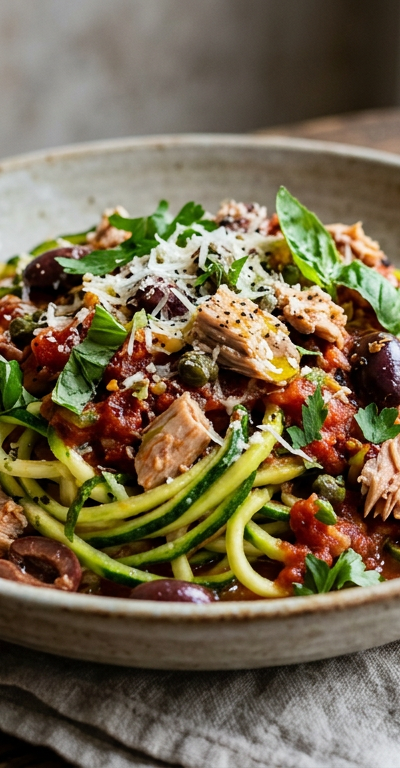
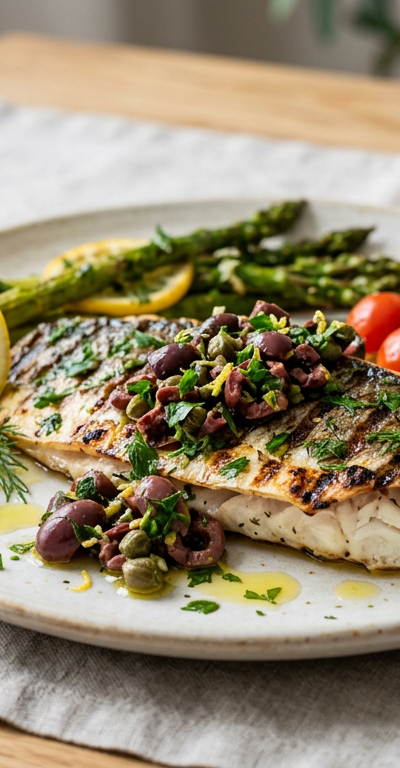
The Wild Diet is a whole-foods-based nutritional approach that emphasizes eating minimally processed, nutrient-dense foods similar to what our ancestors consumed before the agricultural and industrial revolutions. Created by Abel James, the diet follows the principle of eating foods that could theoretically be hunted, fished, or gathered in nature. The core philosophy centers on consuming high-quality proteins, healthy fats, and abundant vegetables while minimizing processed foods, refined sugars, and industrial seed oils. The diet promotes eating organic, grass-fed, and wild-caught animal products whenever possible, along with seasonal vegetables, fruits, nuts, and seeds. The Wild Diet includes grass-fed meats, wild-caught fish and seafood, pastured eggs, organic vegetables (especially leafy greens and cruciferous vegetables), moderate amounts of fruits (particularly berries), nuts, seeds, healthy fats like avocado and coconut oil, and limited amounts of properly prepared legumes and whole grains. Foods to be excluded include refined sugars, artificial sweeteners, processed foods, industrial seed oils (canola, soybean, corn oil), conventional dairy products, grain-fed meats, and most packaged foods containing preservatives and additives. The diet allows for some flexibility with occasional consumption of fermented dairy, dark chocolate, and red wine in moderation. The Wild Diet may help address various health conditions including obesity, type 2 diabetes, metabolic syndrome, chronic inflammation, cardiovascular disease, autoimmune conditions, and digestive issues. By eliminating processed foods and emphasizing nutrient-dense whole foods, the diet naturally reduces inflammatory compounds, stabilizes blood sugar levels, and provides abundant micronutrients that support immune function and cellular health. The high fiber content from vegetables and the emphasis on healthy fats can improve gut health, which is particularly beneficial for individuals with inflammatory bowel conditions or food sensitivities. While the Wild Diet shares similarities with paleo and primal eating patterns, research supporting low-processed, whole-food diets consistently shows benefits for weight management, improved insulin sensitivity, reduced inflammation markers, and better cardiovascular health outcomes. Studies on Mediterranean and whole-food plant-based diets with quality proteins demonstrate reduced risk of chronic diseases. This diet is particularly well-suited for individuals looking to lose weight sustainably, those with blood sugar regulation issues, people seeking to reduce inflammation, athletes requiring clean fuel sources, and anyone wanting to transition away from processed foods toward a more ancestral eating pattern. However, individuals with specific medical conditions should consult healthcare providers before making significant dietary changes.