The Low-FODMAP diet helps manage persistent digestive symptoms in Crohn's disease and ulcerative colitis patients who are in remission but continue to experience IBS-like symptoms. Studies show that 50-70% of IBD patients in remission have functional gut symptoms that respond well to FODMAP restriction. This approach improves quality of life without interfering with standard IBD medications or triggering disease flares.
How IBD patients often develop post-inflammatory visceral hypersensitivity, altered gut motility, and microbiome changes that persist after mucosal healing. FODMAPs exacerbate these functional disturbances through fermentation and osmotic effects, triggering symptoms despite inactive disease. The diet reduces these mechanical and chemical triggers, helping patients distinguish between functional symptoms and true disease activity while maintaining remission.
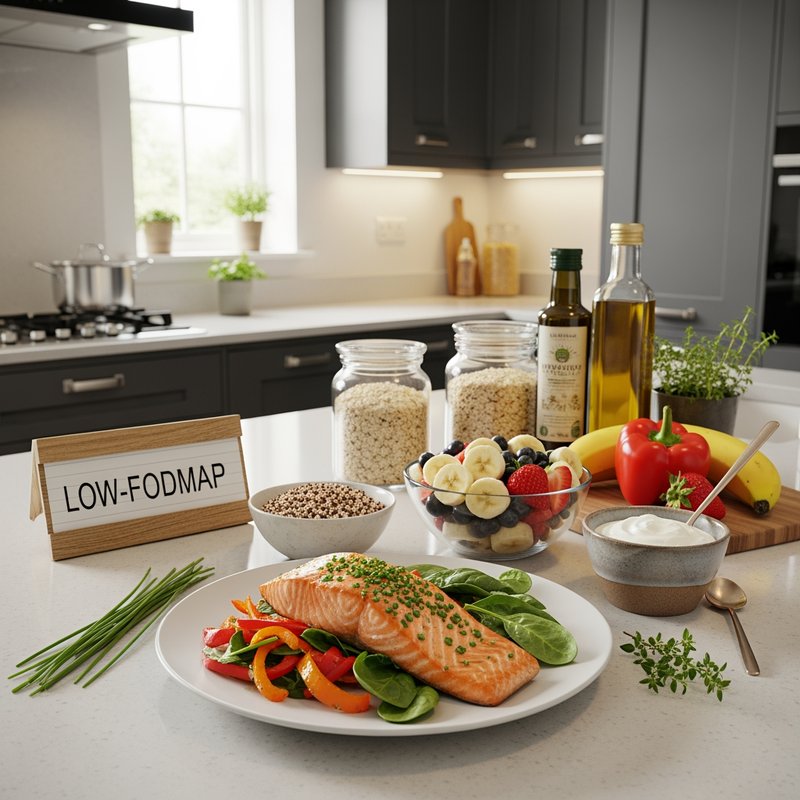
Key foods Lactose-free milk and hard cheeses, white rice and gluten-free bread, bananas and cantaloupe, cooked carrots and potatoes, well-cooked green beans, chicken and turkey, eggs, peanut butter in limited amounts
The Low-FODMAP diet helps identify and manage food intolerances and sensitivities, particularly to lactose, fructose, and fructans, which are common but often undiagnosed causes of digestive distress. The structured elimination and reintroduction phases allow individuals to pinpoint specific carbohydrate intolerances and determine personal tolerance thresholds. This personalized approach prevents unnecessary broad food restrictions while identifying true problematic foods.
How Many food sensitivities involve malabsorption of specific carbohydrates due to enzyme deficiencies (like lactase) or transporter limitations (like fructose transporters). The systematic elimination phase removes all high-FODMAP foods, allowing symptoms to resolve, while the structured reintroduction phase tests individual FODMAP groups to identify specific intolerances. This reveals whether symptoms are due to lactose malabsorption, fructose malabsorption, or sensitivity to specific oligosaccharides or polyols.
Key foods Lactose-free dairy alternatives, gluten-free grains like rice and quinoa, low-fructose fruits like strawberries and oranges, well-tolerated vegetables like carrots and bell peppers, eggs and unprocessed meats, firm tofu, garlic-infused oil instead of garlic cloves
The Low-FODMAP diet can reduce symptoms in functional dyspepsia patients, particularly those with overlapping IBS symptoms or postprandial distress syndrome. By reducing fermentation and gas production in the upper GI tract, it decreases bloating, early satiety, and abdominal discomfort. Studies show 30-50% of functional dyspepsia patients experience symptom improvement with FODMAP restriction.
How Functional dyspepsia involves impaired gastric accommodation and hypersensitivity to gastric distension. High-FODMAP foods that undergo rapid fermentation can produce gas that distends the stomach and upper small intestine, triggering symptoms in sensitized individuals. By reducing fermentable substrates, the diet minimizes gas production and distension in the upper GI tract, reducing activation of mechanoreceptors and pain pathways that contribute to dyspeptic symptoms.
Key foods Small portions of white rice and gluten-free oats, lactose-free yogurt, bananas and papaya, cooked carrots and zucchini, spinach, lean proteins like chicken and fish, eggs, ginger tea
While not a primary treatment for IBD, the Low-FODMAP diet can help manage functional gut symptoms that persist even when IBD is in remission, affecting up to 40% of IBD patients. It reduces bloating, gas, and abdominal discomfort without compromising nutritional status or disease control. The diet is particularly useful for IBD patients who have overlapping IBS-like symptoms.
How Many IBD patients develop visceral hypersensitivity and altered gut microbiota even during remission, making them susceptible to FODMAP-related symptoms. The diet reduces fermentation-induced distension and gas production that can trigger discomfort in an already sensitized gut. By limiting osmotic and fermentative effects, it helps distinguish between active inflammation and functional symptoms, allowing for better disease management.
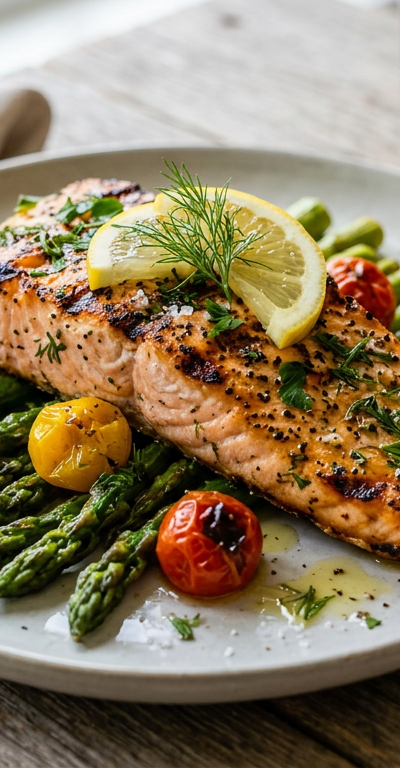
Key foods Lactose-free dairy or aged cheddar cheese, gluten-free oats and quinoa, blueberries and oranges, cooked carrots and zucchini, well-cooked spinach, salmon and eggs, firm tofu, olive oil
The Low-FODMAP diet helps manage SIBO symptoms by reducing the substrate available for bacterial fermentation in the small intestine. While not a cure for SIBO, it provides significant symptomatic relief during and after antibiotic treatment by limiting the fermentable carbohydrates that feed the overgrown bacteria. Many patients use this diet as part of a comprehensive SIBO treatment protocol to control symptoms and prevent rapid recurrence.
How SIBO bacteria ferment carbohydrates in the small intestine (rather than the colon where fermentation normally occurs), producing hydrogen, methane, or hydrogen sulfide gas along with other byproducts. By restricting FODMAPs, the diet reduces the fermentable substrate available to these bacteria, thereby decreasing gas production, bloating, and the osmotic diarrhea caused by bacterial metabolites. This helps manage symptoms while other treatments address the bacterial overgrowth itself.
Key foods White rice and gluten-free grains, lactose-free dairy products, bananas and kiwi, carrots and green beans, spinach and bok choy, chicken and fish, eggs, garlic-infused oil
The Low-FODMAP diet may indirectly improve anxiety and depression symptoms in individuals whose mental health is negatively impacted by chronic digestive distress and IBS. Studies show that reducing IBS symptoms through FODMAP restriction can lead to improvements in quality of life, anxiety scores, and depression measures. The gut-brain axis connection means that improving gut symptoms can have positive effects on mental well-being.
How Chronic IBS symptoms significantly impact quality of life and are strongly associated with anxiety and depression through the bidirectional gut-brain axis. By reducing digestive symptoms, the diet may decrease stress hormone activation, improve sleep quality, and reduce the psychological burden of unpredictable gut symptoms. Additionally, reducing gut inflammation and dysbiosis may positively influence neurotransmitter production and vagal nerve signaling that affect mood regulation.
Key foods Gut-supporting lactose-free yogurt with live cultures, mood-supporting bananas rich in vitamin B6, omega-3 rich salmon and mackerel, magnesium-containing spinach, tryptophan-rich eggs and turkey, blueberries with antioxidants, dark chocolate in small amounts
The Low-FODMAP diet effectively manages various functional digestive disorders beyond IBS, including functional dyspepsia, chronic bloating, and post-infectious gut dysfunction. By eliminating poorly absorbed, highly fermentable carbohydrates, it reduces common digestive symptoms like gas, distension, cramping, and irregular bowel movements. The diet provides symptomatic relief while allowing the gut to heal from inflammation and dysbiosis.
How High-FODMAP foods create excessive fermentation in the colon, producing short-chain fatty acids and gases that cause distension and activate mechanoreceptors in sensitive individuals. The osmotic load from unabsorbed carbohydrates also draws water into the intestinal lumen, affecting stool consistency. Eliminating these triggers reduces fermentation byproducts, normalizes gut transit time, and decreases activation of pain pathways in the enteric nervous system.
Key foods White rice and quinoa, lactose-free yogurt, strawberries and oranges, potatoes and eggplant, tomatoes and leafy greens, eggs and lean proteins, macadamia nuts and peanuts in limited portions, ginger and peppermint tea
The Low-FODMAP diet is the gold-standard dietary intervention for IBS, with clinical studies showing 70-75% of IBS patients experience significant symptom reduction. By eliminating fermentable carbohydrates that trigger osmotic effects and rapid bacterial fermentation, the diet reduces bloating, abdominal pain, gas, and normalizes bowel movements. This is the most evidence-based dietary approach for IBS management, recommended by gastroenterology associations worldwide.
How FODMAPs (Fermentable Oligosaccharides, Disaccharides, Monosaccharides, and Polyols) are poorly absorbed in the small intestine and rapidly fermented by gut bacteria, producing gas and drawing water into the intestinal lumen through osmotic effects. In IBS patients with visceral hypersensitivity, this fermentation and distension triggers pain signals and altered motility. By removing these triggers, the diet reduces luminal distension, gas production, and symptom generation.
Key foods Lactose-free dairy or aged hard cheeses, gluten-free oats and rice, bananas and blueberries, carrots and zucchini, bell peppers and spinach, eggs and firm tofu, garlic-infused oil (without garlic pieces), salmon and chicken
The Low-FODMAP diet may help manage the significant gastrointestinal symptoms experienced by 70-90% of chronic fatigue syndrome patients, potentially improving overall energy and reducing systemic symptoms. By addressing gut dysfunction and reducing inflammatory triggers from fermentation, some patients report improvements in fatigue, brain fog, and overall functioning. The diet may help break the cycle of gut symptoms contributing to systemic malaise.
How CFS/ME patients often have altered gut microbiota, increased intestinal permeability, and immune activation that may be exacerbated by FODMAP fermentation. The excessive gas production and osmotic effects from high-FODMAP foods can trigger inflammatory cytokine release and worsen systemic symptoms through the gut-brain axis. Reducing fermentation may decrease gut-derived inflammatory signals, potentially reducing the neuroinflammation and autonomic dysfunction that contribute to fatigue and cognitive symptoms.
Key foods Easily digestible white rice and gluten-free oats, lactose-free kefir for probiotics, energy-supporting bananas and oranges, nutrient-dense spinach and carrots, protein-rich eggs and fish, quinoa, small portions of walnuts and peanuts
Emerging research suggests the Low-FODMAP diet may help manage digestive symptoms in endometriosis patients, with studies showing up to 72% experience reduced bloating and abdominal pain. Many endometriosis patients have concurrent IBS or endometriosis lesions affecting the bowel, making FODMAP restriction particularly beneficial. The diet addresses the significant overlap between endometriosis and functional gut disorders.
How Endometriosis frequently involves the bowel or causes adhesions affecting gut function, leading to IBS-like symptoms in 50-90% of patients. The inflammatory environment of endometriosis may also increase gut permeability and sensitivity to fermentation. By reducing FODMAP-induced fermentation, gas, and distension, the diet decreases mechanical irritation of endometrial lesions and reduces symptom overlap, helping distinguish between gynecological and gastrointestinal pain sources.
Key foods Lactose-free dairy products, gluten-free grains like quinoa and rice, anti-inflammatory berries like blueberries and strawberries, leafy greens and carrots, omega-3 rich salmon, eggs, walnuts in limited portions, turmeric and ginger
General information about how people eat, not medical advice. Talk to a clinician
before changing your diet to treat a condition.