Flexible Dieting

Flexible Dieting

Flexible Dieting, also known as "If It Fits Your Macros" (IIFYM), is a nutrition approach that focuses on meeting daily macronutrient targets (protein, carbohydrates, and fats) rather than restricting specific foods or food groups. The core principle is that no foods are inherently "good" or "bad" - what matters is the overall balance of macronutrients and total calorie intake aligned with individual goals. Users calculate their personalized macronutrient needs based on factors like body weight, activity level, and goals (weight loss, maintenance, or muscle gain), then track their food intake to meet these targets while allowing flexibility in food choices. This approach typically includes a daily calorie target and macro breakdown (for example, 40% carbohydrates, 30% protein, 30% fat), which can be adjusted based on individual responses and preferences. Flexible Dieting includes all foods in moderation - from lean proteins (chicken, fish, tofu, eggs), complex carbohydrates (whole grains, fruits, vegetables, legumes), and healthy fats (nuts, avocados, olive oil) to processed foods and treats, as long as they fit within the daily macro targets. Nothing is explicitly excluded, though practitioners are encouraged to prioritize nutrient-dense whole foods for 80-90% of their intake to ensure adequate micronutrient consumption, fiber intake, and satiety. The remaining 10-20% can come from less nutrient-dense "fun foods" without guilt or derailing progress. This flexibility distinguishes it from restrictive diets that eliminate entire food groups or specific ingredients. Flexible Dieting can benefit individuals managing various health conditions when properly customized. For diabetes management, controlling carbohydrate intake while tracking macros helps stabilize blood sugar levels. Those with heart disease can adjust fat quality and quantity while monitoring sodium. The approach supports sustainable weight loss, which benefits multiple conditions including hypertension, metabolic syndrome, and joint inflammation from excess weight. Research published in the International Journal of Obesity and related journals supports that flexible dietary approaches lead to better long-term adherence, reduced binge eating behaviors, and improved psychological well-being compared to rigid dieting. Studies show that macro-focused nutrition, when meeting protein targets, helps preserve lean muscle mass during weight loss and supports athletic performance. This diet is particularly beneficial for athletes, fitness enthusiasts, individuals who have struggled with restrictive diets, those prone to disordered eating patterns, and anyone seeking a sustainable long-term nutrition approach. It's ideal for people who want results without feeling deprived, those who eat out frequently or have social obligations, and individuals who need structure (through tracking) but also psychological freedom around food choices. However, it requires consistent tracking and basic nutritional knowledge, so it may not suit those who prefer intuitive eating or find tracking triggering. People with specific medical conditions should work with healthcare providers to set appropriate macro targets for their needs.
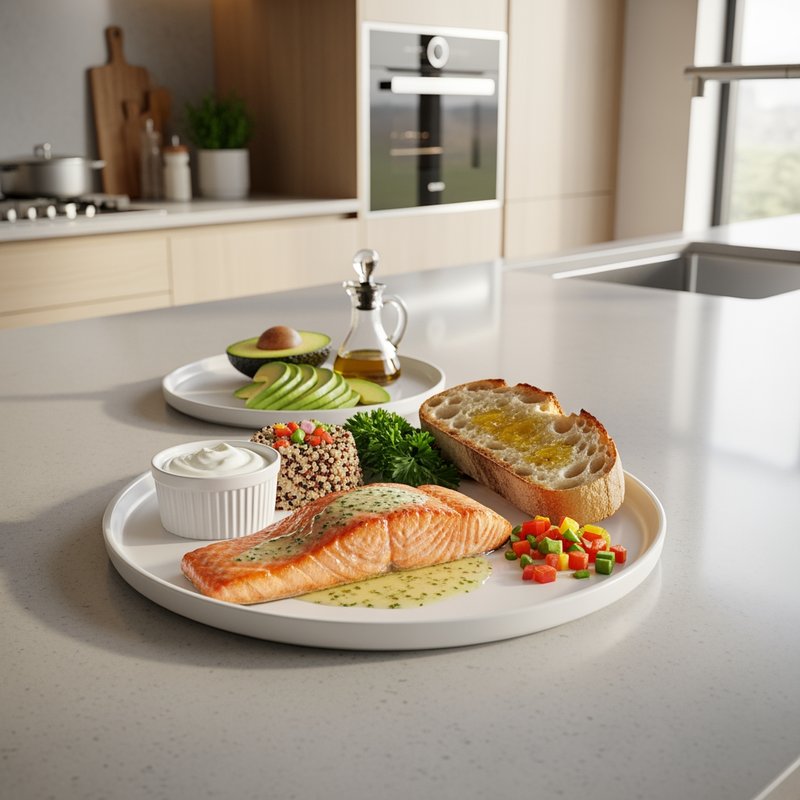

36 recipes available for this diet

Health Conditions Supported

Insulin Resistance

Flexible Dieting provides a structured approach to managing insulin response by allowing precise control of macronutrient intake. The diet enables individuals to understand and modify their nutritional intake to improve glucose metabolism.

Confidence: Moderate

Key foods: Berries, Greek yogurt, sweet potatoes, lean proteins, leafy greens, nuts, seeds

Mechanism: Careful macro tracking allows for gradual reduction of simple carbohydrates and increased protein and healthy fat intake, which can improve insulin sensitivity and glucose uptake at the cellular level.

Metabolic Syndrome

Flexible Dieting helps manage metabolic syndrome by promoting balanced macronutrient intake and encouraging whole, nutrient-dense foods. The approach allows for precise nutritional control while reducing insulin resistance and inflammation.

Confidence: Moderate

Key foods: Salmon, avocados, quinoa, spinach, almonds, chia seeds, lean turkey

Mechanism: By emphasizing balanced macronutrient ratios and whole foods, the diet helps regulate insulin sensitivity, reduce visceral fat, and improve overall metabolic health through controlled, intentional nutrition.

Type 2 Diabetes

Flexible Dieting provides a structured approach to managing blood glucose levels through precise macronutrient control. The diet enables individuals to understand their nutritional intake and make informed choices that support glycemic control.

Confidence: Moderate

Key foods: Non-starchy vegetables, lean proteins, whole grains, berries, nuts, seeds, fatty fish

Mechanism: Careful macro tracking allows for reduced simple carbohydrate intake, improved portion control, and better overall blood sugar management through strategic nutritional choices.

Athletic Performance

Flexible Dieting offers precise nutritional support for athletes by enabling exact macronutrient customization to support training goals, muscle recovery, and performance optimization. The approach allows for strategic nutrient timing and individualized nutrition plans.

Confidence: High

Key foods: Whey protein, lean meats, complex carbohydrates, eggs, salmon, sweet potatoes, mixed nuts

Mechanism: By allowing precise macro tracking, athletes can optimize protein intake for muscle repair, carbohydrate intake for energy, and fat intake for hormonal balance, creating a scientifically targeted nutritional approach.

Obesity

Flexible Dieting provides a precise macronutrient tracking approach that enables accurate calorie control and sustainable weight management. By allowing all foods in moderation while maintaining a caloric deficit, this diet reduces the psychological barriers typical in restrictive weight loss plans.

Confidence: High

Key foods: Lean proteins like chicken breast, Greek yogurt, egg whites, mixed vegetables, whole grains, controlled portions of favorite foods

Mechanism: The diet creates a controlled calorie deficit through precise macro tracking, which directly impacts energy balance. By allowing flexible food choices, it reduces diet fatigue and increases long-term adherence to weight loss goals.

Recipes for Flexible Dieting

Discover delicious recipes specifically tailored for the Flexible Dieting diet.

Mint Chocolate Protein Mousse
8 min

Mint Chocolate Protein Mousse

High-protein, low-calorie mint chocolate mousse made with Greek yogurt and fresh mint. Optavia-compliant dessert with 20g protein per serving....

View Recipe
Shepherd's Pie with Cauliflower Mash
1 hr 5 min

Shepherd's Pie with Cauliflower Mash

Gluten-free shepherd's pie with savory ground beef and creamy cauliflower mash. A low-carb twist on classic comfort food that's hearty and delicious....

View Recipe
Creamy Tomato Basil Chicken over Polenta
45 min

Creamy Tomato Basil Chicken over Polenta

Tender chicken in tomato-basil cream over cheesy polenta. A gluten-free comfort dinner ready in 45 minutes. Restaurant-quality made easy!...

View Recipe
Honey Garlic Chicken Thighs
40 min

Honey Garlic Chicken Thighs

Crispy honey garlic chicken thighs with sticky-sweet glaze. One-pan, gluten-free dinner ready in 40 minutes with minimal cleanup!...

View Recipe
Gluten-Free Chicken and Spinach Alfredo
40 min

Gluten-Free Chicken and Spinach Alfredo

Rich and creamy gluten-free chicken alfredo with fresh spinach. Restaurant-quality comfort food ready in 45 minutes. Perfect for special occasions....

View Recipe

Explore More Diets

Discover other dietary approaches tailored to different health goals and preferences.

View All Diets