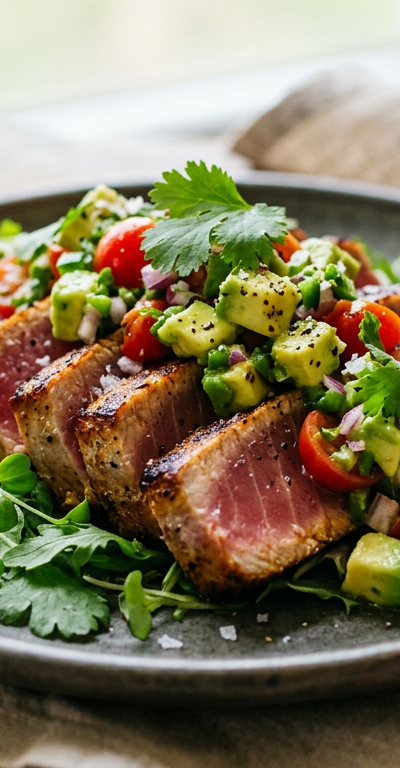
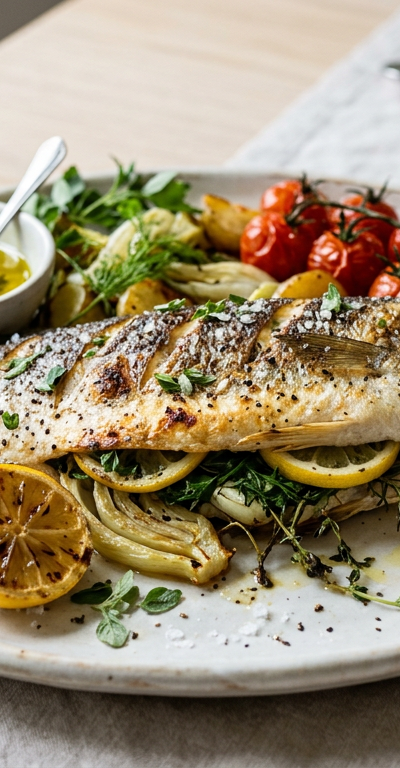
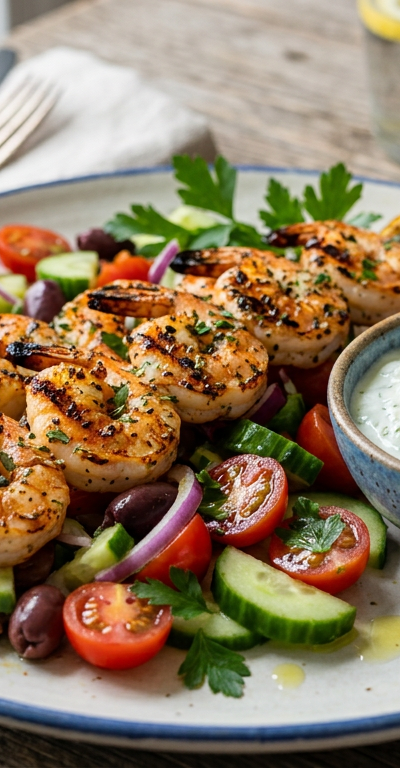
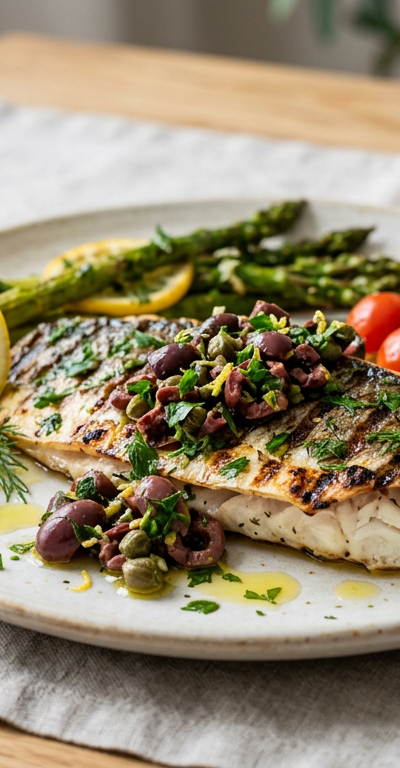
The Zone Diet supports athletic performance by providing sustained energy, reducing exercise-induced inflammation, and optimizing recovery. The balanced macronutrient ratio prevents energy crashes and maintains stable blood glucose during training, while the 30% protein content supports muscle repair and growth. The anti-inflammatory effects may reduce delayed onset muscle soreness and accelerate recovery between training sessions.
How The 40% carbohydrate content provides adequate glycogen for moderate-intensity exercise while the protein supports muscle protein synthesis and prevents catabolism. Stable insulin levels maintain consistent energy availability without the peaks and crashes of high-glycemic diets. Omega-3 fatty acids and polyphenols reduce exercise-induced oxidative stress and inflammation, potentially improving recovery time and reducing injury risk.
Key foods Lean chicken breast, turkey, salmon, tuna, egg whites, sweet potatoes in limited amounts, berries, leafy greens, olive oil, almonds
The Zone Diet may protect against cognitive decline through its anti-inflammatory effects, stable glucose supply to the brain, and emphasis on omega-3 fatty acids. By preventing insulin resistance and reducing systemic inflammation, the diet addresses two major risk factors for dementia and Alzheimer's disease. The balanced approach ensures consistent brain fuel without the oxidative stress associated with glucose fluctuations.
How Omega-3 fatty acids, particularly DHA, are essential for neuronal membrane integrity and synaptic plasticity while reducing neuroinflammation. Stable glucose levels prevent the glycation and oxidative stress that damage neurons and contribute to amyloid plaque formation. The anti-inflammatory effects reduce microglial activation and cytokine production that accelerate cognitive decline.
Key foods Fatty fish like salmon, sardines, and mackerel, blueberries, strawberries, walnuts, olive oil, leafy greens like spinach and kale, avocados
The Zone Diet improves cholesterol profiles by emphasizing healthy monounsaturated and omega-3 fats while limiting saturated fats and eliminating trans fats. The diet typically raises HDL cholesterol, reduces triglycerides significantly, and can shift LDL particles to larger, less atherogenic sizes. The balanced approach prevents the triglyceride elevation sometimes seen with very low-fat diets.
How Monounsaturated fats from olive oil and avocados improve the LDL/HDL ratio by raising HDL while maintaining or slightly lowering LDL. Omega-3 fatty acids from fish reduce hepatic VLDL synthesis, dramatically lowering triglycerides. The controlled insulin response prevents excessive cholesterol synthesis in the liver and reduces small, dense LDL particle formation.
Key foods Fatty fish like salmon and sardines, olive oil, avocados, almonds, walnuts, flaxseeds, skinless poultry, egg whites
The Zone Diet helps lower blood pressure through multiple mechanisms including weight loss, reduced insulin levels, and anti-inflammatory effects. The emphasis on potassium-rich vegetables and omega-3 fatty acids, combined with limited processed foods and refined carbohydrates, supports healthy blood pressure regulation. Studies show modest but consistent reductions in both systolic and diastolic blood pressure.
How Lower insulin levels reduce sodium and water retention by the kidneys and decrease sympathetic nervous system activation, both of which lower blood pressure. The high potassium content from vegetables and the omega-3 fatty acids improve endothelial function and arterial compliance. Reduced inflammation decreases vascular resistance and improves nitric oxide bioavailability.
Key foods Salmon, mackerel, leafy greens like spinach and kale, avocados, olive oil, berries, non-starchy vegetables like broccoli and Brussels sprouts, almonds
The Zone Diet helps reverse fatty liver disease by reducing hepatic lipogenesis and promoting fat oxidation through controlled insulin levels. The low-glycemic carbohydrate approach prevents the excessive insulin and glucose that drive de novo lipogenesis in the liver. Combined with weight loss and anti-inflammatory effects, the diet can significantly reduce liver fat content and improve liver enzyme levels.
How Reduced insulin levels and low-glycemic carbohydrate intake decrease the activation of sterol regulatory element-binding protein-1c (SREBP-1c), the master regulator of hepatic lipogenesis. This reduces triglyceride synthesis and accumulation in hepatocytes. The anti-inflammatory omega-3 fatty acids and antioxidants from vegetables and berries reduce oxidative stress and inflammation that contribute to progression from simple steatosis to steatohepatitis.
Key foods Lean fish like cod and halibut, salmon, skinless chicken breast, egg whites, leafy greens, cruciferous vegetables like broccoli, berries, olive oil
The Zone Diet addresses the insulin resistance that underlies PCOS, helping to restore hormonal balance and improve metabolic function. By controlling blood sugar and insulin levels through low-glycemic carbohydrates and balanced macronutrients, the diet can reduce androgens, improve menstrual regularity, and enhance fertility. Women with PCOS following this approach often experience reduced hirsutism, improved ovulation, and better weight management.
How Improved insulin sensitivity reduces hyperinsulinemia, which directly decreases ovarian androgen production and increases sex hormone-binding globulin (SHBG), lowering free testosterone levels. The balanced macronutrient ratio prevents the insulin spikes that stimulate excessive LH production and disrupt the hypothalamic-pituitary-ovarian axis. Anti-inflammatory effects reduce oxidative stress in ovarian tissue.
Key foods Lean chicken breast, turkey, wild-caught salmon, egg whites, non-starchy vegetables like broccoli and cauliflower, berries, olive oil, walnuts
The Zone Diet's anti-inflammatory approach may help modulate immune function and reduce autoimmune disease activity. By controlling insulin levels and reducing pro-inflammatory eicosanoid production, the diet may decrease the inflammatory cascade that drives autoimmune flares. Some individuals with conditions like rheumatoid arthritis and lupus report symptom improvement, though more research is needed for specific conditions.
How The balanced omega-6 to omega-3 ratio shifts eicosanoid production from pro-inflammatory series-2 prostaglandins and series-4 leukotrienes toward anti-inflammatory series-3 prostaglandins and series-5 leukotrienes. Reduced insulin levels and low-glycemic foods prevent activation of inflammatory pathways mediated by NF-kB. Antioxidants from berries and vegetables reduce oxidative stress that can trigger autoimmune responses.
Key foods Wild-caught salmon, sardines, mackerel, olive oil, blueberries, leafy greens like spinach and kale, avocados, walnuts
The Zone Diet may support mental health through stable blood sugar levels, anti-inflammatory effects, and adequate omega-3 fatty acids for brain function. The balanced macronutrient approach prevents the mood swings associated with blood sugar fluctuations, while the emphasis on omega-3s supports neurotransmitter function. Reduced systemic inflammation may also benefit mood, as inflammation is increasingly recognized as a factor in depression.
How Omega-3 fatty acids, particularly EPA, have anti-inflammatory effects in the brain and support serotonin and dopamine neurotransmission. Stable blood glucose prevents the cortisol spikes and crashes that exacerbate anxiety and mood instability. The diet's anti-inflammatory effects may reduce cytokine-mediated disruption of neurotransmitter metabolism and HPA axis dysregulation associated with depression.
Key foods Fatty fish like salmon and mackerel, walnuts, egg whites, leafy greens, berries, avocados, olive oil, almonds
The Zone Diet may support healthy aging by reducing chronic inflammation, improving metabolic health, and preventing age-related diseases. The diet's effects on insulin sensitivity, oxidative stress, and inflammation address key mechanisms of aging. By preventing or managing conditions like diabetes, cardiovascular disease, and metabolic syndrome, the diet may contribute to increased healthspan and potentially lifespan.
How Reduced insulin levels and improved insulin sensitivity may decrease IGF-1 signaling and activate longevity pathways similar to caloric restriction. The anti-inflammatory effects reduce cellular senescence and age-related chronic diseases. Antioxidants from vegetables and berries reduce oxidative damage to DNA, proteins, and lipids that accumulate with aging.
Key foods Fatty fish like salmon and sardines, olive oil, berries, leafy greens, cruciferous vegetables like broccoli, walnuts, avocados, lean poultry
The Zone Diet supports cardiovascular health through its emphasis on anti-inflammatory foods, healthy fats, and lean proteins while limiting refined carbohydrates. The diet has been shown to reduce triglycerides, improve HDL cholesterol ratios, and decrease inflammatory markers like C-reactive protein. By controlling insulin levels and reducing systemic inflammation, it addresses multiple cardiovascular risk factors simultaneously.
How The balanced macronutrient ratio prevents excessive insulin secretion, which reduces triglyceride synthesis and VLDL production in the liver. Omega-3 fatty acids from fish and monounsaturated fats from olive oil and avocados reduce inflammation, improve endothelial function, and favorably modify lipid profiles. The low-glycemic approach prevents oxidative stress and glycation that damage blood vessels.
Key foods Fatty fish like salmon and mackerel, olive oil, avocados, walnuts, almonds, leafy greens like kale and spinach, berries, skinless poultry
The Zone Diet was specifically designed to reduce systemic inflammation by controlling insulin and eicosanoid production. By maintaining the 40-30-30 ratio and emphasizing anti-inflammatory omega-3 fatty acids while limiting pro-inflammatory omega-6 fats and high-glycemic foods, the diet reduces inflammatory markers throughout the body. Research shows significant reductions in C-reactive protein, IL-6, and TNF-alpha levels.
How The diet modulates eicosanoid production by balancing omega-6 to omega-3 fatty acid ratios and controlling insulin levels, which influence arachidonic acid metabolism. Low-glycemic carbohydrates prevent insulin spikes that trigger pro-inflammatory pathways. The abundant polyphenols from berries and vegetables, combined with omega-3 fatty acids, directly suppress NF-kB activation and reduce cytokine production.
Key foods Wild-caught salmon, sardines, mackerel, olive oil, avocados, blueberries, strawberries, leafy greens like spinach and kale, walnuts
The Zone Diet addresses all five components of metabolic syndrome simultaneously: abdominal obesity, elevated triglycerides, low HDL cholesterol, hypertension, and elevated fasting glucose. The balanced macronutrient approach improves insulin sensitivity, reduces visceral fat, and normalizes lipid profiles. Clinical trials have shown significant improvements in metabolic syndrome markers, with many participants no longer meeting diagnostic criteria after following the diet.
How The diet's insulin-controlling effects reduce hepatic lipogenesis and VLDL production, lowering triglycerides while raising HDL cholesterol. Reduced insulin levels decrease sodium retention and sympathetic nervous system activity, lowering blood pressure. The anti-inflammatory effects and improved insulin sensitivity reduce visceral adiposity and address the underlying metabolic dysfunction driving the syndrome.
Key foods Salmon, tuna, skinless chicken breast, egg whites, olive oil, avocados, almonds, non-starchy vegetables like bell peppers and zucchini, berries
The Zone Diet promotes weight loss through controlled caloric intake, balanced macronutrients that enhance satiety, and stable blood sugar levels that reduce cravings. The 30% protein content increases thermogenesis and preserves lean muscle mass during weight loss, while the low-glycemic carbohydrates prevent the insulin-driven fat storage cycle. Studies demonstrate consistent, sustainable weight loss with improved body composition.
How The balanced protein intake (30%) increases satiety through enhanced leptin sensitivity and reduces ghrelin levels, decreasing hunger between meals. By preventing insulin spikes through low-glycemic carbohydrate selection, the diet promotes fat oxidation rather than fat storage. The controlled caloric density combined with high nutrient density creates a sustainable caloric deficit while maintaining metabolic rate.
Key foods Lean chicken breast, turkey breast, egg whites, white fish like cod and halibut, Greek yogurt, non-starchy vegetables like broccoli and cauliflower, berries, olive oil, almonds
The Zone Diet's 40-30-30 macronutrient ratio and emphasis on low-glycemic carbohydrates helps stabilize blood glucose levels and improve insulin sensitivity. By controlling insulin response through balanced meals and avoiding high-glycemic foods, the diet reduces blood sugar spikes and improves glycemic control. Studies have shown significant improvements in HbA1c levels and reduced medication requirements in Type 2 diabetics following this approach.
How The low-glycemic carbohydrate selection combined with balanced protein intake slows glucose absorption and prevents rapid insulin spikes. The 40-30-30 ratio maintains stable blood sugar levels throughout the day by providing sustained energy without overwhelming the body's insulin response. This consistent glycemic control improves insulin sensitivity over time and reduces pancreatic stress.
Key foods Skinless chicken breast, turkey breast, wild-caught salmon, egg whites, non-starchy vegetables like broccoli and spinach, berries such as blueberries and strawberries, olive oil, almonds
The Zone Diet's low-glycemic approach may help reduce acne by controlling insulin and IGF-1 levels, which influence sebum production and follicular keratinization. By avoiding high-glycemic foods that spike insulin, the diet may reduce the hormonal cascade that promotes acne formation. The anti-inflammatory effects may also reduce the inflammatory component of acne lesions.
How Low-glycemic carbohydrates prevent insulin spikes that increase IGF-1 and androgens, both of which stimulate sebaceous gland activity and sebum production. Reduced insulin also decreases inflammation and the production of pro-inflammatory cytokines that contribute to acne lesions. Omega-3 fatty acids may reduce inflammatory acne through their effects on leukotriene production.
Key foods Lean fish like cod and halibut, skinless chicken breast, egg whites, non-starchy vegetables like broccoli and spinach, berries, olive oil, walnuts
The Zone Diet may reduce cancer risk through multiple mechanisms including reduced insulin levels, decreased inflammation, and high intake of antioxidant-rich vegetables and berries. Lower insulin and IGF-1 levels may reduce the growth-promoting signals that support tumor development. The anti-inflammatory effects and antioxidants help protect against DNA damage and oxidative stress that initiate carcinogenesis.
How Reduced insulin and IGF-1 levels decrease activation of PI3K/AKT/mTOR pathways that promote cell proliferation and inhibit apoptosis in cancer cells. The anti-inflammatory effects reduce chronic inflammation that creates a pro-carcinogenic microenvironment. Phytochemicals from vegetables and berries provide antioxidants and compounds that support detoxification, DNA repair, and apoptosis of damaged cells.
Key foods Cruciferous vegetables like broccoli and cauliflower, berries, leafy greens, fatty fish like salmon, olive oil, walnuts, colorful vegetables like bell peppers
General information about how people eat, not medical advice. Talk to a clinician
before changing your diet to treat a condition.