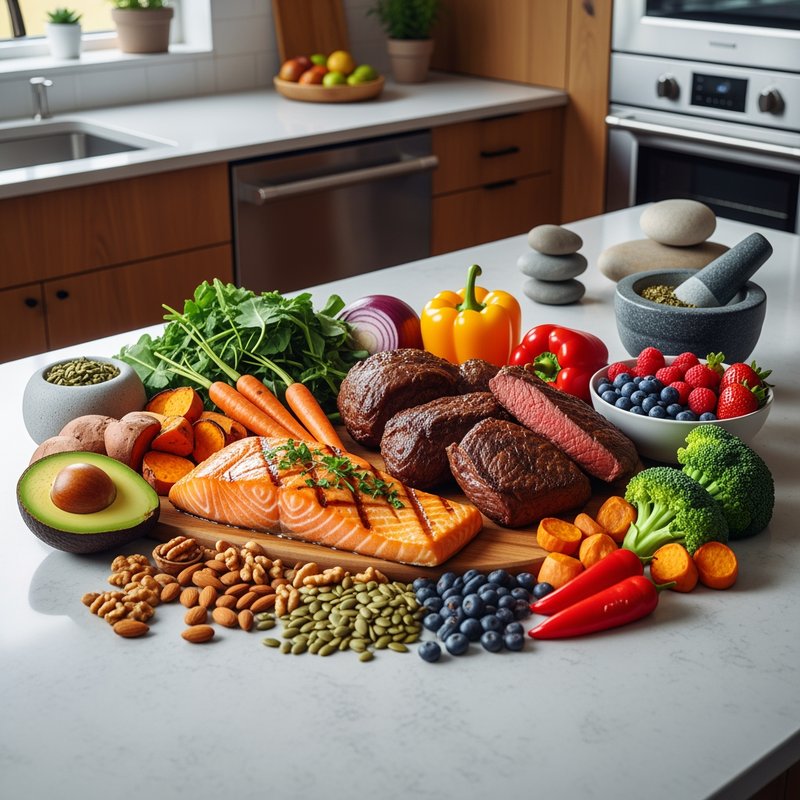
The Neanderthal Diet, also known as the Paleo Diet or Caveman Diet, is based on the presumed eating patterns of our Paleolithic ancestors who lived approximately 2.5 million to 10,000 years ago. The core principle is to consume foods that would have been available to hunter-gatherers before the advent of agriculture, focusing on whole, unprocessed foods that our bodies are theoretically better adapted to digest. This approach emphasizes eating what could be hunted, fished, or gathered in prehistoric times, operating on the premise that modern agricultural practices and processed foods have introduced substances our bodies struggle to process efficiently. The diet typically includes grass-fed meats, wild-caught fish and seafood, eggs, vegetables, fruits, nuts, seeds, and healthy oils like olive and coconut oil. Foods that are strictly excluded include all grains (wheat, rice, oats, barley), legumes (beans, lentils, peanuts, soy), dairy products, refined sugars, processed foods, artificial sweeteners, refined vegetable oils, and potatoes. The diet emphasizes high-quality protein sources, healthy fats, and non-starchy vegetables while limiting carbohydrate intake primarily to fruits and vegetables. Proponents claim the Neanderthal Diet can help address multiple health conditions including obesity, type 2 diabetes, cardiovascular disease, autoimmune disorders, inflammatory conditions, digestive issues like IBS and leaky gut syndrome, and metabolic syndrome. By eliminating grains and legumes, the diet may benefit those with celiac disease, gluten sensitivity, or other food intolerances. The anti-inflammatory nature of the diet, due to its emphasis on omega-3 fatty acids and elimination of processed foods, may help reduce chronic inflammation linked to numerous diseases. While some studies suggest benefits such as improved glucose tolerance, better blood pressure control, and weight loss, the scientific community remains divided on the diet's long-term efficacy and safety. Critics note the lack of long-term studies and concerns about nutrient deficiencies (particularly calcium and vitamin D from dairy exclusion) and high saturated fat intake. The diet may be most beneficial for individuals with autoimmune conditions, insulin resistance, metabolic syndrome, those seeking weight loss, or people with sensitivities to grains and dairy. However, athletes requiring high carbohydrate intake, vegetarians/vegans, and those with kidney disease should approach this diet cautiously or avoid it entirely.
8 recipes available for this diet
The Neanderthal Diet eliminates common gut-irritating foods like grains and legumes while providing nutrient-dense foods that support gut lining repair. Its focus on whole foods helps reduce intestinal inflammation and supports microbiome health.
Key foods: Bone broth, grass-fed beef, wild-caught fish, pasture-raised eggs, fermented vegetables, coconut oil, turmeric, ginger
Mechanism: By removing potential gut-damaging compounds and providing nutrients that support intestinal cell repair, the diet helps reduce intestinal permeability. The high nutrient density and elimination of inflammatory foods allow the gut lining to heal and restore proper barrier function.
The Neanderthal Diet addresses multiple metabolic syndrome components by promoting weight management, reducing inflammation, and improving insulin sensitivity. Its whole-food approach helps normalize blood pressure, cholesterol levels, and blood sugar regulation.
Key foods: Grass-fed lamb, wild-caught sardines, pasture-raised eggs, olive oil, mixed nuts, kale, berries, avocados
Mechanism: By eliminating processed foods and providing nutrient-dense alternatives, the diet helps improve lipid profiles, reduce inflammatory markers, and support metabolic flexibility. The high protein and healthy fat content helps regulate appetite and improve overall metabolic function.
The Neanderthal Diet eliminates potential inflammatory triggers like grains, legumes, and dairy, which can exacerbate autoimmune responses. By focusing on whole, nutrient-dense foods and eliminating processed ingredients, the diet helps reduce systemic inflammation and supports immune system regulation.
Key foods: Wild-caught salmon, grass-fed beef, pasture-raised eggs, spinach, kale, blueberries, almonds, coconut oil
Mechanism: The diet reduces inflammatory compounds by eliminating potential autoimmune triggers and providing high levels of anti-inflammatory omega-3 fatty acids and antioxidants. By supporting gut health and reducing systemic inflammation, it helps modulate overactive immune responses characteristic of autoimmune conditions.
The Neanderthal Diet is specifically designed to combat chronic inflammation by removing processed foods, refined sugars, and potential inflammatory food groups. Its emphasis on anti-inflammatory whole foods helps reduce inflammatory markers and support overall cellular health.
Key foods: Wild-caught mackerel, grass-fed lamb, avocados, extra virgin olive oil, turmeric, ginger, leafy greens, mixed berries
Mechanism: By eliminating pro-inflammatory foods and emphasizing nutrient-dense, whole foods rich in omega-3 fatty acids and antioxidants, the diet directly reduces inflammatory cytokines and supports the body's natural anti-inflammatory processes.
The Neanderthal Diet naturally reduces carbohydrate intake and eliminates refined sugars, helping to stabilize blood glucose levels and improve insulin sensitivity. By focusing on protein and healthy fats, the diet helps regulate metabolic function and reduce insulin spikes.
Key foods: Grass-fed beef, wild-caught salmon, eggs, almonds, chia seeds, spinach, coconut oil, avocados
Mechanism: By minimizing simple carbohydrates and providing a steady supply of protein and healthy fats, the diet helps reduce glucose fluctuations and improves cellular insulin receptor sensitivity. This approach helps the body more effectively manage blood sugar and reduce insulin resistance over time.
The Neanderthal Diet naturally reduces carbohydrate intake and eliminates refined sugars, helping to stabilize blood glucose levels and improve insulin sensitivity. Its low-glycemic approach directly supports diabetes management and potential reversal.
Key foods: Wild-caught salmon, grass-fed beef, pasture-raised eggs, avocados, almonds, spinach, coconut oil, chia seeds
Mechanism: By minimizing carbohydrate intake and providing steady protein and healthy fat sources, the diet helps reduce glucose fluctuations and improve insulin receptor sensitivity. This metabolic approach can help lower HbA1c levels and support more effective blood sugar management.
Discover delicious recipes specifically tailored for the Neanderthal Diet diet.
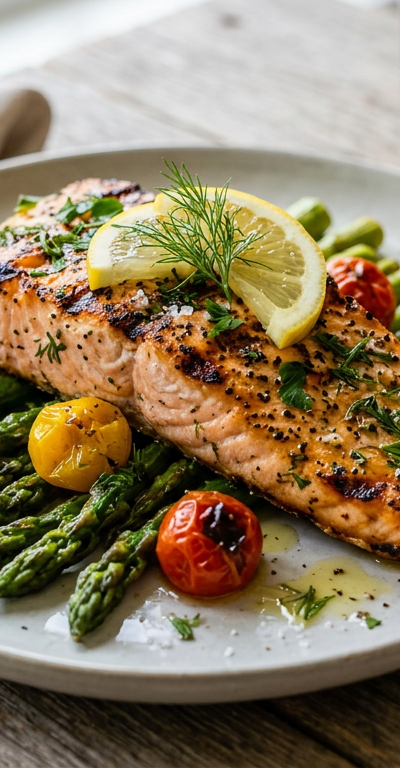
Quick 20-minute grilled salmon with lemon and herbs. Gluten-free, healthy, and bursting with fresh flavors. Perfect weeknight dinner!...
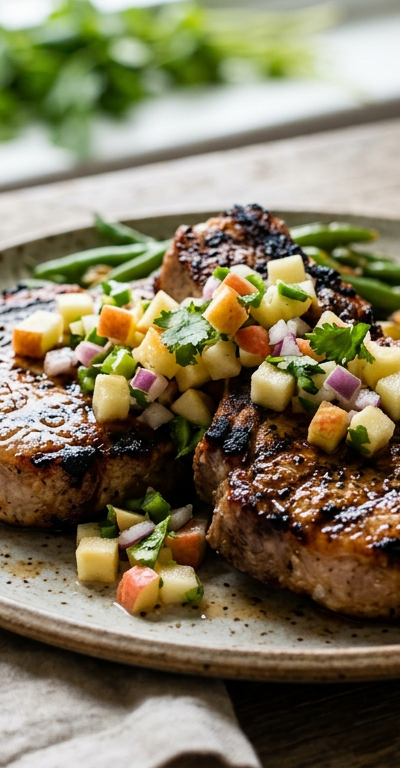
Juicy grilled pork chops topped with fresh apple salsa. Quick gluten-free dinner ready in 25 minutes with simple, wholesome ingredients....
No-bake energy truffles with dates, walnuts, cacao, and orange zest. Mediterranean diet-friendly pre-workout fuel with natural sweetness....
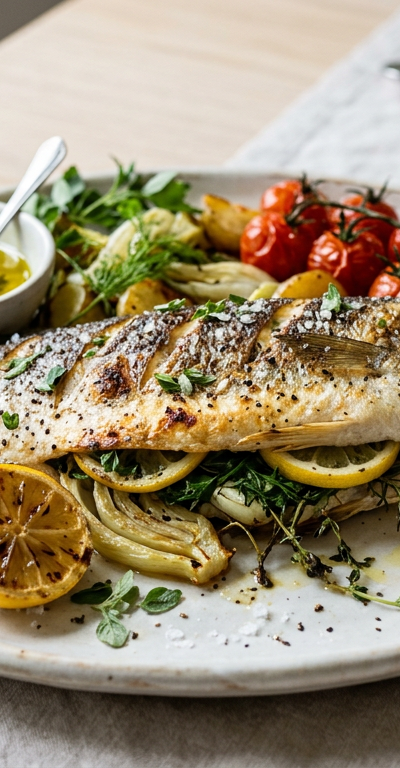
Whole roasted branzino stuffed with herbs, lemon, and fennel. Crispy skin, tender flesh—a stunning Mediterranean dinner that's easier than you think....
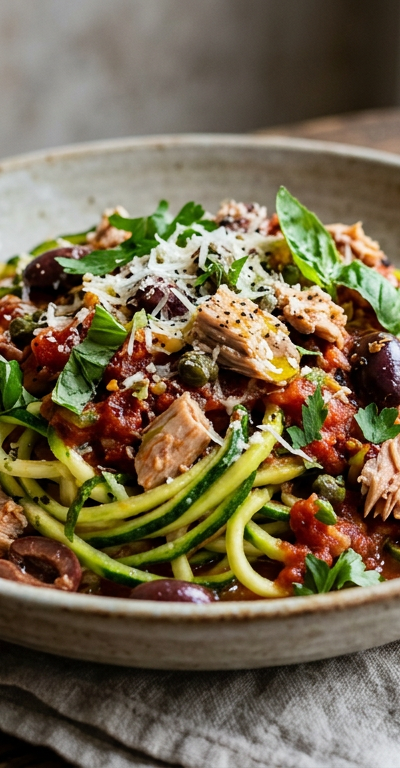
Bold puttanesca sauce with tuna, capers & olives over zucchini noodles. A quick, low-carb Mediterranean dinner ready in 25 minutes....
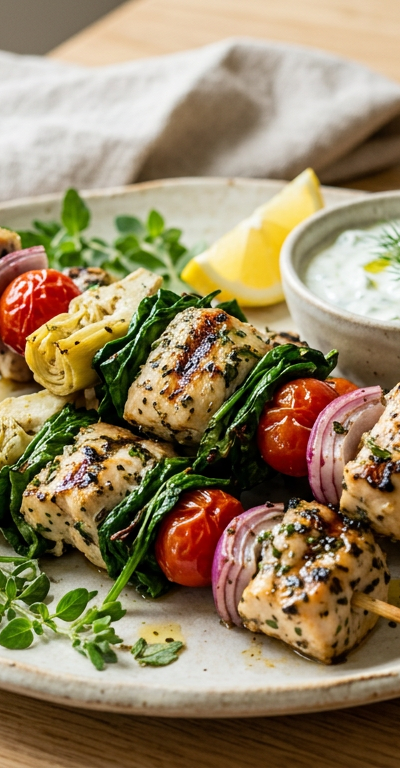
Quick Mediterranean chicken skewers with spinach, marinated in lemon and herbs. A healthy 30-minute dinner perfect for the Mediterranean Diet....
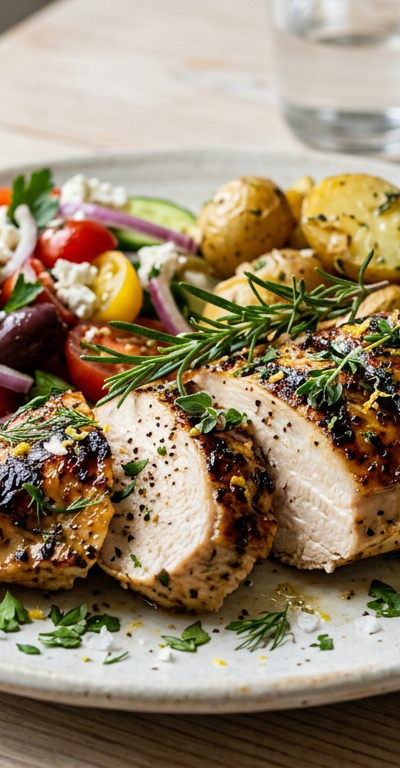
Juicy grilled chicken marinated in lemon, herbs, and olive oil. A healthy Mediterranean Diet dinner that's ready in 30 minutes....
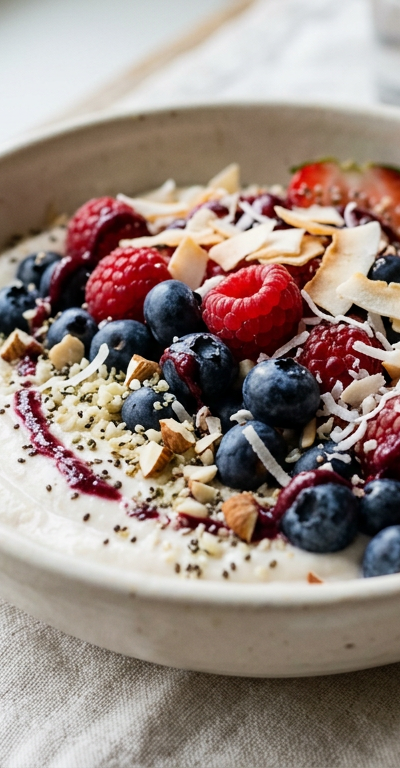
Whole30-compliant breakfast bowl with coconut cream and fresh berries. Quick, dairy-free, and perfect for intermittent fasting....
Discover other dietary approaches tailored to different health goals and preferences.
View All Diets