Plant-Based Diet

Plant-Based Diet

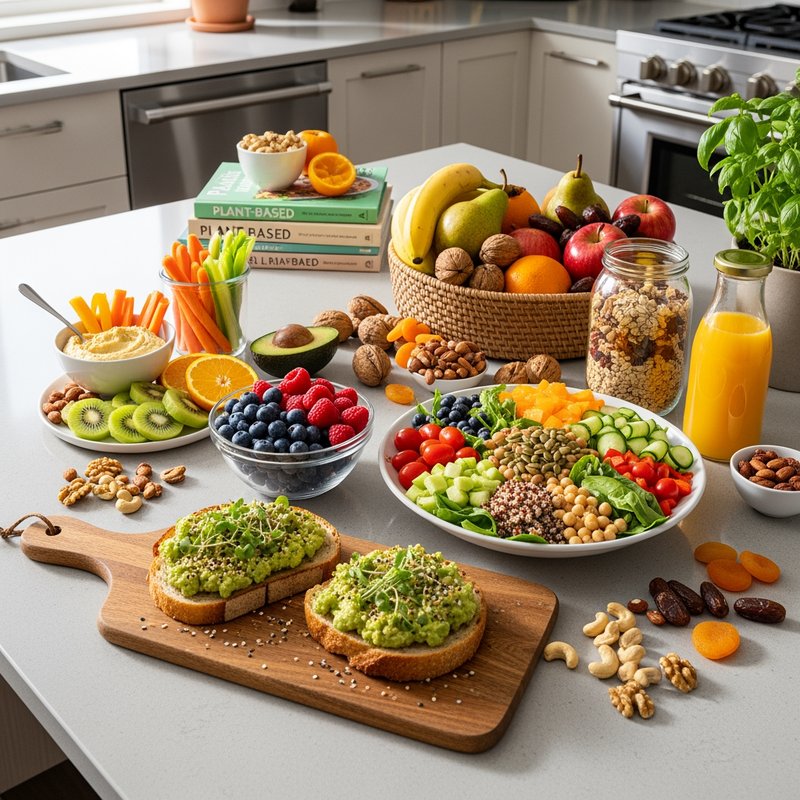
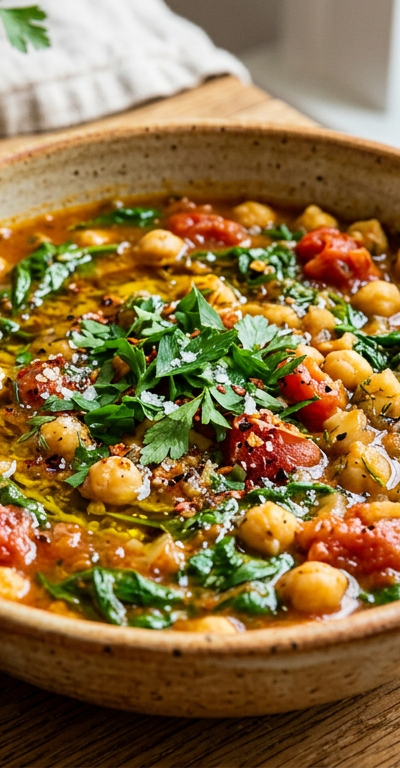
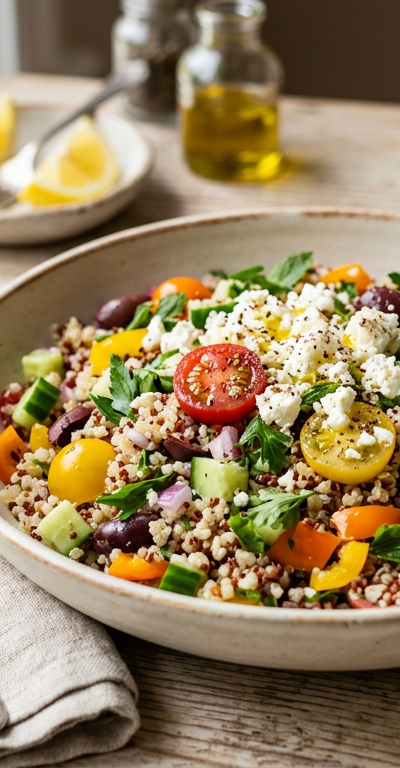
A plant-based diet centers on foods derived from plants, including vegetables, fruits, whole grains, legumes, nuts, and seeds, while minimizing or eliminating animal products such as meat, dairy, eggs, and honey. The core principle is to obtain nutrition primarily from whole, minimally processed plant foods rather than animal sources. This dietary approach exists on a spectrum, from fully vegan (excluding all animal products) to more flexible variations that occasionally include small amounts of animal foods. The emphasis is on consuming nutrient-dense, fiber-rich foods in their most natural state, avoiding highly processed items regardless of whether they're plant-based or not. Plant-based diets have been scientifically linked to numerous health benefits and can help address several chronic conditions. Research consistently shows that this dietary pattern can significantly reduce the risk of heart disease by lowering cholesterol levels, blood pressure, and inflammation. It's particularly effective for managing and preventing type 2 diabetes due to improved insulin sensitivity and blood sugar control. Studies have also demonstrated benefits for inflammatory conditions like rheumatoid arthritis and inflammatory bowel diseases including Crohn's disease and ulcerative colitis. Additionally, plant-based diets are associated with healthy weight management, reduced cancer risk (particularly colorectal cancer), improved kidney function, and better gut health due to high fiber content. The scientific backing for plant-based diets is substantial, with major health organizations including the American Heart Association, American Diabetes Association, and Academy of Nutrition and Dietetics recognizing their health benefits. Landmark studies like the EPIC-Oxford study, Adventist Health Studies, and research published in journals such as JAMA and The Lancet have documented lower rates of chronic disease and increased longevity among those following plant-based dietary patterns. The diet's benefits stem from its high content of fiber, antioxidants, phytonutrients, and healthy fats, combined with the absence of saturated fats and cholesterol found predominantly in animal products. This diet is particularly beneficial for individuals with or at risk for cardiovascular disease, type 2 diabetes, high blood pressure, high cholesterol, obesity, certain autoimmune conditions, digestive disorders, and those seeking to reduce inflammation. It's also ideal for people concerned about environmental sustainability and animal welfare. Athletes and active individuals can thrive on plant-based diets with proper planning. However, attention should be paid to obtaining adequate vitamin B12, vitamin D, omega-3 fatty acids, iron, calcium, and zinc—nutrients that may require supplementation or careful food selection, particularly for those following strict vegan variations.

73 recipes available for this diet

Health Conditions Supported

Digestive Disorders

Plant-based diets improve various digestive disorders through high fiber intake that promotes regular bowel movements, feeds beneficial gut bacteria, and improves gut barrier function. The diet's anti-inflammatory properties help reduce intestinal inflammation, while the absence of common irritants like dairy can alleviate symptoms in sensitive individuals. The diverse prebiotic fibers support a healthy, diverse microbiome essential for digestive health.

Confidence: Moderate

Key foods: Legumes like lentils and beans, whole grains like oats and quinoa, leafy greens, fermented foods like sauerkraut and kimchi, bananas and papayas, ginger and turmeric, flaxseeds and chia seeds, sweet potatoes

Mechanism: Soluble and insoluble fiber increase stool bulk and speed transit time, preventing constipation and reducing exposure to potential toxins. Prebiotic fibers feed beneficial bacteria like Bifidobacteria and Lactobacilli, which produce short-chain fatty acids that nourish colon cells and maintain gut barrier integrity. The diet's polyphenols have antimicrobial effects against pathogenic bacteria while supporting beneficial species, improving overall microbiome balance.

Non-Alcoholic Fatty Liver Disease

Plant-based diets help reverse non-alcoholic fatty liver disease by promoting weight loss, reducing insulin resistance, and providing antioxidants that protect liver cells from oxidative damage. The diet's high fiber content improves gut health and reduces endotoxin production that contributes to liver inflammation. Studies show significant reductions in liver fat content and improved liver enzyme levels within 8-12 weeks.

Confidence: Moderate

Key foods: Leafy greens like spinach and kale, legumes like lentils and chickpeas, whole grains like oats and brown rice, walnuts and flaxseeds, berries, cruciferous vegetables, green tea, beets

Mechanism: Weight loss from the diet reduces hepatic fat accumulation, while improved insulin sensitivity decreases de novo lipogenesis (fat production in the liver). Antioxidants and polyphenols from plant foods reduce oxidative stress and inflammation that drive progression from simple steatosis to steatohepatitis. Fiber improves gut microbiome composition, reducing bacterial endotoxins that trigger liver inflammation and fibrosis.

Cancer Prevention

Plant-based diets reduce cancer risk through multiple protective mechanisms including high antioxidant and phytochemical intake, increased fiber consumption, and elimination of carcinogenic compounds found in processed and red meats. Studies show 10-20% reduction in overall cancer risk, with particularly strong evidence for colorectal, breast, and prostate cancers. The diet provides protective compounds that inhibit cancer cell growth, promote apoptosis, and reduce DNA damage.

Confidence: High

Key foods: Cruciferous vegetables like broccoli and Brussels sprouts, berries, legumes like soybeans and lentils, tomatoes (lycopene), leafy greens, whole grains, flaxseeds, mushrooms like shiitake

Mechanism: Phytochemicals like sulforaphane from cruciferous vegetables activate detoxification enzymes and inhibit carcinogen activation, while isoflavones from soy modulate hormone receptors reducing hormone-dependent cancer risk. High fiber intake speeds transit time reducing colon exposure to carcinogens and promotes beneficial gut bacteria that produce protective short-chain fatty acids. Antioxidants neutralize free radicals that cause DNA mutations, while plant compounds inhibit angiogenesis (blood vessel formation to tumors) and promote cancer cell apoptosis.

Cardiovascular Disease

Plant-based diets significantly reduce cardiovascular disease risk by lowering LDL cholesterol, reducing blood pressure, and decreasing arterial inflammation. The absence of dietary cholesterol and saturated fat from animal products, combined with high fiber and phytonutrient intake, improves endothelial function and reduces atherosclerotic plaque formation. Studies show plant-based diets can reduce cardiovascular disease risk by up to 40% and may even reverse existing coronary artery disease.

Confidence: High

Key foods: Oats and barley (soluble fiber), walnuts and flaxseeds (omega-3 ALA), leafy greens like spinach and kale, legumes like lentils and black beans, berries (especially blueberries and strawberries), whole grains like quinoa and brown rice, almonds, avocados

Mechanism: The high fiber content binds to cholesterol in the digestive tract and promotes its excretion, while plant sterols compete with cholesterol absorption. Antioxidants and polyphenols from fruits, vegetables, and whole grains reduce oxidative stress and inflammation in blood vessels, improving endothelial function. The absence of saturated fat and dietary cholesterol, combined with potassium-rich foods, helps maintain healthy blood pressure and reduces arterial plaque buildup.

Chronic Inflammation

Plant-based diets reduce systemic inflammation by eliminating pro-inflammatory animal products while providing abundant anti-inflammatory compounds including polyphenols, antioxidants, and omega-3 fatty acids. The diet can lower inflammatory markers like C-reactive protein (CRP) by 30-40% within weeks. High fiber intake also reduces inflammation by promoting beneficial gut bacteria that produce anti-inflammatory metabolites.

Confidence: High

Key foods: Berries (especially blueberries and strawberries), leafy greens like kale and spinach, walnuts and flaxseeds, turmeric and ginger, cruciferous vegetables like broccoli, legumes, green tea, cherries and pomegranates

Mechanism: Polyphenols and flavonoids from colorful plant foods inhibit pro-inflammatory enzymes like COX-2 and reduce NF-kB activation, a key inflammatory pathway. Omega-3 fatty acids from walnuts and flaxseeds compete with omega-6 metabolism to produce less inflammatory eicosanoids. The diet's high antioxidant content neutralizes free radicals that trigger inflammatory cascades, while fiber promotes gut barrier integrity and reduces endotoxin-induced inflammation.

High Cholesterol

Plant-based diets effectively lower total and LDL cholesterol levels by eliminating dietary cholesterol and reducing saturated fat intake while increasing soluble fiber and plant sterol consumption. Studies show LDL cholesterol reductions of 15-30% are achievable, comparable to statin medications in some cases. The diet naturally provides compounds that actively block cholesterol absorption and enhance its elimination.

Confidence: High

Key foods: Oats and barley (beta-glucan), almonds and walnuts, soy products like tofu and tempeh, flaxseeds and chia seeds, beans and lentils, avocados, whole grains, Brussels sprouts and broccoli

Mechanism: Soluble fiber forms a gel in the digestive tract that binds bile acids (made from cholesterol) and promotes their excretion, forcing the liver to use more cholesterol to produce new bile acids. Plant sterols and stanols structurally resemble cholesterol and compete for absorption in the intestines, reducing cholesterol uptake by 30-40%. The absence of dietary cholesterol and low saturated fat intake reduces the raw materials available for LDL particle production.

Hypertension

Plant-based diets lower blood pressure through multiple mechanisms including high potassium intake, increased nitric oxide production, reduced sodium sensitivity, and improved vascular function. The diet can reduce systolic blood pressure by 5-10 mmHg and diastolic by 3-7 mmHg, effects comparable to some blood pressure medications. The combination of increased fiber, antioxidants, and reduced saturated fat creates a powerful anti-hypertensive effect.

Confidence: High

Key foods: Leafy greens like spinach and beet greens, beets (nitrate-rich), bananas and sweet potatoes (potassium), legumes like white beans and lentils, berries, whole grains, nuts like pistachios, celery and garlic

Mechanism: High potassium content from fruits, vegetables, and legumes helps counteract sodium's effects and promotes vasodilation by relaxing blood vessel walls. Nitrates from leafy greens and beets convert to nitric oxide, a powerful vasodilator that reduces vascular resistance. The diet's anti-inflammatory compounds reduce endothelial dysfunction and arterial stiffness while improving the sensitivity of baroreceptors that regulate blood pressure.

Metabolic Syndrome

Plant-based diets address all five components of metabolic syndrome: abdominal obesity, high triglycerides, low HDL cholesterol, hypertension, and elevated fasting glucose. The diet improves insulin sensitivity, reduces visceral fat, normalizes lipid profiles, and lowers blood pressure through its high fiber, low saturated fat composition. Research shows 30-40% reduction in metabolic syndrome prevalence among plant-based diet followers.
Confidence: High

Key foods: Legumes like chickpeas and kidney beans, whole grains like oats and quinoa, nuts like almonds and walnuts, leafy greens, berries, avocados, seeds like chia and flax, tempeh and tofu

Mechanism: The diet reduces visceral adiposity through caloric density reduction and improved satiety, while high fiber intake improves insulin sensitivity and glucose metabolism. Plant sterols and soluble fiber normalize lipid profiles by reducing cholesterol absorption and increasing HDL production. The high potassium-to-sodium ratio and nitrate content from vegetables reduce blood pressure, while anti-inflammatory compounds reduce the chronic inflammation underlying metabolic dysfunction.
Obesity

Plant-based diets promote weight loss and maintenance through high fiber content that increases satiety, lower caloric density of foods, and improved metabolic function. Studies show individuals following plant-based diets have lower BMIs and lose 3-5 kg more than those on conventional diets over 6-12 months. The diet naturally reduces calorie intake without requiring strict portion control due to the high volume and low energy density of plant foods.
Confidence: High

Key foods: Legumes like lentils and black beans, leafy greens and cruciferous vegetables, whole grains like quinoa and brown rice, berries and apples, nuts in moderation, tofu and tempeh, oats, vegetables like broccoli and cauliflower

Mechanism: High fiber content (30-40g daily) increases satiety hormones like GLP-1 and PYY while slowing gastric emptying, leading to reduced calorie intake. The low caloric density (fewer calories per gram) allows for larger portion sizes that satisfy hunger while consuming fewer total calories. Improved gut microbiome composition increases production of short-chain fatty acids that regulate metabolism and reduce fat storage.

Type 2 Diabetes

Plant-based diets improve insulin sensitivity and glycemic control through high fiber intake, low glycemic load, and reduced saturated fat consumption. The diet helps reduce visceral fat, which is strongly linked to insulin resistance, and provides sustained energy release without blood sugar spikes. Research demonstrates that plant-based diets can lower HbA1c levels by 0.4-0.7% and reduce diabetes medication requirements.
Confidence: High

Key foods: Legumes like chickpeas and kidney beans, whole grains like steel-cut oats and quinoa, leafy greens like collards and Swiss chard, nuts like almonds and pistachios, seeds like chia and pumpkin seeds, berries, sweet potatoes, tempeh and tofu

Mechanism: High fiber content slows carbohydrate absorption and prevents rapid blood sugar spikes, while improving gut microbiome composition that influences glucose metabolism. The diet reduces intramyocellular lipid accumulation (fat in muscle cells) that interferes with insulin signaling, thereby improving insulin sensitivity. Polyphenols and antioxidants from plant foods reduce oxidative stress and inflammation that contribute to beta-cell dysfunction.

Recipes for Plant-Based Diet

Discover delicious recipes specifically tailored for the Plant-Based Diet diet.

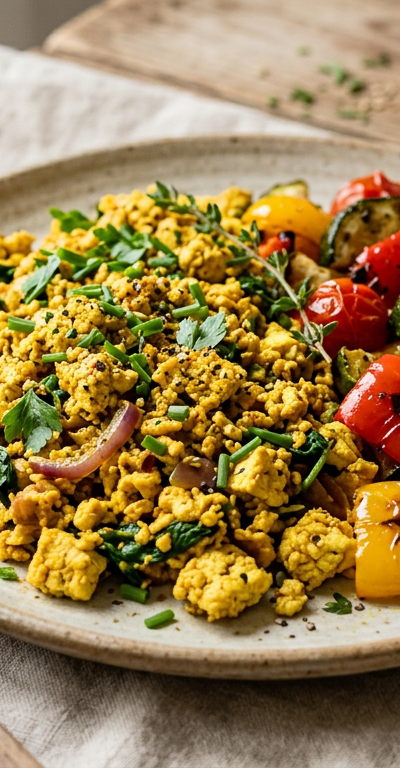
Tofu Scramble with Roasted Vegetables
35 min

Tofu Scramble with Roasted Vegetables

Plant-based tofu scramble with turmeric and nutritional yeast, paired with roasted bell peppers and zucchini. Optavia-friendly breakfast....

View Recipe
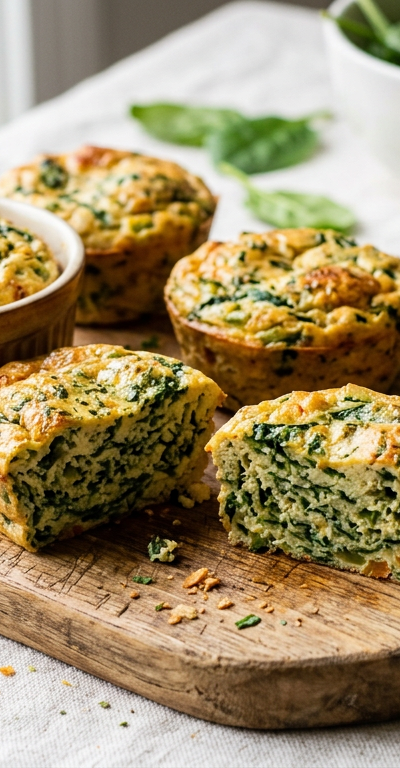
Tofu Veggie Protein Cups
35 min

Tofu Veggie Protein Cups

Silken tofu blended with spinach and nutritional yeast, baked into convenient protein cups. Perfect Optavia-friendly snack with 8g protein per serving....

View Recipe
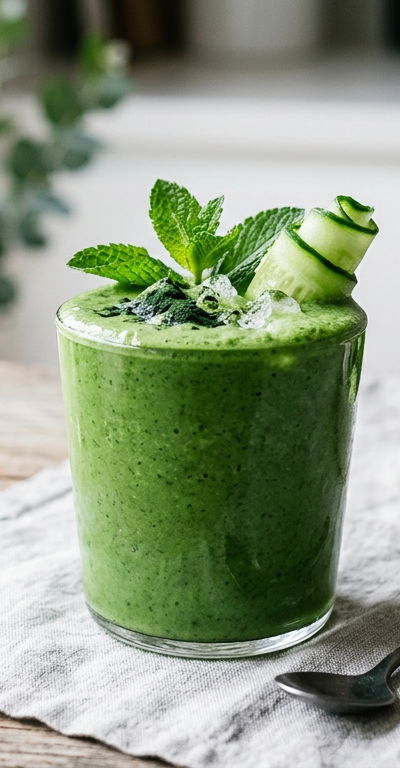
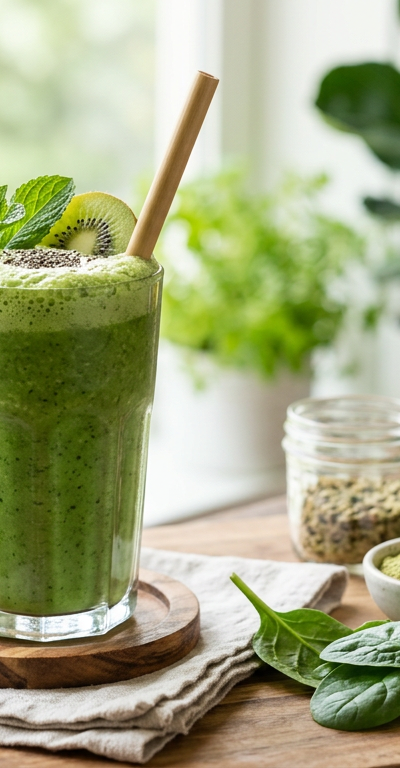
Green Detox Protein Elixir
5 min

Green Detox Protein Elixir

Optavia-friendly detox smoothie with spirulina, plant protein, cucumber & mint. Low-calorie, high-protein blend for sustained energy. Ready in 5 min....

View Recipe
Green Protein Power Smoothie
5 min

Green Protein Power Smoothie

Nutrient-packed Optavia smoothie with spinach, kale, and plant protein. Low-calorie, high-protein blend that's refreshing and energizing....

View Recipe
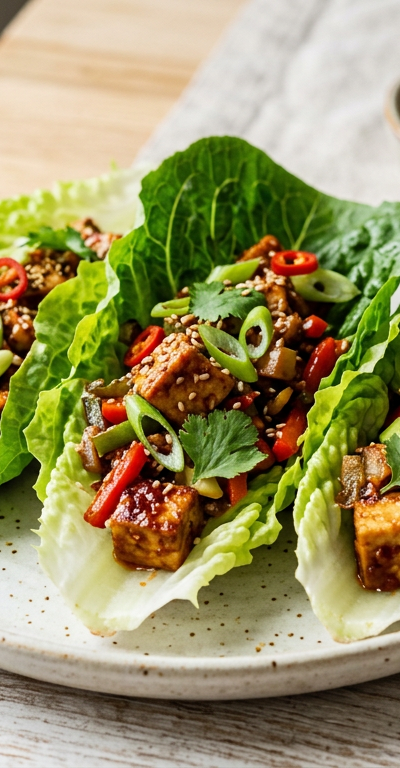
Spicy Tofu Lettuce Wraps
25 min

Spicy Tofu Lettuce Wraps

Spicy marinated tofu stir-fried with ginger and chili, served in crisp romaine leaves. A protein-packed, low-calorie Optavia Lean & Green lunch....

View Recipe
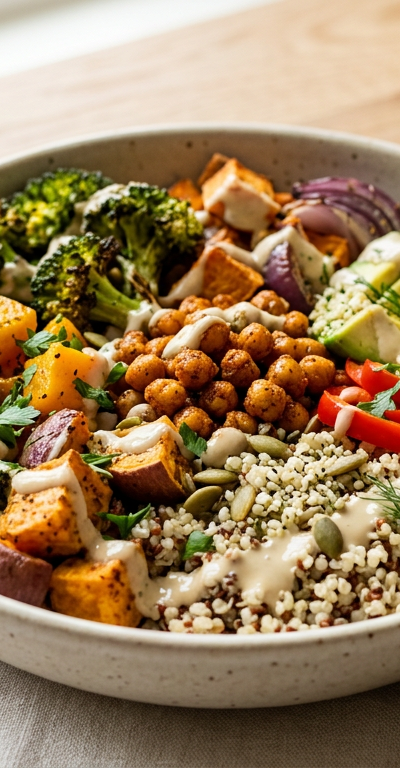
Quinoa Power Bowl
55 min

Quinoa Power Bowl

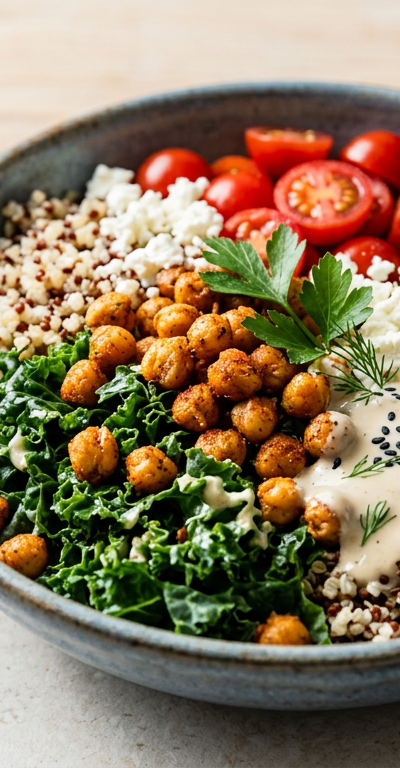
Nutrient-dense gluten-free quinoa bowl with roasted vegetables, chickpeas, and tangy tahini dressing. Perfect for meal prep and grab-and-go lunches!...

View Recipe
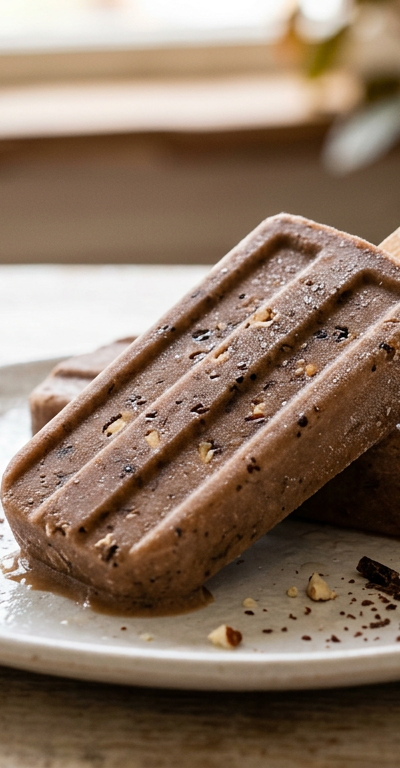
Mocha Almond Cold Brew Pops
4 hr 10 min

Mocha Almond Cold Brew Pops

Gluten-free cold brew coffee pops with almond milk and cocoa. Perfect grab-and-go caffeine boost. Make-ahead frozen treats for summer energy....

View Recipe
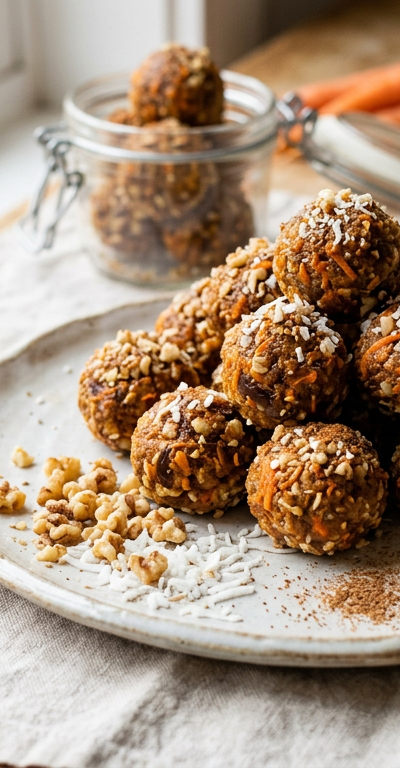
Carrot Cake Energy Bites
15 min

Carrot Cake Energy Bites

No-bake Carrot Cake Energy Bites with walnuts, dates, and warm spices. Gluten-free, kid-friendly, and ready in 15 minutes!...

View Recipe
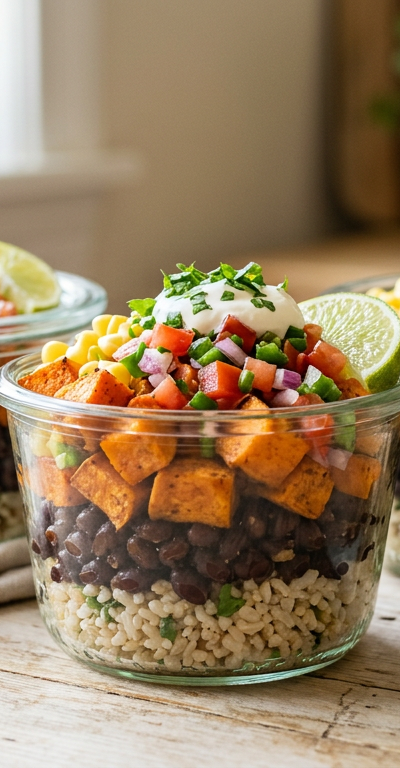
Sweet Potato & Black Bean Mini Burrito Bowls
45 min

Sweet Potato & Black Bean Mini Burrito Bowls

Gluten-free sweet potato and black bean burrito bowls in portable cups. Perfect for meal prep and microwave-friendly grab-and-go lunches....

View Recipe
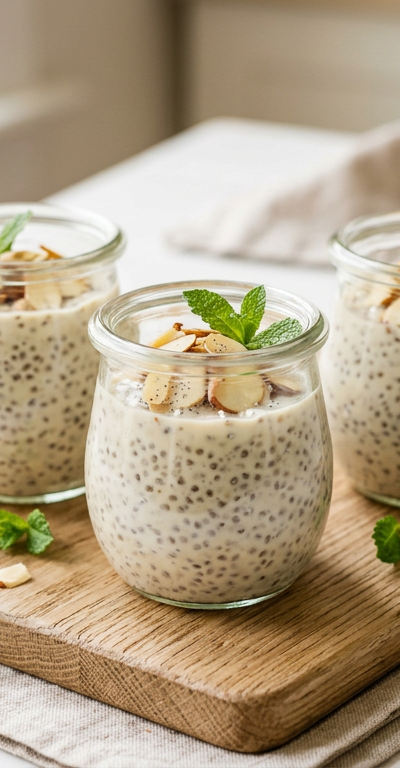
Vanilla Almond Chia Shots
5 min

Vanilla Almond Chia Shots

Quick 2-oz chia shots with vanilla and almond milk. Gluten-free, grab-and-go nutrition packed with omega-3s and protein. Ready in 5 minutes!...

View Recipe
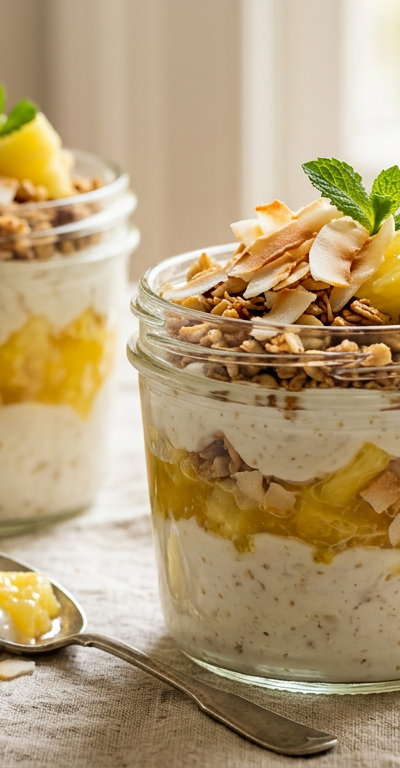
Pineapple Coconut Yogurt Parfait Pots
10 min

Pineapple Coconut Yogurt Parfait Pots

Tropical Pineapple Coconut Yogurt Parfait Pots are a creamy, gluten-free grab-and-go breakfast or dessert. Easy, healthy, and naturally sweet!...

View Recipe
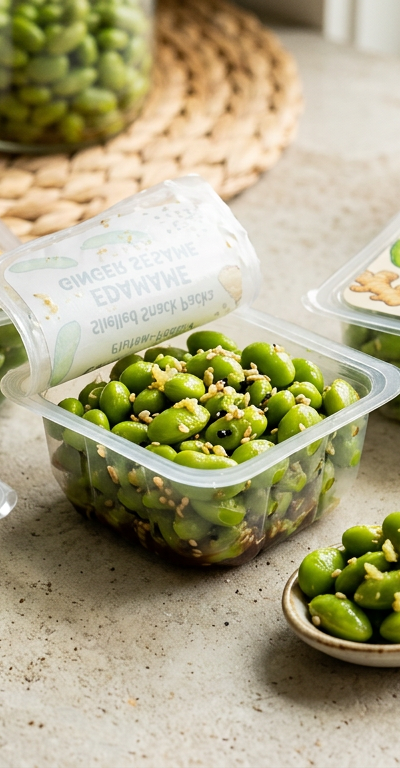
Ginger Sesame Edamame Snack Packs
18 min

Ginger Sesame Edamame Snack Packs

Protein-packed shelled edamame with ginger and sesame oil in convenient single-serve portions. Gluten-free, freezer-friendly, perfect for healthy snacking....

View Recipe
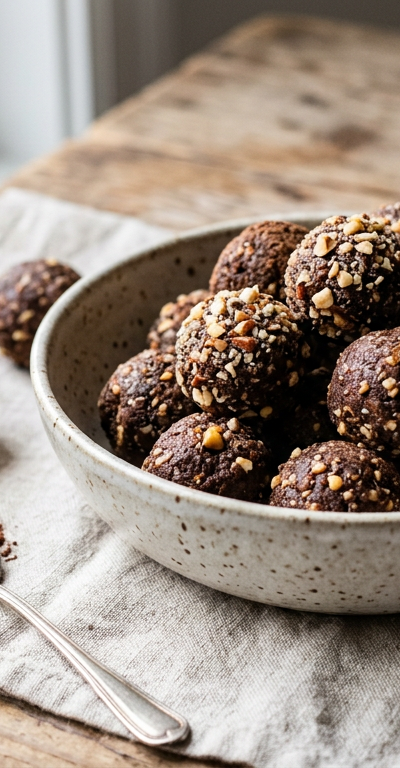
Mocha Hazelnut Energy Balls
15 min

Mocha Hazelnut Energy Balls

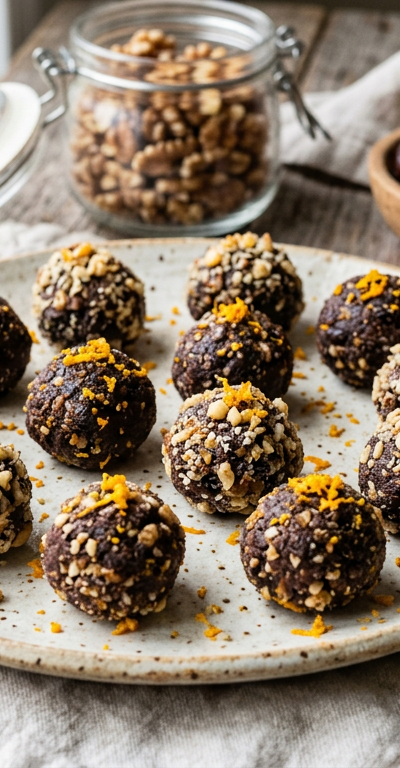
No-bake mocha hazelnut energy balls with coffee, cocoa, and dates. Gluten-free, naturally sweetened, perfect for grab-and-go snacking....

View Recipe
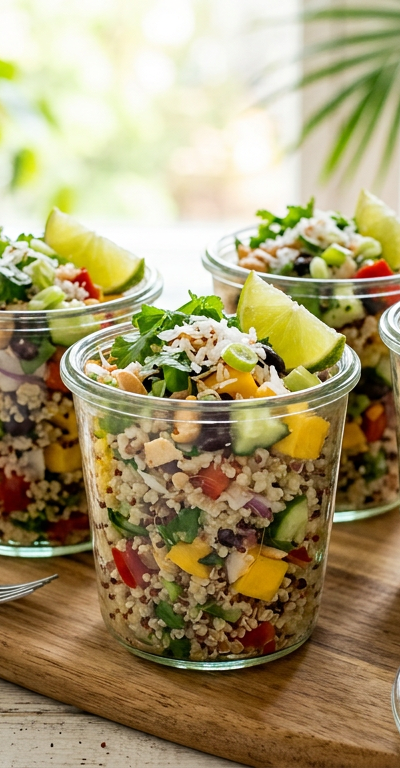
Coconut Lime Quinoa Salad Cups
30 min

Coconut Lime Quinoa Salad Cups

Tropical coconut lime quinoa salad in portable cups. Gluten-free, meal-prep friendly, and perfect for grab-and-go lunches. Ready in 30 minutes!...

View Recipe
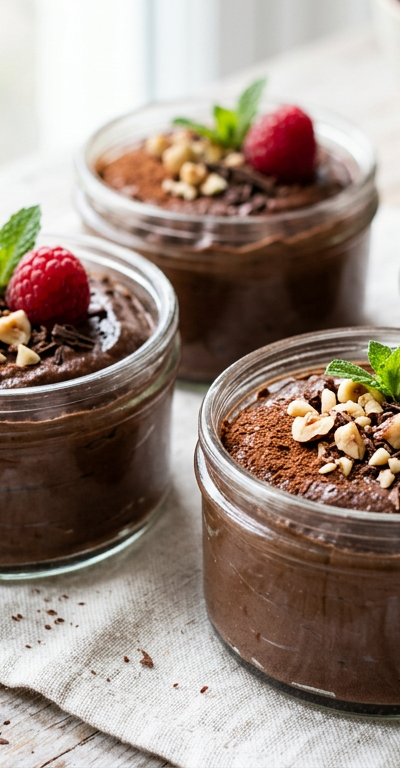
Chocolate Avocado Mousse Cups
10 min

Chocolate Avocado Mousse Cups

Rich, creamy chocolate mousse made with avocado. Naturally gluten-free, dairy-free, and ready in 10 minutes. Healthy grab-and-go dessert!...

View Recipe
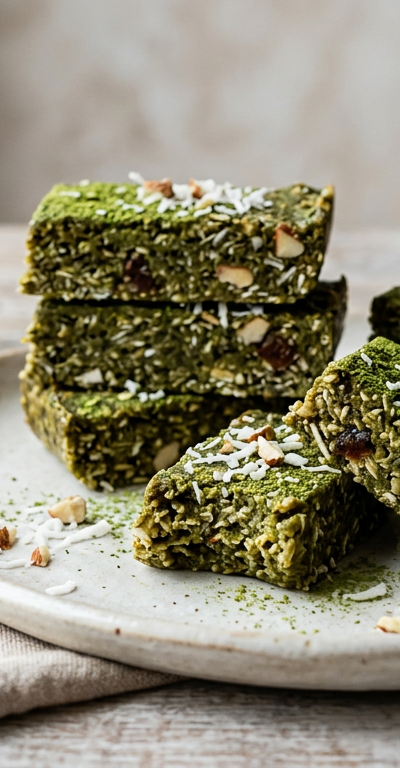
Matcha Coconut Energy Bars
15 min

Matcha Coconut Energy Bars

No-bake matcha coconut energy bars with dates and almonds. Gluten-free, naturally sweetened, perfect for grab-and-go fuel. Ready in 15 minutes!...

View Recipe
Smoky BBQ Roasted Chickpea Snack Packs
55 min

Smoky BBQ Roasted Chickpea Snack Packs

Crispy smoky BBQ roasted chickpeas make the perfect gluten-free, protein-packed snack. Easy to make and portion into grab-and-go bags!...

View Recipe
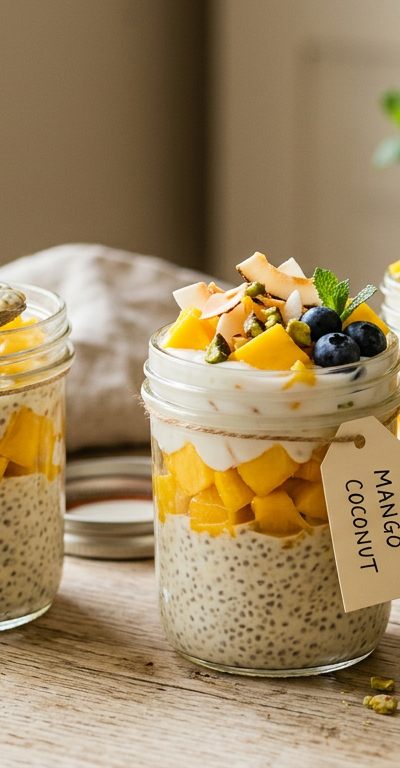
Mango Coconut Chia Pudding Jars
10 min

Mango Coconut Chia Pudding Jars

Overnight mango coconut chia pudding jars are a gluten-free, grab-and-go breakfast. Creamy, tropical, and ready when you are!...

View Recipe
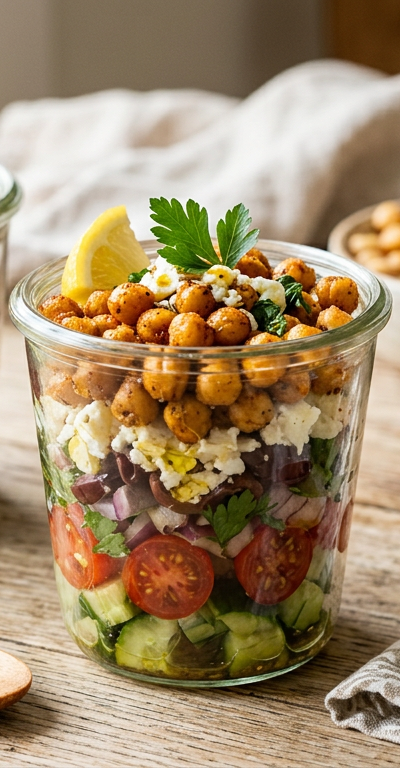
Mediterranean Chickpea Crunch Cups
45 min

Mediterranean Chickpea Crunch Cups

Crispy roasted chickpeas with feta, olives & veggies in portable cups. Gluten-free, protein-packed Mediterranean snack perfect for grab-and-go!...

View Recipe
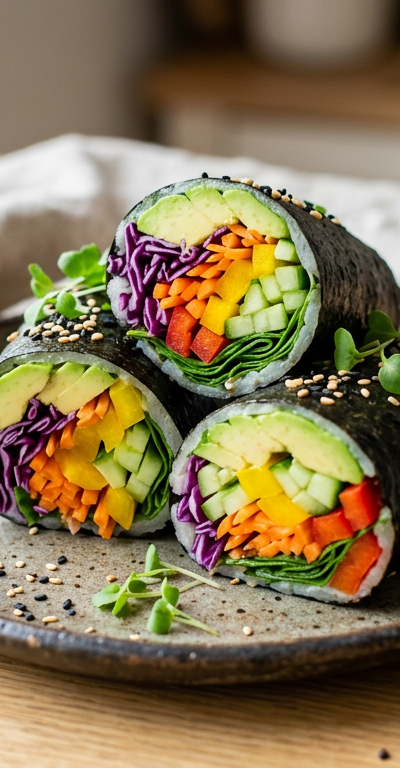
Rainbow Veggie Nori Wraps
10 min

Rainbow Veggie Nori Wraps

Fresh Rainbow Veggie Nori Wraps with avocado and crisp vegetables. Gluten-free, grain-free, ready in 10 minutes. Perfect grab-and-go lunch!...

View Recipe
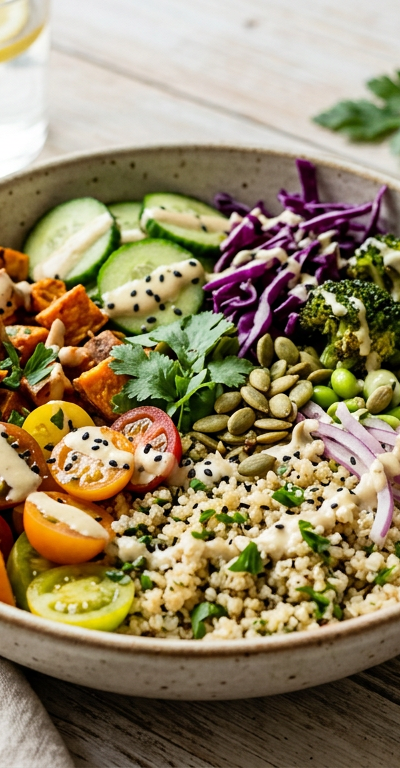
Gluten-Free Quinoa and Veggie Bowl
30 min

Gluten-Free Quinoa and Veggie Bowl

Healthy gluten-free quinoa bowl with fresh veggies and lemon-tahini dressing. Perfect for meal prep and grab-and-go lunches....

View Recipe
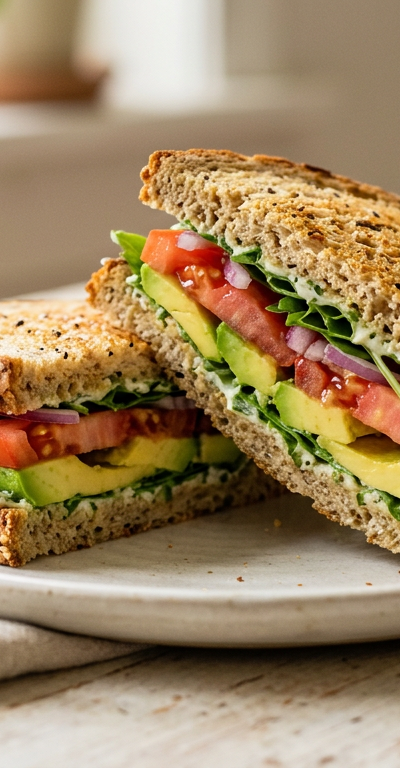
Gluten-Free Avocado and Tomato Sandwich
5 min

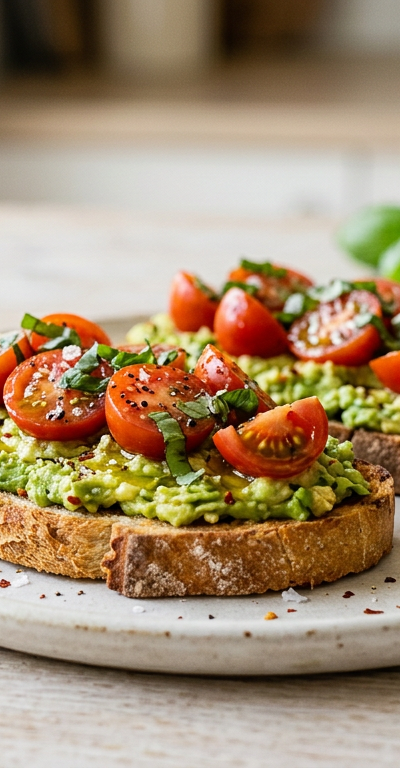
Gluten-Free Avocado and Tomato Sandwich

Fresh gluten-free avocado and tomato sandwich ready in 5 minutes. Healthy, satisfying, and perfect for grab-and-go meals....

View Recipe
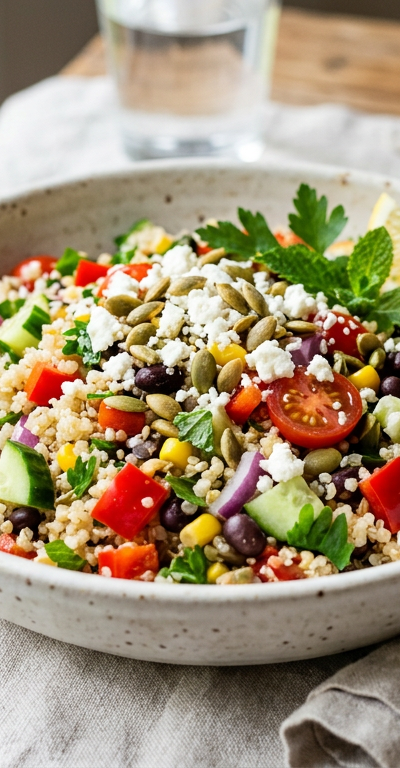
Gluten-Free Quinoa Salad
35 min

Gluten-Free Quinoa Salad

Healthy gluten-free quinoa salad with fresh vegetables and lemon vinaigrette. Perfect for meal prep and grab-and-go lunches....

View Recipe
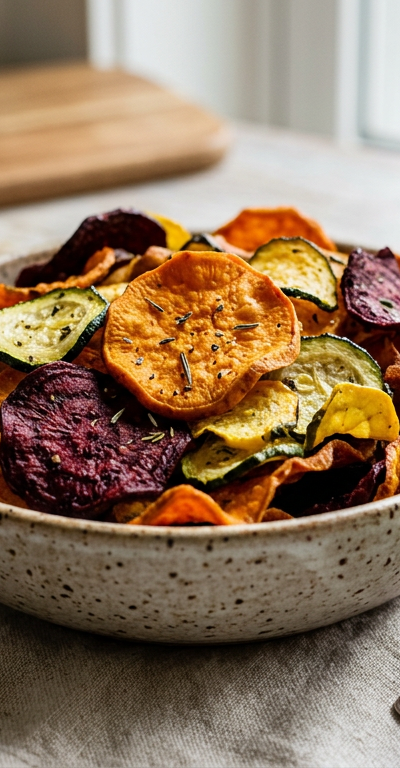
Gluten-Free Veggie Chips
2 hr 15 min

Gluten-Free Veggie Chips

Crispy gluten-free veggie chips made from sweet potatoes, beets, and zucchini. Perfect healthy grab-and-go snack that's easy to make!...

View Recipe
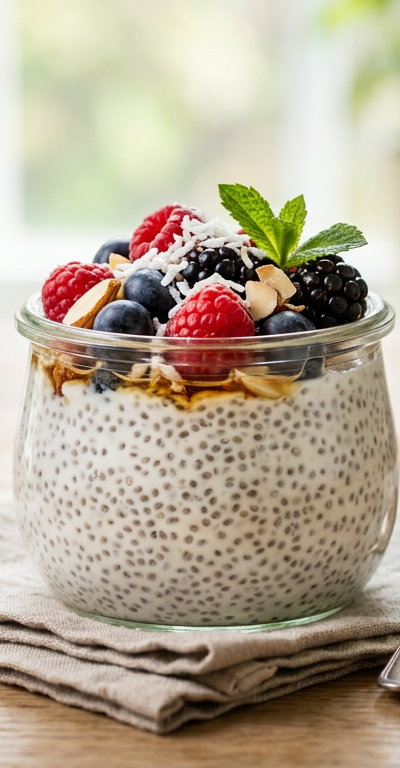
Gluten-Free Chia Pudding
5 min

Gluten-Free Chia Pudding

Easy gluten-free chia pudding recipe ready in 5 minutes. Healthy, make-ahead breakfast packed with omega-3s, fiber, and protein....

View Recipe
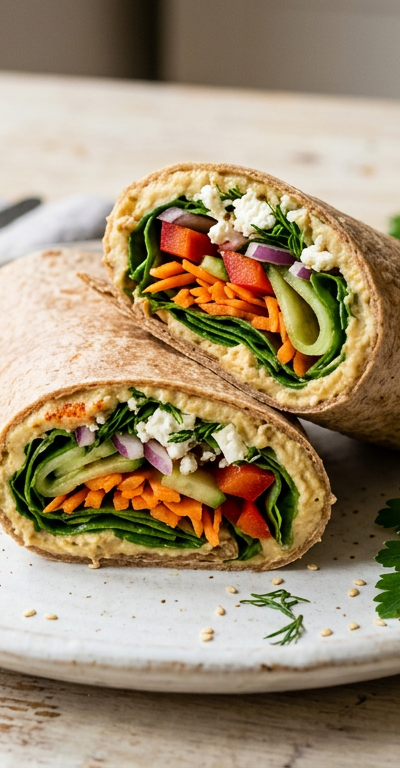
Gluten-Free Hummus Wrap
10 min

Gluten-Free Hummus Wrap

Quick 10-minute gluten-free hummus wrap with fresh veggies. Perfect for meal prep, breakfast, or lunch on-the-go. Healthy and delicious!...

View Recipe
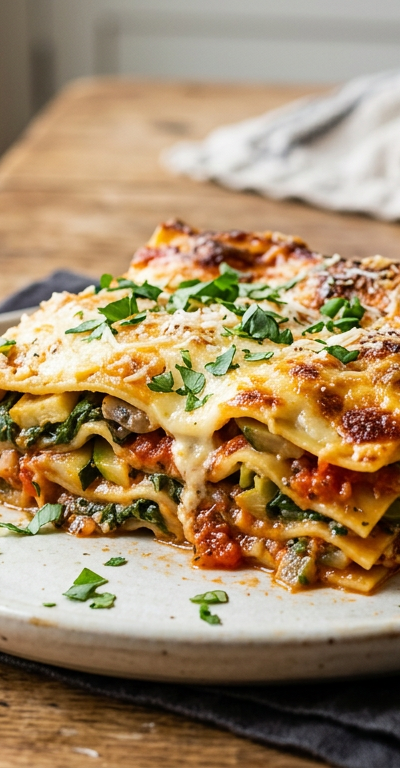
Gluten-Free Vegetable Lasagna
1 hr 30 min

Gluten-Free Vegetable Lasagna

Hearty gluten-free vegetable lasagna with layers of tender noodles, sautéed vegetables, and three cheeses. Perfect comfort food dinner....

View Recipe
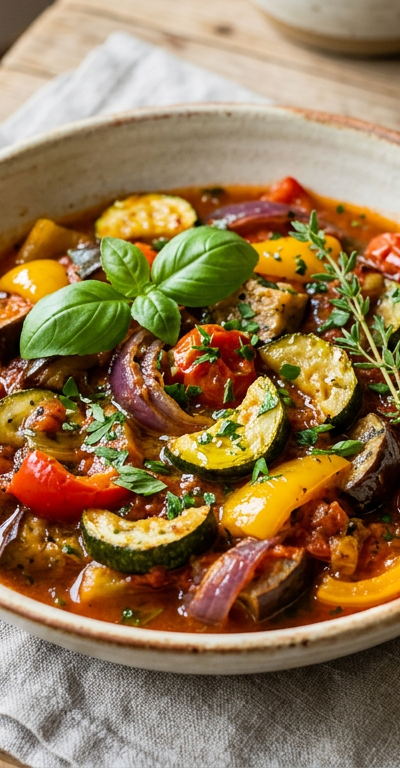
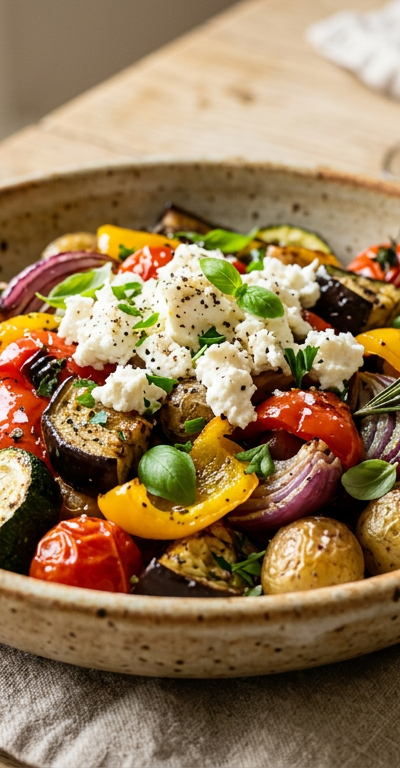
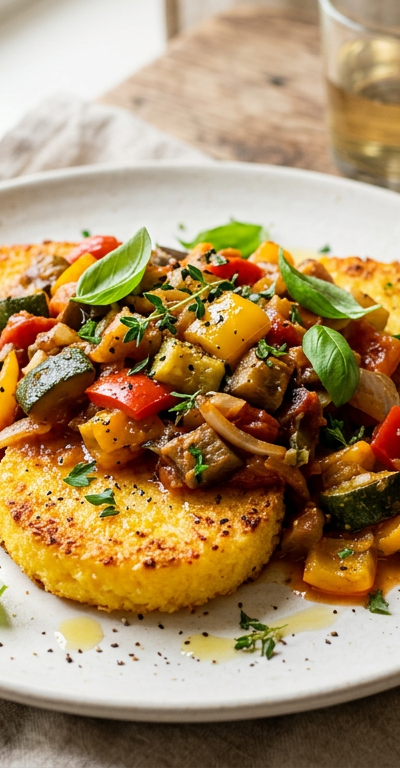
Gluten-Free Ratatouille
1 hr 15 min

Gluten-Free Ratatouille

Classic French ratatouille with roasted vegetables in rich tomato sauce. Naturally gluten-free, vegan, and bursting with Mediterranean flavors....

View Recipe
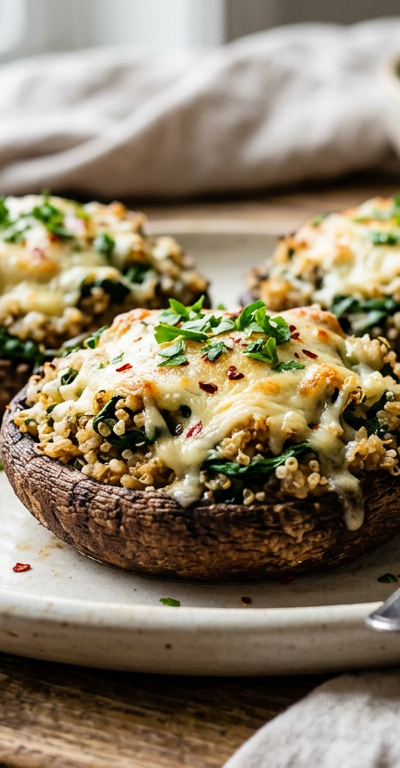
Gluten-Free Stuffed Portobello Mushrooms
45 min

Gluten-Free Stuffed Portobello Mushrooms

Meaty portobello mushrooms stuffed with quinoa, spinach, and cheese. A satisfying gluten-free vegetarian dinner ready in 45 minutes....

View Recipe
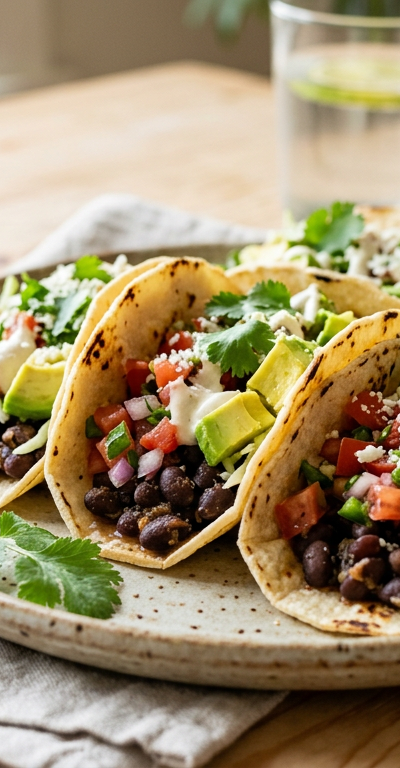
Gluten-Free Black Bean Tacos
25 min

Gluten-Free Black Bean Tacos

Quick gluten-free black bean tacos with fresh salsa and avocado. Healthy, plant-based dinner ready in 25 minutes. Easy weeknight meal!...

View Recipe
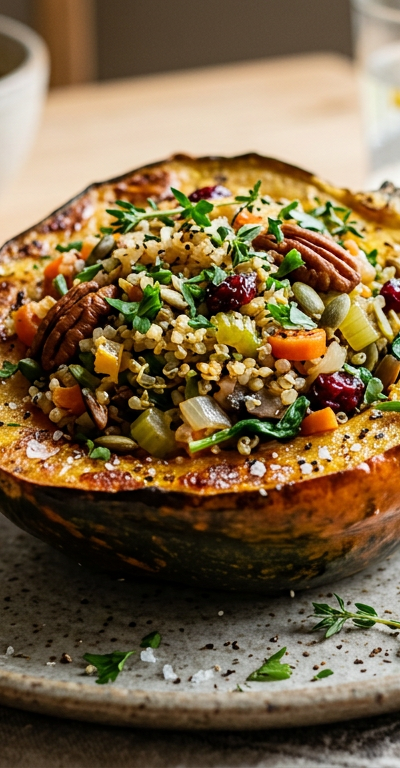
Gluten-Free Stuffed Acorn Squash
1 hr 15 min

Gluten-Free Stuffed Acorn Squash

Roasted acorn squash filled with savory quinoa, vegetables, and herbs. A warming, naturally gluten-free dinner that's healthy and satisfying....

View Recipe
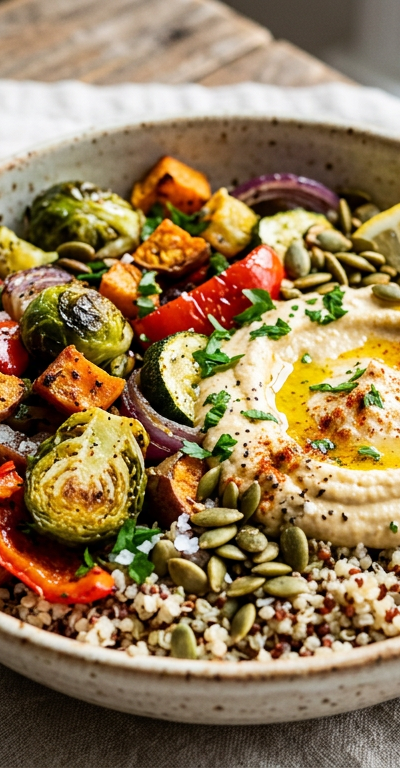
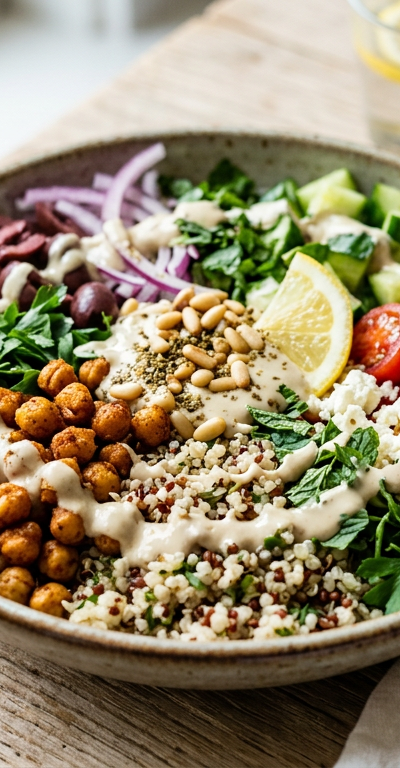
Roasted Veggie & Hummus Quinoa Bowls
45 min

Roasted Veggie & Hummus Quinoa Bowls

Colorful roasted vegetables, fluffy quinoa, and creamy hummus combine in this healthy gluten-free dinner bowl packed with plant-based nutrition....

View Recipe
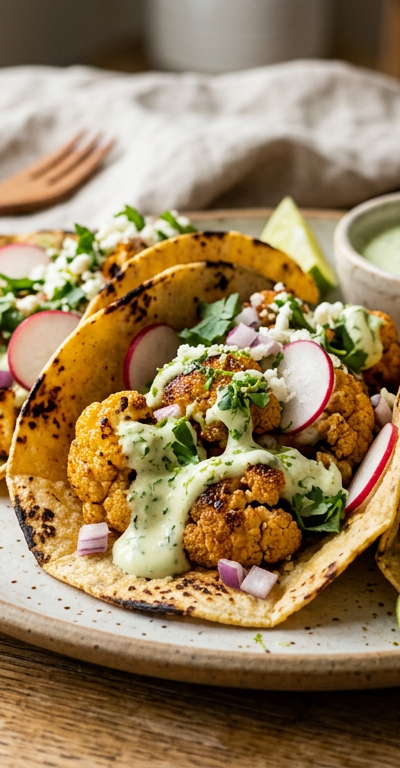
Roasted Cauliflower Tacos with Lime Crema
40 min

Roasted Cauliflower Tacos with Lime Crema

Smoky roasted cauliflower tacos with tangy lime crema. A delicious gluten-free dinner packed with flavor and ready in 35 minutes!...

View Recipe
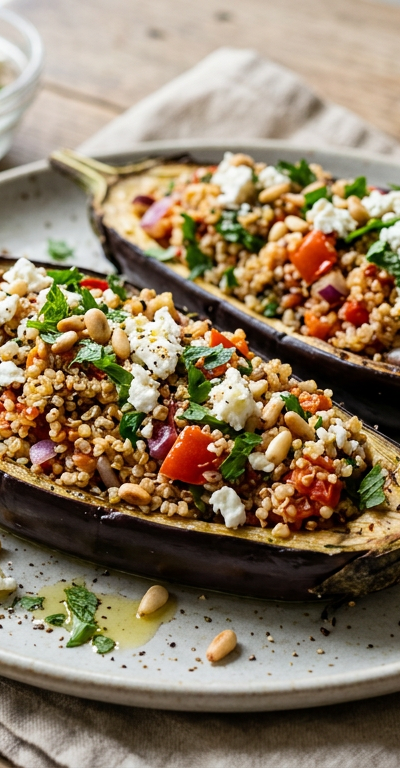
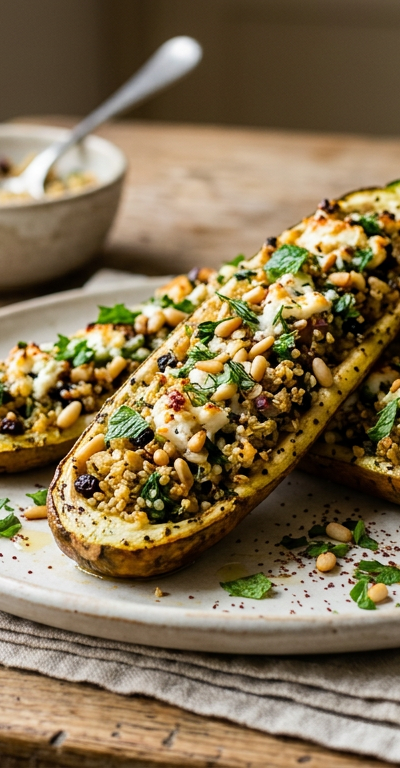
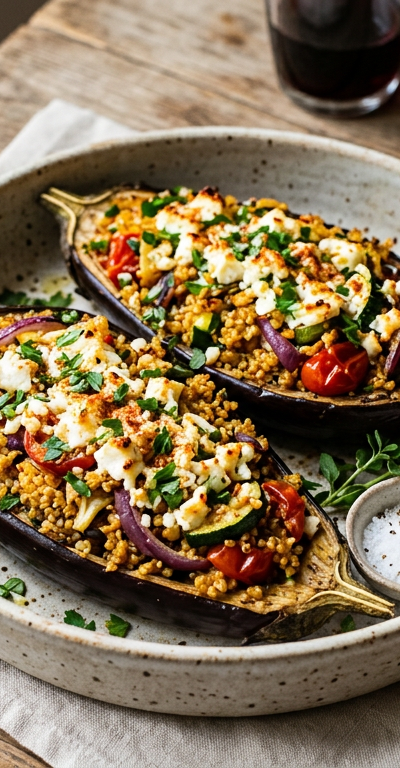
Mediterranean Stuffed Eggplant
1 hr 10 min

Mediterranean Stuffed Eggplant

Roasted eggplant boats filled with spiced quinoa, veggies, and feta. A hearty gluten-free Mediterranean dinner that's healthy and delicious!...

View Recipe
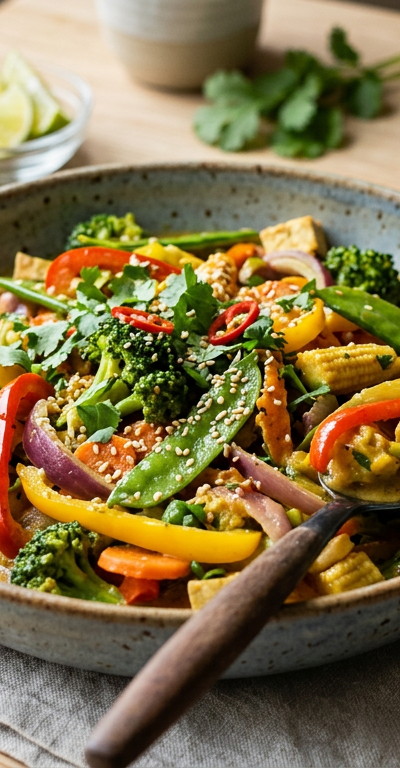
Coconut Curry Vegetable Stir-Fry
27 min

Coconut Curry Vegetable Stir-Fry

Quick coconut curry vegetable stir-fry with crisp veggies in creamy sauce. Naturally gluten-free, ready in 30 minutes. Healthy weeknight dinner!...

View Recipe
Spiced Lentil and Roasted Pepper Wrap
40 min

Spiced Lentil and Roasted Pepper Wrap

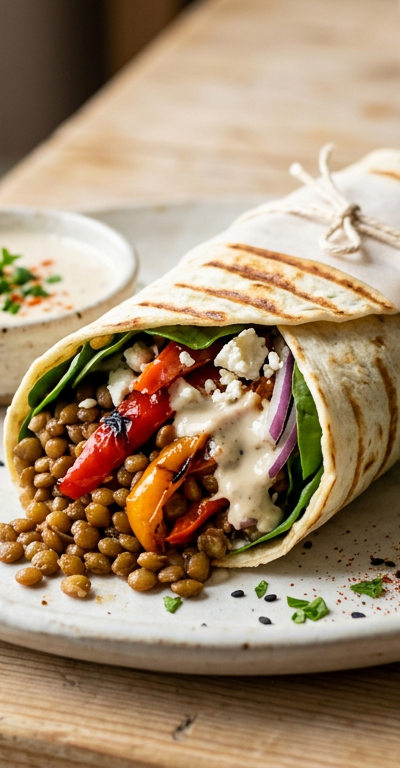
Mediterranean-inspired wrap with cumin-spiced lentils, roasted peppers, spinach, and tahini-yogurt sauce. Perfect portable lunch!...

View Recipe
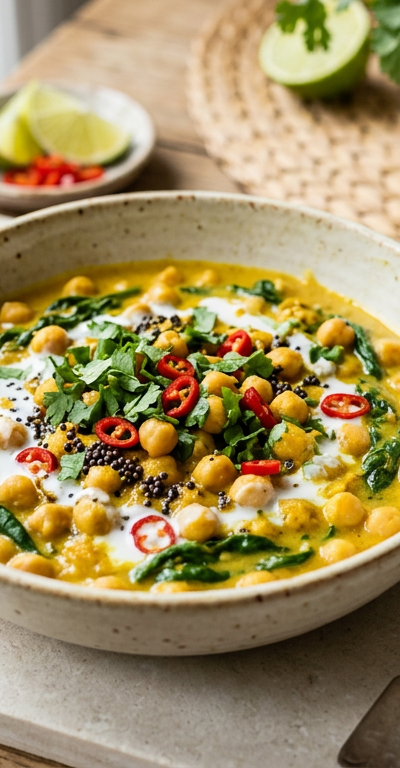
Zucchini and Chickpea Curry
40 min

Zucchini and Chickpea Curry

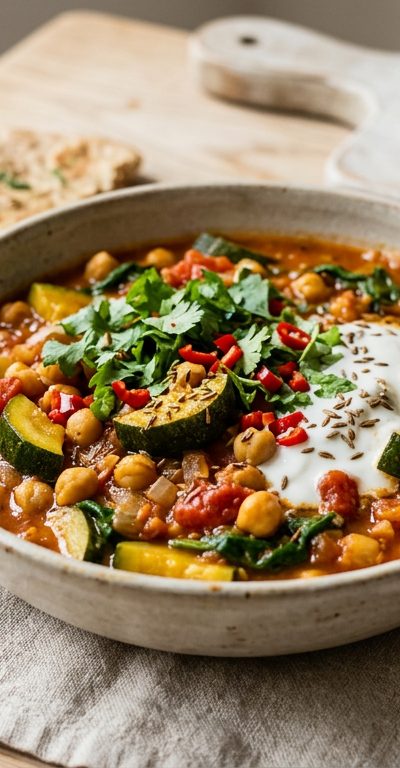
Healthy vegetarian curry with zucchini and chickpeas in spiced tomato sauce. Mediterranean Diet-friendly, ready in 40 minutes....

View Recipe
Grilled Veggie & Farro Stuffed Portobellos
55 min

Grilled Veggie & Farro Stuffed Portobellos

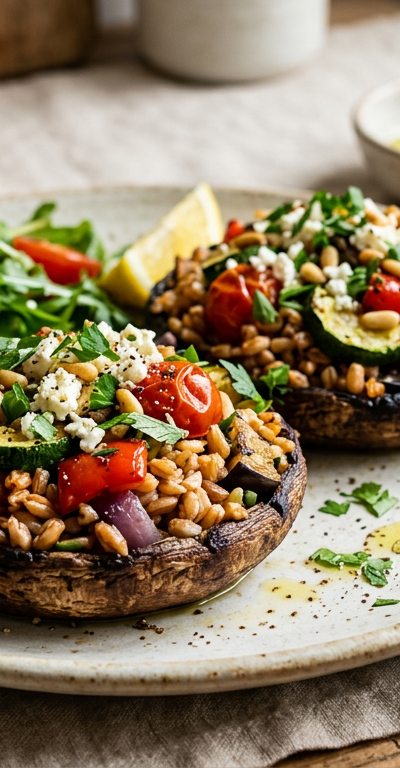
Hearty portobello mushrooms stuffed with grilled vegetables and farro. A fiber-rich Mediterranean Diet dinner that's satisfying and delicious....

View Recipe
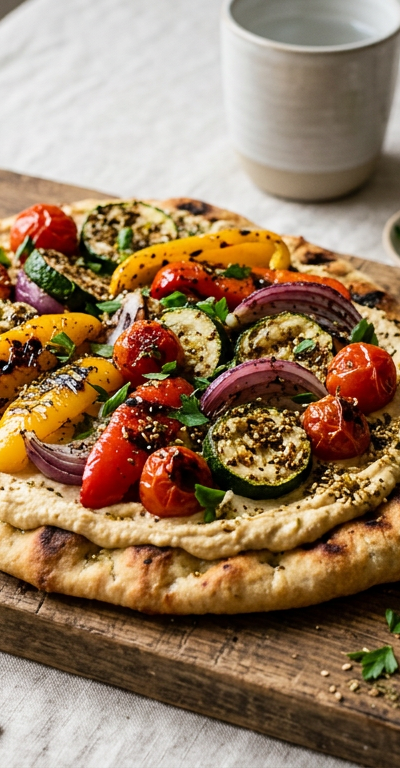
Grilled Veggie & Hummus Flatbread with Za'atar
25 min

Grilled Veggie & Hummus Flatbread with Za'atar

Quick Mediterranean flatbread with grilled veggies, creamy hummus, and za'atar. A healthy, flavorful dinner ready in 25 minutes....

View Recipe
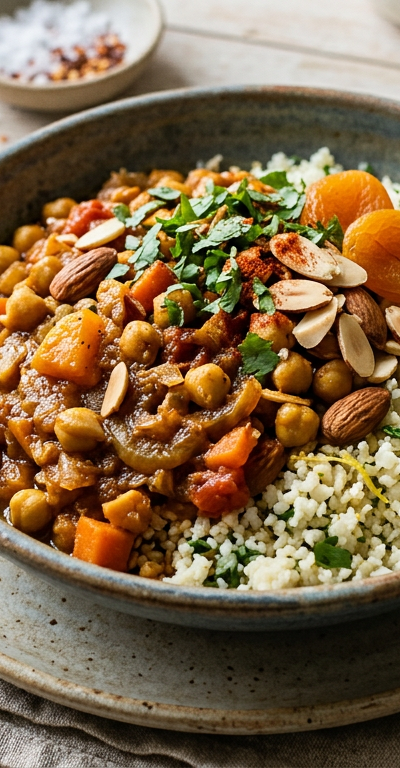
Moroccan Chickpea Tagine over Cauliflower Couscous
45 min

Moroccan Chickpea Tagine over Cauliflower Couscous

Aromatic Moroccan chickpea tagine with apricots and almonds over cauliflower couscous. A Mediterranean Diet dinner that's healthy and flavorful....

View Recipe

Explore More Diets

Discover other dietary approaches tailored to different health goals and preferences.

View All Diets