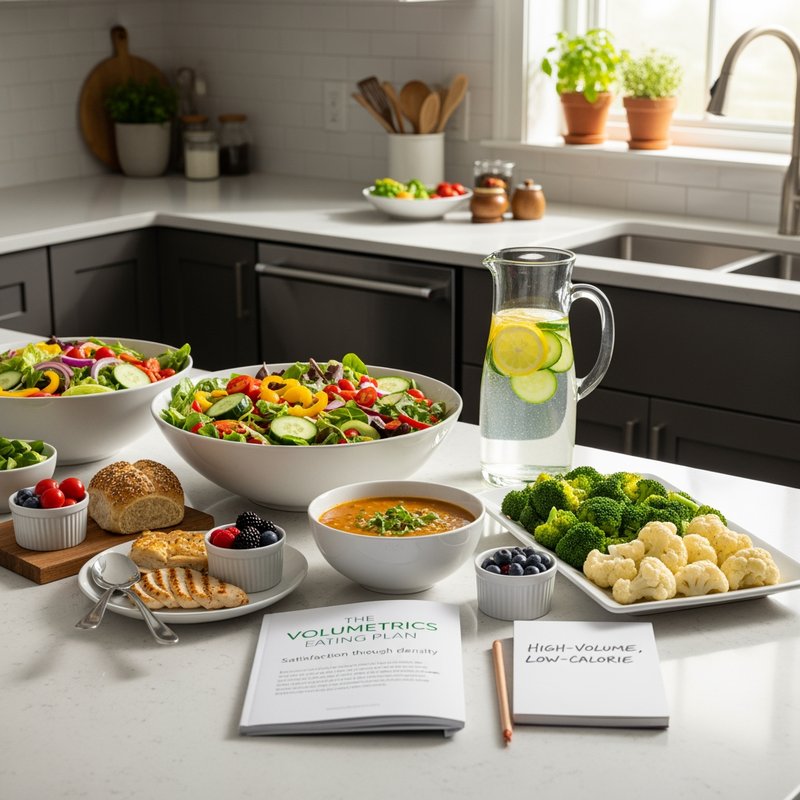
The Volumetrics Diet is an evidence-based eating plan developed by Dr. Barbara Rolls, a nutrition professor at Penn State University, that focuses on eating larger portions of low-calorie-density foods to promote satiety and sustainable weight loss. The core principle revolves around categorizing foods into four density categories: Category 1 (very low density) includes non-starchy vegetables, broth-based soups, and most fruits; Category 2 (low density) includes whole grains, lean proteins, legumes, and low-fat dairy; Category 3 (medium density) includes bread, cheese, and higher-fat meats; and Category 4 (high density) includes nuts, oils, butter, and processed snacks. Rather than restricting foods entirely, the diet encourages filling your plate primarily with Categories 1 and 2, while moderating Categories 3 and 4. The Volumetrics Diet emphasizes water-rich, fiber-rich whole foods such as fruits, vegetables, whole grains, lean proteins (chicken, fish, turkey), legumes, low-fat dairy products, and broth-based soups. It minimizes but doesn't completely exclude calorie-dense foods like fried foods, full-fat dairy, fatty cuts of meat, refined grains, sugary beverages, candy, cookies, chips, and foods high in added fats and sugars. The diet encourages cooking methods that add volume without excessive calories, such as adding vegetables to dishes, starting meals with broth-based soup or salad, and incorporating water-rich foods into recipes. This approach is particularly beneficial for weight management, obesity prevention, type 2 diabetes management, cardiovascular health, and general metabolic health. By promoting fullness through volume rather than calories, it helps address issues related to overeating and portion control without the psychological stress of severe restriction. The diet has substantial scientific backing, with multiple peer-reviewed studies published by Dr. Rolls and colleagues demonstrating its effectiveness for weight loss and satiety. Research shows that people following volumetrics principles naturally reduce calorie intake by 20-30% while feeling satisfied, making it easier to maintain long-term compared to restrictive diets. The Volumetrics Diet is ideal for individuals seeking sustainable weight loss without feeling deprived, people who struggle with hunger on traditional calorie-restriction diets, those with type 2 diabetes or prediabetes who need to manage blood sugar and weight, individuals with high blood pressure or heart disease risk factors, and anyone looking to develop healthier eating patterns for long-term wellness. It's particularly suitable for people who enjoy eating larger portions and need a practical, flexible approach that can be maintained indefinitely. The diet is generally safe for most people and can be adapted for various dietary preferences including vegetarian and vegan lifestyles.
2 recipes available for this diet
The Volumetrics Diet supports heart health by prioritizing whole foods, lean proteins, and plant-based ingredients that are naturally low in saturated fats and high in nutrients. The emphasis on fruits, vegetables, and whole grains helps reduce cholesterol levels and inflammation associated with cardiovascular risk.
Key foods: Leafy green vegetables, berries, whole grains, fatty fish, legumes, low-fat dairy, olive oil
Mechanism: By reducing calorie-dense foods and increasing intake of nutrient-rich, low-density foods, the diet helps lower LDL cholesterol, reduce inflammation, and improve overall cardiovascular markers. The high fiber content also supports healthy blood pressure and cholesterol management.
The Volumetrics Diet can help manage hypertension by promoting a diet rich in potassium, fiber, and low in sodium. The emphasis on fruits, vegetables, and lean proteins supports healthy blood pressure regulation and cardiovascular function.
Key foods: Leafy green vegetables, bananas, sweet potatoes, beans, low-fat dairy, tomatoes, citrus fruits
Mechanism: The diet's high intake of potassium-rich foods helps counterbalance sodium effects, while the low-calorie density supports weight management. Reduced body weight and increased intake of heart-healthy nutrients contribute to lower blood pressure and improved vascular health.
The Volumetrics Diet addresses multiple components of metabolic syndrome by promoting weight loss, improving insulin sensitivity, and reducing inflammation through a nutrient-dense, low-energy-density approach.
Key foods: Berries, leafy greens, whole grains, lean proteins, low-fat dairy, legumes, olive oil
Mechanism: By focusing on foods that are nutrient-rich and low in calories, the diet helps reduce visceral fat, improve insulin sensitivity, and lower inflammatory markers. The comprehensive approach addresses multiple metabolic risk factors simultaneously.
The Volumetrics Diet can help manage and potentially prevent Type 2 Diabetes by promoting stable blood sugar levels through low-glycemic, nutrient-dense foods. The diet's focus on high-volume, low-calorie foods helps improve insulin sensitivity and reduce overall glucose fluctuations.
Key foods: Non-starchy vegetables, legumes, whole grains, lean proteins, low-fat dairy, berries, citrus fruits
Mechanism: By prioritizing foods with low energy density and high fiber content, the diet helps slow glucose absorption, reduce insulin resistance, and maintain more stable blood sugar levels. The emphasis on portion control and nutrient-rich foods supports metabolic health and reduces diabetes risk.
The Volumetrics Diet is specifically designed to promote weight loss by focusing on low-calorie-density foods that provide high volume and satiety. By emphasizing water-rich and fiber-rich foods, individuals can eat larger portions while consuming fewer calories, leading to sustainable weight loss and improved body composition.
Key foods: Non-starchy vegetables, broth-based soups, fresh fruits, lean chicken breast, turkey, white fish, legumes, low-fat Greek yogurt
Mechanism: The diet works by leveraging the concept of energy density, where foods with high water content and fiber provide greater volume with fewer calories. This approach helps reduce overall calorie intake while maintaining feelings of fullness, ultimately creating a natural calorie deficit that supports weight loss.
Discover delicious recipes specifically tailored for the Volumetrics Diet diet.
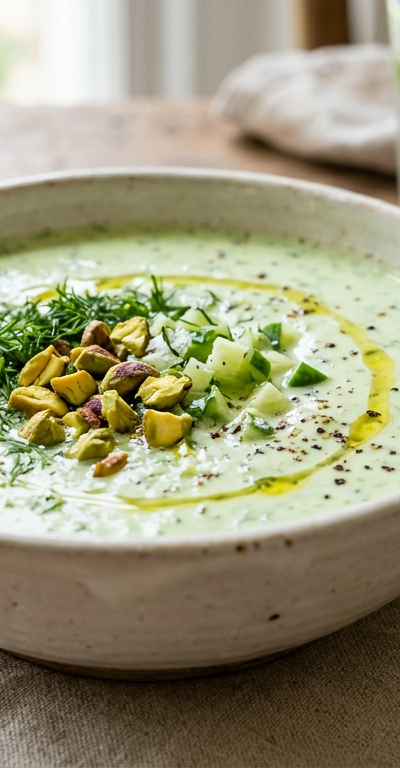
Refreshing chilled cucumber-yogurt soup with dill and pistachios. A healthy Mediterranean cold soup perfect for summer, ready in 15 minutes....
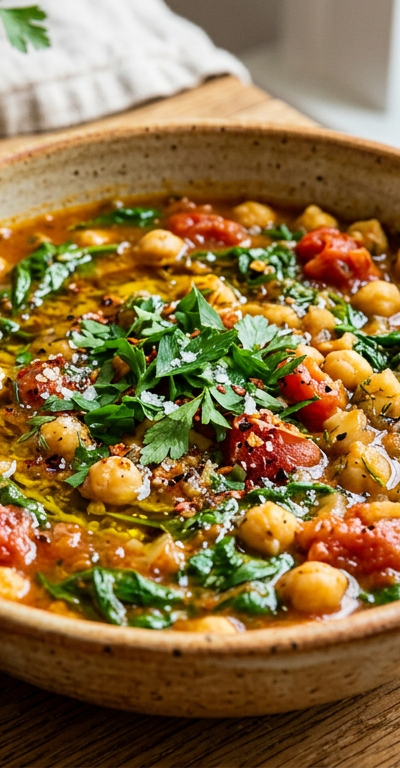
Hearty Mediterranean chickpea and spinach stew with tomatoes, garlic, and warm spices. Healthy, comforting, and ready in 40 minutes!...
Discover other dietary approaches tailored to different health goals and preferences.
View All Diets