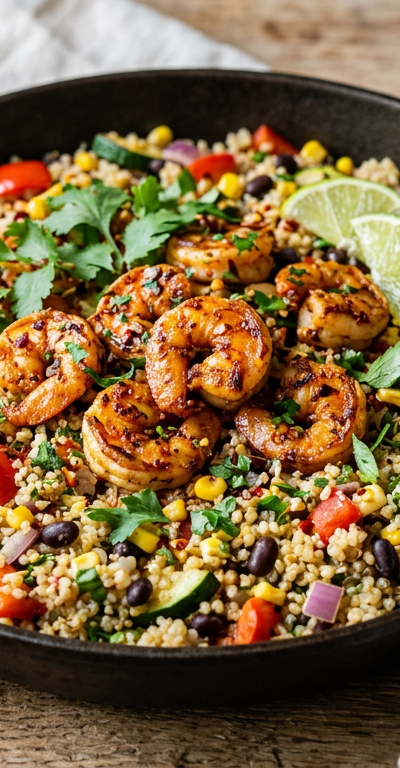
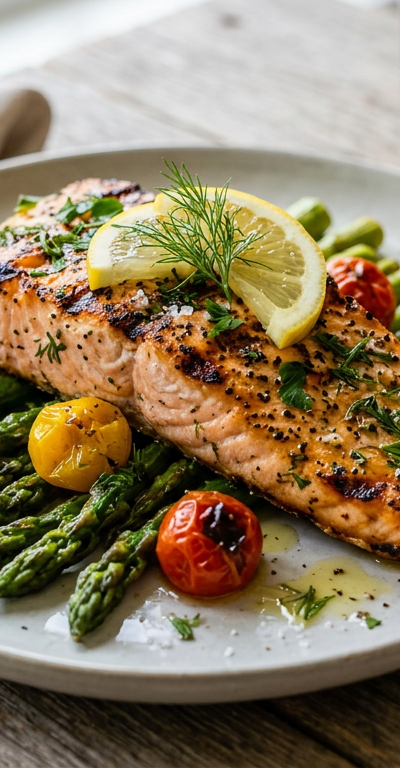
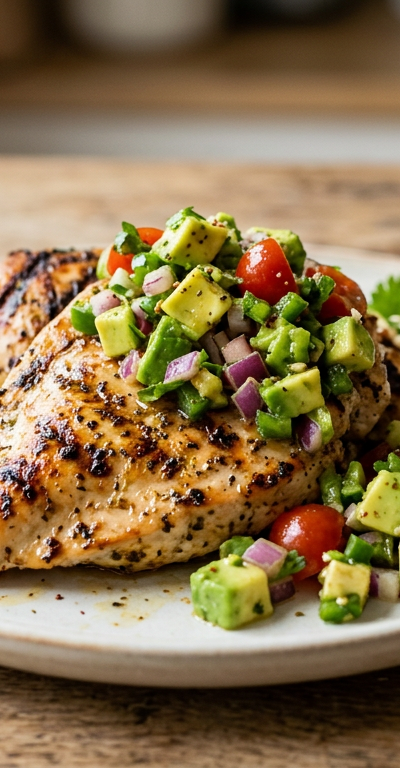
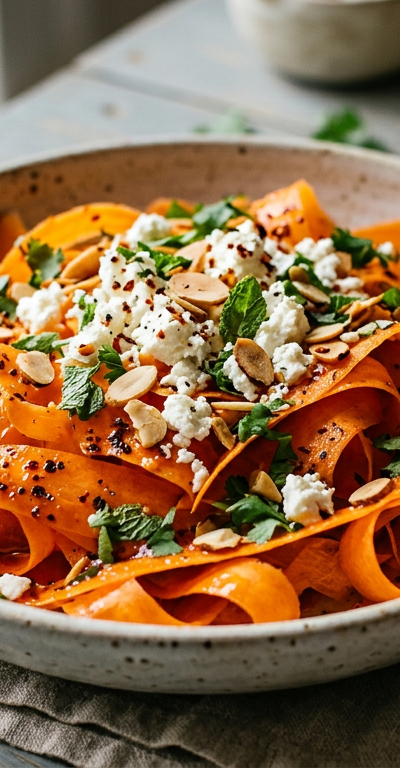
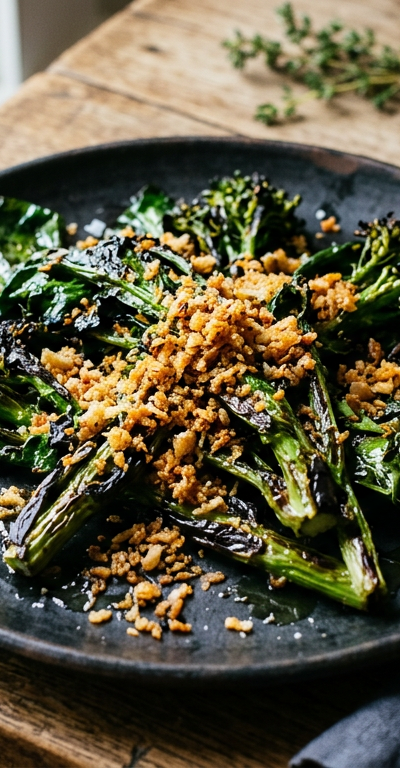
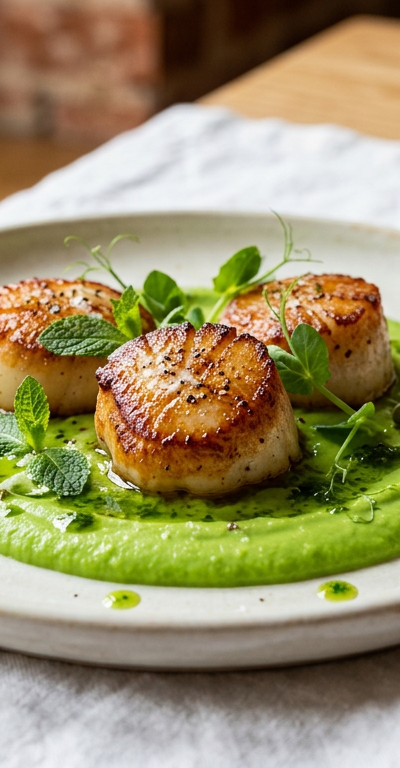
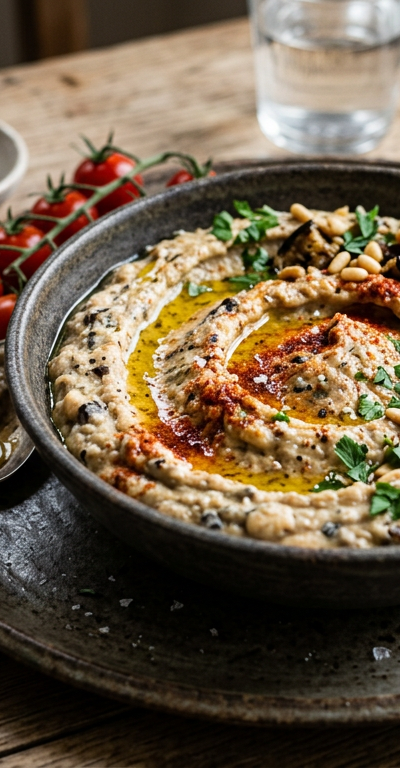
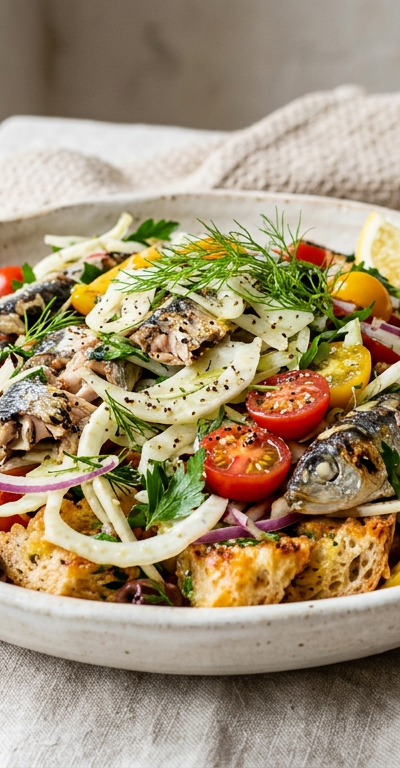
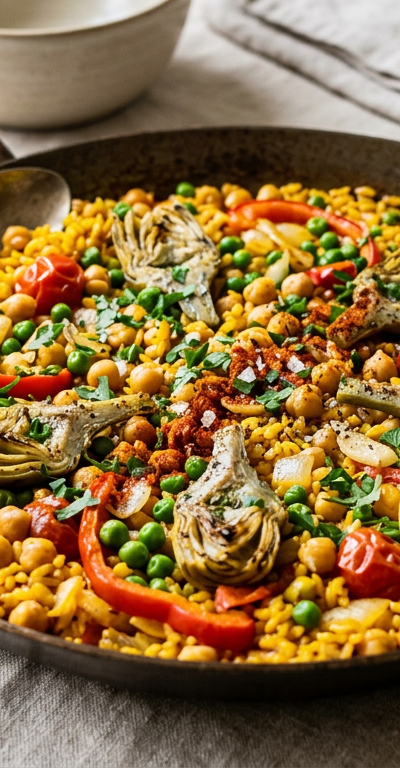
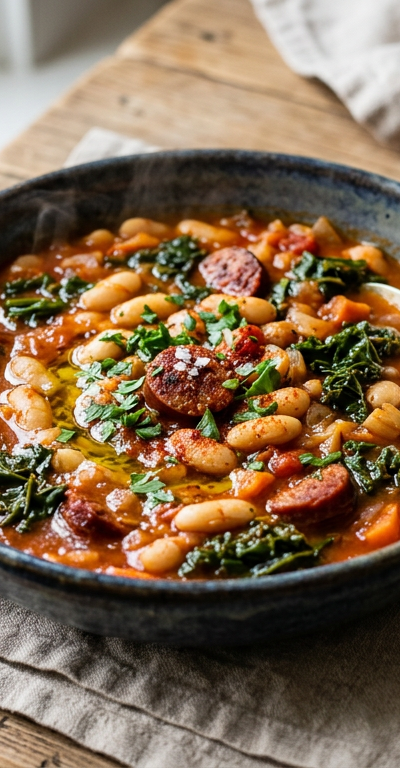
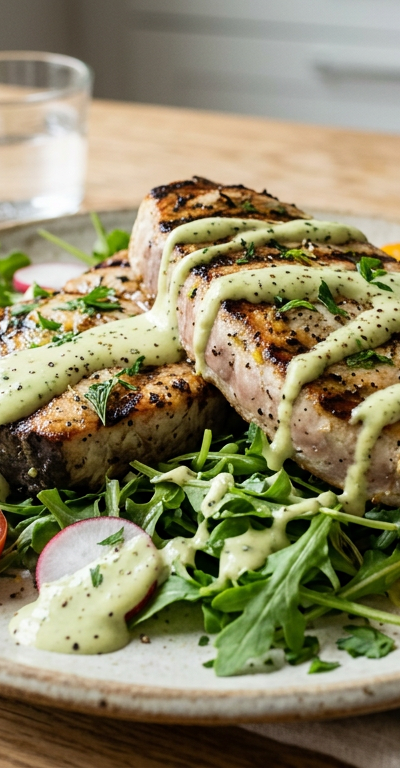
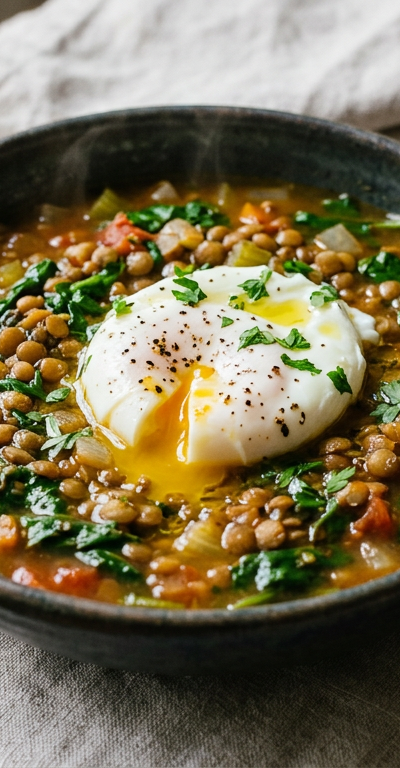
The MIND diet's emphasis on antioxidant-rich berries, cruciferous vegetables, and anti-inflammatory foods provides compounds that may reduce cancer risk through multiple mechanisms. The diet's high content of phytochemicals, fiber, and omega-3 fatty acids, combined with limited red meat and processed foods, aligns with cancer prevention guidelines. While not specifically studied for cancer prevention, the diet's components have strong individual evidence for reducing various cancer risks.
How Polyphenols and flavonoids from berries and vegetables exhibit anti-carcinogenic properties by neutralizing free radicals, reducing DNA damage, and supporting DNA repair mechanisms. Cruciferous vegetables contain glucosinolates that convert to isothiocyanates, which induce phase II detoxification enzymes and promote apoptosis in damaged cells. Fiber from whole grains and legumes supports healthy gut microbiome diversity and reduces transit time of potential carcinogens, while omega-3 fatty acids modulate inflammatory pathways associated with tumor promotion and progression.
Key foods Berries (blueberries and strawberries), cruciferous vegetables like broccoli and Brussels sprouts, leafy greens like kale and spinach, beans and lentils, whole grains, fatty fish like salmon, extra virgin olive oil, walnuts
The MIND diet supports mental health through its rich content of omega-3 fatty acids, B vitamins, and antioxidants that influence neurotransmitter production and reduce neuroinflammation. The diet's emphasis on whole foods and healthy fats supports stable blood sugar, which helps regulate mood. Studies show that dietary patterns similar to the MIND diet are associated with 25-30% lower rates of depression.
How Omega-3 fatty acids, particularly EPA and DHA from fish, are incorporated into neuronal membranes and influence serotonin and dopamine signaling pathways critical for mood regulation. B vitamins from whole grains and leafy greens support the synthesis of neurotransmitters and help regulate homocysteine levels, which are elevated in depression. The diet's anti-inflammatory properties reduce neuroinflammation and oxidative stress in brain regions associated with mood disorders, while supporting gut-brain axis communication through improved microbiome diversity.
Key foods Fatty fish like salmon and mackerel, leafy greens like spinach and kale, walnuts, blueberries, whole grains like oats and brown rice, beans and lentils, extra virgin olive oil, dark chocolate (in moderation)
The MIND diet supports liver health through its emphasis on anti-inflammatory foods, healthy fats, and fiber-rich whole grains while limiting saturated fats and refined carbohydrates that contribute to hepatic fat accumulation. The diet's components—particularly omega-3 fatty acids, antioxidants, and fiber—have been shown to reduce liver fat and inflammation. The restriction of red meat, butter, and processed foods further protects against fatty liver progression.
How Omega-3 fatty acids from fish reduce hepatic lipogenesis (fat production) and increase fat oxidation in the liver while decreasing inflammatory cytokines that drive liver damage. Fiber from whole grains and legumes improves insulin sensitivity and reduces hepatic glucose production, addressing the metabolic dysfunction underlying fatty liver. Polyphenols from berries, olive oil, and green tea reduce oxidative stress and inflammation in hepatocytes while supporting healthy gut microbiome composition, which influences liver fat metabolism through the gut-liver axis.
Key foods Fatty fish like salmon and sardines, extra virgin olive oil, leafy greens like spinach and kale, berries (blueberries and strawberries), walnuts, whole grains like oats and quinoa, beans and lentils, green tea
The MIND diet supports healthy weight management through its emphasis on nutrient-dense, fiber-rich whole foods that promote satiety while limiting calorie-dense processed foods, sweets, and fried items. The diet's focus on vegetables, whole grains, and legumes provides volume and fiber that naturally reduce calorie intake without hunger. While not specifically designed for weight loss, the MIND diet's principles support sustainable weight management and prevention of weight gain.
How High fiber content from vegetables, whole grains, and legumes slows gastric emptying and promotes satiety hormones like GLP-1 and PYY, reducing overall calorie intake. The diet's emphasis on whole foods with low energy density allows for larger portion sizes with fewer calories. Protein from fish, poultry, and legumes supports lean muscle mass preservation during weight management, while healthy fats from olive oil and nuts provide satiety and support adherence to the dietary pattern long-term.
Key foods Leafy greens and non-starchy vegetables, beans and lentils, whole grains like quinoa and brown rice, berries, nuts in moderate portions, fatty fish, extra virgin olive oil, poultry (skinless)
The MIND diet's anti-inflammatory properties may benefit certain autoimmune conditions by reducing systemic inflammation and oxidative stress that can trigger or worsen autoimmune responses. While not specifically studied for autoimmune diseases, the diet's emphasis on omega-3 fatty acids, antioxidants, and whole foods while eliminating pro-inflammatory processed foods aligns with dietary recommendations for managing autoimmune inflammation.
How Omega-3 fatty acids from fish produce specialized pro-resolving mediators (resolvins and protectins) that help resolve inflammation and may modulate aberrant immune responses characteristic of autoimmune conditions. Polyphenols and antioxidants reduce oxidative stress and inhibit inflammatory signaling pathways, potentially decreasing autoantibody production and tissue damage. The diet's support for healthy gut microbiome diversity may improve gut barrier function and reduce the translocation of inflammatory compounds that can trigger autoimmune flares.
Key foods Fatty fish like salmon and sardines, extra virgin olive oil, leafy greens like spinach and kale, berries (blueberries and strawberries), walnuts, beans and lentils, turmeric-spiced vegetables, green tea
The MIND diet significantly reduces cardiovascular disease risk through its emphasis on heart-healthy fats, fiber-rich whole foods, and anti-inflammatory ingredients. The diet's restriction of saturated fats from red meat, butter, and cheese, combined with increased omega-3 intake and abundant antioxidants, improves multiple cardiovascular risk factors. Research shows adherence to MIND diet principles reduces heart disease risk by approximately 35-40%.
How The diet's high content of monounsaturated fats from olive oil and omega-3 fatty acids from fish reduces LDL cholesterol and triglycerides while increasing HDL cholesterol. Polyphenols and flavonoids from berries and vegetables improve endothelial function, reduce arterial stiffness, and decrease inflammation markers like C-reactive protein. The abundant fiber from whole grains and legumes further supports cholesterol reduction and blood pressure regulation through improved gut microbiome diversity and bile acid metabolism.
Key foods Fatty fish like salmon and mackerel, extra virgin olive oil, walnuts and almonds, leafy greens like spinach and collard greens, berries (blueberries and strawberries), beans and lentils, whole grains like oats and barley, vegetables like tomatoes and bell peppers
The MIND diet is inherently anti-inflammatory, featuring foods rich in omega-3 fatty acids, polyphenols, and antioxidants while eliminating pro-inflammatory processed foods, saturated fats, and refined sugars. The diet's emphasis on colorful berries, leafy greens, and olive oil provides powerful anti-inflammatory compounds that reduce systemic inflammation markers. This anti-inflammatory effect underlies many of the diet's protective benefits against chronic diseases.
How Omega-3 fatty acids from fish compete with omega-6 fatty acids in inflammatory pathways, reducing production of pro-inflammatory eicosanoids and cytokines like IL-6 and TNF-alpha. Polyphenols from berries and olive oil inhibit NF-kB activation, a key transcription factor in inflammatory responses. The diet's high antioxidant capacity neutralizes reactive oxygen species that trigger inflammatory cascades, while fiber from whole plant foods supports an anti-inflammatory gut microbiome composition.
Key foods Blueberries and strawberries, fatty fish like salmon and sardines, extra virgin olive oil, leafy greens like kale and arugula, walnuts, turmeric-spiced dishes with vegetables, beans and lentils, green tea
The MIND diet was specifically designed to prevent cognitive decline and reduce Alzheimer's disease risk. Studies show it can slow cognitive aging by 7.5 years and reduce Alzheimer's risk by up to 53% with strict adherence. The combination of antioxidant-rich foods, omega-3 fatty acids, and anti-inflammatory compounds provides comprehensive neuroprotection and supports brain health throughout aging.
How The diet's high content of polyphenols, flavonoids, and omega-3 fatty acids reduces oxidative stress and neuroinflammation, which are primary drivers of neurodegeneration. These compounds protect neurons from damage, support synaptic plasticity, enhance cerebral blood flow, and may reduce beta-amyloid plaque formation associated with Alzheimer's disease. The combination of B vitamins from whole grains and folate from leafy greens further supports neurotransmitter synthesis and homocysteine metabolism, protecting brain structure and function.
Key foods Blueberries and strawberries, leafy greens like spinach and kale, fatty fish like salmon and sardines, walnuts and almonds, extra virgin olive oil, whole grains like quinoa and brown rice, beans and lentils, broccoli and other cruciferous vegetables
The MIND diet effectively improves cholesterol profiles by emphasizing unsaturated fats from olive oil, nuts, and fish while strictly limiting saturated fats from red meat, butter, and cheese. The diet's high fiber content from whole grains, beans, and vegetables directly reduces cholesterol absorption and increases cholesterol excretion. Studies show that adherence to this dietary pattern can reduce LDL cholesterol by 10-15% and improve HDL cholesterol levels.
How Soluble fiber from oats, beans, and vegetables binds to bile acids in the intestine, forcing the liver to use cholesterol to produce new bile acids, thereby lowering blood cholesterol. Monounsaturated fats from olive oil and nuts reduce LDL cholesterol while maintaining or increasing HDL cholesterol. Plant sterols and stanols from nuts, seeds, and whole grains compete with cholesterol for absorption in the intestine, while omega-3 fatty acids from fish reduce triglyceride synthesis in the liver.
Key foods Extra virgin olive oil, walnuts and almonds, fatty fish like salmon and mackerel, oats and barley, beans and lentils, leafy greens, berries, avocados
The MIND diet effectively lowers blood pressure through its emphasis on potassium-rich vegetables, omega-3 fatty acids, and minimal sodium from processed foods. The diet's plant-forward approach provides abundant nitrates, polyphenols, and fiber that support vascular health and blood pressure regulation. Studies show that diets rich in these components can reduce systolic blood pressure by 5-10 mmHg.
How Leafy greens provide dietary nitrates that convert to nitric oxide, promoting vasodilation and reducing arterial pressure. The high potassium content from vegetables, beans, and fish helps counteract sodium's effects and supports proper fluid balance. Omega-3 fatty acids and polyphenols from berries and olive oil reduce endothelial dysfunction and arterial stiffness while decreasing sympathetic nervous system activity, all contributing to sustained blood pressure reduction.
Key foods Leafy greens like spinach and Swiss chard, berries (especially blueberries), beans and lentils, fatty fish like salmon, extra virgin olive oil, whole grains like quinoa, nuts like almonds and walnuts, beets and other vegetables
The MIND diet promotes longevity and healthy aging by combining elements of the Mediterranean and DASH diets, both associated with increased lifespan and reduced age-related disease. The diet's emphasis on antioxidant-rich foods, anti-inflammatory fats, and nutrient-dense whole foods protects against cellular aging and chronic disease development. Research shows adherence to MIND diet principles is associated with slower biological aging and reduced all-cause mortality.
How The diet's high content of polyphenols, flavonoids, and other antioxidants protects telomeres from oxidative damage and may slow cellular aging. Anti-inflammatory compounds reduce chronic low-grade inflammation (inflammaging) that accelerates aging processes. The combination of healthy fats, fiber, and phytonutrients supports mitochondrial function, DNA repair mechanisms, and autophagy—cellular cleaning processes essential for longevity—while reducing accumulation of advanced glycation end products (AGEs) that contribute to tissue aging.
Key foods Berries (blueberries and strawberries), leafy greens like spinach and kale, fatty fish like salmon, extra virgin olive oil, nuts (especially walnuts and almonds), whole grains, beans and lentils, colorful vegetables like tomatoes and peppers
The MIND diet addresses all components of metabolic syndrome—abdominal obesity, insulin resistance, dyslipidemia, and hypertension—through its comprehensive approach to whole-food nutrition. The diet's emphasis on fiber, healthy fats, and anti-inflammatory foods improves multiple metabolic markers simultaneously. Research shows that adherence to MIND diet patterns reduces metabolic syndrome prevalence by approximately 30-40%.
How The diet's high fiber content improves insulin sensitivity and glucose metabolism while promoting satiety and weight management. Monounsaturated and polyunsaturated fats improve lipid profiles and reduce visceral fat accumulation. The abundance of polyphenols and antioxidants reduces oxidative stress and inflammation—key drivers of metabolic dysfunction—while supporting healthy endothelial function and blood pressure regulation through improved nitric oxide production and reduced arterial stiffness.
Key foods Beans and lentils, whole grains like quinoa and oats, leafy greens, berries (blueberries and strawberries), fatty fish like salmon, extra virgin olive oil, nuts like walnuts and almonds, non-starchy vegetables
The MIND diet significantly reduces stroke risk through its comprehensive cardiovascular benefits, including improved blood pressure, reduced inflammation, and better endothelial function. Studies show that adherence to MIND diet principles reduces stroke risk by approximately 30-40%. The diet's emphasis on leafy greens, berries, and fish provides nutrients specifically protective against cerebrovascular disease.
How The diet reduces stroke risk through multiple pathways: lowering blood pressure via potassium and nitrates from vegetables, reducing arterial plaque formation through improved cholesterol profiles, and decreasing blood clot formation via omega-3 fatty acids' effects on platelet aggregation. Antioxidants and anti-inflammatory compounds protect cerebral blood vessels from oxidative damage and maintain endothelial function, while fiber supports healthy blood sugar and weight management—both critical stroke risk factors.
Key foods Leafy greens like spinach and kale, berries (especially blueberries), fatty fish like salmon and mackerel, extra virgin olive oil, whole grains, beans and lentils, nuts like walnuts, vegetables like tomatoes
The MIND diet helps prevent and manage Type 2 diabetes through its emphasis on low-glycemic whole grains, fiber-rich legumes, and healthy fats that stabilize blood sugar. The diet's restriction of refined carbohydrates, sweets, and processed foods prevents glucose spikes while supporting insulin sensitivity. Research indicates that adherence to MIND diet patterns reduces diabetes risk by approximately 30-35%.
How The diet's high fiber content from whole grains, legumes, and vegetables slows glucose absorption and improves insulin sensitivity by promoting beneficial gut bacteria that produce short-chain fatty acids. Monounsaturated fats from olive oil and omega-3s from fish reduce inflammatory cytokines that interfere with insulin signaling. The abundance of polyphenols and antioxidants protects pancreatic beta cells from oxidative damage, preserving insulin production capacity over time.
Key foods Beans and lentils, whole grains like steel-cut oats and quinoa, leafy greens like kale and spinach, berries (blueberries and strawberries), nuts like almonds and walnuts, fatty fish like salmon, extra virgin olive oil, non-starchy vegetables like broccoli
Emerging research suggests the MIND diet may help slow Parkinson's disease progression and reduce risk through its neuroprotective antioxidants and anti-inflammatory compounds. The diet's emphasis on berries, leafy greens, and omega-3 fatty acids provides nutrients that protect dopaminergic neurons from oxidative damage. While research is still developing, the diet's proven benefits for brain health suggest potential therapeutic value for Parkinson's disease.
How Polyphenols from berries, particularly anthocyanins, cross the blood-brain barrier and accumulate in brain regions affected by Parkinson's, where they reduce oxidative stress and protect dopaminergic neurons from degeneration. Omega-3 fatty acids modulate neuroinflammation and support neuronal membrane integrity. The diet's high antioxidant capacity helps neutralize reactive oxygen species that contribute to mitochondrial dysfunction in dopamine-producing neurons, while anti-inflammatory compounds may slow the progression of neurodegeneration.
Key foods Berries (especially blueberries), leafy greens like kale and spinach, fatty fish like salmon, walnuts, extra virgin olive oil, green tea, beans and lentils, colorful vegetables like bell peppers
General information about how people eat, not medical advice. Talk to a clinician
before changing your diet to treat a condition.