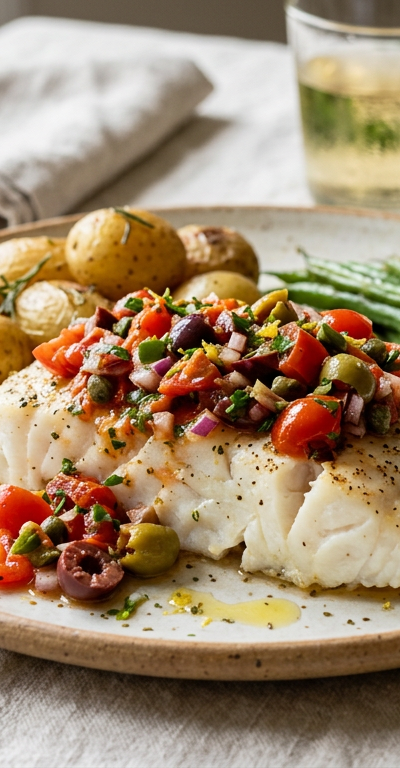
The Jenny Craig diet supports cancer prevention primarily through weight management, as obesity is a significant risk factor for multiple cancers including breast, colorectal, endometrial, and kidney cancers. The emphasis on whole grains, vegetables, fruits, and lean proteins provides protective phytochemicals, antioxidants, and fiber while limiting processed foods and added sugars linked to cancer risk. The diet's anti-inflammatory effects through weight loss also reduce cancer-promoting chronic inflammation.
How Weight loss reduces levels of circulating hormones like estrogen and insulin that promote tumor growth, while decreasing inflammatory cytokines that create a pro-carcinogenic environment. Phytochemicals from vegetables and fruits (sulforaphane, anthocyanins, carotenoids) induce detoxification enzymes, neutralize carcinogens, and promote apoptosis in precancerous cells, while fiber binds potential carcinogens in the digestive tract and promotes their excretion.
Key foods Cruciferous vegetables like broccoli and cauliflower, berries, leafy greens, fatty fish like salmon, whole grains like quinoa, tomatoes, legumes, green tea
Jenny Craig's emphasis on whole foods, lean proteins, and abundant vegetables provides anti-inflammatory nutrients while limiting pro-inflammatory refined carbohydrates and excessive saturated fats. Weight loss achieved through this program significantly reduces systemic inflammation by decreasing visceral adipose tissue, which secretes inflammatory cytokines. The inclusion of omega-3 rich fish and antioxidant-rich fruits and vegetables further supports anti-inflammatory processes.
How Weight loss reduces visceral adipose tissue, which is a major source of pro-inflammatory cytokines like IL-6 and TNF-alpha. Omega-3 fatty acids from fish compete with omega-6 fatty acids in inflammatory pathways, producing less inflammatory eicosanoids, while antioxidants from colorful vegetables and fruits neutralize free radicals and reduce oxidative stress that drives inflammatory cascades.
Key foods Salmon, mackerel, leafy greens like kale and spinach, berries, turmeric-spiced chicken, broccoli, walnuts, olive oil
The Jenny Craig diet supports cognitive health through multiple mechanisms: weight loss and improved metabolic health reduce vascular risk factors that contribute to cognitive decline, while omega-3 fatty acids from fish support brain structure and function. The diet's emphasis on whole grains provides steady glucose supply to the brain, and antioxidants from fruits and vegetables protect against oxidative damage to neural tissue. Improved insulin sensitivity also supports brain glucose metabolism, which is often impaired in cognitive decline.
How Omega-3 fatty acids (DHA and EPA) are structural components of neuronal membranes and support synaptic plasticity and neurogenesis while reducing neuroinflammation. Weight loss and improved metabolic health reduce vascular damage and enhance cerebral blood flow, while antioxidants from colorful produce neutralize free radicals that damage neurons. Improved insulin sensitivity enhances brain glucose uptake and utilization, supporting cognitive function and potentially reducing Alzheimer's disease risk.
Key foods Fatty fish like salmon and mackerel, blueberries, leafy greens like spinach, walnuts, whole grains like quinoa, extra virgin olive oil, broccoli, eggs
The Jenny Craig diet supports mental health through multiple pathways: weight loss improves self-esteem and body image, while balanced nutrition provides essential nutrients for neurotransmitter synthesis. The structured meal planning reduces decision fatigue and provides a sense of control, which can be therapeutic for anxiety. Regular protein intake ensures adequate amino acids for serotonin and dopamine production, while omega-3 fatty acids from fish have demonstrated anti-inflammatory effects on brain tissue.
How Omega-3 fatty acids from fish reduce neuroinflammation and support neuroplasticity, improving mood regulation. Adequate protein provides tryptophan for serotonin synthesis and tyrosine for dopamine production, while complex carbohydrates facilitate tryptophan transport across the blood-brain barrier. Weight loss and improved metabolic health reduce systemic inflammation, which has been linked to depression through cytokine-mediated effects on neurotransmitter metabolism.
Key foods Salmon and fatty fish, turkey breast, eggs, quinoa, spinach and leafy greens, berries, walnuts, whole grain bread
The Jenny Craig diet supports gout management primarily through weight loss, which reduces uric acid levels and decreases the frequency of gout attacks. The emphasis on lean proteins like chicken and fish over red meat limits purine intake, while adequate hydration and portion control prevent the metabolic conditions that trigger hyperuricemia. The diet's focus on complex carbohydrates and vegetables provides alkalizing foods that may help with uric acid excretion.
How Weight loss improves insulin sensitivity and reduces insulin levels, which decreases renal uric acid reabsorption and promotes excretion. The diet's limitation of red meat and emphasis on lean proteins reduces dietary purine intake, while adequate hydration from vegetables and controlled portions prevents the metabolic syndrome-associated hyperuricemia that commonly triggers gout attacks.
Key foods Skinless chicken breast, low-purine fish like salmon, low-fat dairy, cherries and berries, whole grains like quinoa, leafy greens, water-rich vegetables
The Jenny Craig diet supports healthy aging through caloric restriction without malnutrition, a well-established longevity intervention. By preventing and reversing obesity and metabolic disease—major drivers of premature mortality—the diet extends healthspan and lifespan. The emphasis on nutrient-dense whole foods provides antioxidants and anti-inflammatory compounds that protect against age-related cellular damage, while adequate protein preserves muscle mass crucial for functional independence in aging.
How Moderate caloric restriction activates cellular stress response pathways including AMPK and sirtuins, which enhance autophagy (cellular cleanup), improve mitochondrial function, and reduce oxidative damage. Prevention of obesity and metabolic syndrome reduces chronic inflammation and insulin resistance, two major accelerators of biological aging, while adequate protein intake preserves muscle mass and prevents sarcopenia, maintaining functional capacity throughout the lifespan.
Key foods Fatty fish like salmon, leafy greens, berries, quinoa, lean poultry, cruciferous vegetables like broccoli, nuts, olive oil
Jenny Craig's calorie-controlled approach promotes weight loss, which is the primary treatment for NAFLD, as even 5-10% weight reduction can significantly decrease hepatic fat accumulation. The diet's limitation of added sugars and refined carbohydrates reduces fructose intake, which is particularly implicated in hepatic lipogenesis. The emphasis on lean proteins and complex carbohydrates supports liver health while preventing rapid fat accumulation.
How Caloric restriction and weight loss reduce hepatic de novo lipogenesis and increase fatty acid oxidation in the liver, directly decreasing hepatic steatosis. Limiting added sugars, particularly fructose, prevents substrate-driven hepatic fat synthesis, while adequate protein intake supports liver regeneration and prevents the progression from simple steatosis to steatohepatitis.
Key foods Skinless chicken breast, white fish like cod, tofu, quinoa, brown rice, leafy greens, broccoli, berries
The Jenny Craig diet's focus on weight loss and balanced macronutrients directly addresses insulin resistance, a key driver of PCOS symptoms. Portion control and emphasis on complex carbohydrates over refined sugars help stabilize blood glucose and insulin levels, which can improve hormonal balance and ovulatory function. Even modest weight loss of 5-10% has been shown to restore menstrual regularity and improve fertility outcomes in women with PCOS.
How Weight loss reduces insulin resistance and hyperinsulinemia, which decreases ovarian androgen production and increases sex hormone-binding globulin (SHBG), leading to lower free testosterone levels. Improved insulin sensitivity also helps restore normal hypothalamic-pituitary-ovarian axis function, promoting regular ovulation and reducing PCOS symptoms like hirsutism and acne.
Key foods Lean chicken breast, salmon, quinoa, brown rice, leafy greens like spinach, berries, legumes, almonds
Jenny Craig's emphasis on whole grains, vegetables, and regular meal timing can support digestive health by providing adequate fiber for regular bowel movements and feeding beneficial gut bacteria. The portion-controlled approach prevents overeating, which can exacerbate digestive discomfort, while the balanced macronutrient profile supports stable digestion. However, individual tolerance to specific foods may vary, and the diet is not specifically designed for particular digestive conditions.
How Soluble and insoluble fiber from whole grains and vegetables promotes regular bowel movements and serves as prebiotic fuel for beneficial gut bacteria, supporting a healthy microbiome. Regular, portion-controlled meals establish consistent digestive rhythms and prevent the gastric distension and delayed emptying associated with large meals, while adequate protein supports gut barrier integrity and repair.
Key foods Quinoa, brown rice, oatmeal, leafy greens, broccoli, lean chicken, berries, sweet potatoes
While not specifically designed for bone health, the Jenny Craig diet can support osteoporosis prevention through adequate protein intake, which is essential for bone matrix formation, and inclusion of calcium-rich foods. The emphasis on lean proteins like fish and poultry provides the amino acids necessary for collagen synthesis in bone tissue. However, the diet would need to be carefully planned to ensure sufficient calcium and vitamin D intake, particularly if dairy is limited.
How Adequate protein intake provides essential amino acids for bone collagen matrix synthesis and stimulates IGF-1 production, which promotes bone formation. Calcium from dairy and leafy greens provides the mineral substrate for bone mineralization, while weight-bearing associated with maintaining healthy body weight provides mechanical stress that stimulates osteoblast activity and bone remodeling.
Key foods Low-fat dairy products, salmon with bones, leafy greens like kale and collards, tofu, fortified whole grains, almonds, broccoli
The Jenny Craig diet supports cardiovascular health through multiple mechanisms: weight loss reduces cardiac workload and blood pressure, while the emphasis on lean proteins and limited saturated fats helps improve lipid profiles. The inclusion of omega-3 rich fish, whole grains, and abundant vegetables provides heart-protective nutrients including fiber, antioxidants, and anti-inflammatory compounds. Sodium restriction further supports blood pressure management and reduces cardiovascular strain.
How Weight reduction decreases left ventricular mass and reduces blood pressure through decreased blood volume and vascular resistance. The diet's emphasis on lean proteins and healthy fats improves the LDL/HDL cholesterol ratio while reducing triglycerides, and the high fiber content from whole grains binds bile acids, forcing the liver to utilize cholesterol for bile production and lowering serum cholesterol levels.
Key foods Fatty fish like salmon and mackerel, skinless chicken breast, oatmeal, quinoa, walnuts, leafy greens like spinach, berries, olive oil
The Jenny Craig diet improves cholesterol profiles through weight loss, increased fiber intake from whole grains and vegetables, and emphasis on lean proteins over high-fat meats. The limitation of saturated fats and refined carbohydrates reduces LDL cholesterol production, while the inclusion of omega-3 rich fish and healthy fats supports HDL cholesterol levels. Clinical trials have shown significant improvements in total cholesterol and LDL cholesterol in Jenny Craig participants.
How Soluble fiber from whole grains and vegetables binds to bile acids in the intestine, forcing the liver to convert more cholesterol into bile acids and reducing circulating LDL cholesterol. Weight loss reduces hepatic cholesterol synthesis and VLDL production, while omega-3 fatty acids from fish reduce triglyceride levels and increase HDL particle size, improving overall lipid profiles.
Key foods Salmon, mackerel, oatmeal, quinoa, barley, beans and legumes, walnuts, leafy greens like spinach
Jenny Craig's approach to hypertension management includes limiting excessive sodium, promoting weight loss, and emphasizing potassium-rich fruits and vegetables that help regulate blood pressure. The portion-controlled meals prevent overconsumption while the balanced macronutrient profile supports gradual, sustainable weight loss—a primary factor in blood pressure reduction. Studies show that even modest weight loss of 5-10% can significantly reduce both systolic and diastolic blood pressure.
How Weight loss reduces blood volume and decreases peripheral vascular resistance, directly lowering blood pressure. The diet's emphasis on potassium-rich vegetables and fruits helps counteract sodium's effects by promoting sodium excretion through the kidneys and relaxing blood vessel walls, while reduced sodium intake decreases fluid retention and vascular constriction.
Key foods Skinless chicken breast, white fish, leafy greens like spinach and kale, sweet potatoes, bananas, berries, quinoa, low-fat dairy
Jenny Craig addresses all five components of metabolic syndrome simultaneously: abdominal obesity, elevated blood pressure, high blood sugar, high triglycerides, and low HDL cholesterol. The structured calorie restriction promotes visceral fat loss, while balanced macronutrients and complex carbohydrates improve insulin sensitivity and lipid profiles. The program's comprehensive approach to weight management and nutritional balance makes it particularly effective for reversing metabolic syndrome risk factors.
How Caloric restriction and resulting weight loss specifically targets visceral adipose tissue, which is metabolically active and contributes to insulin resistance and inflammation. Reduced visceral fat decreases the secretion of inflammatory cytokines and free fatty acids, improving insulin sensitivity, normalizing lipid metabolism, and reducing blood pressure through decreased adipokine-mediated vascular dysfunction.
Key foods Salmon and other fatty fish, turkey breast, quinoa, brown rice, leafy greens, berries, almonds, olive oil
The Jenny Craig diet is specifically designed for weight loss through structured portion control and calorie restriction (250-400 calories per serving), creating a consistent caloric deficit while maintaining nutritional adequacy. The program's emphasis on balanced macronutrients, lean proteins, and fiber-rich foods promotes satiety and prevents muscle loss during weight reduction. Multiple clinical studies have demonstrated significant weight loss outcomes with Jenny Craig's structured approach, with participants losing an average of 4.9% more body weight compared to control groups.
How The diet creates a controlled caloric deficit through pre-portioned meals and specific calorie targets, forcing the body to utilize stored fat for energy. High protein content (lean meats, fish, tofu) increases thermogenesis and preserves lean muscle mass during weight loss, while fiber from whole grains and vegetables enhances satiety and reduces overall caloric intake by promoting fullness with fewer calories.
Key foods Skinless chicken breast, white fish like cod and tilapia, turkey breast, tofu, quinoa, brown rice, non-starchy vegetables like broccoli and spinach, fresh berries
Jenny Craig's emphasis on portion control, complex carbohydrates over refined sugars, and balanced macronutrients helps stabilize blood glucose levels and improve glycemic control. The structured meal timing and consistent carbohydrate portions prevent blood sugar spikes and crashes. Weight loss achieved through this program directly improves insulin sensitivity, with studies showing significant reductions in HbA1c levels and decreased medication requirements in diabetic participants.
How The diet's controlled portions and emphasis on complex carbohydrates with low glycemic index prevent rapid glucose absorption and insulin spikes. Weight loss achieved through caloric restriction directly reduces insulin resistance by decreasing visceral fat and inflammatory markers, while consistent meal timing helps regulate the body's glucose-insulin response patterns throughout the day.
Key foods Quinoa, brown rice, whole wheat products, lean fish like salmon, skinless chicken breast, leafy greens like kale and spinach, legumes, non-starchy vegetables like cauliflower
General information about how people eat, not medical advice. Talk to a clinician
before changing your diet to treat a condition.