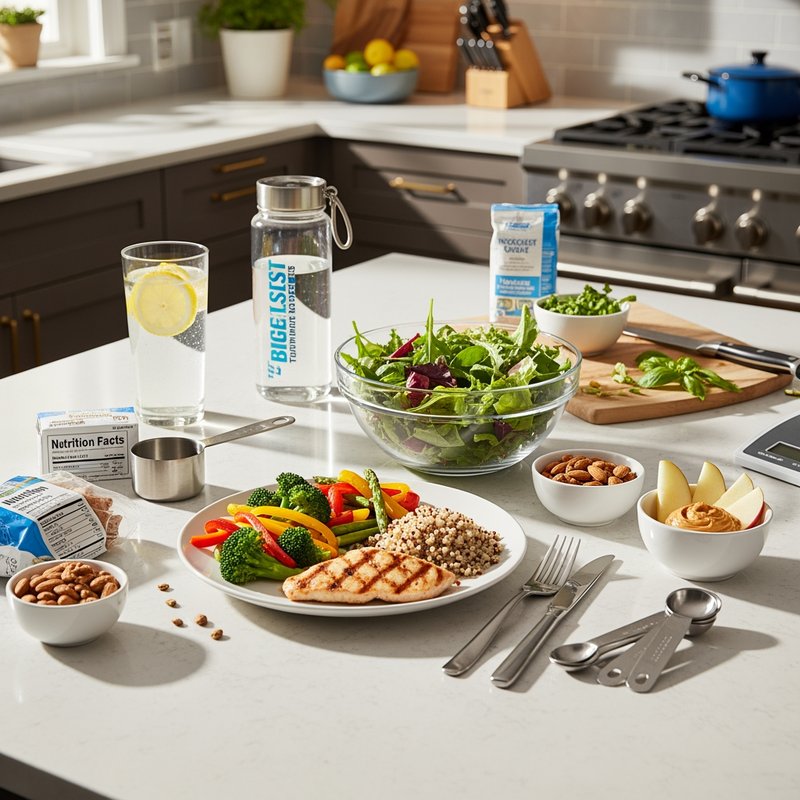
The Biggest Loser Diet is a calorie-controlled, portion-focused eating plan inspired by NBC's weight loss reality show "The Biggest Loser." The diet is built on the 4-3-2-1 Biggest Loser Pyramid, which emphasizes eating at least four servings of fruits and vegetables, three servings of lean protein, two servings of whole grains, and one serving of "extras" like healthy fats or treats per day. The program follows a reduced-calorie approach, typically limiting intake to 1,200-1,500 calories for women and 1,500-1,800 calories for men, combined with regular physical activity. The core principle is creating a caloric deficit while maintaining nutritional balance through whole, minimally processed foods. The diet emphasizes lean proteins (chicken breast, turkey, fish, egg whites, low-fat dairy), abundant vegetables and fruits, whole grains (brown rice, quinoa, oats, whole wheat bread), and limited healthy fats (olive oil, avocado, nuts in small portions). Foods to avoid or strictly limit include refined sugars, processed foods, white flour products, full-fat dairy, fried foods, sugary beverages, and high-calorie snacks. The plan encourages drinking plenty of water and allows for one small "splurge" per day (around 200 calories) to maintain sustainability. Meal timing and portion control are emphasized, with the recommendation to eat frequent, smaller meals throughout the day to maintain metabolism and prevent hunger. The Biggest Loser Diet primarily addresses obesity, metabolic syndrome, type 2 diabetes, high cholesterol, and cardiovascular disease risk factors. By promoting significant calorie reduction combined with increased physical activity, the diet can lead to substantial weight loss, improved insulin sensitivity, reduced blood pressure, and better lipid profiles. Research published in the journal Obesity and other studies have shown that participants can achieve significant weight loss, though some studies have also noted metabolic adaptation (reduced metabolic rate) as a potential long-term challenge. The diet's emphasis on whole foods, lean proteins, and vegetables provides adequate nutrition while creating the energy deficit needed for weight loss. This diet is most beneficial for individuals who are overweight or obese and seeking structured guidance for significant weight loss, those with prediabetes or type 2 diabetes who need to improve blood sugar control, and people with cardiovascular risk factors like high blood pressure or elevated cholesterol. It's particularly suitable for those who respond well to clear rules and portion guidelines, enjoy cooking with whole foods, and are committed to combining dietary changes with regular exercise. The diet may be less appropriate for individuals with eating disorders, those with very high caloric needs (such as athletes), pregnant or breastfeeding women, or people who require more flexible eating patterns for psychological well-being.
1 recipe available for this diet
By promoting lean proteins, whole grains, and eliminating processed foods, the diet helps improve cholesterol profiles. The structured approach supports weight loss, which is directly linked to cholesterol management.
Key foods: Wild salmon, olive oil, almonds, quinoa, spinach, egg whites, Greek yogurt, berries
Mechanism: The diet improves cholesterol levels through a combination of weight loss, increased fiber intake, and elimination of saturated and trans fats. The emphasis on lean proteins and healthy fats helps improve HDL cholesterol while reducing LDL cholesterol levels.
The diet's emphasis on whole foods, lean proteins, and elimination of processed ingredients naturally supports blood pressure reduction. Weight loss and nutrient-dense foods contribute to cardiovascular health improvements.
Key foods: Wild salmon, spinach, sweet potatoes, berries, Greek yogurt, almonds, olive oil, lean turkey
Mechanism: The diet supports blood pressure reduction through weight loss, reduced sodium intake, and increased consumption of potassium-rich foods. The emphasis on whole foods and elimination of processed ingredients helps improve endothelial function and reduce systemic inflammation.
By emphasizing whole foods, lean proteins, and eliminating processed ingredients, the diet helps improve metabolic markers including blood sugar, cholesterol, and blood pressure. The structured approach addresses multiple metabolic risk factors simultaneously.
Key foods: Lean turkey, wild salmon, quinoa, kale, blueberries, almonds, Greek yogurt, sweet potatoes
Mechanism: The diet reduces inflammation and improves insulin sensitivity through low-glycemic food choices and balanced macronutrient intake. By promoting weight loss and eliminating processed foods, it helps reset metabolic dysfunction and improve overall metabolic health.
The diet's focus on low-glycemic foods, portion control, and balanced nutrition helps manage blood sugar levels and improve insulin sensitivity. Its structured approach supports gradual weight loss, which is crucial for diabetes management.
Key foods: Grilled chicken breast, egg whites, quinoa, leafy greens, berries, Greek yogurt, almonds, wild salmon
Mechanism: By controlling portion sizes and emphasizing low-glycemic, nutrient-dense foods, the diet helps reduce blood sugar spikes and improve insulin function. The consistent calorie control and balanced macronutrient approach supports gradual weight loss and metabolic improvements.
The Biggest Loser Diet is specifically designed for significant weight loss through calorie restriction, portion control, and nutrient-dense foods. Its structured approach creates a substantial calorie deficit while maintaining nutritional balance, promoting sustainable and rapid weight reduction.
Key foods: Skinless chicken breast, egg whites, wild-caught salmon, spinach, broccoli, quinoa, Greek yogurt, berries
Mechanism: The diet creates a significant calorie deficit by limiting intake to 300-500 calories per meal while providing high-protein, low-calorie foods that increase satiety. This approach boosts metabolism, reduces overall caloric intake, and promotes fat burning through a combination of dietary restriction and nutrient-dense food choices.
Discover delicious recipes specifically tailored for the Biggest Loser Diet diet.
Low-calorie egg white muffin cups with bell peppers and spinach. Perfect for Optavia meal prep with 45 calories and 8g protein per serving....
Discover other dietary approaches tailored to different health goals and preferences.
View All Diets