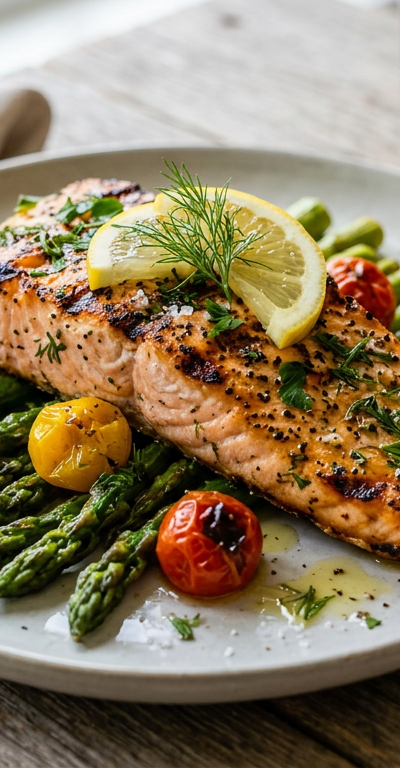
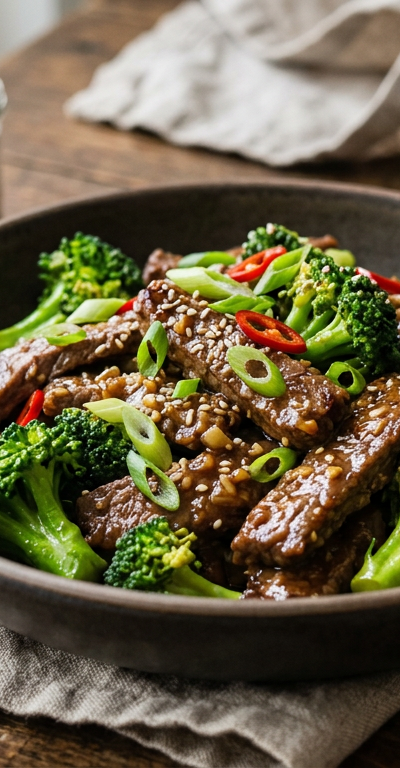
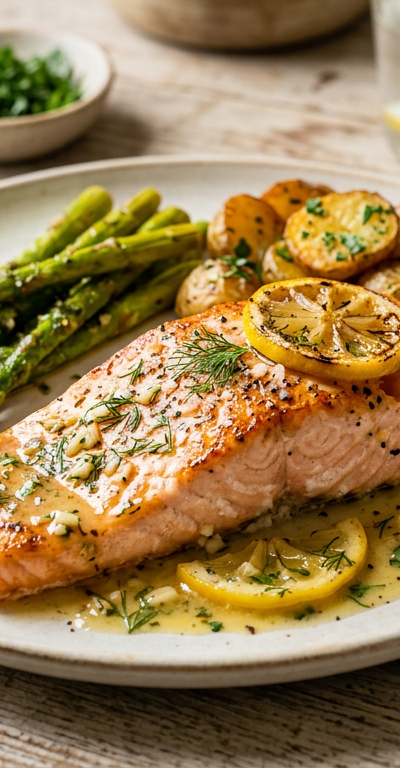
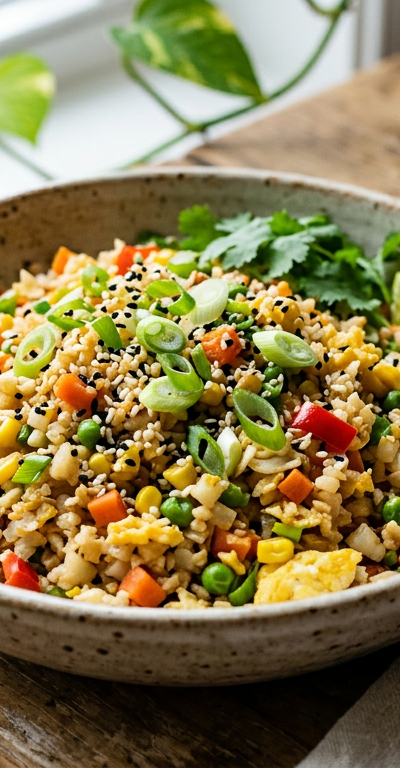
Low-carb diets can significantly improve acne by reducing insulin and insulin-like growth factor 1 (IGF-1) levels, which are key drivers of sebum production and inflammation in acne. By eliminating high-glycemic foods and sugars, the diet reduces hormonal fluctuations that trigger breakouts. The anti-inflammatory nature of the diet further helps reduce acne severity and frequency.
How High-carbohydrate diets spike insulin and IGF-1, which stimulate androgen production and increase sebaceous gland activity, leading to excess sebum and clogged pores. Low-carb diets normalize insulin levels, reducing androgen stimulation of oil glands. The anti-inflammatory omega-3 fatty acids and antioxidants from vegetables reduce inflammatory acne lesions and support skin healing.
Key foods Fatty fish like salmon, eggs, leafy greens like spinach, cruciferous vegetables, olive oil, avocados, nuts like almonds, grass-fed beef
Low-carb diets can enhance athletic performance in endurance activities by improving fat oxidation and metabolic flexibility, allowing athletes to utilize fat stores for sustained energy. While high-intensity performance may initially decrease during adaptation, many athletes report improved endurance, reduced bonking, stable energy levels, and better body composition. The diet is particularly beneficial for ultra-endurance athletes and those seeking to optimize body composition.
How Fat adaptation increases mitochondrial density and enhances the body's ability to oxidize fat for fuel, sparing limited glycogen stores. This metabolic flexibility allows sustained energy production during prolonged exercise without frequent refueling. The diet reduces inflammation and oxidative stress from training, potentially improving recovery. Stable blood sugar prevents energy crashes and maintains consistent performance throughout extended activities.
Key foods Fatty fish like salmon, eggs, grass-fed beef, chicken thighs, avocados, olive oil, nuts like almonds and macadamias, leafy greens
Low-carb diets improve multiple cardiovascular risk factors including triglycerides, HDL cholesterol, blood pressure, and inflammatory markers. While LDL cholesterol may increase in some individuals, the diet typically shifts LDL particles from small, dense (atherogenic) to large, buoyant (less harmful) subtypes. The emphasis on healthy fats, omega-3s, and anti-inflammatory foods provides cardiovascular protection.
How Carbohydrate restriction dramatically lowers triglycerides by reducing hepatic VLDL production and increases HDL cholesterol by decreasing cholesteryl ester transfer protein activity. The diet reduces small dense LDL particles and oxidized LDL, both strongly associated with atherosclerosis. Anti-inflammatory effects from omega-3 fatty acids and reduced glycemic stress further protect vascular endothelium.
Key foods Fatty fish like salmon and sardines, olive oil, avocados, walnuts, leafy greens like spinach, cruciferous vegetables, eggs, grass-fed beef
Low-carb diets reduce systemic inflammation by eliminating refined carbohydrates and sugars that trigger inflammatory pathways. The diet's emphasis on omega-3 fatty acids, antioxidant-rich vegetables, and anti-inflammatory fats helps lower inflammatory markers like C-reactive protein (CRP), IL-6, and TNF-alpha. Improved insulin sensitivity and reduced oxidative stress further contribute to anti-inflammatory effects.
How Eliminating high-glycemic carbohydrates reduces postprandial glucose spikes and advanced glycation end products (AGEs) that trigger inflammatory responses. The high omega-3 content from fish provides EPA and DHA, which are converted to anti-inflammatory resolvins and protectins. Lower insulin levels reduce pro-inflammatory cytokine production, while ketone bodies themselves have direct anti-inflammatory signaling properties.
Key foods Fatty fish like salmon and mackerel, olive oil, leafy greens like kale, cruciferous vegetables like broccoli, avocados, walnuts, turmeric-seasoned proteins, berries in moderation
Low-carb diets show promise for preventing and slowing cognitive decline by providing ketones as an alternative brain fuel, which is particularly important as the aging brain becomes less efficient at using glucose. The diet improves cerebral blood flow, reduces neuroinflammation, and may help prevent or slow Alzheimer's disease progression. Enhanced mitochondrial function and reduced oxidative stress protect neurons from age-related damage.
How Ketone bodies (especially beta-hydroxybutyrate) provide efficient neuronal energy and bypass impaired glucose metabolism seen in neurodegenerative diseases. Ketones enhance mitochondrial biogenesis, reduce oxidative stress, and increase brain-derived neurotrophic factor (BDNF) production, supporting neuronal survival and plasticity. The diet also reduces amyloid plaque formation and tau protein phosphorylation associated with Alzheimer's disease.
Key foods Fatty fish like salmon and sardines, eggs, olive oil, avocados, leafy greens like spinach, blueberries in moderation, walnuts, coconut oil
Low-carb diets show emerging benefits for mood disorders by stabilizing blood sugar fluctuations that can trigger anxiety and mood swings. The diet's anti-inflammatory effects and provision of ketones as brain fuel may improve neurotransmitter function and neuroplasticity. Many individuals report improved mood stability, reduced anxiety, and better mental clarity on low-carb diets, though more research is needed.
How Stable blood glucose levels prevent the mood crashes associated with glycemic fluctuations. Omega-3 fatty acids from fish support serotonin and dopamine neurotransmission and reduce neuroinflammation linked to depression. Ketones enhance GABA production (calming neurotransmitter), improve mitochondrial function in brain cells, and increase BDNF, which supports neuronal health and mood regulation.
Key foods Fatty fish like salmon and sardines, eggs, leafy greens like spinach, avocados, walnuts, olive oil, grass-fed beef, dark chocolate in moderation
Low-carb diets typically improve overall cholesterol profiles by significantly raising HDL (good) cholesterol and lowering triglycerides, though total and LDL cholesterol responses vary individually. The diet shifts LDL particles from small, dense (atherogenic) to large, buoyant (less harmful) types, which may be more important than total LDL numbers. The emphasis on healthy fats from fish, nuts, and olive oil provides cardiovascular benefits.
How Carbohydrate restriction reduces hepatic triglyceride synthesis and VLDL production, leading to lower triglycerides. This metabolic shift increases HDL cholesterol by reducing cholesteryl ester transfer protein activity. The diet also changes LDL particle size distribution, increasing large buoyant LDL-A particles while decreasing small dense LDL-B particles that are more strongly associated with atherosclerosis and cardiovascular risk.
Key foods Fatty fish like salmon and mackerel, olive oil, avocados, walnuts, almonds, eggs, leafy greens, grass-fed beef
Low-carb diets often lead to significant blood pressure reductions, particularly in individuals with metabolic syndrome or insulin resistance. The diet's diuretic effect from lower insulin levels reduces fluid retention, while weight loss and improved endothelial function contribute to lower blood pressure. Many patients can reduce or eliminate antihypertensive medications under medical supervision.
How Lower insulin levels from carbohydrate restriction reduce sodium and water retention by the kidneys, decreasing blood volume and pressure. The diet improves endothelial function through reduced oxidative stress and inflammation, enhancing nitric oxide production for better vasodilation. Weight loss and reduced sympathetic nervous system activity further contribute to blood pressure normalization.
Key foods Fatty fish like salmon, leafy greens like spinach and Swiss chard, avocados, olive oil, nuts like almonds, celery, mushrooms, zucchini
Low-carb diets may promote longevity through multiple mechanisms including improved metabolic health, reduced inflammation, enhanced autophagy, and better mitochondrial function. The diet mimics some benefits of caloric restriction without severe calorie reduction. By preventing or reversing metabolic diseases, reducing oxidative stress, and supporting cellular health, low-carb eating may extend healthspan and potentially lifespan.
How Carbohydrate restriction activates longevity pathways including AMPK and sirtuins while reducing mTOR signaling, mimicking beneficial effects of caloric restriction. Lower insulin levels and improved insulin sensitivity reduce age-related metabolic dysfunction. Ketones provide neuroprotection and enhance mitochondrial efficiency while reducing oxidative stress. The diet's anti-inflammatory effects protect against age-related chronic diseases that limit healthspan.
Key foods Fatty fish like salmon and sardines, olive oil, leafy greens, cruciferous vegetables, avocados, nuts like walnuts, eggs, berries in moderation
Low-carb and ketogenic diets show promise for reducing migraine frequency, duration, and severity in many sufferers. The metabolic shift to ketone utilization stabilizes brain energy metabolism and reduces neuronal hyperexcitability associated with migraines. Many patients report significant reductions in migraine attacks, with some achieving complete remission on strict low-carb protocols.
How Ketones provide stable brain energy and improve mitochondrial function, addressing the energy deficit theory of migraines. The diet reduces cortical spreading depression (the neurological phenomenon underlying migraine aura) and stabilizes neuronal membranes. Additionally, low-carb diets reduce inflammation, stabilize blood sugar fluctuations that can trigger migraines, and may modulate calcitonin gene-related peptide (CGRP), a key migraine mediator.
Key foods Fatty fish like salmon, eggs, olive oil, avocados, leafy greens like spinach, nuts like almonds, grass-fed butter, coconut oil
Low-carb diets may benefit some autoimmune conditions by reducing systemic inflammation and eliminating potential trigger foods like grains that contain gluten and other inflammatory compounds. The diet's anti-inflammatory effects and improvement in gut barrier function may help reduce autoimmune activity. Some individuals with conditions like rheumatoid arthritis, Hashimoto's thyroiditis, and psoriasis report symptom improvements, though responses vary.
How The diet reduces inflammatory cytokines and oxidative stress that contribute to autoimmune flares. Elimination of grains removes potential triggers like gluten and lectins that may increase intestinal permeability. Omega-3 fatty acids modulate immune responses and reduce production of pro-inflammatory eicosanoids. The diet may also improve gut microbiome composition, which plays a crucial role in immune regulation.
Key foods Fatty fish like salmon and sardines, olive oil, leafy greens, cruciferous vegetables like broccoli, avocados, bone broth, turmeric-seasoned proteins, fermented vegetables
Low-carb diets may offer cancer prevention benefits by reducing insulin and IGF-1 levels, which can promote tumor growth when chronically elevated. The diet's anti-inflammatory effects, high antioxidant content from vegetables, and metabolic effects that may starve glucose-dependent cancer cells show promise. While not a cancer treatment, the metabolic environment created by low-carb eating may reduce cancer risk, particularly for cancers linked to metabolic syndrome.
How Lower insulin and IGF-1 levels reduce growth signals that promote cancer cell proliferation. The diet creates a metabolic environment less favorable for cancer cells, which typically rely heavily on glucose fermentation (Warburg effect). Ketones may selectively fuel normal cells while cancer cells struggle to utilize them. Antioxidants and phytochemicals from vegetables provide DNA protection and support detoxification pathways.
Key foods Cruciferous vegetables like broccoli and cauliflower, leafy greens like kale, fatty fish like salmon, olive oil, berries in moderation, garlic, turmeric-seasoned proteins, green tea
Low-carb diets may benefit certain digestive disorders, particularly those involving bacterial overgrowth or carbohydrate malabsorption. By reducing fermentable carbohydrates, the diet can decrease bloating, gas, and digestive discomfort in some individuals. The elimination of grains and potential irritants may improve symptoms in those with sensitivities, though the diet's effects vary significantly depending on the specific digestive condition.
How Reducing fermentable carbohydrates decreases substrate for bacterial fermentation in the gut, potentially reducing symptoms of SIBO (small intestinal bacterial overgrowth) and IBS. The elimination of grains removes potential irritants like gluten and FODMAPs that trigger symptoms in sensitive individuals. The diet's anti-inflammatory effects may support gut barrier function and reduce intestinal inflammation.
Key foods Eggs, fatty fish like salmon, chicken, olive oil, well-cooked non-starchy vegetables like zucchini and carrots, avocados, bone broth, fermented foods like sauerkraut
Low-carb diets may help manage gout by promoting weight loss and improving insulin sensitivity, both of which enhance uric acid excretion by the kidneys. While the diet includes purine-rich proteins that were traditionally restricted for gout, emerging evidence suggests that reducing carbohydrates and fructose (which increases uric acid production) may be more important. Many individuals report reduced gout attacks on low-carb diets, though careful monitoring is advised during initial adaptation.
How Carbohydrate restriction, particularly elimination of fructose, reduces hepatic uric acid production. Weight loss and improved insulin sensitivity enhance renal uric acid excretion, lowering serum uric acid levels. The anti-inflammatory effects of the diet may reduce the inflammatory response to uric acid crystals. However, initial ketosis may temporarily increase uric acid levels, so gradual adaptation and adequate hydration are important.
Key foods Eggs, chicken, fatty fish like salmon, leafy greens, cruciferous vegetables, olive oil, avocados, low-purine vegetables like peppers and zucchini
Low-carb and ketogenic diets have been used therapeutically for epilepsy since the 1920s, with particularly strong evidence for drug-resistant epilepsy in children and adults. The diet can reduce seizure frequency by 50% or more in many patients, with some achieving complete seizure freedom. The metabolic shift to ketone utilization provides neuroprotective effects and stabilizes neuronal excitability.
How When carbohydrates are severely restricted, the body produces ketone bodies (beta-hydroxybutyrate and acetoacetate) which serve as alternative brain fuel. Ketones stabilize neuronal membranes, enhance GABA (inhibitory neurotransmitter) activity, reduce glutamate (excitatory neurotransmitter) signaling, and improve mitochondrial function in neurons. These mechanisms collectively raise the seizure threshold and reduce epileptiform activity.
Key foods Fatty fish like salmon and mackerel, eggs, grass-fed butter, coconut oil, olive oil, avocados, leafy greens, nuts like macadamias
Low-carb diets address all five components of metabolic syndrome: abdominal obesity, high triglycerides, low HDL cholesterol, hypertension, and elevated fasting glucose. By restricting carbohydrates and emphasizing whole foods, this diet improves insulin sensitivity, reduces visceral fat, and normalizes metabolic markers. The high-fat, moderate-protein approach helps regulate appetite and promotes sustainable weight loss.
How Carbohydrate restriction reduces insulin levels, which decreases fat storage and promotes fat oxidation, particularly visceral adipose tissue. Lower insulin also improves lipid profiles by reducing triglyceride synthesis and increasing HDL cholesterol. The diet's anti-inflammatory effects and weight loss further improve all metabolic syndrome components simultaneously.
Key foods Grass-fed beef, wild-caught salmon, eggs, avocados, olive oil, leafy greens like arugula and spinach, cruciferous vegetables like Brussels sprouts, full-fat cheese
Low-carb diets effectively reduce hepatic fat accumulation by limiting carbohydrates, particularly fructose and simple sugars that drive de novo lipogenesis in the liver. Studies show significant reductions in liver fat content within weeks of adopting a low-carb approach. The diet also improves insulin sensitivity and reduces systemic inflammation, both key factors in NAFLD progression.
How Carbohydrate restriction, especially elimination of sugars, dramatically reduces hepatic de novo lipogenesis, the process by which the liver converts excess carbohydrates into fat. Lower insulin levels promote hepatic fat oxidation rather than storage. The anti-inflammatory omega-3 fatty acids from fish and the antioxidants from vegetables further protect liver cells from oxidative damage and fibrosis.
Key foods Wild-caught salmon, sardines, eggs, leafy greens like kale and collards, broccoli, olive oil, avocados, walnuts
Low-carb diets are highly effective for weight loss and obesity management due to their appetite-suppressing effects and metabolic advantages. The high protein and fat content increases satiety hormones while reducing hunger hormones, making caloric restriction easier to maintain. Additionally, the diet promotes fat oxidation and may increase metabolic rate compared to higher-carb approaches.
How Restricting carbohydrates lowers insulin levels, which shifts the body from glucose-burning to fat-burning metabolism. Lower insulin also reduces fat storage and increases lipolysis (fat breakdown). The high protein content preserves lean muscle mass during weight loss while increasing thermogenesis, and the satiating effects of fat and protein naturally reduce caloric intake without conscious restriction.
Key foods Eggs, chicken thighs, fatty fish like mackerel, grass-fed beef, avocados, olive oil, nuts like pecans and macadamias, non-starchy vegetables like zucchini and peppers
Low-carb diets significantly improve PCOS symptoms by addressing the underlying insulin resistance that drives the condition. Women with PCOS often experience improved menstrual regularity, reduced androgens, better ovulation rates, and enhanced fertility on low-carb diets. The diet also helps with weight management, which further improves hormonal balance and metabolic health in PCOS patients.
How By reducing carbohydrate intake, the diet lowers insulin levels and improves insulin sensitivity, which is crucial since hyperinsulinemia stimulates ovarian androgen production in PCOS. Lower insulin reduces testosterone and other androgens, restoring normal ovarian function. The anti-inflammatory effects and weight loss further normalize the hypothalamic-pituitary-ovarian axis, improving reproductive hormones.
Key foods Eggs, fatty fish like salmon, chicken breast, leafy greens like spinach, broccoli and cauliflower, avocados, olive oil, nuts like almonds
Low-carb diets are highly effective for managing Type 2 diabetes by dramatically reducing carbohydrate intake to 15g or less per serving, which directly minimizes blood glucose spikes and reduces insulin demand. This approach improves insulin sensitivity, lowers HbA1c levels, and can reduce or eliminate the need for diabetes medications. The emphasis on protein and healthy fats provides stable energy without triggering glycemic responses.
How By restricting net carbohydrates to 15g per serving, the diet eliminates the primary macronutrient that raises blood glucose. This reduction decreases pancreatic insulin secretion, improves cellular insulin sensitivity, and allows the body to better regulate blood sugar levels naturally, often resulting in significant HbA1c reductions of 1-2% or more.
Key foods Fatty fish like salmon and sardines, eggs, chicken breast, leafy greens like spinach and kale, broccoli and cauliflower, avocados, olive oil, nuts like almonds and walnuts
General information about how people eat, not medical advice. Talk to a clinician
before changing your diet to treat a condition.