The Autoimmune Protocol (AIP) diet is a specialized elimination diet designed to reduce inflammation, heal the gut lining, and alleviate symptoms associated with autoimmune diseases. Based on the principles of the Paleo diet but with additional restrictions, AIP focuses on removing foods that may trigger immune responses, increase intestinal permeability ("leaky gut"), or promote systemic inflammation. The protocol typically involves a strict elimination phase lasting 30-90 days, followed by a systematic reintroduction phase to identify individual food triggers. The core philosophy centers on providing nutrient-dense foods while eliminating potential inflammatory triggers to allow the body's immune system to reset and the gut to heal. The AIP diet emphasizes consumption of high-quality proteins (grass-fed meat, wild-caught fish, organ meats), vegetables (except nightshades), healthy fats (olive oil, coconut oil, avocado), fermented foods, bone broth, and small amounts of fruit. Foods strictly excluded include all grains, legumes, dairy products, eggs, nuts, seeds (including seed-based spices), nightshade vegetables (tomatoes, peppers, eggplant, potatoes), refined sugars, processed foods, alcohol, NSAIDs, and food additives. The diet also eliminates seed oils and any foods containing gluten or potential cross-reactive proteins. This dietary approach is specifically designed to help manage autoimmune conditions such as Hashimoto's thyroiditis, rheumatoid arthritis, lupus, inflammatory bowel disease (including Crohn's disease and ulcerative colitis), celiac disease, psoriasis, multiple sclerosis, and type 1 diabetes. It also addresses chronic inflammation, digestive issues, skin conditions like eczema, and general autoimmune-related symptoms including fatigue, joint pain, and brain fog. Research published in journals such as Inflammatory Bowel Diseases has shown promising results, with studies demonstrating significant symptom improvement in patients with Crohn's disease and ulcerative colitis following the AIP diet. A 2017 study found that 73% of IBD patients achieved clinical remission after 6 weeks on AIP. The AIP diet is most beneficial for individuals diagnosed with autoimmune diseases, those experiencing unexplained chronic inflammation, people with persistent digestive issues, or anyone who hasn't found relief through conventional medical treatments alone. It's particularly recommended for those with multiple autoimmune conditions or a family history of autoimmune disease. While the scientific evidence continues to grow, many functional medicine practitioners and patients report significant improvements in symptoms, quality of life, and reduction in medication needs. However, due to its restrictive nature, the diet should ideally be followed under the guidance of a healthcare provider or registered dietitian to ensure nutritional adequacy and proper reintroduction protocols.
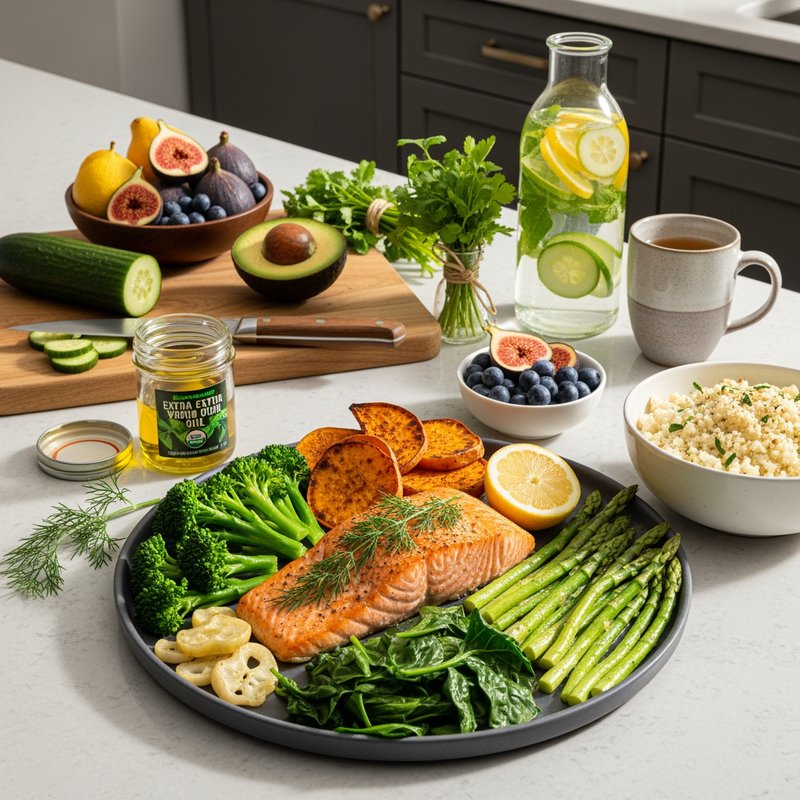
2 recipes available for this diet
AIP diet can help manage Hashimoto's by reducing inflammation, supporting thyroid function, and addressing potential autoimmune triggers. It provides nutrients critical for thyroid health while eliminating foods that may interfere with thyroid function.
Key foods: Grass-fed organ meats, wild-caught fish, coconut oil, fermented vegetables, seaweed, leafy green vegetables, bone broth
Mechanism: The diet supports thyroid health by reducing inflammatory responses, providing selenium and zinc-rich foods, and helping to heal intestinal permeability that can contribute to autoimmune thyroid conditions.
AIP diet can help manage symptoms of inflammatory bowel diseases by reducing dietary triggers, healing the gut lining, and providing anti-inflammatory nutrients. It addresses both symptom management and potential root causes of intestinal inflammation.
Key foods: Bone broth, grass-fed lamb, wild-caught fish, fermented foods, coconut oil, turmeric, ginger, leafy green vegetables
Mechanism: The diet reduces intestinal inflammation by removing potential irritants, providing healing nutrients like glutamine and collagen, and supporting a balanced immune response in the digestive tract.
The AIP diet is specifically designed to reduce inflammation and heal the gut lining in autoimmune disorders. By eliminating potential inflammatory triggers and focusing on nutrient-dense, anti-inflammatory foods, it helps modulate the immune system and reduce autoimmune responses.
Key foods: Grass-fed organ meats, wild-caught salmon, bone broth, fermented vegetables like sauerkraut, coconut oil, avocados, leafy green vegetables
Mechanism: The diet works by removing foods that can trigger immune system responses and intestinal permeability. It provides high-nutrient foods that support gut healing, reduce inflammation, and help restore the balance of the immune system by addressing potential root causes of autoimmune dysfunction.
The AIP diet is extremely effective at reducing systemic inflammation by eliminating pro-inflammatory foods and emphasizing nutrient-dense, anti-inflammatory alternatives. It provides a comprehensive approach to calming the body's inflammatory responses.
Key foods: Wild-caught salmon, grass-fed beef, organ meats, turmeric, ginger, coconut oil, avocados, fermented vegetables
Mechanism: The diet reduces inflammation through multiple pathways: eliminating inflammatory food triggers, providing high-antioxidant foods, supporting gut healing, and introducing nutrients that directly modulate inflammatory responses at the cellular level.
AIP diet is an elimination protocol that helps identify and manage food sensitivities by removing common inflammatory and allergenic foods. It provides a systematic approach to understanding individual food triggers.
Key foods: Grass-fed meats, wild-caught fish, coconut oil, fermented vegetables, bone broth, leafy green vegetables, turmeric
Mechanism: By systematically removing potential trigger foods and then carefully reintroducing them, the diet helps individuals identify specific food sensitivities while providing a nutrient-dense, anti-inflammatory dietary approach.
AIP diet directly targets intestinal permeability by eliminating foods that can damage the gut lining and introducing healing nutrients. The protocol helps seal the intestinal walls, reduce inflammation, and restore proper gut barrier function.
Key foods: Bone broth, grass-fed beef, wild-caught fish, fermented foods like kimchi, coconut oil, turmeric, ginger, leafy green vegetables
Mechanism: By removing inflammatory foods like grains, legumes, and nightshades, the diet reduces ongoing gut irritation. The nutrient-dense foods provide collagen, glutamine, and other compounds that directly support intestinal cell repair and strengthen the gut barrier.
Discover delicious recipes specifically tailored for the Autoimmune Protocol (AIP) diet.
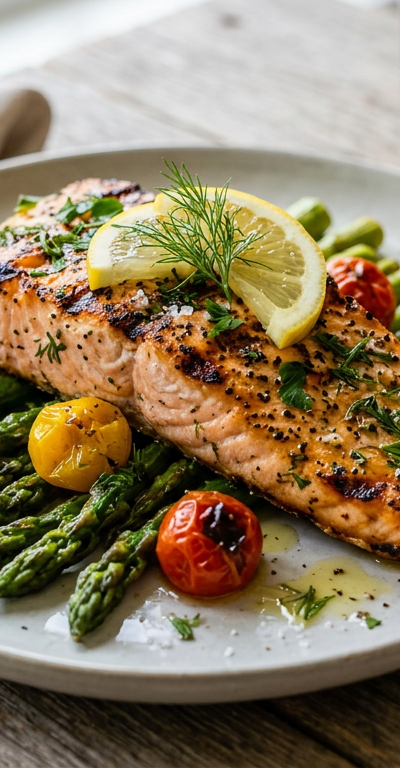
Quick 20-minute grilled salmon with lemon and herbs. Gluten-free, healthy, and bursting with fresh flavors. Perfect weeknight dinner!...
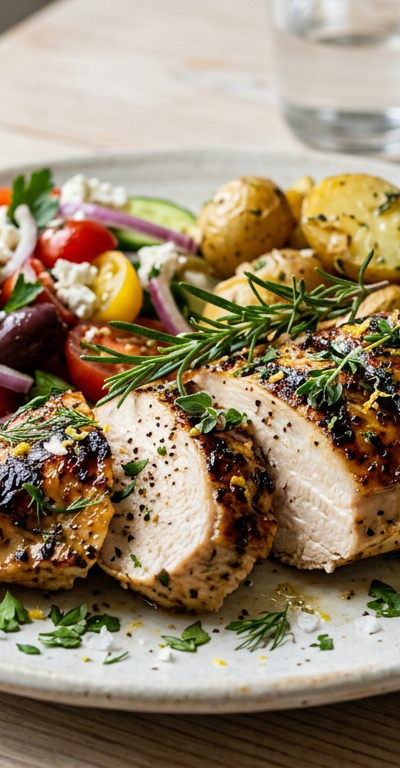
Juicy grilled chicken marinated in lemon, herbs, and olive oil. A healthy Mediterranean Diet dinner that's ready in 30 minutes....
Discover other dietary approaches tailored to different health goals and preferences.
View All Diets