Autoimmune Paleo
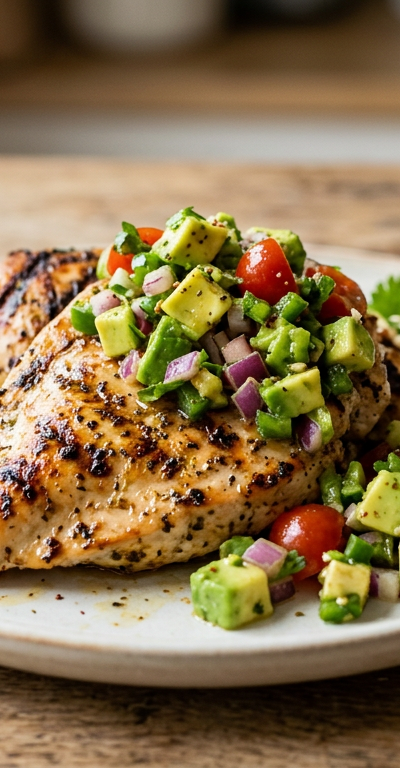
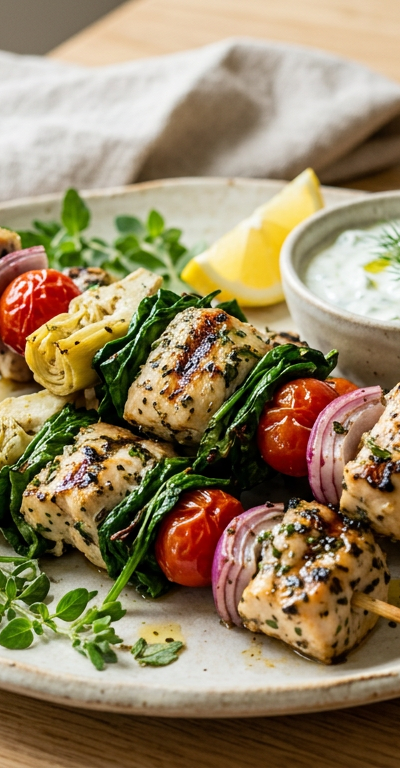
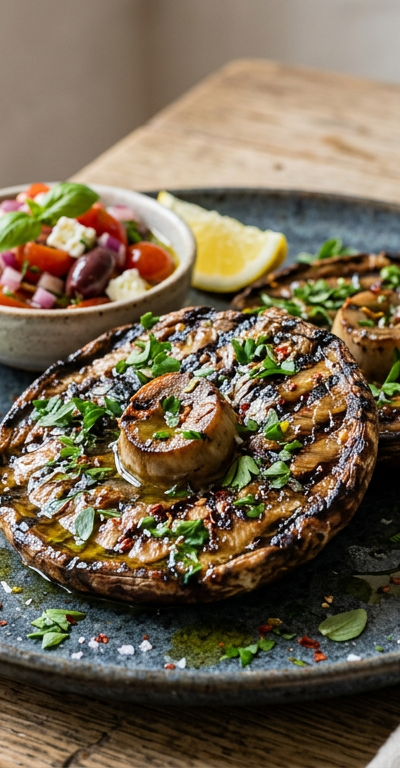
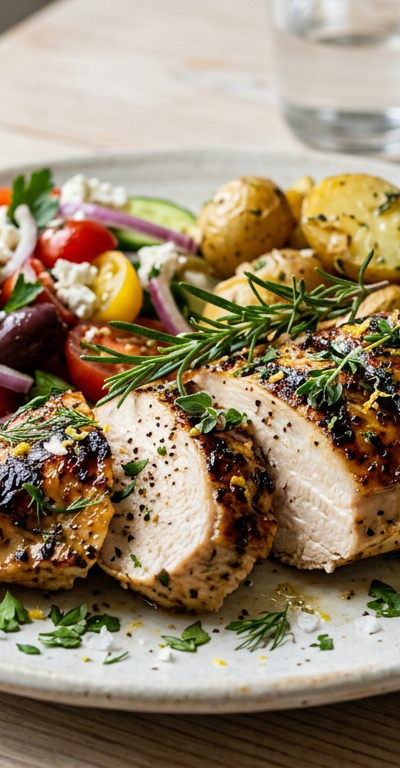
The Autoimmune Paleo (AIP) diet is a specialized elimination protocol designed to reduce inflammation, heal the gut lining, and manage symptoms associated with autoimmune conditions. It is a stricter version of the standard Paleo diet that temporarily removes foods believed to trigger immune responses, intestinal permeability (leaky gut), and systemic inflammation. The core principle is that by eliminating potential dietary triggers and focusing on nutrient-dense, anti-inflammatory foods, the body can begin to heal and the immune system can recalibrate, potentially reducing the autoimmune attack on the body's own tissues. The AIP diet emphasizes consumption of high-quality proteins (grass-fed meats, wild-caught fish, organ meats), vegetables (except nightshades), healthy fats (olive oil, coconut oil, avocado), fermented foods, bone broth, and small amounts of fruit. It strictly excludes grains (including gluten-free grains like rice and corn), legumes (beans, lentils, peanuts, soy), dairy products, eggs, nuts, seeds (including seed-based spices like cumin and coriander), nightshade vegetables (tomatoes, peppers, eggplant, potatoes), refined sugars, processed foods, alcohol, NSAIDs, and food additives. These exclusions target foods that may contain compounds like lectins, saponins, and proteins that can increase intestinal permeability or provoke immune responses in susceptible individuals. The AIP diet is specifically designed to help manage autoimmune conditions such as rheumatoid arthritis, lupus, Hashimoto's thyroiditis, Graves' disease, psoriasis, inflammatory bowel diseases (Crohn's disease and ulcerative colitis), celiac disease, multiple sclerosis, and type 1 diabetes. It also addresses related issues including chronic inflammation, digestive problems, skin conditions, joint pain, fatigue, and brain fog. Research published in journals such as Inflammatory Bowel Diseases has shown promising results, with studies demonstrating significant symptom improvement and remission rates in patients with inflammatory bowel disease following the AIP protocol. While more large-scale clinical trials are needed, preliminary evidence and substantial anecdotal reports suggest the diet can reduce inflammatory markers, improve gut barrier function, and decrease autoimmune disease activity. This diet is most beneficial for individuals diagnosed with autoimmune conditions who have not found adequate relief through conventional treatments alone, those experiencing unexplained chronic inflammation or digestive issues, and people seeking to identify specific food triggers for their symptoms. The AIP protocol is typically followed as a strict elimination phase for 30-90 days, followed by a systematic reintroduction phase to identify individual tolerance levels. It requires significant commitment and planning but can provide valuable insights into personal dietary triggers. Those with multiple autoimmune conditions, severe gut dysbiosis, or treatment-resistant symptoms may find this approach particularly valuable when implemented under the guidance of a healthcare provider or qualified nutritionist.