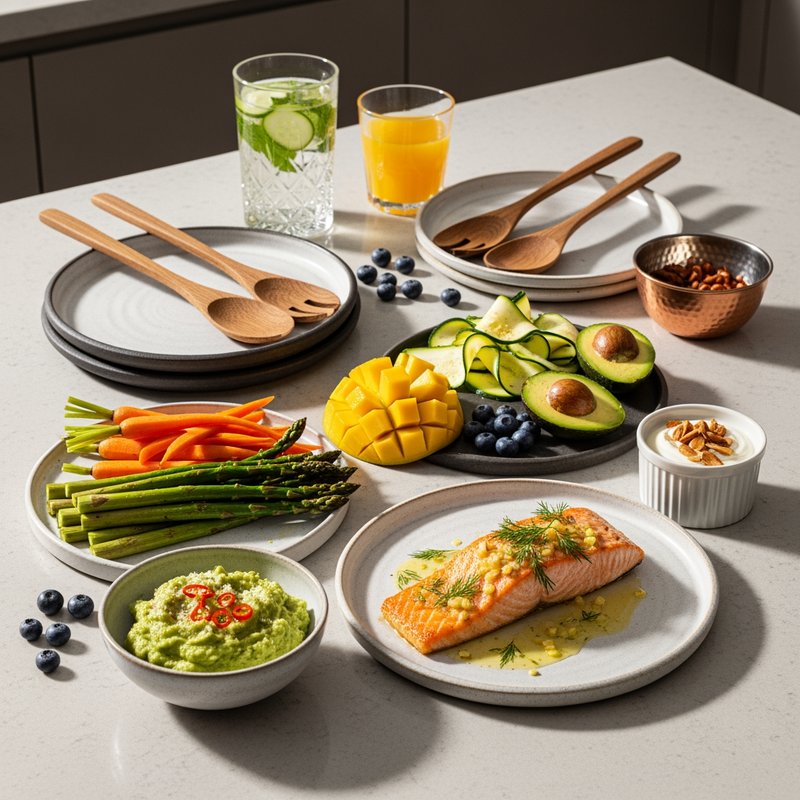
SCD may benefit various autoimmune conditions by addressing gut dysbiosis and intestinal permeability, which are increasingly recognized as contributing factors to autoimmune disease. By healing the gut lining and reducing systemic inflammation, the diet may help modulate immune system overactivity. Patients with autoimmune conditions often report reduced symptoms and improved quality of life, though individual responses vary.
How The gut-immune connection is central to SCD's benefits for autoimmune conditions. By healing intestinal permeability (leaky gut), the diet prevents undigested food particles and bacterial antigens from crossing into the bloodstream where they can trigger autoimmune responses. The restoration of healthy gut microbiota through fermented foods helps regulate immune function and reduce the inflammatory cascade that perpetuates autoimmune activity.
Key foods Bone broth for gut healing, wild-caught fish rich in omega-3s, pastured eggs, fermented yogurt for immune modulation, organic poultry, colorful vegetables like carrots and squash, nuts, honey
For celiac patients who continue to experience symptoms despite gluten avoidance, SCD provides additional healing by eliminating all grains and complex carbohydrates that may perpetuate gut inflammation. The diet's focus on easily digestible monosaccharides and nutrient-dense whole foods supports intestinal healing and improves nutrient absorption. Many celiac patients with refractory symptoms find relief through SCD's more comprehensive approach to gut healing.
How Beyond gluten elimination, SCD removes all grains and complex starches that can perpetuate inflammation and feed dysbiotic bacteria in damaged celiac intestines. The easily absorbed monosaccharides reduce digestive stress while providing energy, allowing intestinal villi to regenerate. The diet's anti-inflammatory properties and probiotic-rich foods support complete mucosal healing that gluten avoidance alone may not achieve in complicated cases.
Key foods Grass-fed meats for nutrient density, wild-caught fish, organic eggs, well-cooked vegetables, homemade yogurt for probiotics, aged cheeses, almond flour for baking, bone broth
SCD is highly effective for chronic diarrhea by eliminating foods that are poorly absorbed or that feed bacteria producing diarrhea-causing toxins. The diet's easily digestible monosaccharides are absorbed in the upper intestine, reducing osmotic diarrhea and bacterial fermentation. Most patients experience significant improvement in stool consistency and frequency within weeks, with many achieving complete normalization of bowel movements.
How The diet addresses chronic diarrhea by providing only monosaccharides that are rapidly and completely absorbed in the small intestine, eliminating the osmotic effect of unabsorbed complex carbohydrates that draw water into the colon. By starving pathogenic bacteria that produce enterotoxins, SCD reduces secretory diarrhea. The probiotic yogurt helps restore normal gut flora that regulate water absorption and intestinal motility.
Key foods 24-hour fermented yogurt for probiotics, bone broth for electrolytes and healing, well-cooked carrots and squash, bananas, eggs, lean proteins like chicken and fish, aged cheeses, honey
SCD reduces systemic inflammation by healing the gut lining and eliminating foods that trigger inflammatory responses. The diet's removal of processed foods, refined sugars, and inflammatory grains helps lower inflammatory markers throughout the body. By restoring gut health and reducing intestinal permeability, SCD prevents inflammatory compounds from entering the bloodstream and triggering systemic inflammation.
How The diet reduces inflammation through multiple pathways: eliminating pro-inflammatory processed foods and grains, healing intestinal permeability that allows inflammatory particles into circulation, and rebalancing gut microbiota to reduce production of inflammatory metabolites. The nutrient-dense whole foods provide anti-inflammatory compounds while the absence of complex carbohydrates reduces endotoxin production from harmful bacteria.
Key foods Wild-caught fatty fish like salmon and sardines, grass-fed meats, organic eggs, leafy greens, cruciferous vegetables like broccoli, berries rich in antioxidants, walnuts and pecans, extra virgin olive oil
SCD effectively manages various digestive disorders including IBS, celiac disease complications, and chronic diarrhea by eliminating foods that are difficult to digest or that feed pathogenic bacteria. The diet's emphasis on easily absorbed monosaccharides and elimination of complex starches reduces bloating, gas, cramping, and irregular bowel movements. Patients often report normalized digestion and improved nutrient absorption within the first few months.
How By removing complex carbohydrates, lactose, and processed foods, SCD reduces the workload on compromised digestive systems and minimizes substrates for bacterial fermentation. The diet provides nutrients in their most bioavailable forms while the probiotic-rich homemade yogurt helps restore healthy gut flora, improving overall digestive function and reducing symptoms of malabsorption.
Key foods 24-hour fermented yogurt for probiotics, bone broth for gut healing, cooked vegetables like zucchini and green beans, fresh fruits like bananas and berries, eggs, fish, almond flour baked goods, honey
SCD eliminates many common food allergens and irritants including gluten, lactose, soy, and processed additives, making it beneficial for those with multiple food sensitivities. By healing the gut lining and reducing inflammation, the diet may improve tolerance to foods over time. The elimination of complex carbohydrates that feed harmful bacteria also reduces the production of histamine and other inflammatory compounds that exacerbate food sensitivities.
How The diet's healing effect on intestinal permeability prevents larger food proteins from crossing the gut barrier and triggering immune responses. By eliminating processed foods with multiple ingredients and additives, SCD reduces exposure to hidden allergens and inflammatory compounds. The simplified, whole-food approach allows the immune system to calm down while the gut heals, potentially reducing reactivity to foods.
Key foods Single-ingredient whole foods like fresh meats, eggs, non-starchy vegetables, tree nuts (if tolerated), aged hard cheeses, fresh fruits, homemade yogurt fermented 24 hours, honey
SCD is specifically designed to heal intestinal permeability by eliminating foods that damage the gut lining and providing nutrients that support gut repair. The diet's removal of complex carbohydrates reduces bacterial overgrowth and the production of toxins that damage tight junctions between intestinal cells. Patients typically experience improved gut barrier function within months, leading to reduced systemic symptoms like fatigue, joint pain, and skin issues.
How The diet heals leaky gut through multiple mechanisms: providing easily digestible nutrients that don't stress the damaged intestinal lining, eliminating foods that feed bacteria producing gut-damaging toxins, and supplying building blocks like amino acids from bone broth for tight junction repair. The probiotic-rich yogurt helps restore beneficial bacteria that support gut barrier integrity, while the anti-inflammatory whole foods reduce ongoing damage to the intestinal wall.
Key foods Bone broth rich in collagen and glutamine, 24-hour fermented yogurt, wild-caught fish with omega-3s, organic eggs, cooked non-starchy vegetables, grass-fed meats, almond butter, honey
SCD is highly effective for SIBO because it eliminates the complex carbohydrates and disaccharides that feed bacterial overgrowth in the small intestine. By providing only monosaccharides that are absorbed in the upper small intestine, the diet starves the excess bacteria while allowing beneficial microbes to flourish. Many SIBO patients achieve symptom resolution and negative breath tests after several months on the diet.
How The monosaccharide-only approach ensures rapid absorption in the proximal small intestine, leaving minimal substrate for bacterial fermentation in the distal small intestine where SIBO occurs. This nutritional starvation of pathogenic bacteria, combined with the probiotic benefits of homemade yogurt, helps restore normal small intestinal bacterial populations and reduces the gas production and inflammation that cause SIBO symptoms.
Key foods 24-hour fermented yogurt, bone broth, well-cooked non-starchy vegetables, lean proteins like chicken and fish, aged cheeses, peeled fruits, almond flour, honey in moderation
Through the gut-brain axis, SCD may improve mental health by reducing intestinal inflammation and restoring healthy gut microbiota that produce neurotransmitters. Many patients report improvements in mood, anxiety, and cognitive clarity after adopting the diet, likely due to reduced systemic inflammation and improved nutrient absorption. The elimination of blood sugar fluctuations from processed sugars may also contribute to mood stabilization.
How The gut microbiome produces approximately 90% of the body's serotonin and influences other neurotransmitters through the gut-brain axis. By restoring healthy gut bacteria and reducing inflammation, SCD may improve neurotransmitter production and reduce inflammatory cytokines that contribute to depression. The diet's nutrient-dense foods provide essential vitamins and minerals for brain health while stable blood sugar from eliminating refined sugars prevents mood swings.
Key foods 24-hour fermented yogurt for gut-brain benefits, wild-caught fatty fish rich in omega-3s, pastured eggs with B vitamins, leafy greens, nuts like walnuts, berries with antioxidants, grass-fed meats, honey for stable energy
SCD may help manage diverticulitis by reducing intestinal inflammation and promoting a healthier gut microbiome that prevents bacterial overgrowth in diverticula. The diet's elimination of complex carbohydrates and processed foods reduces fermentation and gas production that can irritate inflamed diverticula. While more research is needed, many patients report fewer flare-ups and improved bowel regularity on the diet.
How By eliminating complex carbohydrates that feed pathogenic bacteria, SCD reduces bacterial fermentation in the colon that can lead to increased pressure and inflammation in diverticula. The diet's anti-inflammatory properties help calm existing inflammation while the easily digestible foods reduce digestive stress. Improved gut microbiota balance may prevent the bacterial overgrowth that can trigger diverticulitis flare-ups.
Key foods Well-cooked non-starchy vegetables without seeds, bone broth for healing, lean proteins like chicken and fish, homemade yogurt, peeled fruits, aged cheeses, almond flour, honey
The Specific Carbohydrate Diet was specifically developed to treat inflammatory bowel diseases and has extensive clinical evidence supporting its effectiveness. By eliminating complex carbohydrates and disaccharides that feed harmful gut bacteria, SCD reduces intestinal inflammation, heals the gut lining, and helps achieve clinical remission. Many patients experience significant symptom reduction including decreased diarrhea, abdominal pain, and bleeding within weeks to months of strict adherence.
How SCD works by starving pathogenic bacteria that thrive on complex carbohydrates and disaccharides, allowing beneficial bacteria to repopulate the gut. The easily digestible monosaccharides are absorbed in the upper intestine, reducing fermentation and bacterial overgrowth in the lower intestine. This rebalancing of gut microbiota reduces inflammation, allows the intestinal mucosa to heal, and restores normal digestive function.
Key foods 24-hour fermented homemade yogurt, bone broth from chicken or beef, wild-caught salmon, pastured eggs, aged cheddar cheese (30+ days), cooked carrots and squash, almond flour, honey
SCD addresses the broader spectrum of inflammatory bowel diseases by targeting the root cause of intestinal inflammation through dietary modification. The diet's restriction of complex carbohydrates and focus on easily digestible monosaccharides reduces the bacterial overgrowth and fermentation that perpetuate intestinal inflammation. Clinical studies and decades of patient outcomes demonstrate significant improvements in disease activity, quality of life, and mucosal healing.
How The diet eliminates foods that are incompletely digested and fermented by intestinal bacteria, which produce toxic byproducts that damage the gut lining. By providing only monosaccharides that are rapidly absorbed, SCD reduces substrate availability for harmful bacteria, decreases intestinal permeability (leaky gut), and allows the immune system to downregulate inflammatory responses in the gut.
Key foods Homemade 24-hour yogurt with live cultures, grass-fed beef and lamb, organic chicken, wild-caught fish, aged hard cheeses, cooked non-starchy vegetables, nut butters from almonds or pecans, honey
General information about how people eat, not medical advice. Talk to a clinician
before changing your diet to treat a condition.