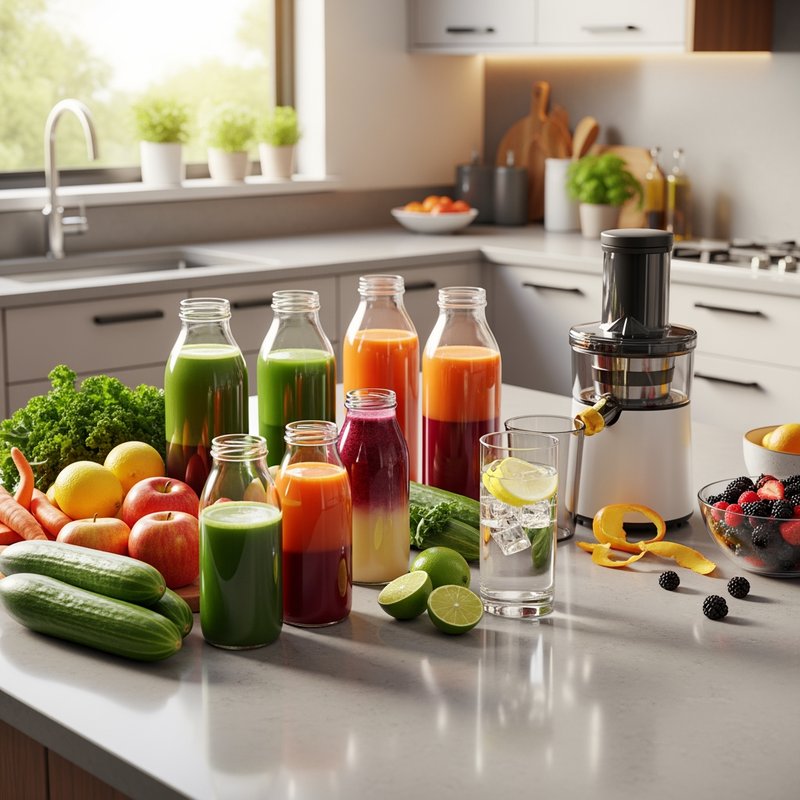
Juice Cleanse
A Juice Cleanse is a short-term dietary intervention that involves consuming only freshly extracted fruit and vegetable juices, often combined with water, herbal teas, and sometimes nut milks, while eliminating all solid foods. The core principle is to give the digestive system a rest while flooding the body with concentrated nutrients, enzymes, and antioxidants that are easily absorbed. Typically lasting anywhere from 1 to 7 days (occasionally longer under supervision), juice cleanses aim to support the body's natural detoxification processes, reduce inflammation, and provide a reset for eating habits. The juices are usually consumed every 2-3 hours throughout the day, with specific sequences often recommended (such as starting with green vegetable juices and incorporating fruit juices mid-day for energy). Juice cleanses include fresh, raw, cold-pressed or freshly extracted juices from vegetables like kale, spinach, celery, cucumber, carrots, beets, and ginger, as well as fruits such as apples, lemons, oranges, and berries. Excluded from the diet are all solid foods, processed foods, caffeine (except in some protocols), alcohol, dairy products, grains, legumes, meat, fish, eggs, added sugars, and artificial ingredients. The emphasis is on organic produce when possible to minimize pesticide exposure, and a typical cleanse features predominantly vegetable-based juices (70-80%) with limited fruit content to manage sugar intake. Proponents claim juice cleanses may help with various health conditions including digestive issues, inflammation, obesity, high blood pressure, and may support liver function. Some people report benefits for conditions like irritable bowel syndrome (IBS), bloating, skin conditions like acne or eczema, and general fatigue. However, scientific evidence for juice cleansing is limited and mixed. While increased fruit and vegetable consumption is universally supported by research, the specific benefits of juice-only diets over whole food consumption are not well-established in peer-reviewed literature. The body's liver and kidneys naturally detoxify without requiring special diets, though the concentrated nutrients and reduced caloric/digestive load may provide temporary relief for some individuals. Critics note potential risks including blood sugar fluctuations, nutrient deficiencies (particularly protein and fiber), muscle loss, and unsustainability for long-term health. Juice cleanses may be most appropriate for generally healthy individuals seeking a short-term dietary reset, those looking to jump-start healthier eating habits, or people wanting to increase their fruit and vegetable intake in a concentrated form. They may benefit individuals with temporary digestive discomfort or those recovering from periods of poor dietary choices. However, juice cleanses are NOT recommended for pregnant or breastfeeding women, children, individuals with diabetes (due to blood sugar concerns), people with kidney disease, those with eating disorders, or anyone with compromised immune systems. People with chronic health conditions should consult healthcare providers before attempting a cleanse. For sustainable health benefits, most nutrition experts recommend incorporating fresh juices as part of a balanced whole-foods diet rather than as a complete meal replacement.