Chili with beans costs less and tastes great
Beans in chili aren't filler. They break down and thicken the sauce, which is why it tastes better on day three than it did on day one.
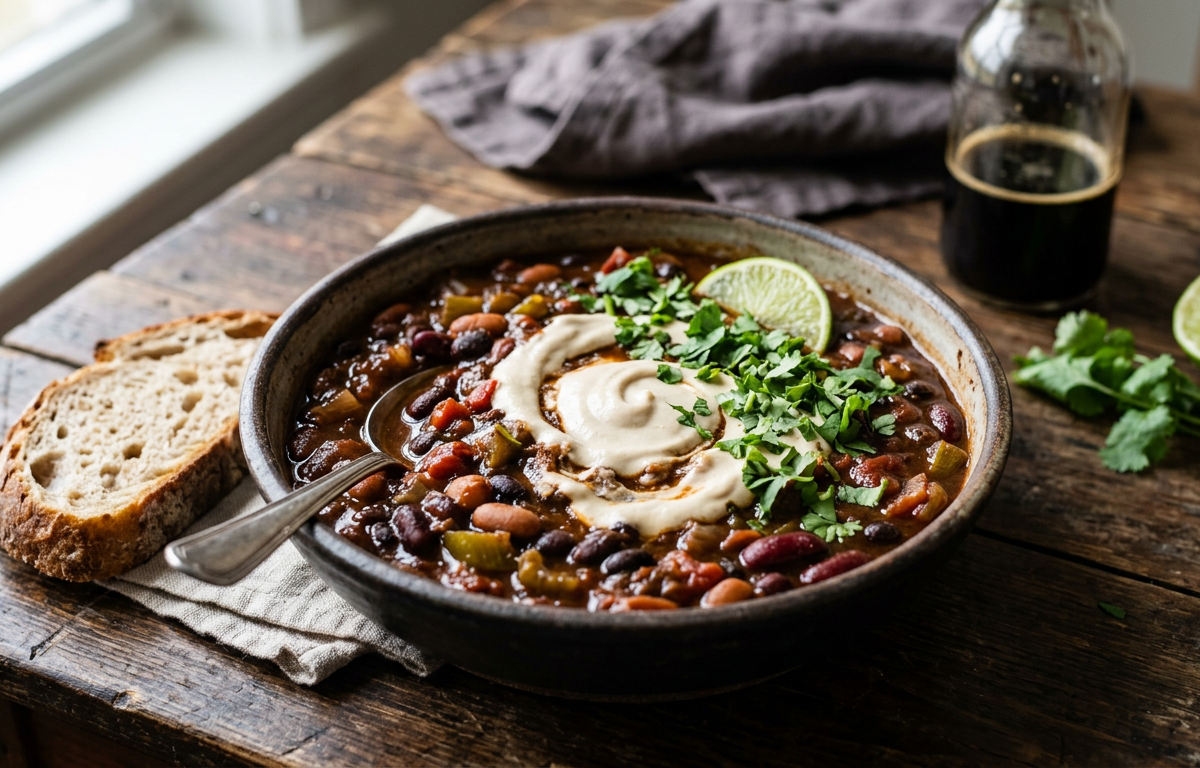
You probably think of beans as the thing you add when you don't have enough ground meat. But beans are what makes chili improve overnight. They break down and thicken the sauce. They release starch that binds flavors together. A batch you make on Sunday will taste noticeably better by Wednesday.
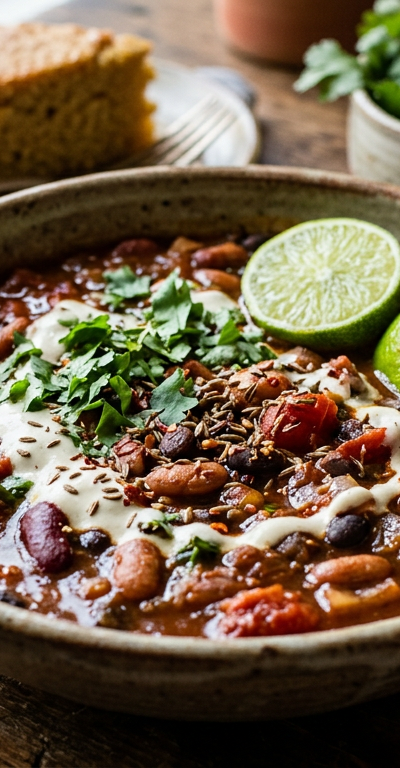
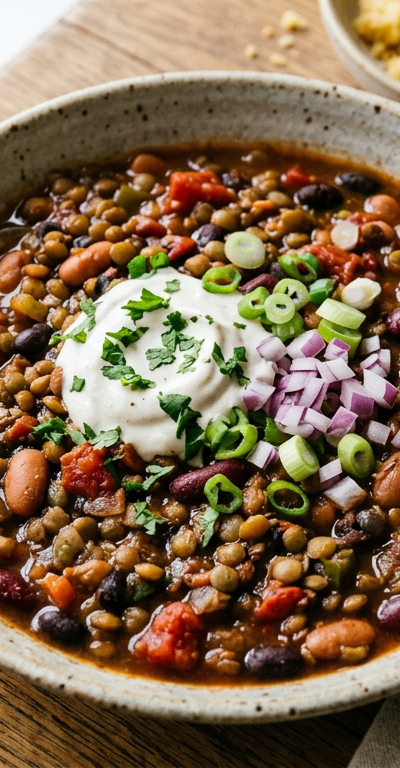
Start with garlic, tomato, and a spice blend built around cumin. That's your base. But beans do the real work. Black beans give you earthiness. Kidney beans add creaminess without cream. Lentils keep it lean if calories matter. You can stick with one kind or mix them. What matters is volume. Use at least as much bean as meat, maybe more.
The money works out straightforward. Ground beef has gotten expensive. One pound of dried beans costs what a pound of ground beef does and becomes four cups cooked. A can is cheaper and skips the soaking. So you're looking at a pot that serves eight for six dollars, maybe seven if you add tomato paste and decent sauce. The meat, if you use it, is the luxury.
But the real reason to build chili on beans is flavor. As they soften, they keep releasing more taste into the pot. Overnight in the fridge, the sauce gets thicker because the starches have fully hydrated. The flavors settle into each other. Reheat it on the stove (not the microwave - you want the heat to wake it up) and you'll notice the difference immediately.
Bean chili works with or without meat. If you use meat, add a pound of ground beef or diced pork shoulder. If you don't, bump up the beans or add lentils. The beans do the structural work either way, so it tastes equally good.
The technique: 1. Sauté onion and garlic in oil. Build a fond at the bottom of the pan. 2. Add tomato paste and let it deepen for a couple minutes. 3. Add cumin, chili powder, cayenne if you want heat. Let them bloom in the oil. 4. Add tomato sauce or crushed tomatoes and scrape that fond up. 5. Add beans and a cup of stock or water. Bring to a simmer. 6. Let it cook at least thirty minutes. An hour is better.
Once it's cooled and been in the fridge, the texture changes. The beans soften. The sauce thickens. The flavors marry. Reheat it and it tastes like it spent all day on the stove, even though you spent thirty minutes prepping.
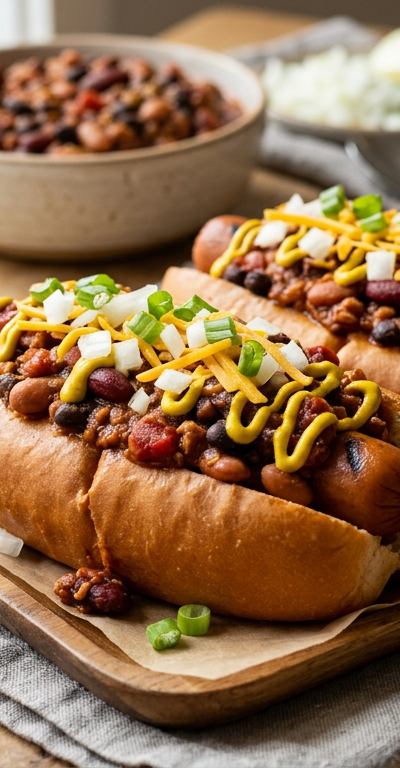
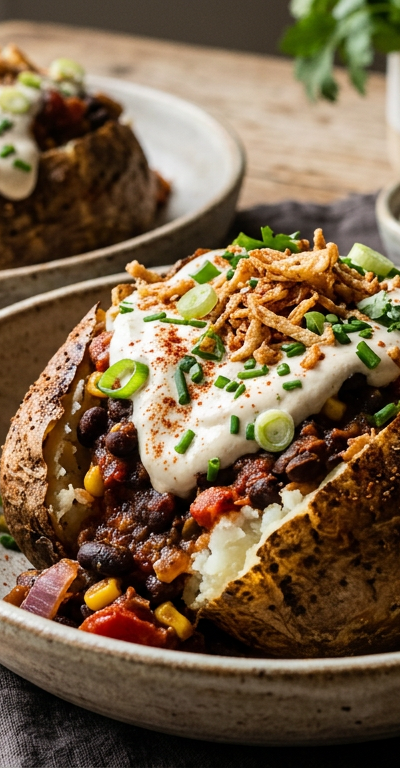
This is why you make a big batch. Tuesday you eat it fresh. Wednesday it's better. Thursday you put it over pasta. Friday you stuff it into a sweet potato. Saturday you make chili dogs or nachos. Each time it tastes a little different because the chili has matured. The flavors are more integrated. By the time you're done with the batch, you've gotten four or five different meals from one pot.
The recipe doesn't care if you use beef, turkey, pork, or nothing. It doesn't care if you use black beans, kidney beans, pintos, or lentils. It cares that you use beans, use enough of them, and let it rest overnight. Do those three things and you'll make something that tastes like it took all day, costs less than chicken for the week, and actually gets better while you're living your life.
Recipes are AI-assisted. Use your judgment with allergies.
Questions people ask
What's the best bean for chili?
Black beans are the standard, but kidney beans are creamier and pintos are earthier. You can use one kind or a mix. All work.
Can I make chili with meat and beans?
Absolutely. Beef, pork, or turkey all work. Use a pound of meat to start your base, then add the same amount of beans by volume. The beans do most of the work.
How long does chili last in the fridge?
Five to seven days, covered. It tastes better each day until day four, then holds steady. Freeze it for up to three months.
Can I use canned beans instead of dried?
Yes. Two cans equal about one cup of dried beans cooked. Add them near the end of cooking so they don't turn to mush.
Recipes to try
All recipes →
Recipes are AI-assisted. Use your judgment with allergies.