Butternut squash tastes better roasted flat-side-down
Cut it in half lengthwise, place it cut-side-down on a hot baking sheet, and the flat surface browns. That browning is where all the flavor comes from.
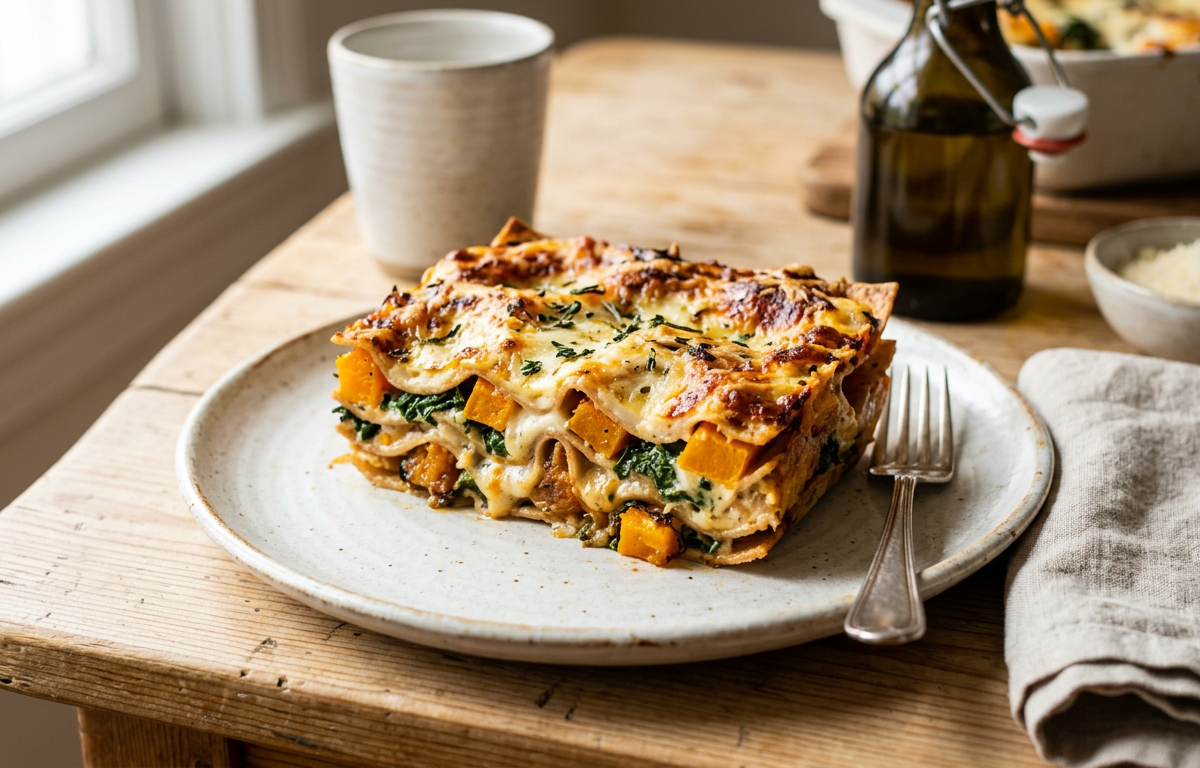
Cut a butternut squash in half lengthwise, scoop out the seeds, place the halves cut-side-down on a hot baking sheet, and roast until the flesh is tender and the flat side is caramelized. You get tender inside with a slightly crispy, browned edge.
The cut surface caramelizes because direct contact with heat browns the squash's sugars. This browning creates flavor compounds that don't exist in raw squash or in squash roasted any other way. Caramelization only happens with direct heat on the surface, which is why cut-side-down works better than skin-side-down or cubed and scattered.
Texture matters too. The skin acts as a lid, keeping moisture in while the cut surface dries slightly and colors. You end up with tender meat, caramelized where it touched the pan, and an intact skin.
Timing is straightforward. Forty to fifty minutes at a standard oven temperature. Poke the thickest part with a fork. When the fork goes through easily, it's done. Start checking around thirty-five minutes because ovens vary. You won't overcook if you check regularly.
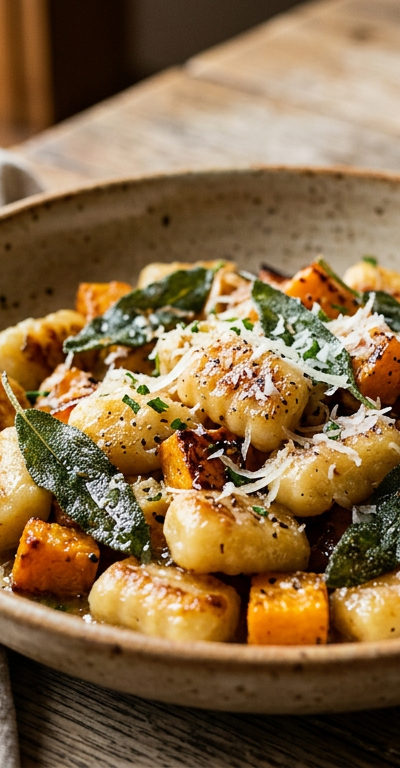
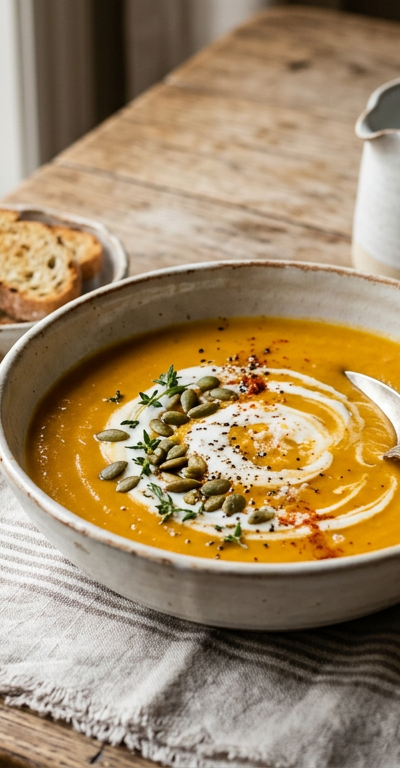
Once roasted, you have three directions. For dinner, scoop the flesh out and toss it with olive oil, sage, and Parmesan, or use it as the base for a stuffed vegetable or lasagna. The nuttiness pairs with sharp cheeses and sage. For a side dish, scoop it out, mash it roughly with a fork, and mix it with cinnamon and a little brown sugar, or keep it plain with salt and olive oil. For soup, blend the roasted flesh with cream, nutmeg, and a splash of maple syrup and you have something that tastes like fall.
This scales easily. You can roast two halves or six at once on a large pan. Roasted squash keeps in the refrigerator and reheats gently with a splash of water in a covered pan. This makes it good for batch cooking. Roast on Sunday and you have a component ready for three different uses during the week.
The seeds are worth saving. Scoop them out, rinse them well, toss them with a little oil and salt, spread them on a baking sheet, and roast them until golden and crispy. They taste like toasted pumpkin seeds and work as a snack or salad topping.
You're seeing butternut recipes now because fall is when it peaks. Search interest climbs as Thanksgiving and holiday cooking approaches. Learning to roast it this way gives you a technique you'll actually use from October through January.
Questions people ask
What's the best way to cook butternut squash?
Roasting cut-side-down creates caramelization, which is the best flavor outcome. It works for any application (savory dinners, sweet sides, soups) and tastes deeper than cubing it or roasting skin-side-down.
What should I season butternut squash with?
For savory, pair it with sage and Parmesan. For sides, try cinnamon and brown sugar. For soups, nutmeg and maple work well. Cumin and chili crisp take it in a different direction.
Recipes to try
All recipes →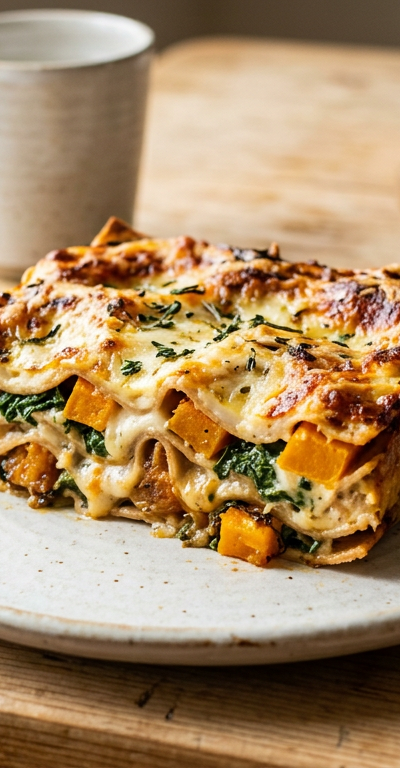
Recipes are AI-assisted. Use your judgment with allergies.